
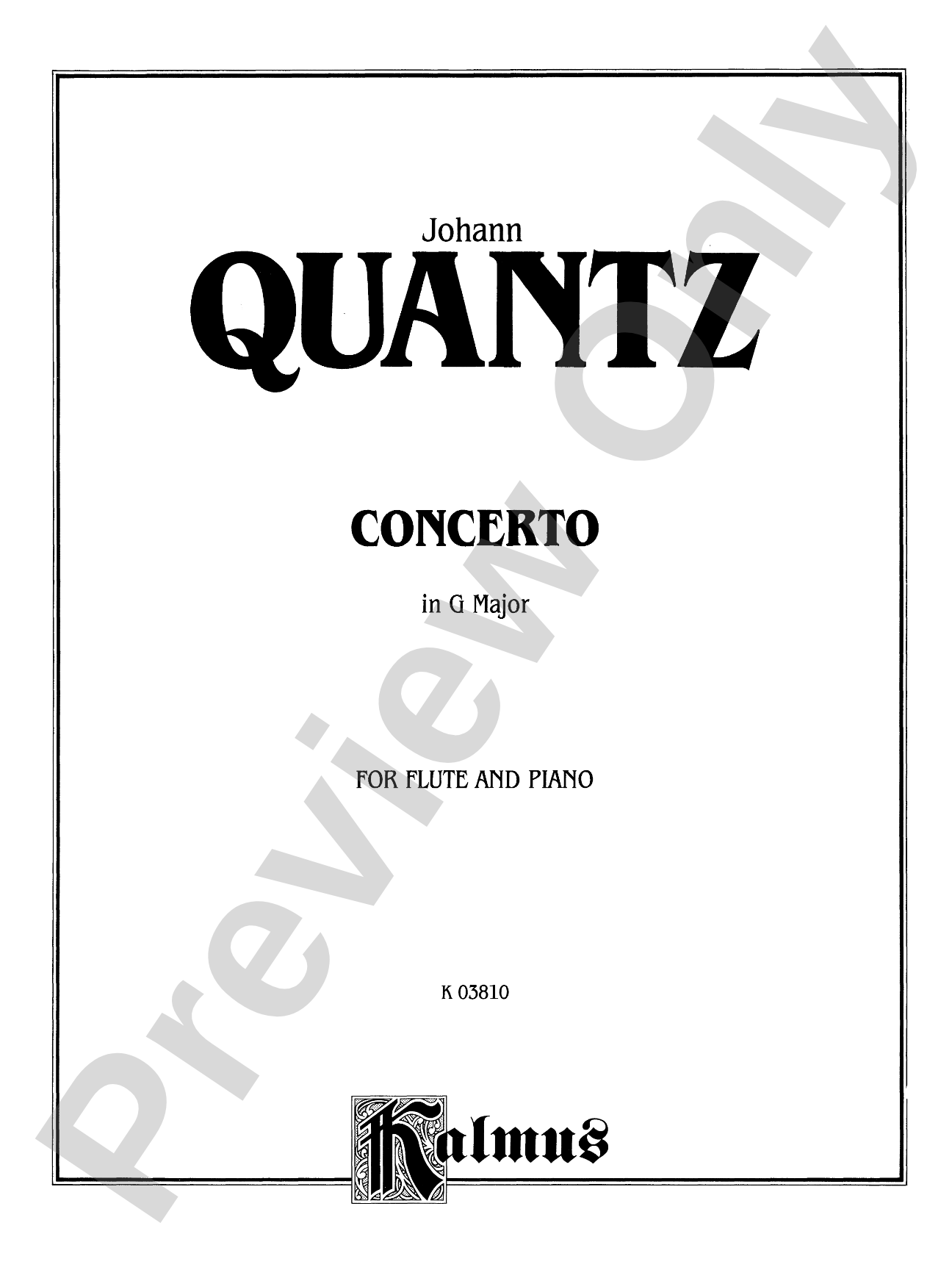
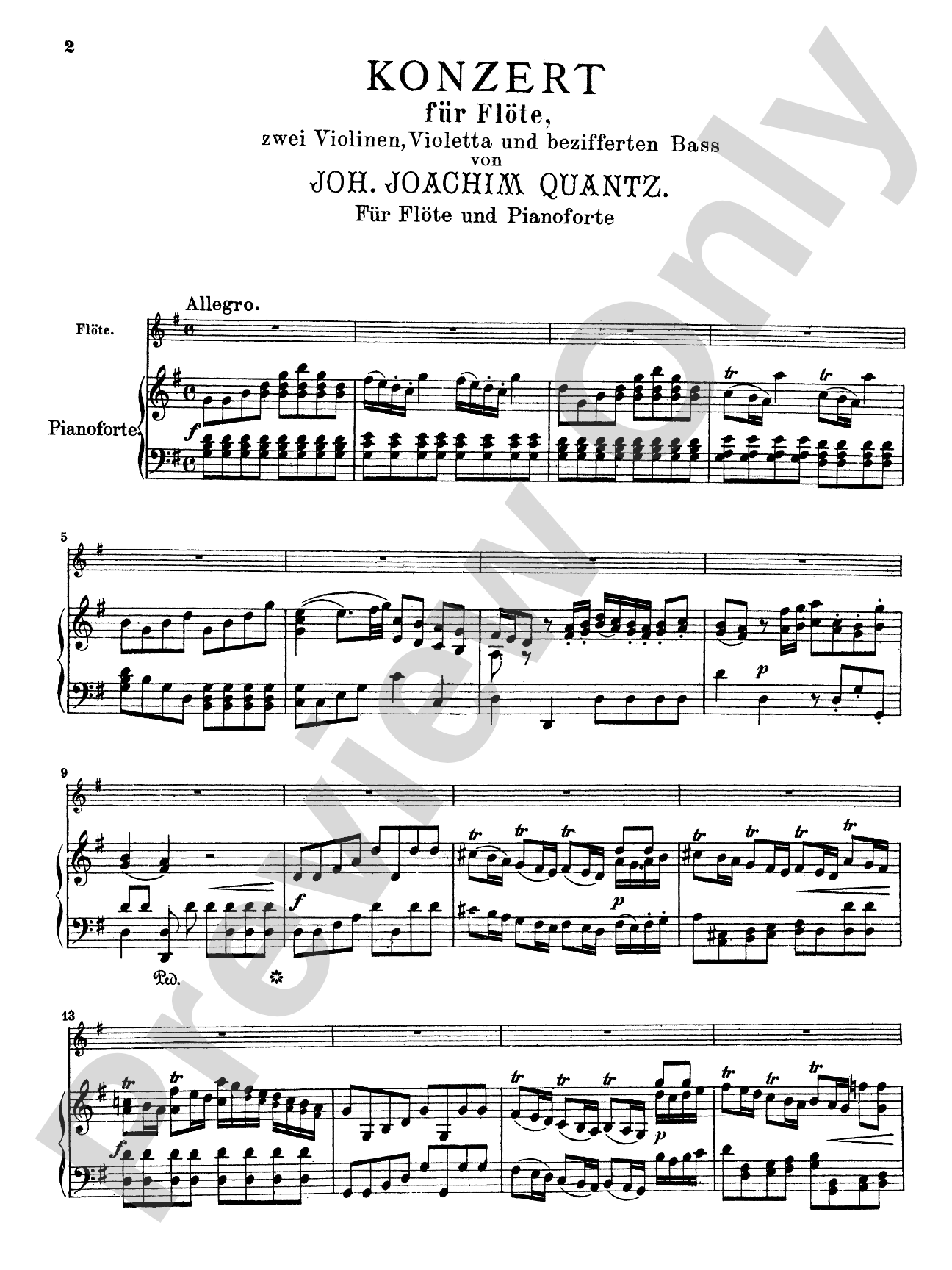
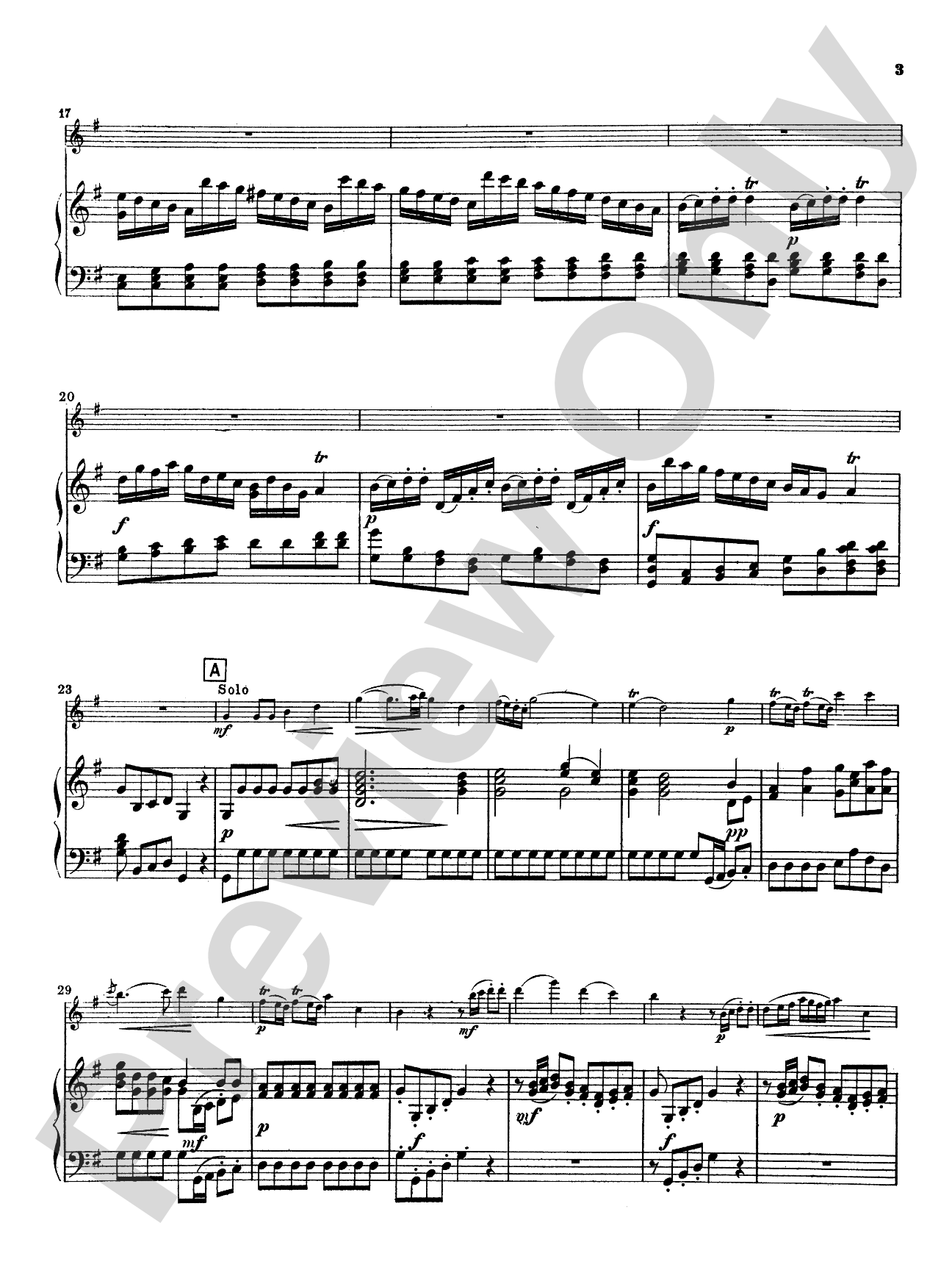
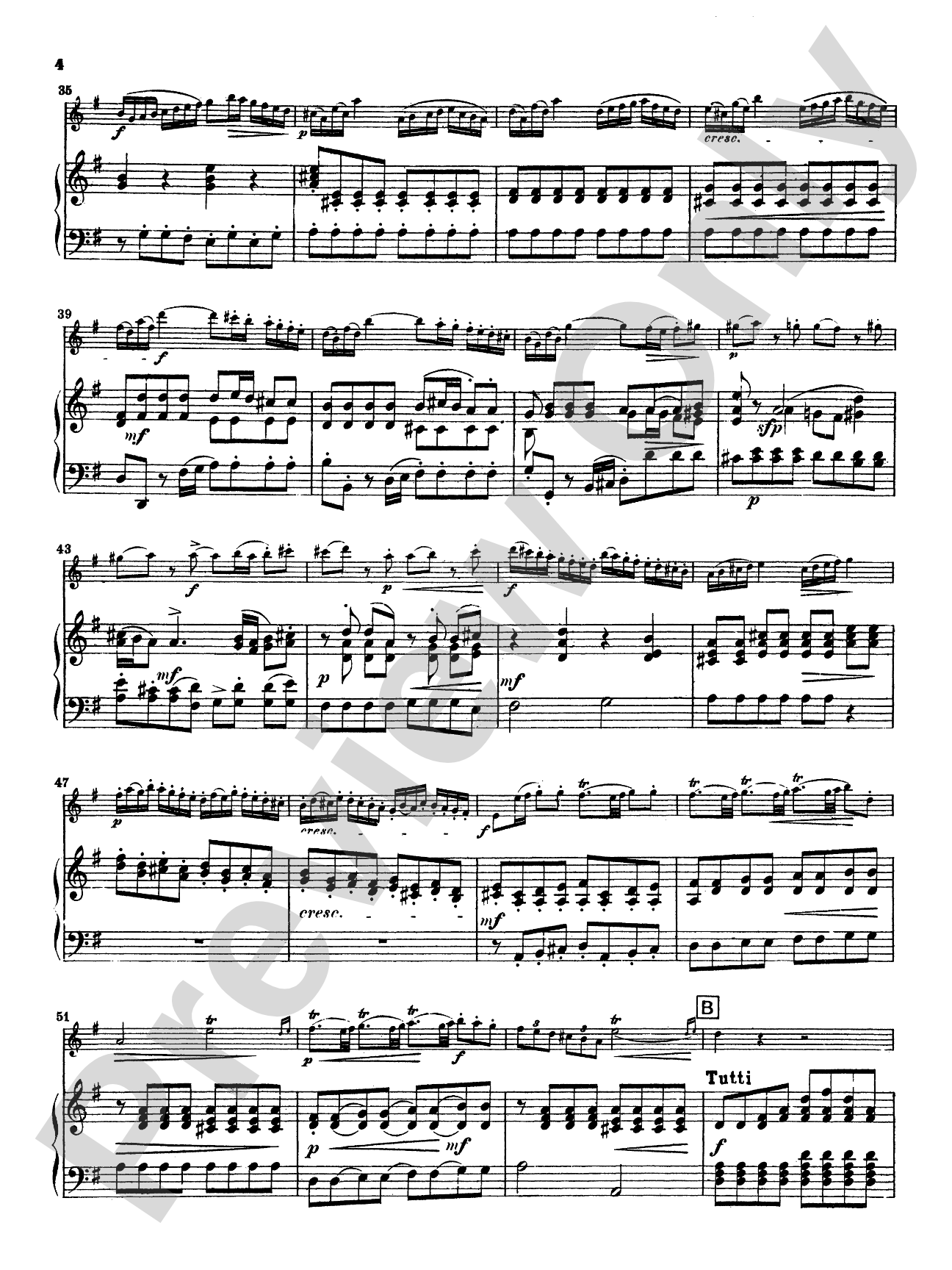
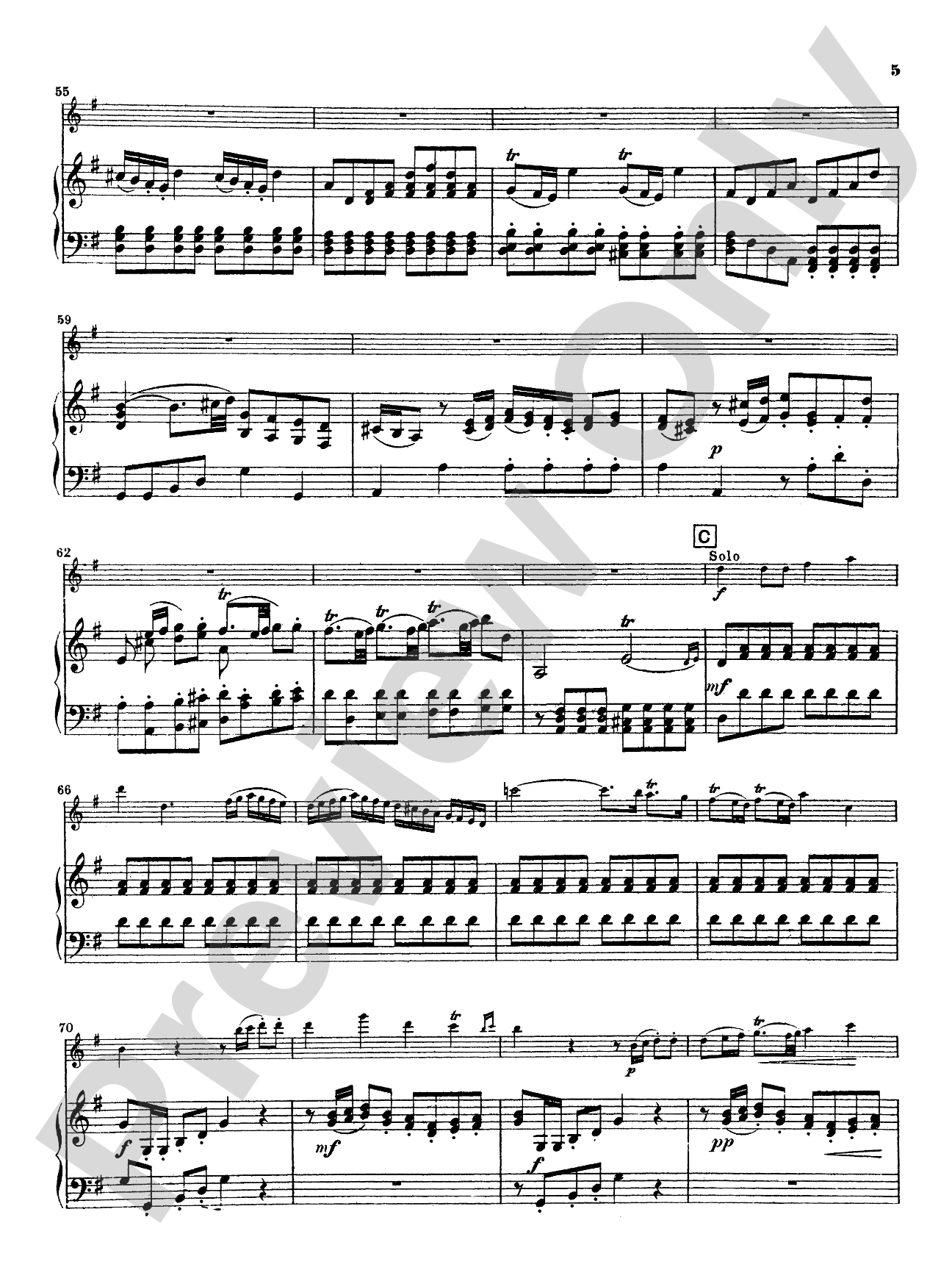
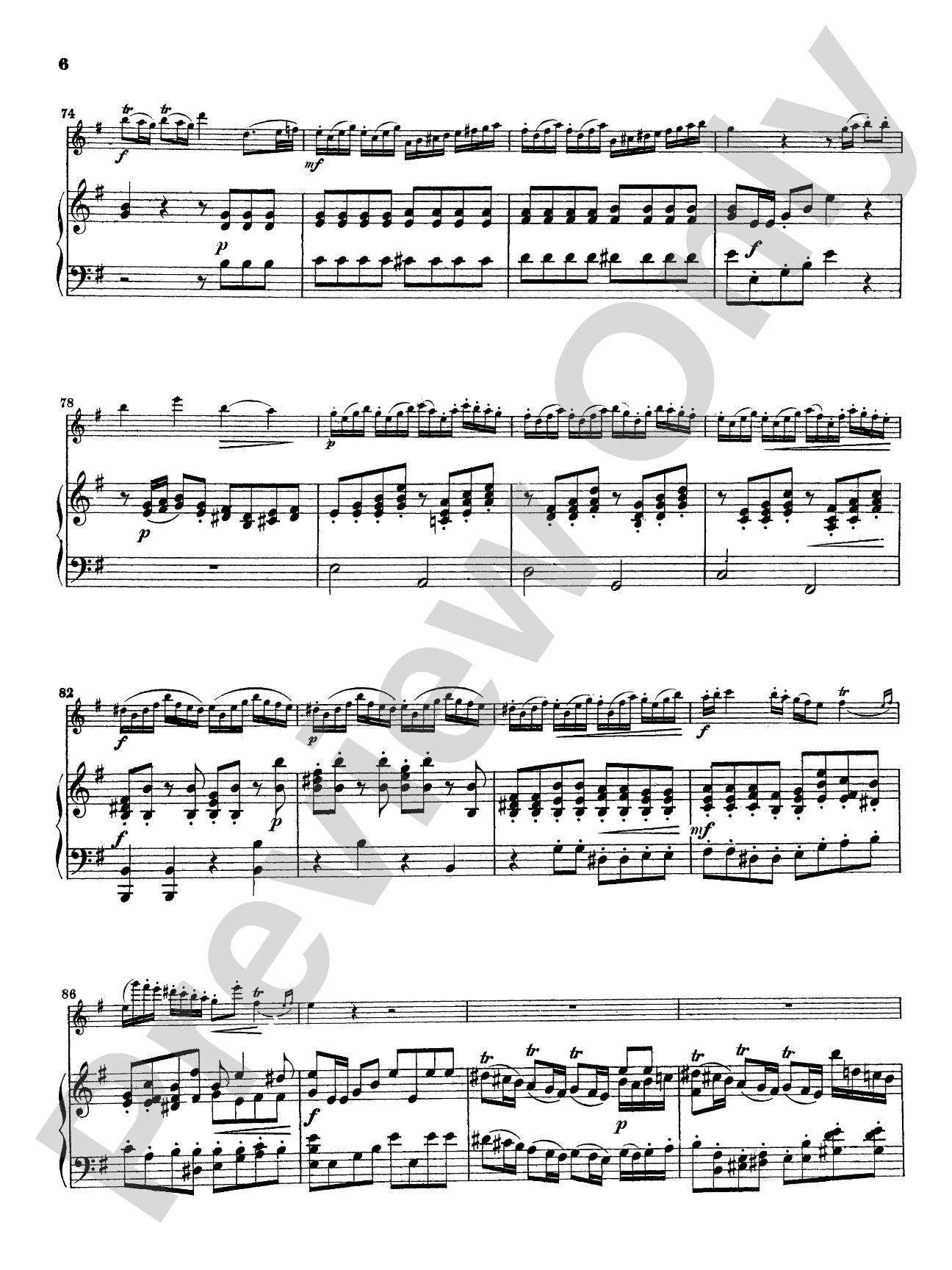
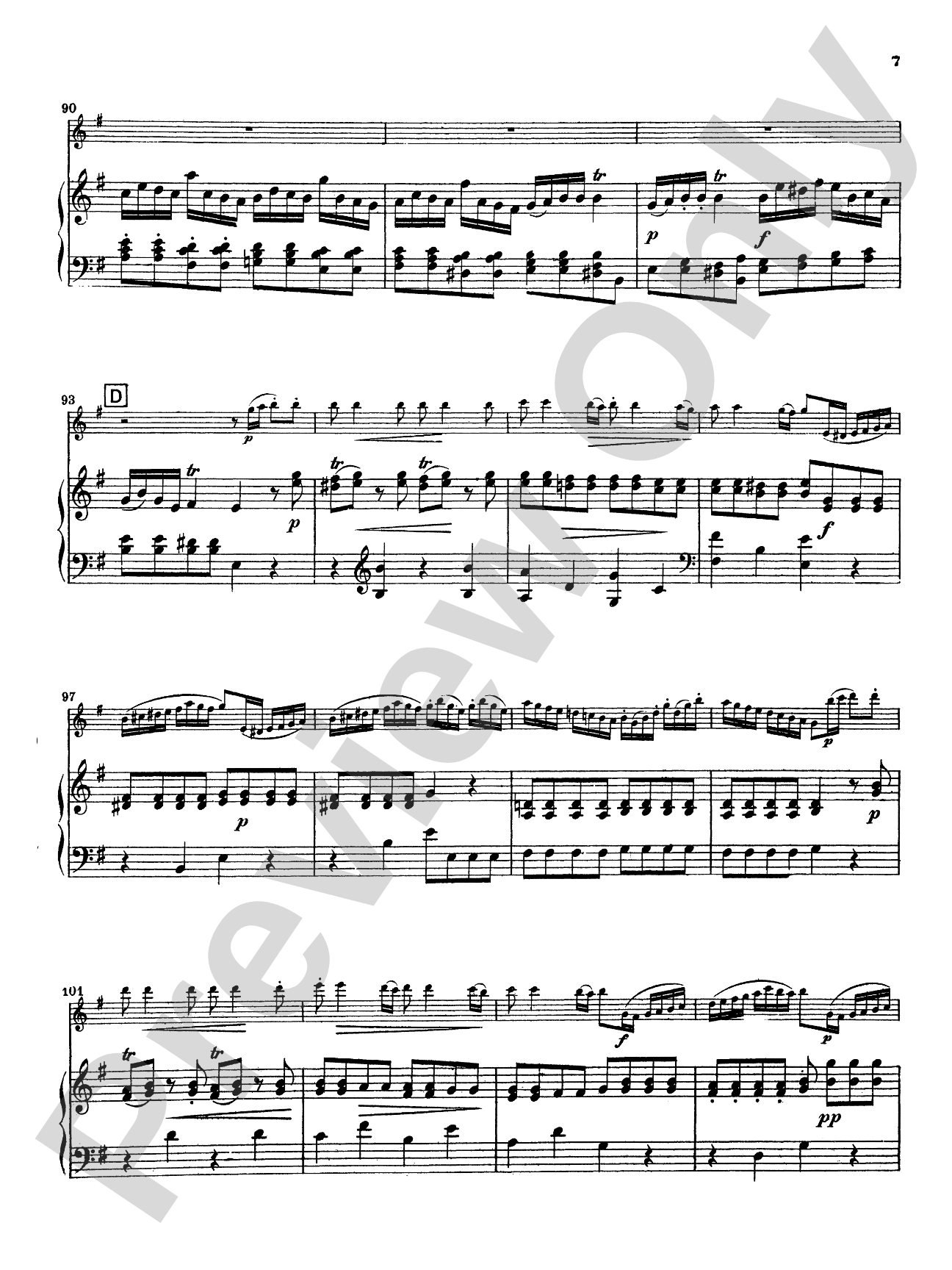
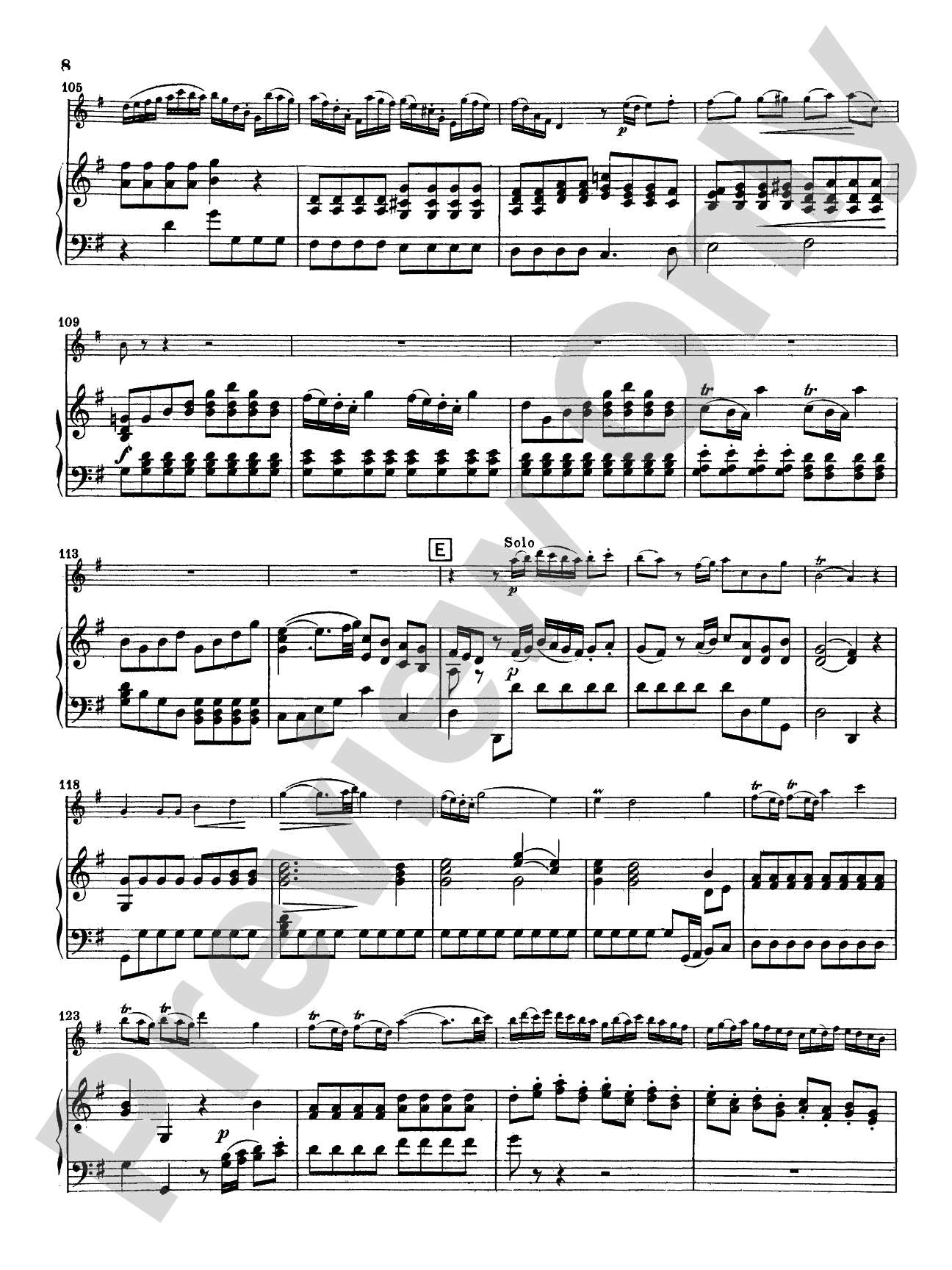
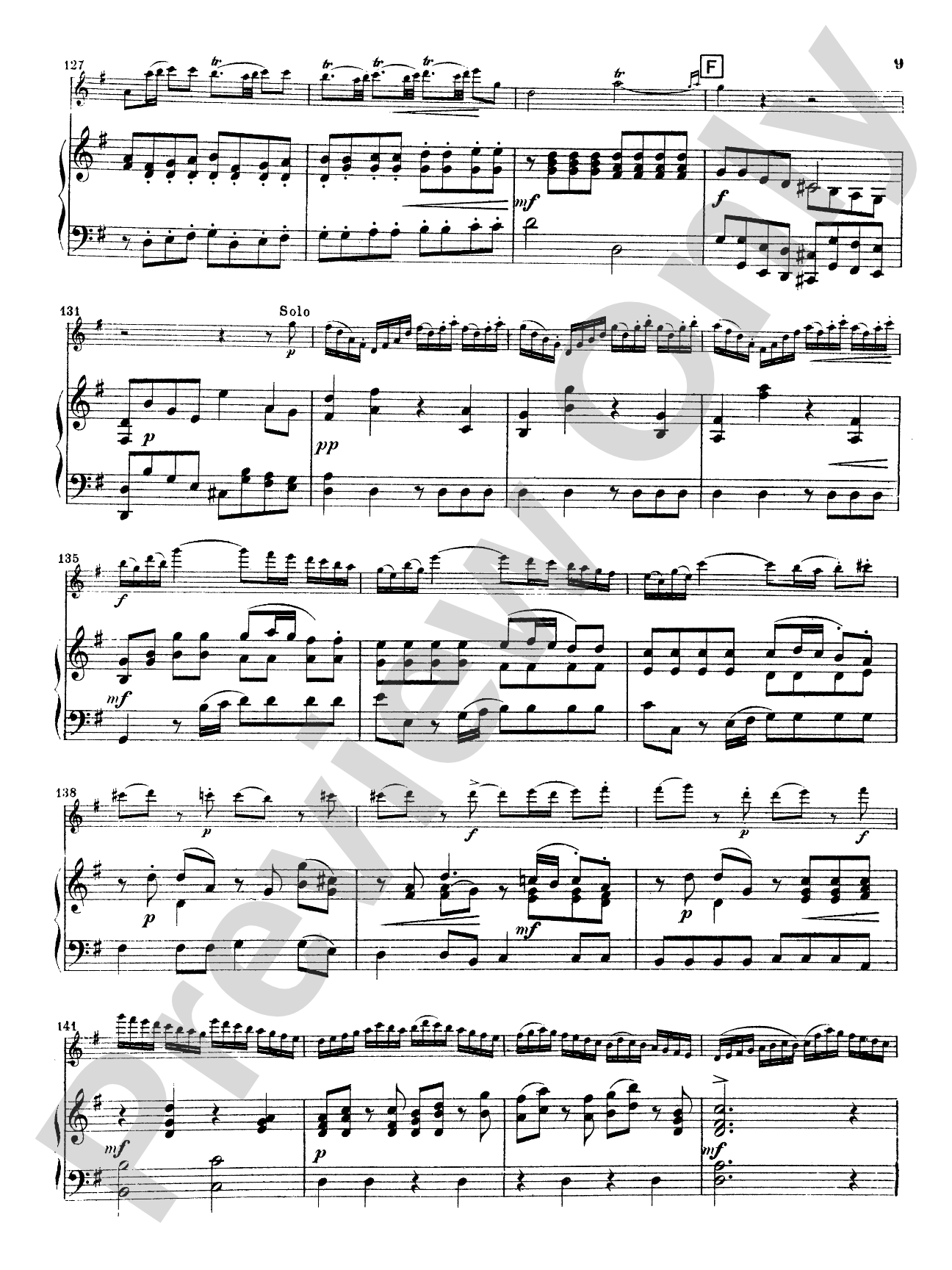
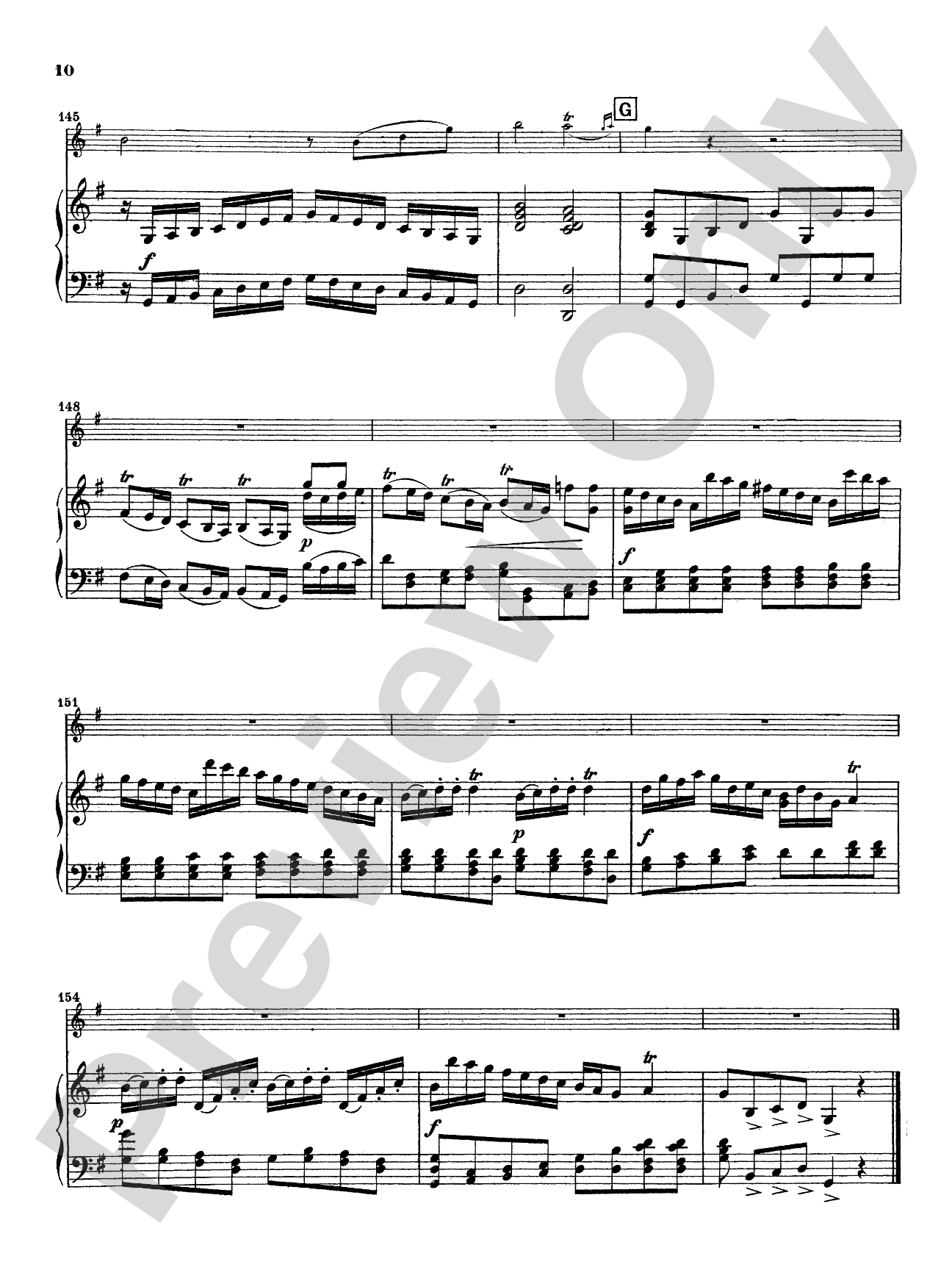
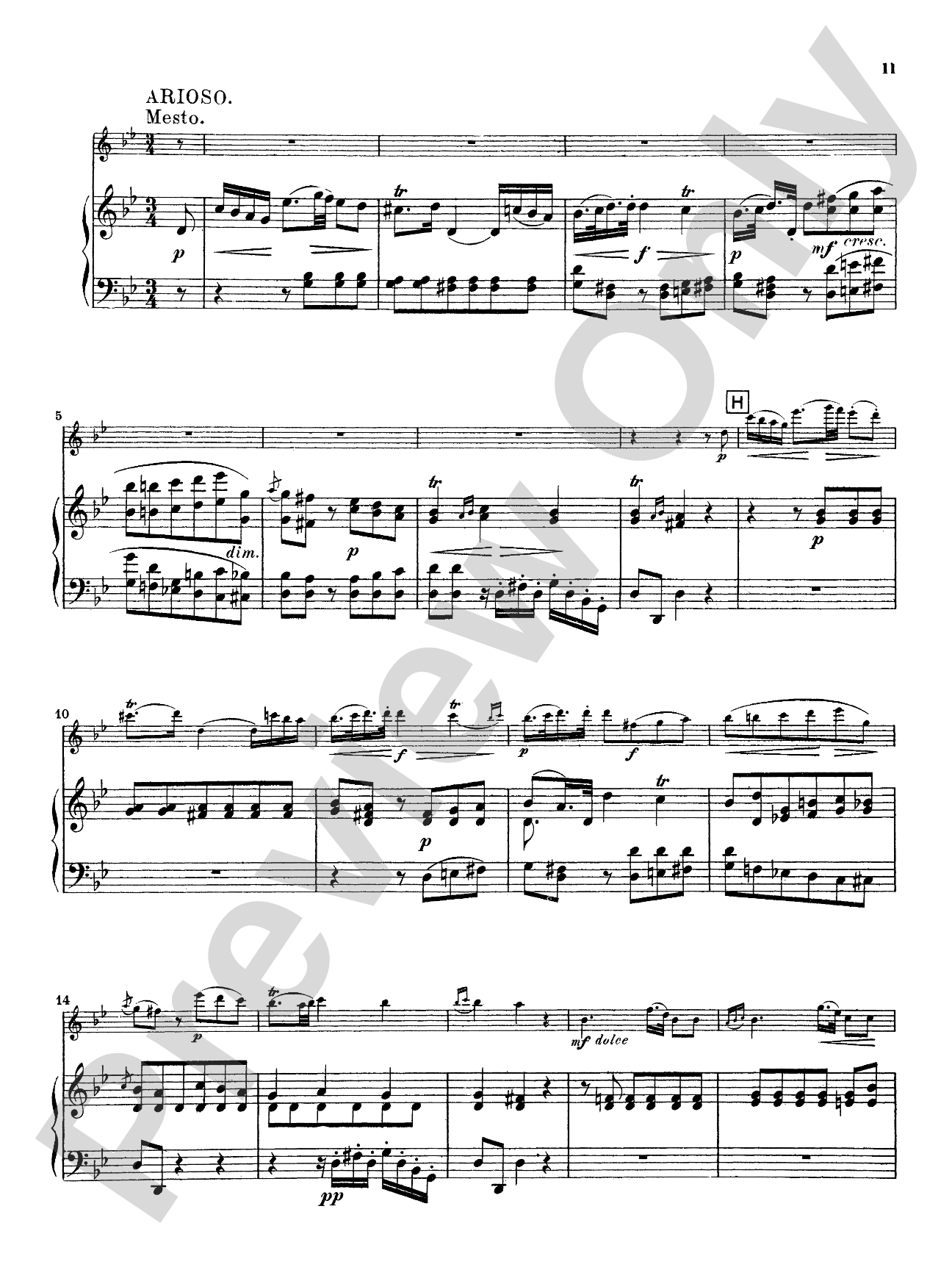
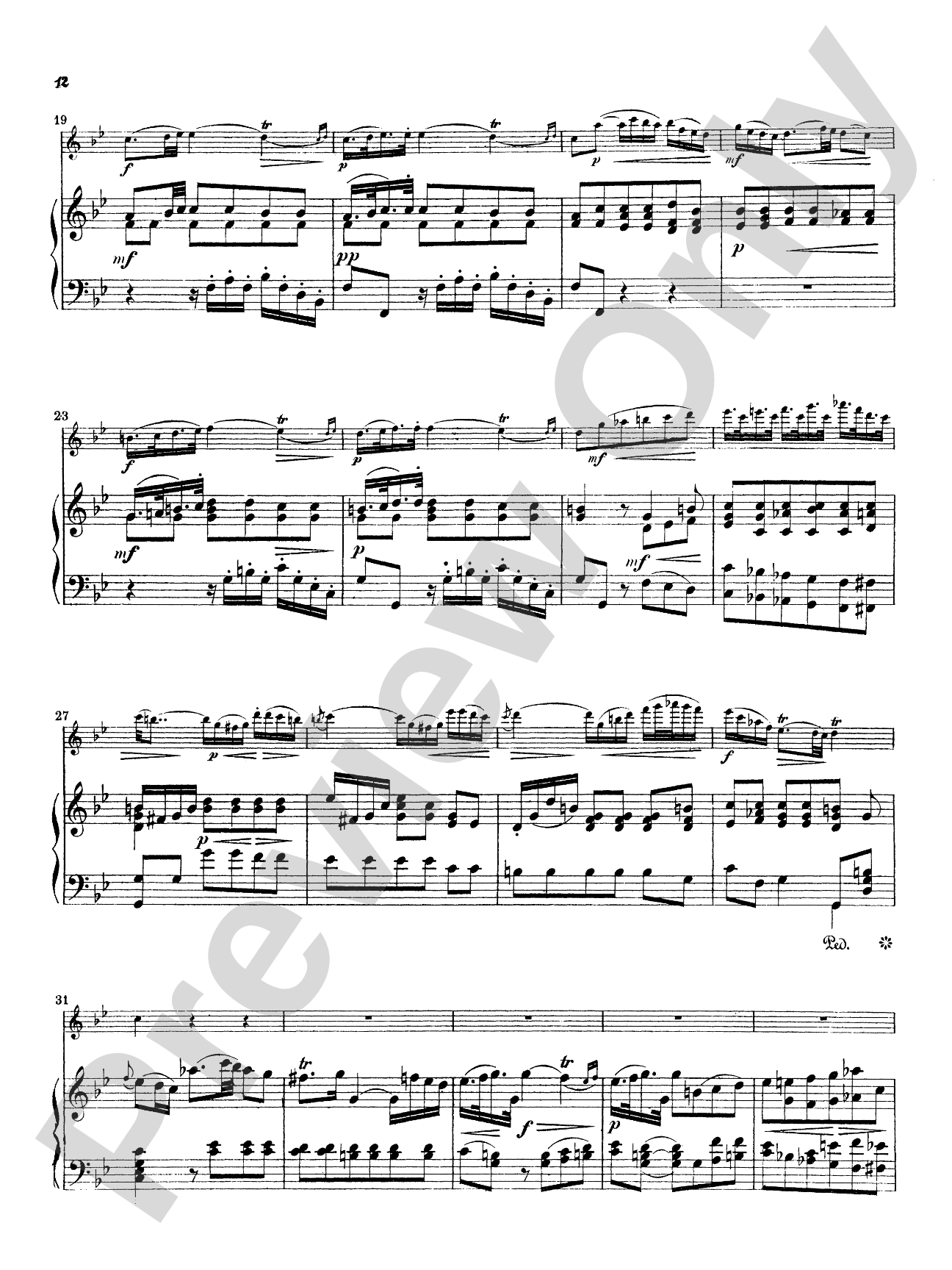
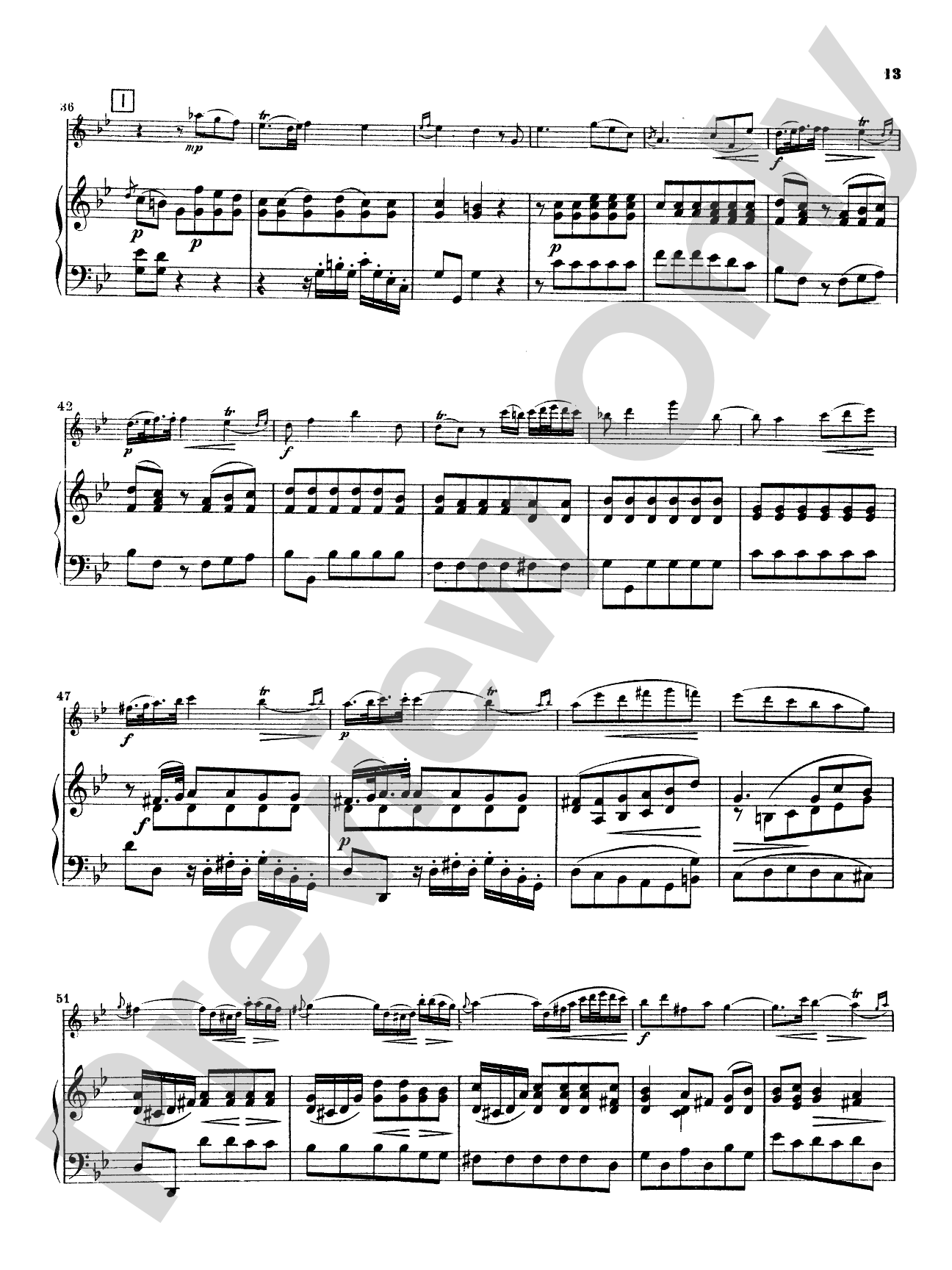
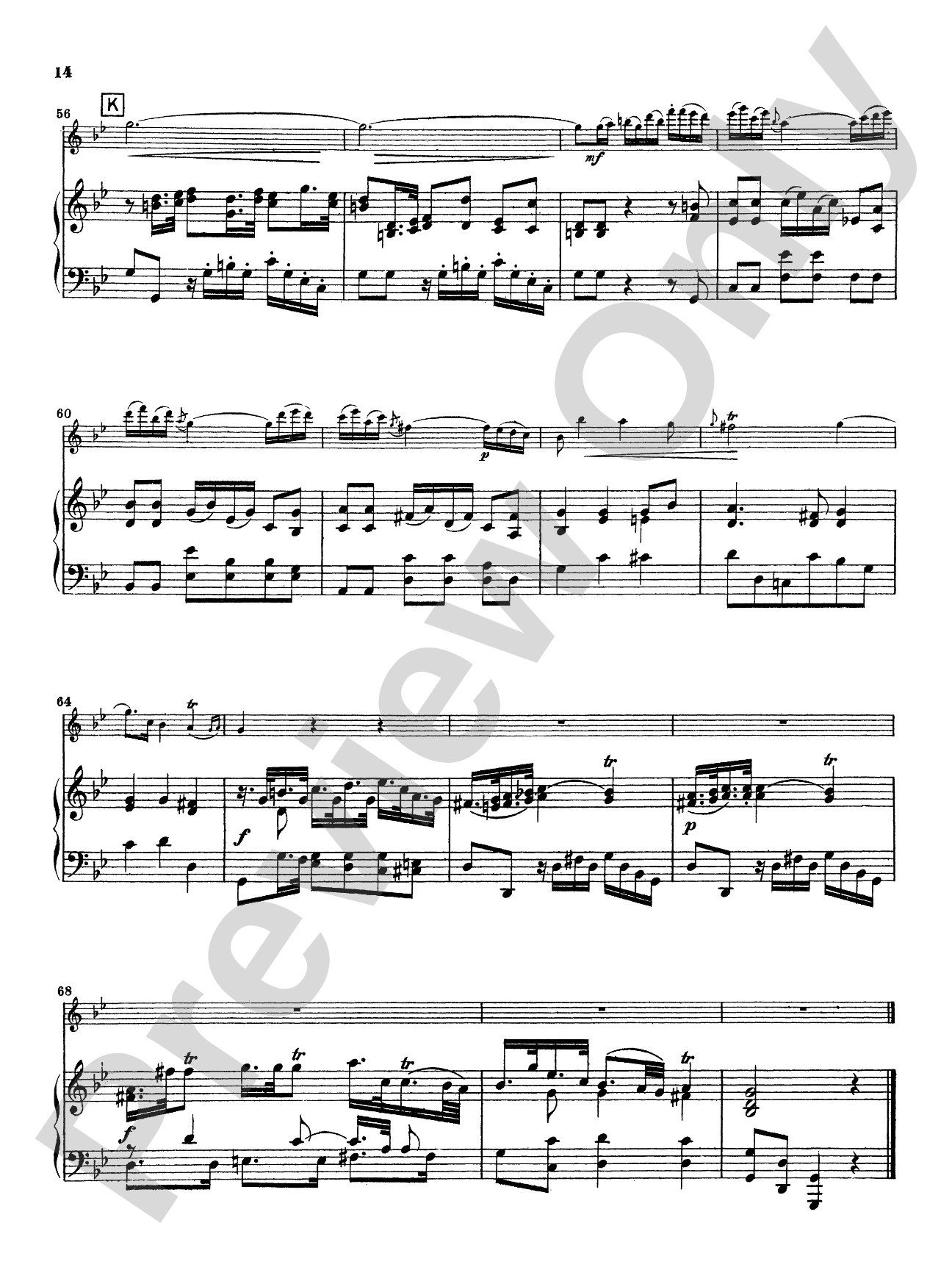
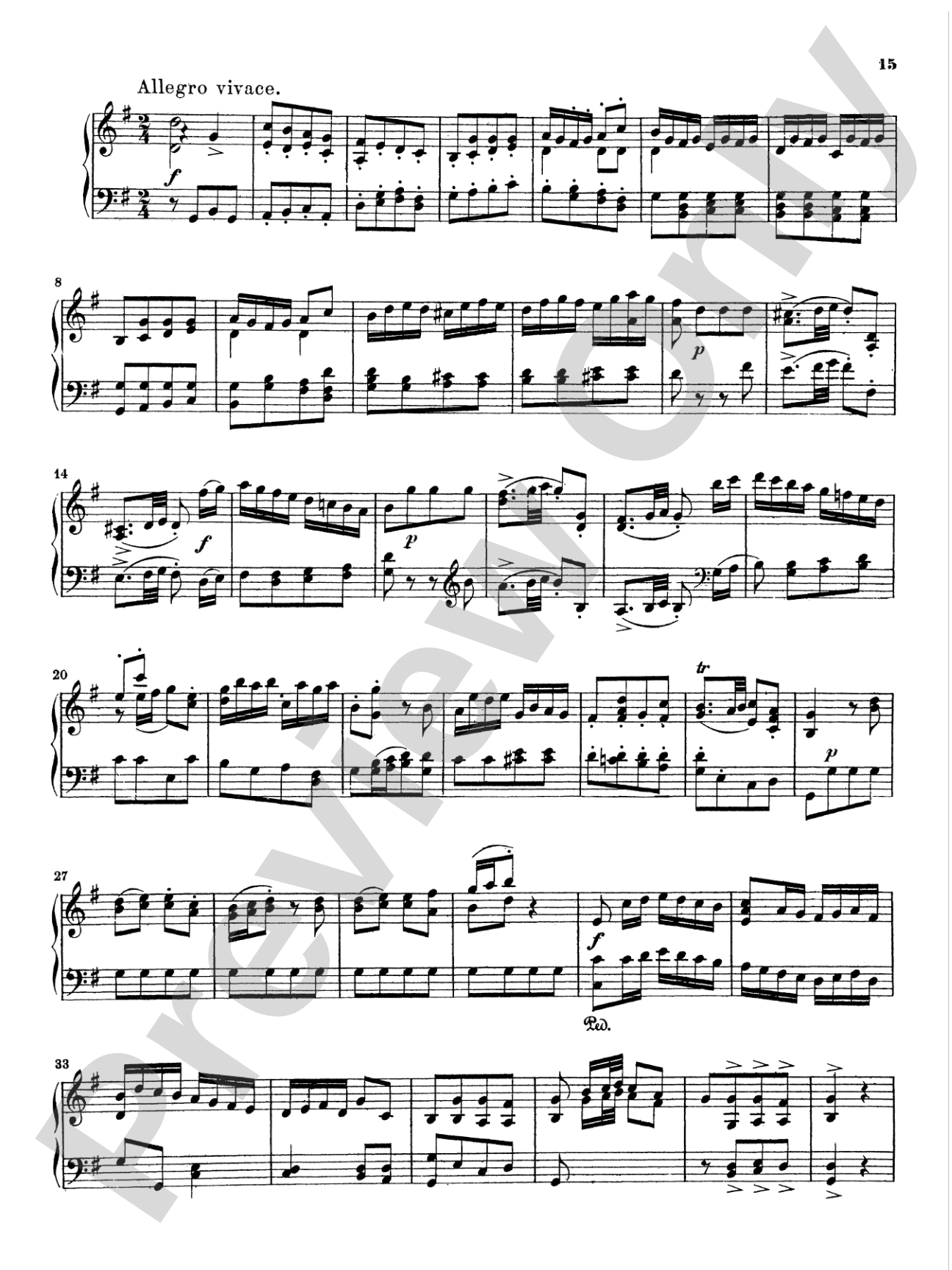
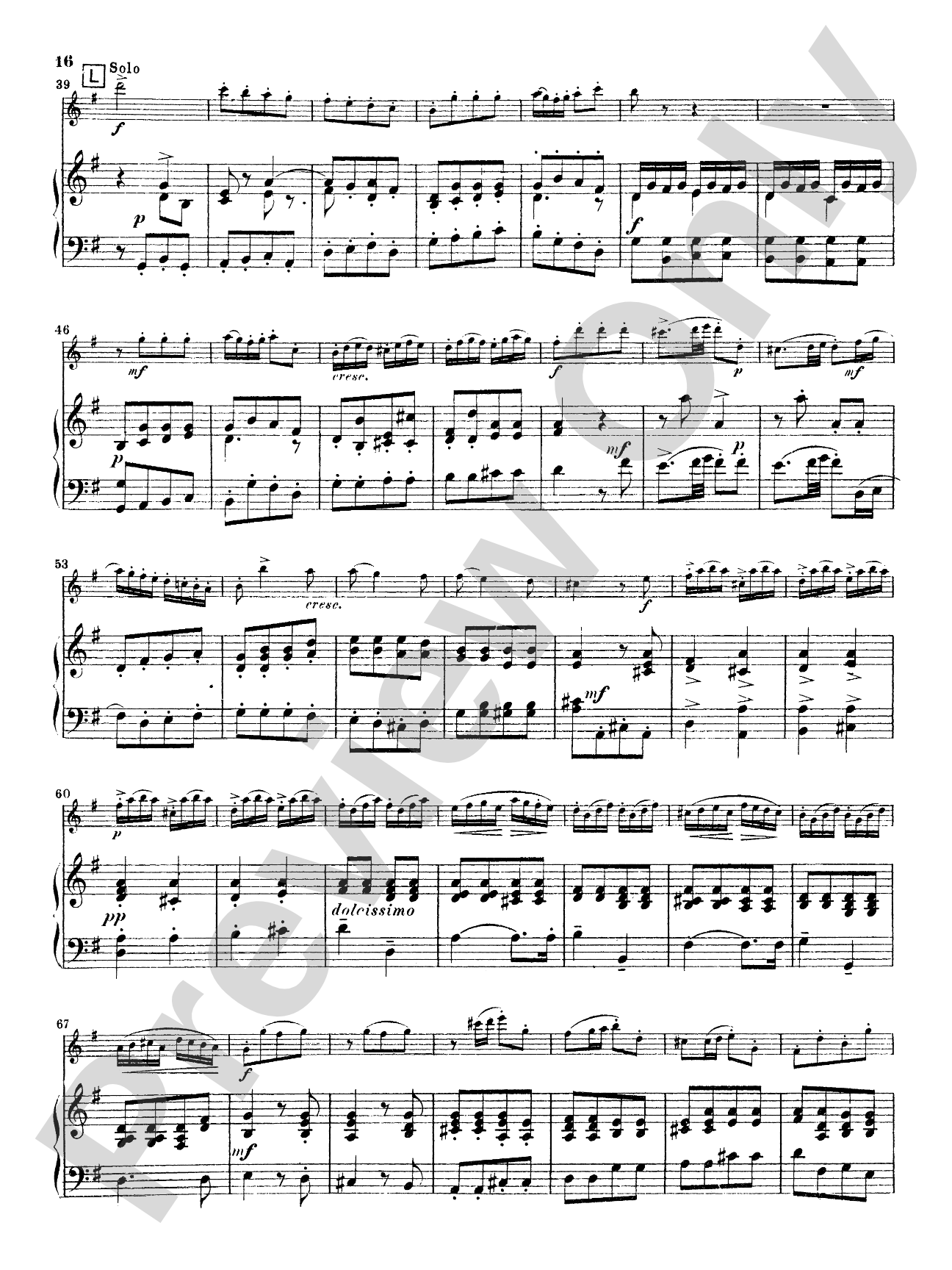
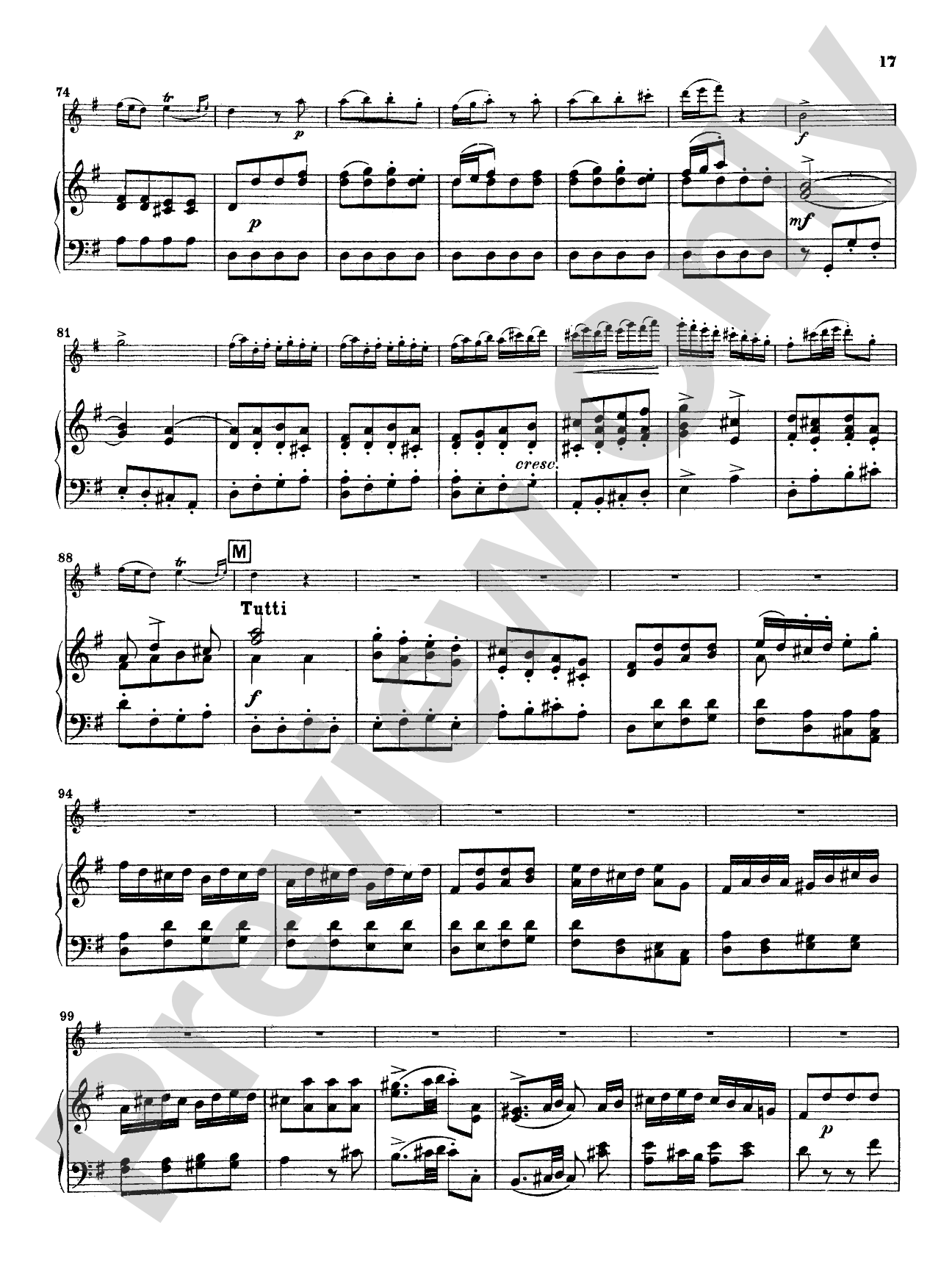
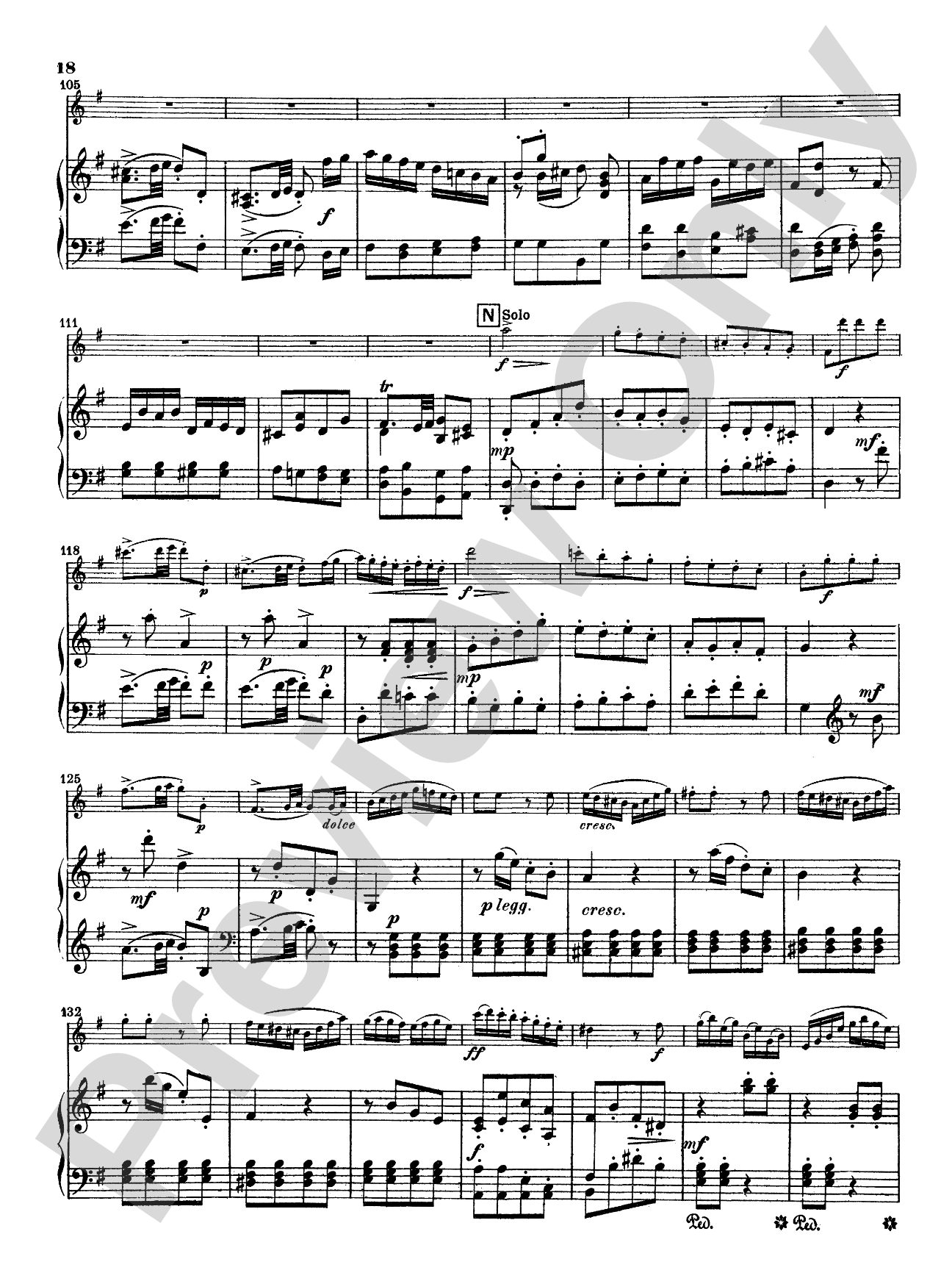
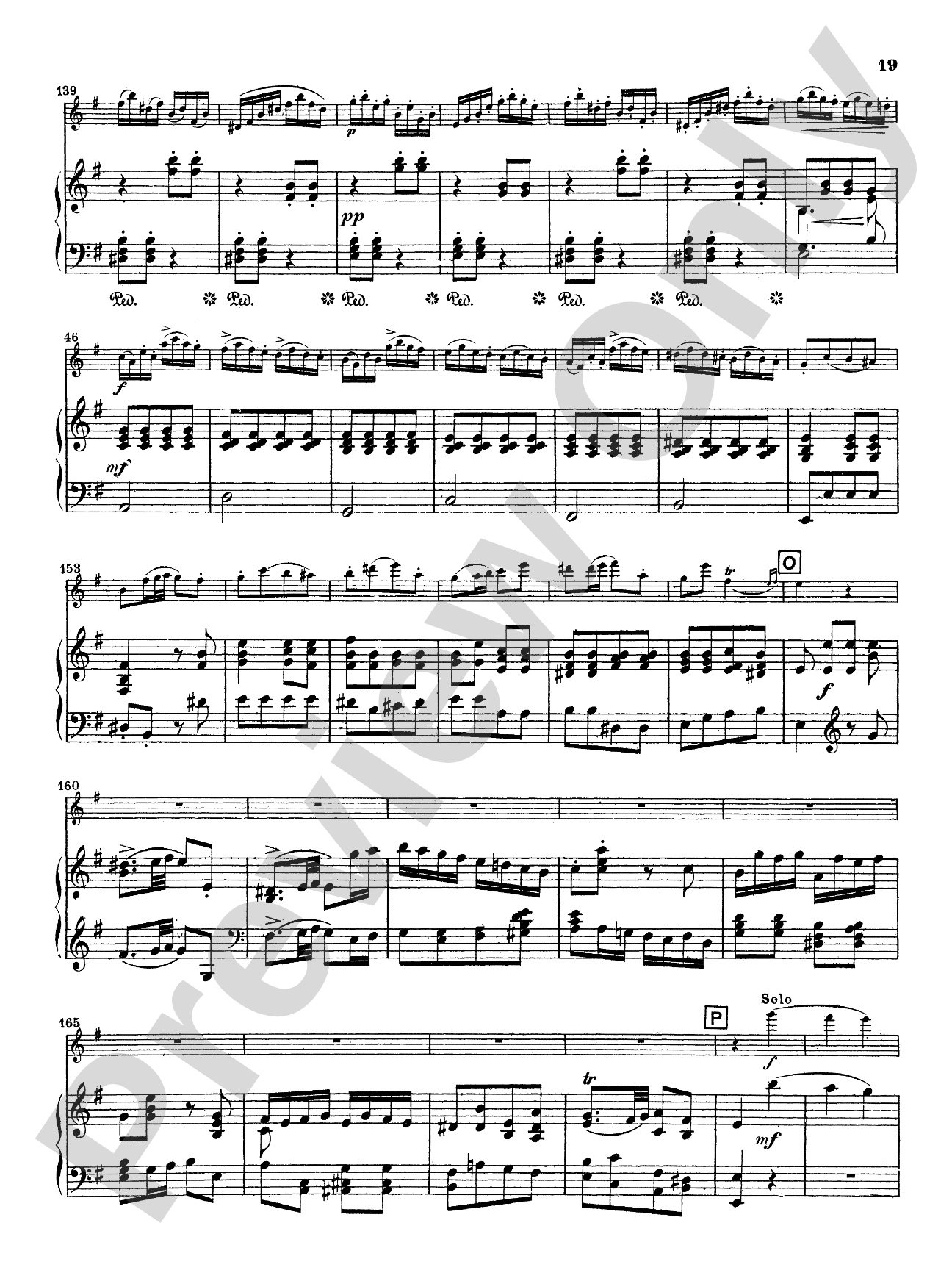
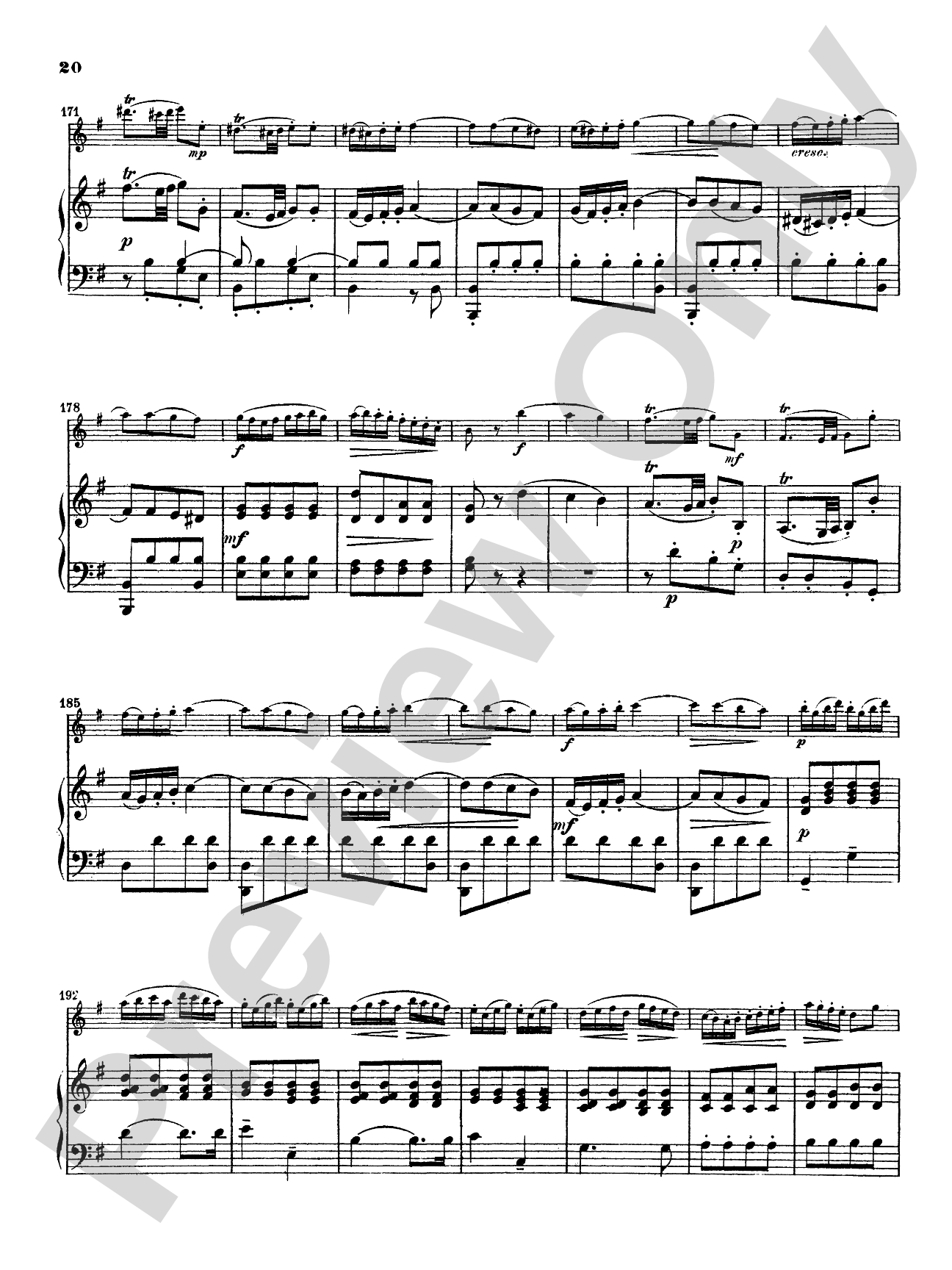
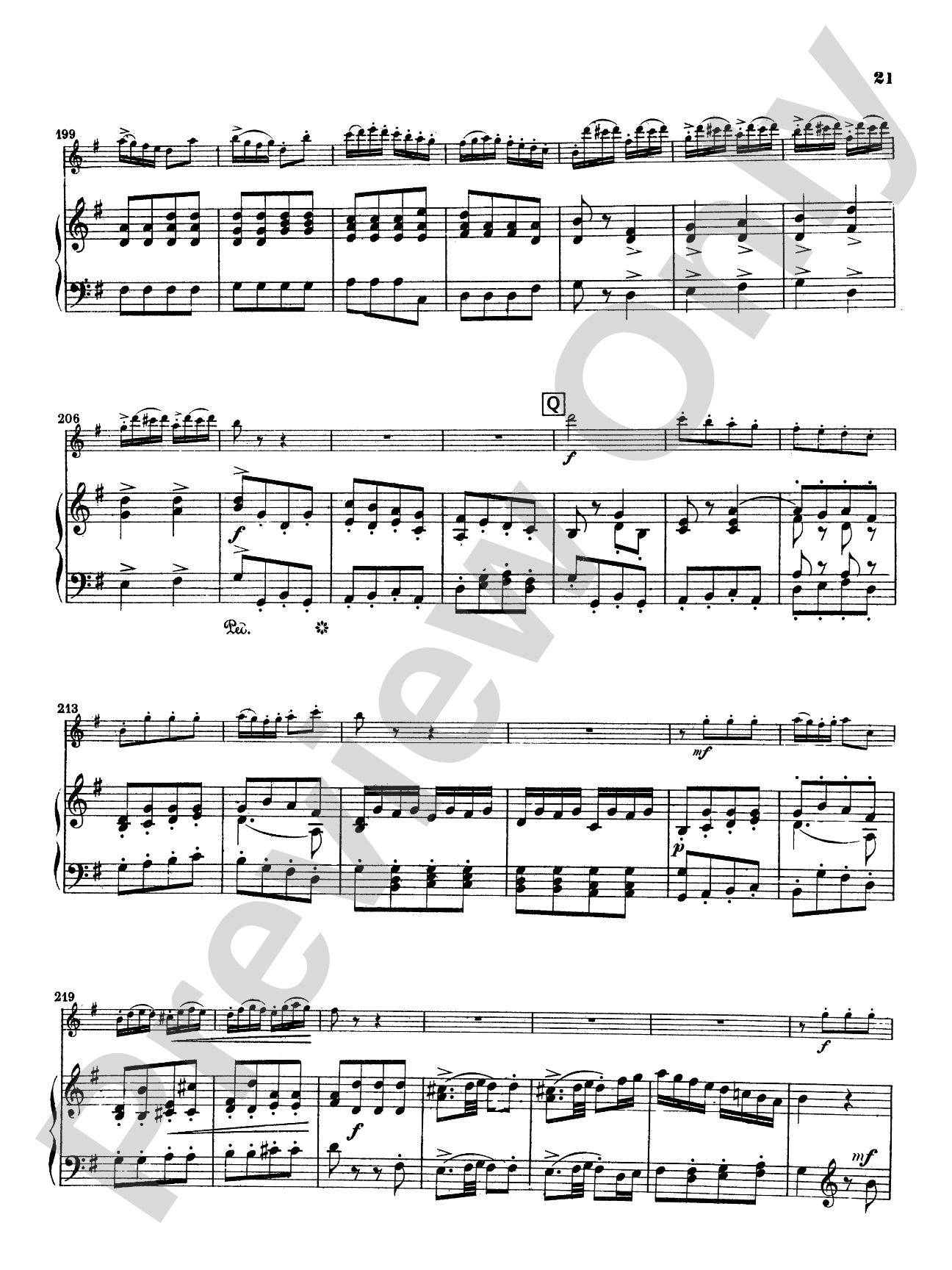
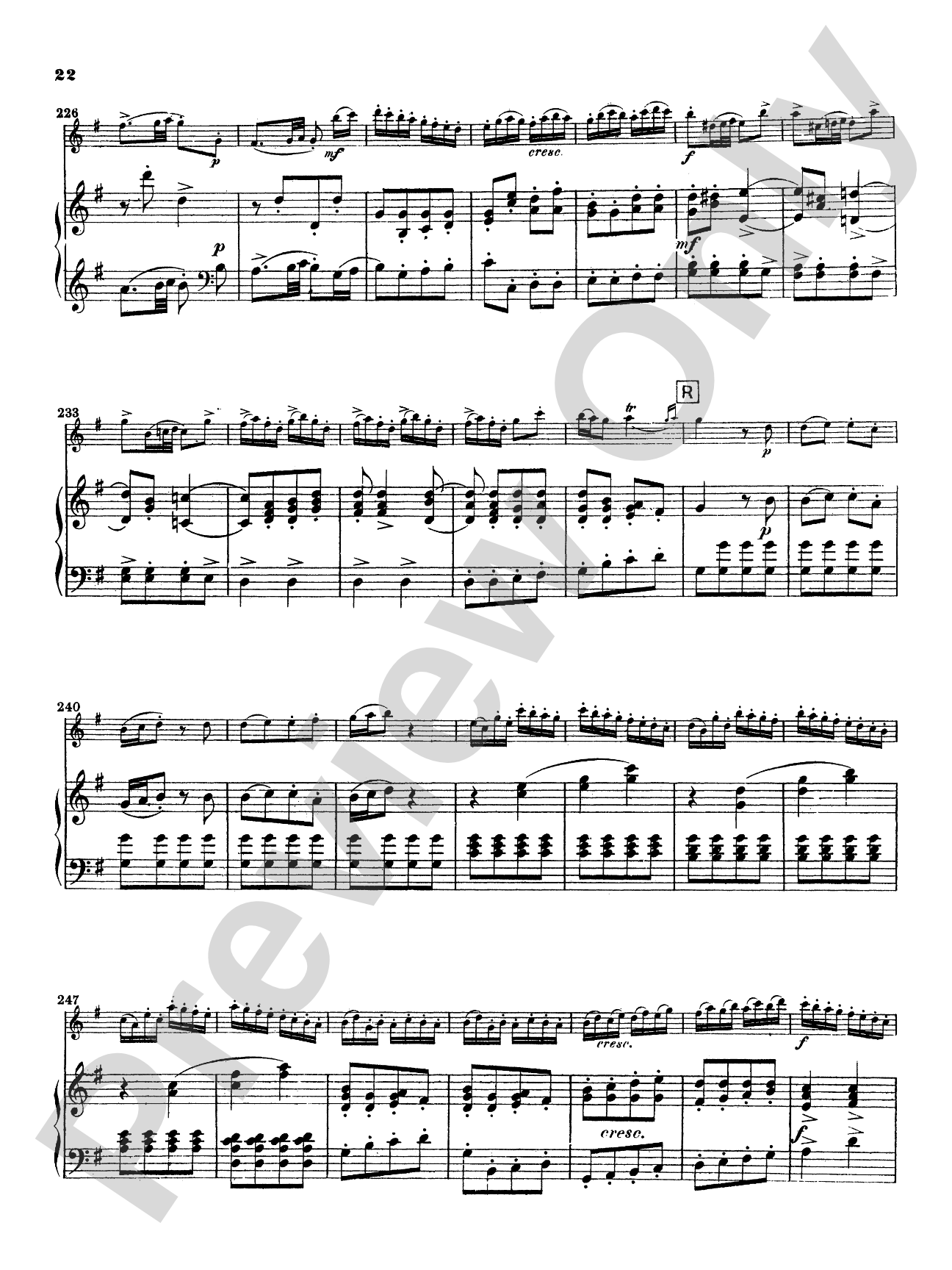
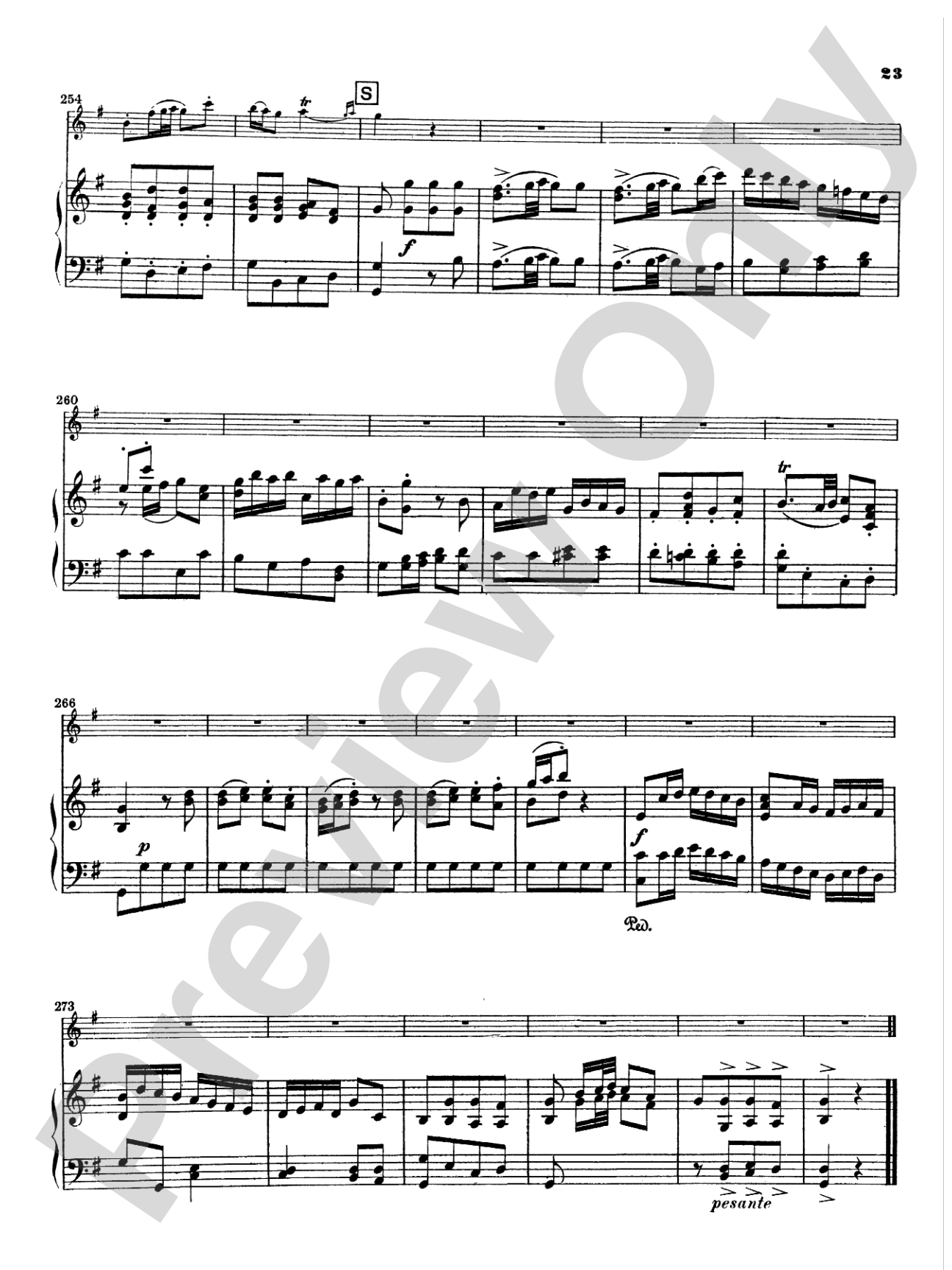


Quantz: Concerto in G Major: Flute Part(s)
By Johann Quantz
Item: 00-PK-0003281

$10.99
Pickup currently not available
Parts Added to Cart!
Related Items
Concerto in G Major: Flute Part(s) |
$10.99
|
View |
Description
A Flute Solo composed by Johann Quantz.


Don't just read it, hear it, play along with it, and watch your students grow with it. In MakeMusic Cloud, Quantz: Concerto in G Major: Flute Part(s) comes alive with professional accompaniment, adjustable tempo, and built-in practice tools that turn solo practice into real progress.
Open in the Player
Jump straight in and assign it today.
Start Your Free Trial
Open this title and explore the full library in minutes.
Sample Audio
No sample audio found.
Sample Video
No sample videos found.
Additional Details
Series:
Kalmus Edition
Publisher:
Alfred Music
Page Count:
32
SKU:
00-PK-0003281
More about this title
About the Composer: Johann Quantz
Johann Quantz (1697-1773) was a virtuoso flutist and prolific composer who shaped the development of the flute concerto during the Baroque and early Classical periods. Appointed court musician to Frederick the Great of Prussia, Quantz composed over 300 works, the majority for his own instrument, and his concertos remain central to the flute repertoire. His writing combines Italian lyricism with German contrapuntal skill, creating works that are both technically demanding and deeply musical.
Why we love this
Quantz's concertos strike an ideal balance for contest and festival programming: they demand genuine technical facility and interpretive maturity without requiring the virtuosic pyrotechnics that can overshadow musical content. This G Major concerto sits comfortably in the hand while offering substantial musical substance, making it rewarding for players advancing into the Baroque/early Classical solo repertoire.
What to expect
The G Major concerto balances elegance with spirited charm. Lyrical passages flow naturally through warm harmonic progressions while passages of running sixteenths maintain clarity and forward momentum without anxiety. The overall effect is one of gallant grace, neither frivolous nor heavy.
Who it's for
Advanced intermediate to advanced high school flutists and college-level players preparing for contests, festivals, or recitals. This work suits musicians comfortable with Baroque ornamentation and period style conventions who want to deepen their solo repertoire with an uncompromising work from the era's greatest flute composer.
How to get the most out of it
- Shape phrases around the harmonic structure rather than resting at every written rest; Baroque phrasing often extends across multiple measures to create longer musical lines.
- Vary articulation within repeated figuration to maintain rhythmic clarity and prevent a mechanical sound, particularly in fast passage work.
- Approach the cadences with care for intonation, as leading tones and suspended harmonies require careful pitch placement to resolve cleanly.
How to use it
Program this as a centerpiece for a solo recital or as a substantial single-work feature in a concert celebrating Baroque flute literature. Its 32 pages suggest a work of real substance; it pairs well with smaller character pieces or transcriptions as part of a varied program.
Skills your students will build
- Baroque articulation and phrasing conventions
- Management of rapid scalar passage work with even tone and consistent rhythm
- Intonation control in period-style harmonic contexts
- Interpretation of ornamentation appropriate to the Classical transition era
- Solo interpretive independence and musical storytelling