
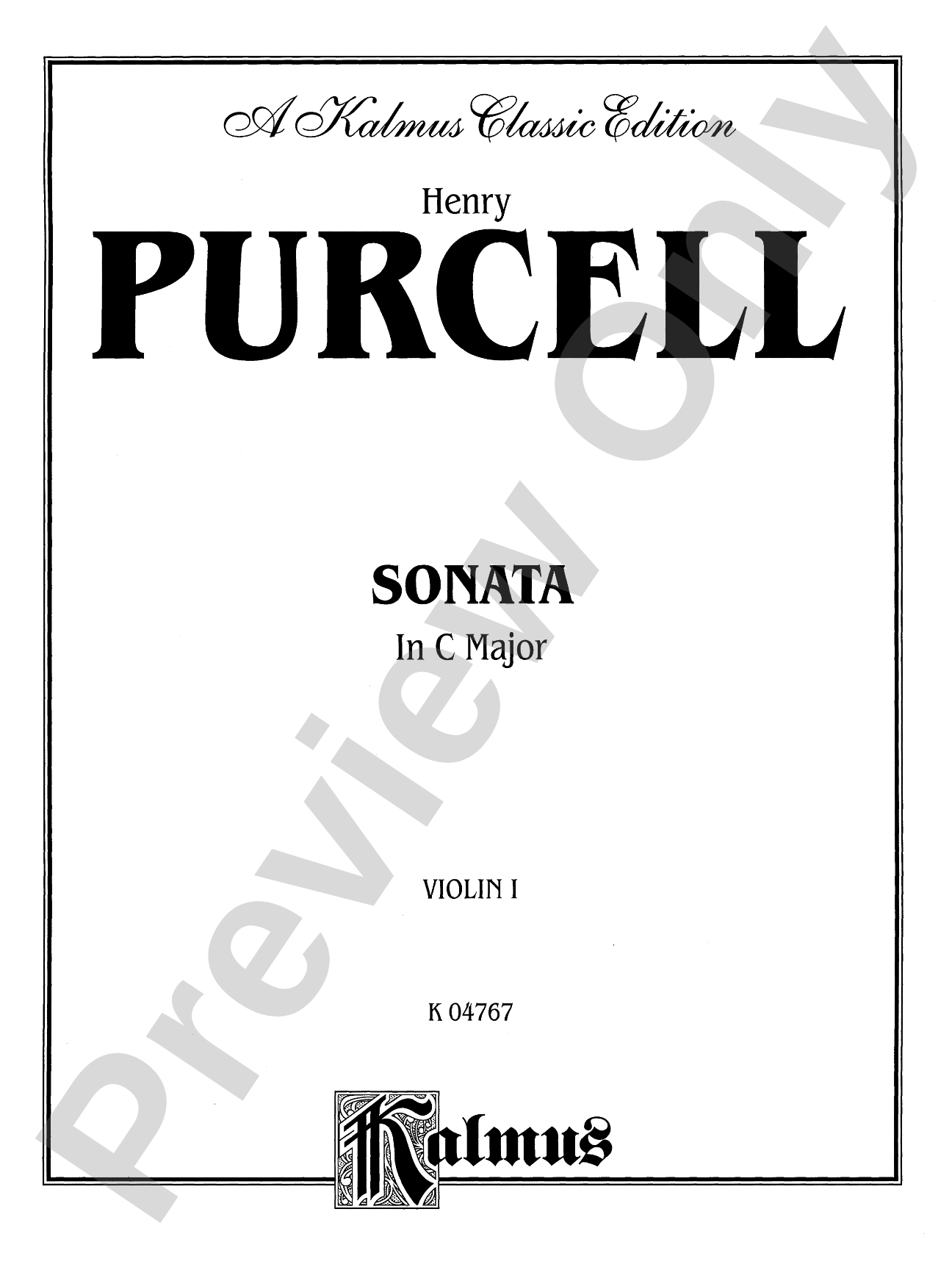
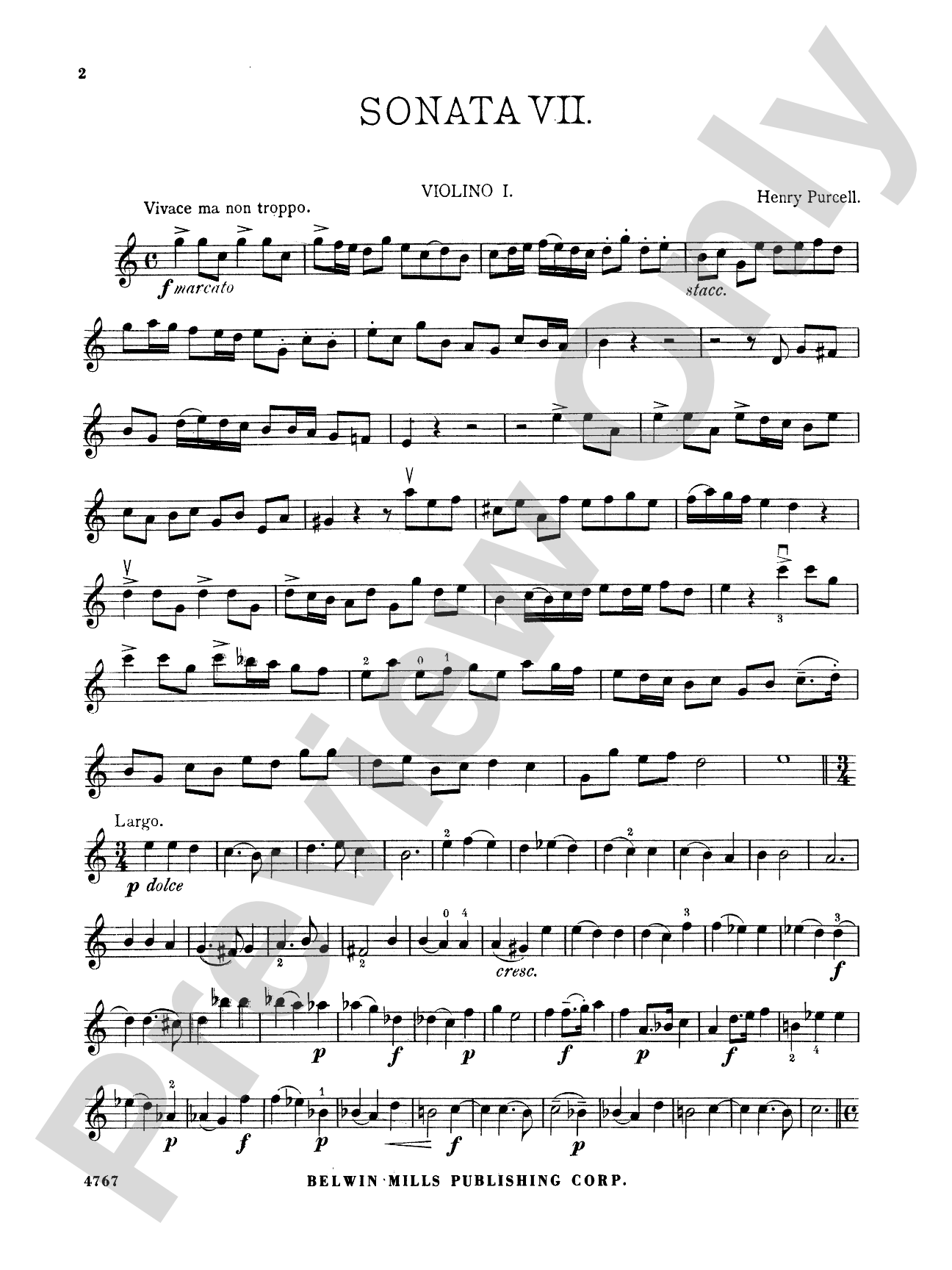
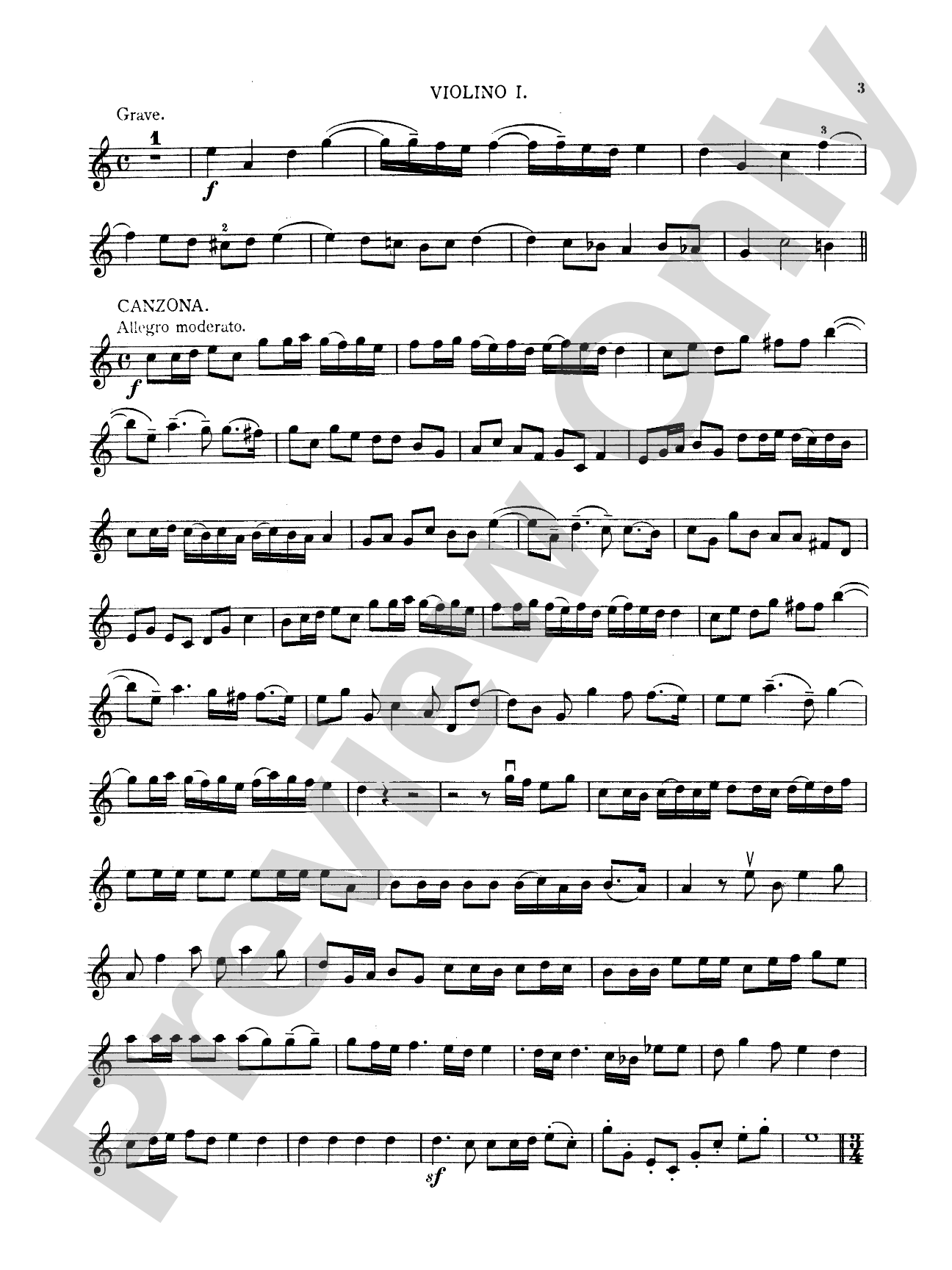
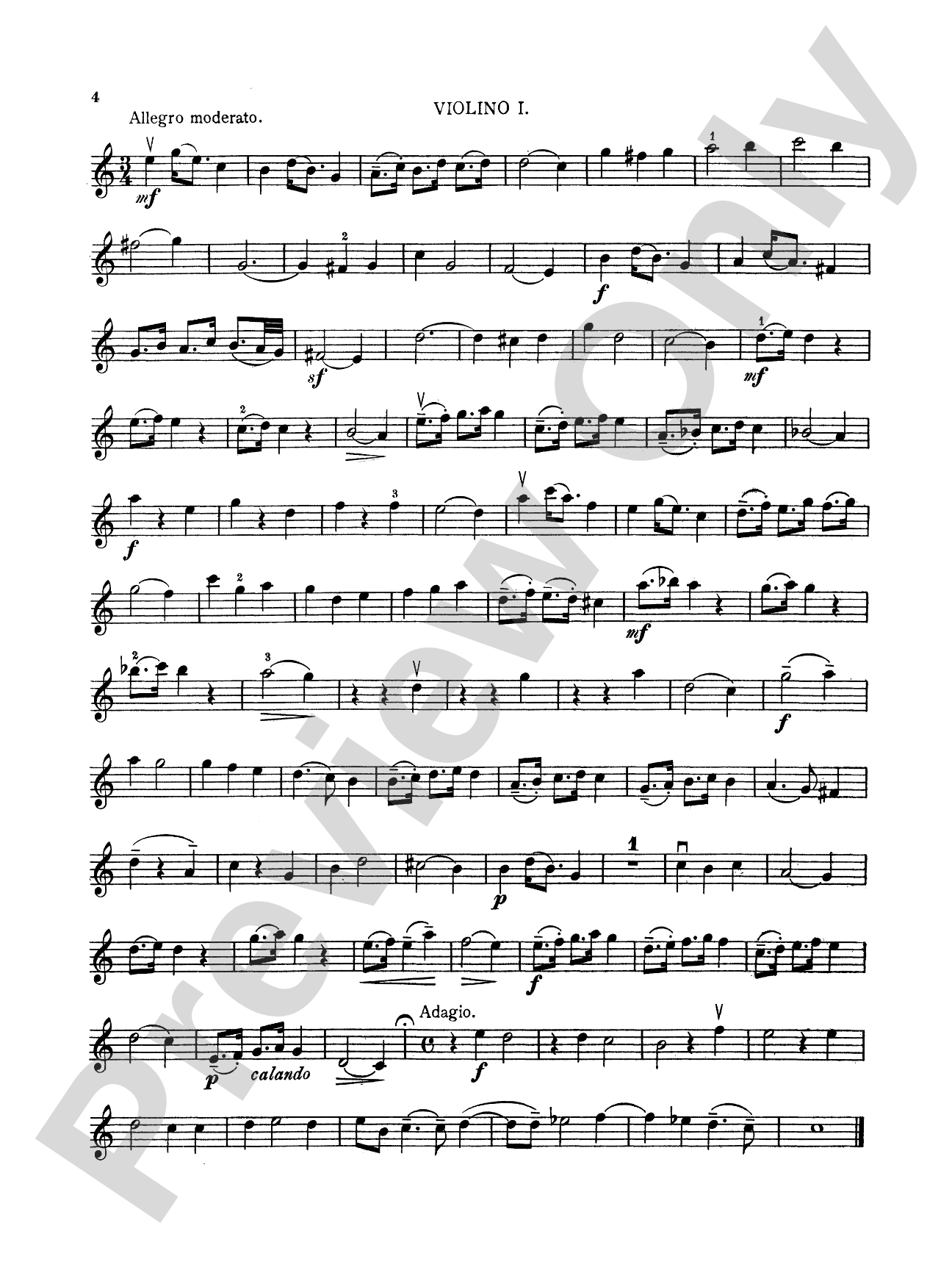

Purcell: Sonata in C Major
By Henry Purcell
Item: 00-PK-0003610

$9.99
Pickup currently not available
Buy Extra Parts (Digital PDF Download)
| Product | Price | Quantity |
|---|---|---|
| Purcell: Sonata in C Major | $1.99 | |
| Purcell: Sonata in C Major | $1.99 | |
| Purcell: Sonata in C Major | $1.99 | |
| Purcell: Sonata in C Major | $1.99 |
Parts Added to Cart!
Description


Don't just read it, hear it, play along with it, and watch your students grow with it. In MakeMusic Cloud, Purcell: Sonata in C Major comes alive with professional accompaniment, adjustable tempo, and built-in practice tools that turn solo practice into real progress.
Open in the Player
Jump straight in and assign it today.
Start Your Free Trial
Open this title and explore the full library in minutes.
Sample Audio
No sample audio found.
Sample Video
No sample videos found.
Additional Details
Series:
Kalmus Edition
Publisher:
Alfred Music
Page Count:
24
SKU:
00-PK-0003610
More about this title
About the Composer: Henry Purcell
Henry Purcell (1659-1695) stands as England's greatest Baroque composer and a towering figure in the history of Western music. He held the position of organist at Westminster Abbey and composed prolifically across sacred music, opera, chamber works, and instrumental pieces during a career cut short by his death at age 36. His sonatas represent some of the finest chamber music of the late 17th century, blending Italian harmonic language with distinctly English melodic sensibility.
Why we love this
Purcell's C Major Sonata offers violinists authentic access to Baroque chamber writing at its most elegant. The two-violin texture creates natural dialogue and independence without demanding virtuosity that overshadows musicality, making it genuinely rewarding to rehearse and perform. This is repertoire that deepens musicians' understanding of Baroque style while remaining entirely playable by advanced high school and undergraduate ensembles.
What to expect
The work unfolds with the graceful formality of English Baroque composition, marked by clear harmonic progressions and a natural melodic flow that feels almost conversational between the two violins. The C Major key lends brightness and clarity, while the multi-movement structure (typical of the Baroque sonata da chiesa form) creates variety in mood and tempo without dramatic shifts in character.
Who it's for
Advanced high school string players, collegiate chamber ensembles, and adult community orchestras seeking substantial Baroque repertoire. This sonata works well for musicians with solid intonation and the musical maturity to balance ensemble transparency with individual voice independence.
How to get the most out of it
- Shape the melodic lines with careful attention to phrase length and harmonic rhythm; Baroque phrasing often extends across what modern ears expect as natural breaks
- Balance the two violin parts so each voice remains audible; the interplay between lines is central to the sonata's architecture
- Maintain rhythmic clarity in the keyboard part, which anchors harmonic progressions typical of Baroque continuo writing
- Approach ornaments and articulations with period-appropriate style; research contemporaneous performance practice to inform decisions about note lengths and articulation
How to use it
Program this sonata alongside other Baroque chamber works to build a coherent concert section, or pair it with later Classical string music to show the stylistic evolution from Baroque to Classical chamber writing. It also serves well as the foundation for a semester of Baroque repertoire study in an intermediate string ensemble.
Skills your students will build
- Reading and performing Baroque notation and ornamentation
- Balancing independent melodic lines in ensemble texture
- Intonation and articulation in Baroque style
- Understanding continuo-based harmonic structure
- Interpreting historical performance practice conventions