
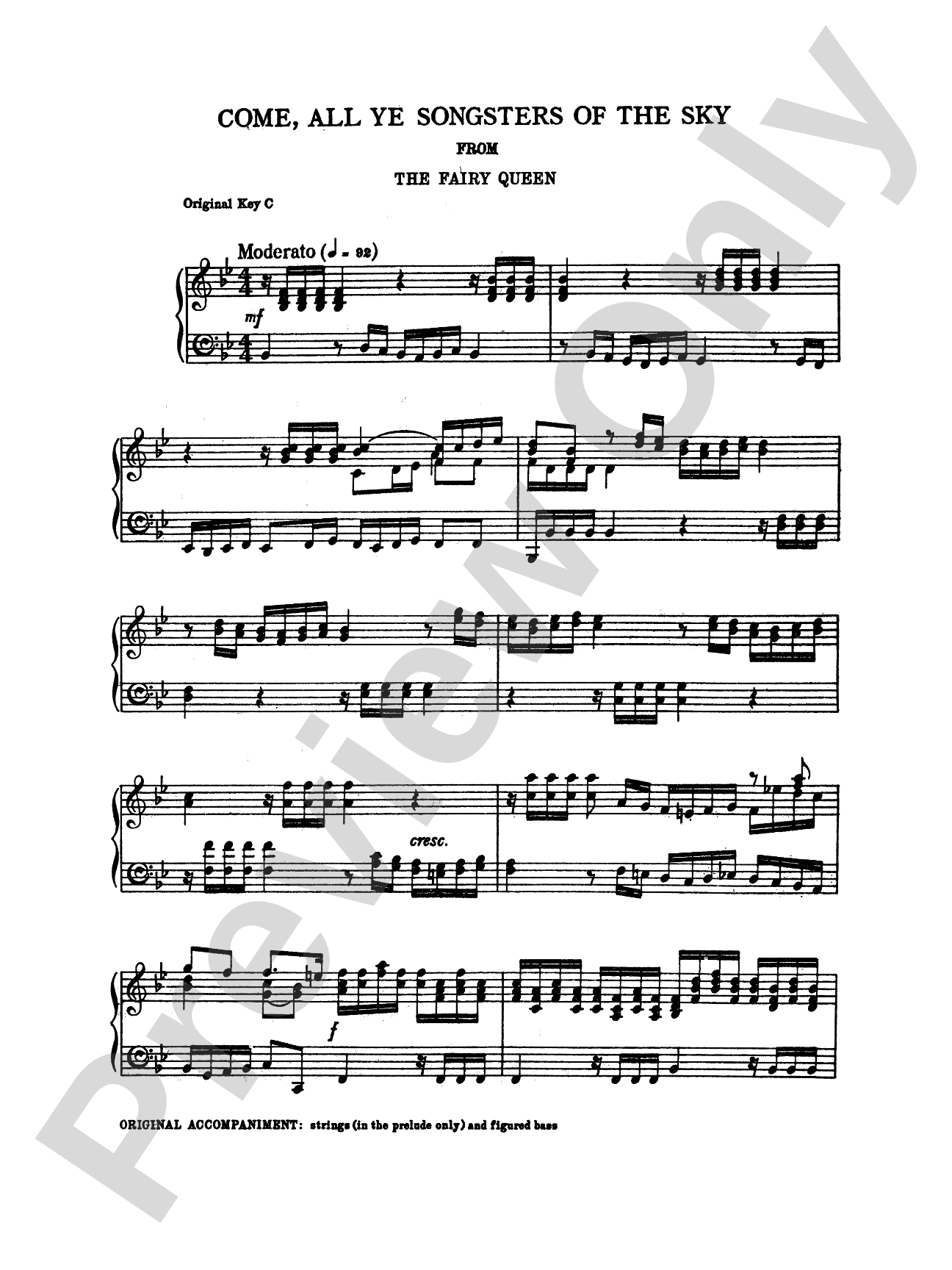
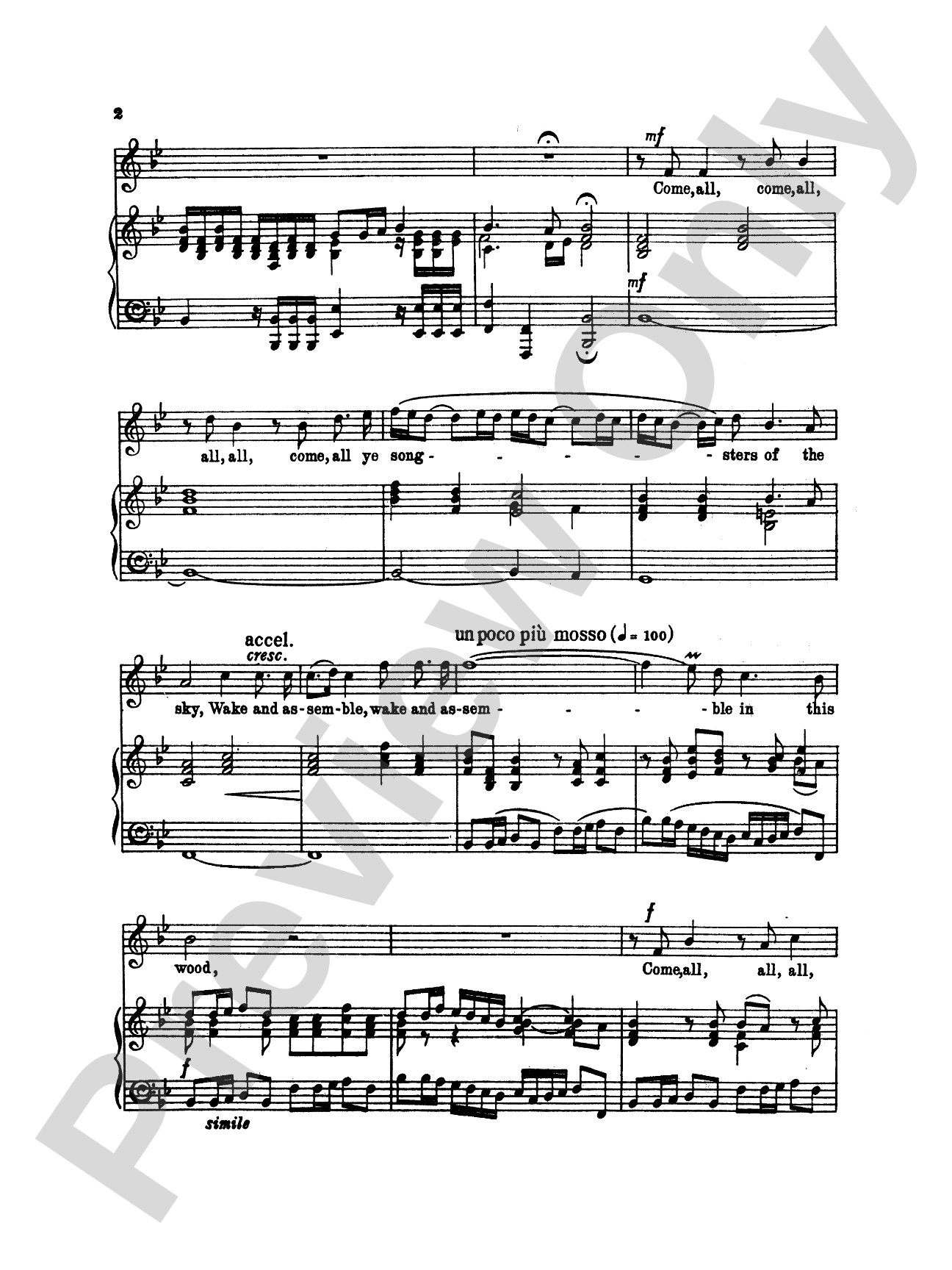
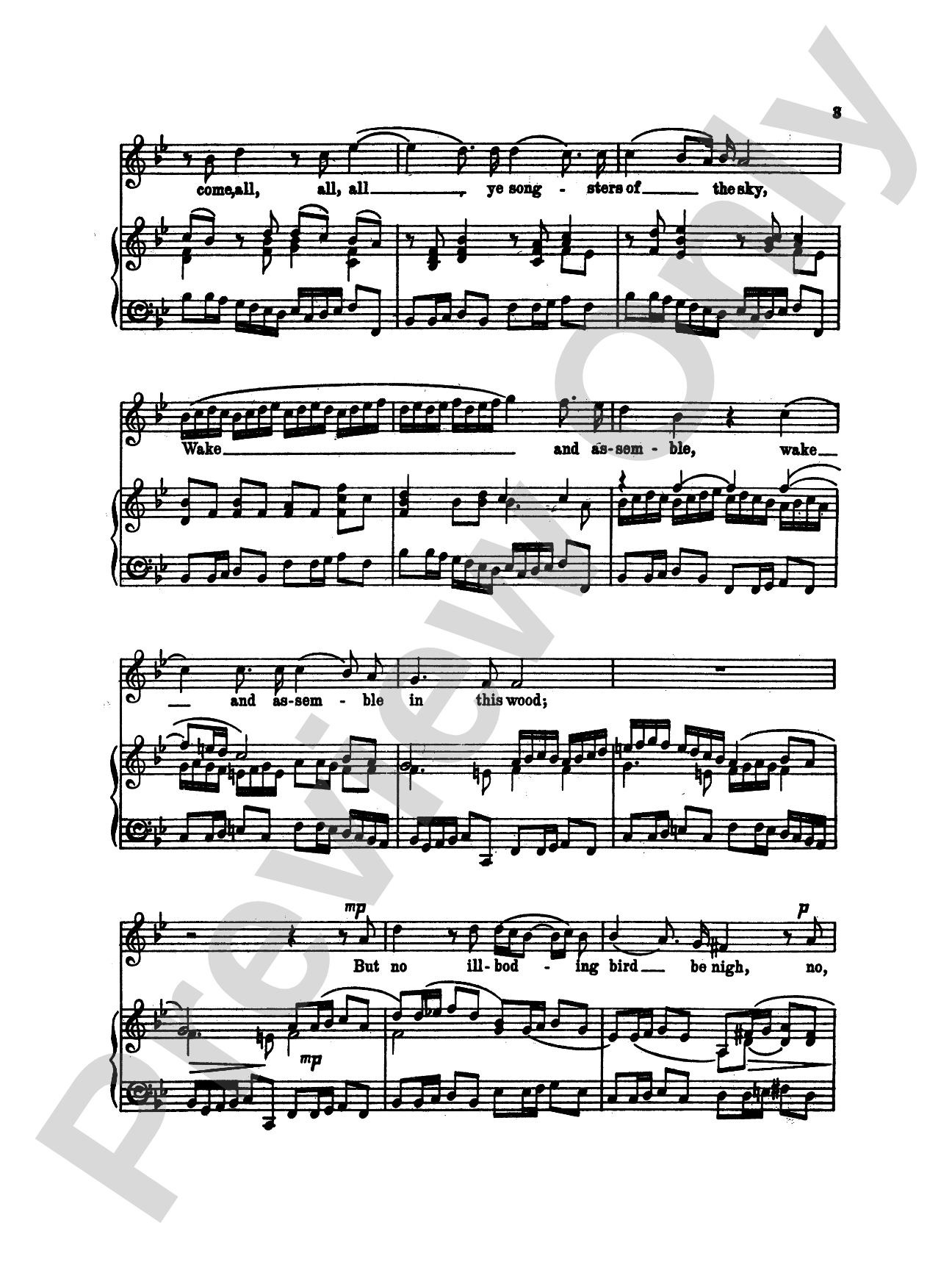
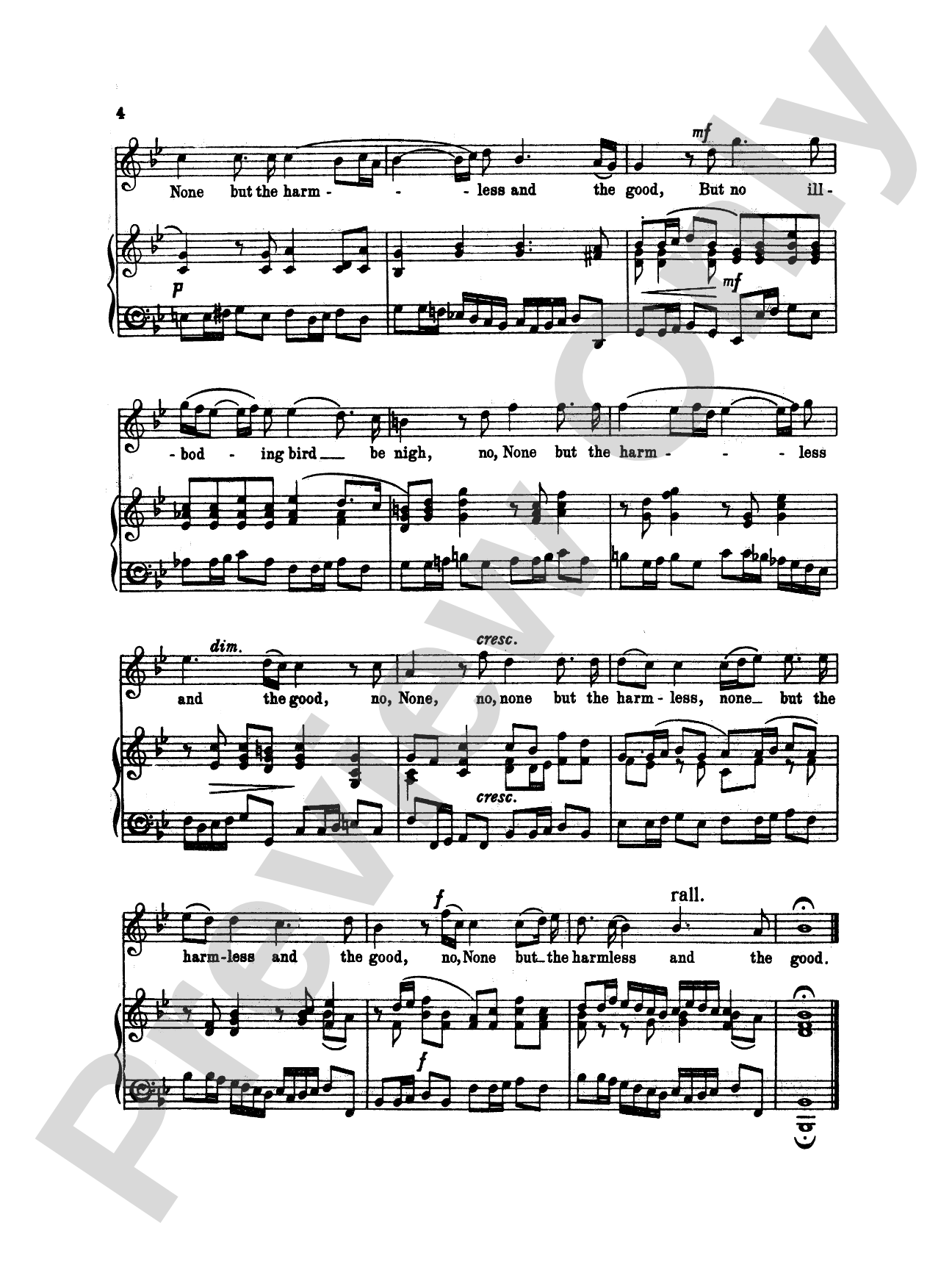

Purcell: Fifteen Songs and Airs for Soprano or Tenor from the Operas and the Odes: Vocal Book
For Soprano or Tenor with English Text (Vocal Score)
By Henry Purcell
Item: 00-PK-0003657

$11.99
Pickup currently not available
Buy Extra Parts (Digital PDF Download)
Parts Added to Cart!
Description
A collection of vocal solos composed by Henry Purcell.


Don't just read it, hear it, play along with it, and watch your students grow with it. In MakeMusic Cloud, Purcell: Fifteen Songs and Airs for Soprano or Tenor from the Operas and the Odes: Vocal Book comes alive with professional accompaniment, adjustable tempo, and built-in practice tools that turn solo practice into real progress.
Open in the Player
Jump straight in and assign it today.
Start Your Free Trial
Open this title and explore the full library in minutes.
Sample Audio
No sample audio found.
Sample Video
No sample videos found.
Additional Details
Series:
Kalmus Edition
Publisher:
Alfred Music
Page Count:
60
SKU:
00-PK-0003657
More about this title
About the Composer: Henry Purcell
Henry Purcell (1659-1695) stands as England's greatest Baroque composer and a towering figure in the development of English vocal music. Born in London during the Restoration, he absorbed influences from both continental European masters and the English church music tradition, synthesizing them into a deeply expressive personal voice. His output ranged across sacred and secular genres, but his theatrical works and songs reveal an uncommon gift for setting English text with clarity, dramatic intensity, and lyrical beauty.
Why we love this
This collection gathers some of Purcell's finest vocal writing, drawn directly from his operas and odes where he had the freedom to explore the full range of human emotion through song. The variety of character and mood across these fifteen selections means singers encounter genuine dramatic substance rather than abstract exercises, and the vocal lines reward careful attention to text and phrasing. Directors will find these pieces bridge the early music and standard repertoire worlds, opening doors to Baroque style while remaining immediately engaging for contemporary audiences.
What to expect
Purcell's vocal writing inhabits a world of intimate expression caught between Renaissance warmth and the Baroque's emerging intensity. These songs shimmer with affecting melody, unexpected harmonic turns, and text-painting that makes the English language sing with new meaning. There is both formality and passion here: courtly grace alongside genuine emotional depth.
Who it's for
Soprano and tenor soloists with developing facility in early music repertoire will find thoughtfully selected and accessible material here. Voice teachers and studio instructors can use these songs to introduce students to Baroque vocal style and dramatic interpretation, while building technical skills in a repertoire that has substance beyond the pedagogical. This collection also serves recitalists seeking concert material that satisfies both artistic ambition and historical authenticity.
How to get the most out of it
- Approach the text with the clarity and punch Purcell intended; English Baroque demands crisp articulation and forward diction, not the sustained legato of later song literature.
- Shape phrases around the natural emphasis and cadence of the poetry rather than phrase length alone; Purcell's melodic contours follow the speech patterns embedded in the words.
- Explore ornamentation sparingly and purposefully; Baroque convention allows for vocal embellishment, but every note should serve the emotional arc of the moment.
- Support sustained passages with steady breath and resonance without excessive vibrato; the harmonic language gains clarity when the voice sits securely on the line Purcell wrote.
How to use it
These selections work beautifully in a recital devoted to English song, either performed as a complete group or woven into a program pairing Baroque vocal music across nations. A voice student preparing for jury or competition might select a single song that showcases both lyrical singing and dramatic text interpretation. Smaller vocal ensembles or chamber programs can draw on multiple selections to create an evening of Restoration-era theatrical music.
Skills your students will build
- Baroque melodic phrasing shaped by textual meaning rather than symmetrical phrase structure
- English diction and text clarity in a period style context
- Dramatic interpretation and character portrayal within a single song
- Recognition of harmonic vocabulary and formal conventions of late 17th-century English vocal music
- Stylistically informed ornamentation and expressive use of dynamic flexibility