

Pumping Nylon: Easy to Early Intermediate Repertoire: Supplemental Repertoire for the Best-Selling Classical Guitarist's Technique Handbook: Solo Guitar
Supplemental Repertoire for the Best-Selling Classical Guitarist's Technique Handbook
By Scott Tennant
Item: 00-PB-0002123
$20.99
Pickup currently not available
Related Items
Pumping Nylon: Easy to Early Intermediate Repertoire: Supplemental Repertoire for the Best-Selling Classical Guitarist's Technique Handbook: Solo Guitar |
$10.99
|
View | |
Pumping Nylon: Easy to Early Intermediate Repertoire: Guitar Book & Online Audio |
$20.99
|
View | |
Pumping Nylon: Easy to Early Intermediate Repertoire: Guitar Book |
$10.99
|
View | |
Pumping Nylon: Easy to Early Intermediate Repertoire: Guitar CD |
$11.00
|
View |
Description
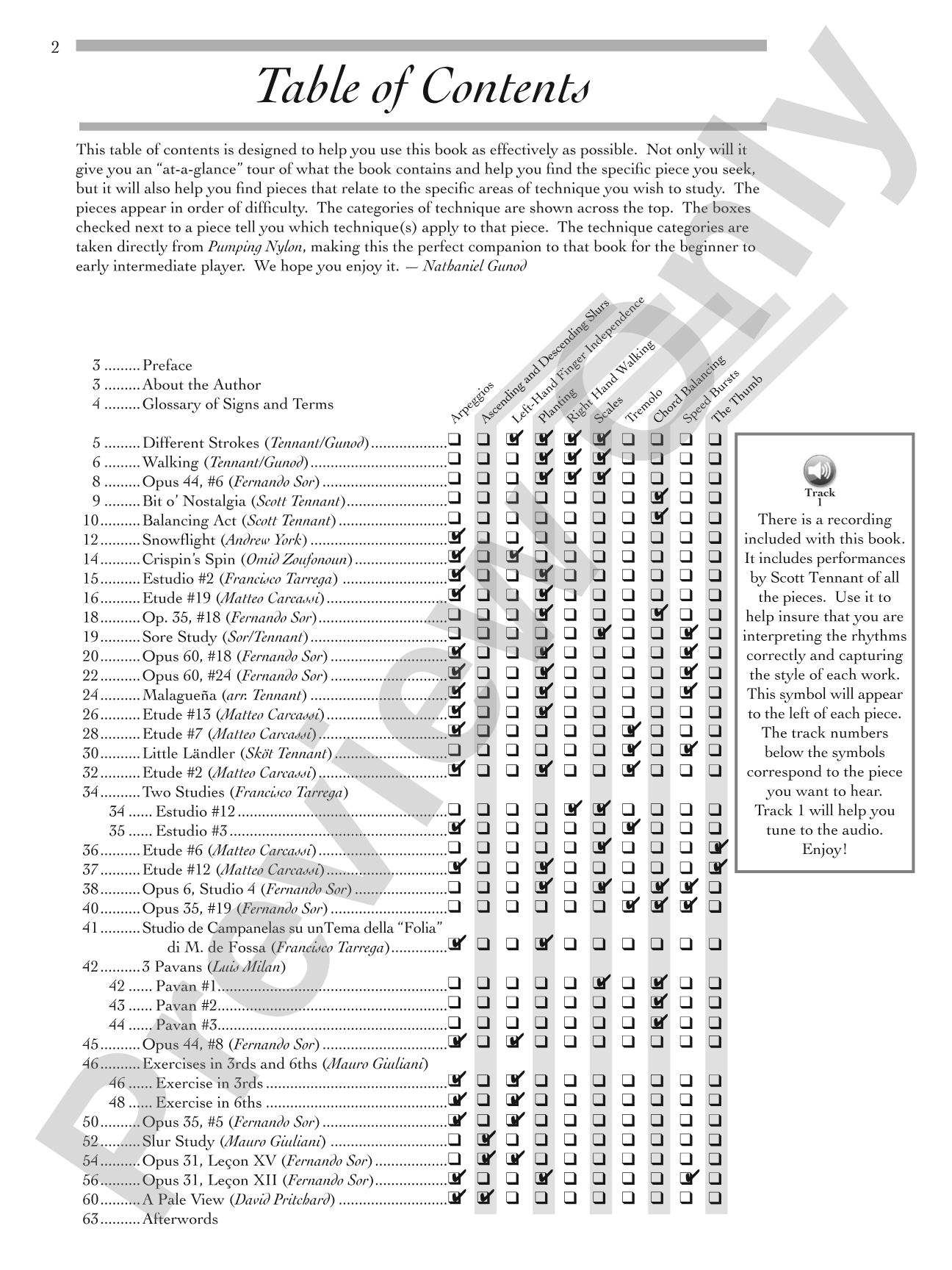
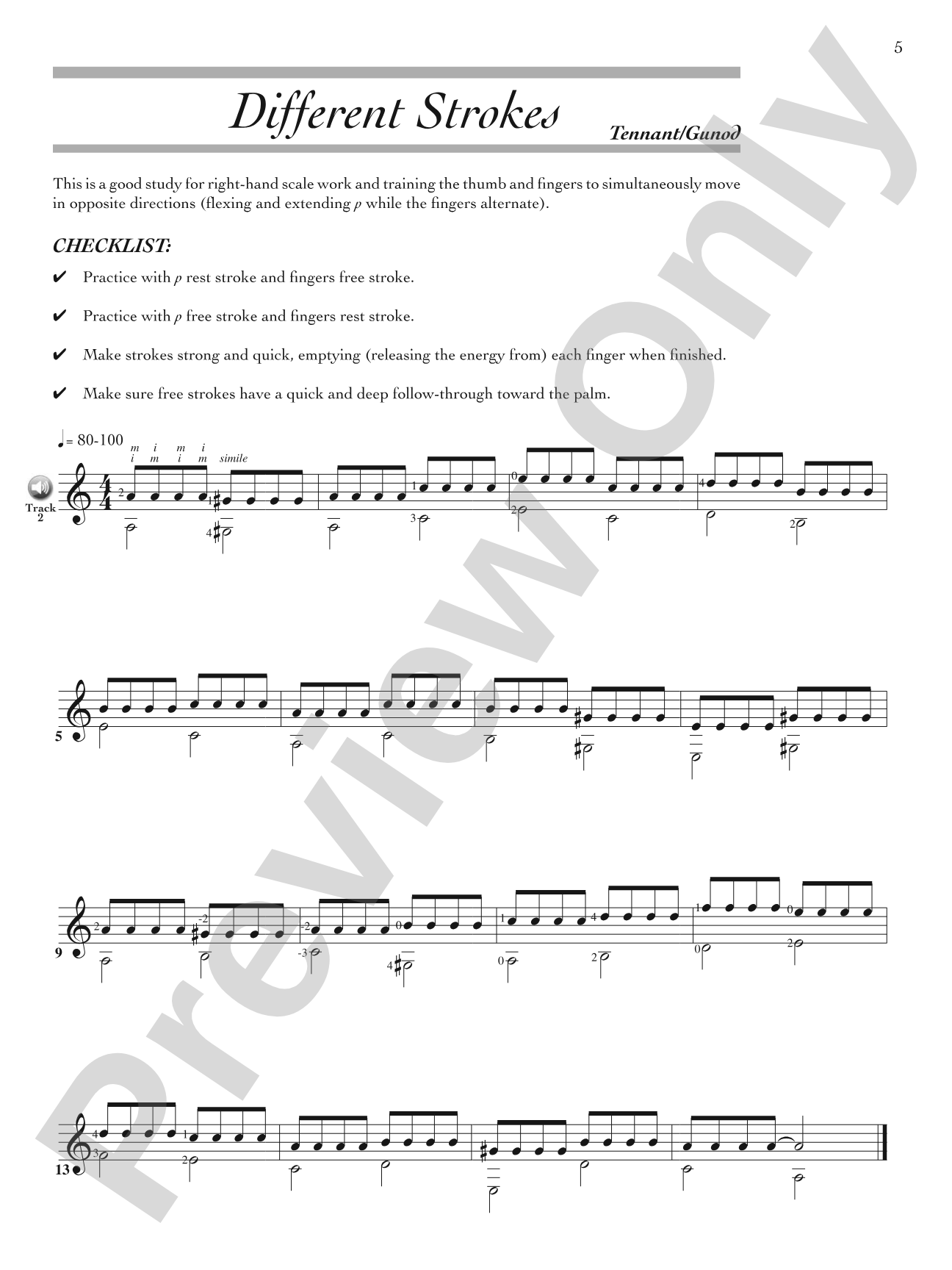
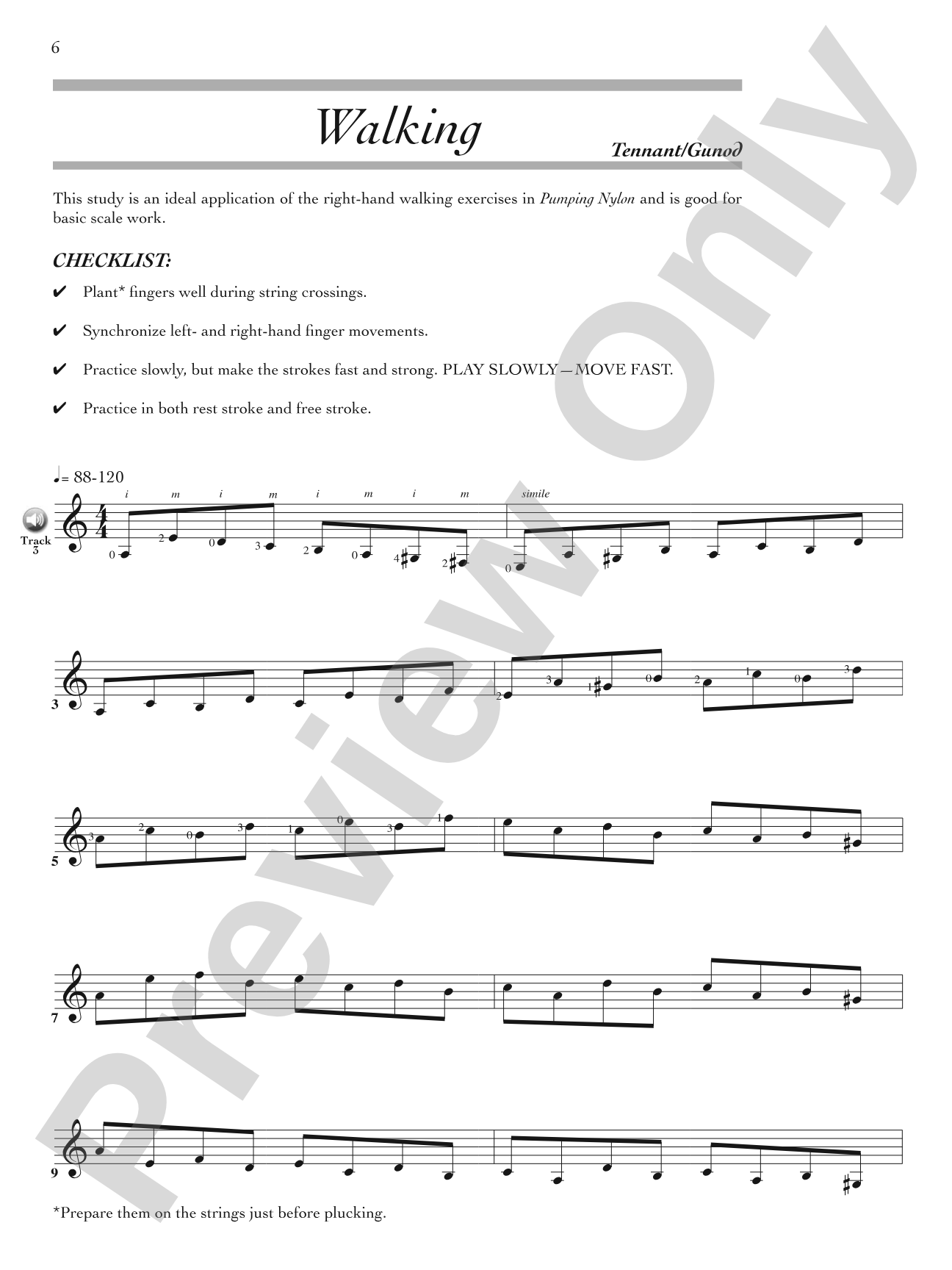
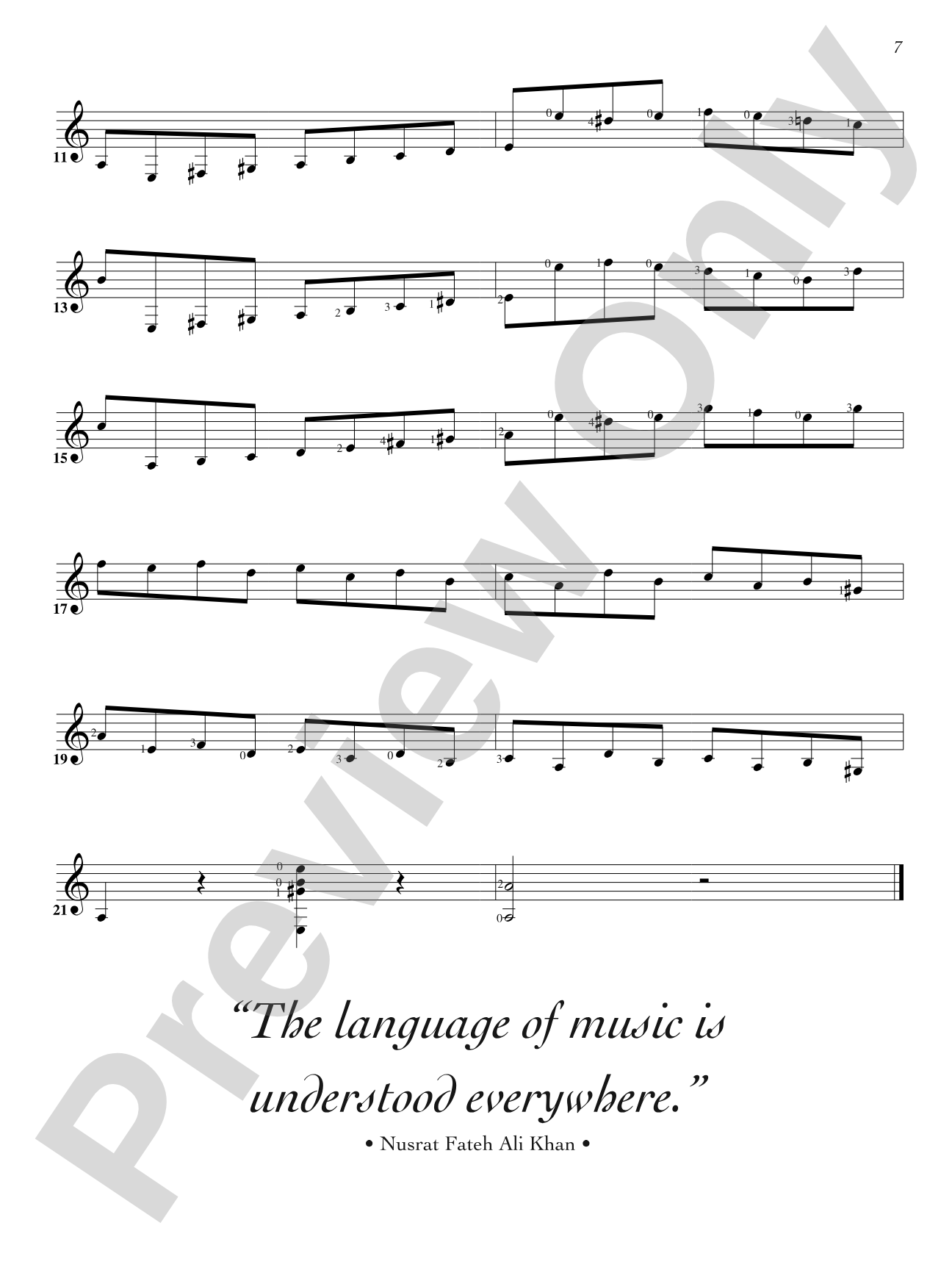
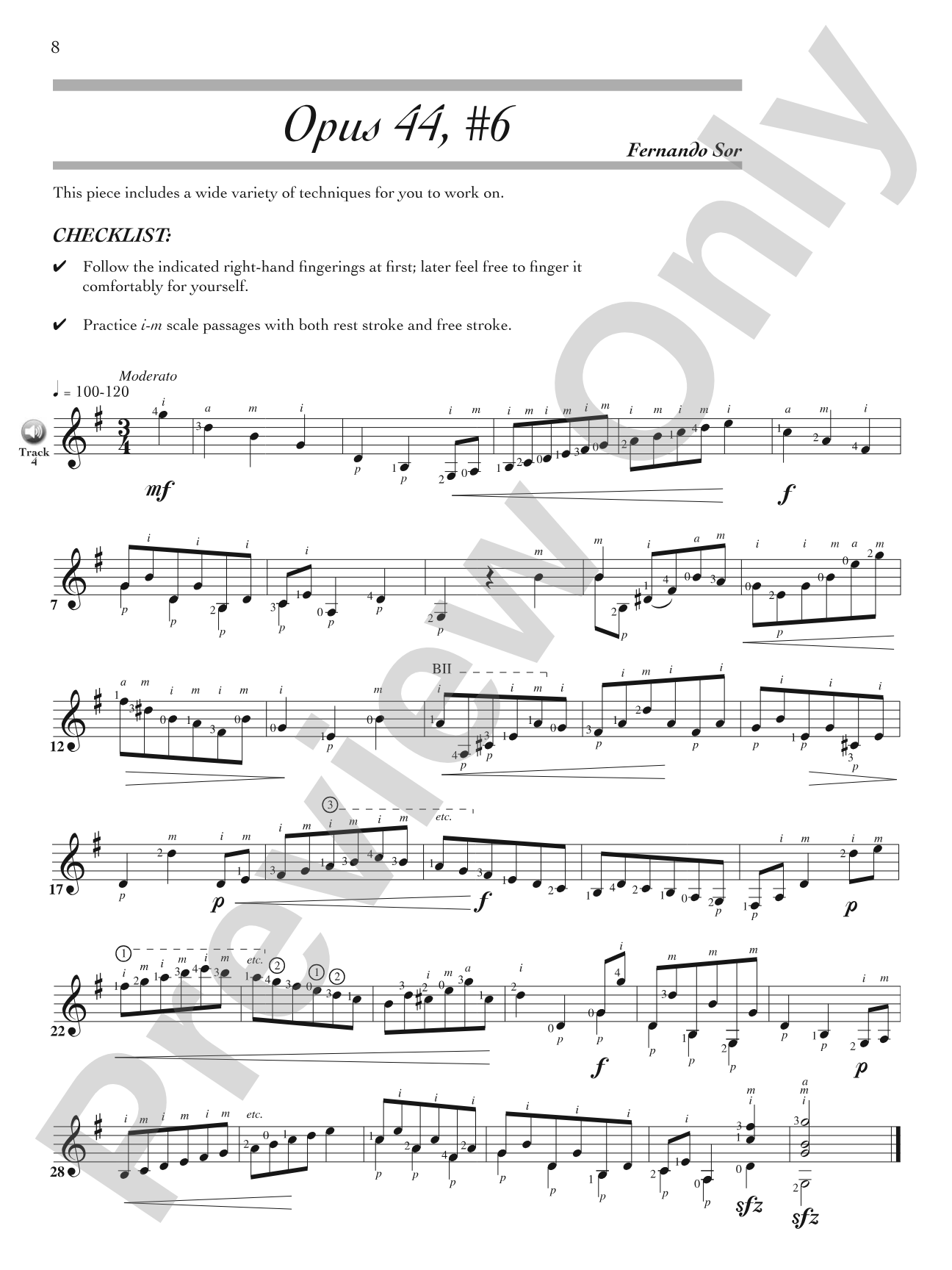
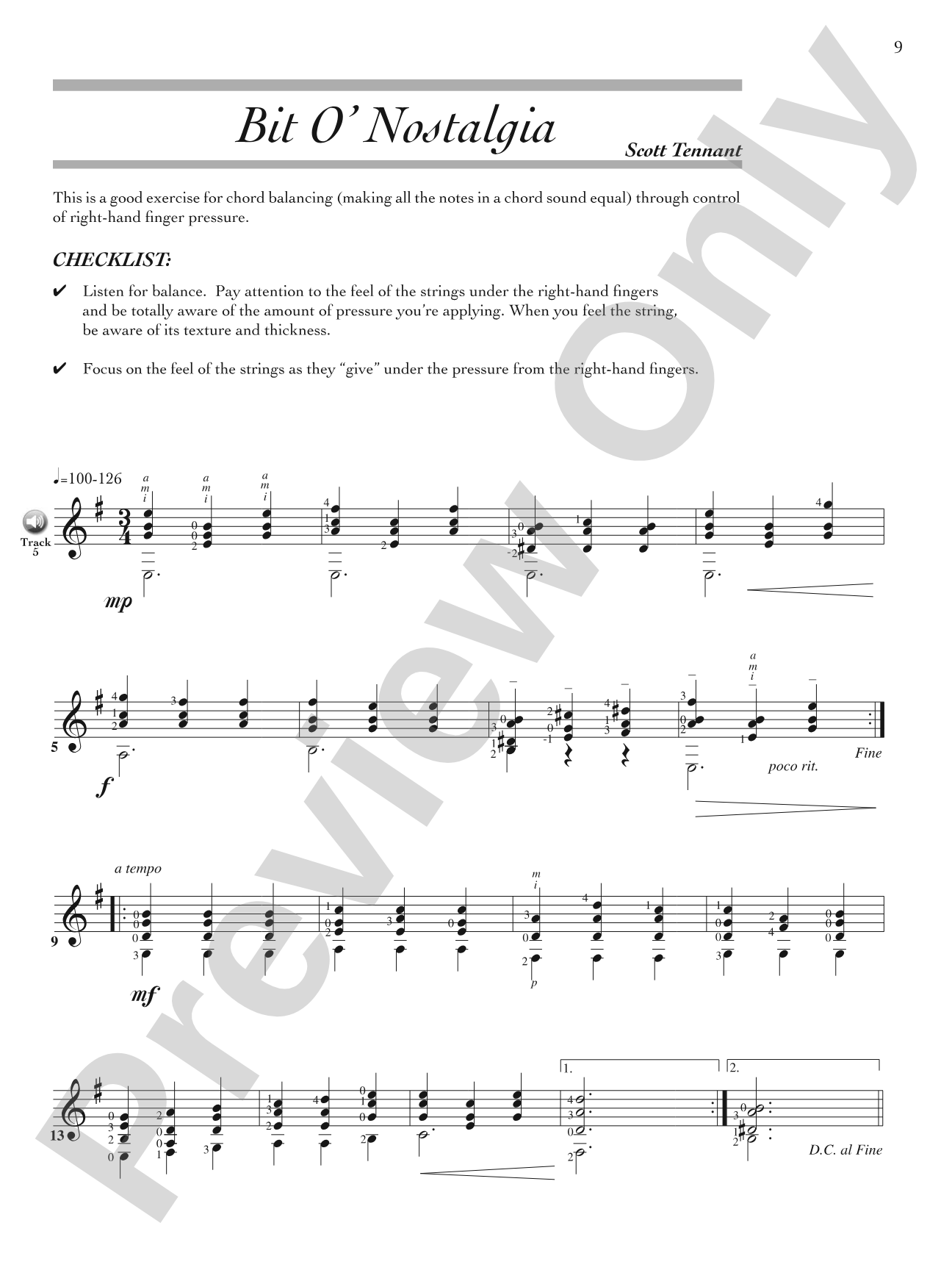
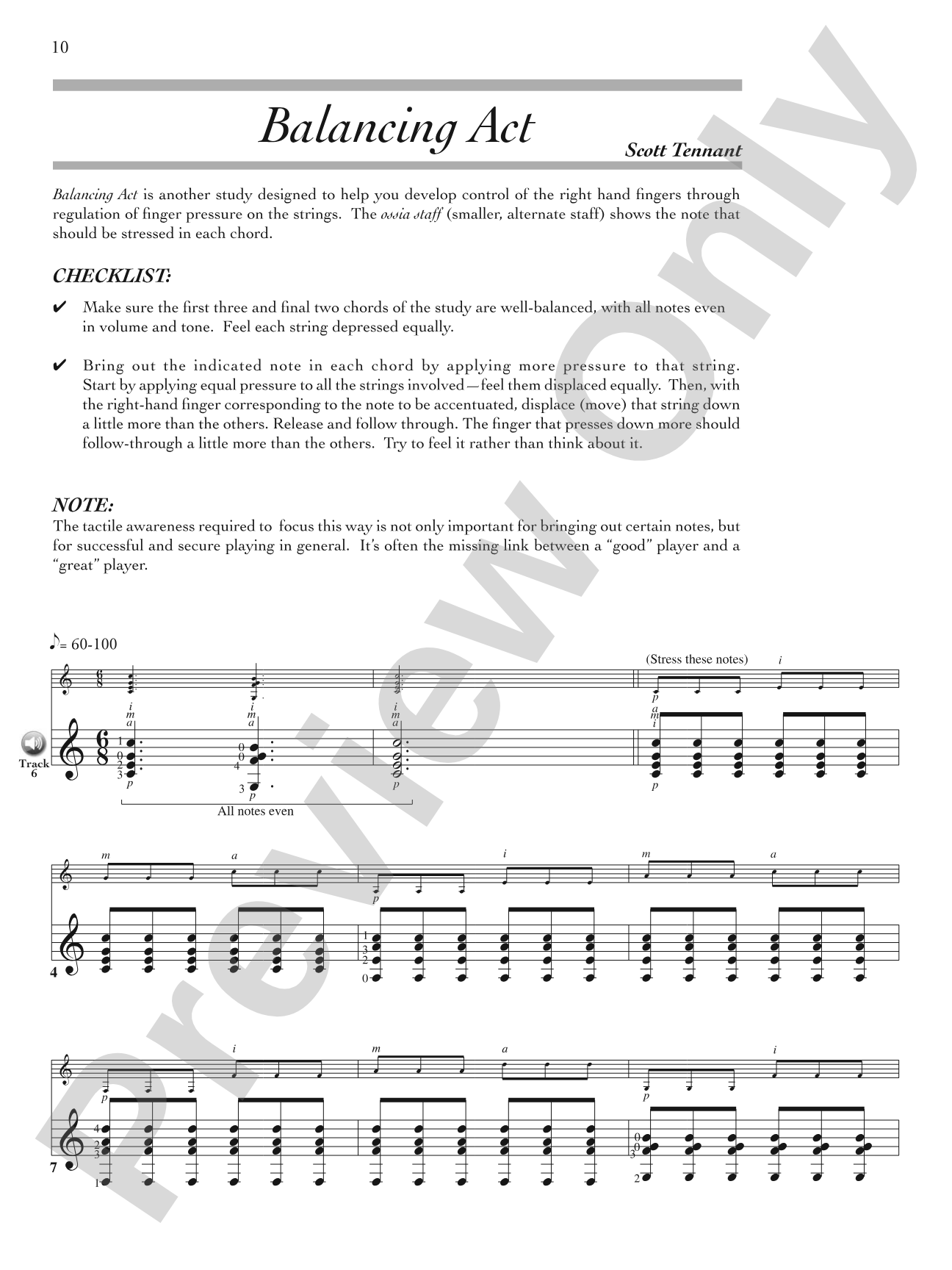
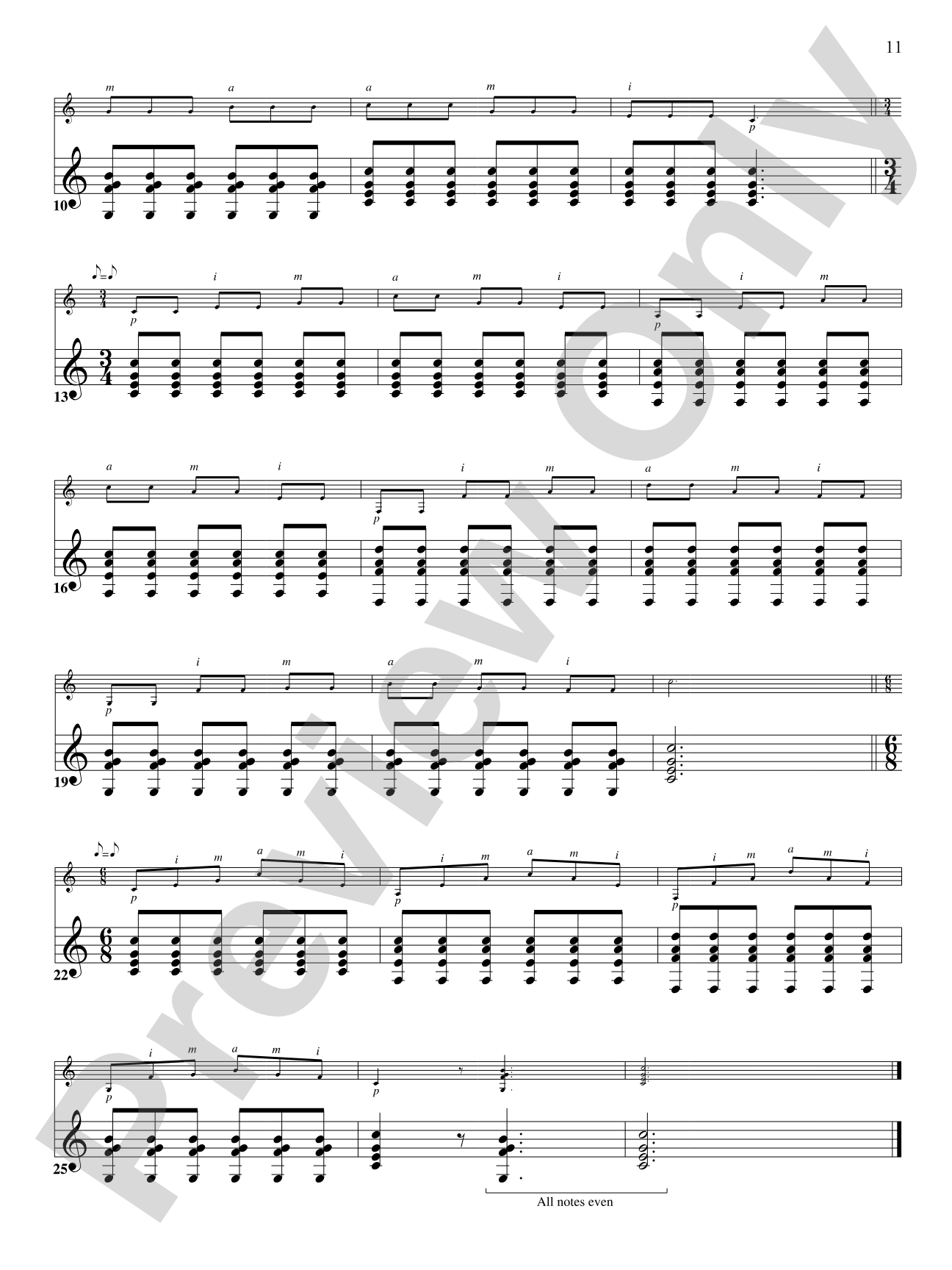
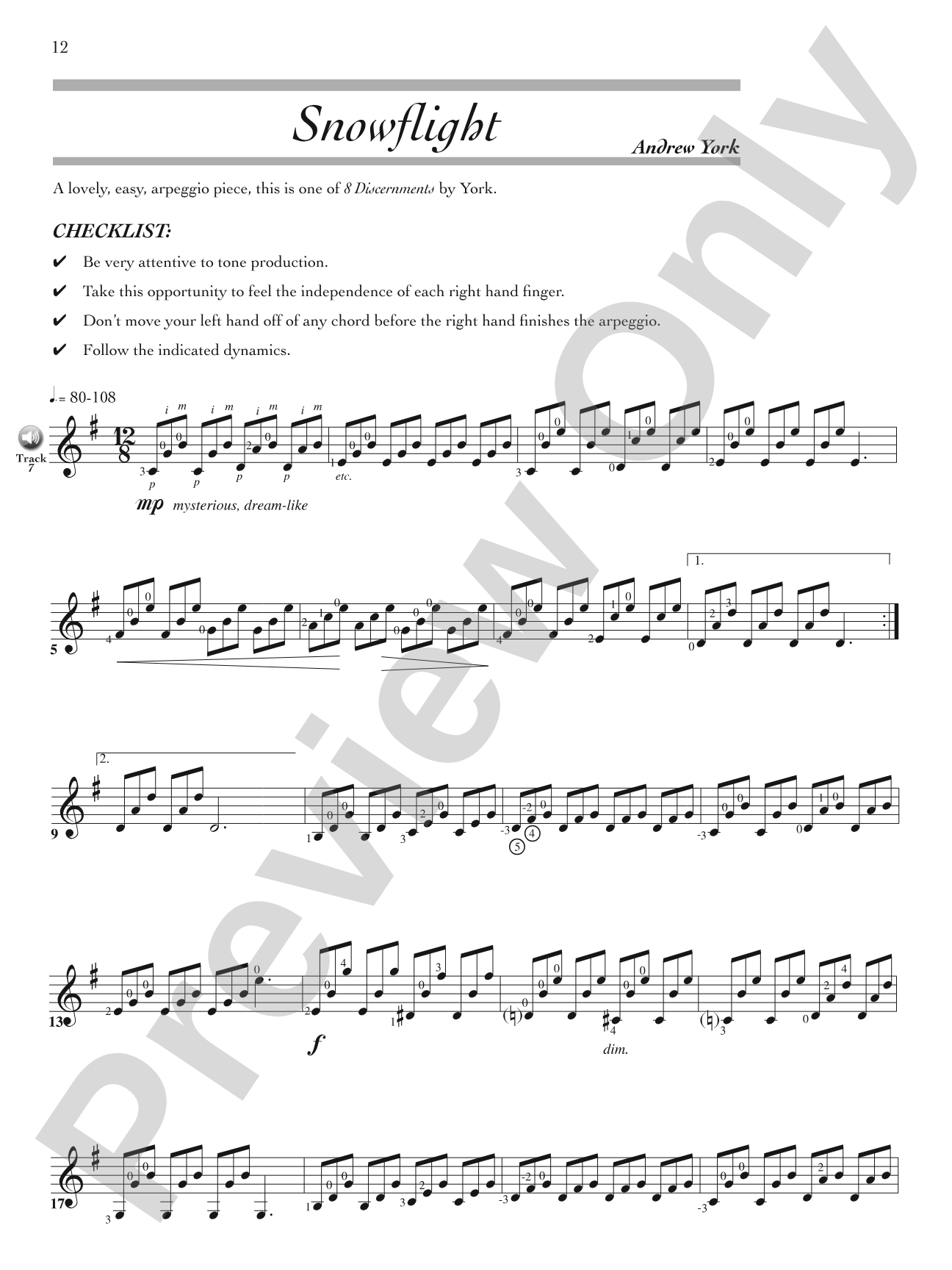
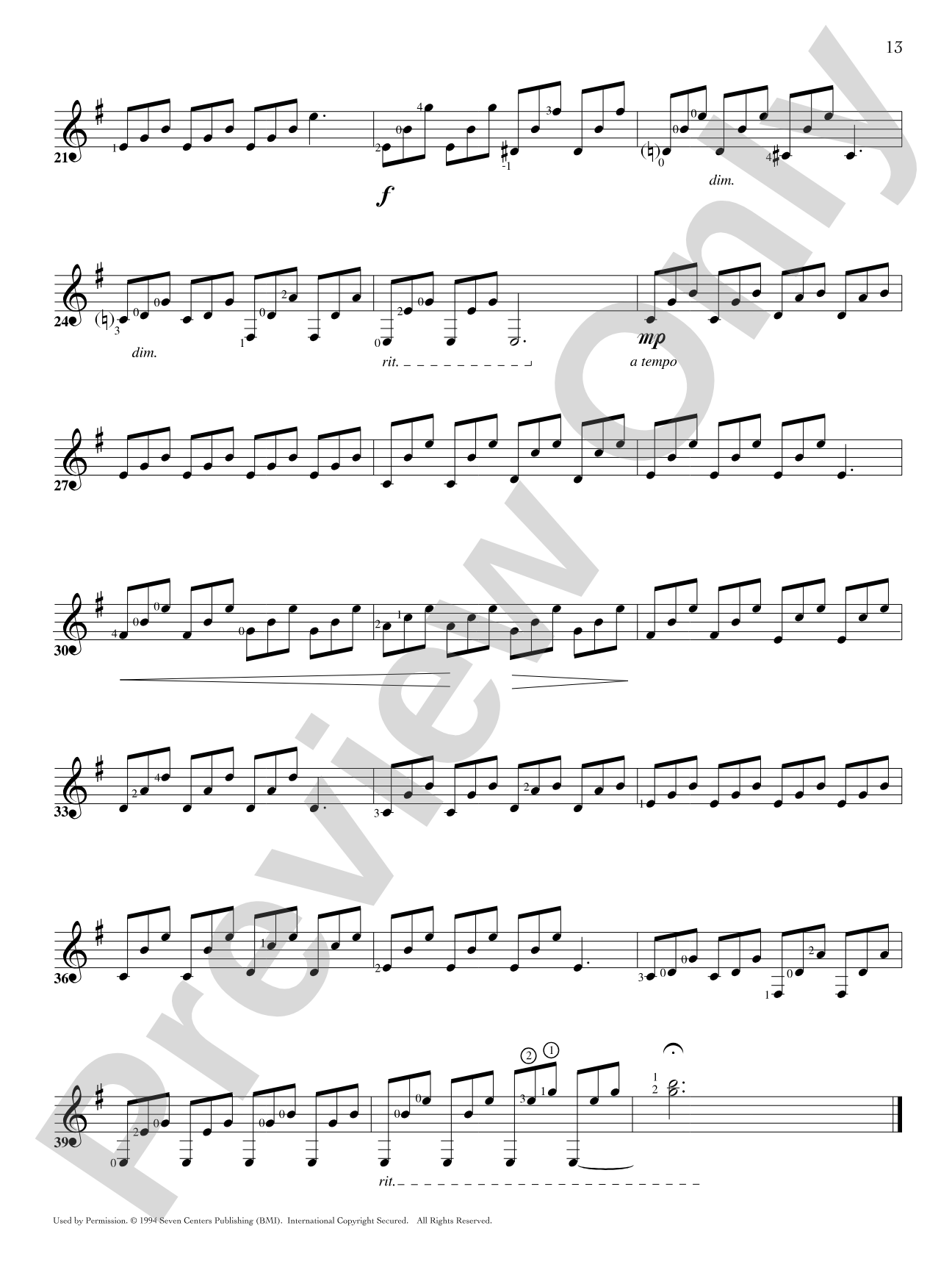
The pieces in this book are selected and designed around the various techniques addressed in the best-selling book Pumping Nylon. They are offered as an extension of the excercises presented in that book, and to provide attractive and easy peices in which to apply the various techniques discussed. New compositions by Andrew York and other contemporary composers are included as well as classic etudes by Tarrega, Carcassi, Giuliani and Sor. The pieces are helpful for developing arpeggios, tremolo, scale velocity and more. The recording is beautifully played by Scott Tennant. A Federation Festivals 2020-2024 selection.


Pumping Nylon: Easy to Early Intermediate Repertoire: Supplemental Repertoire for the Best-Selling Classical Guitarist's Technique Handbook: Solo Guitar isn't in MakeMusic Cloud just yet...but it could be. Let us know you'd like to see it, and you'll help shape what comes next. In the meantime, start a free trial and dive into thousands of interactive titles your students can play along with today.
Request This Title
Tell us you want it.
Start Your Free Trial
Explore everything that's ready to play right now.
Sample Audio
1
Etude Number 19
--:--
2
Opus 35 Number 19
--:--
3
Opus 44 Number 8
--:--
Etude Number 19
0:00
0:00
Sample Video
No sample videos found.
Additional Details
Series:
Pumping Nylon Series
Publisher:
Alfred Music
Page Count:
64
SKU:
00-PB-0002123
More about this title
About the Composer: Scott Tennant
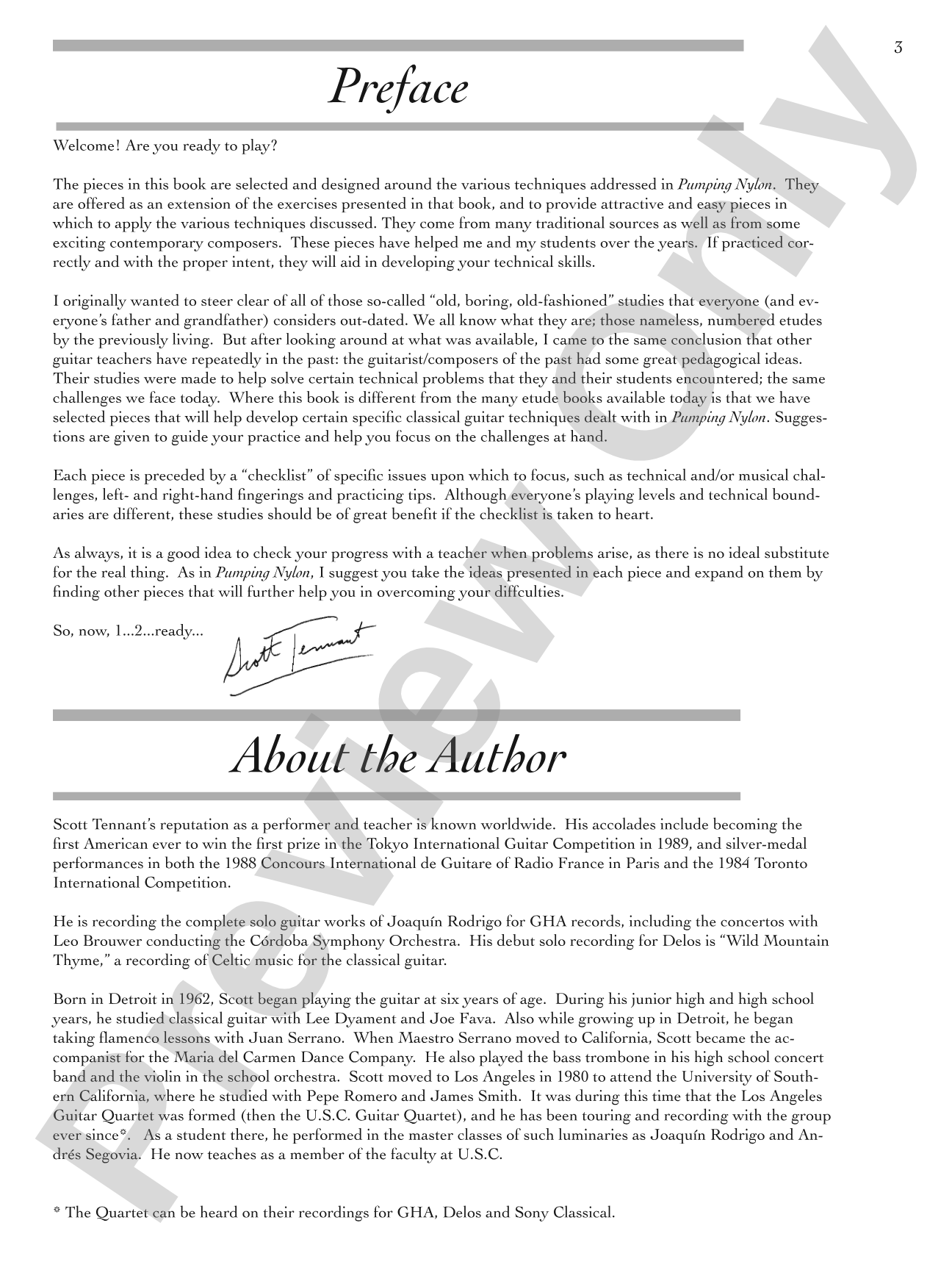
Scott Tennant is a virtuoso classical guitarist and pedagogue whose teaching philosophy centers on making technique serve musicality rather than the reverse. His work with the Los Angeles Guitar Quartet and as a faculty member at USC has shaped generations of players who understand both the physical and artistic demands of the instrument.
Why we love this
This collection bridges a real pedagogical gap by pairing technical work with genuinely musical pieces rather than isolated exercises. The curation of classic etudes alongside fresh contemporary compositions keeps students engaged while building the specific facilities addressed in Pumping Nylon, and Scott Tennant's own performance recording models the expressive possibilities of repertoire that can feel purely technical in less capable hands.
What to expect
A curated journey through different textures and technical demands. Some pieces float with transparent arpeggios; others demand rhythmic precision and finger velocity. Throughout, the writing respects the guitar's acoustic possibilities rather than fighting the instrument's natural voice.
Who it's for
Guitarists working through Pumping Nylon who need repertoire that applies rather than merely illustrates the handbook's technical concepts. This collection also suits teachers seeking approachable yet musically substantial pieces for early intermediate students ready to move beyond purely pedagogical material.
How to get the most out of it
- Record yourself playing these pieces at various tempos to build confidence in technique before pursuing performance speed. Slowing down exposes clarity issues in arpeggios and tremolo that rush masking can hide.
- Study the recording by Scott Tennant with score in hand, paying attention to his touch and tone production rather than just his tempo and phrasing choices. His technique is transparent and worth reverse engineering.
- Work tremolo passages with a metronome at half speed, focusing on evenness of note duration and consistent finger placement before adding speed. Many students sacrifice control to reach performance tempo.
- Isolate the arpeggiated sections and practice them away from the full texture first, establishing secure finger independence before layering in melodic content above.
How to use it
Program individual pieces from this collection at student recitals or ensemble showcases to demonstrate technical growth without signaling "this is just an exercise." The mix of classic etudes and contemporary works allows you to balance repertoire across a full recital while maintaining pedagogical coherence with your studio's Pumping Nylon study plan.
Skills your students will build
- Arpeggio technique (fingerstyle patterns and evenness)
- Tremolo execution (consistent stroke production and tone quality)
- Scale velocity and finger independence
- Sustain and resonance control across tempo changes
- Musicality within technical frameworks