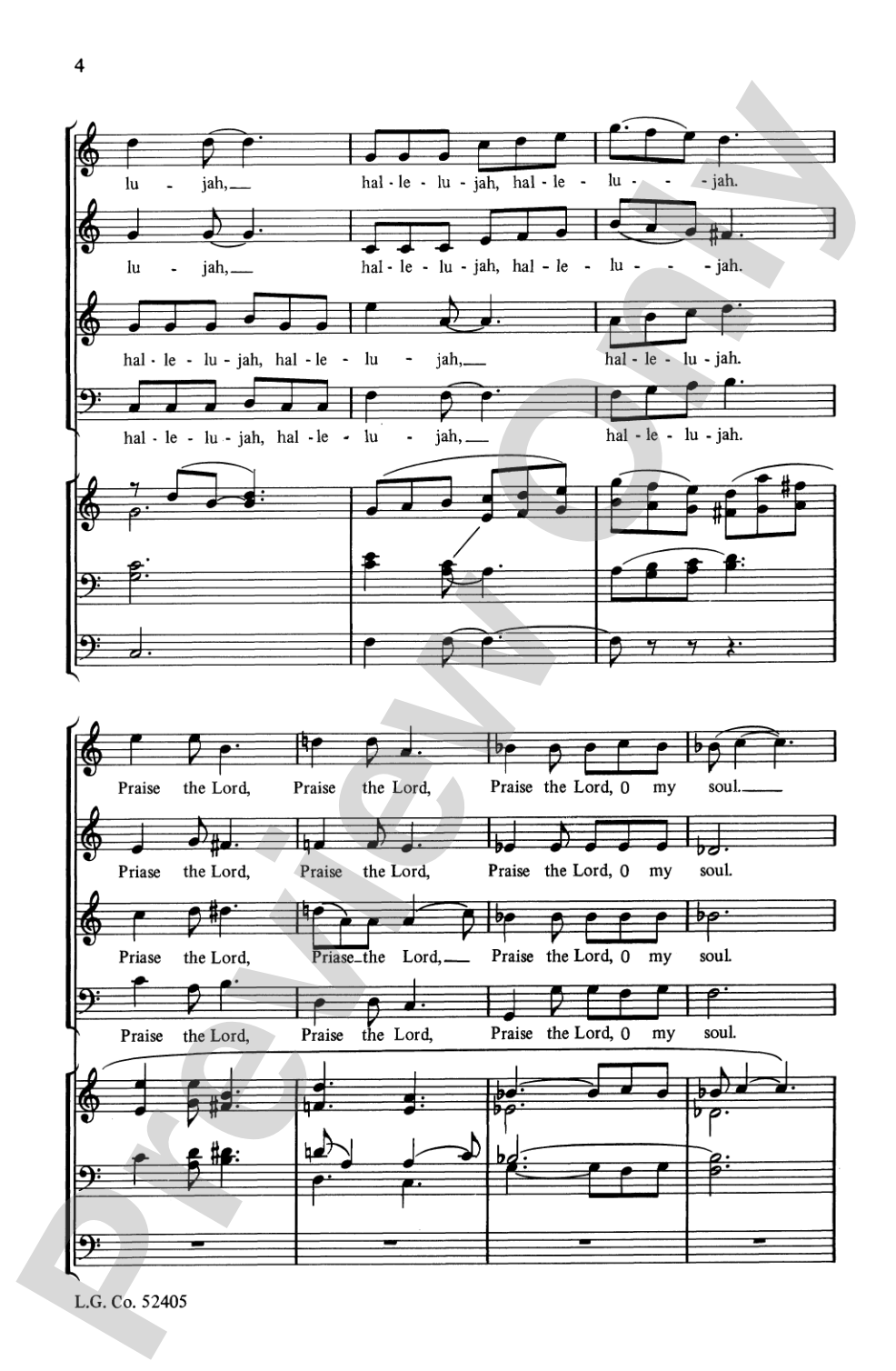
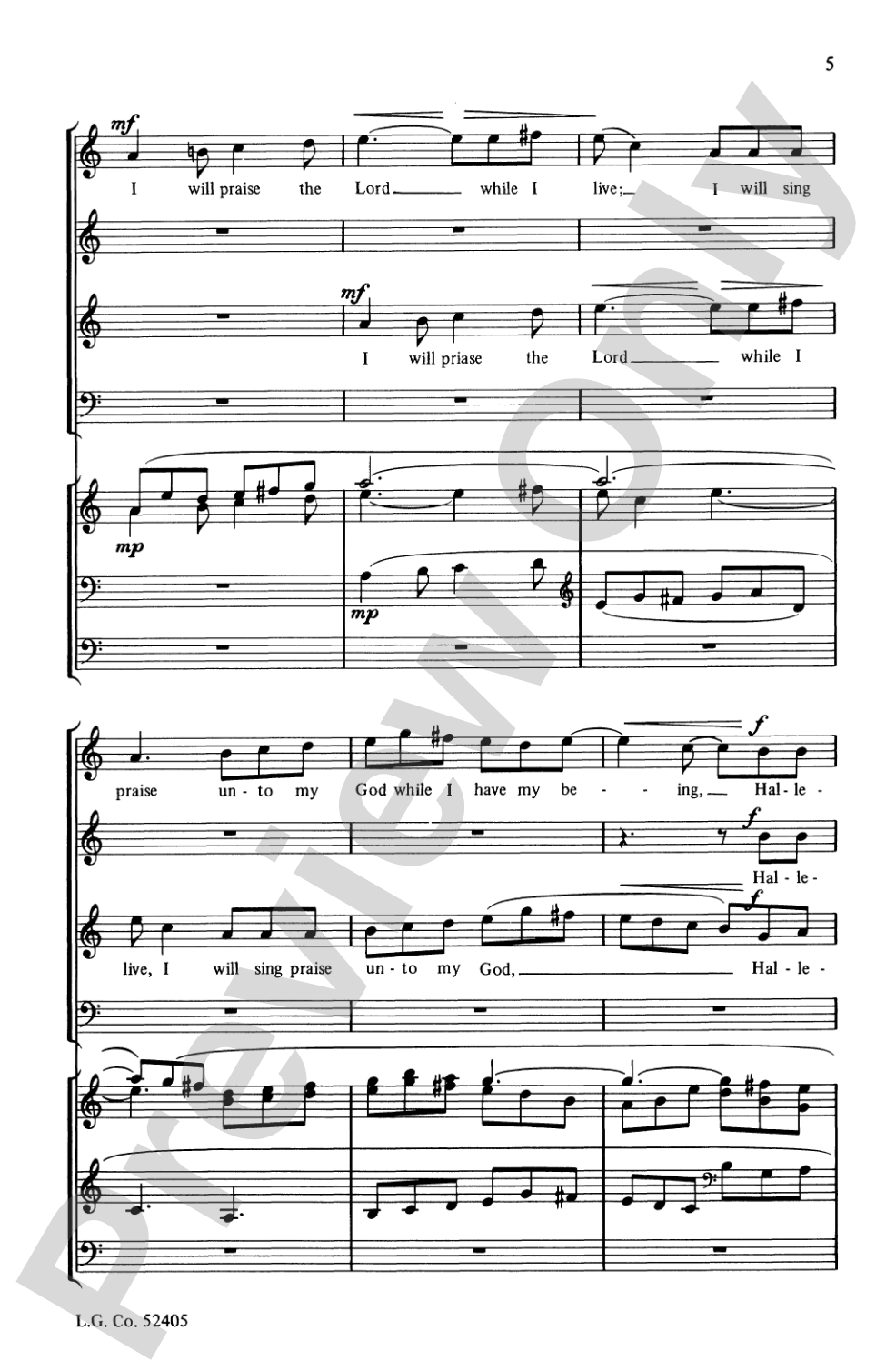
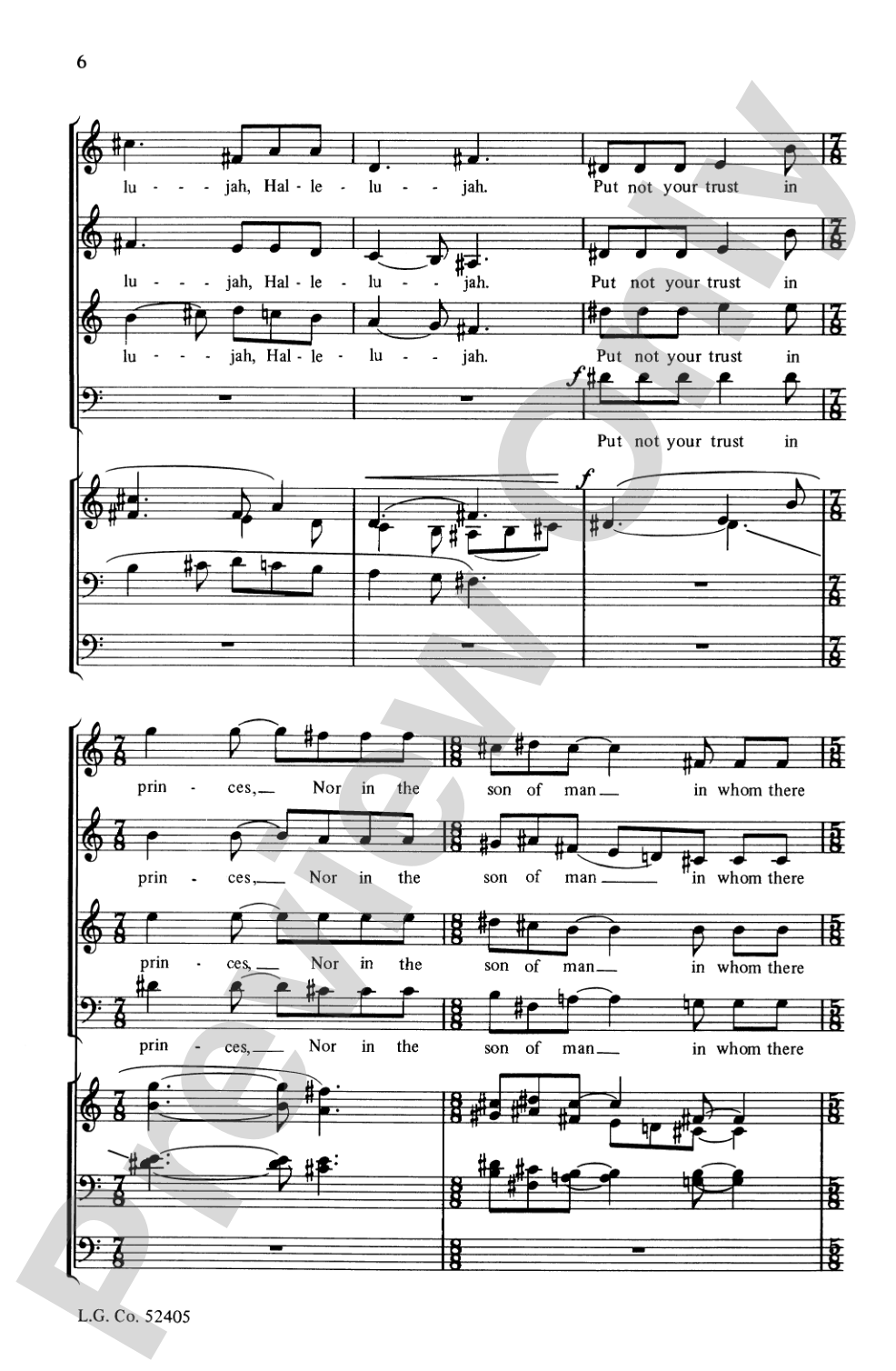
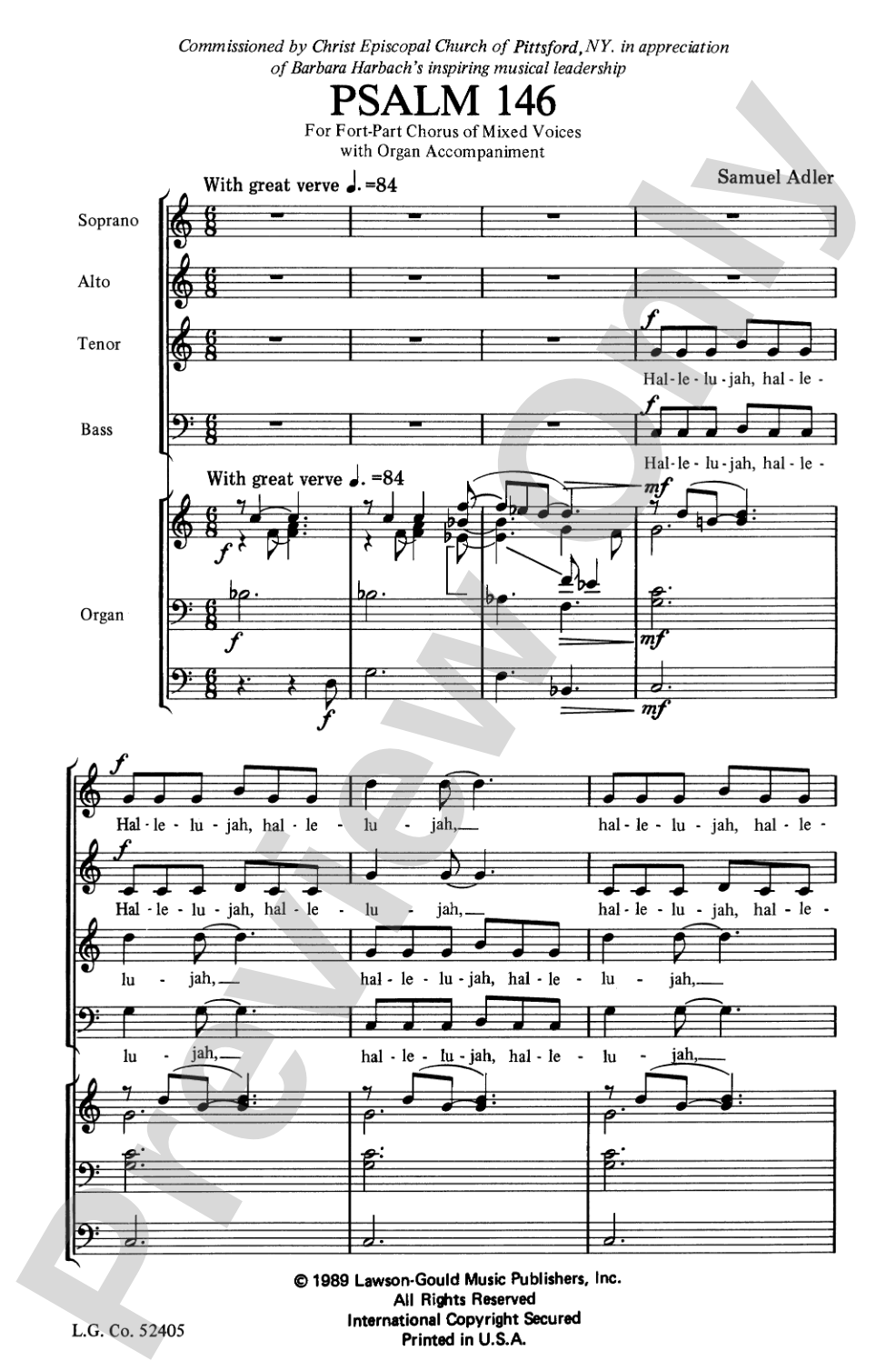
Psalm 146 Sheet Music Preview

Psalm 146: SATB Choral Octavo

By Samuel Adler

Item: 00-PO-0005056

Digital Download
$3.50

Minimum order quantity: 20 copies

Description

Psalm 146: SATB Choral Octavo isn't in MakeMusic Cloud just yet...but it could be. Let us know you'd like to see it, and you'll help shape what comes next. In the meantime, start a free trial and dive into thousands of interactive titles your students can play along with today.

Sample Audio
No sample audio found.
Sample Video
Additional Details
Series: Alfred Archive Edition: Lawson-Gould Music Publishers
Publisher: Alfred Music
Page Count: 20
SKU: 00-PO-0005056

More about this title

About the Composer: Samuel Adler

Samuel Adler (1928–2024) was an American composer, conductor, and educator whose catalog spans orchestral works, chamber music, vocal literature, and sacred choral pieces. A Pulitzer Prize finalist and prolific creator of liturgical music, Adler spent decades on the faculty at Eastman School of Music, where he mentored generations of composers and conductors. His choral writing is marked by accessibility without compromise; he understood how to write idiomatically for voices while maintaining musical substance.

Adler's sacred works have become standard repertoire in concert halls, churches, and educational settings. He composed with sensitivity to text, creating music that serves both devotional and artistic purposes. His influence on American choral music extends through his compositions, his students, and his unwavering commitment to making serious music available to singers of varying skill levels.

Why we love this

Adler's setting of Psalm 146 combines accessibility with genuine musical substance. The piece works equally well in a church service, a concert setting, or a university choir program because it respects both the sacred text and the singers performing it. This is repertoire that challenges your singers without requiring virtuosic technique, leaving room for genuine musical and spiritual expression.

What to expect

The piece unfolds with quiet dignity and contemplative beauty. Adler's harmonic language is rooted in tonality but moves with subtle sophistication, creating moments of warmth and introspection. The text of Psalm 146 centers on praise and trust; the music reflects that emotional truth through clear, singable lines and harmonies that feel both inevitable and moving.

Who it's for

This octavo suits intermediate to advanced SATB choirs in concert, church, or educational settings. Singers need secure part reading and blend, but the writing avoids extreme ranges and technical display. Directors seeking substantial sacred repertoire that performs equally well in a liturgical context or on a mixed concert program will find this a valuable addition.

How to get the most out of it

  • Allow the text to drive phrasing. Adler's word setting is deliberate; let the natural speech rhythm of the psalm guide your interpretive choices rather than imposing a metrical grid.
  • Shape the dynamic contour across entire phrases rather than within individual measures. This expands the scope of the piece and prevents it from feeling choppy or rhythmically static.
  • Balance part independence with ensemble unity. Adler often writes contrapuntal passages; resist the urge to smooth them out, but ensure all four voices lock rhythmically and harmonically.
  • Consider the acoustic of your performance space. The piece's spiritual character relies on allowing harmony to bloom; if your space is dry, you may want to adopt a slightly more deliberate tempo to give chords time to resonate.

How to use it

Program this as a centerpiece of a sacred choral concert, paired with other psalm settings or liturgical works from different eras. It also works beautifully as the opening or closing piece of a mixed repertoire program, where its reverent tone can frame lighter or more dramatic selections. For church music directors, it serves as a concert-quality option when you want to elevate a Sunday service or special liturgical occasion.

Skills your students will build

  • Singing text-driven phrasing with attention to word stress and punctuation
  • Part independence in contrapuntal passages while maintaining ensemble cohesion
  • Sustaining tone quality and blend across dynamic changes
  • Interpreting harmonic tension and resolution in tonal but non-functional harmony
  • Balancing individual musical line with collective choral sound

You May Also Like