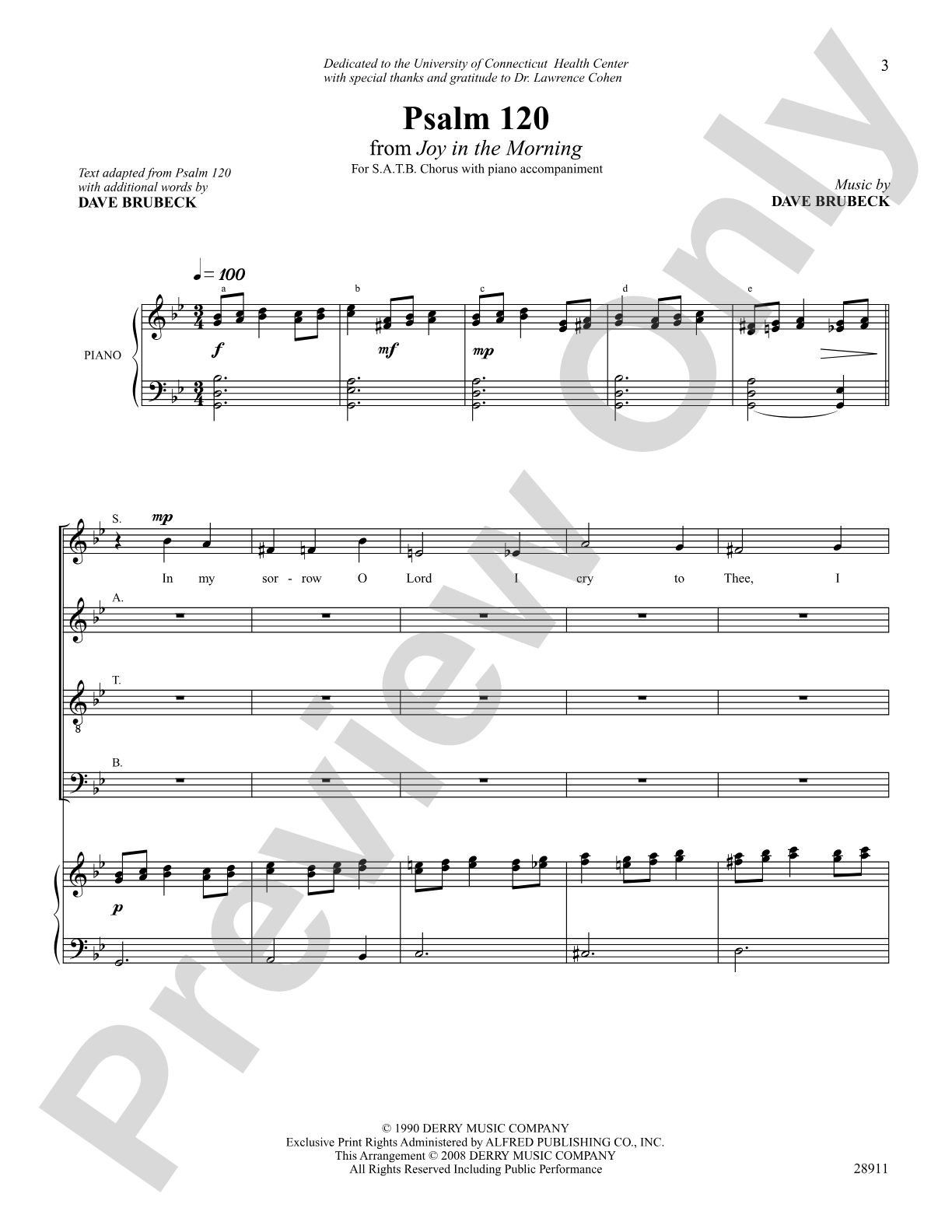
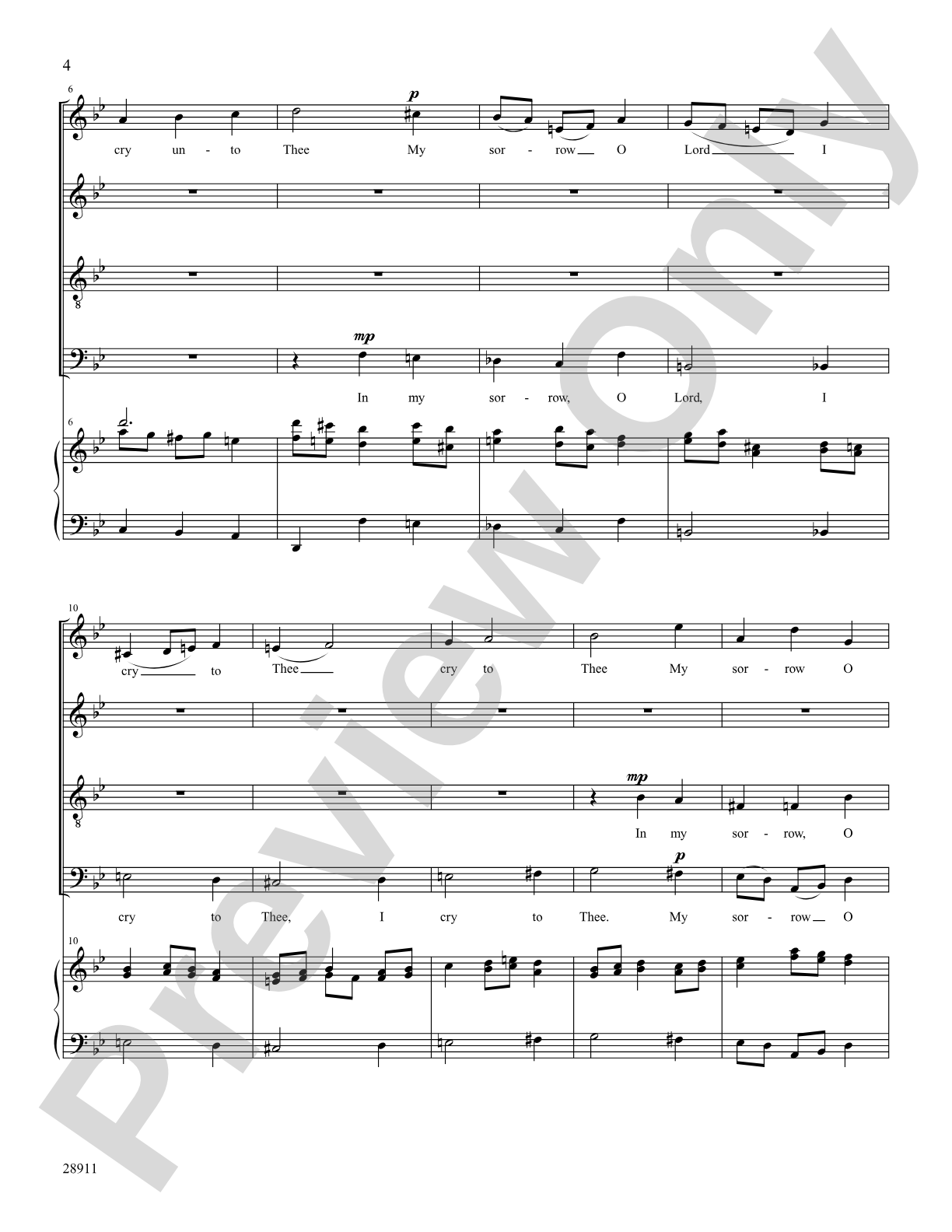
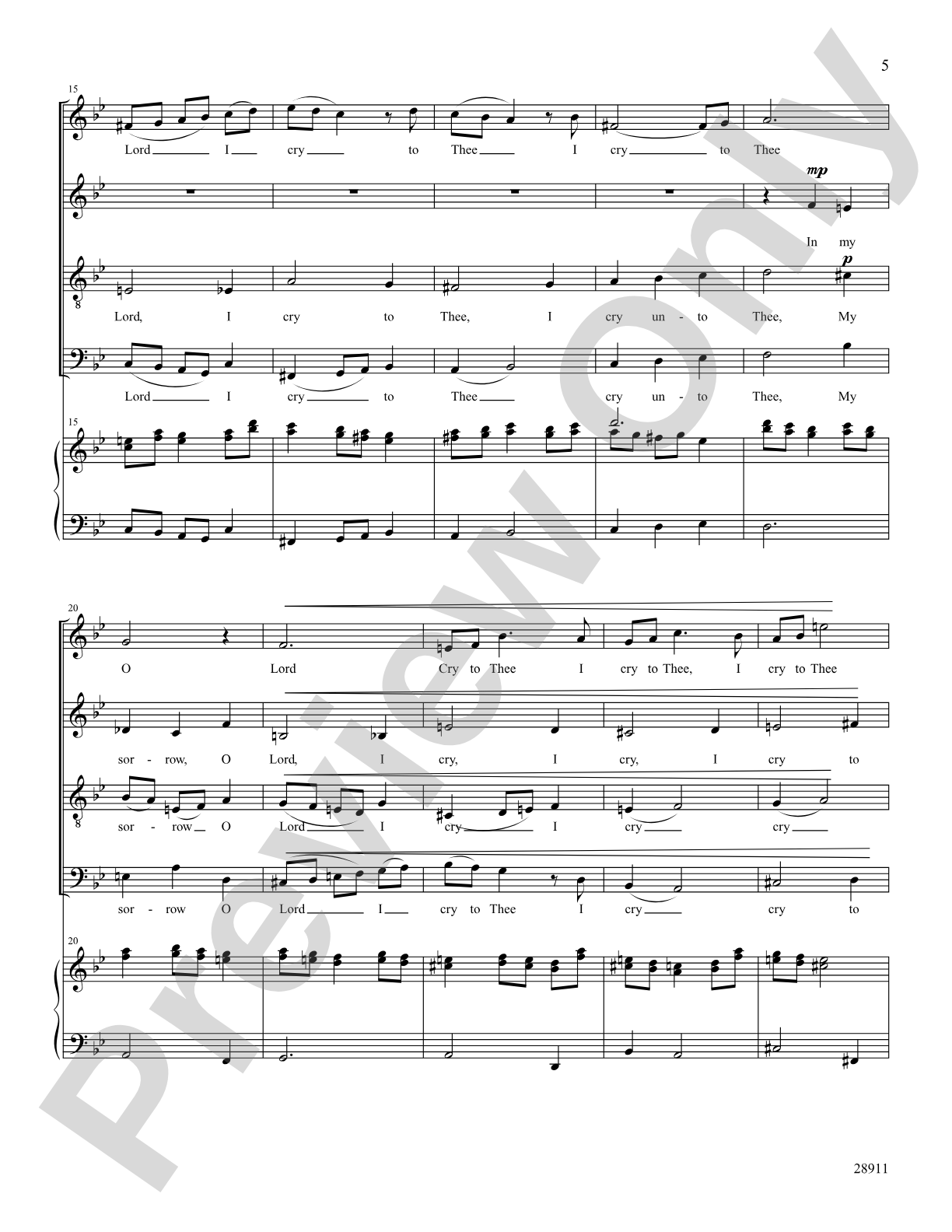
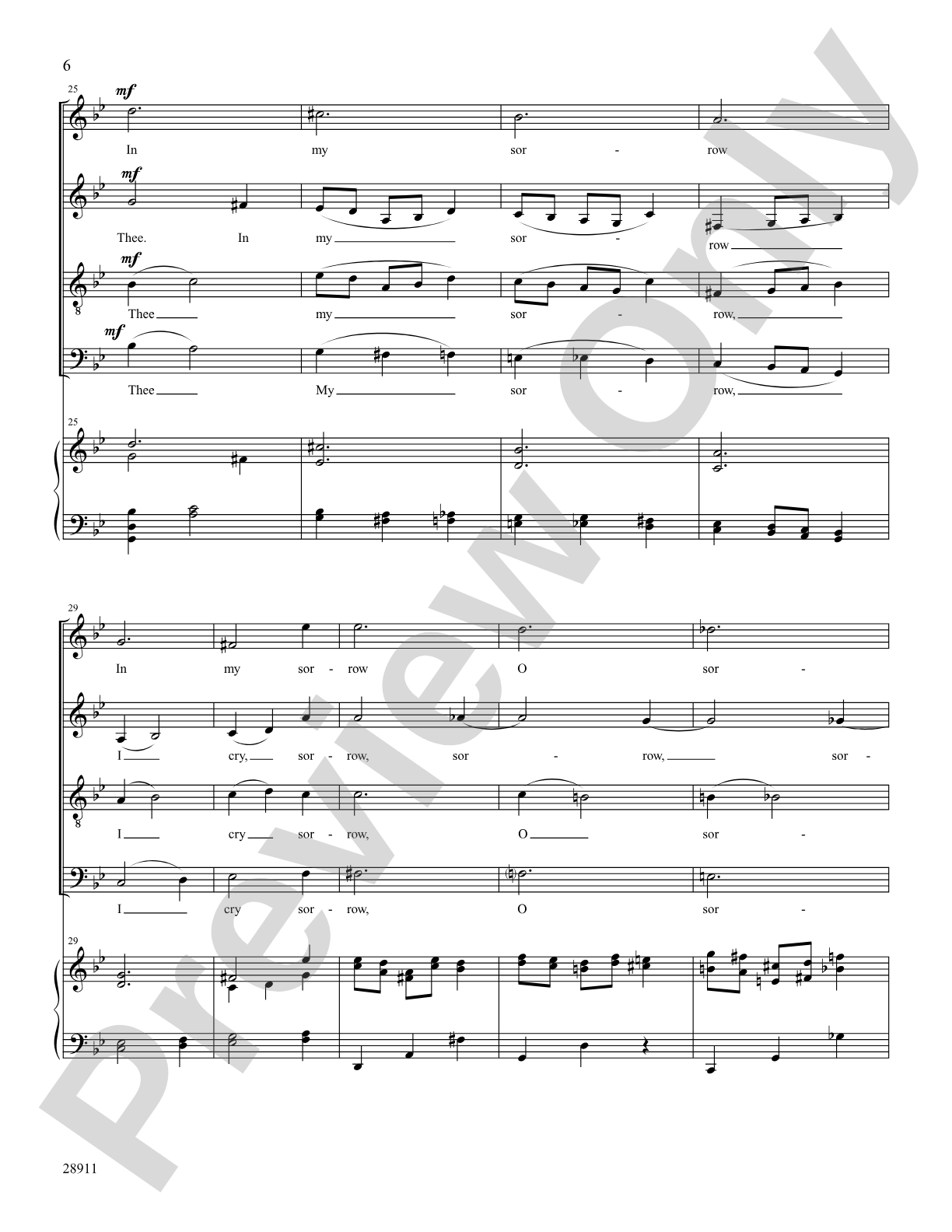
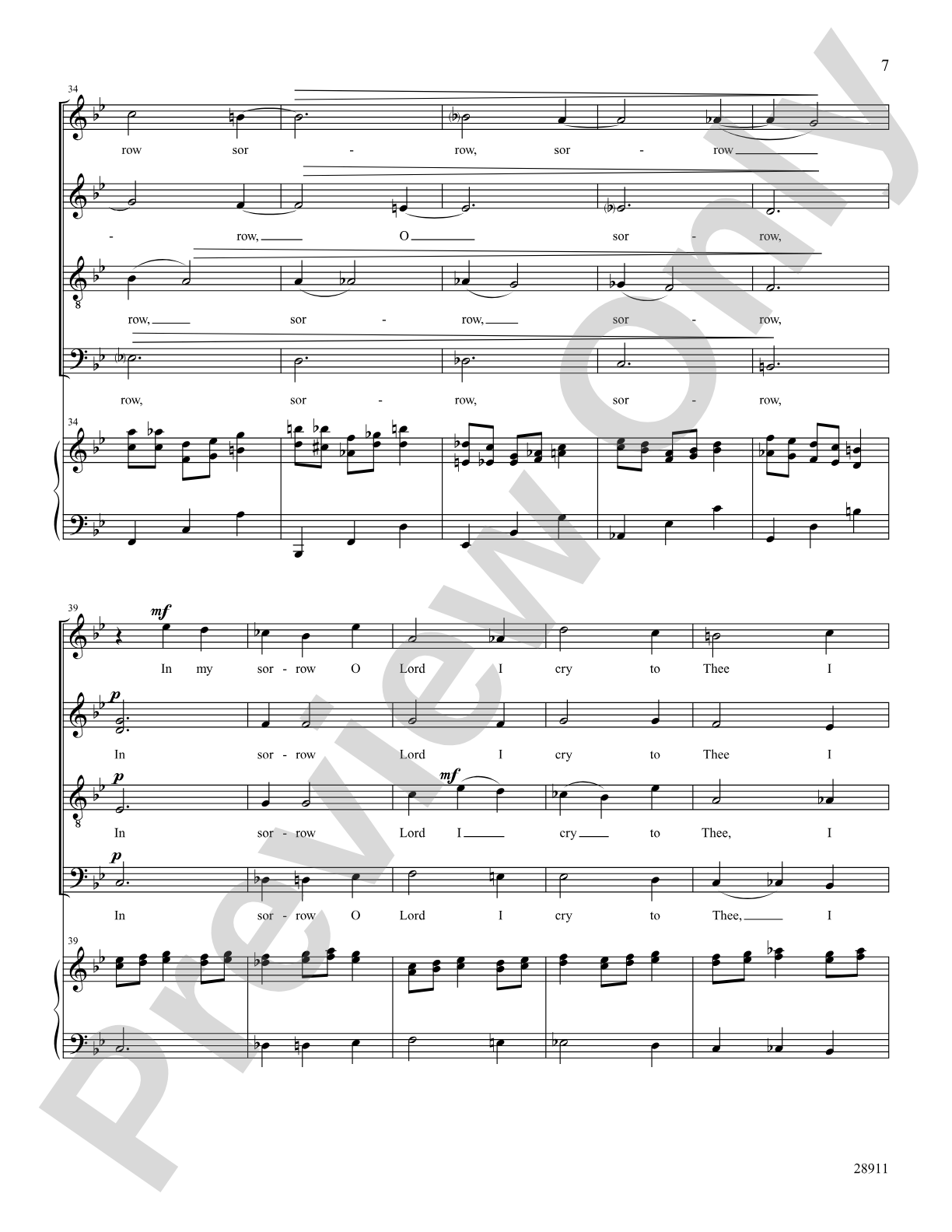
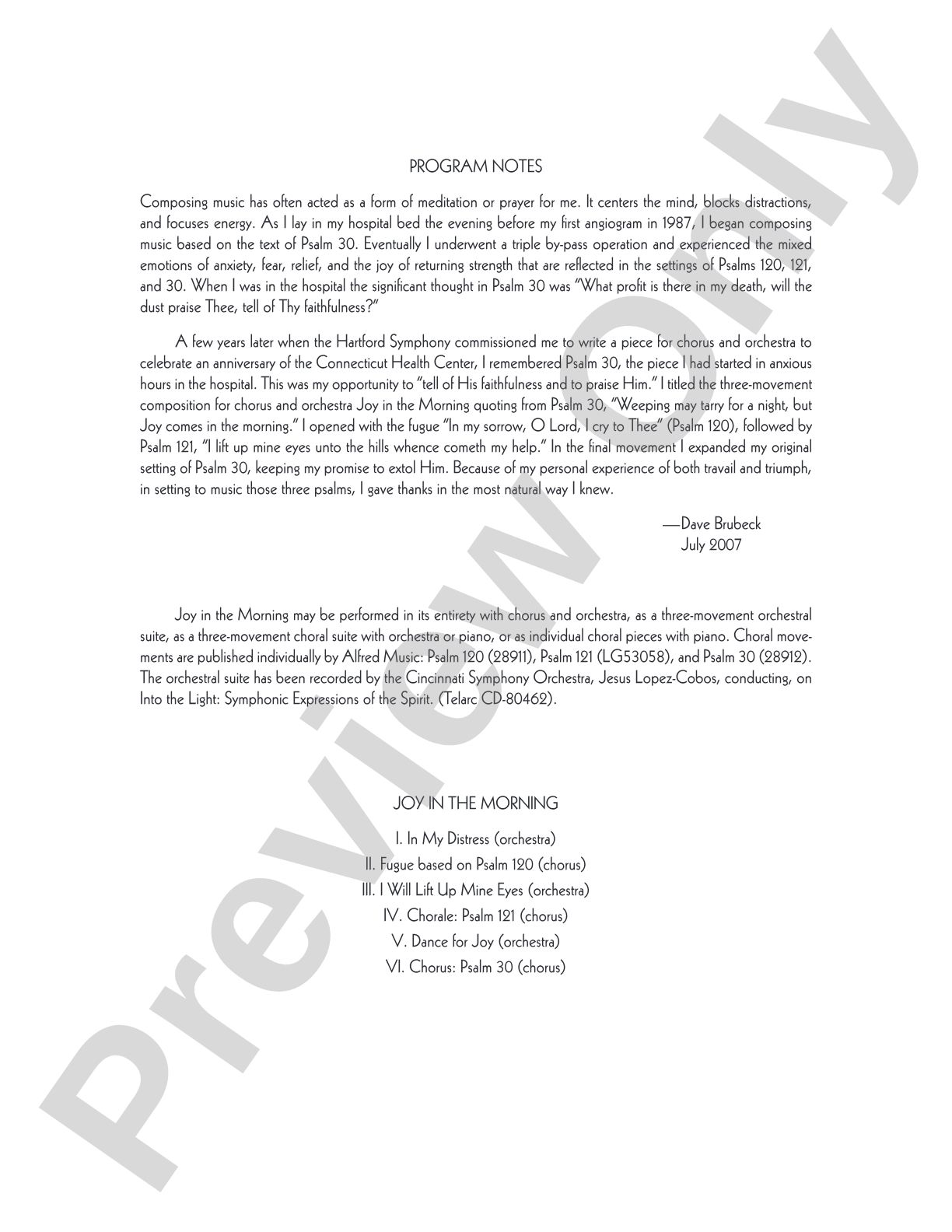
Psalm 120 Sheet Music Preview

Psalm 120: SATB Choral Octavo

By Dave Brubeck

Item: 00-PO-0004386

Digital Download
$4.25

Minimum order quantity: 20 copies

Description

Psalm 120: SATB Choral Octavo isn't in MakeMusic Cloud just yet...but it could be. Let us know you'd like to see it, and you'll help shape what comes next. In the meantime, start a free trial and dive into thousands of interactive titles your students can play along with today.

Sample Audio
No sample audio found.
Sample Video
Additional Details
Series: Lawson-Gould: The Dave Brubeck Series
Publisher: Alfred Music
Page Count: 28
SKU: 00-PO-0004386

More about this title

About the Composer: Dave Brubeck

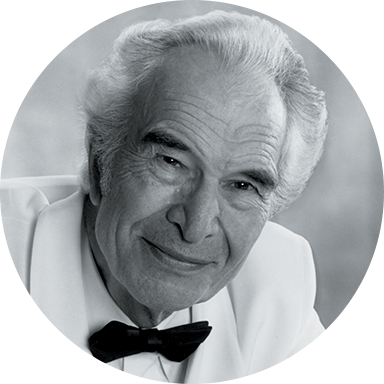
Dave Brubeck

Dave Brubeck was a jazz pianist whose improvisational gifts extended seamlessly into composed classical works. Beyond his iconic jazz recordings, including the multi-platinum album "Time Out" and the standard "Take Five," he created an expansive body of notated music: choral pieces, hymns, orchestral scores, chamber works, ballet suites, and large-scale choral-orchestral compositions. His studies with Darius Milhaud at Mills College after World War II shaped his compositional philosophy of blending jazz vernacular with classical structure.

Break racial barriers during the mid-20th century through his music and presence. His sacred choral works, including the mass "To Hope!" and oratorios "The Voice of the Holy Spirit" and "Beloved Son," have been performed and recorded by major ensembles worldwide. Brubeck received numerous honors throughout his career: the Grammy Lifetime Achievement Award, the Presidential Medal of the Arts, induction into the American Classical Music Hall of Fame, and a lifetime achievement award from the London Symphony Orchestra.

Why we love this

Brubeck's approach to sacred choral writing brings a composer's rigor and harmonic sophistication to liturgical text without sacrificing accessibility. This octavo gives your choir the chance to sing genuinely composed music from someone whose ear was shaped by jazz's rhythmic freedom and classical form's architectural clarity. The 28-page score suggests substantial musical substance, not a brief anthem.

What to expect

Brubeck's sacred music inhabits a space where classical form meets jazz-informed harmony and rhythm. Expect sophisticated sonorities, unexpected harmonic turns, and a composer's deliberate control over every voice part. This is liturgical music that asks singers to listen to each other and think through the structure as they perform.

Who it's for

Choirs with solid four-part reading skills and singers who thrive on harmonic subtlety. This octavo suits programs seeking substantial, intellectually engaging sacred repertoire with contemporary compositional roots rather than period-style choral writing.

How to get the most out of it

  • Attend to Brubeck's harmonic language carefully. His jazz-inflected sonorities may sit outside some singers' instinctive tuning; sectional rehearsal on exposed chord changes builds security and voice independence.
  • Balance the four parts transparently. Jazz harmony often distributes interest across all voices rather than concentrating it in the soprano line, so resist the impulse to weight the top voice and let inner parts shadow.
  • Explore the text expressively. Sacred works demand thoughtful phrasing; work with your singers on where the musical phrases align with the psalm's emotional arc rather than merely where phrases end.

How to use it

Program this as an anchor for a concert exploring sacred choral works by jazz-rooted composers, or place it alongside contemporary classical pieces to show the breadth of choral composition in the late 20th century. It also pairs naturally with other Brubeck choral works if you're building a composer focus.

Skills your students will build

  • Reading jazz-influenced harmonic progressions and non-traditional chord voicings
  • Balancing independent voice lines in dense four-part writing
  • Shaping longer, through-composed choral structures with clear phrasing
  • Interpreting sacred text expressively within a contemporary classical context

You May Also Like