
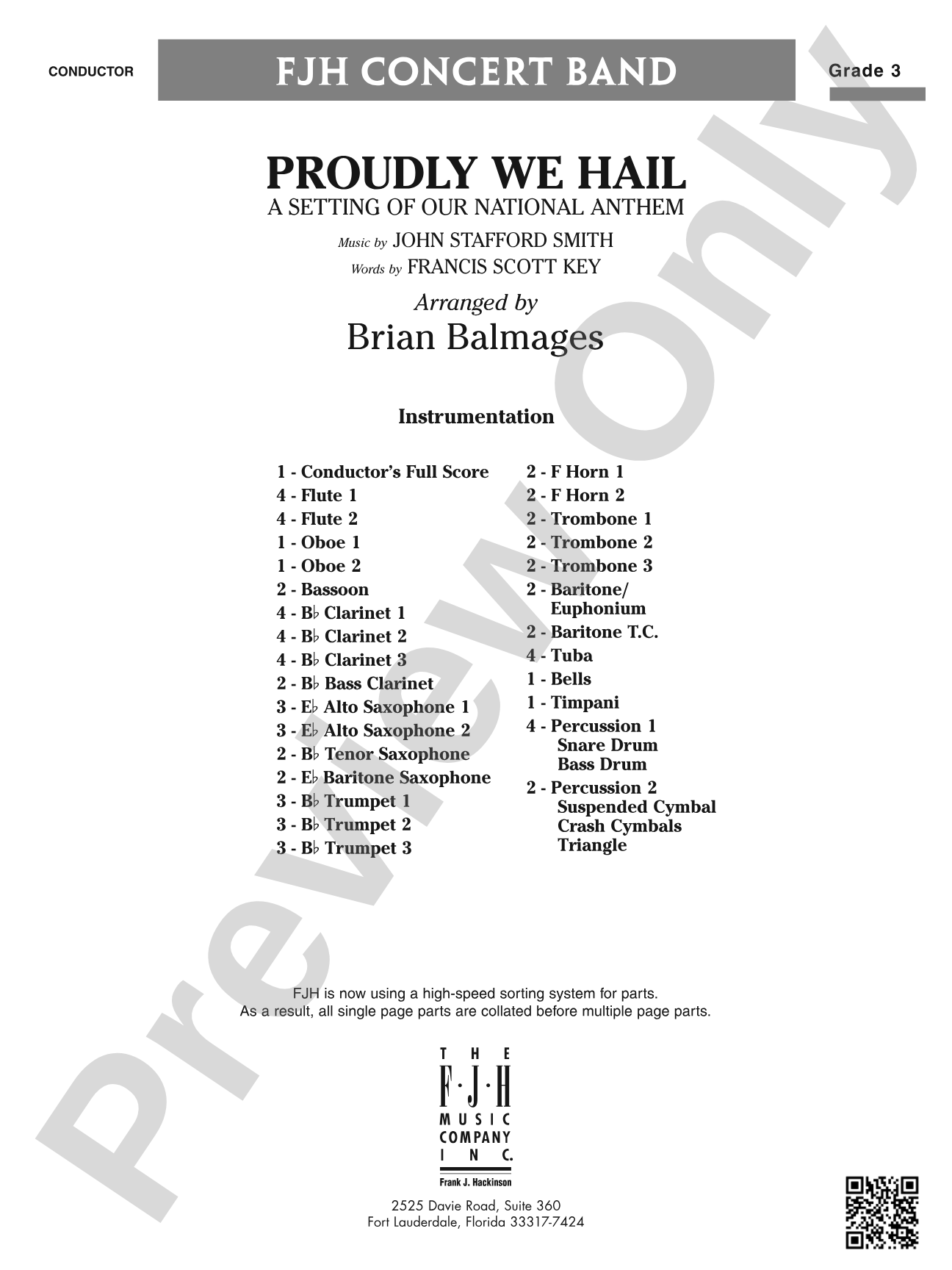

Proudly We Hail (A Setting of Our National Anthem): Concert Band Conductor Score & Parts
A Setting of Our National Anthem
By John Stafford Smith / arr. Brian Balmages
Grade: 3
Item: 98-DB1150
$70.00
Pickup currently not available
Buy Extra Parts (Digital PDF Download)
Parts Added to Cart!
Description
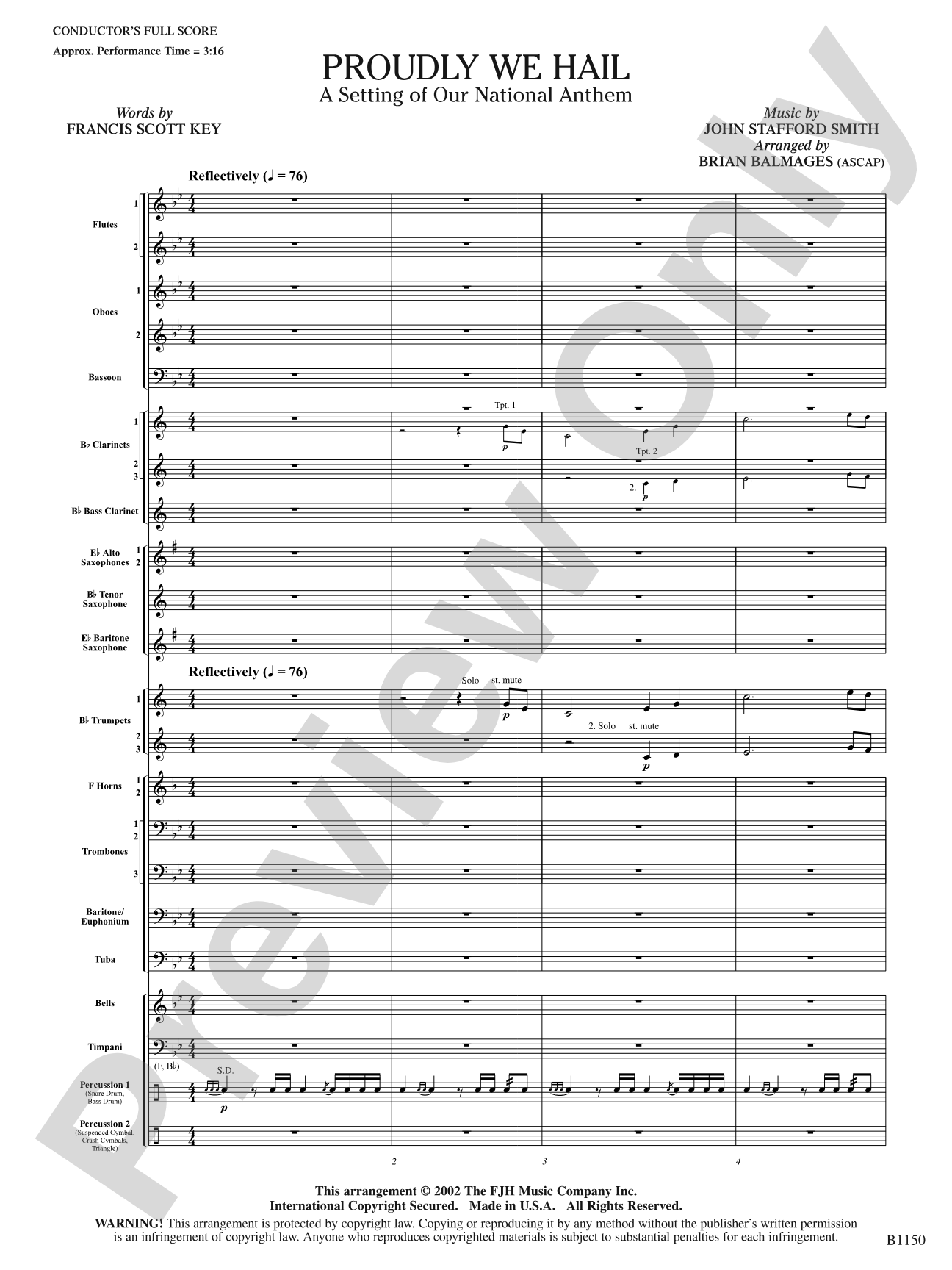
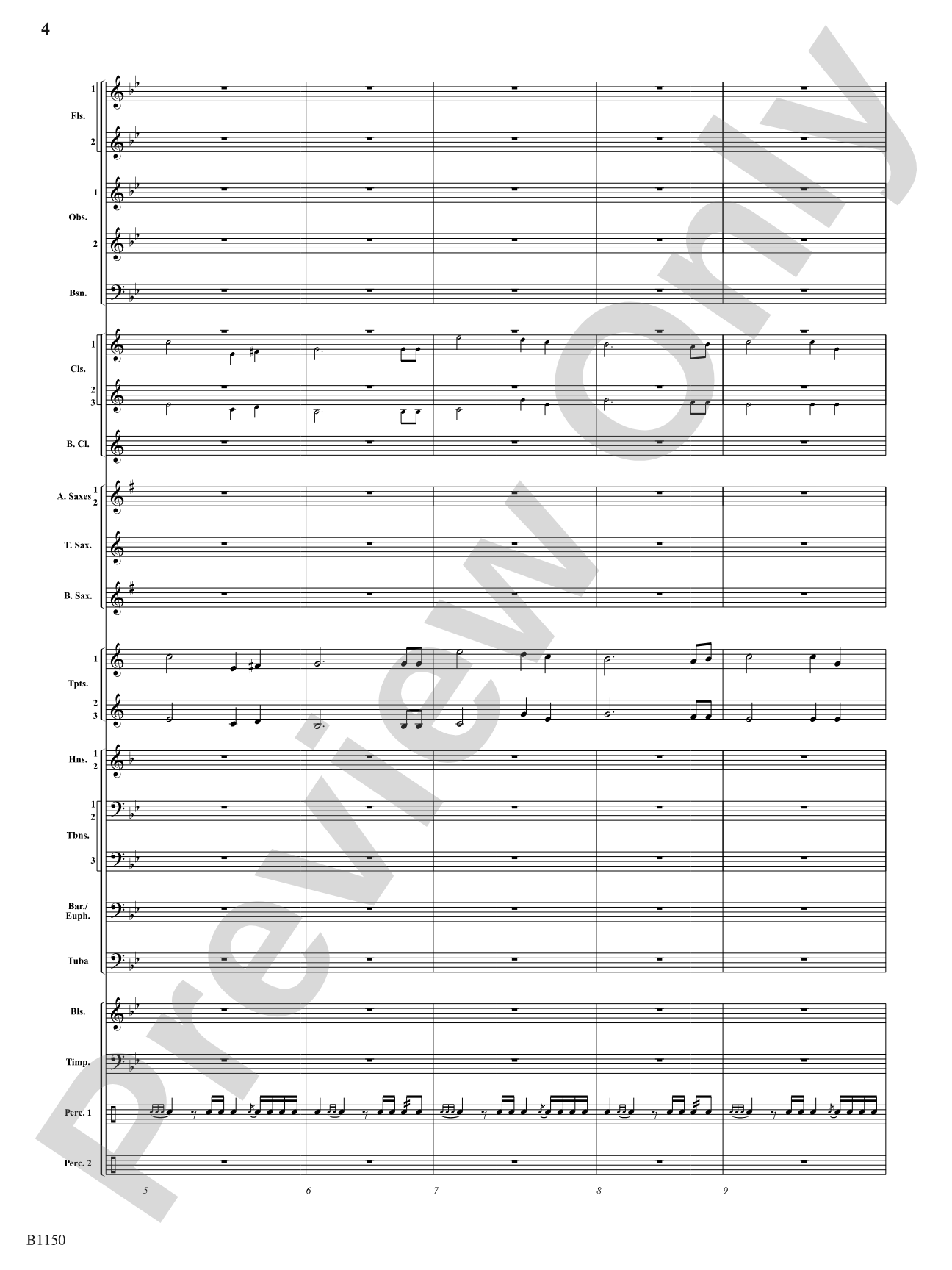
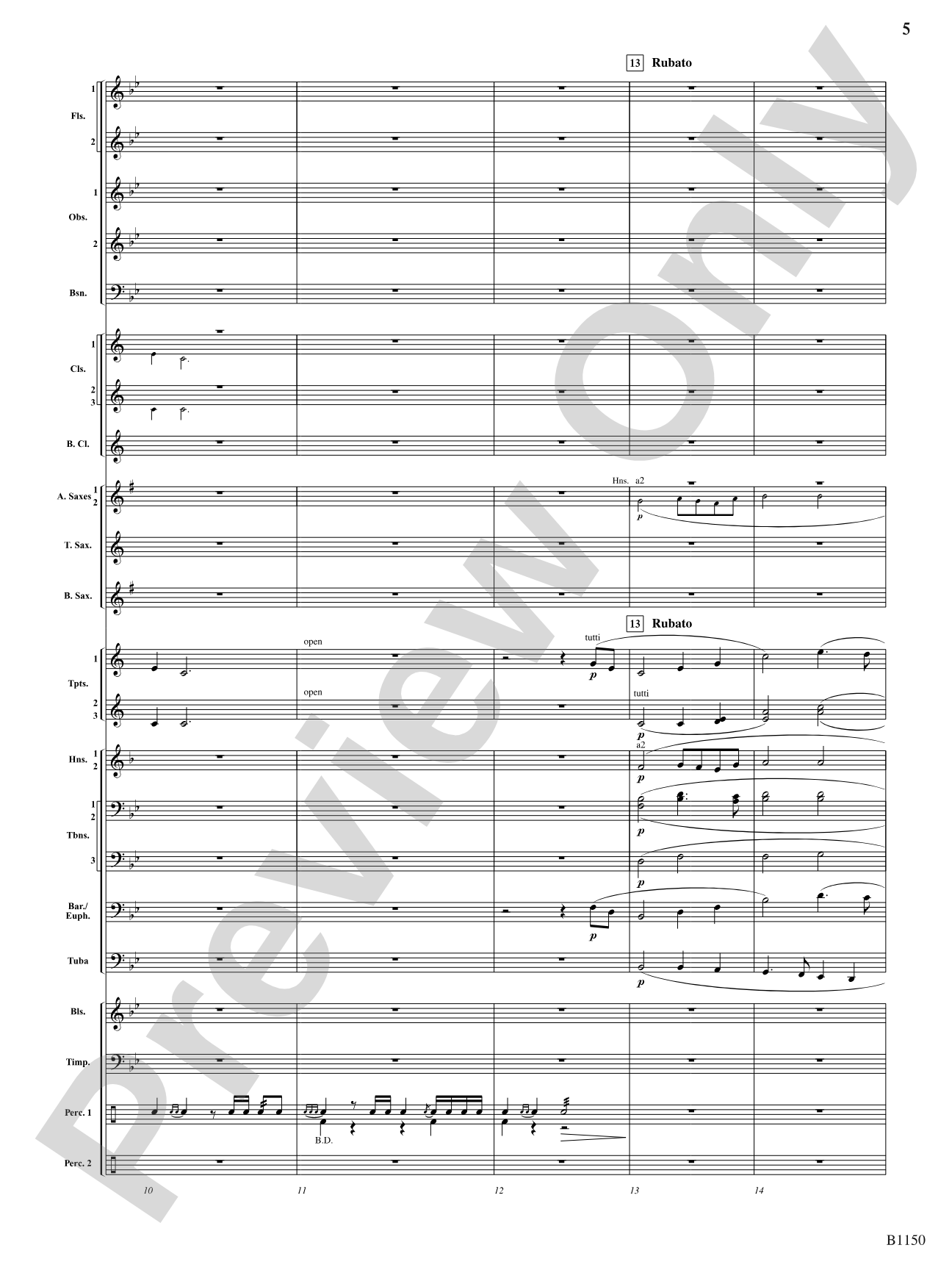
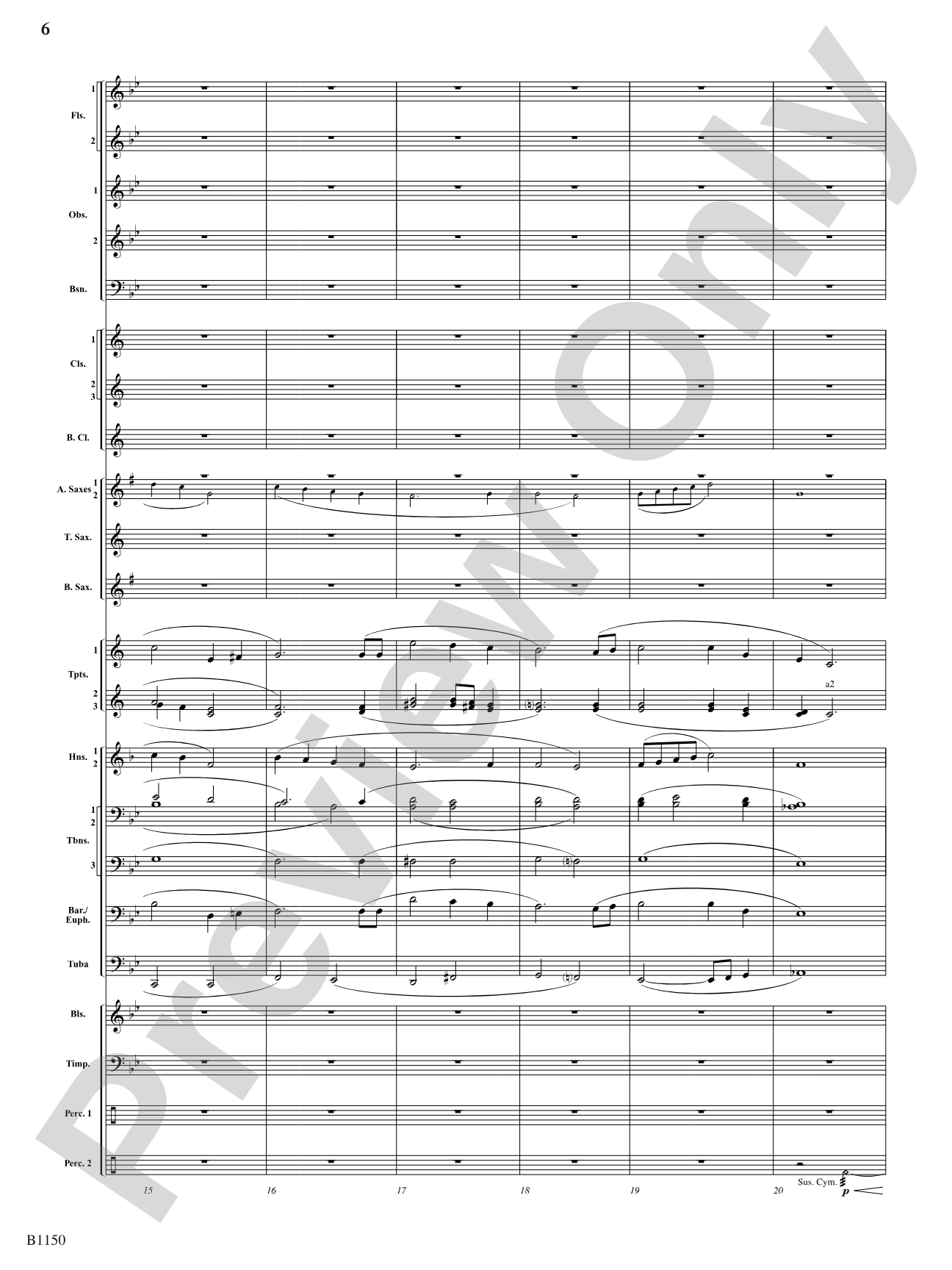
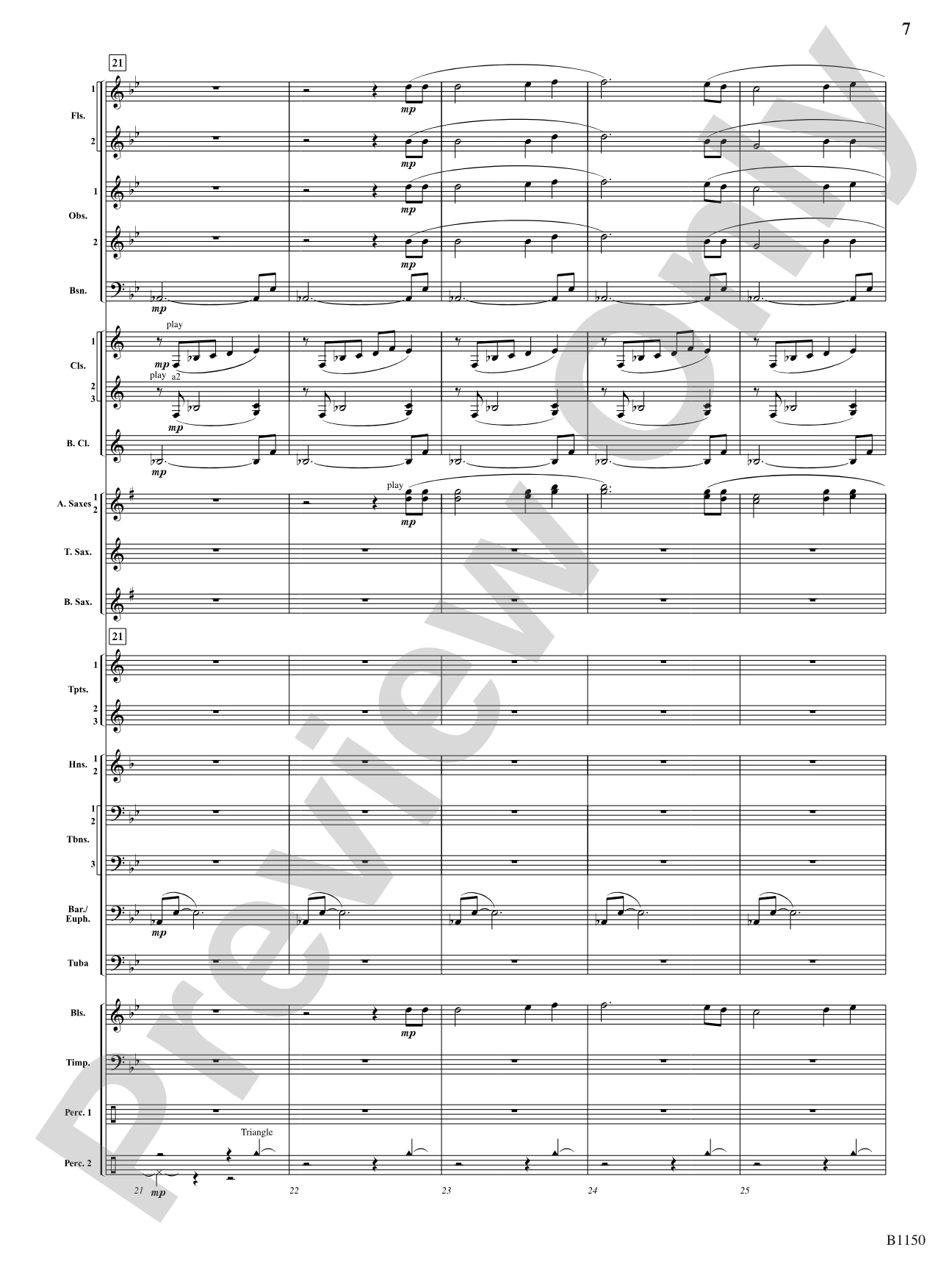
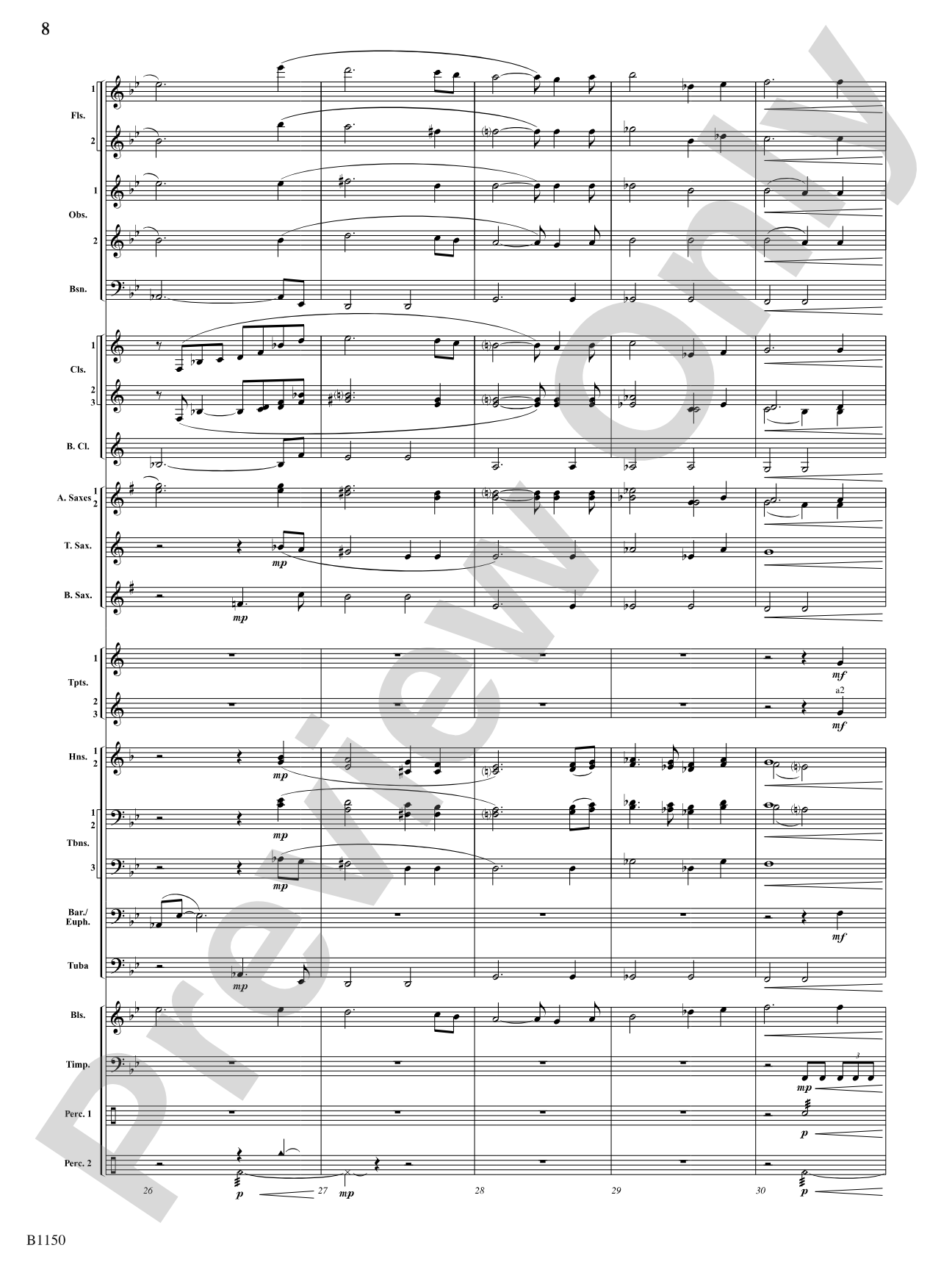
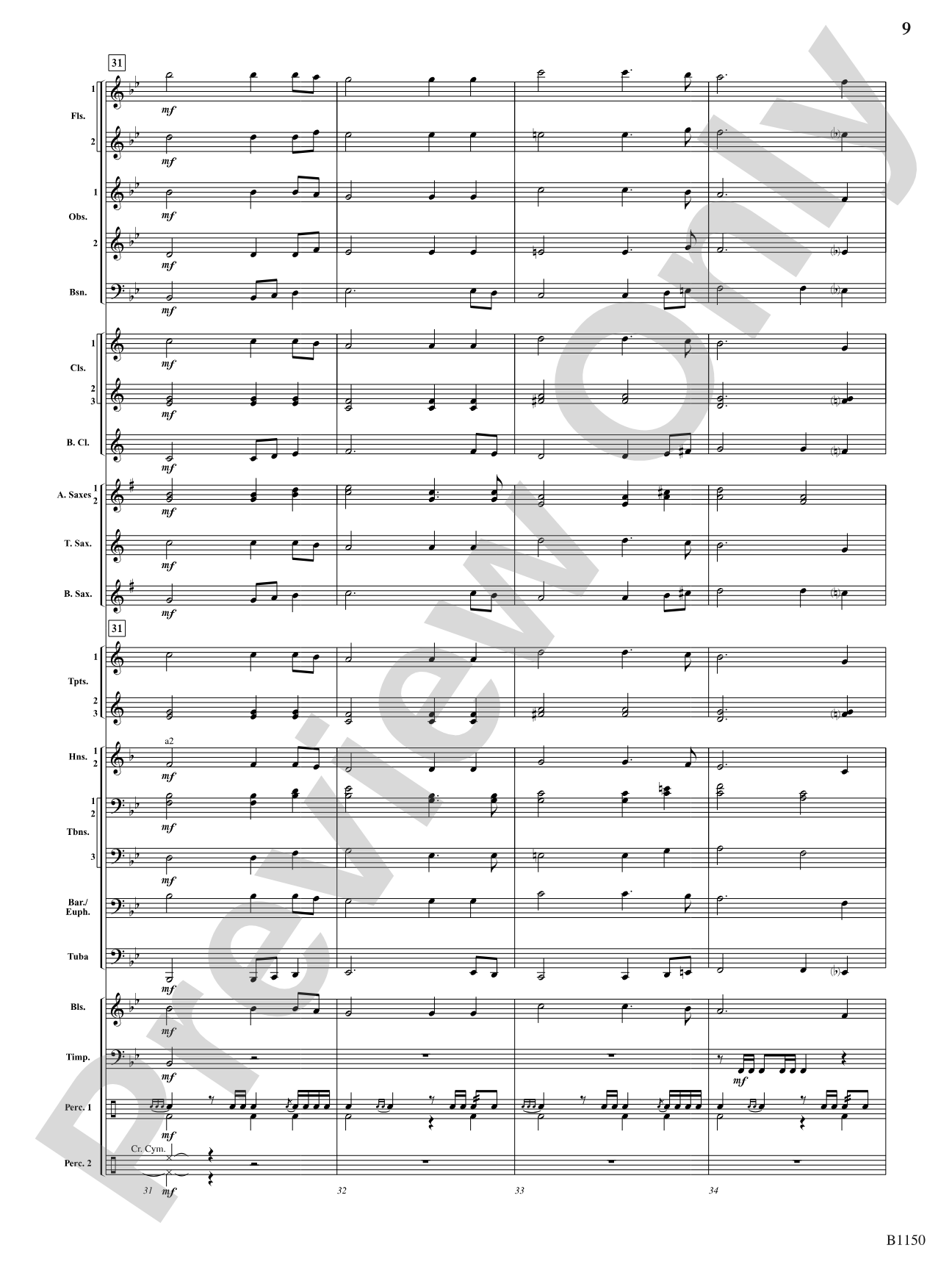
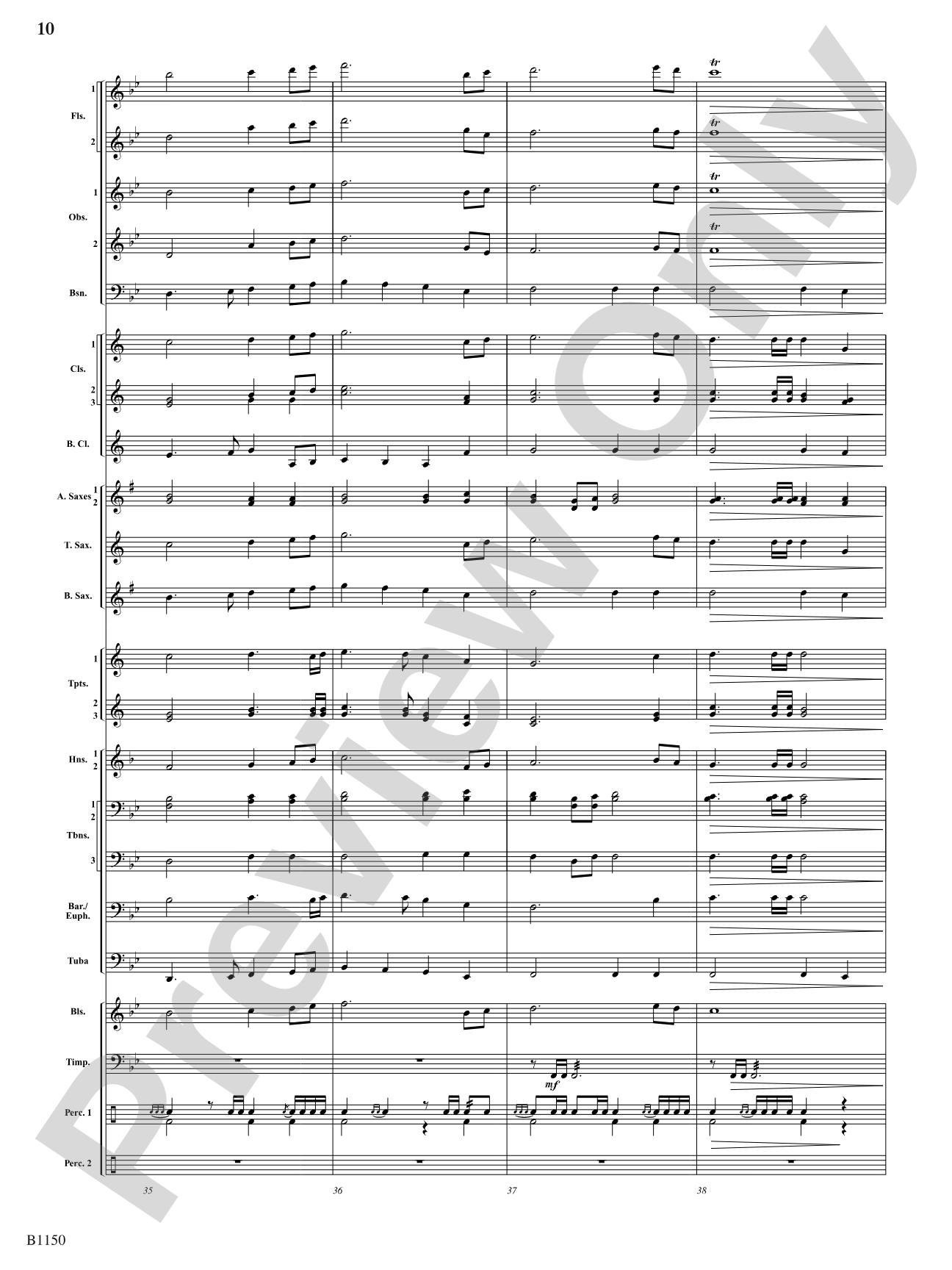
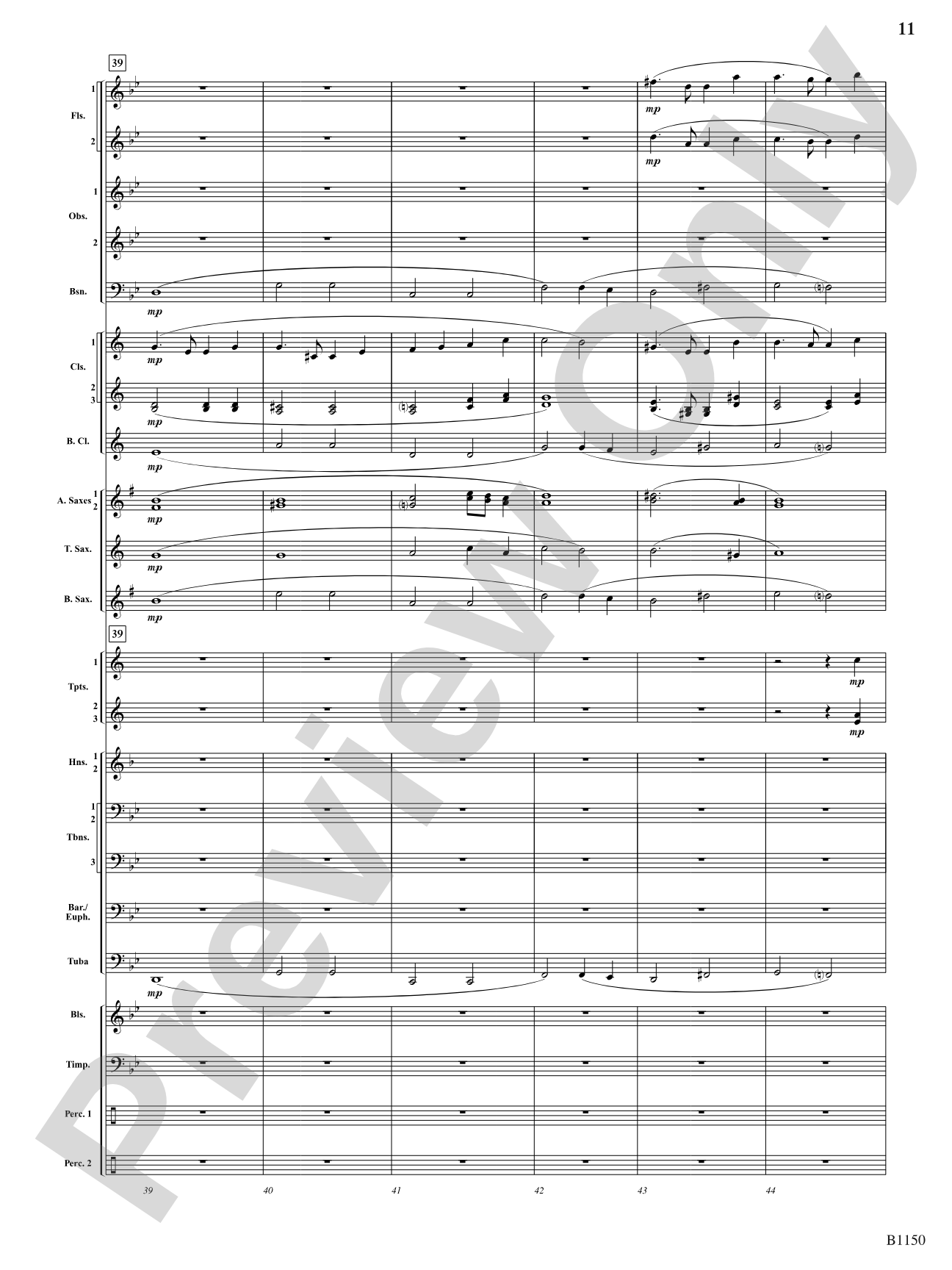
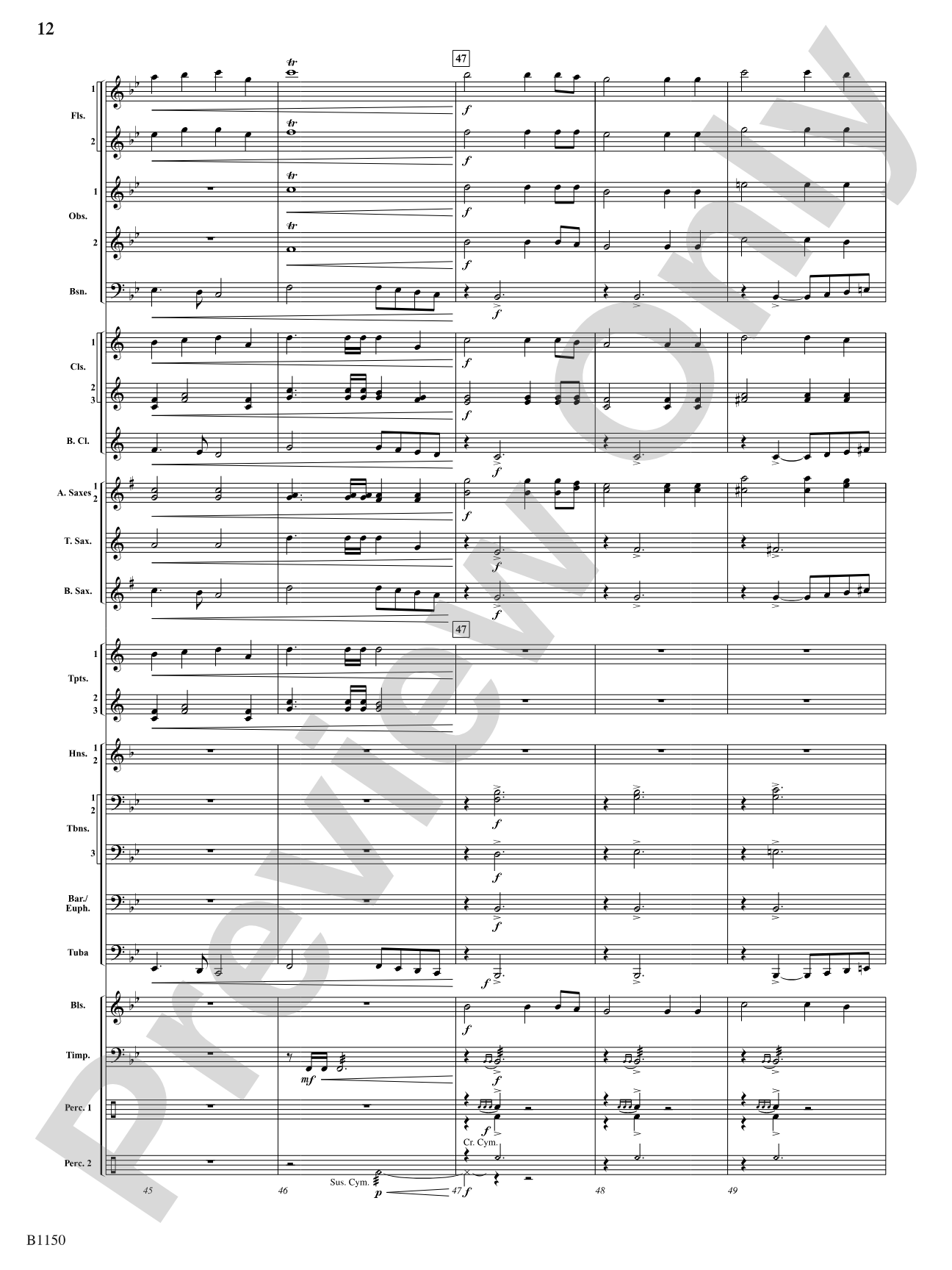
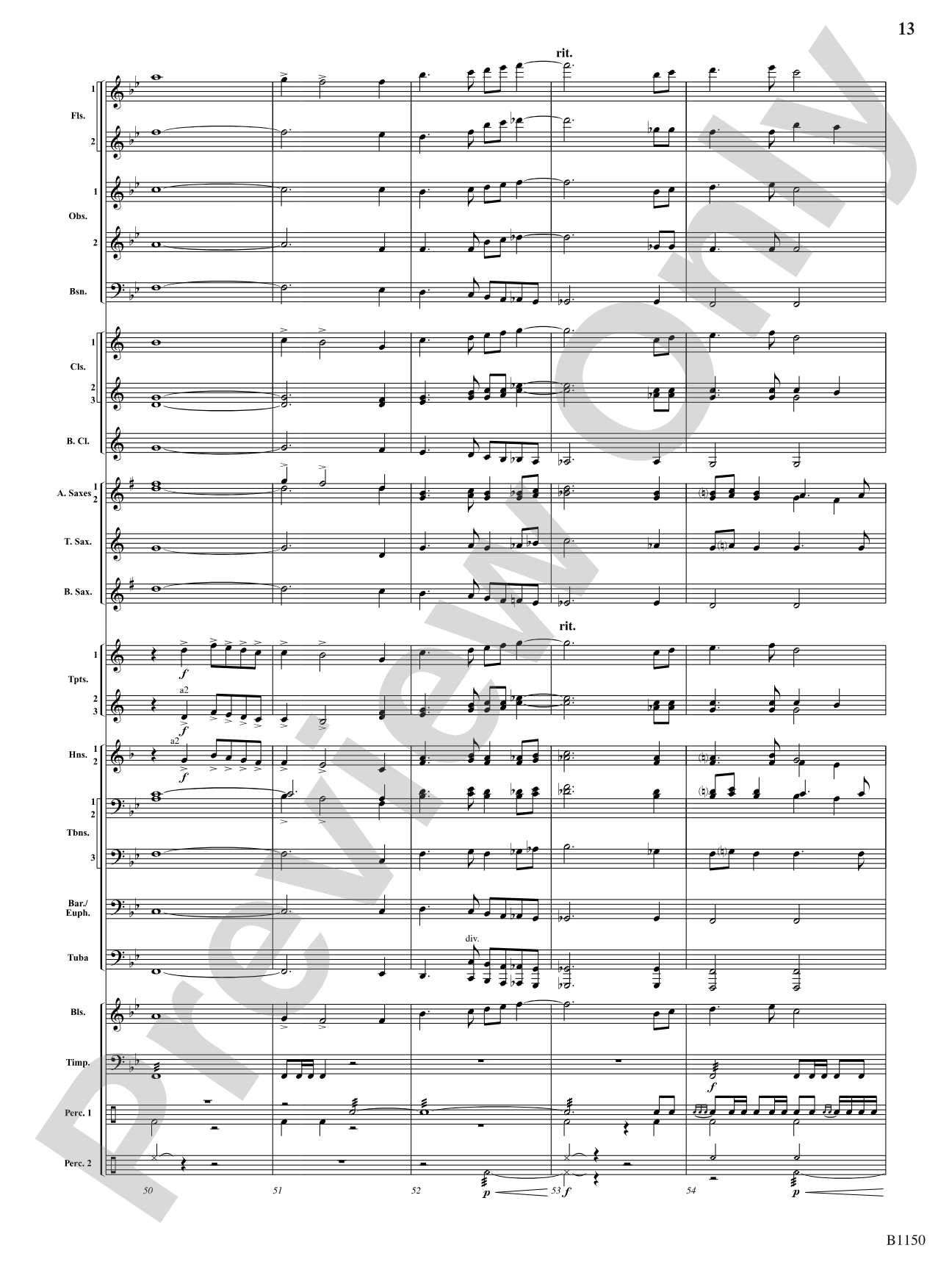
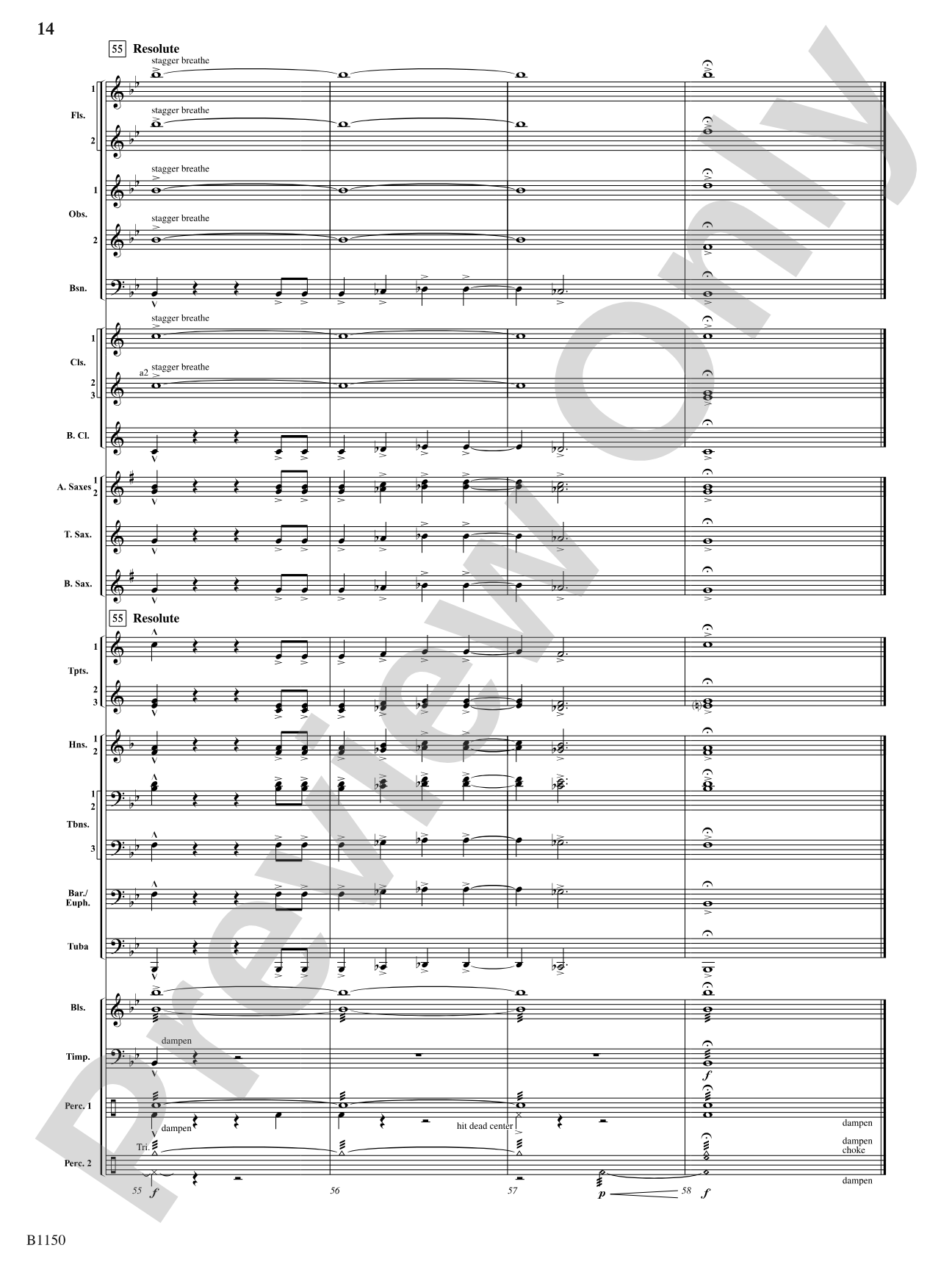
Snare drum solo and muted trumpets set the tone as the endearing melody of our National Anthem is first introduced. Each new entrance is a textural gem as the work harmonically unfolds, and builds to a moving and grandiose conclusion. (3:15)


Proudly We Hail (A Setting of Our National Anthem): Concert Band Conductor Score & Parts isn't in MakeMusic Cloud just yet...but it could be. Let us know you'd like to see it, and you'll help shape what comes next. In the meantime, start a free trial and dive into thousands of interactive titles your students can play along with today.
Request This Title
Tell us you want it.
Start Your Free Trial
Explore everything that's ready to play right now.
Sample Audio
1
Audio File
--:--
0:00
0:00
Sample Video
No sample videos found.
Additional Details
Series:
FJH Concert Band
Publisher:
The FJH Music Company, Inc.
SKU:
98-DB1150
More about this title
About the Composer: John Stafford Smith
John Stafford Smith (1750, 1836) was an English composer and organist whose melodic gift has outlasted centuries of musical fashion. Though he wrote prolifically across many genres, his enduring legacy rests almost entirely on one tune: the melody we know as 'The Star-Spangled Banner.' Smith composed this air in the 1770s with no notion it would become the anthem of a nation that wouldn't exist for another few decades.
For music educators, Smith's work represents a remarkable case study in how a single melodic line, shaped by restraint and clarity, can transcend its original context. His melody survives because it sits perfectly for the human voice, breathes in logical phrases, and carries emotional weight without sentimentality. These are the qualities that make his tune endlessly adaptable to new arrangements.
Why we love this
Balmages has resisted the urge to overstuff this arrangement with patriotic clichés. Instead, he unfolds the melody gradually, beginning with that striking snare drum figure and muted trumpet entrance, letting each section of the band add color and weight as the piece progresses. The result feels both respectful and vivid, giving your students meaningful material to work with rather than a hollow procession.
What to expect
Reverent at the opening, gradually warming as the full band enters, then swelling into something genuinely moving by the end. The muted trumpet coloring gives the piece an intimate, almost reflective quality before it opens into bright, affirmative sonority. You'll recognize the melody immediately, but Balmages has found new things to say with it.
Who it's for
Concert bands at the Grade 3 level who want to program a patriotic work with real musical substance. This arrangement works equally well for ensembles building confidence with familiar melodies and those seeking material that sounds polished without overwhelming developmental musicians.
How to get the most out of it
- Balance the initial snare solo and muted trumpet voicing carefully; they set the intimate tone that makes the later climax land harder. Work that opening texture until it feels intentional, not thin.
- Watch the harmonic shifts as new instruments enter. Each textural layer should be clear enough that the audience hears the piece unfold, not collapse into dense tutti.
- The conclusion demands attention to dynamics and articulation across the full ensemble. Build toward it with conviction, but avoid rushing; let the grandiose moment breathe.
- Use the recorded accompaniment to lock the band's sense of pulse, especially if your ensemble hasn't performed many patriotic selections at this grade level.
How to use it
Save this for moments when you need to honor the occasion without abandoning musicality: opening concerts, patriotic holidays, or community events where technical display would feel out of place. It also pairs well with other Grade 3 concert band works that emphasize ensemble blend over individual showmanship.
Skills your students will build
- Balancing muted and open sonorities within the same ensemble
- Listening across sections to maintain textural clarity during harmonic transitions
- Sustaining long dynamic arcs across a three-minute span
- Responding to gradual textural additions without losing ensemble cohesion