
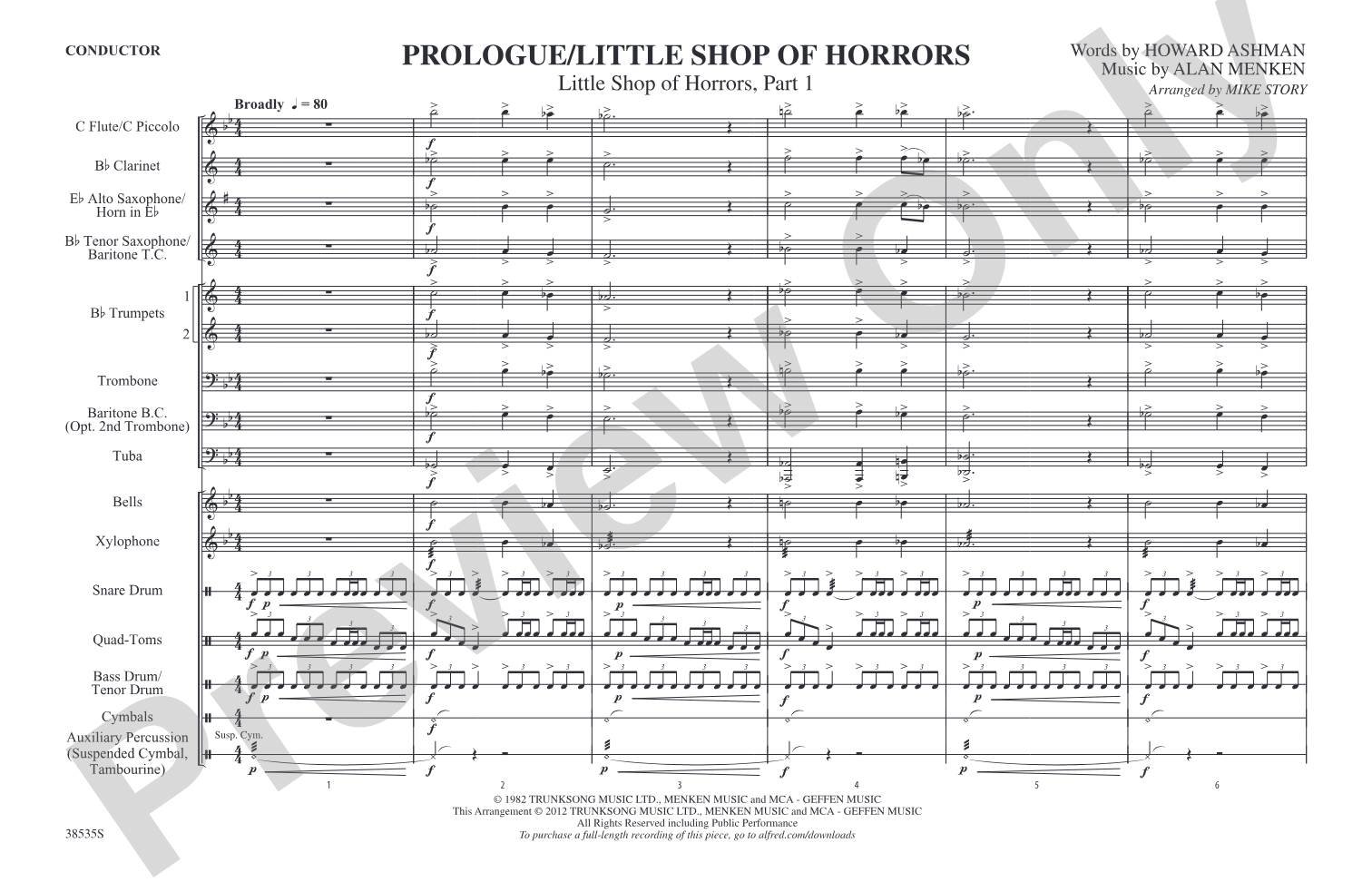
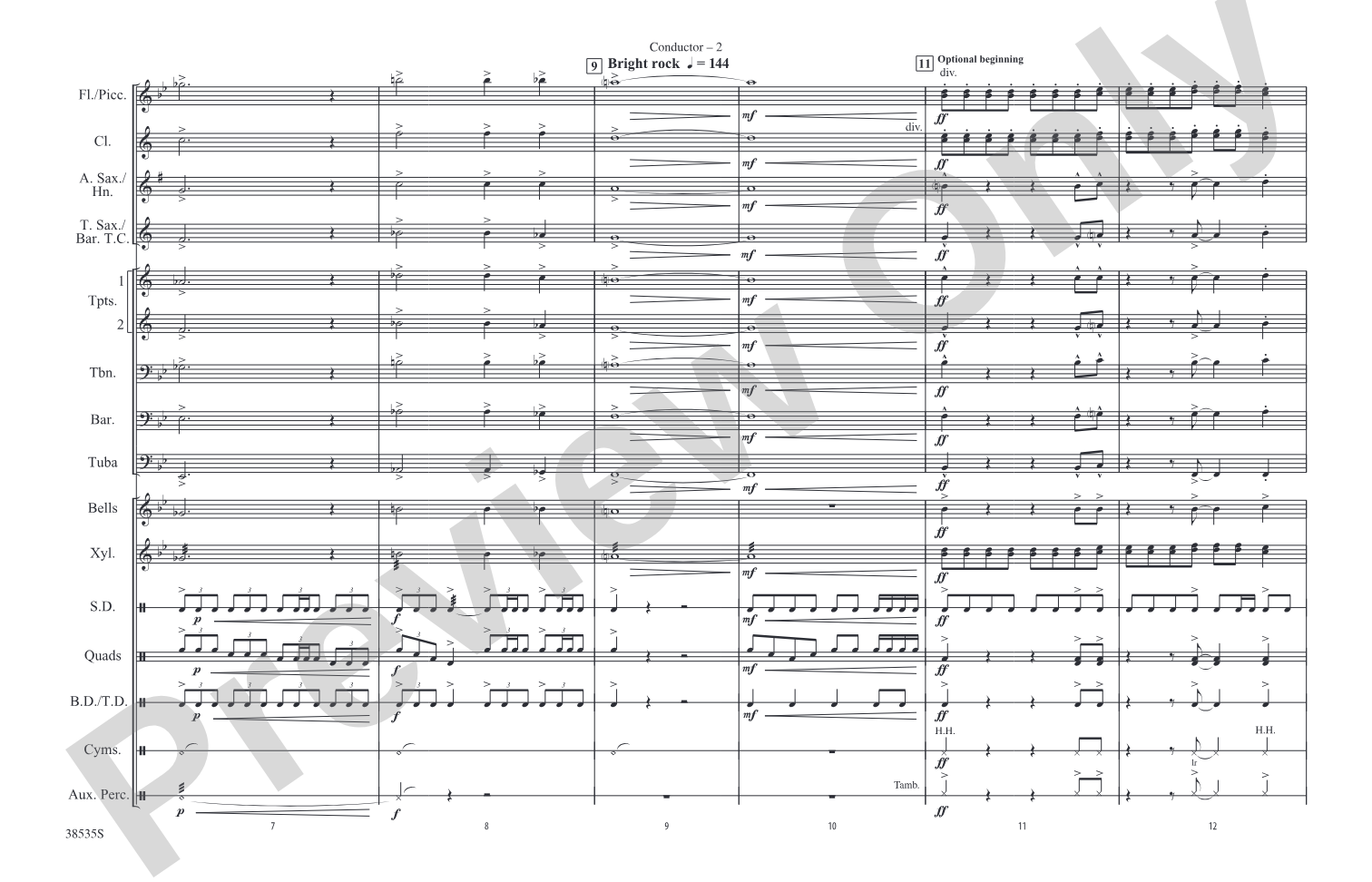
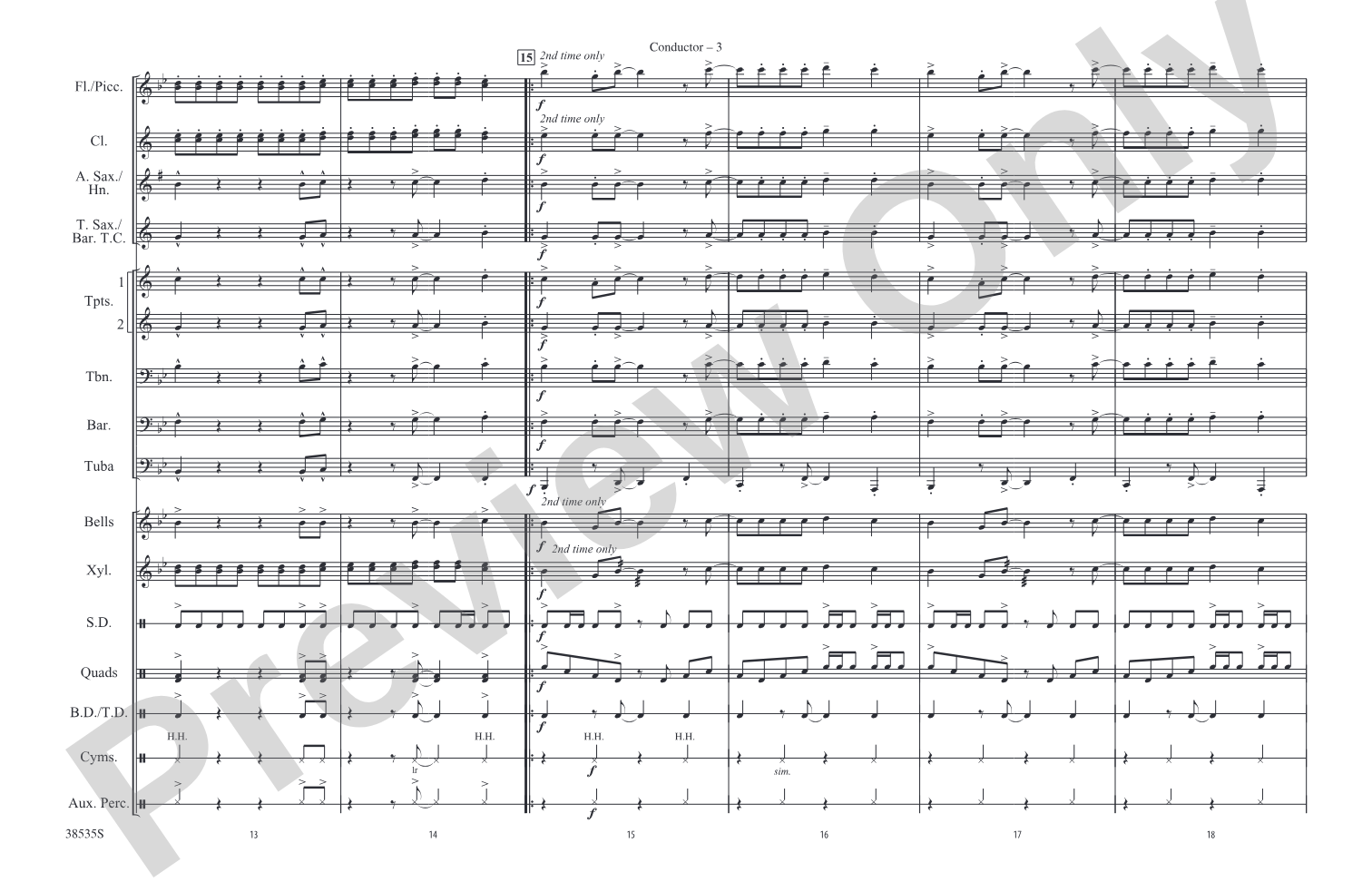
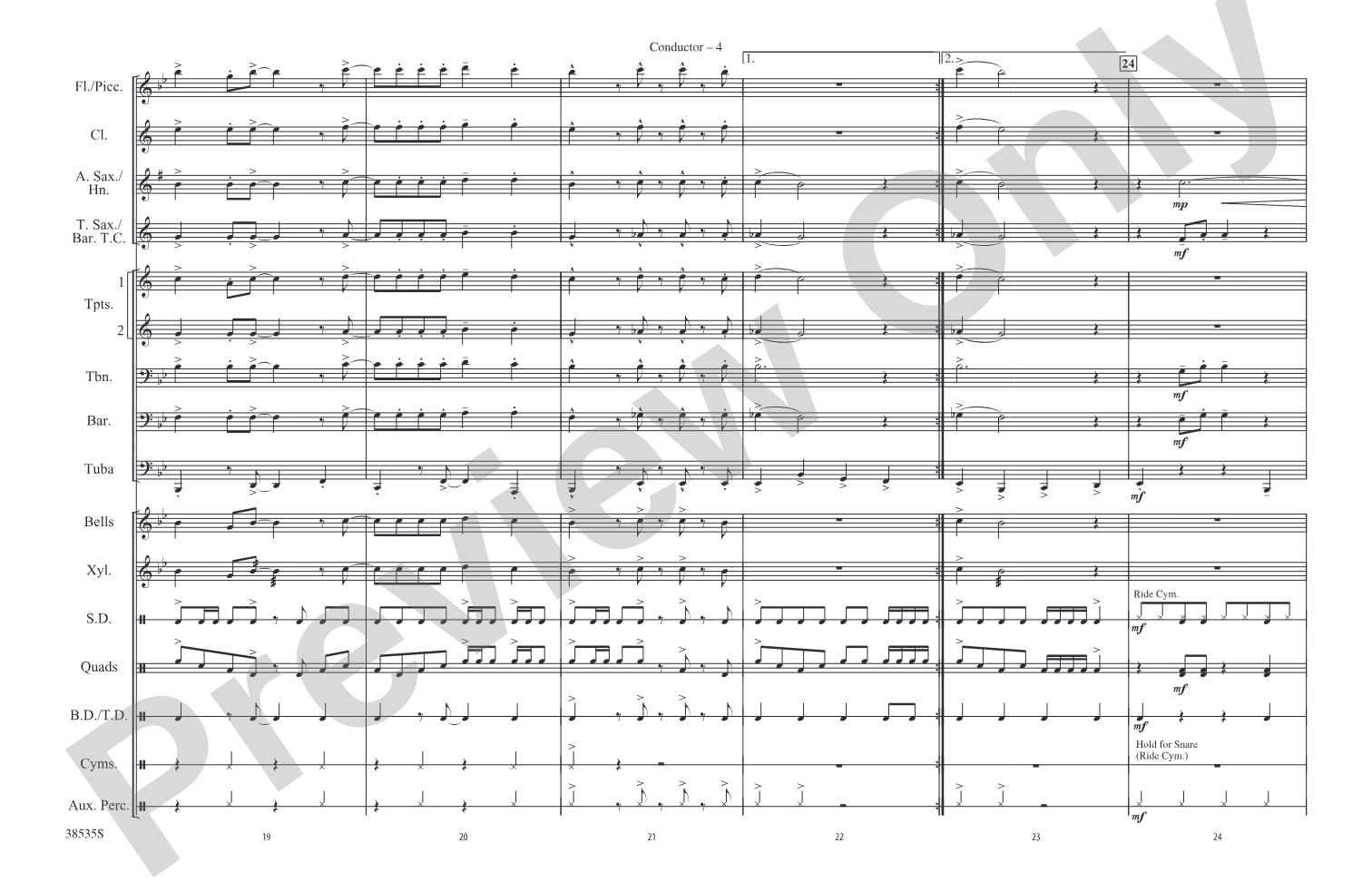
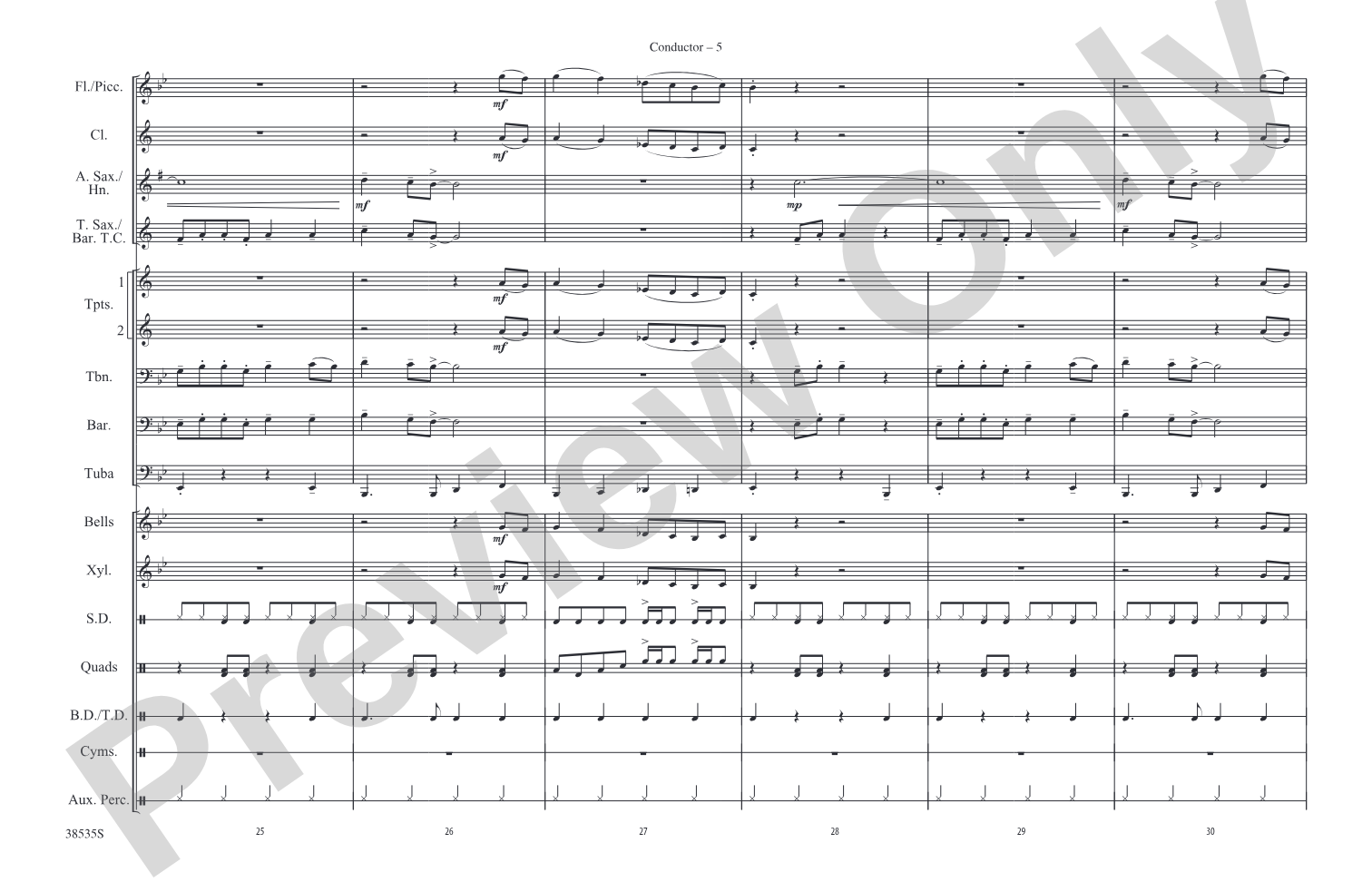
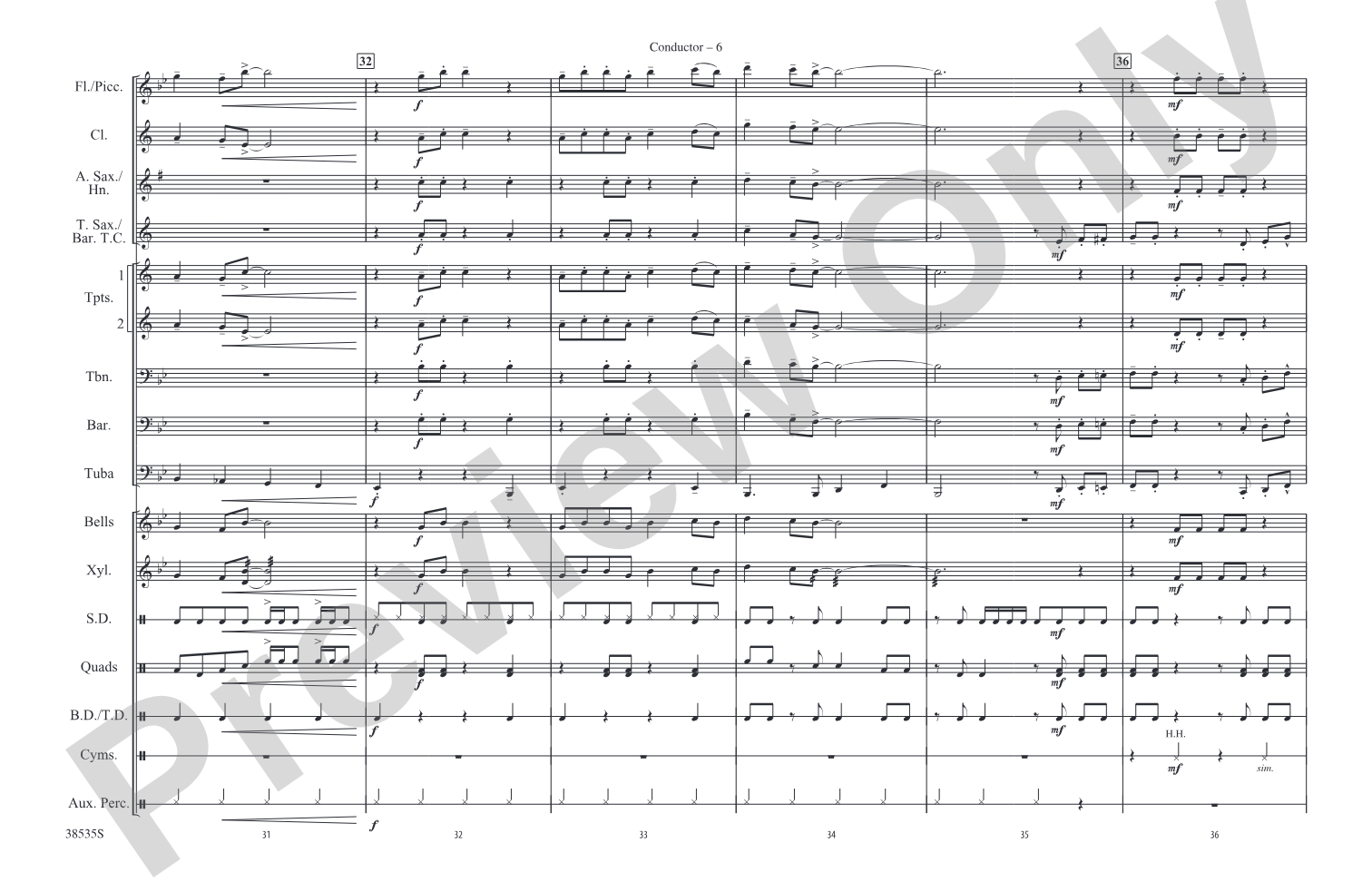
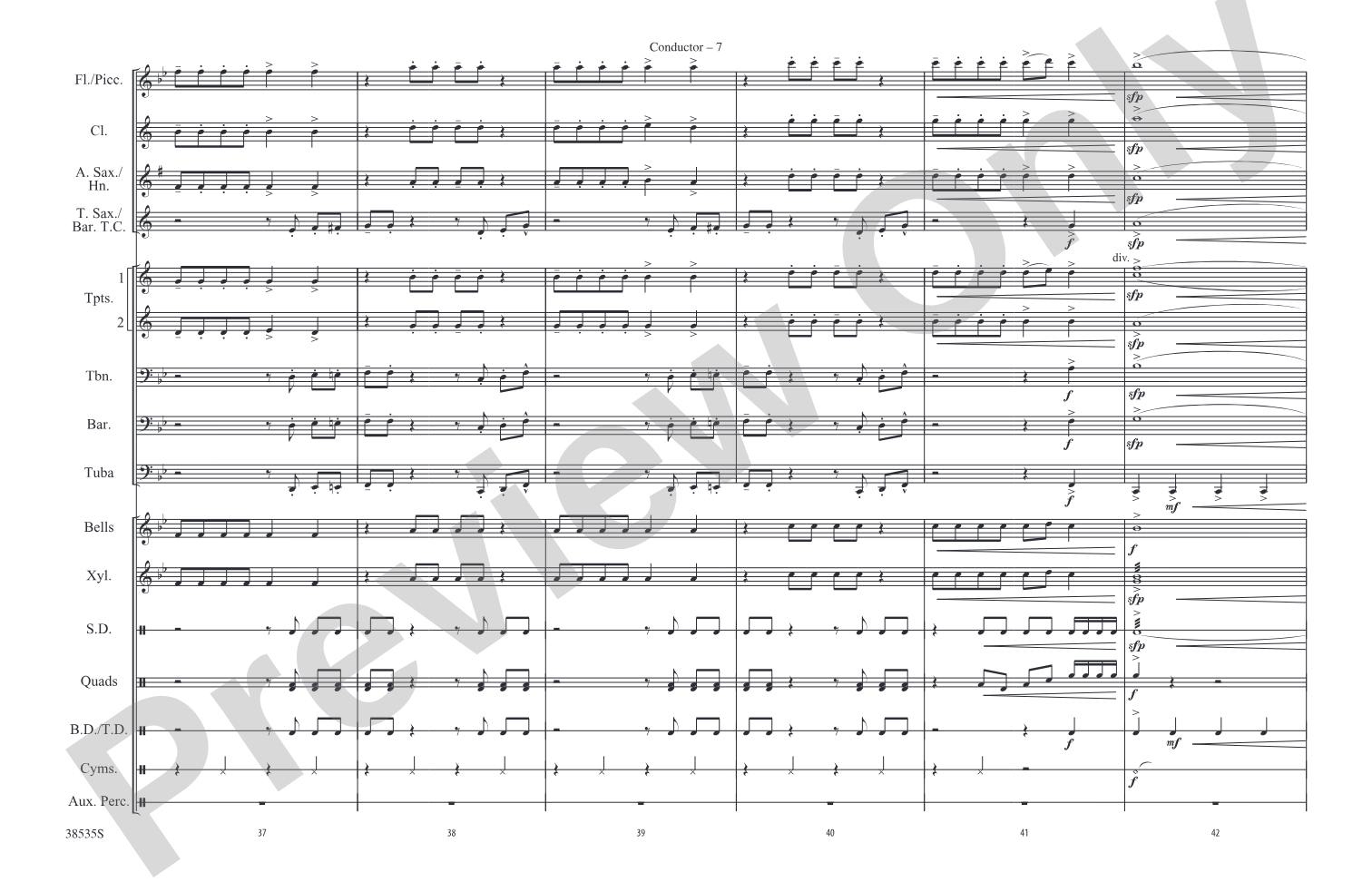
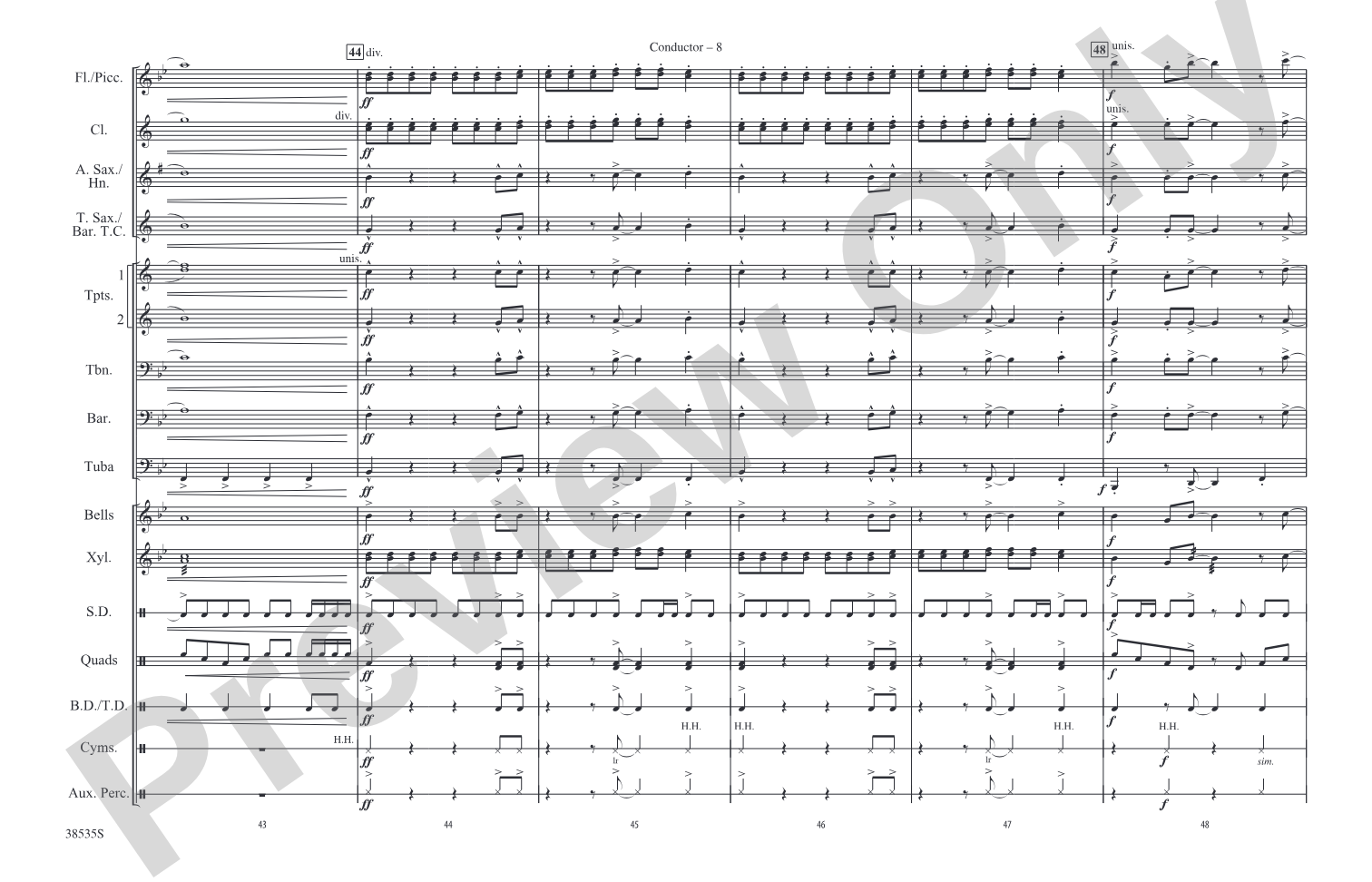

Prologue / Little Shop of Horrors: Marching Band Conductor Score & Parts
Little Shop of Horrors, Part 1
Words by Howard Ashman, music by Alan Menken / arr. Mike Story
Grade: 2 (Easy)
Item: 00-PK-0007983

$55.00
One moment…
Description
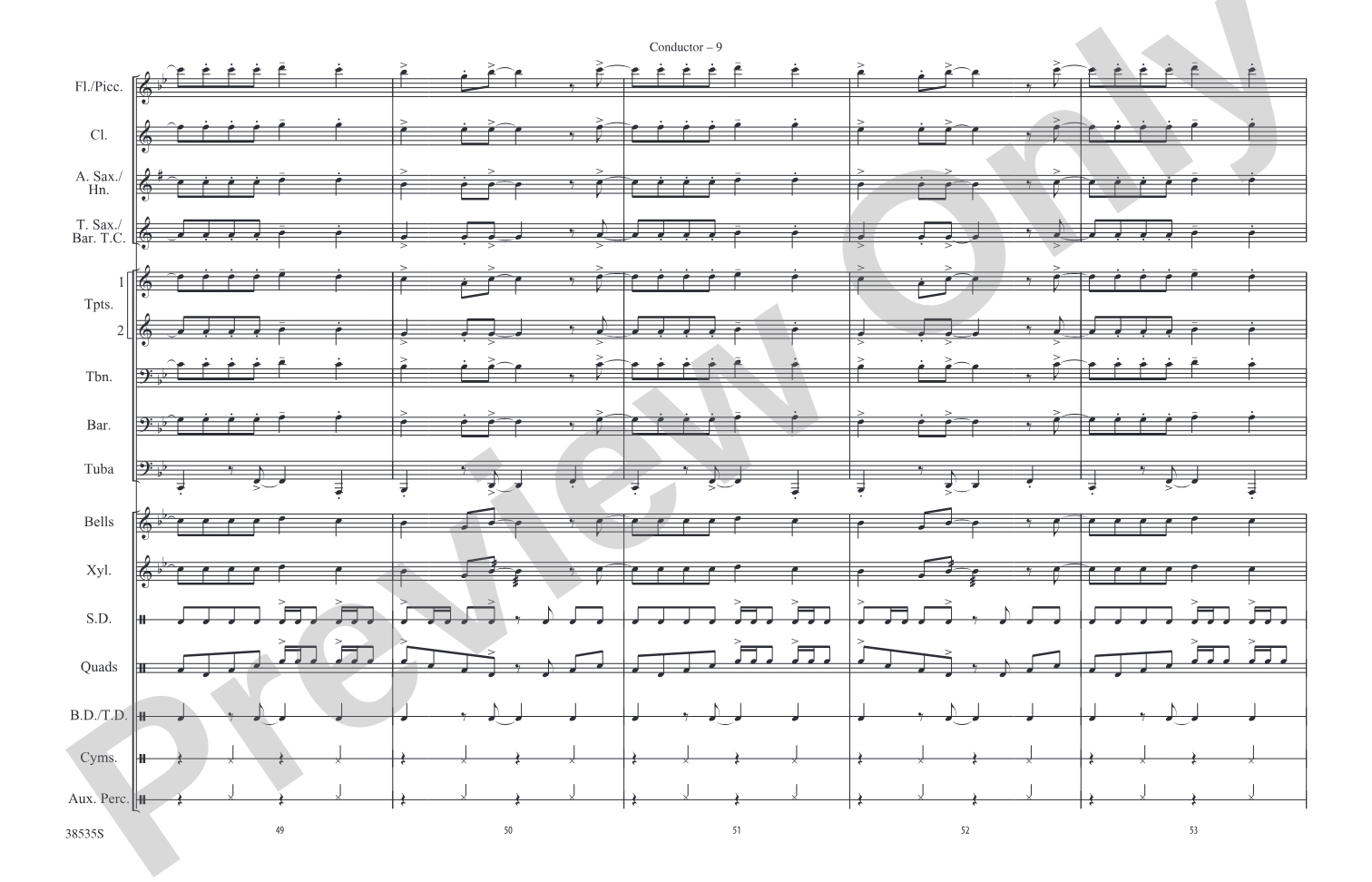
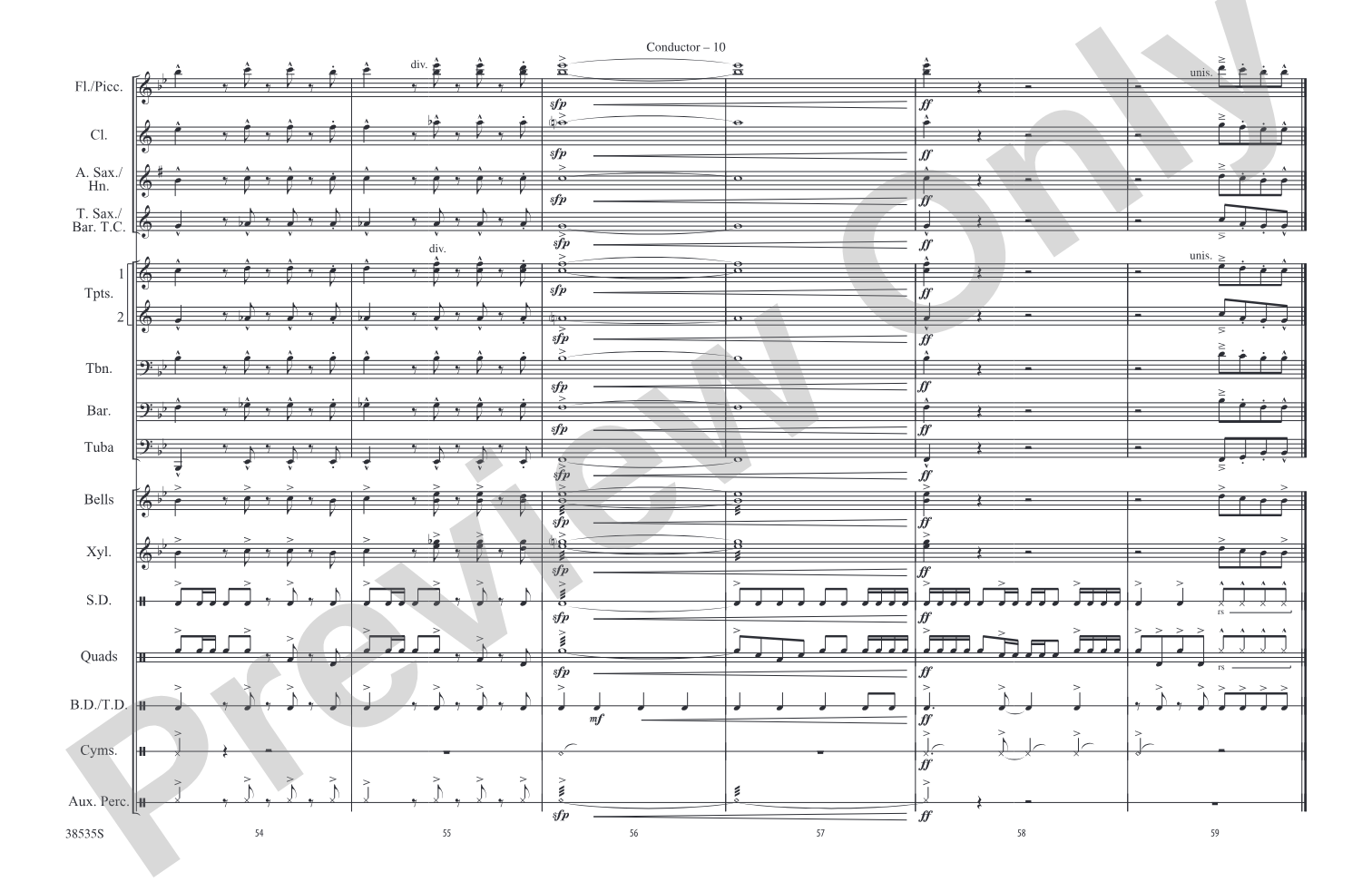
Alfred Music is proud to offer a three-piece halftime show based on the delightful music from the Broadway and motion picture hit Little Shop of Horrors. This show is designed to be fun and accessible for both your students and audience, but also full of excellent musical opportunities. In addition to being the opener to our show, Part 1 would be great as a stands or pep band chart by starting at the optional beginning, which features the bouncy tune "Little Shop of Horrors." Give this show a listen! (2:05)


Don't just read it, hear it, play along with it, and watch your students grow with it. In MakeMusic Cloud, Prologue / Little Shop of Horrors: Marching Band Conductor Score & Parts comes alive with professional accompaniment, adjustable tempo, and built-in practice tools that turn solo practice into real progress.
Open in the Player
Jump straight in and assign it today.
Start Your Free Trial
Open this title and explore the full library in minutes.
Sample Audio
1
Audio File
--:--
0:00
0:00
Sample Video
Additional Details
Series:
Big and Easy
Publisher:
Alfred Music
Page Count:
232
SKU:
00-PK-0007983
More about this title
About the Composer: Alan Menken
Alan Menken has composed for stage and screen since the 1980s, creating scores that balance accessibility with genuine musical craftsmanship. His work on Little Shop of Horrors established him as a composer who writes music that delights audiences while offering musicians substantial material to perform.
Why we love this
Mike Story's arrangement captures the quirky charm and propulsive energy of Menken's score while keeping the instrumentation and technical demands reasonable for a Grade 2 ensemble. The optional beginning gives you flexibility to feature just the iconic "Little Shop of Horrors" tune for pep band moments or stands play, making one chart do multiple jobs in your program.
What to expect
Darkly playful and energetic, with the quirky humor of the original score translated into a marching arrangement. The Prologue establishes the show's comedic tone through bright brass punctuation and rhythmic momentum, setting an audience up for the entertainment to come.
Who it's for
Band directors building a halftime show or seeking accessible marching band literature that still engages both performers and audiences. The Grade 2 level makes it suitable for middle school and developing high school ensembles, and the theatrical source material appeals to students who know the movie or Broadway show.
How to get the most out of it
- Lock the rhythmic drive with your percussion section early in rehearsals. The bouncy character of the Prologue depends on crisp, unified articulation across the ensemble.
- Balance the melodic line against accompaniment figures. Younger players often unconsciously match dynamics, so isolate the melody voicings and remind them of their supporting role.
- Mark your score with cues for the optional beginning so you have clear visual triggers when shifting between the full show and standalone arrangements.
- Give students context about the theatrical source material. Knowing this is a humorous, slightly spooky piece helps them shape phrasing and dynamics with intent rather than playing it straight.
How to use it
Use this as your halftime opener to establish a fun, high-energy tone for the full show, or program just the opening "Little Shop of Horrors" section for pep band and football games. The shorter runtime and accessible level make it ideal for fall programming when many ensembles are still building their marching technique.
Skills your students will build
- Maintaining consistent tempo under syncopated rhythmic figures
- Balancing melody and accompaniment in ensemble voicings
- Performing with clear articulation and dynamic contrast at a Grade 2 technical level
- Responding to theatrical context and musical character in an arrangement