

Progressive Steps to Syncopation for the Modern Drummer
By Ted Reed
Item: 00-PB-0002180
$9.99
Pickup currently not available
Related Items
Progressive Steps to Syncopation for the Modern Drummer: Drumset Book |
$9.99
|
View |
Description
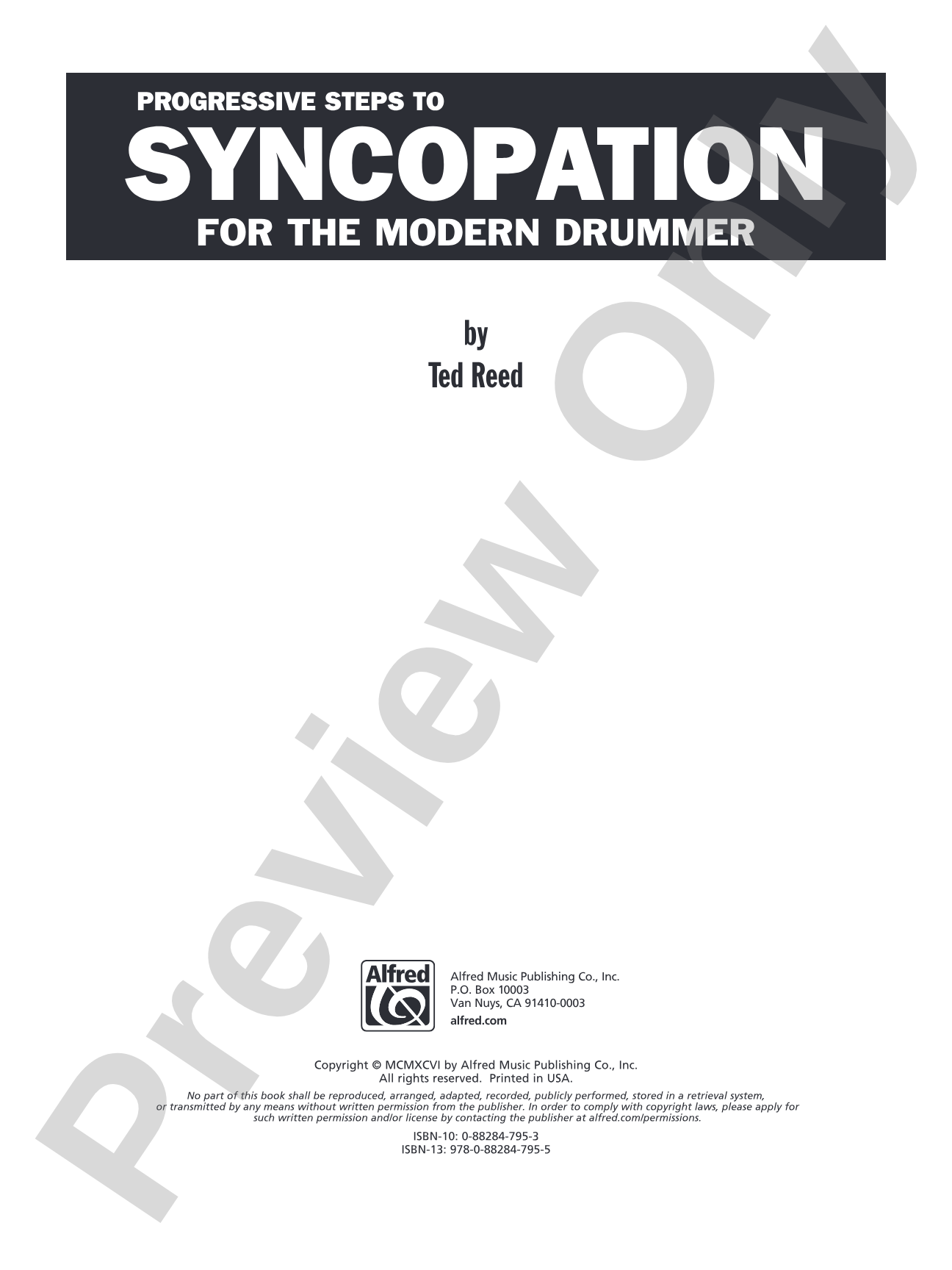
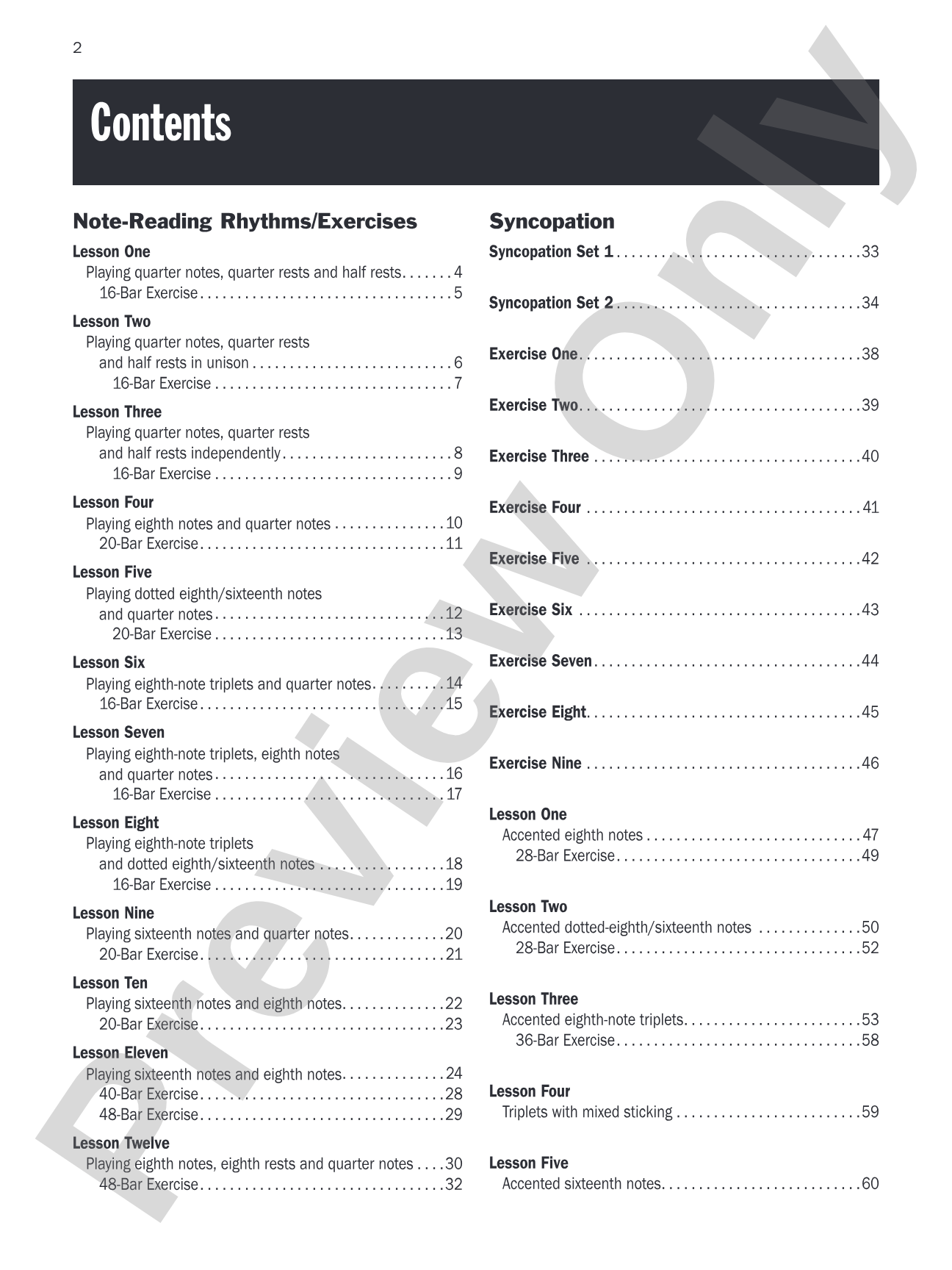
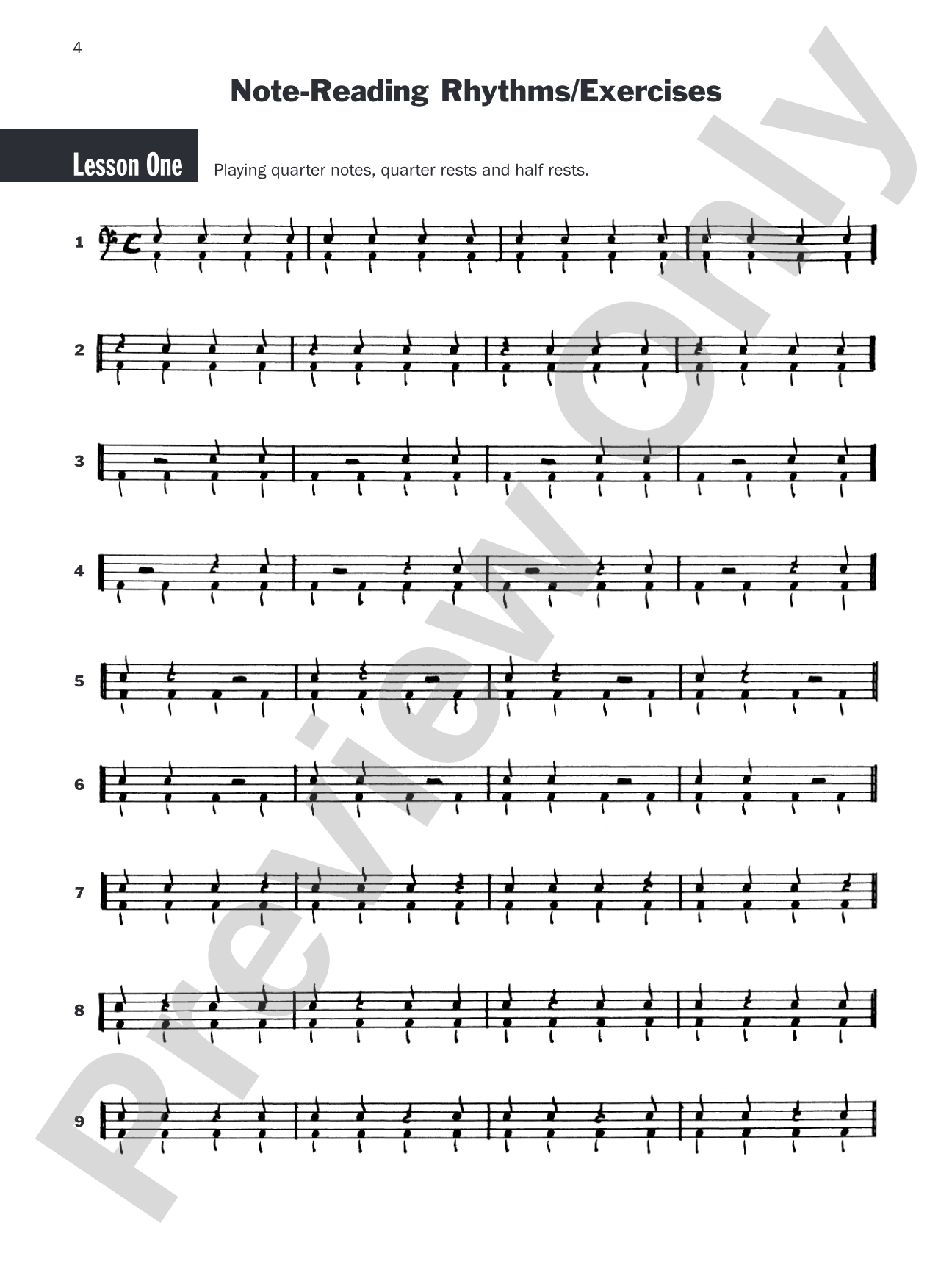
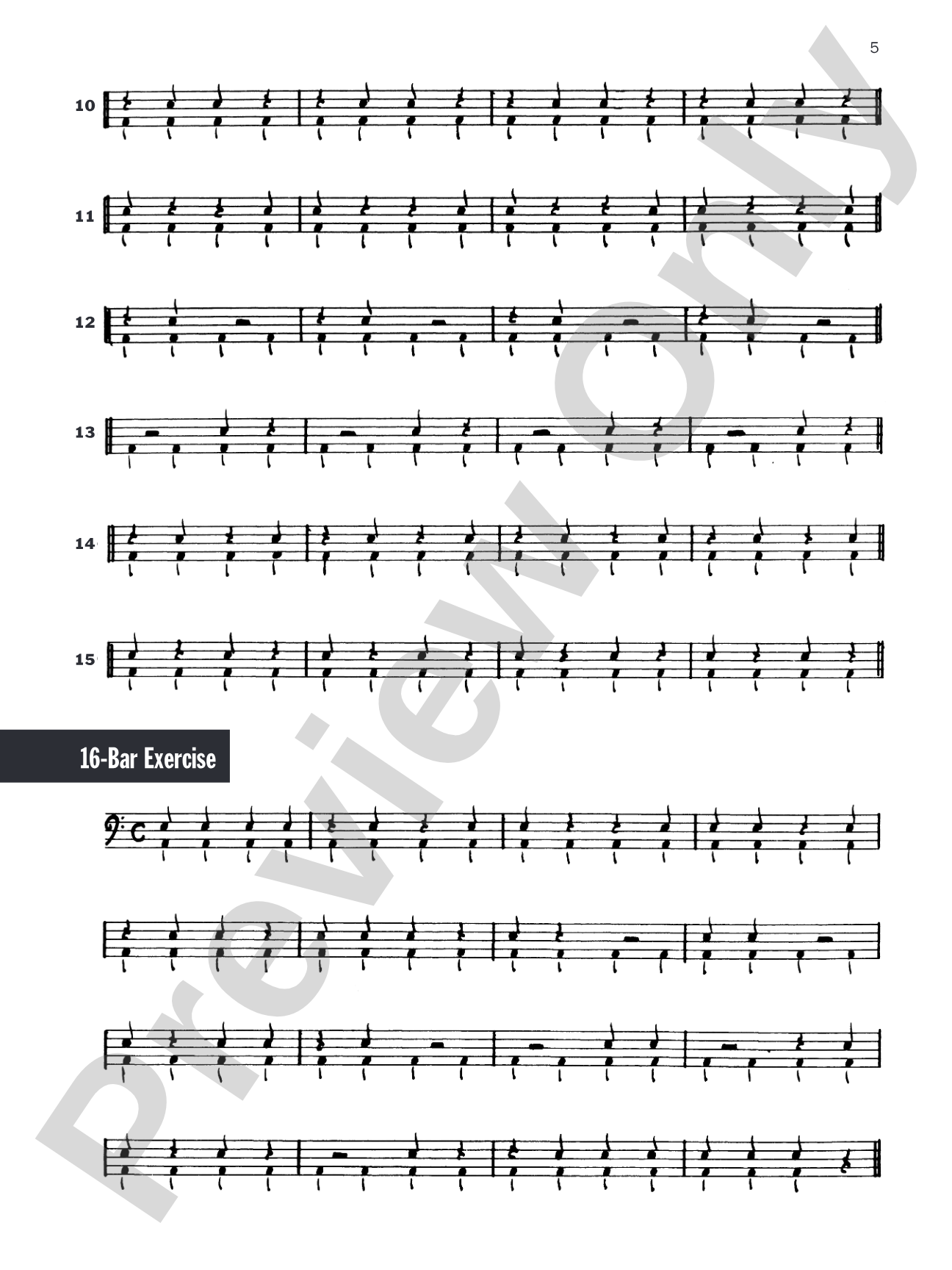
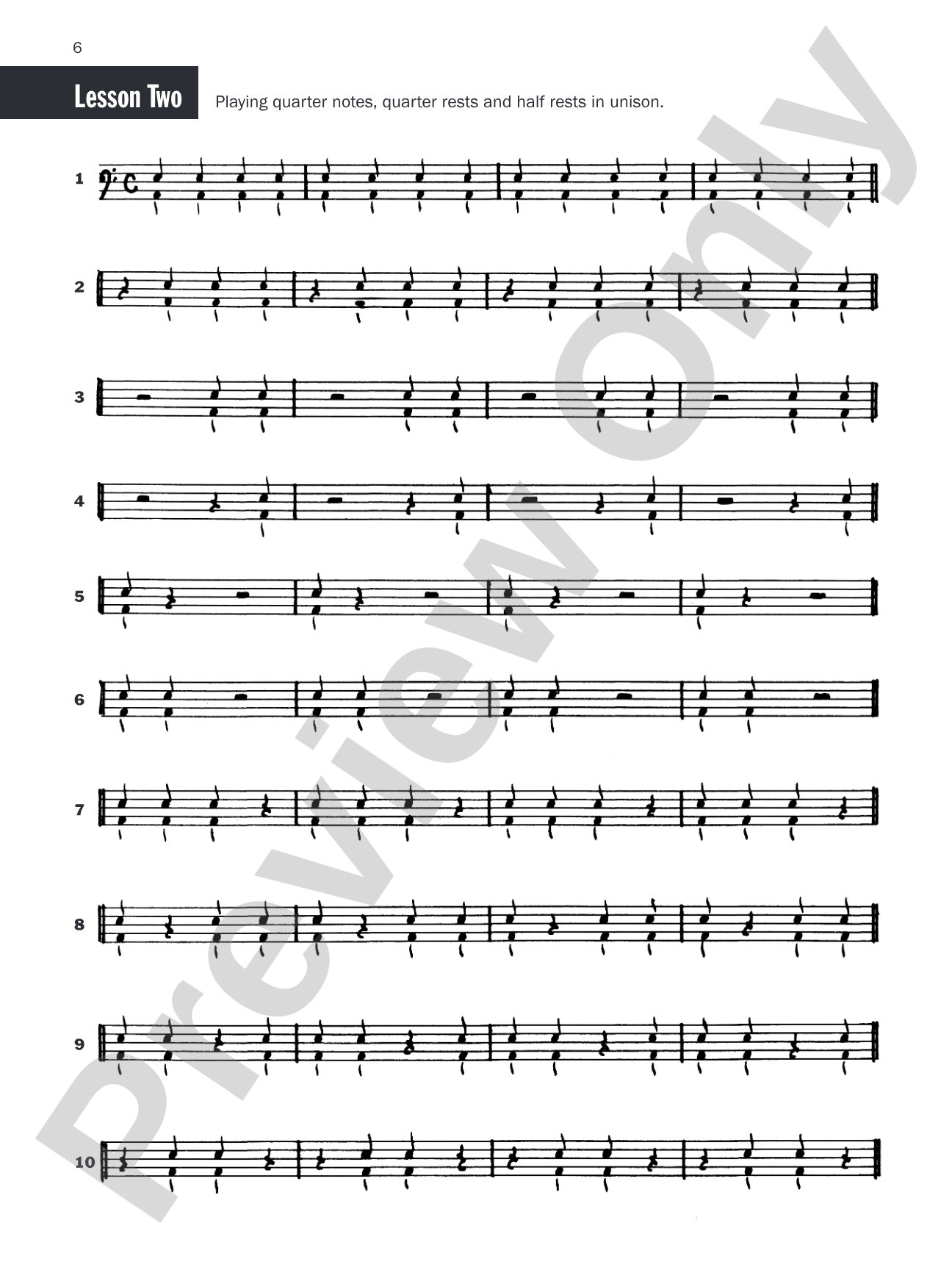
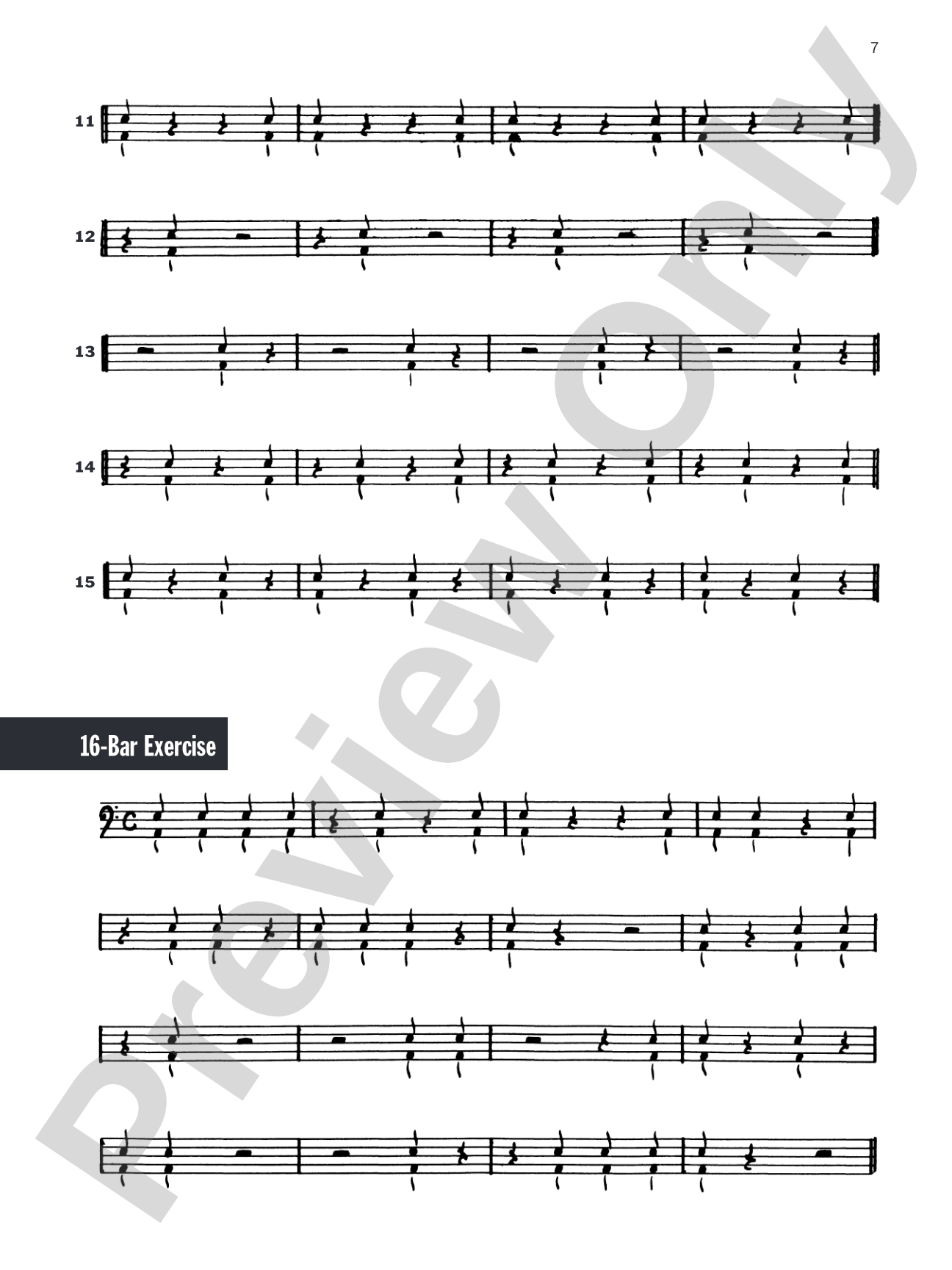
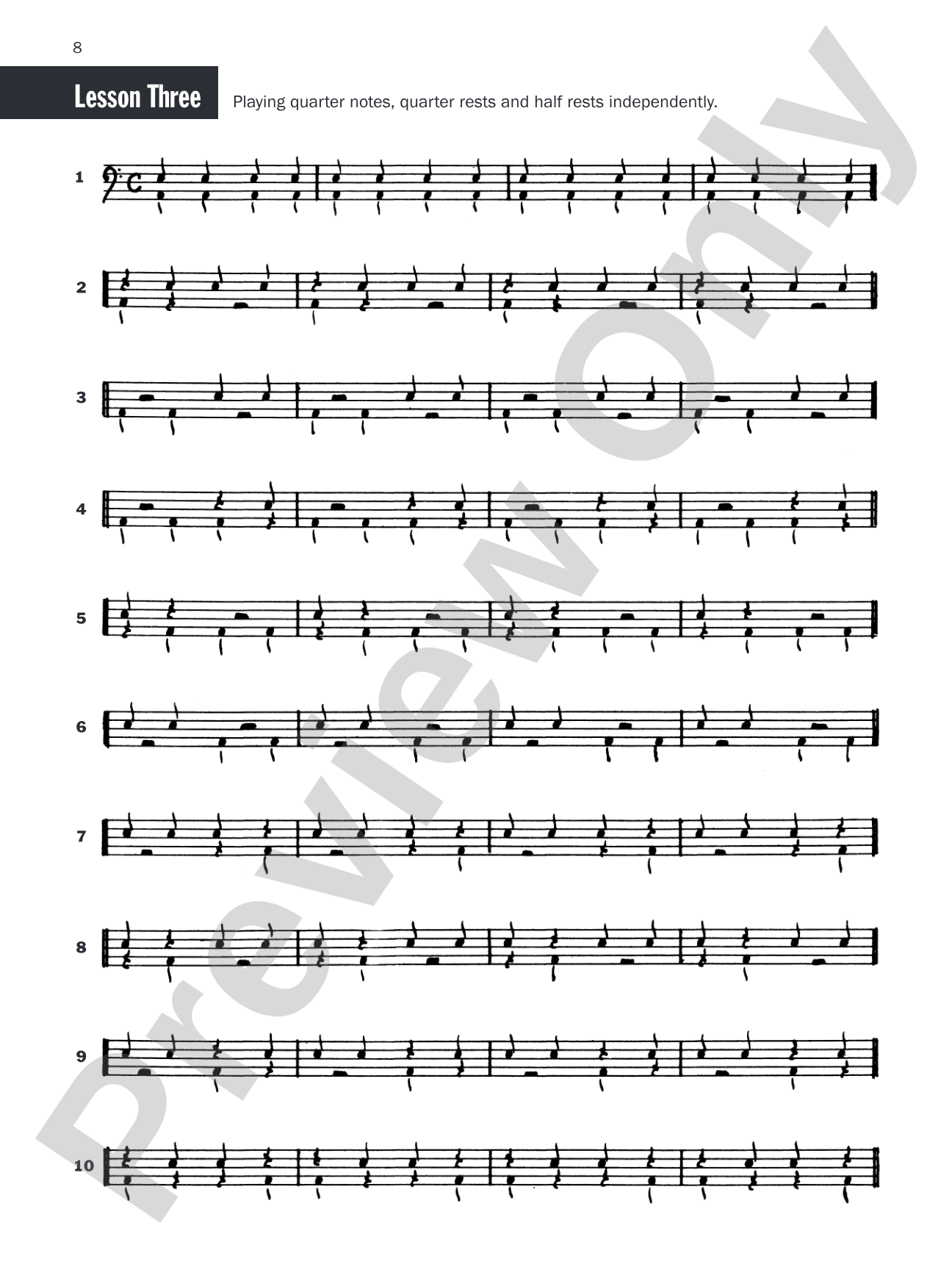
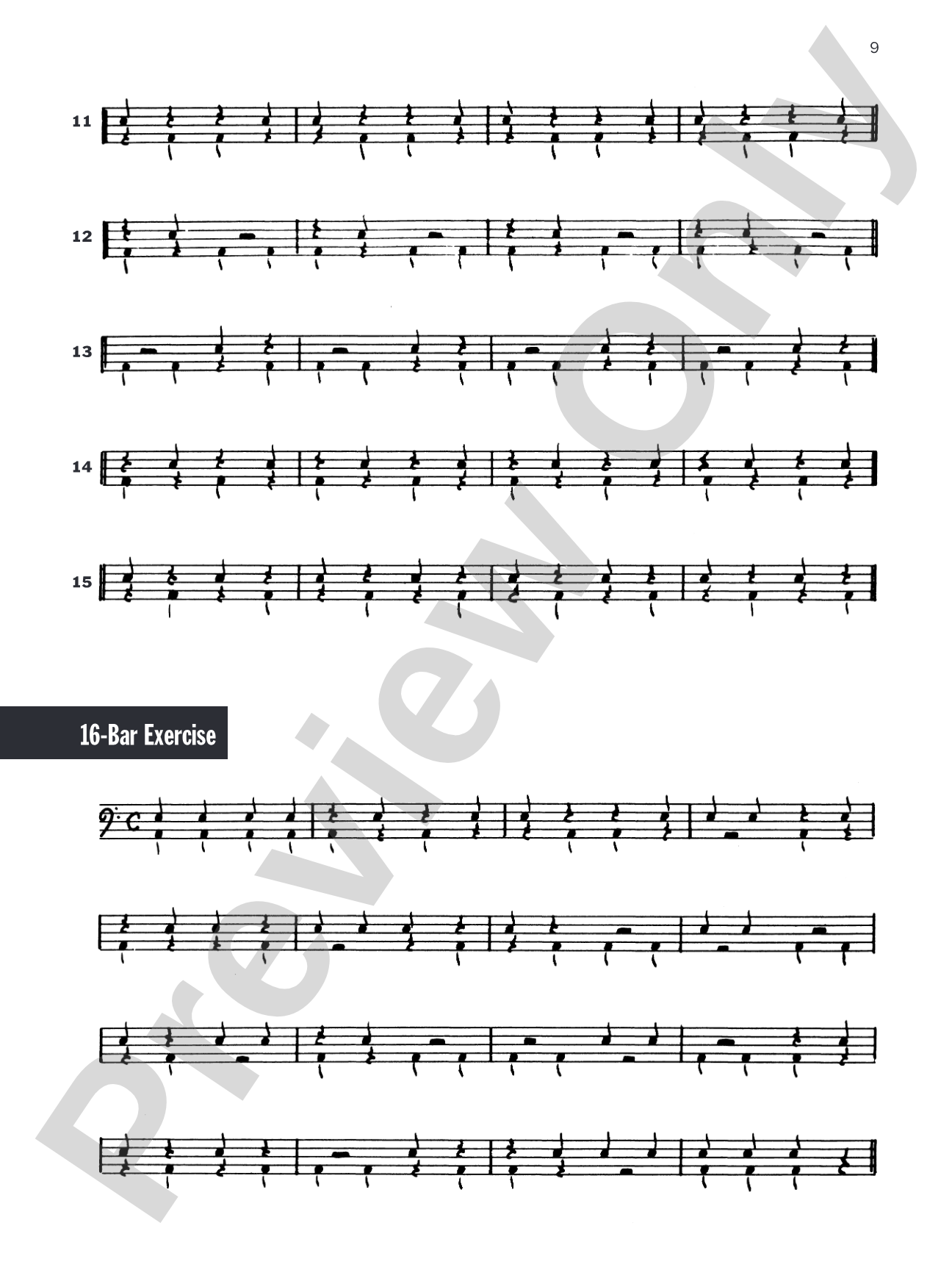
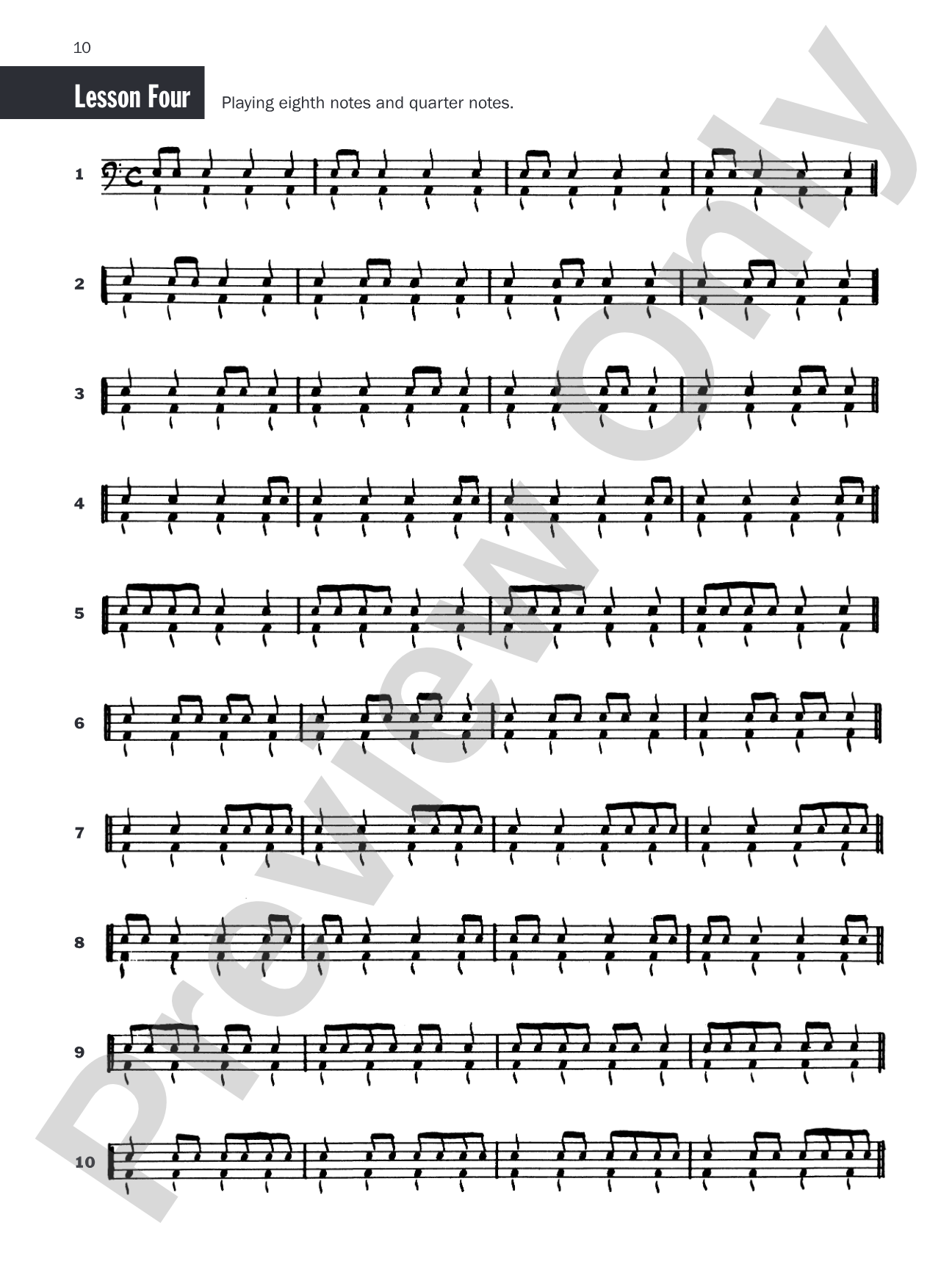
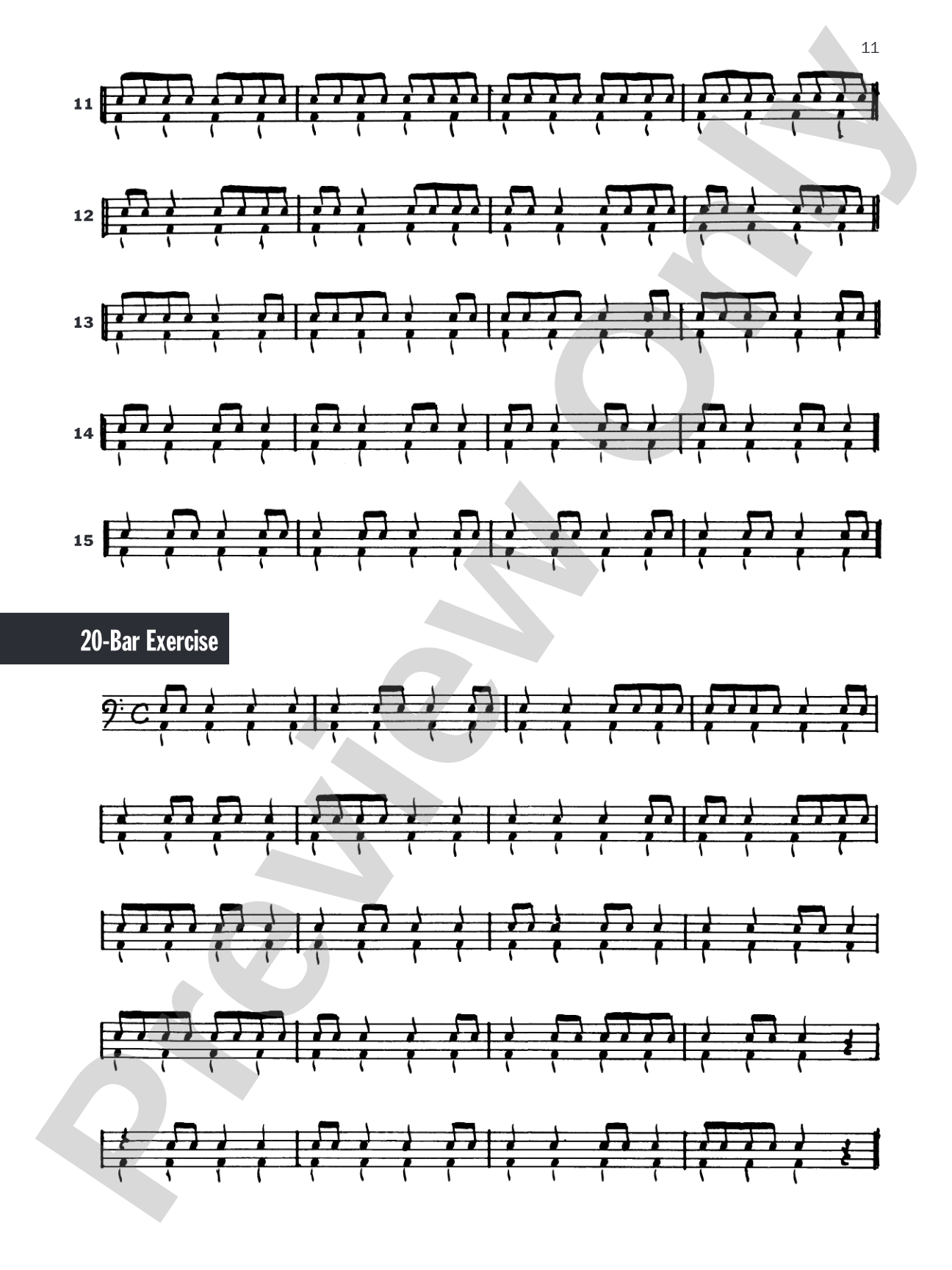
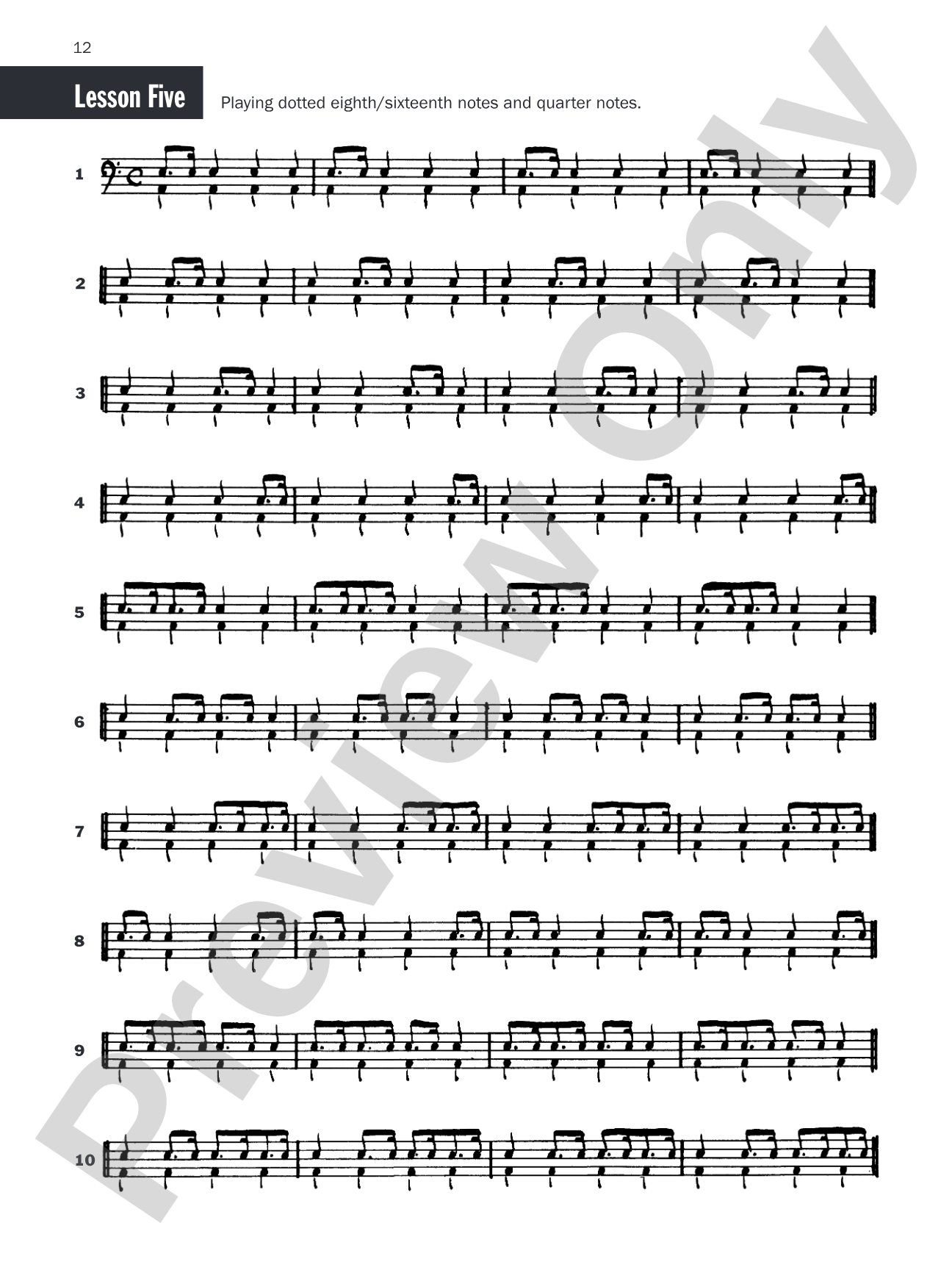
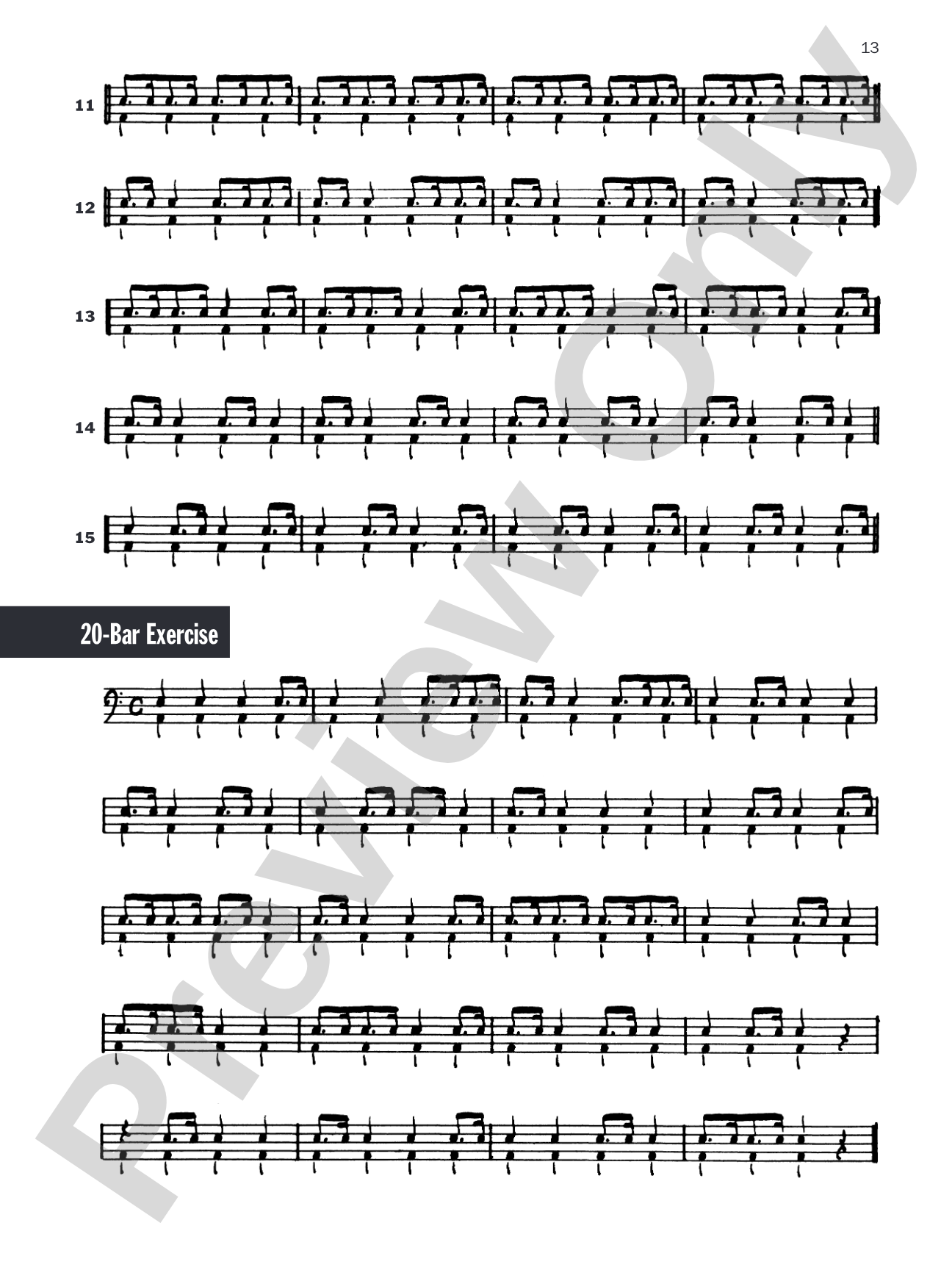
Voted second on Modern Drummer's list of 25 Greatest Drum Books in 1993, Progressive Steps to Syncopation for the Modern Drummer is one of the most versatile and practical works ever written for drums. Created exclusively to address syncopation, it has earned its place as a standard tool for teaching beginning drummers syncopation and strengthening reading skills. This book includes many accented eighths, dotted eighths and sixteenths, eighth-note triplets and sixteenth notes for extended solos. In addition, teachers can develop many of their own examples from it.


Progressive Steps to Syncopation for the Modern Drummer isn't in MakeMusic Cloud just yet...but it could be. Let us know you'd like to see it, and you'll help shape what comes next. In the meantime, start a free trial and dive into thousands of interactive titles your students can play along with today.
Request This Title
Tell us you want it.
Start Your Free Trial
Explore everything that's ready to play right now.
Sample Audio
No sample audio found.
Sample Video
No sample videos found.
Additional Details
Series:
Ted Reed Publications
Publisher:
Alfred Music
Page Count:
64
SKU:
00-PB-0002180
More about this title
About the Composer: Ted Reed
Ted Reed stands as one of the most influential percussion educators in American music history. His systematic approach to drum pedagogy transformed how generations of drummers learn rhythm, particularly in the jazz and popular music idioms where syncopation demands precision and musical intuition.
Why we love this
This book earns its canonical status through relentless focus on a single problem that derails many young drummers: wrestling with syncopation in isolation from other technical demands. Reed's construction lets students attack syncopated reading at their own pace, building confidence through carefully sequenced exercises before tackling the combined challenges of accents, subdivisions, and extended solo passages.
What to expect
The book unfolds with clinical precision, stripping away everything except the syncopated rhythm itself. This minimalism creates both clarity and challenge; there's nowhere to hide, but that same directness means drummers develop genuine mastery rather than surface familiarity.
Who it's for
Beginning drummers working through foundational reading skills and anyone struggling with syncopated rhythms in jazz, funk, and contemporary contexts. Directors building curricula around systematic percussion pedagogy will find this invaluable for establishing strong rhythmic literacy before students tackle ensemble repertoire.
How to get the most out of it
- Start each new exercise pattern slowly enough that the syncopation reads clearly on the page before the hands can play it. Muscle memory without understanding leads to brittle reading skills.
- Use a metronome and practice subdividing the space between the accented notes, not just striking the accents themselves. This transforms the written pattern into musical phrasing.
- Transpose exercises to different stickings and dynamic profiles once the rhythmic pattern locks in. A single page yields far more material when you shift from matched grip to traditional or add dynamics.
- Create call-and-response scenarios with ensemble members or recordings, letting drummers feel syncopation as a conversation rather than an isolated technical exercise.
How to use it
Assign pages as supplemental material to rhythm section members during jazz ensemble or contemporary band rehearsals, targeting the specific syncopation patterns they'll encounter in that season's repertoire. Drum students working toward jazz proficiency benefit from structured daily work in this book alongside their primary method or lesson text.
Skills your students will build
- Reading syncopated rhythms across multiple subdivisions
- Interpreting accented eighths and sixteenth-note figures
- Decoding dotted eighth-sixteenth rhythmic patterns
- Understanding eighth-note triplet placement within straight time
- Developing sight-reading confidence through incremental difficulty
- Translating written patterns into consistent musical execution