
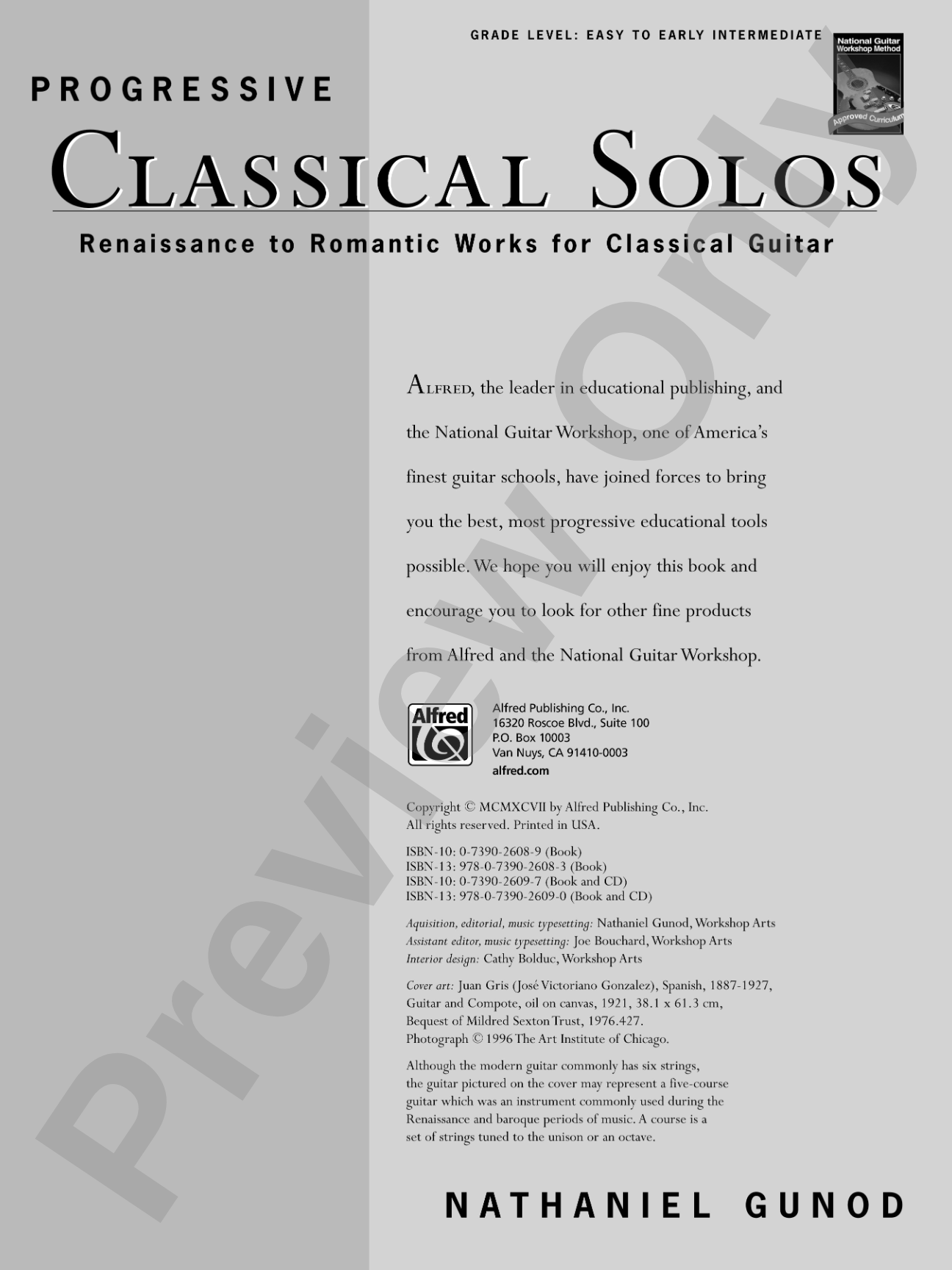

Progressive Classical Solos: Renaissance to Romantic Works for Classical Guitar: Solo Guitar
Renaissance to Romantic Works for Classical Guitar
By Nathaniel Gunod
Item: 00-PB-0002099
$9.95
Pickup currently not available
Related Items
Progressive Classical Solos: Guitar Book |
$9.95
|
View |
Description
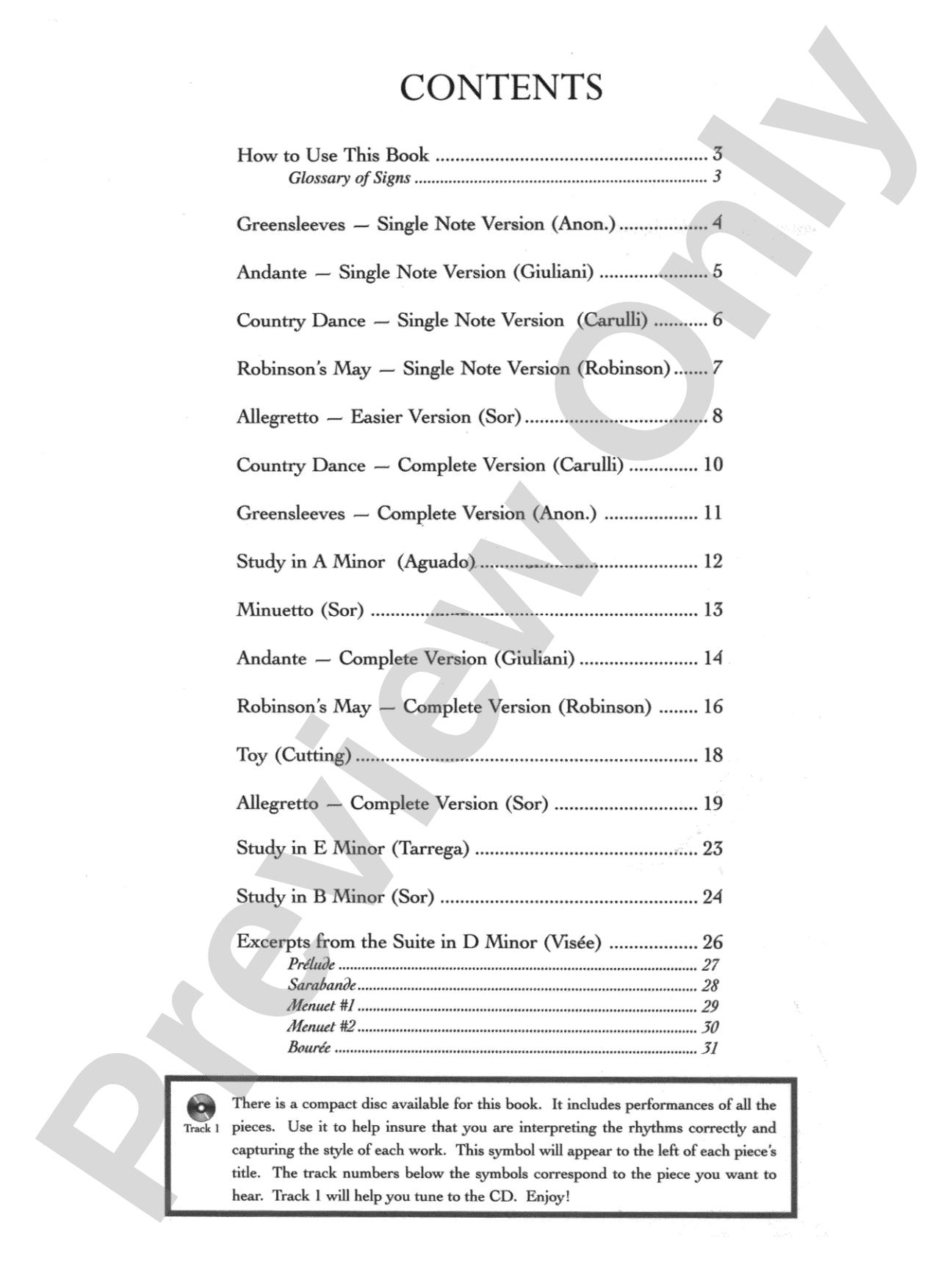
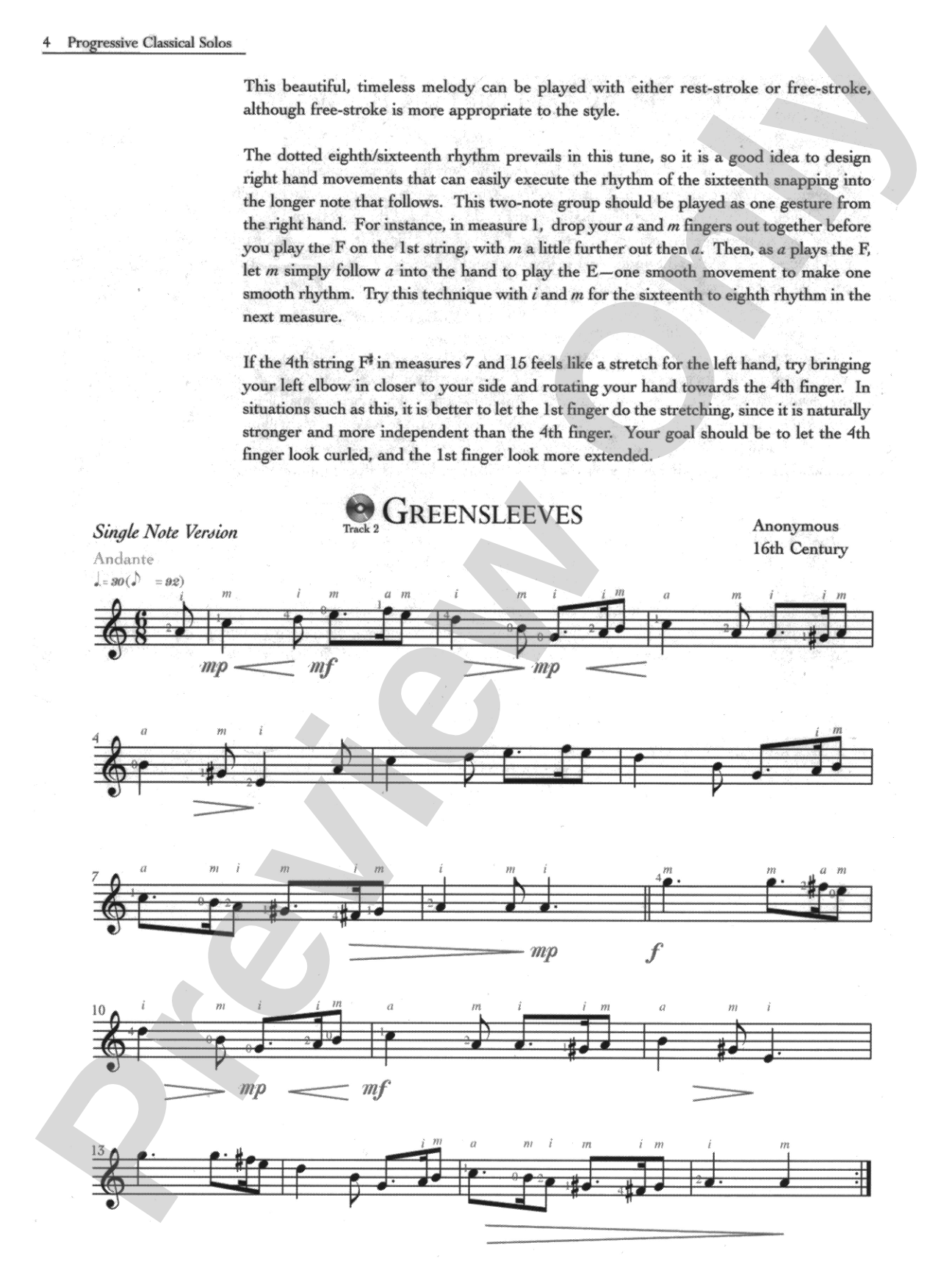
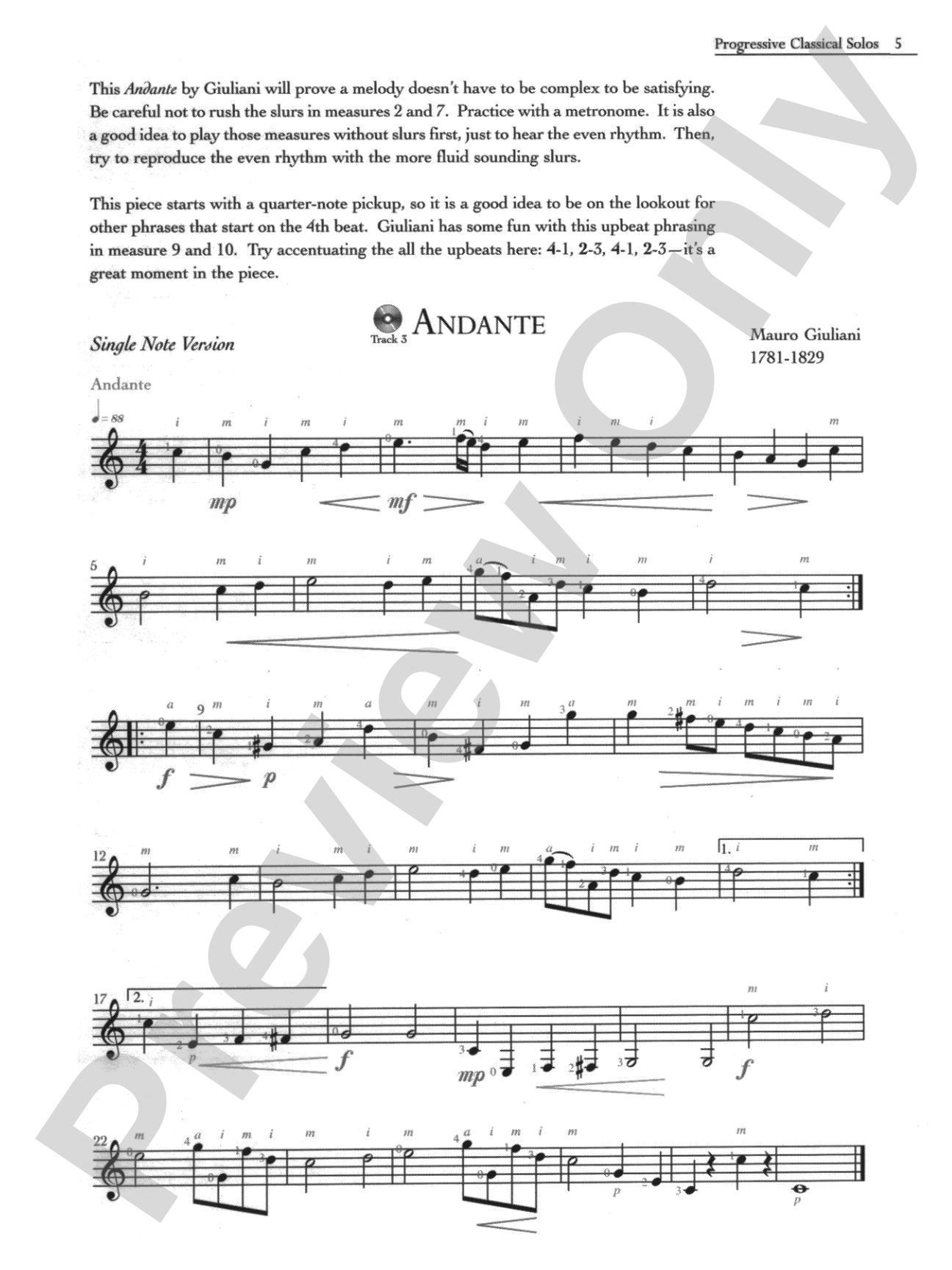
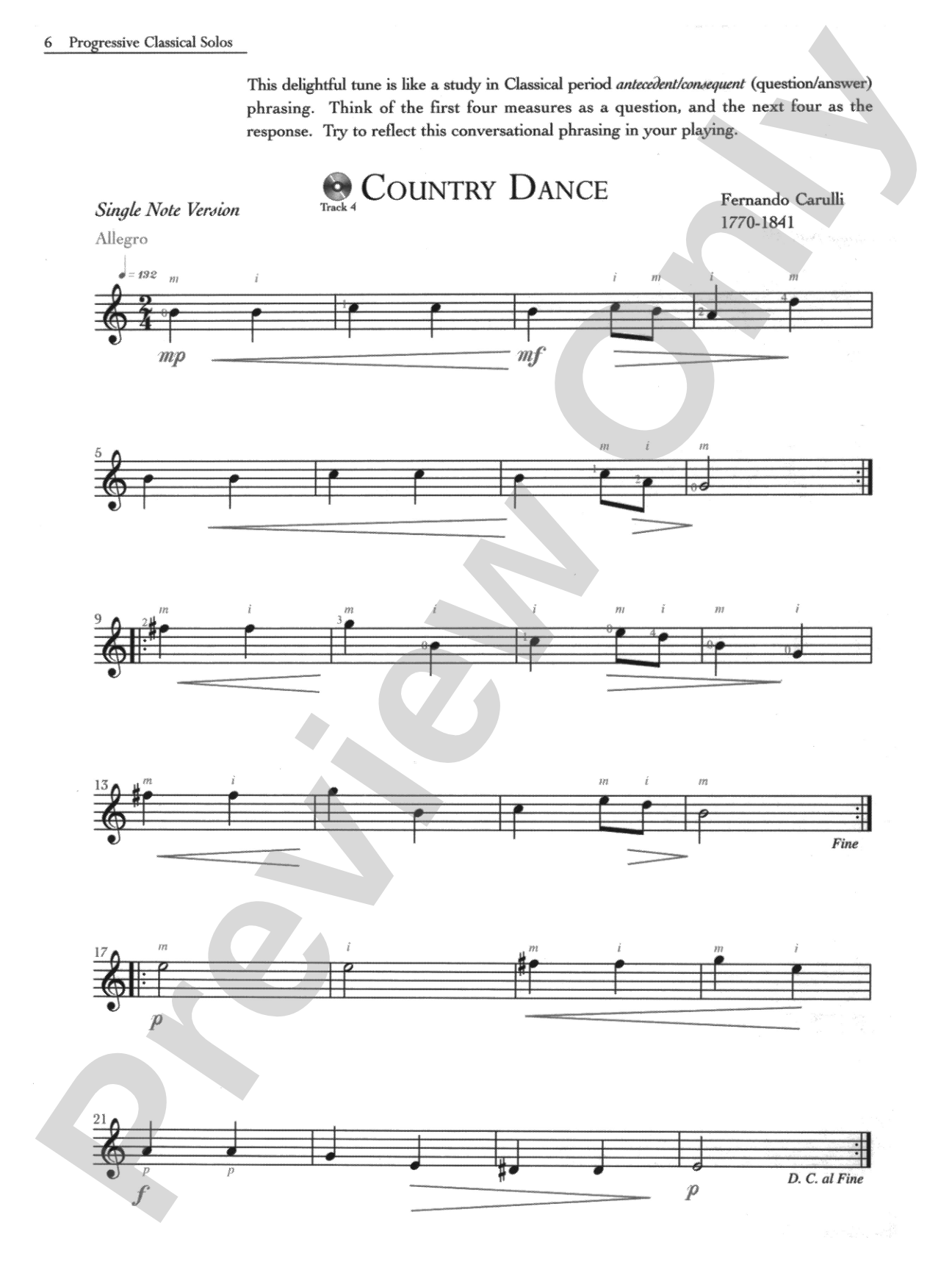
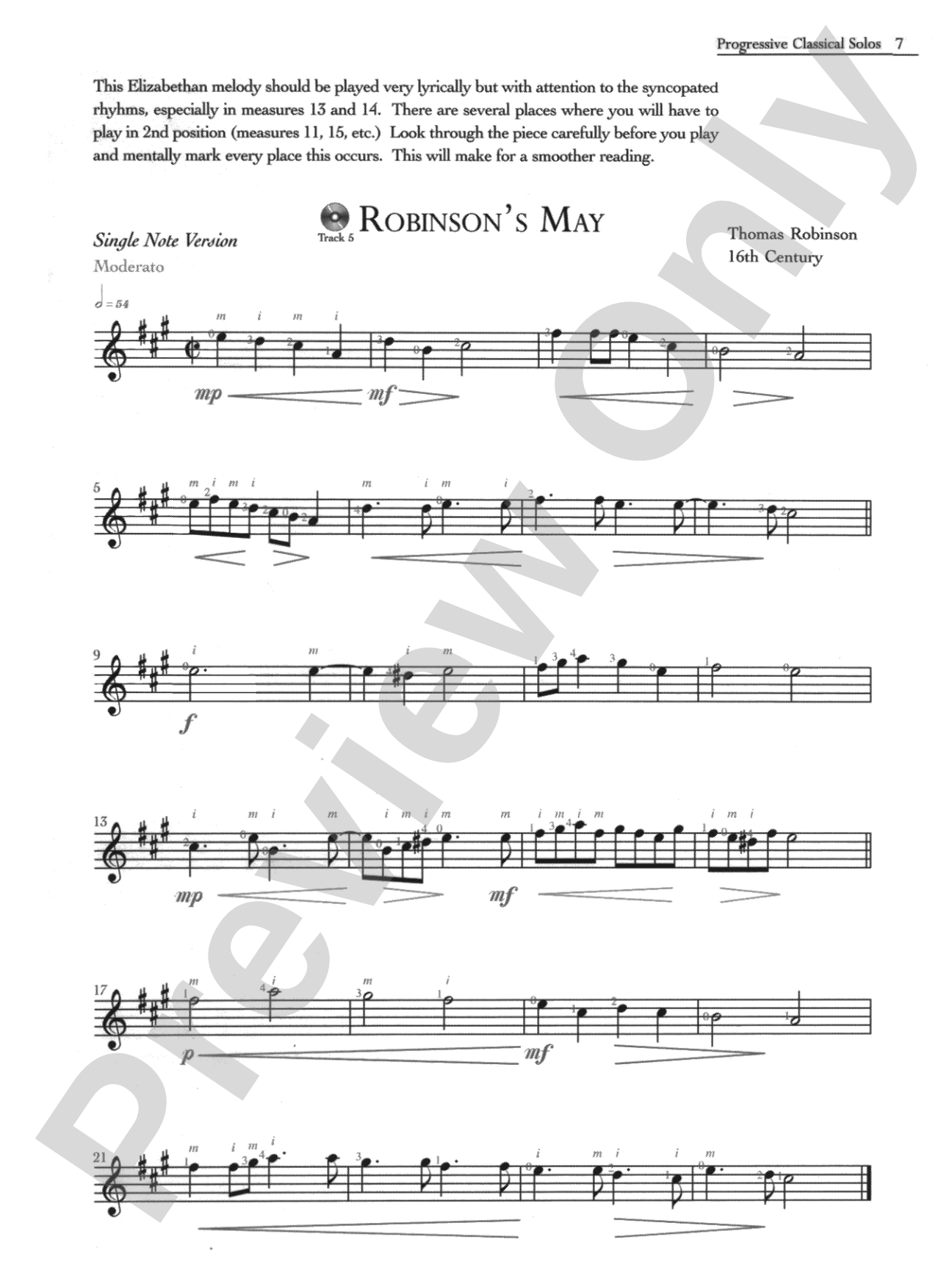
This collection of easy to early-intermediate level Renaissance to Romantic works is a perfect addition to every classical guitarist's repertoire. These fully-fingered pieces range from easy, single-note arrangements to satisfying, full versions of popular solos. Each piece includes helpful technical and interpretive tips. Features works by Robinson, Visée, Giuliani, Sor, Tarrega and others. The recording includes performances of all the pieces.


Progressive Classical Solos: Renaissance to Romantic Works for Classical Guitar: Solo Guitar isn't in MakeMusic Cloud just yet...but it could be. Let us know you'd like to see it, and you'll help shape what comes next. In the meantime, start a free trial and dive into thousands of interactive titles your students can play along with today.
Request This Title
Tell us you want it.
Start Your Free Trial
Explore everything that's ready to play right now.
Sample Audio
No sample audio found.
Sample Video
No sample videos found.
Additional Details
Publisher:
Alfred Music
Page Count:
32
SKU:
00-PB-0002099
More about this title
About the Composer: Nathaniel Gunod
Nathaniel Gunod brings deep pedagogical insight to classical guitar repertoire, understanding both the technical demands students face and the musical rewards that sustain their practice. His work as an arranger centers on making canonical works accessible without sacrificing their essential character, a philosophy evident throughout this collection.
Why we love this
Gunod's fingerings are thoughtful rather than prescriptive, giving students room to develop their own hand position while providing clear guidance when technique matters most. The progression from simplified single-note versions to fuller arrangements acknowledges that mastery happens in stages, and the inclusion of technical and interpretive notes transforms what could be a rote practice routine into actual musical problem-solving.
What to expect
These arrangements carry the elegance and restraint of their historical sources, with the Renaissance works offering crystalline clarity and the Romantic pieces providing lyrical breathing room. The progression from solo melody to fuller textures mirrors the student's own journey from simple technique to expressive musicianship.
Who it's for
Classical guitarists working at the early-intermediate level who want exposure to canonical repertoire without waiting years to access it. Teachers building a sequential curriculum will find this especially valuable for demonstrating how the same piece can work at multiple skill levels.
How to get the most out of it
- Balance melody and accompaniment by mapping out which voices carry the musical narrative before you practice; this clarity prevents the common student habit of playing everything at one volume.
- Record yourself playing each arrangement at its simplest level, then listen back to identify rhythmic inconsistencies; fixing these habits early makes the full versions feel secure.
- Study the provided interpretive notes before learning each piece; understanding the original composer's era shapes your phrasing choices and prevents anachronistic playing.
- Practice the fingered passages slowly enough that your hand shape stays relaxed; tension introduced now becomes a permanent limitation later.
How to use it
Feature individual pieces in student recitals at different points in the year, pairing simpler arrangements with newer students and full versions with more advanced players to showcase repertoire continuity within your studio. The historical sweep from Renaissance through Romantic gives you natural programming moments when you want to teach style and context without detailing a separate music history unit.
Skills your students will build
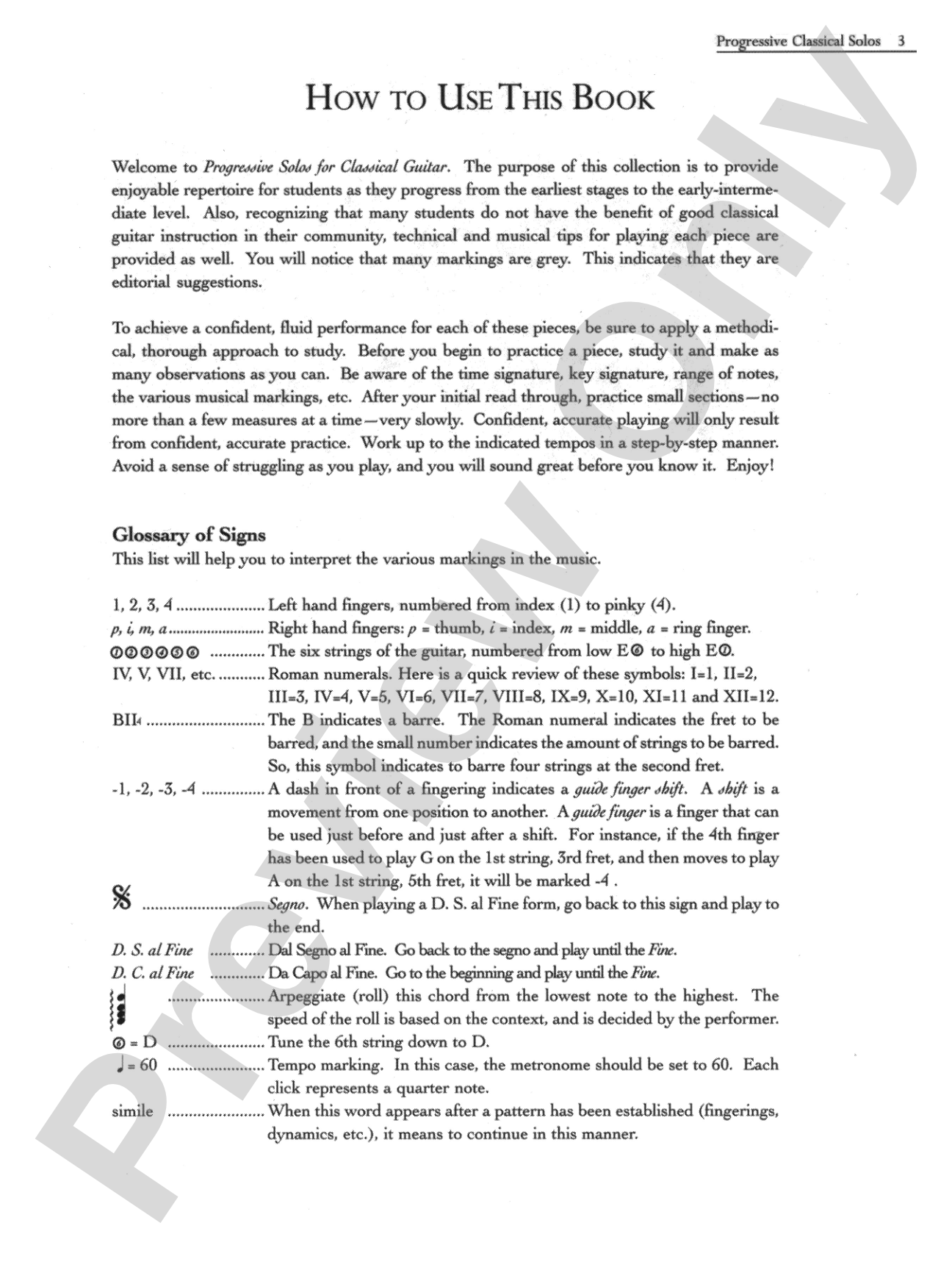
- Reading fingering diagrams and applying them consistently across similar passages
- Distinguishing melody from accompaniment texture and managing independent voices on one instrument
- Sustaining longer phrases through rest-stroke and free-stroke technique choices
- Connecting historical period to interpretive approach (Renaissance clarity versus Romantic expression)
- Building hand independence through Renaissance and Baroque counterpoint
- Applying rubato and dynamic shaping at the Romantic era works