

Program Solos, Level 2: Piano
Various composers / compiled by David Carr Glover
Item: 00-PB-0000924
$8.95
Pickup currently not available
Related Items
Program Solos, Level 2: Piano Book |
$8.95
|
View |
Description
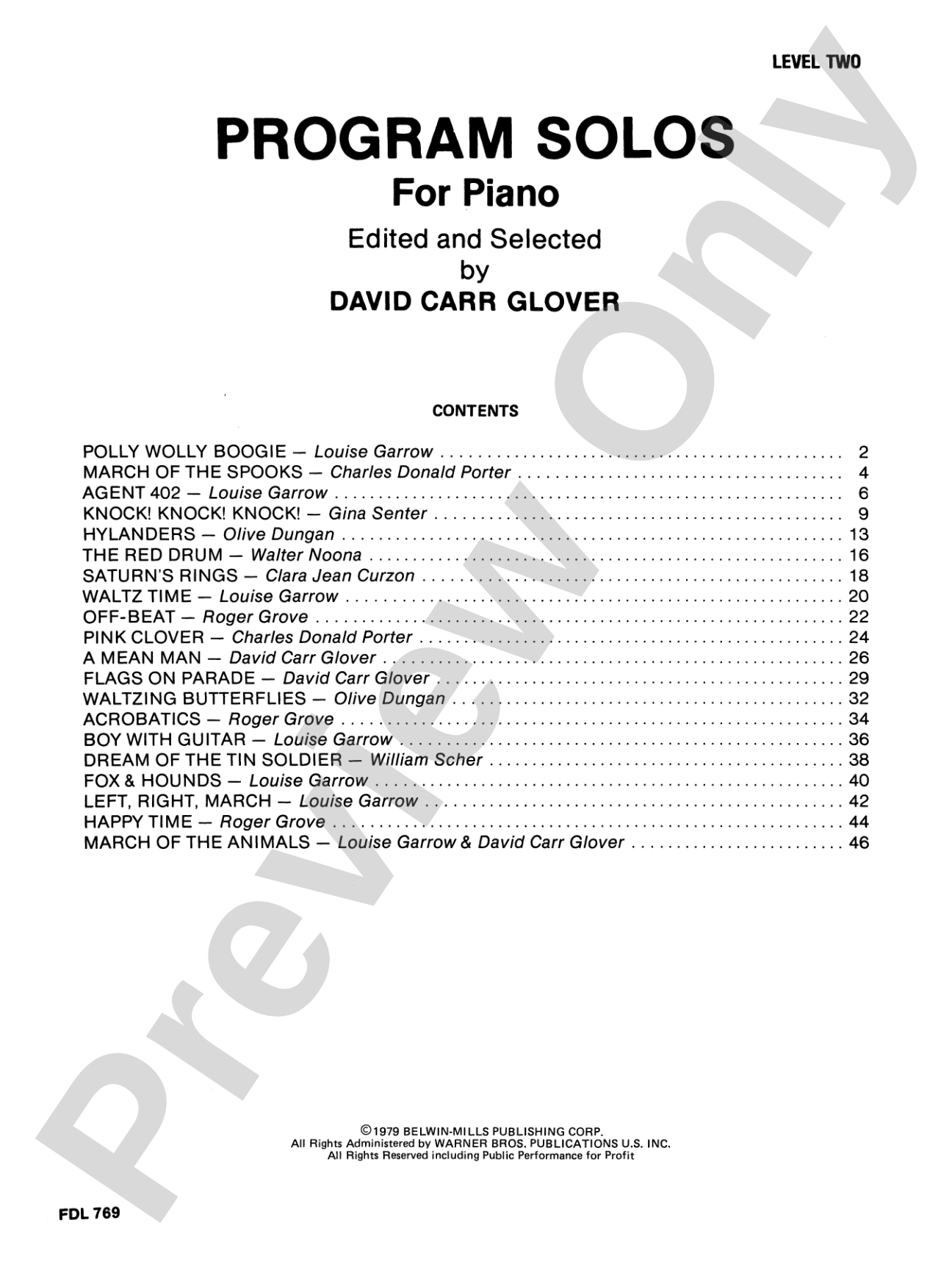
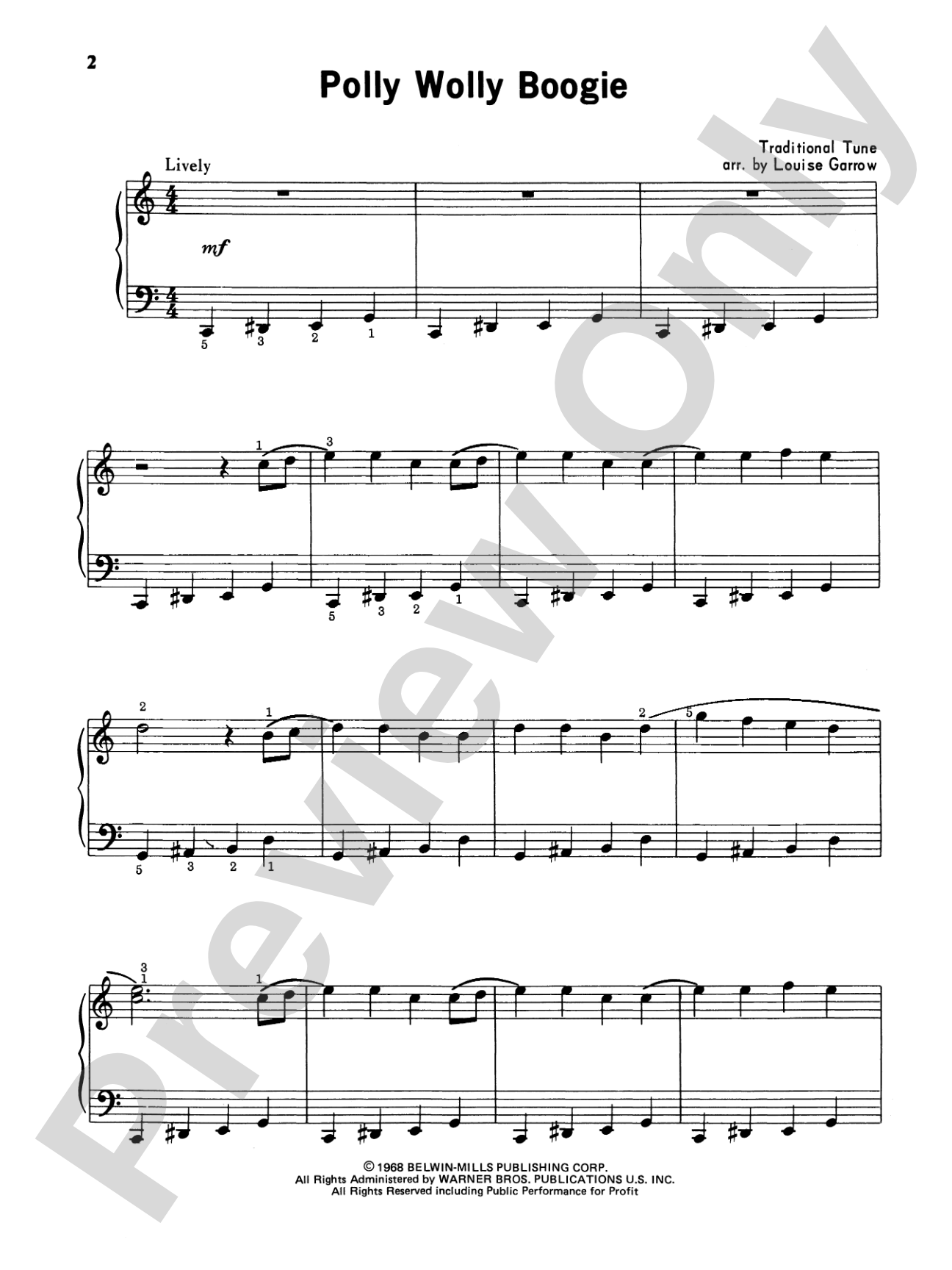
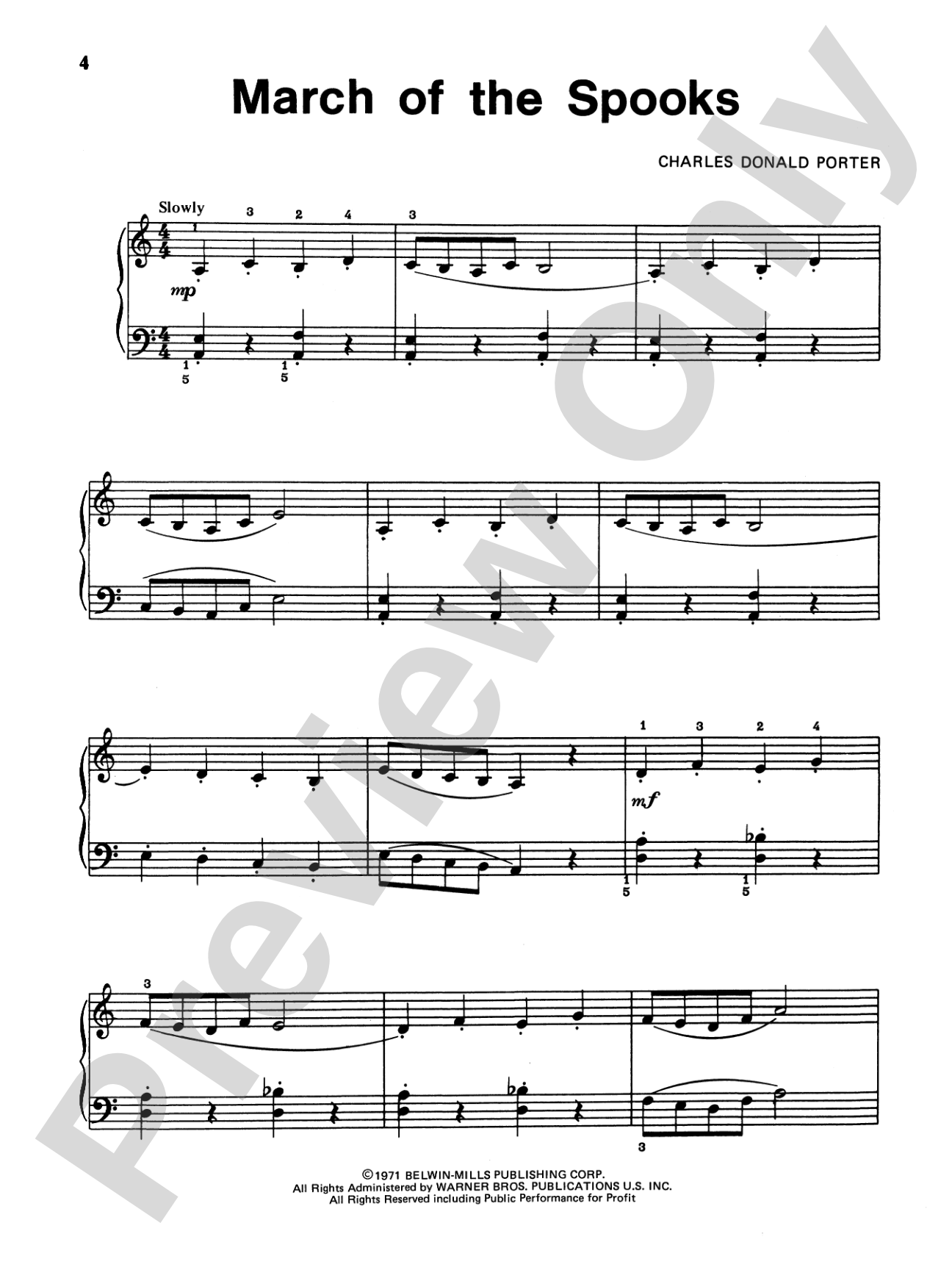
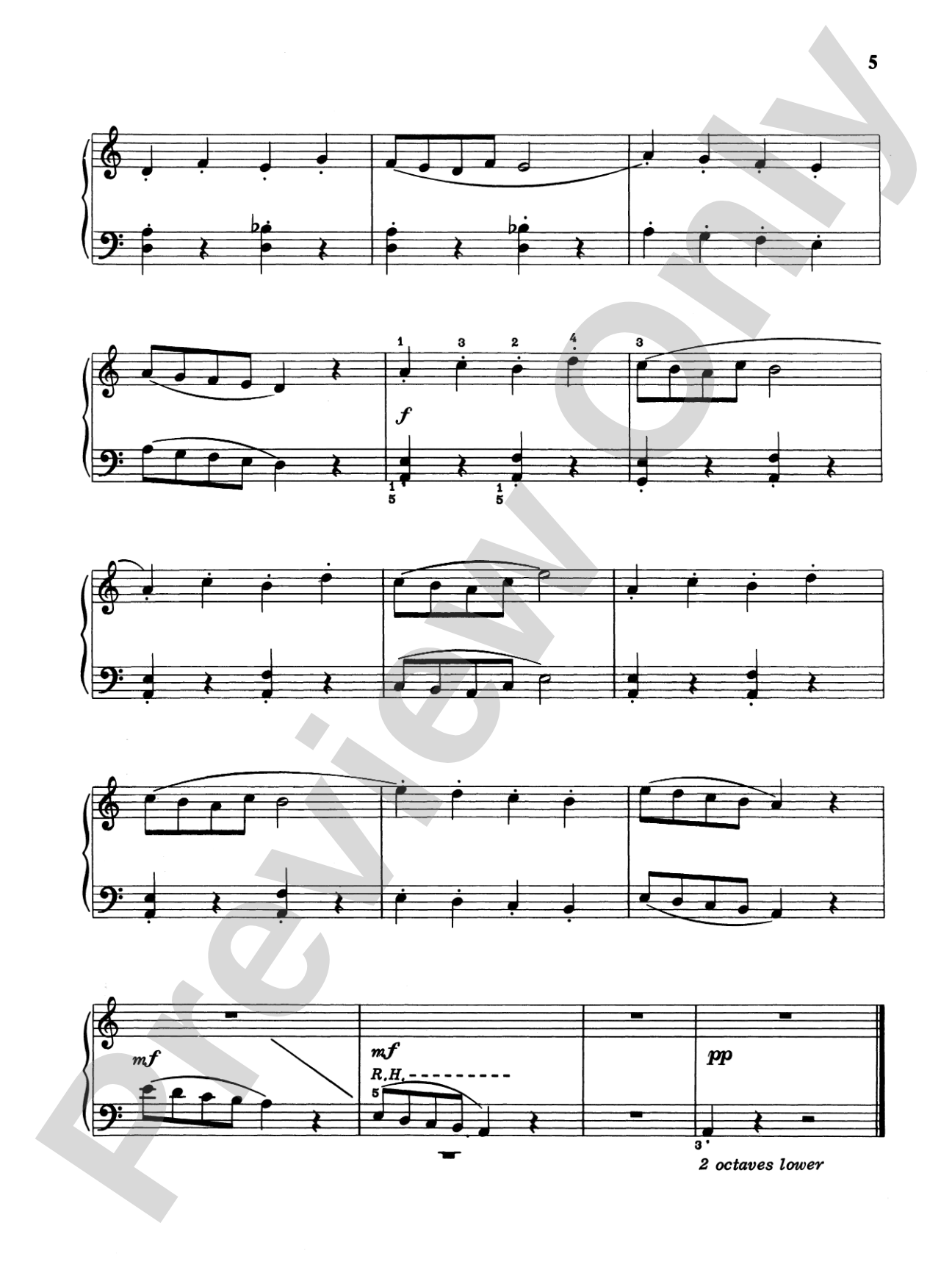
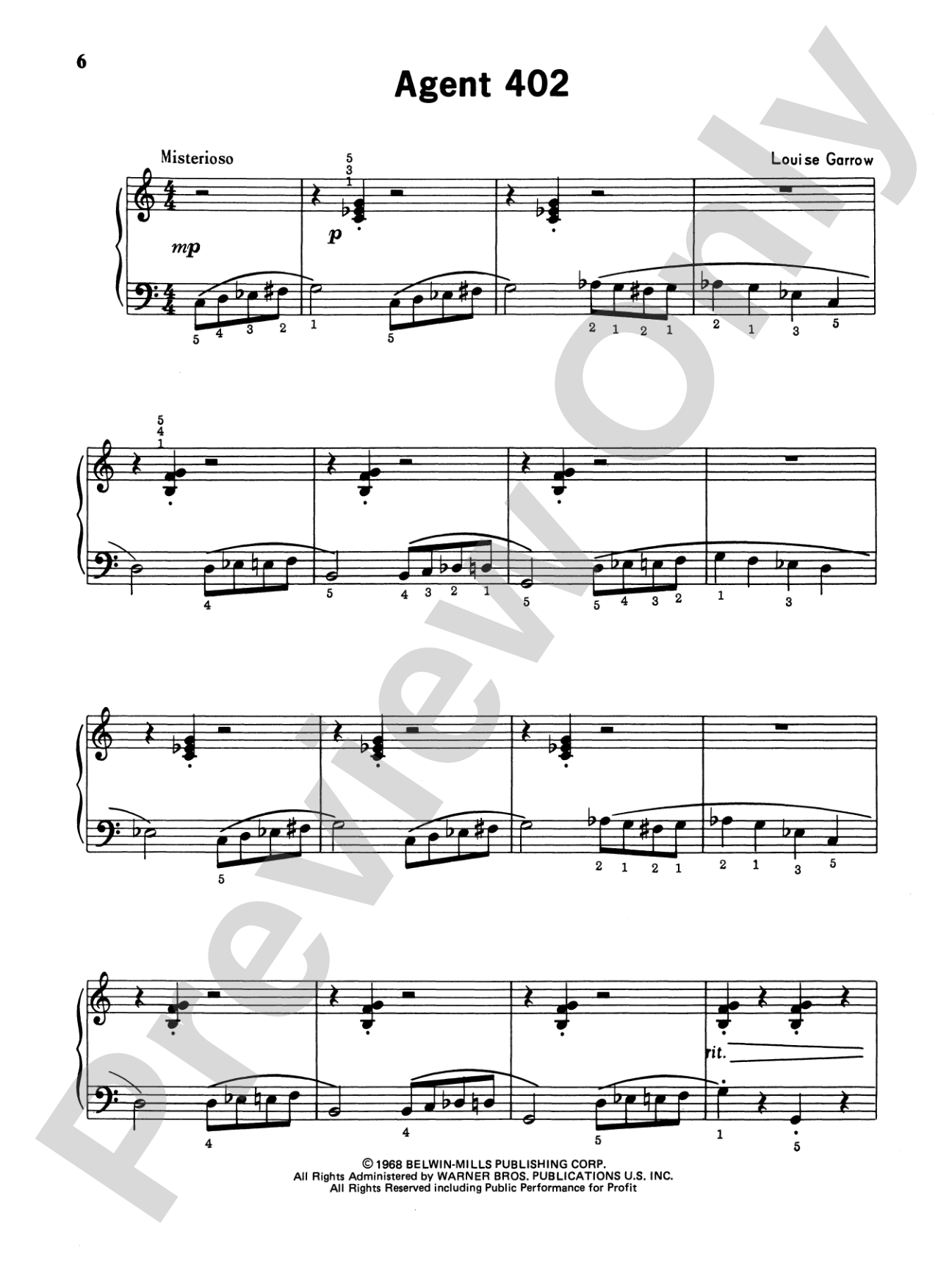
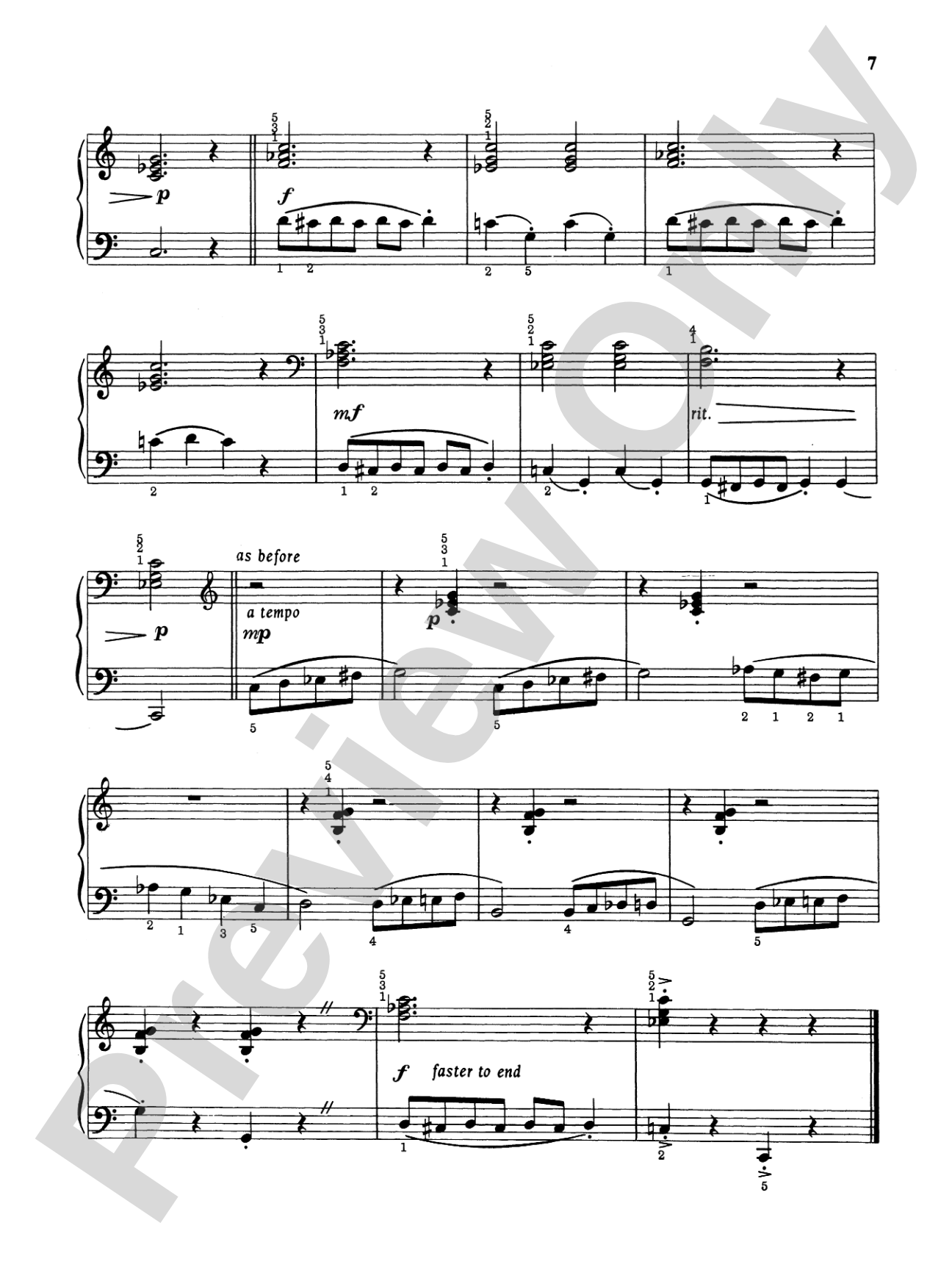
This is the second book in a series of six books, a collection of pieces by outstanding composers that were chosen from a large list by students as their favorites. Fun titles include "March of the Animals" by Louise Garrow & David Carr Glover, "March of the Spooks" by Charles Donald Porter, and "Happy Time" by Roger Grove. The 20 songs in this volume were selected and edited by David Carr Glover and promote independence of hands in playing.


Program Solos, Level 2: Piano isn't in MakeMusic Cloud just yet...but it could be. Let us know you'd like to see it, and you'll help shape what comes next. In the meantime, start a free trial and dive into thousands of interactive titles your students can play along with today.
Request This Title
Tell us you want it.
Start Your Free Trial
Explore everything that's ready to play right now.
Sample Audio
No sample audio found.
Sample Video
No sample videos found.
Additional Details
Series:
David Carr Glover Piano Library
Publisher:
Alfred Music
Page Count:
48
SKU:
00-PB-0000924
More about this title
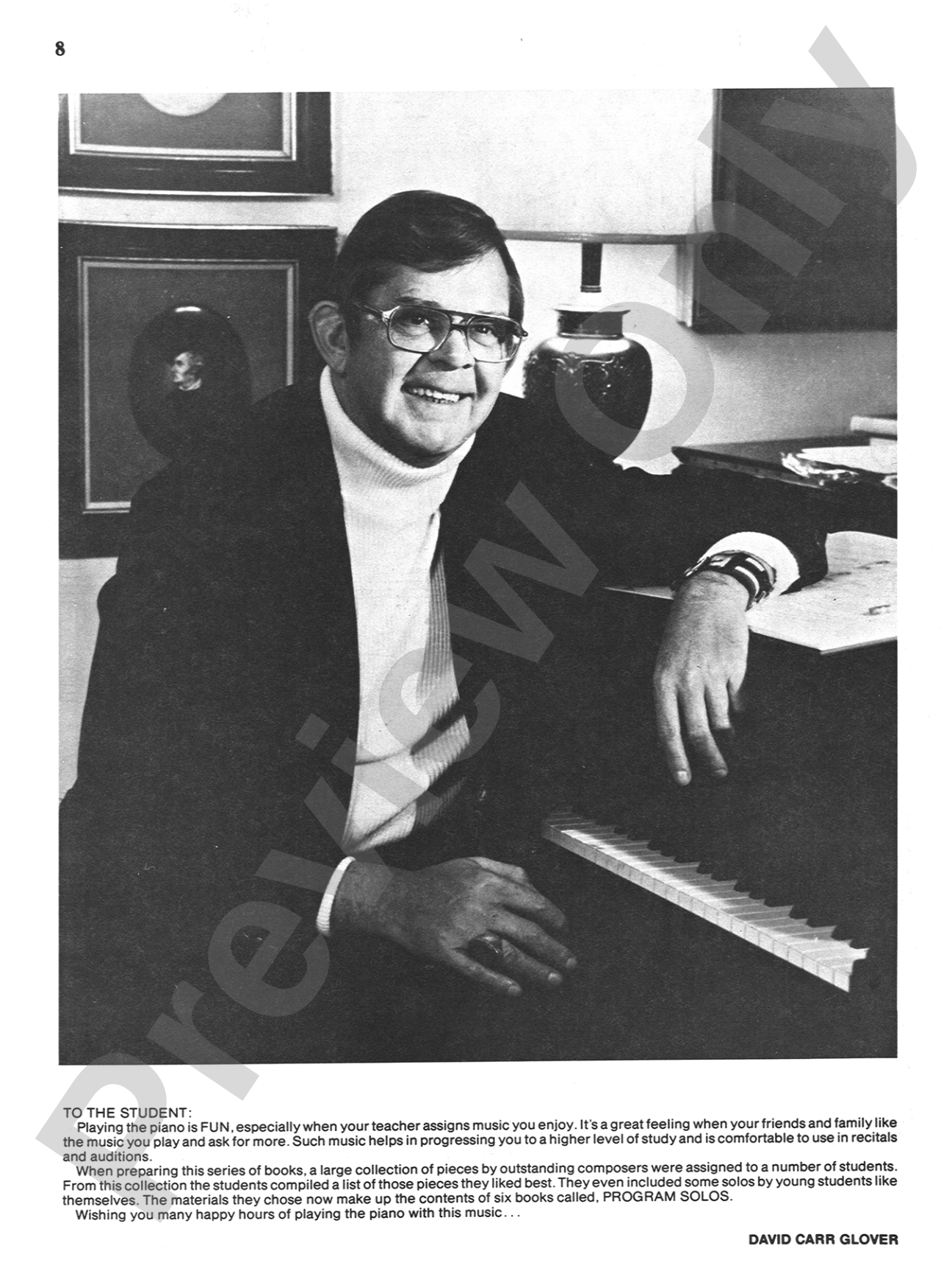
About the Creator: David Carr Glover
David Carr Glover shaped generations of piano students through accessible, well-crafted repertoire that respects young players' growing technical abilities. His editorial work extended far beyond composition; he curated collections that balanced musical substance with genuine student engagement, understanding that the pieces students choose to practice are the ones they'll actually master.
This collection reflects Glover's philosophy that learning music should feel like discovery, not obligation. By selecting works from composers like Louise Garrow, Charles Donald Porter, and Roger Grove, Glover demonstrated his commitment to presenting diverse voices within the educational piano canon.
Why we love this
These pieces work precisely because they're not trying too hard. Students gravitate toward titles like "March of the Animals" and "March of the Spooks" because they promise actual musical storytelling, not finger exercises dressed up as compositions. The hand independence focus means students are building real technique while playing music that holds their attention.
What to expect
Opening this book feels like entering a gallery of miniature character portraits. Each piece has a distinct personality; marches march with purpose, happy pieces sparkle, and spooky pieces deliver genuine atmosphere without relying on advanced techniques. Students encounter music that respects their intelligence even as it stays within their reach.
Who it's for
Level 2 piano students who have moved beyond beginner method materials and are ready for pieces that demand more sophisticated hand coordination. Teachers seeking engaging repertoire that develops independence of hands without overwhelming students with technical complexity will find this collection essential.
How to get the most out of it
- Isolate hand parts separately at first, even if students are eager to play hands together. Since hand independence is central to this collection, spending two or three practice sessions on each hand individually pays dividends in security and confidence.
- Encourage students to notice what each hand is doing musically, not just mechanically. A march or character piece reveals its personality when students understand whether they're playing melody, accompaniment, or countermelody.
- Map out hand position shifts before the first full run-through. Level 2 students often lose their place during transitions; marking these moments prevents frustration and keeps practice efficient.
How to use it
Integrate selections from this collection as recital solos throughout the year, mixing them with repertoire from method books and other sources. Since the pieces are short and diverse in character, they work beautifully in program combinations where you can sequence contrasting moods or tempos across a student's performance slot.
Skills your students will build
- Hand independence and coordination between right and left hands
- Reading two-part texture with distinct rhythmic and melodic roles
- Interpreting character and mood from musical titles and descriptive writing
- Secure hand position shifts within level-appropriate range
- Basic musicality in short form compositions