
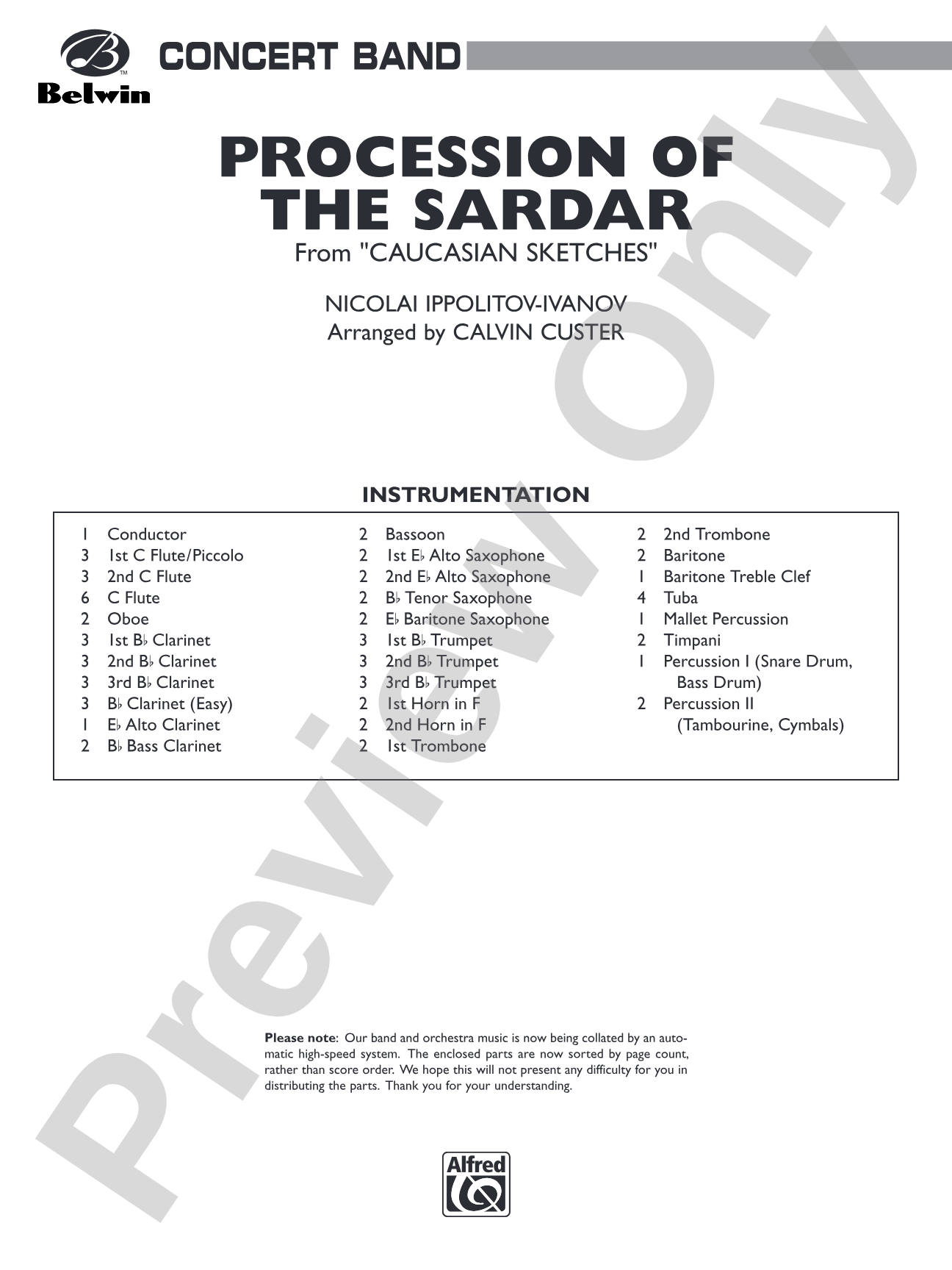

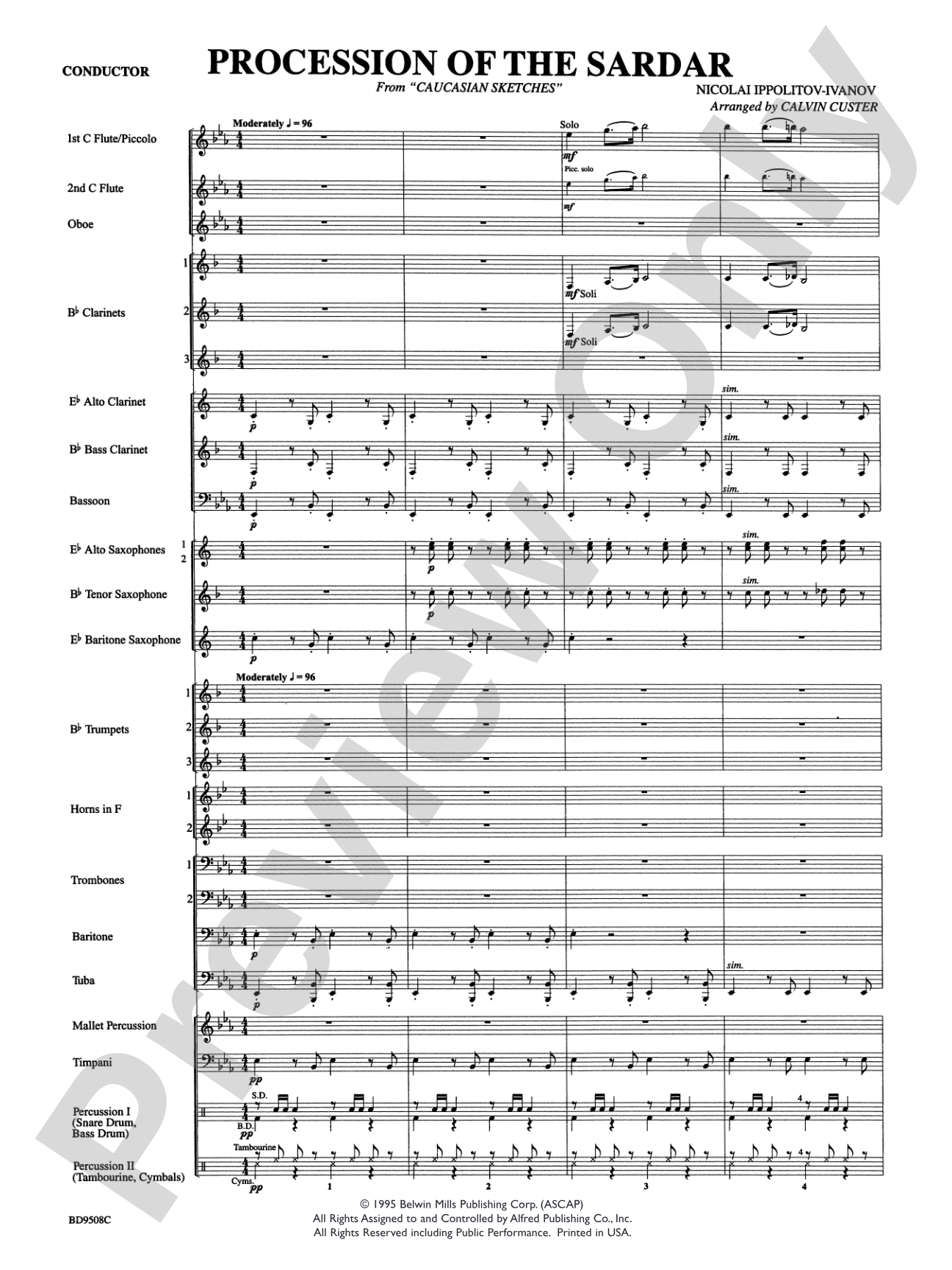
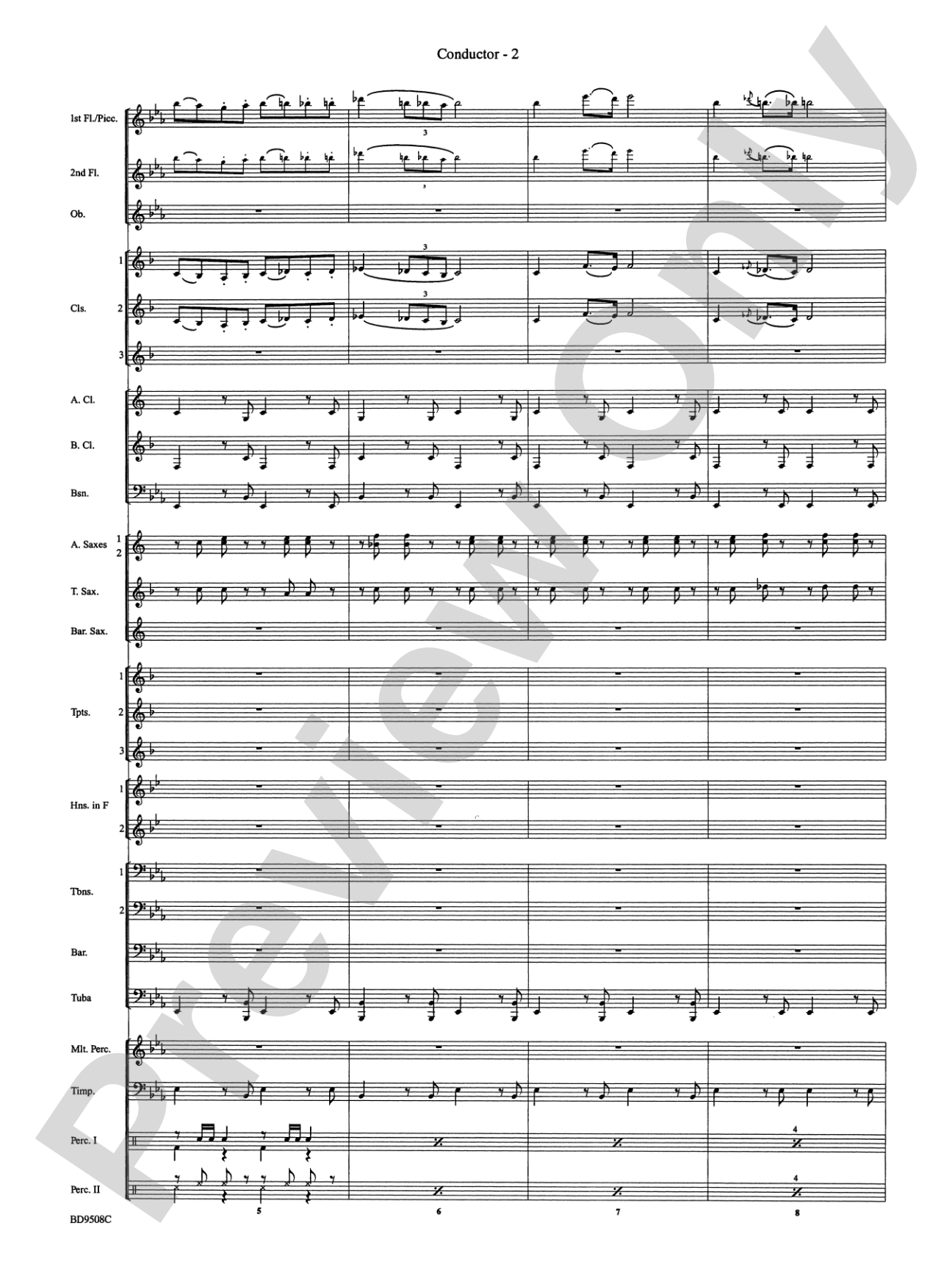
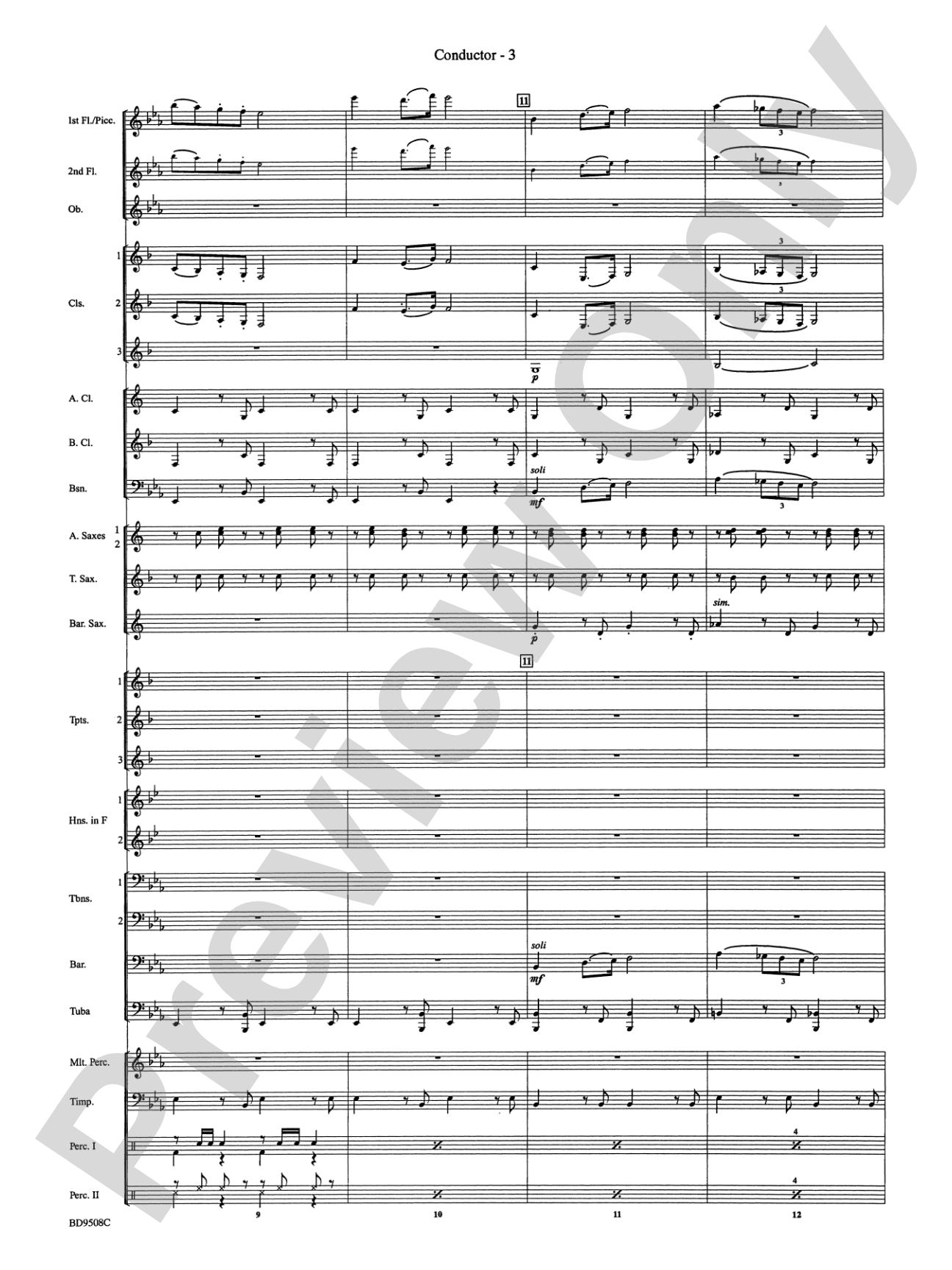
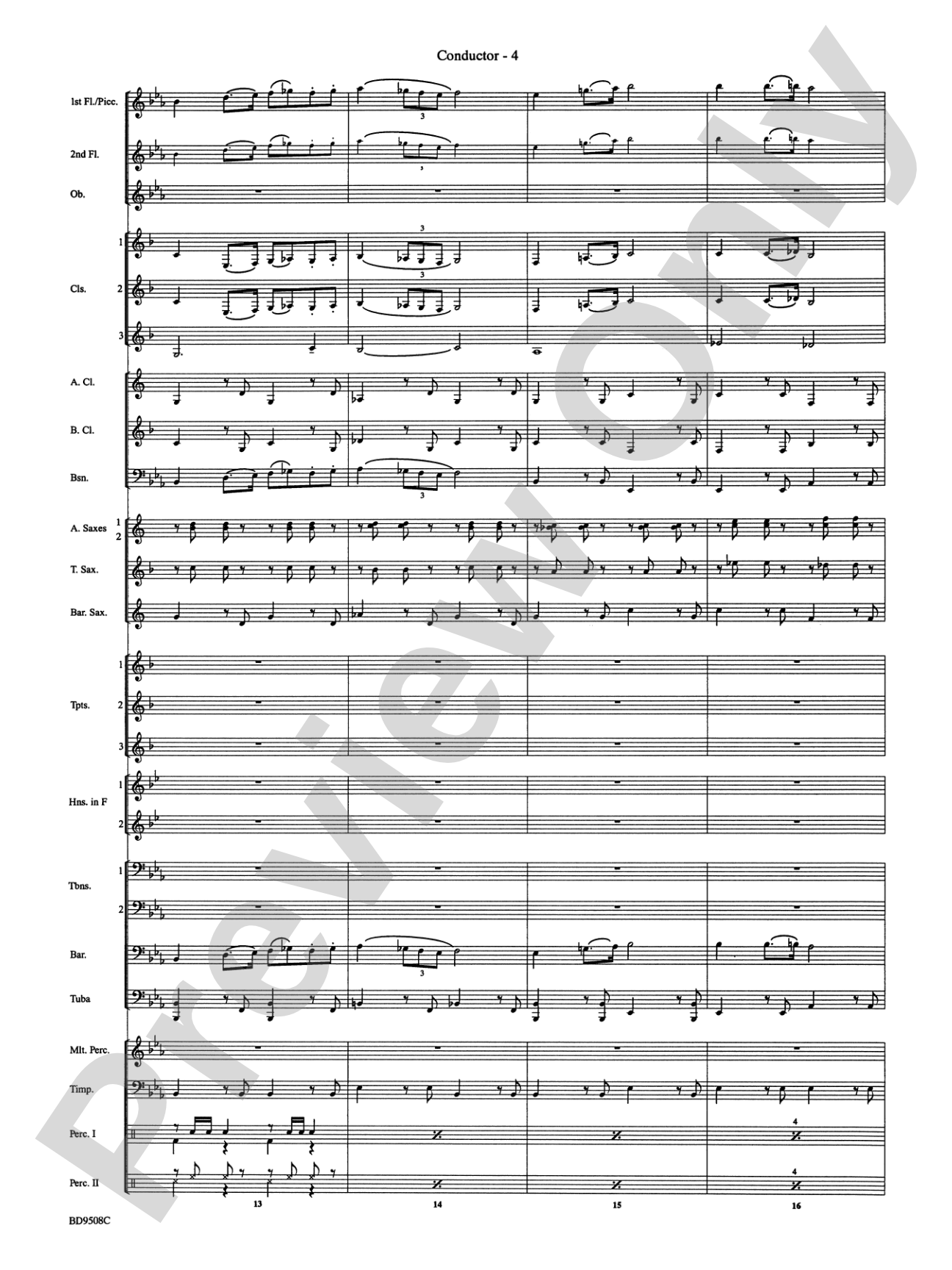
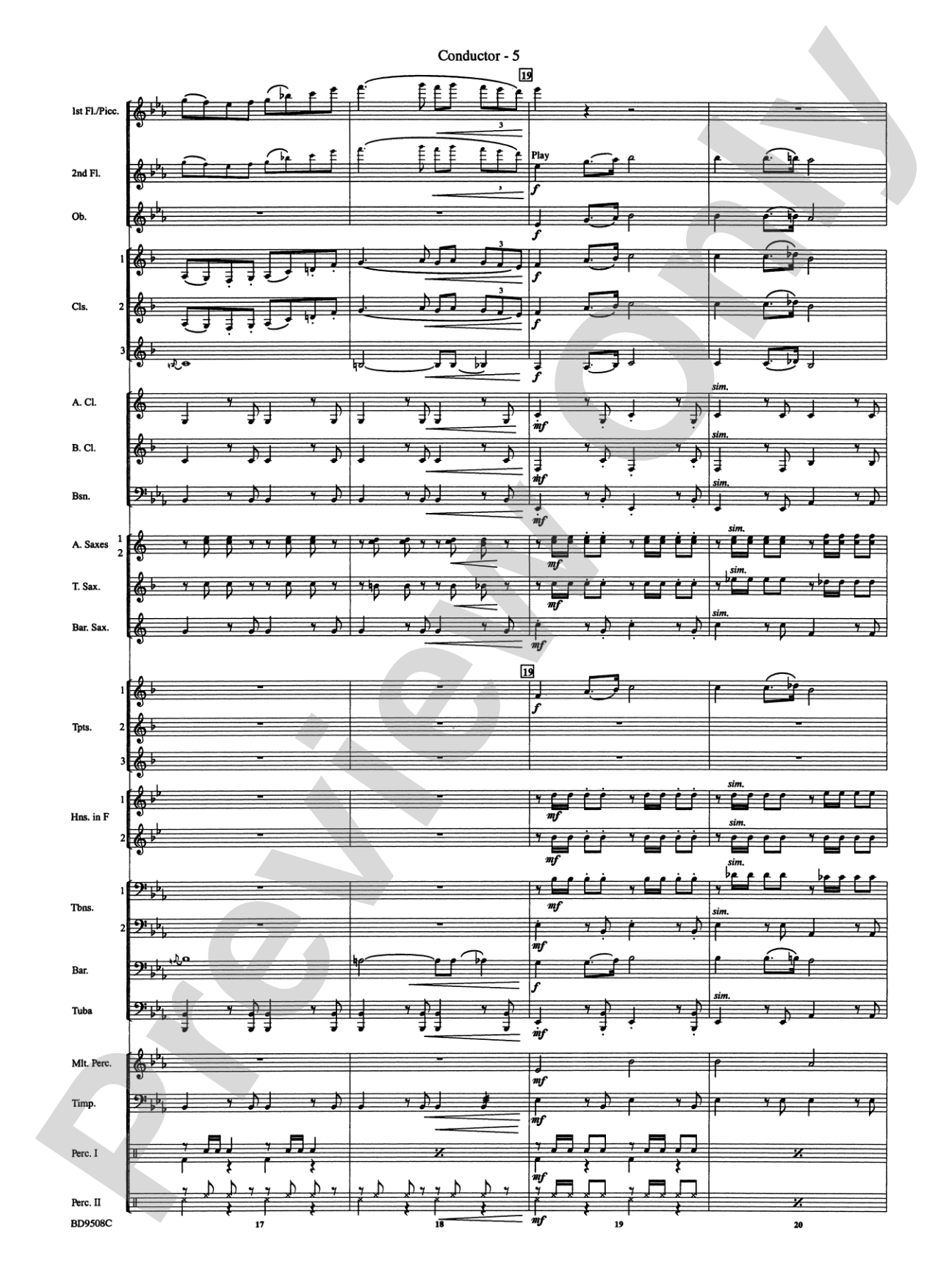
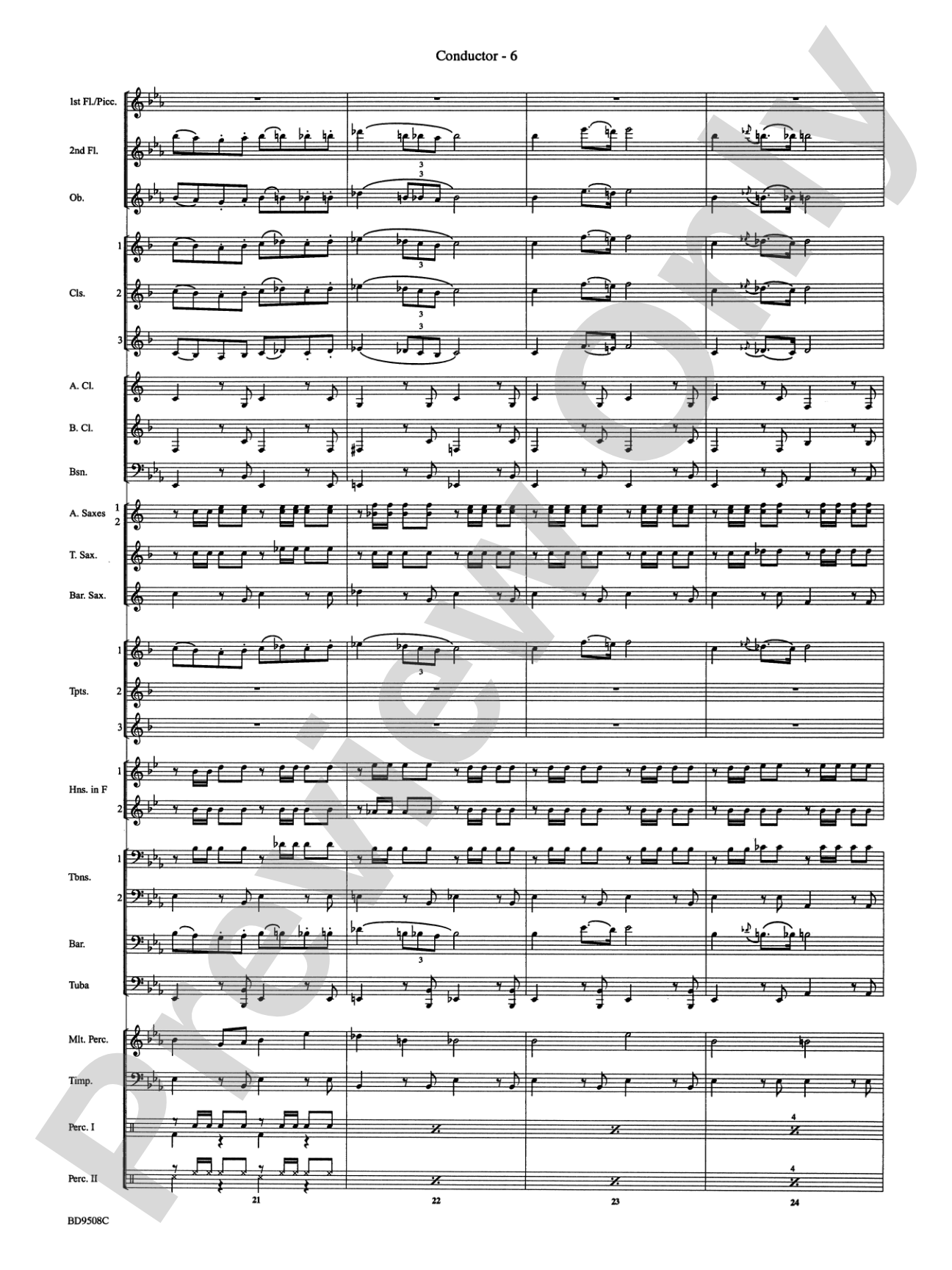
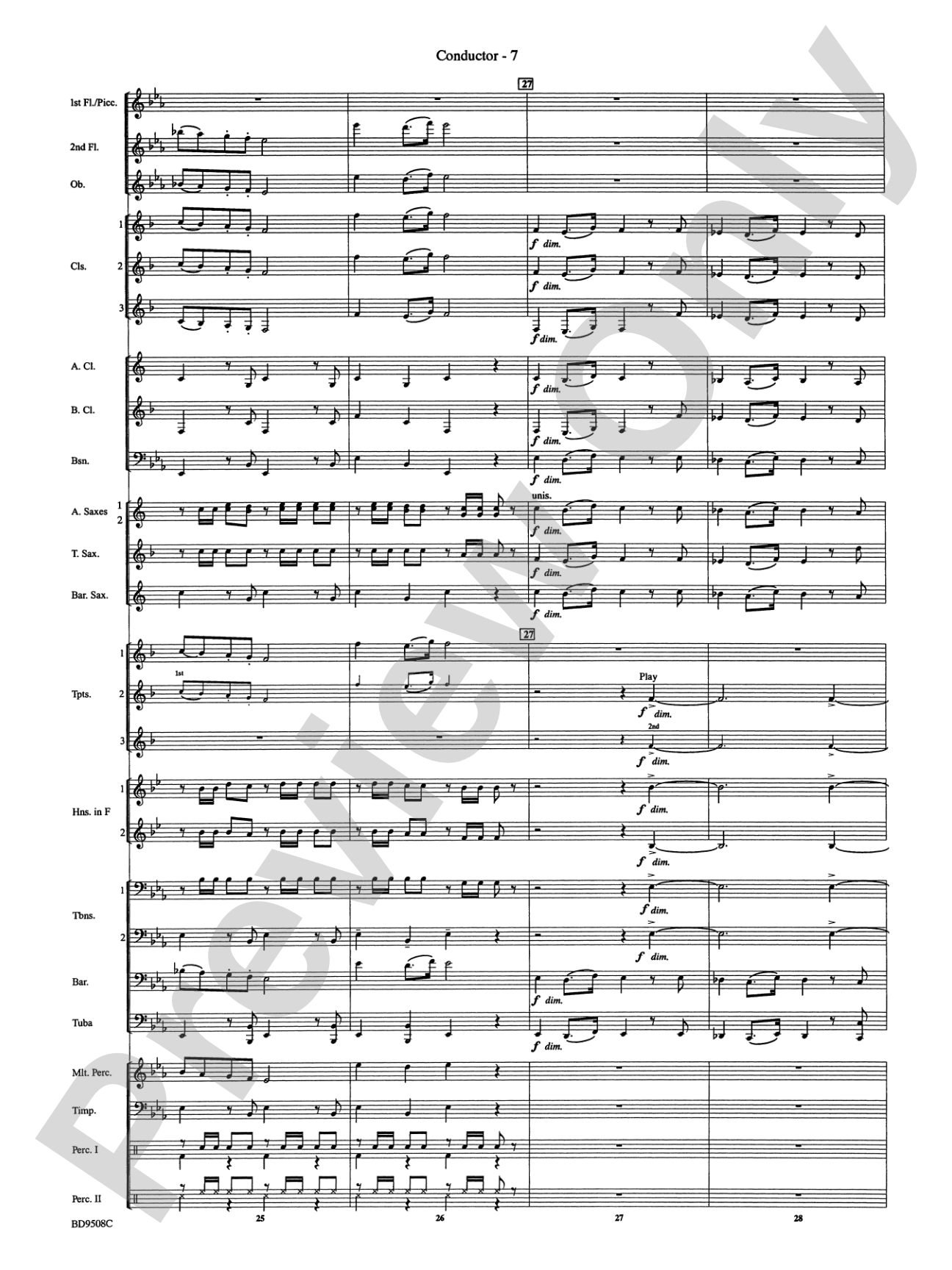
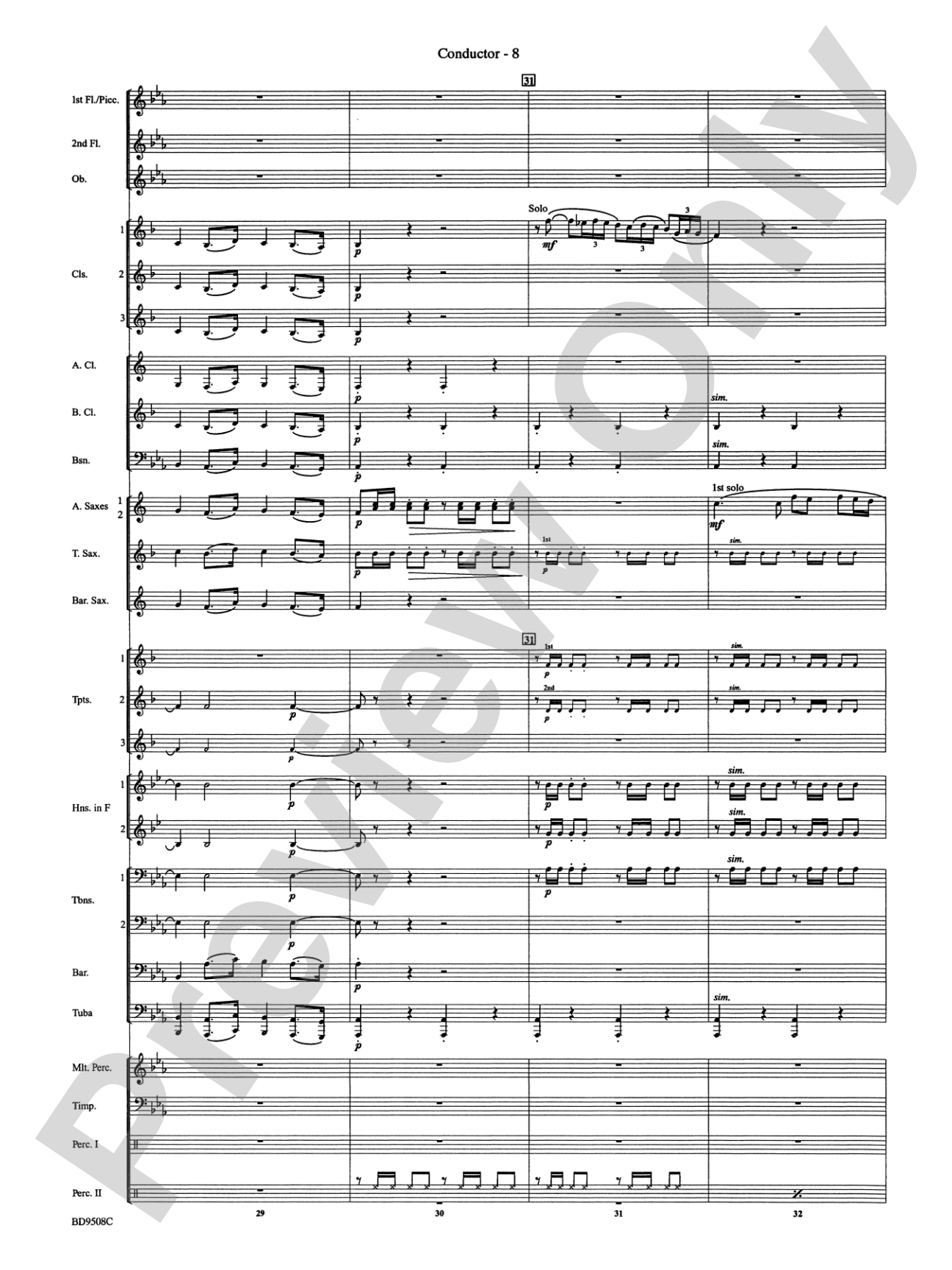
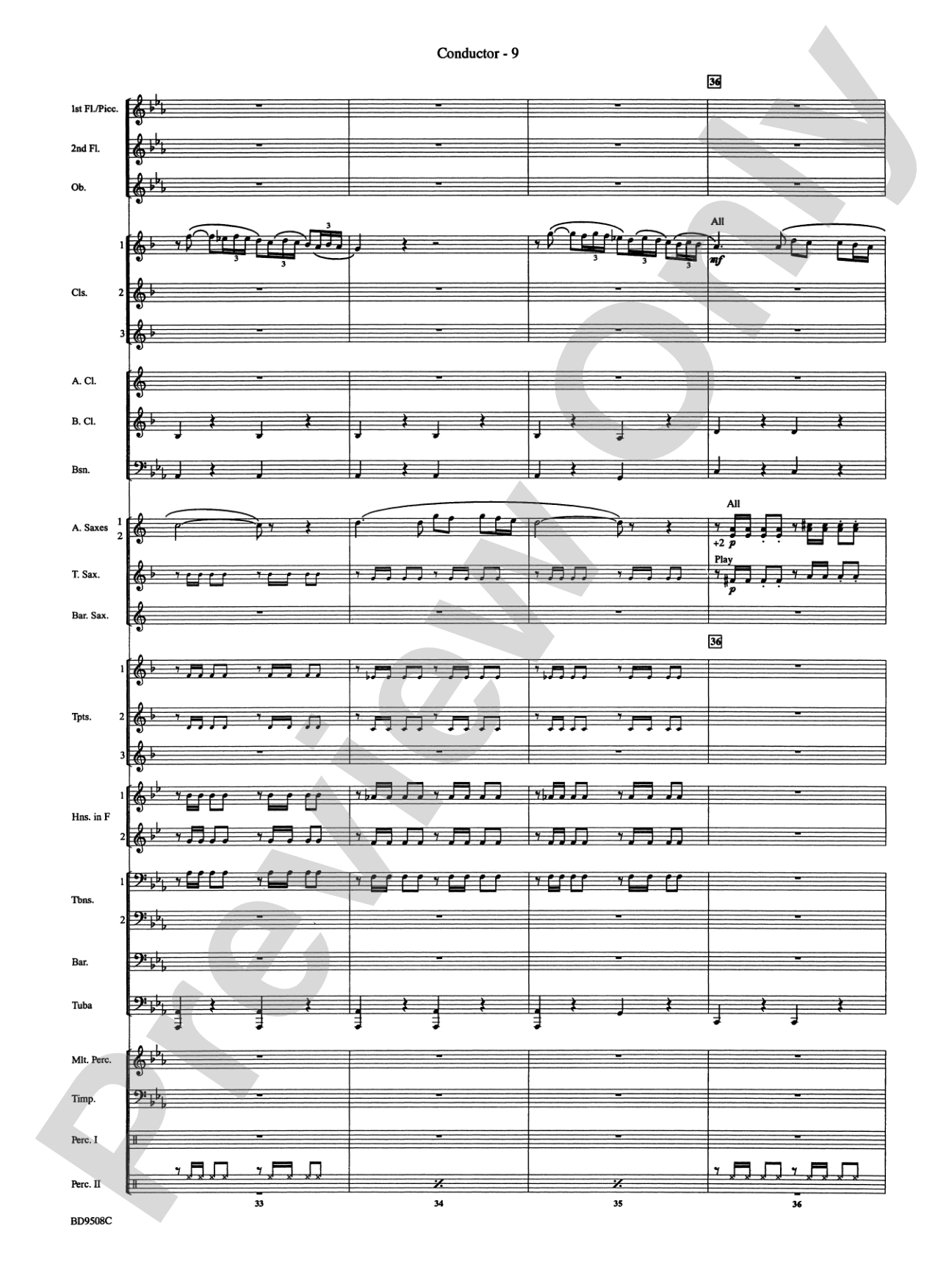
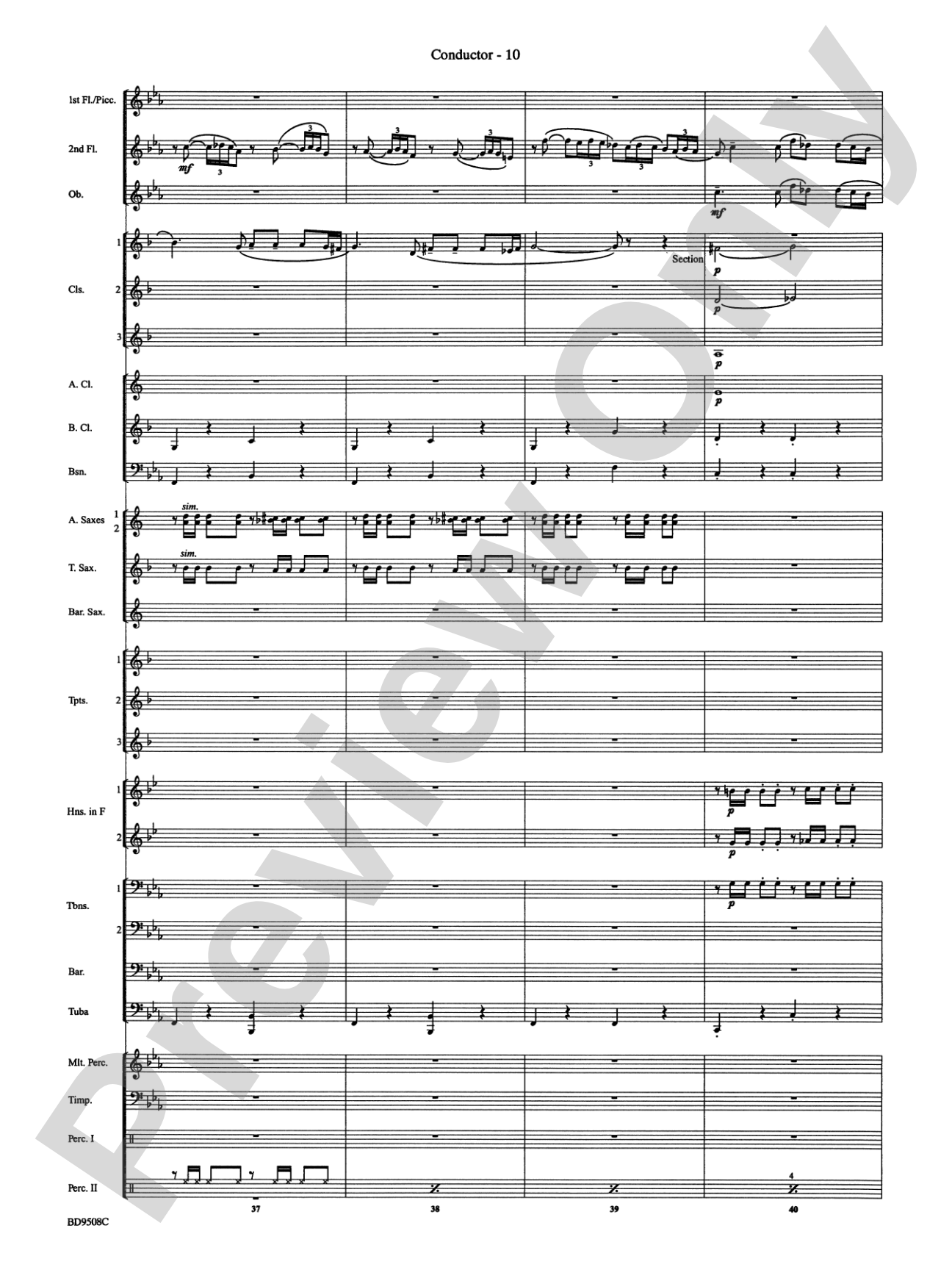
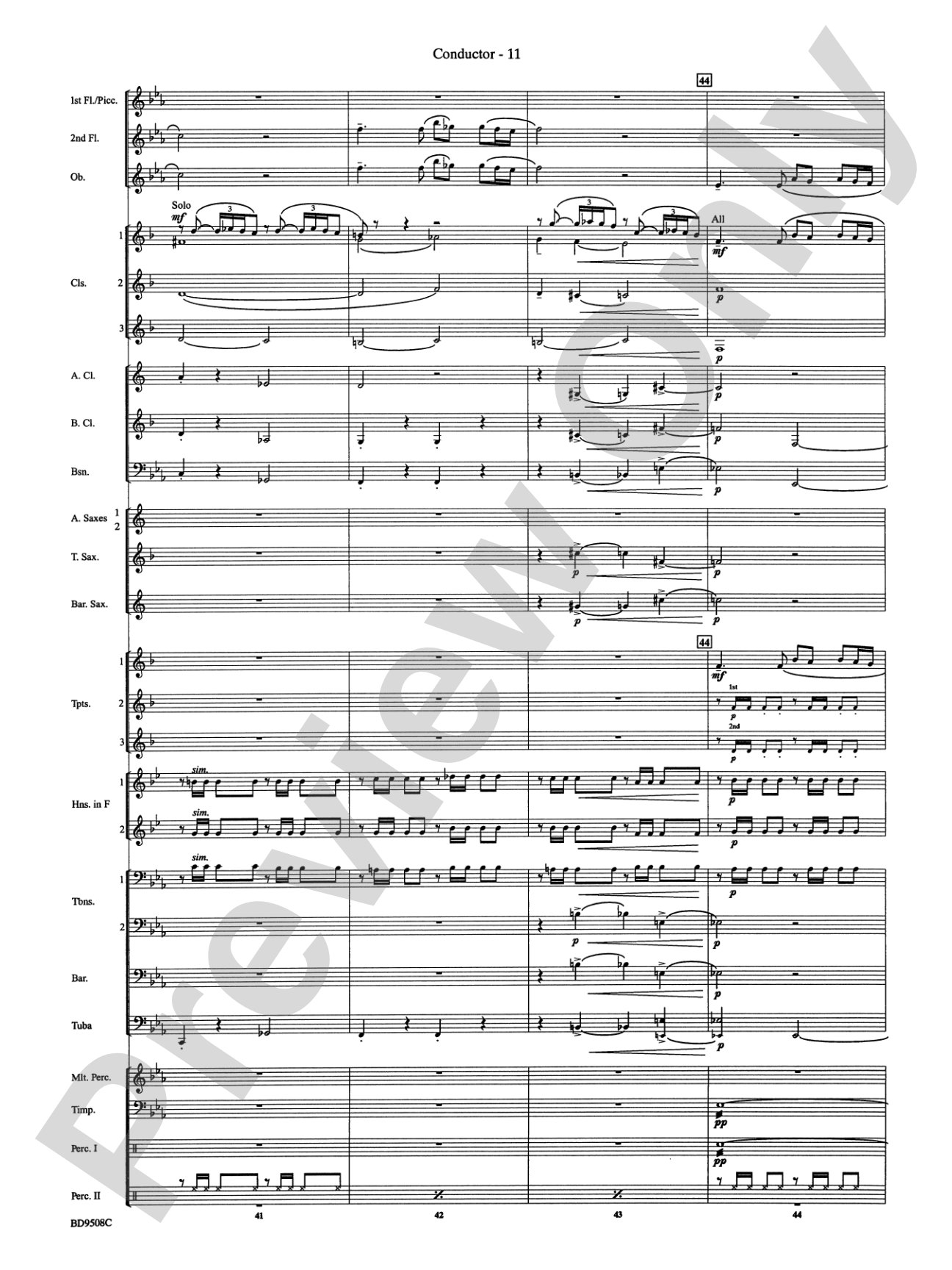
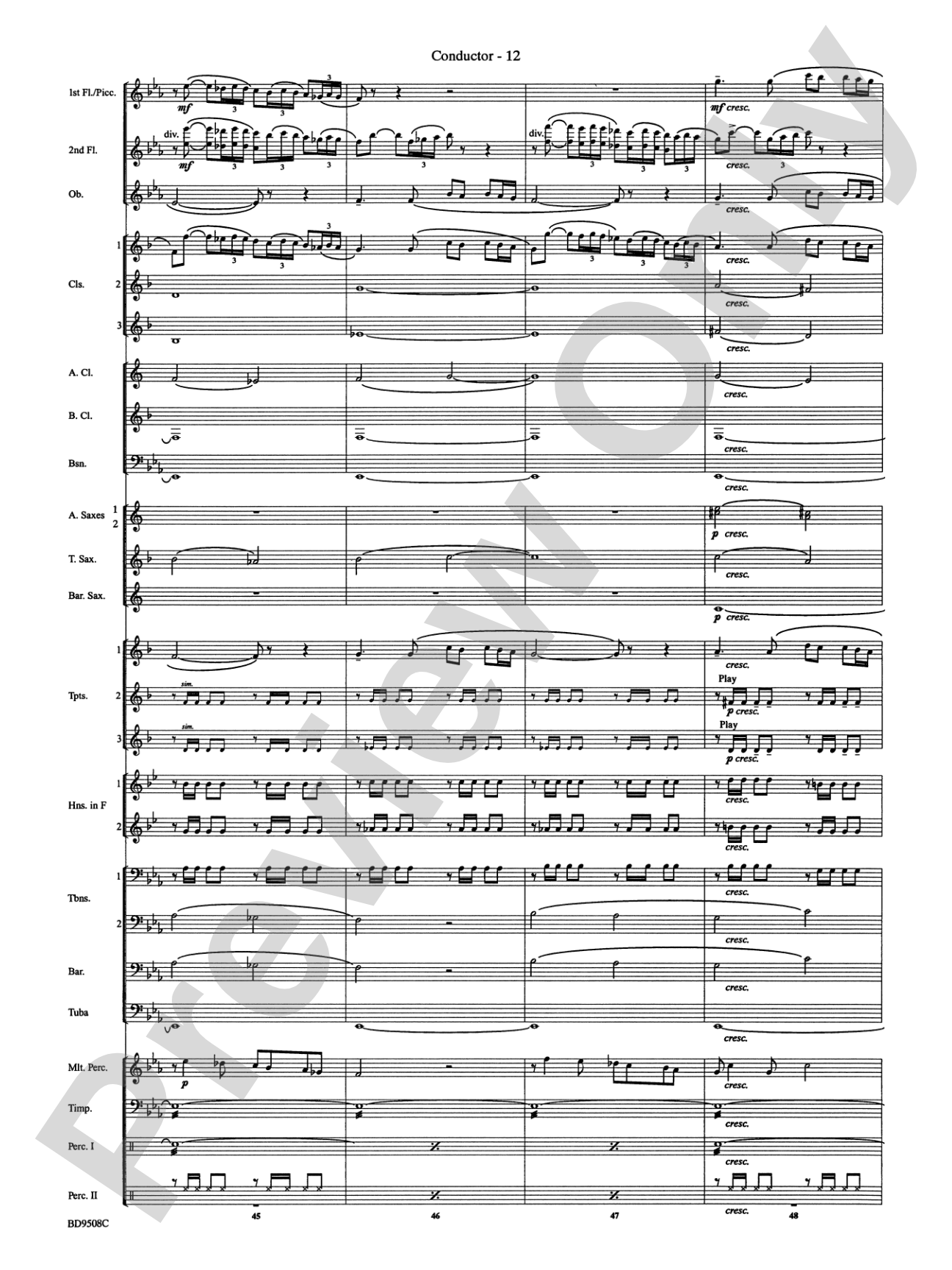
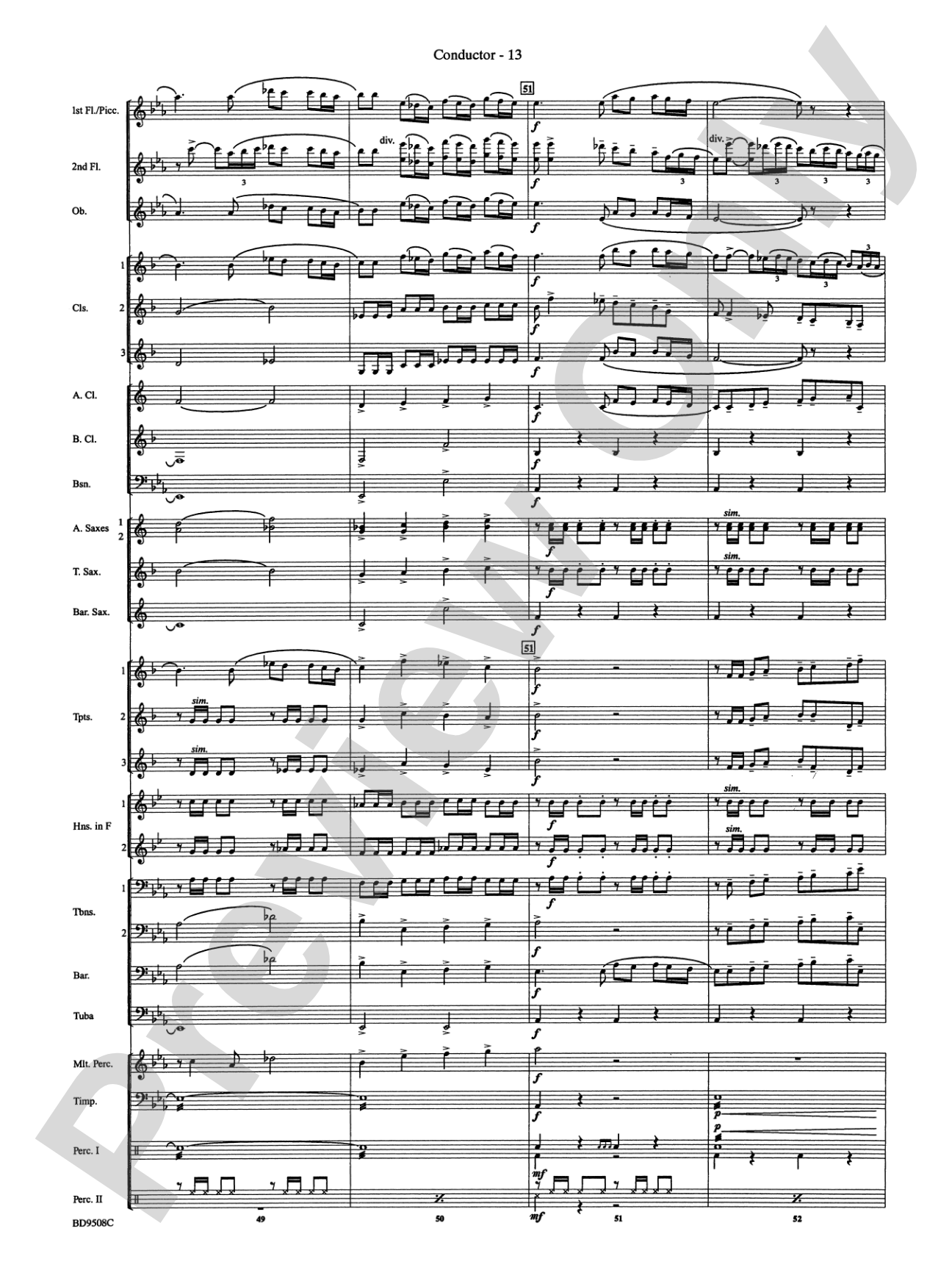
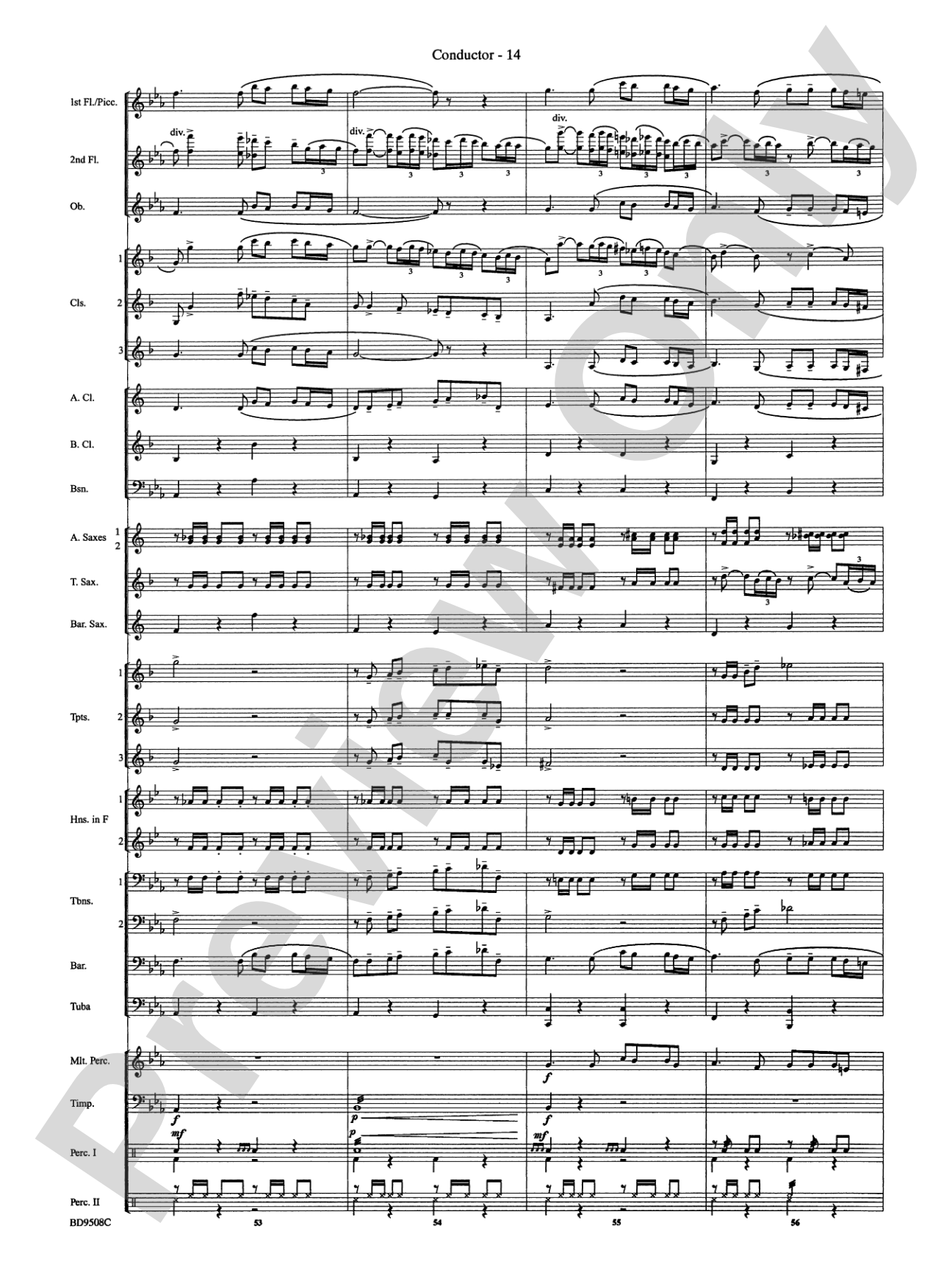
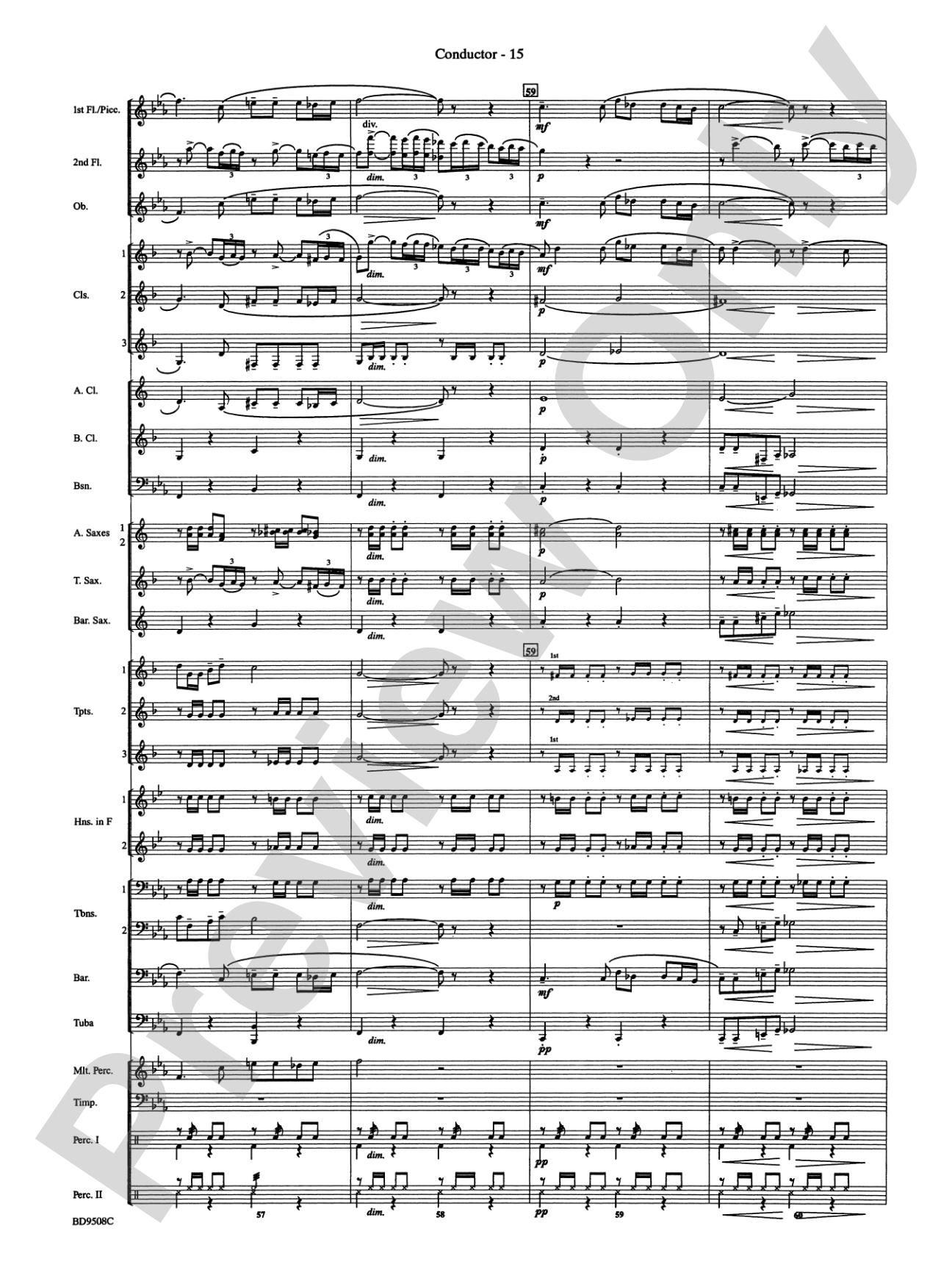
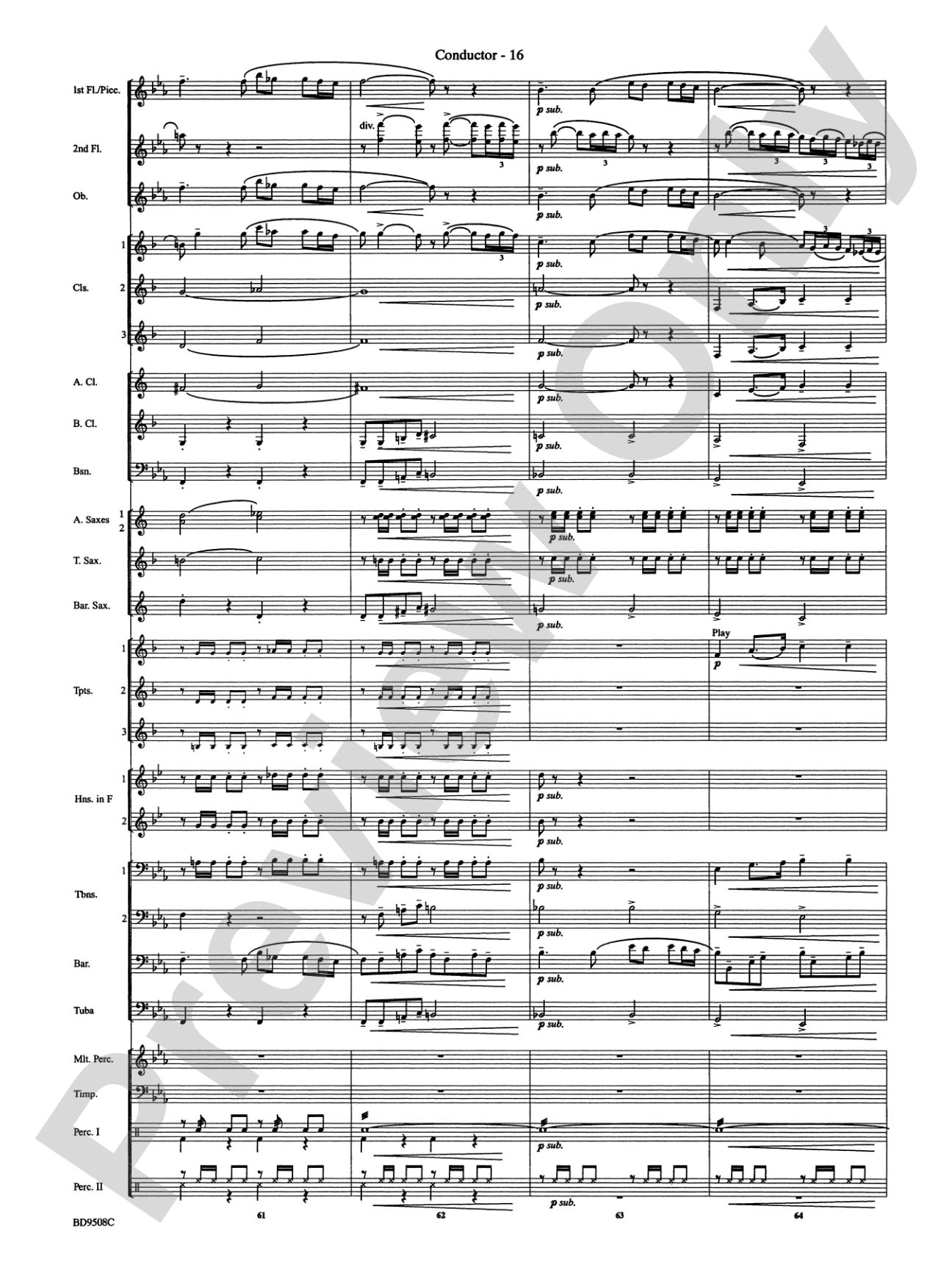
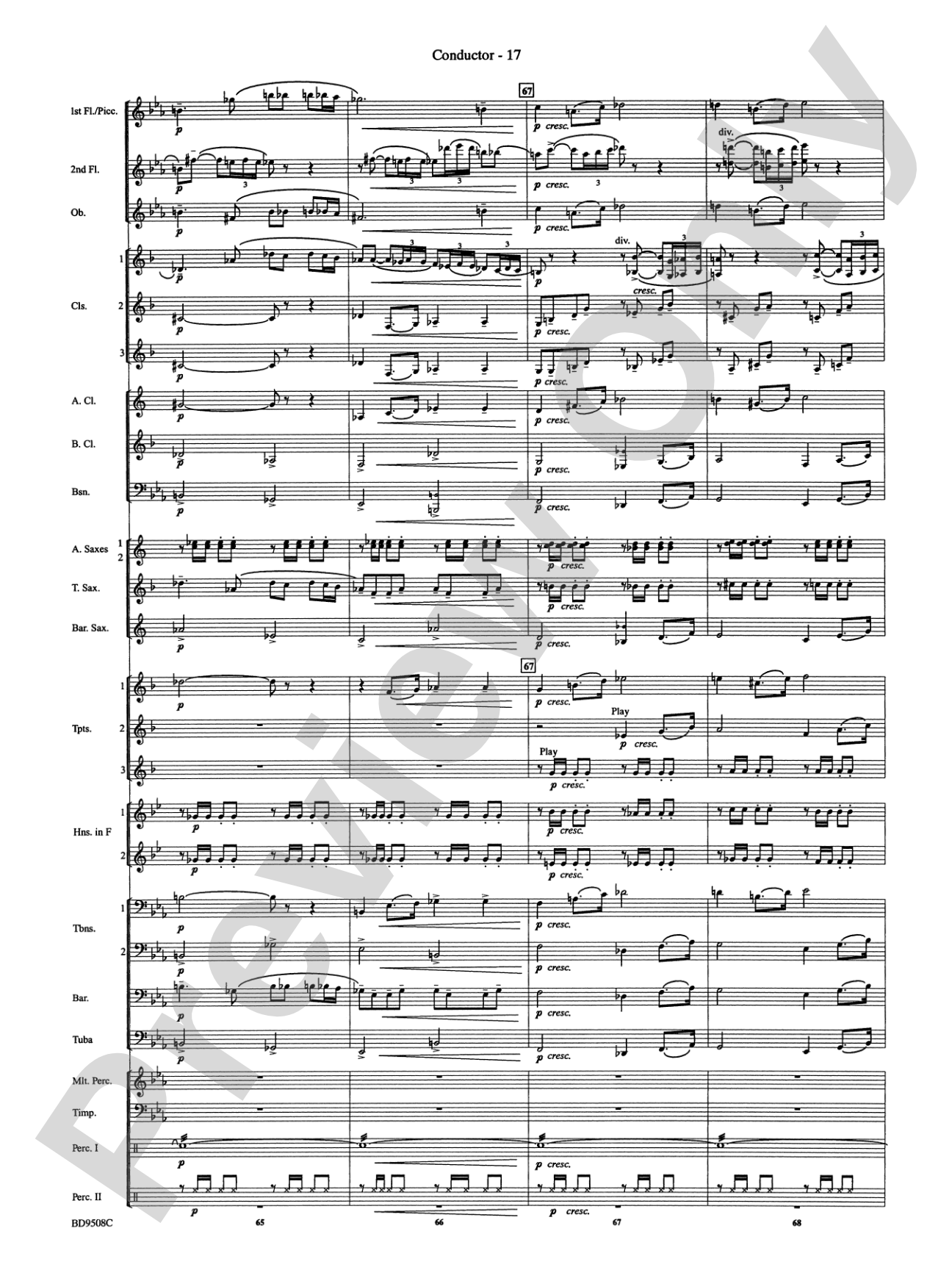
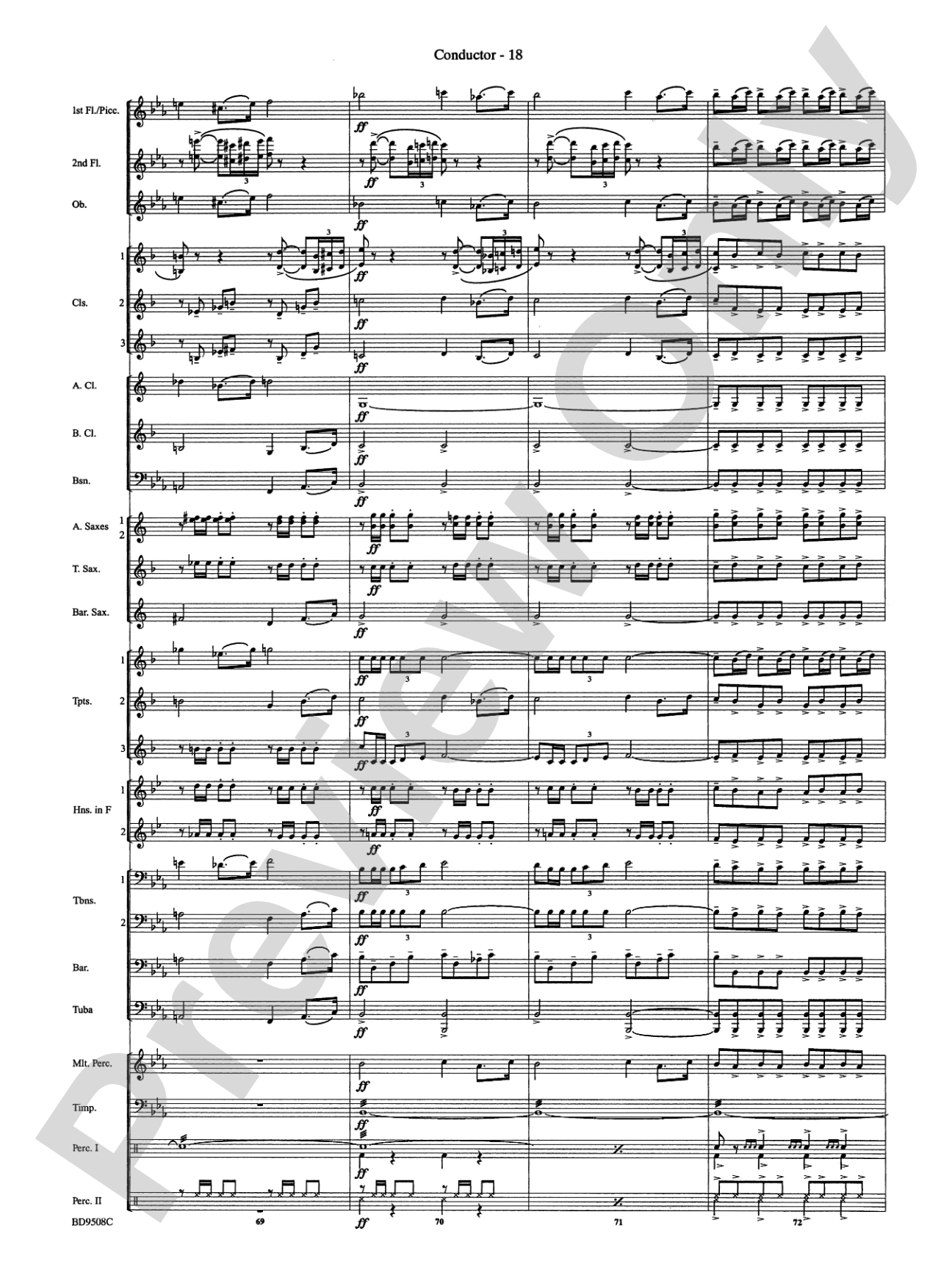
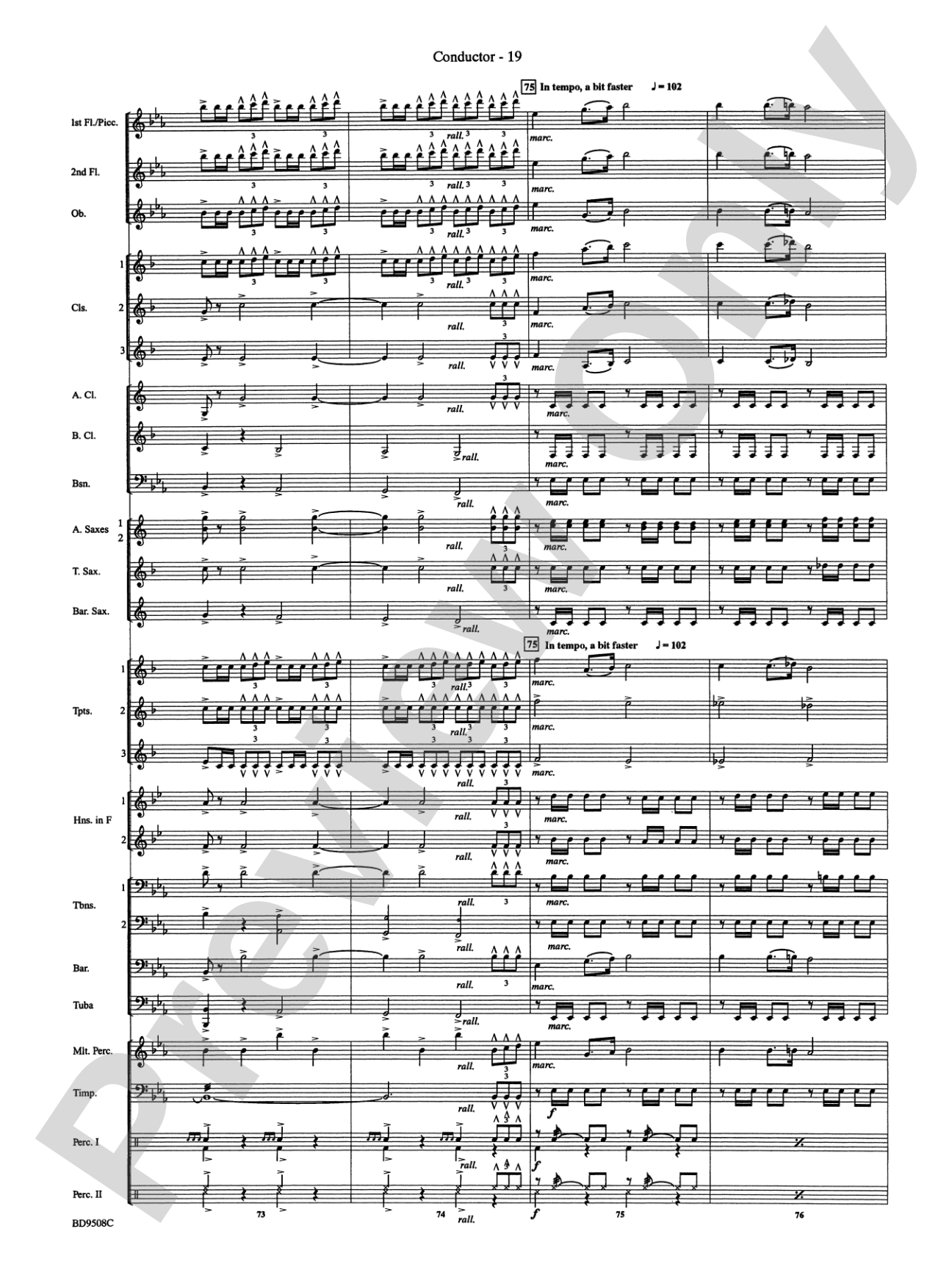
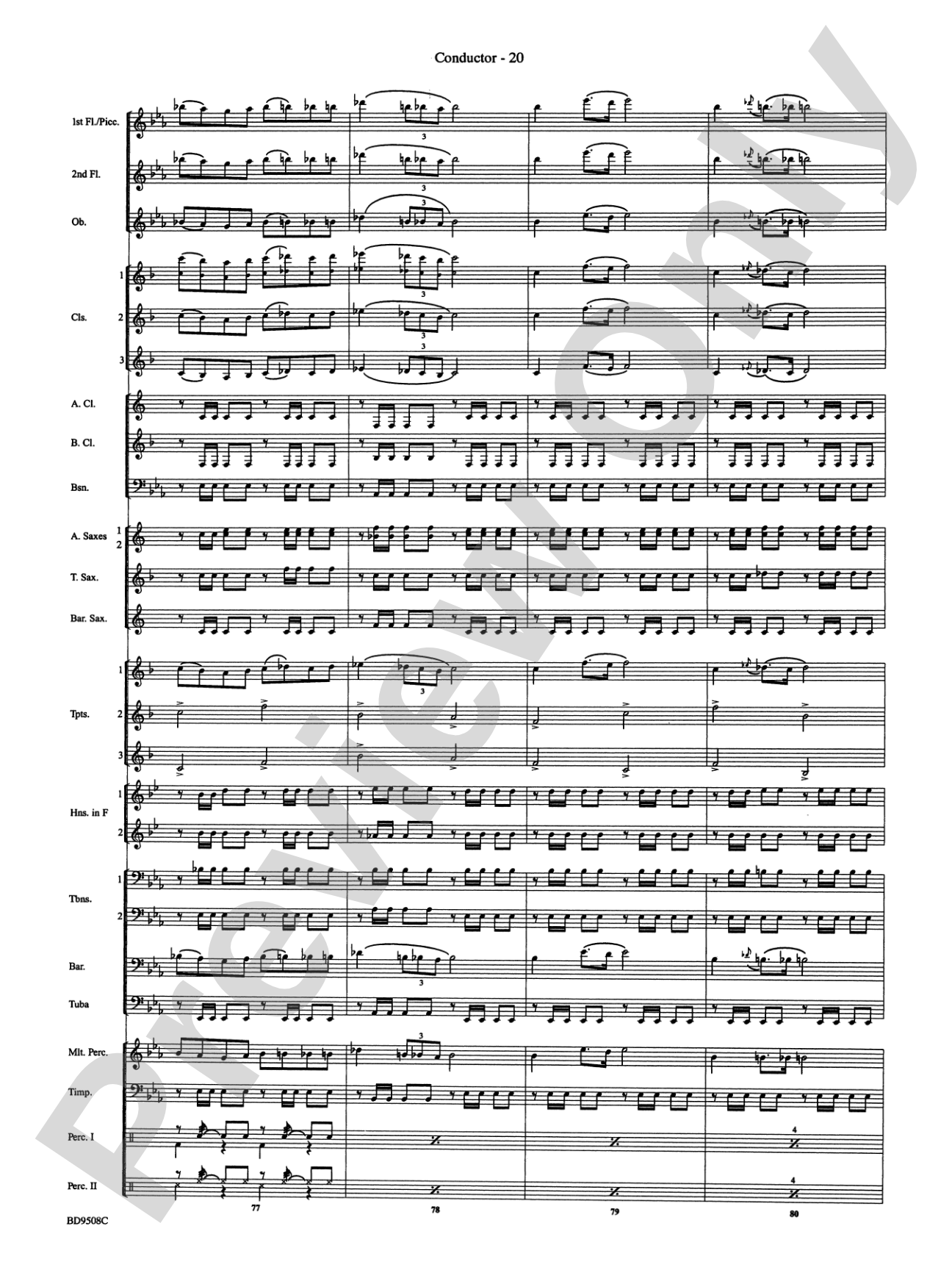
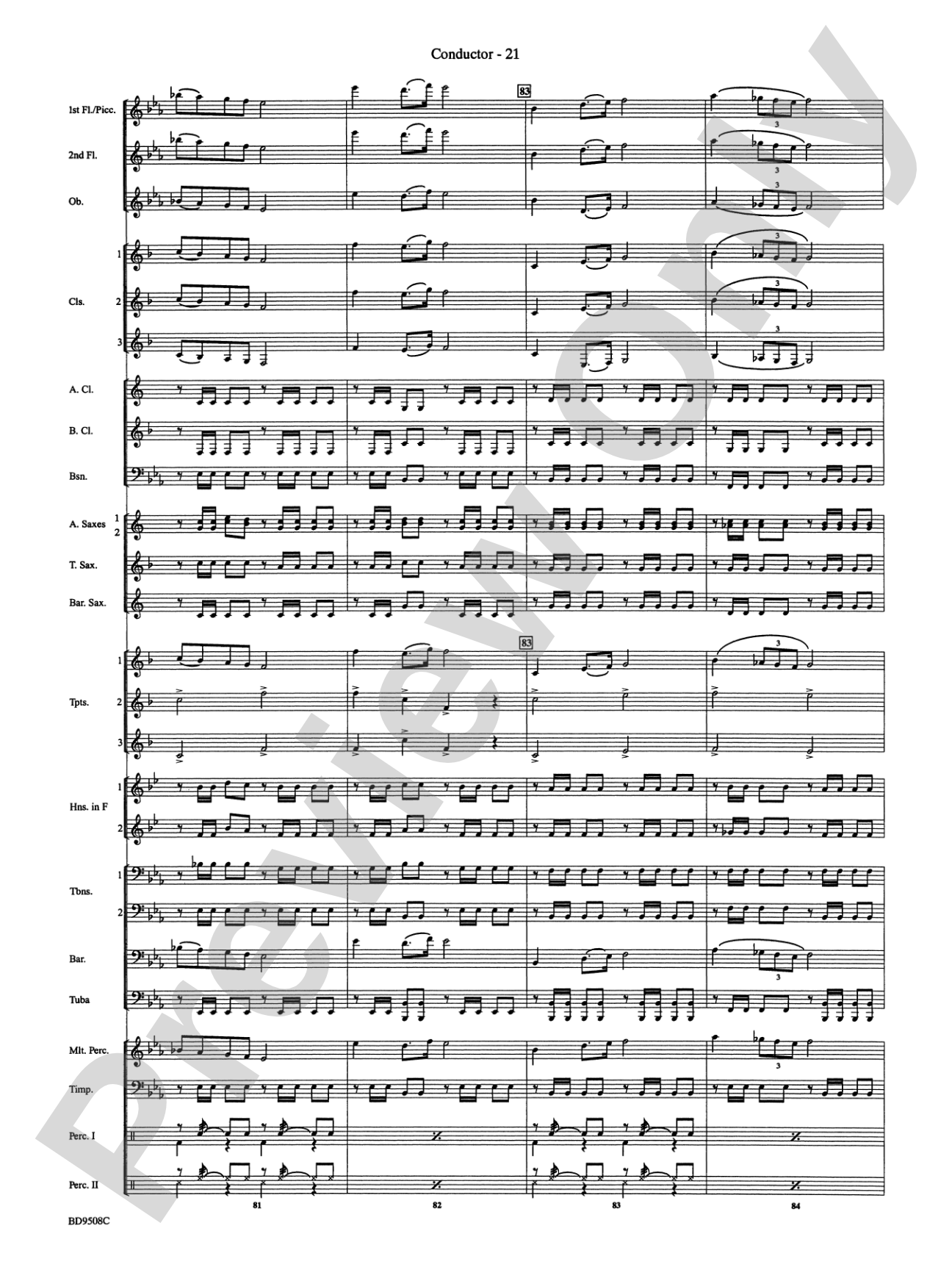
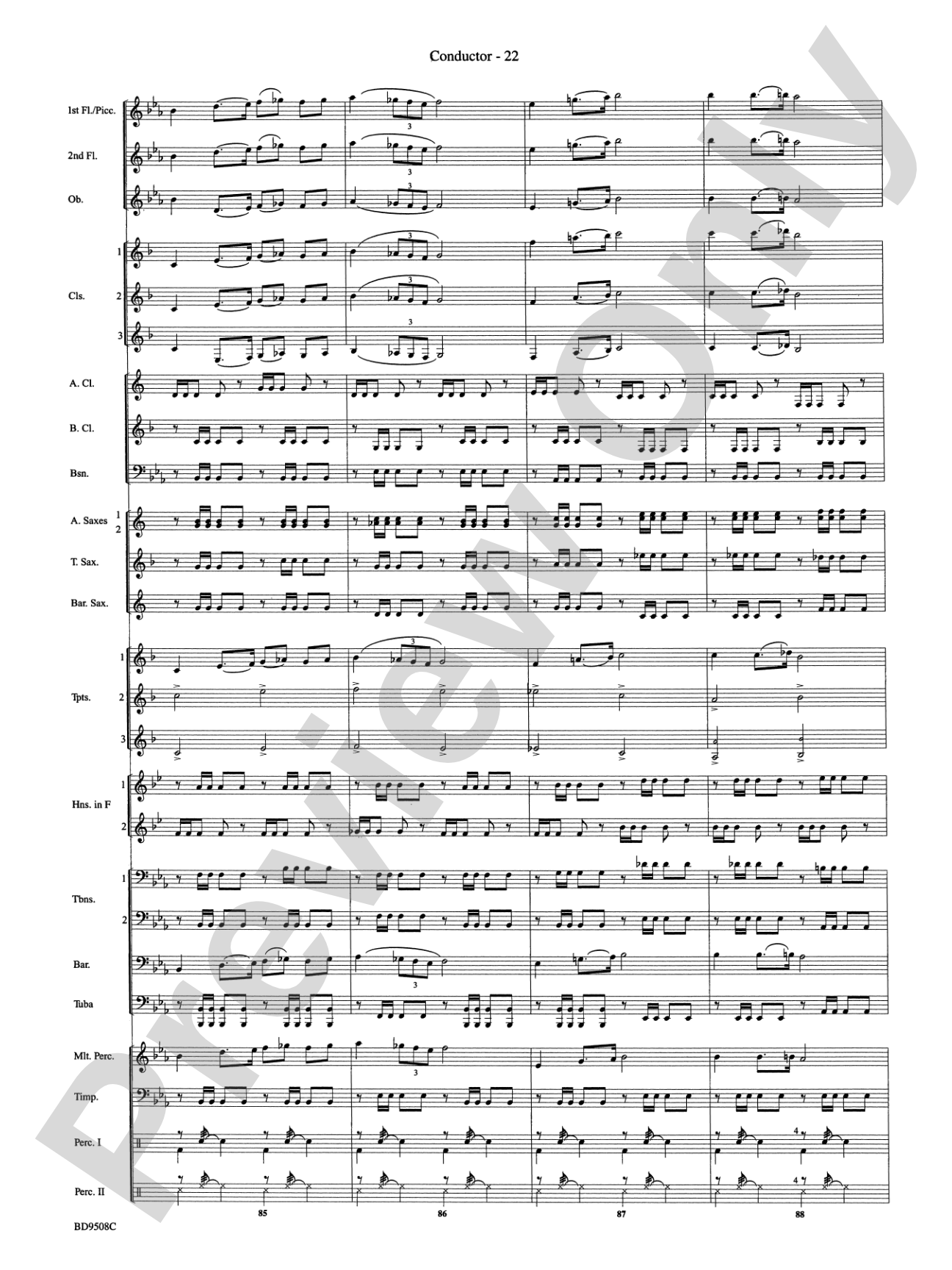
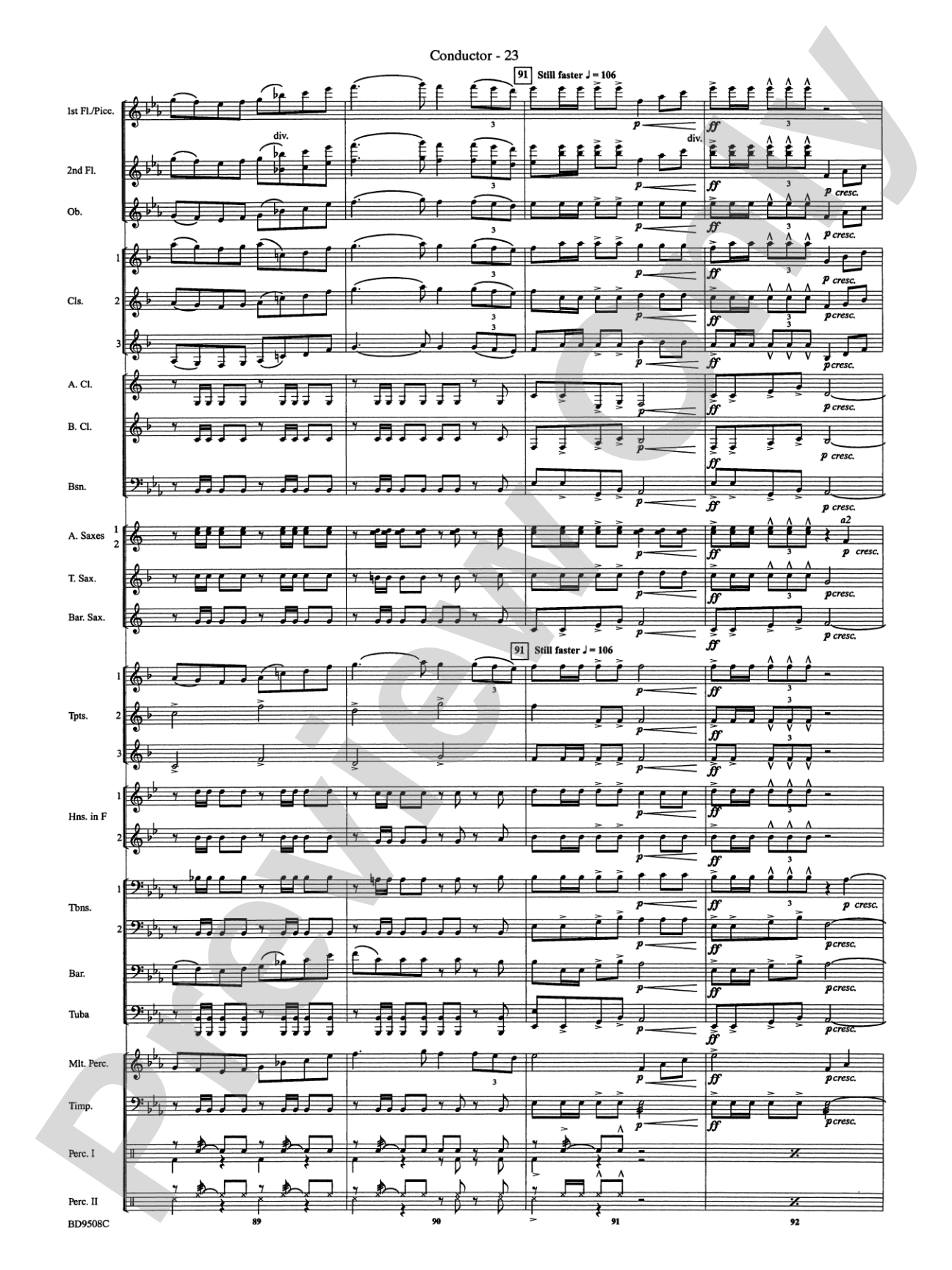
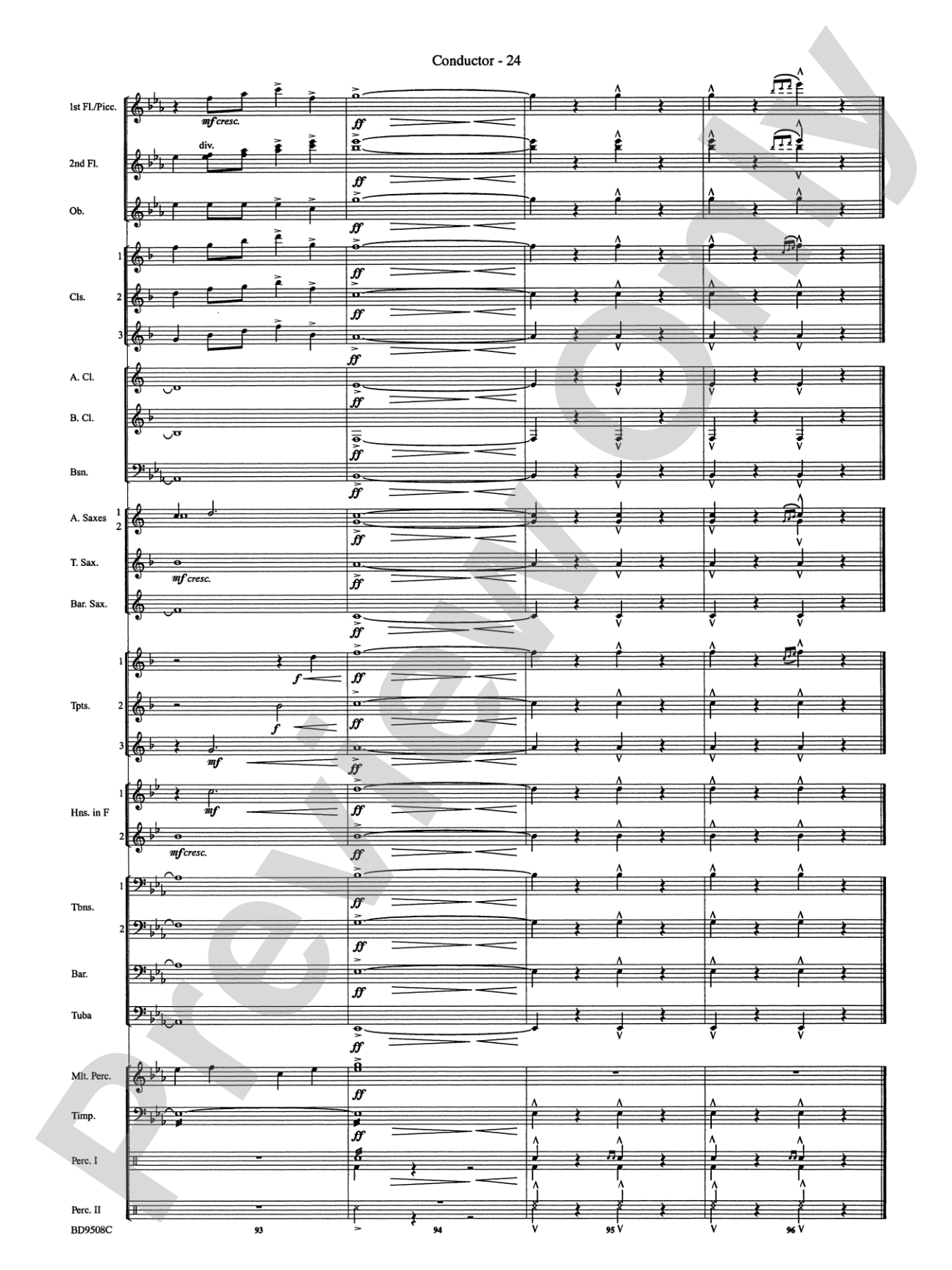



Procession of the Sardar (from Caucasian Sketches): Score
By Mikhail Ippolitov-Ivanov / arr. Calvin Custer
Grade: 3 (Medium Easy)
Item: 00-PR-0001983
$9.00
Pickup currently not available
Description
Throughout his compositional career, Mikhail Mikhaylovich Ippolitov-Ivanov (a pupil of Rimsky-Korsakov) was fascinated with things oriental, and often wrote with a folksong-based programmatic nationalism. Calvin Custer has transformed this section of Ippolitov-Ivanov's orchestral suite Caucasian Sketches into a superior work for concert band. The essence of mystery vividly transfers from the orchestral medium to winds and percussion. (4:10)


Don't just read it, hear it, play along with it, and watch your students grow with it. In MakeMusic Cloud, Procession of the Sardar (from Caucasian Sketches): Score comes alive with professional accompaniment, adjustable tempo, and built-in practice tools that turn solo practice into real progress.
Open in the Player
Jump straight in and assign it today.
Start Your Free Trial
Open this title and explore the full library in minutes.
Sample Audio
No sample audio found.
Sample Video
No sample videos found.
Additional Details
Series:
Belwin Concert Band
Publisher:
Alfred Music
Page Count:
266
SKU:
00-PR-0001983
More about this title
About the Composer: Nicolai Ippolitov-Ivanov
Nicolai Ippolitov-Ivanov (1859-1935) was a Russian composer and conductor whose formative studies under Nikolai Rimsky-Korsakov shaped his lifelong interest in orchestration and folk music. His compositional voice blended nationalist themes with orientalist imagery, drawing inspiration from the diverse musical cultures of the Caucasus and Central Asia.
Ippolitov-Ivanov's orchestral suites remain staples of the concert repertoire, valued for their vivid color, rhythmic vitality, and accessible melodic writing. His works demonstrate how sophisticated harmonic and timbral ideas can remain engaging and performable for advancing musicians.
Why we love this
Calvin Custer's arrangement captures the atmospheric mystery and rhythmic drive of the original orchestral score while exploiting the full range of concert band color. The Grade 3 difficulty level makes a genuine masterwork accessible without oversimplifying the essential character, making this an excellent choice for bands seeking repertoire that sounds impressive without requiring virtuosic technical demands.
What to expect
Exotic mystery unfolds through a disciplined procession. The writing evokes a ceremonial journey across unfamiliar terrain, with brooding minor-key melodies and distinctive orchestration creating an atmosphere both distant and deeply expressive. The rhythmic drive beneath creates forward momentum that propels the listener through shifting instrumental colors and layered textures.
Who it's for
Bands at the Grade 3 level seeking substantial, concert-worthy repertoire that engages audiences with recognizable style and harmonic language. Directors looking for a masterwork arrangement that challenges the ensemble musically without requiring advanced technical facility across all sections will find this particularly rewarding.
How to get the most out of it
- Balance the serpentine melody line between woodwind sections; the opening oboe theme needs space before the full ensemble enters, so resist the urge to blend it too early.
- Establish a steady, confident pulse in the processional sections. Ippolitov-Ivanov's orchestration creates momentum through rhythmic layering rather than tempo, so lock the ensemble onto the conductor's beat before worrying about nuance.
- Shape the dynamic arc by section rather than phrase to phrase. The piece builds through accumulation of instrumental colors, so each entrance should feel deliberate and add weight to what's already sounding.
- Attend to the percussion writing; the timpani and bass drum define the processional character, and their entrances should cut through cleanly without overwhelming the winds.
How to use it
Program this as the centerpiece of a concert exploring masterwork arrangements, where its dramatic presence and sophisticated sound will impress audiences without requiring advanced technical prowess from the ensemble. It pairs effectively with lighter contemporary works or shorter classical selections, allowing it to anchor a program without overwhelming it. The 4:10 duration makes it ideal for concert programming and festival appearances.
Skills your students will build
- Balancing multiple melodic lines across woodwind and brass sections
- Sustaining consistent tone quality during long crescendos
- Responding to subtle dynamic shaping within a processional metric structure
- Reading chromatic melodic passages and modal harmonic language
- Executing clear articulation in rhythmic unison sections