


Primitivo: Score
By Michael Story
Grade: 1.5
Item: 00-PR-0001502
$8.00
Pickup currently not available
Description
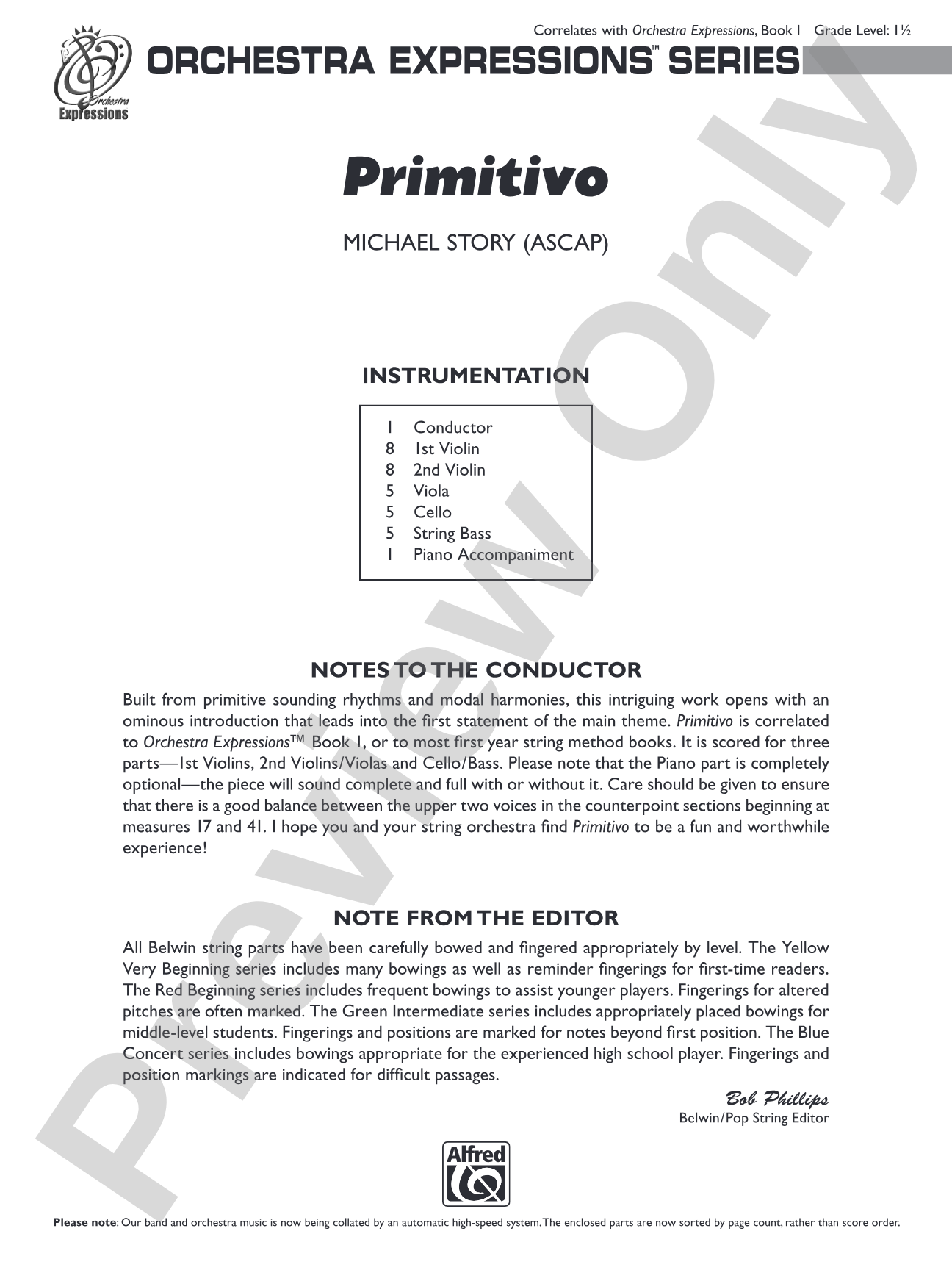
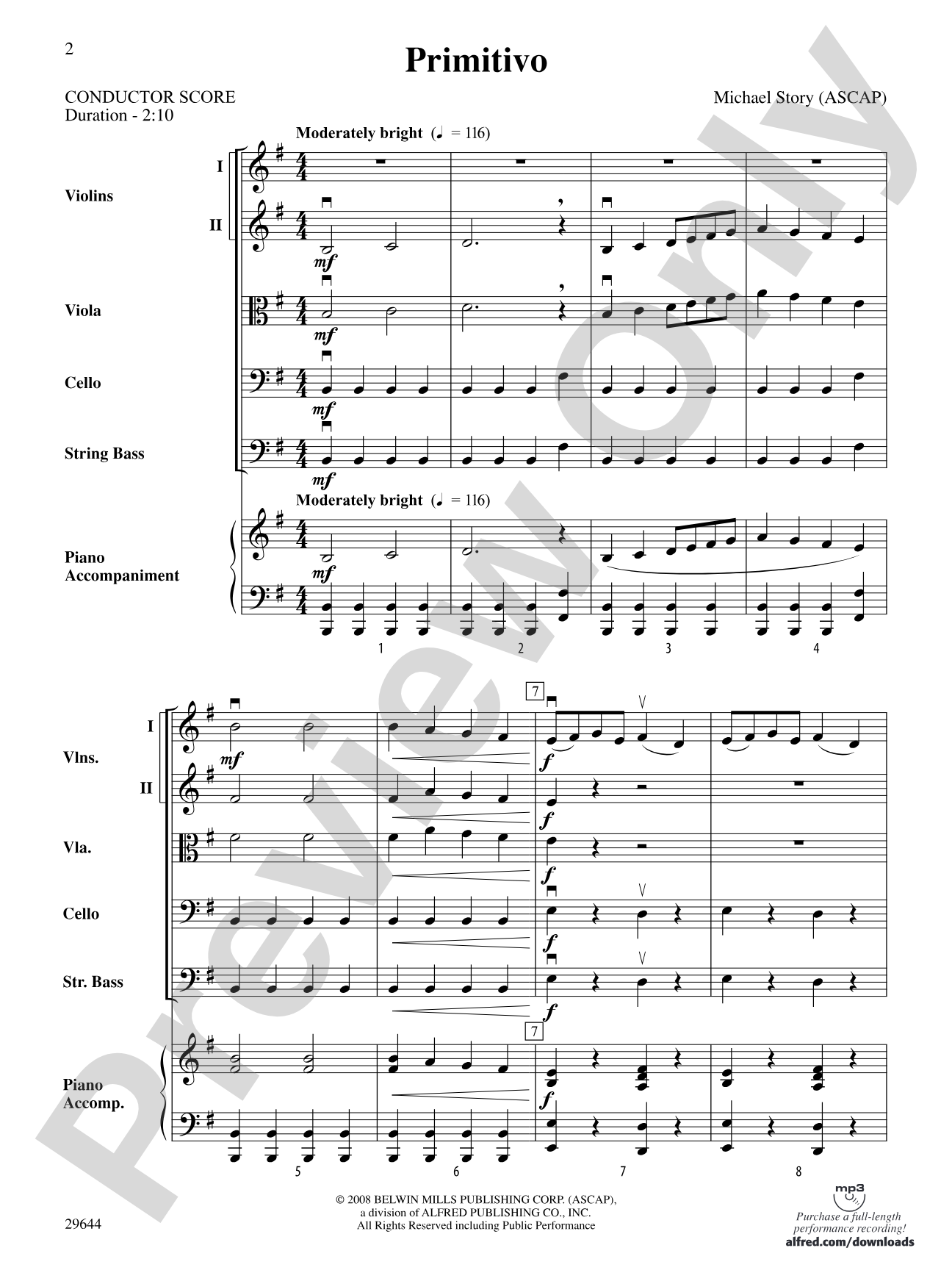
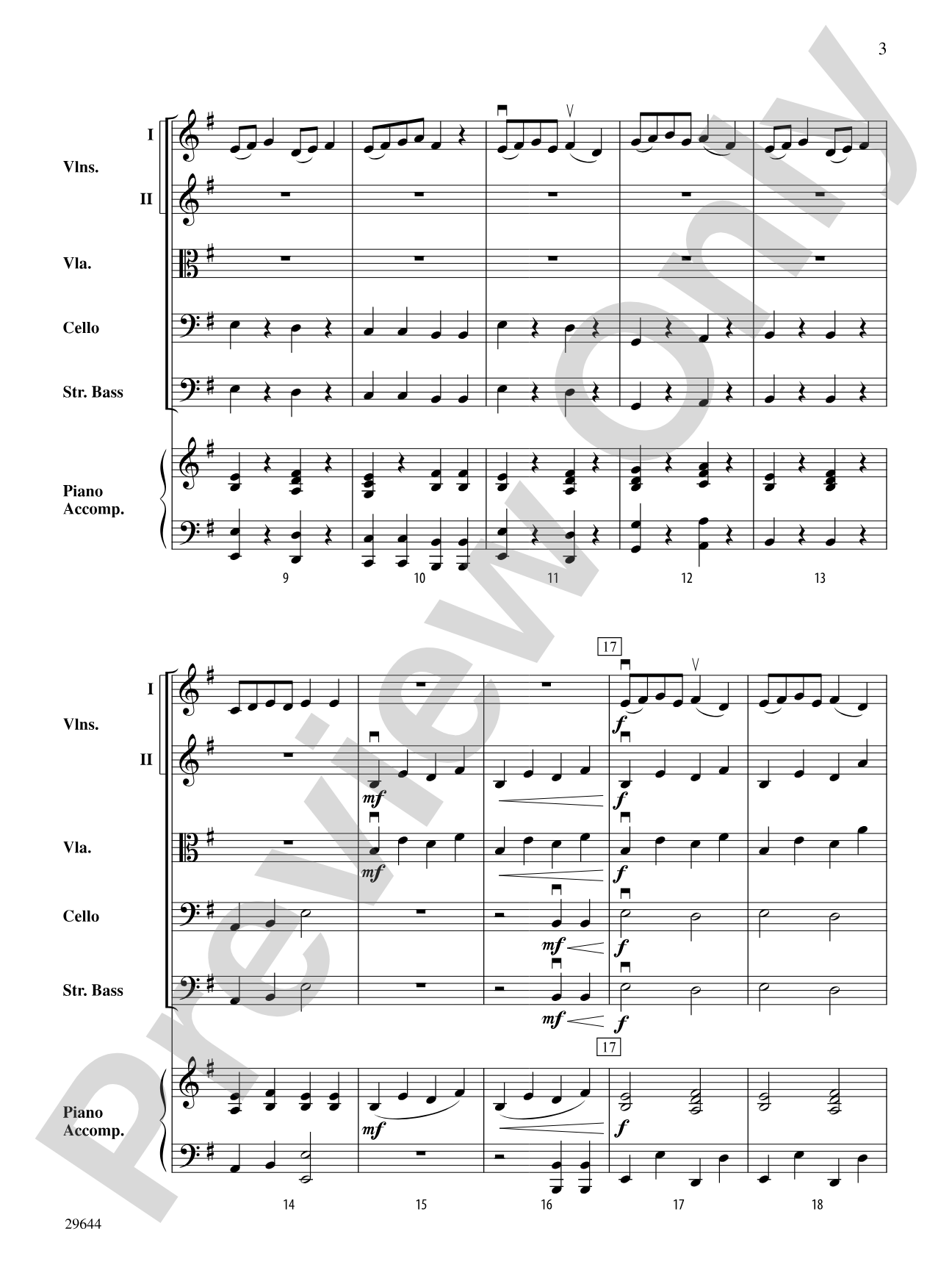
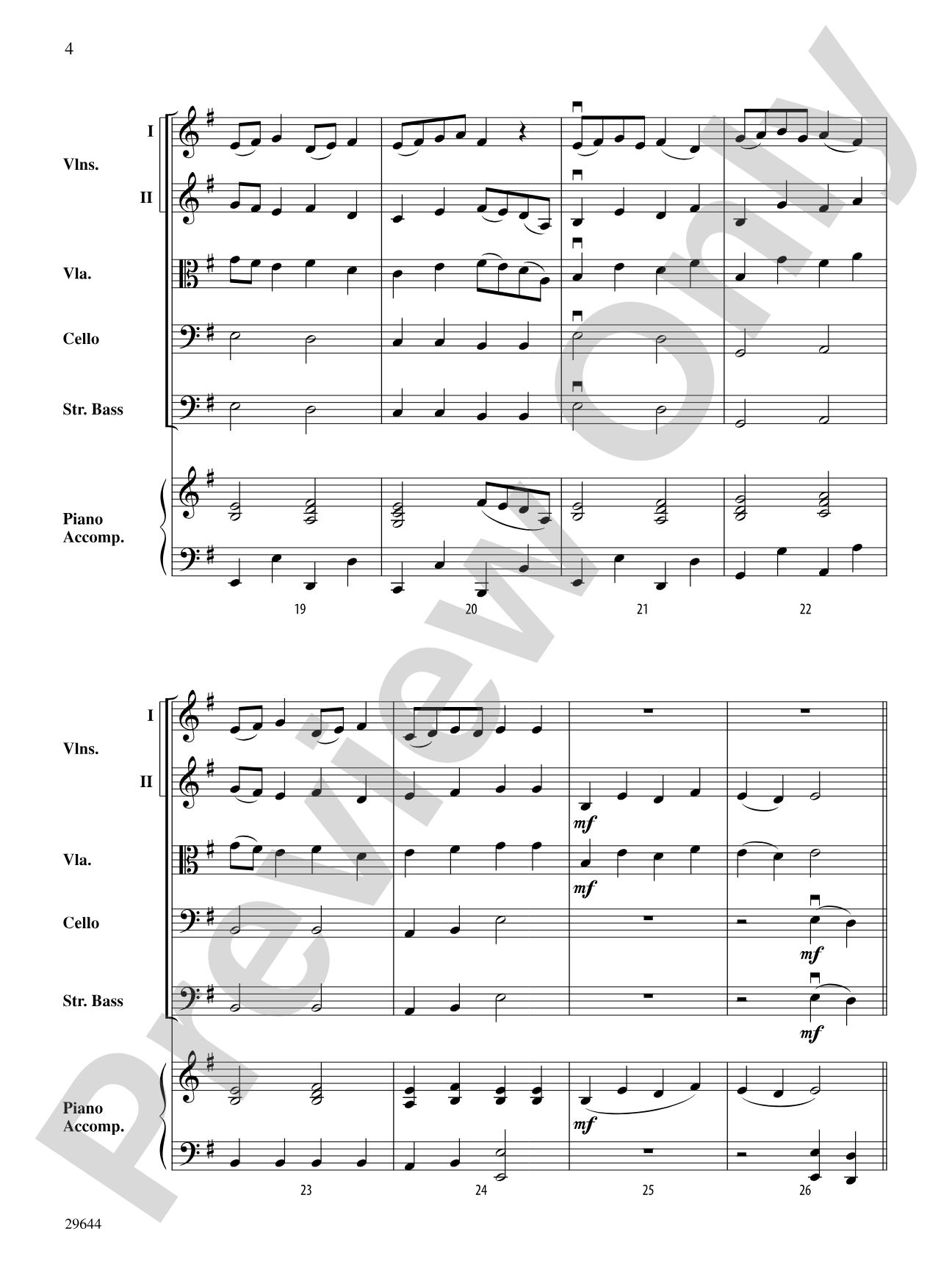
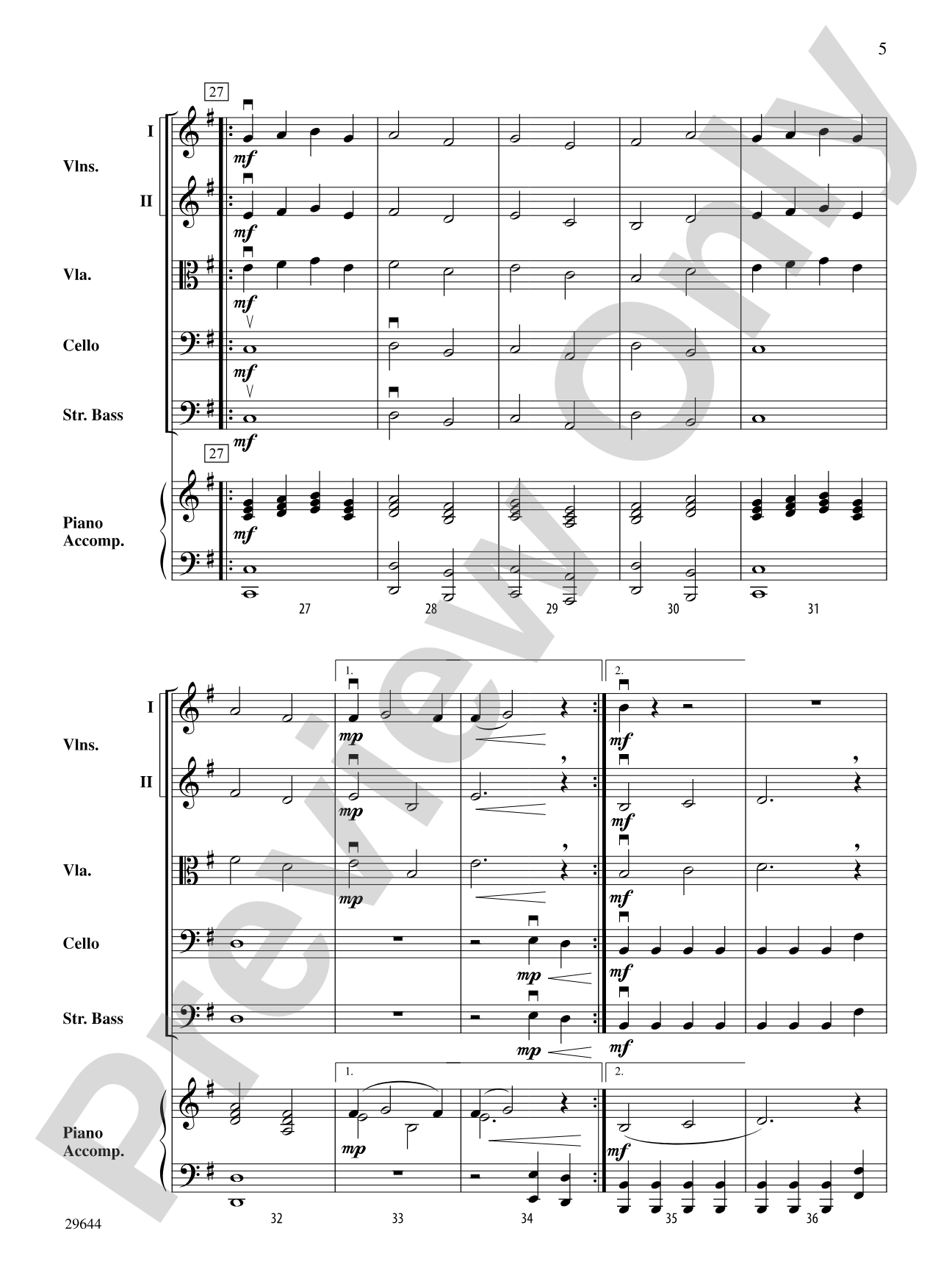
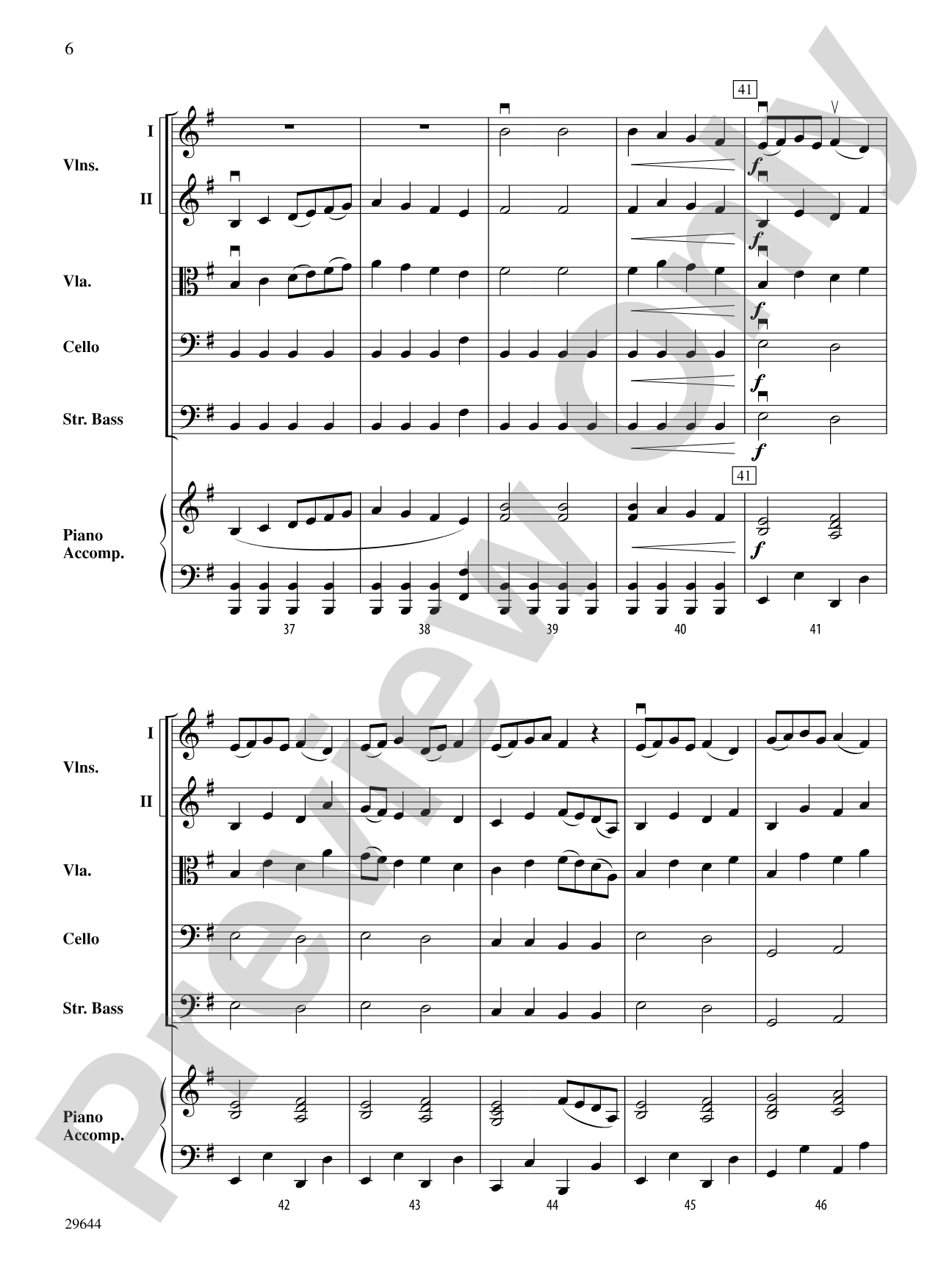
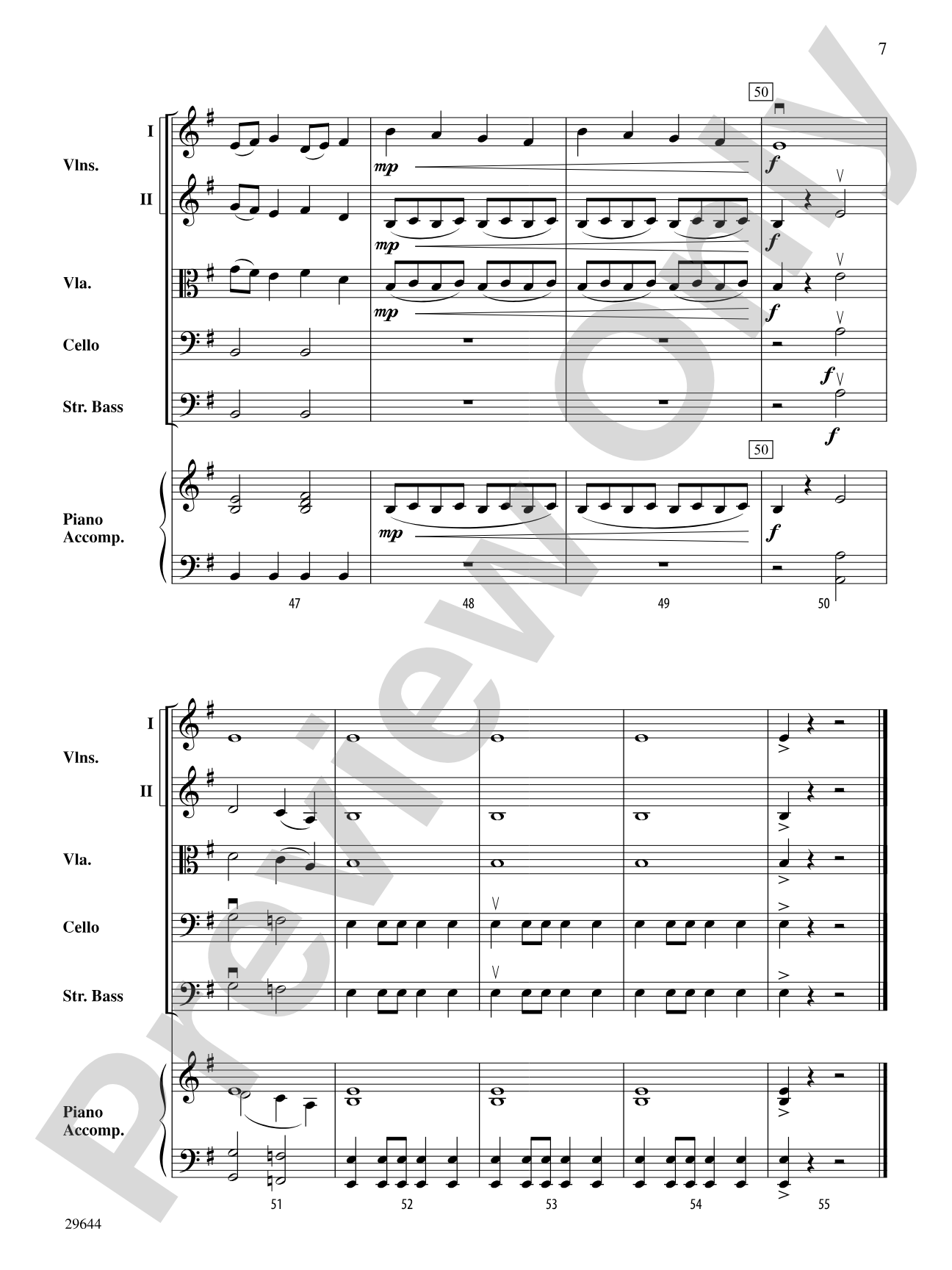
Built from primitive sounding rhythms and modal harmonies, this intriguing work opens with an ominous introduction that leads into the first statement of the main theme. Educational opportunities abound in this energetic piece, including some easy two-part counterpoint between the 1st violins and 2nd violins/viola. Primitivo, which is correlated to Orchestra Expressions Book 1, or to most first year method books, is certain to capture the imaginations of students and audiences alike! (2:10)


Don't just read it, hear it, play along with it, and watch your students grow with it. In MakeMusic Cloud, Primitivo: Score comes alive with professional accompaniment, adjustable tempo, and built-in practice tools that turn solo practice into real progress.
Open in the Player
Jump straight in and assign it today.
Start Your Free Trial
Open this title and explore the full library in minutes.
Sample Audio
1
Audio File
--:--
0:00
0:00
Sample Video
No sample videos found.
Additional Details
Series:
Orchestra Expressions
Publisher:
Alfred Music
Page Count:
66
SKU:
00-PR-0001502
More about this title
About the Composer: Michael Story
Michael Story is a prolific composer and arranger whose catalog spans band, orchestra, and choral literature. His work is distinguished by clarity of orchestration, pedagogical insight, and an instinct for engaging younger musicians without condescending to them. Story's pieces appear regularly on contest lists and in school concert programs across North America, reflecting his deep understanding of what student musicians can accomplish at each level of development.
Why we love this
Story constructs genuine musical interest from economical means here. The modal harmony and rhythmic foundation feel fresh rather than simplistic, and the two-part counterpoint between violins and violas gives students real ensemble work to solve rather than padding around a melody. Directors appreciate that this piece sounds substantial in performance while remaining accessible to first-year orchestras.
What to expect
The piece unfolds like a ritual: a shadowy, unsettled opening gradually gives way to a propulsive, almost hypnotic main theme built from relentless rhythmic figures and modal shifts. There's an elemental quality to the writing, as if the orchestra is discovering these patterns for the first time, with an energy that feels both ancient and contemporary.
Who it's for
Conductors building a first-year string orchestra need repertoire that challenges students musically without overwhelming them technically. Primitivo fits squarely into that curriculum, pairing well with players who have completed foundational method materials and are ready to explore compositional language beyond diatonic writing.
How to get the most out of it
- Shape the ominous introduction with dynamic clarity and deliberate pacing; resist rushing the establishment of mood, which sets up the theme's impact.
- Isolate the counterpoint between first violins and second violins/viola in sectional rehearsals before combining with full ensemble, ensuring both lines are heard distinctly.
- Lean into the primitive rhythmic language by committing fully to its repetitive energy; under-projecting the pulse will make the piece feel tentative rather than hypnotic.
- Balance the modal harmony's open sonorities by maintaining clean intonation in sustained chords, particularly where harmonic movement is spare.
How to use it
Program this as a concert opener to establish distinctive musical character early, or position it mid-program where its energetic drive provides contrast to lyrical or romantic repertoire. At just over two minutes, it also serves as an ideal festival or contest selection for orchestras seeking to build confidence on stage with material that sounds mature.
Skills your students will build
- Reading and playing modal melodies and harmonies
- Executing two-part counterpoint between violin sections
- Maintaining rhythmic precision in repetitive, syncopated figures
- Balancing open, sparse harmonic textures and controlling intonation
- Responding to dramatic dynamic and textural shifts