
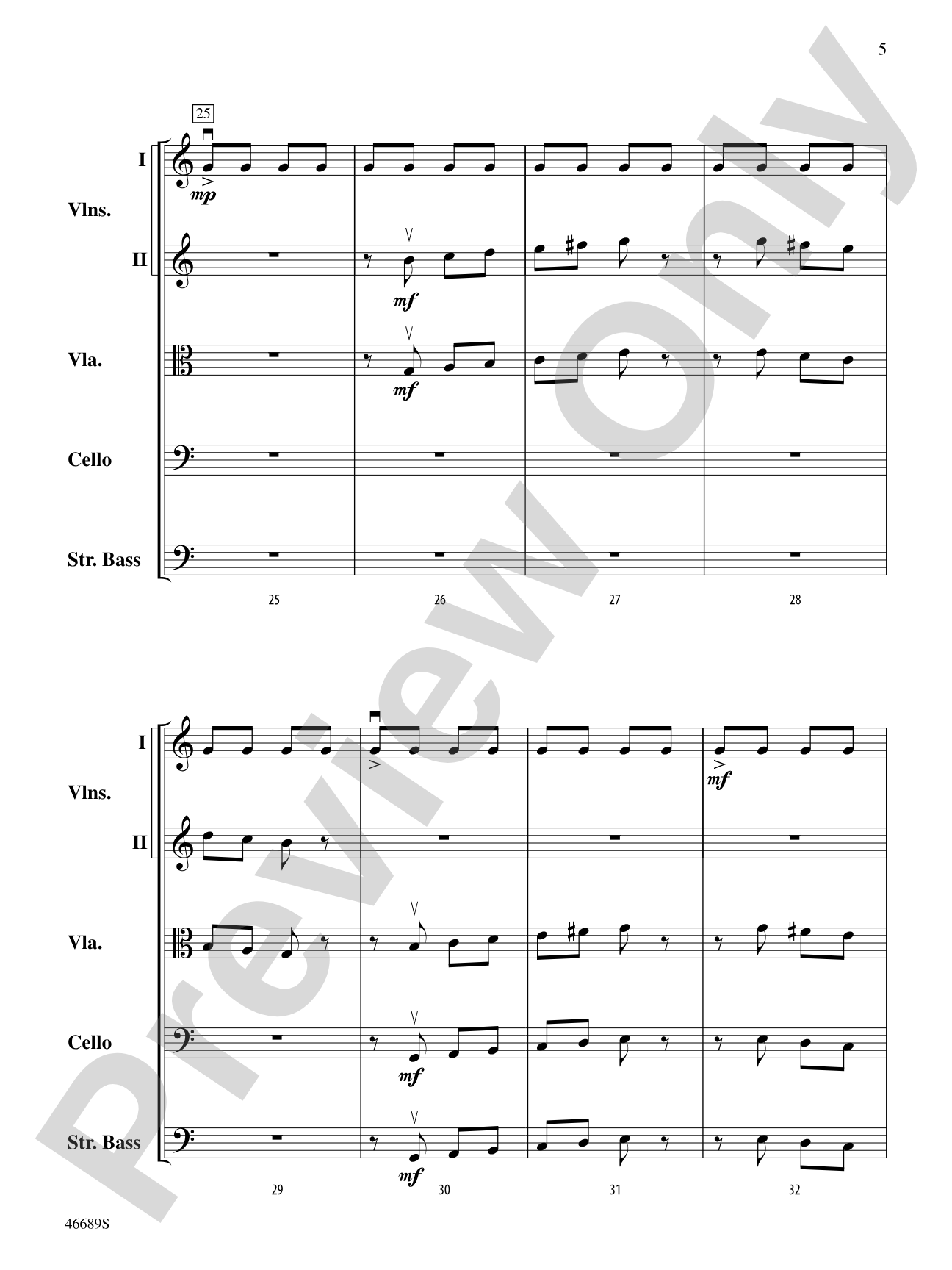
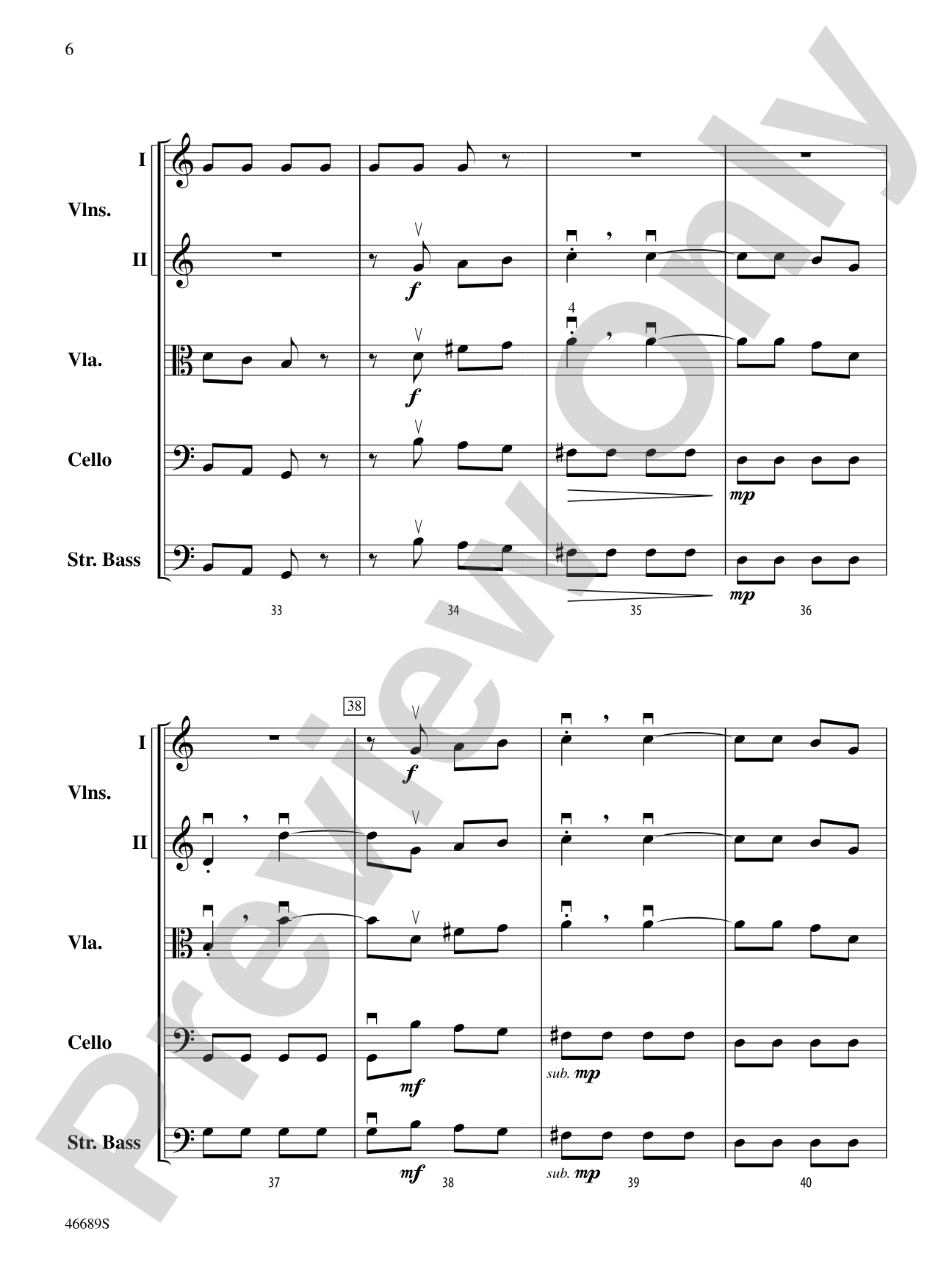
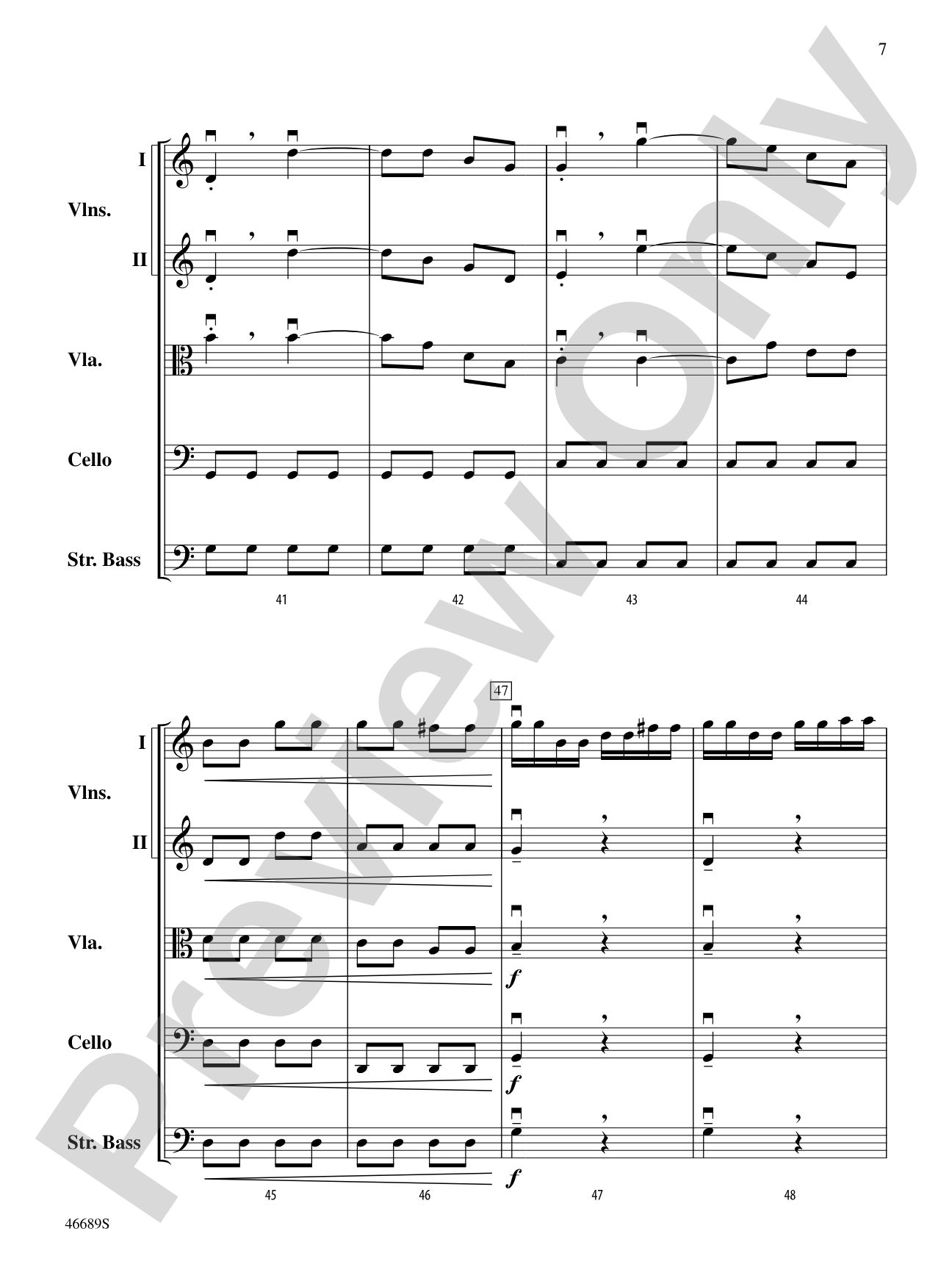
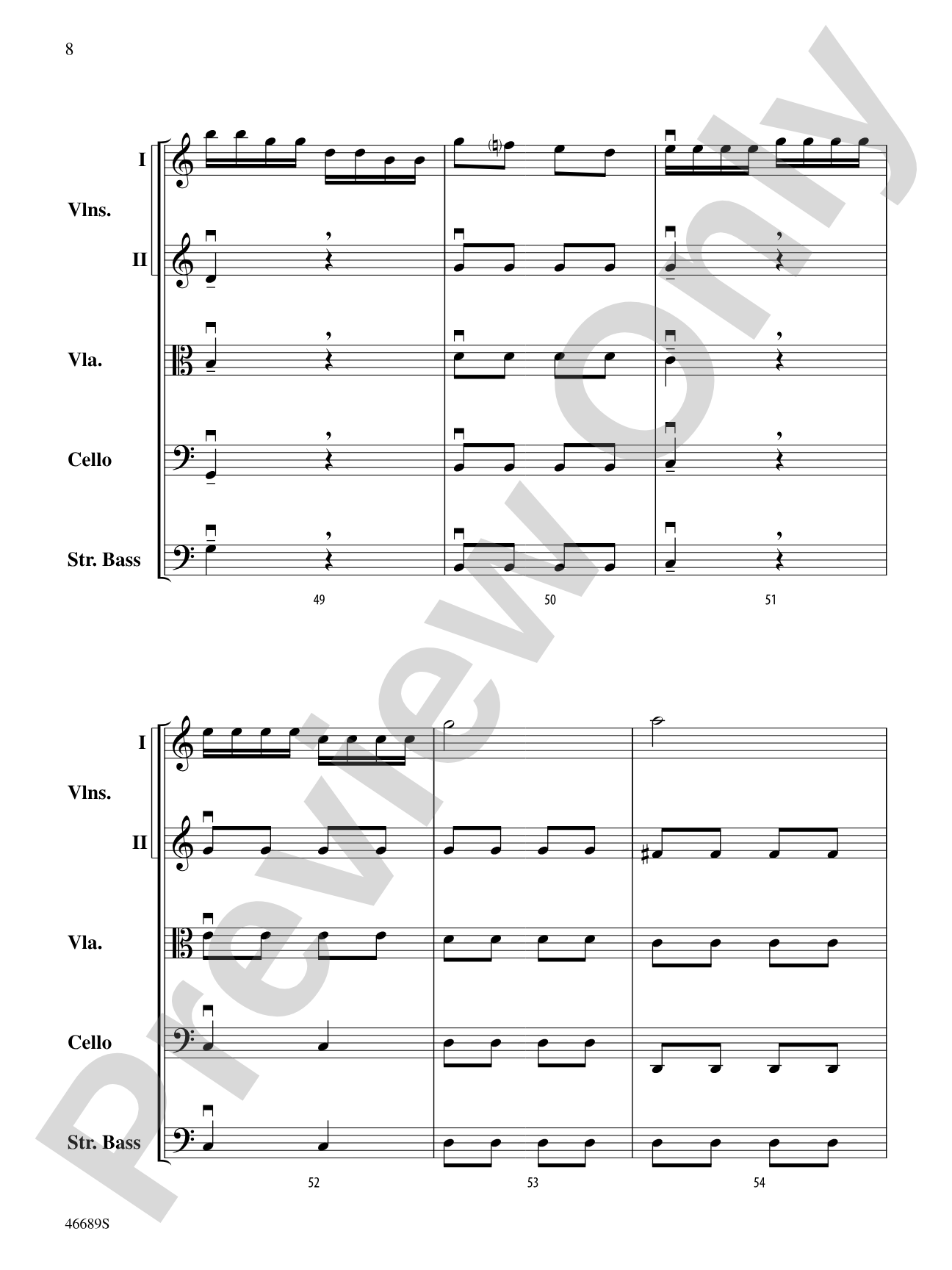
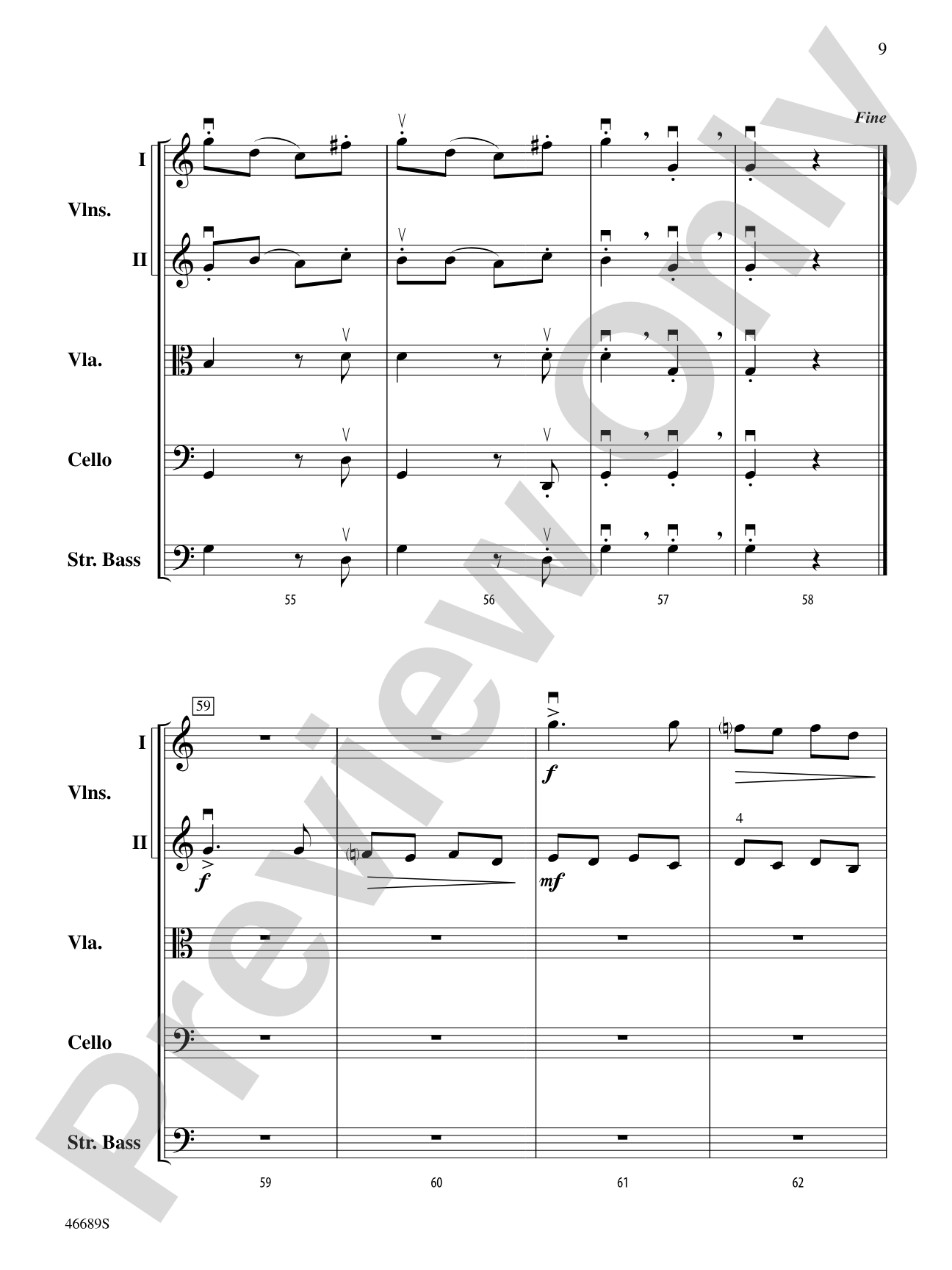
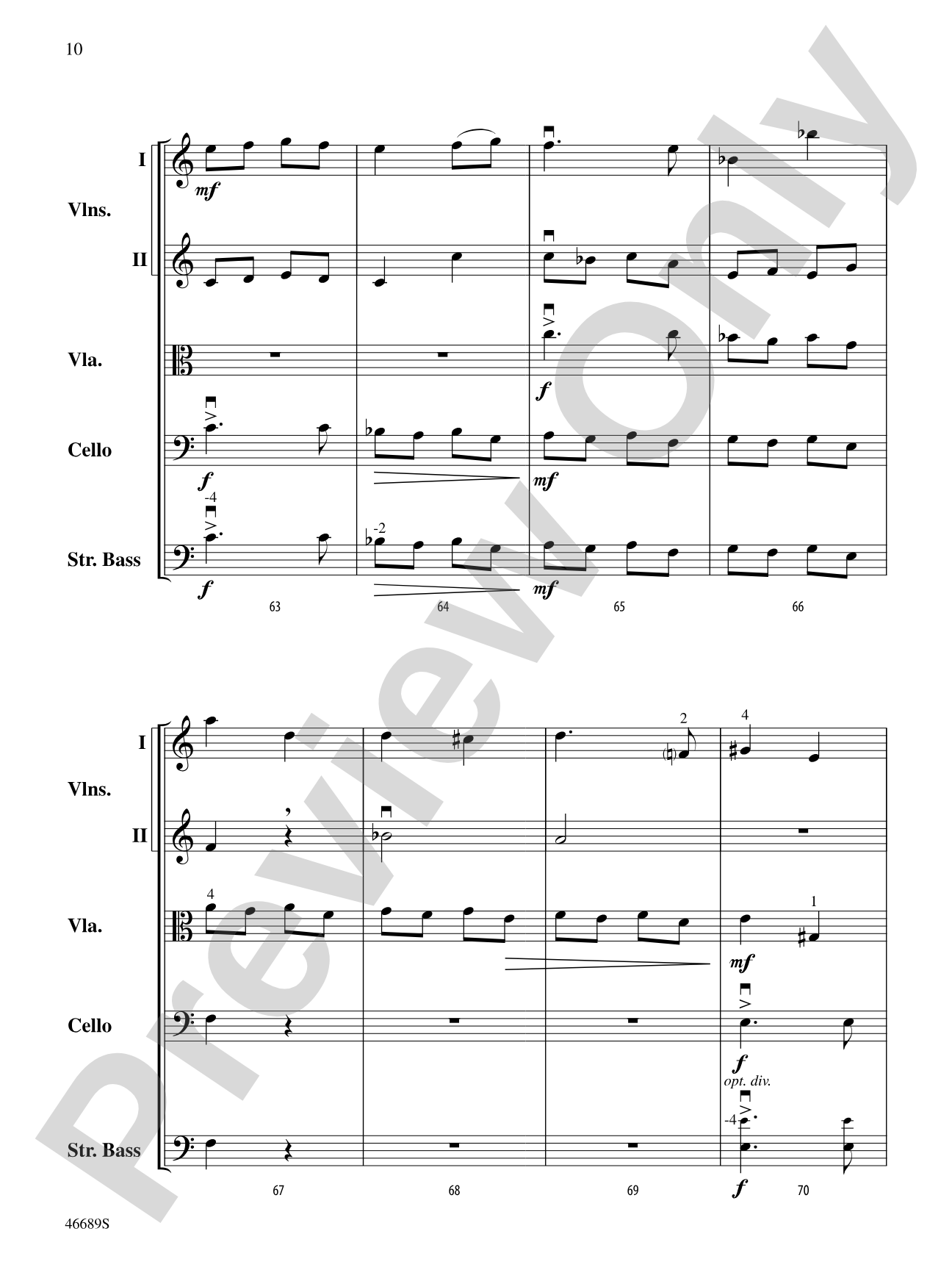
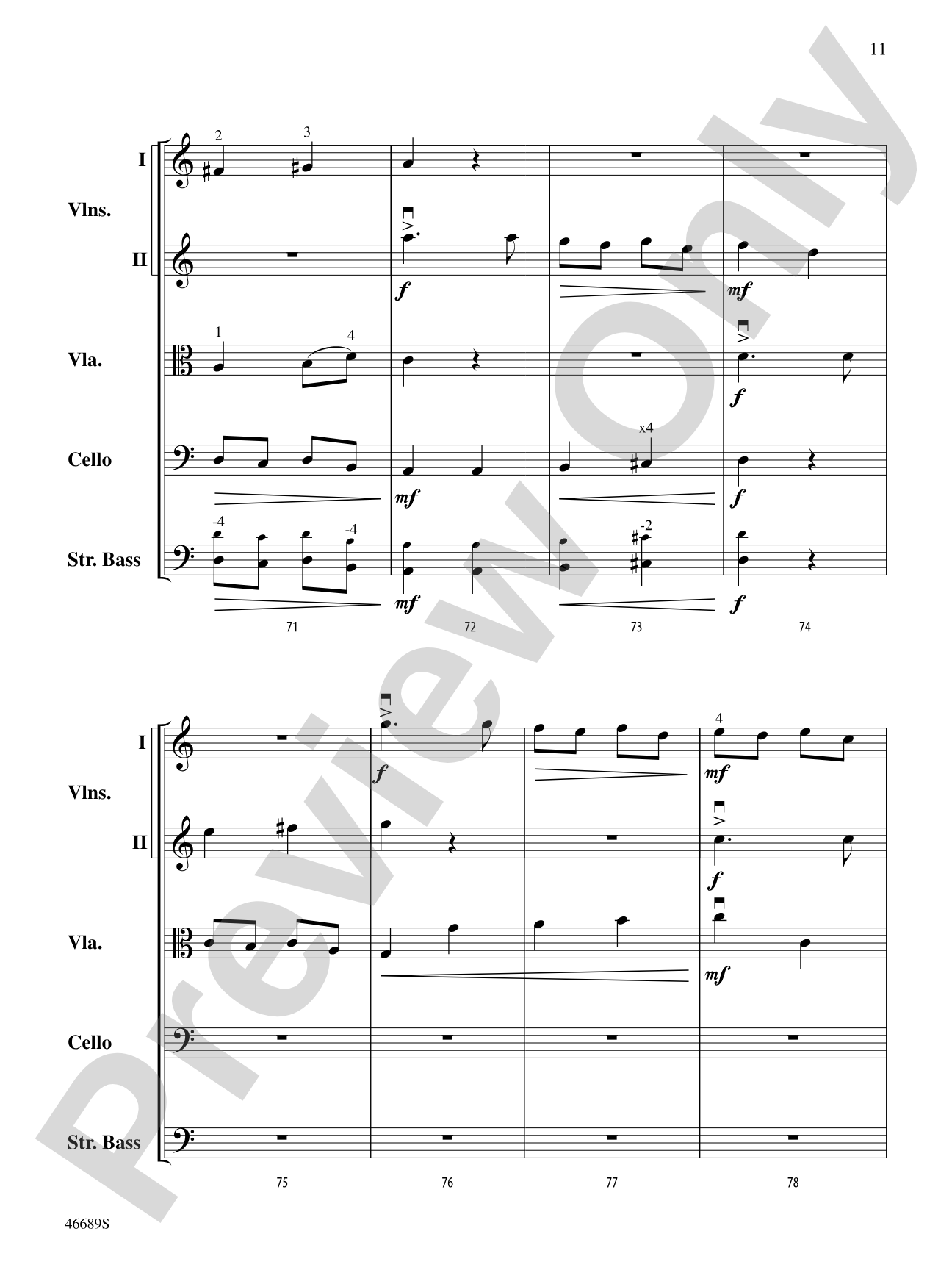
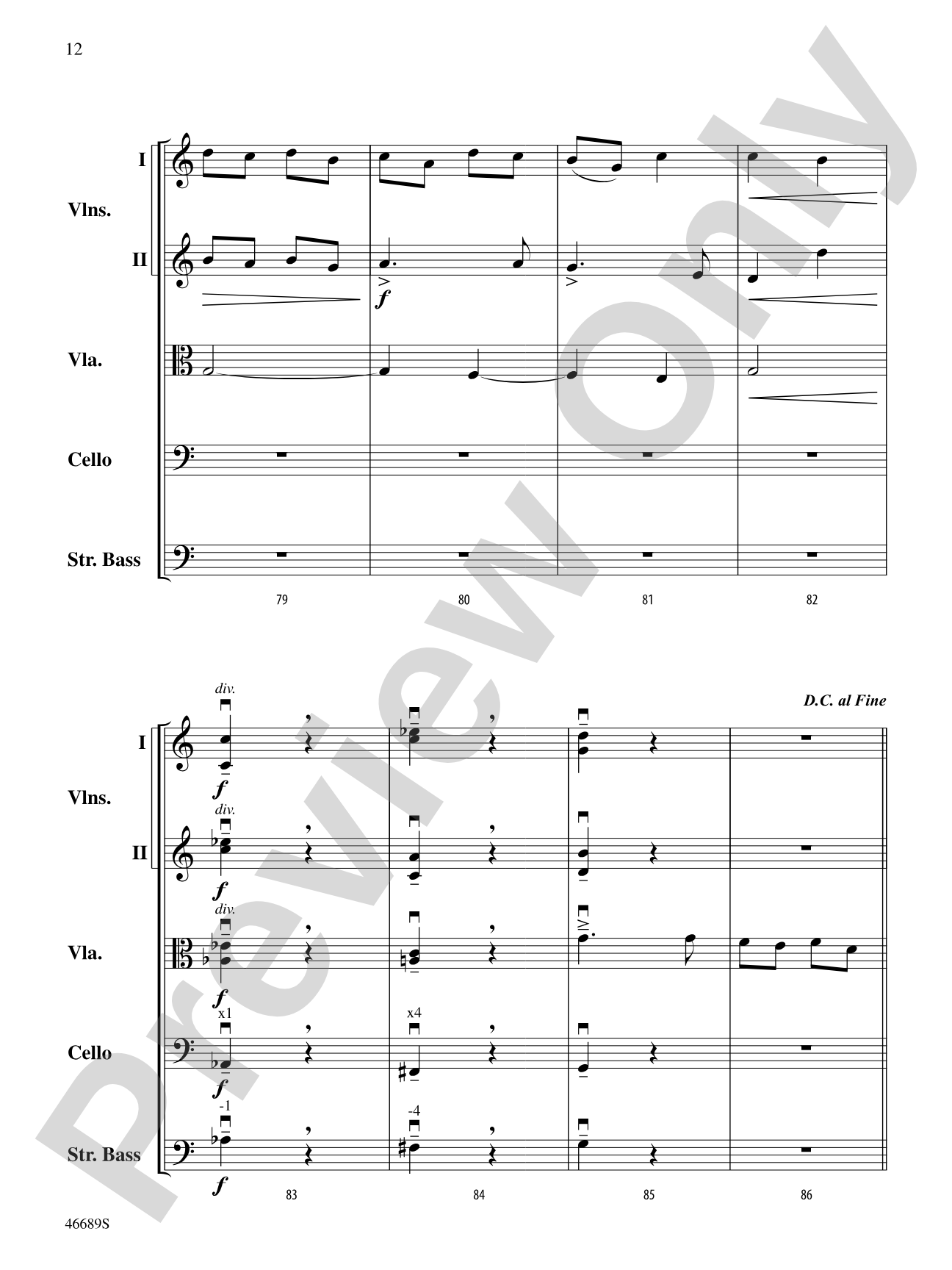

Presto: Score
From Divertimento No. 1, K. 136
By Wolfgang Amadeus Mozart / arr. Jan Farrar-Royce
Grade: 3
Item: 00-PR-0006036
$10.00
Pickup currently not available
Description
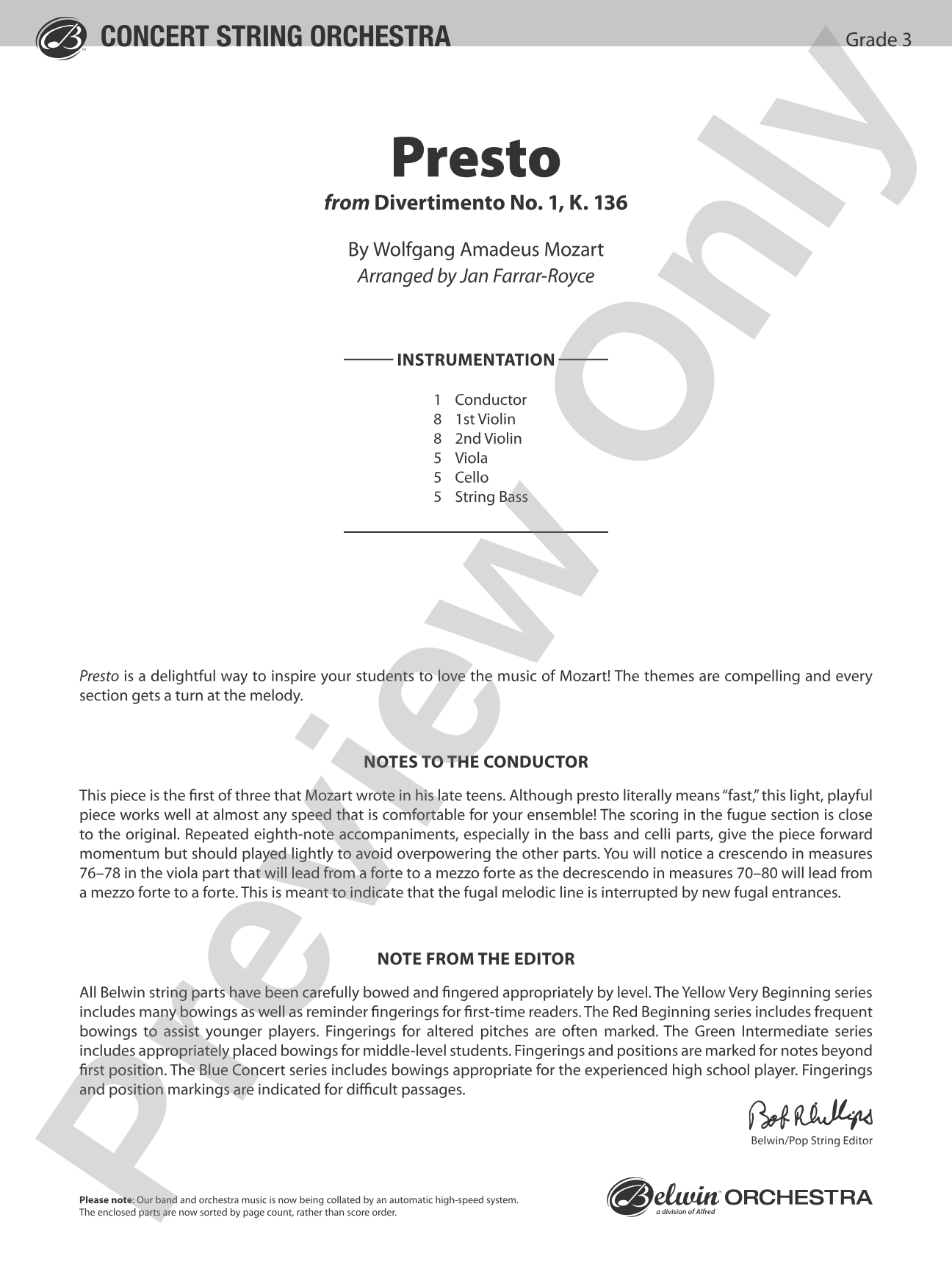
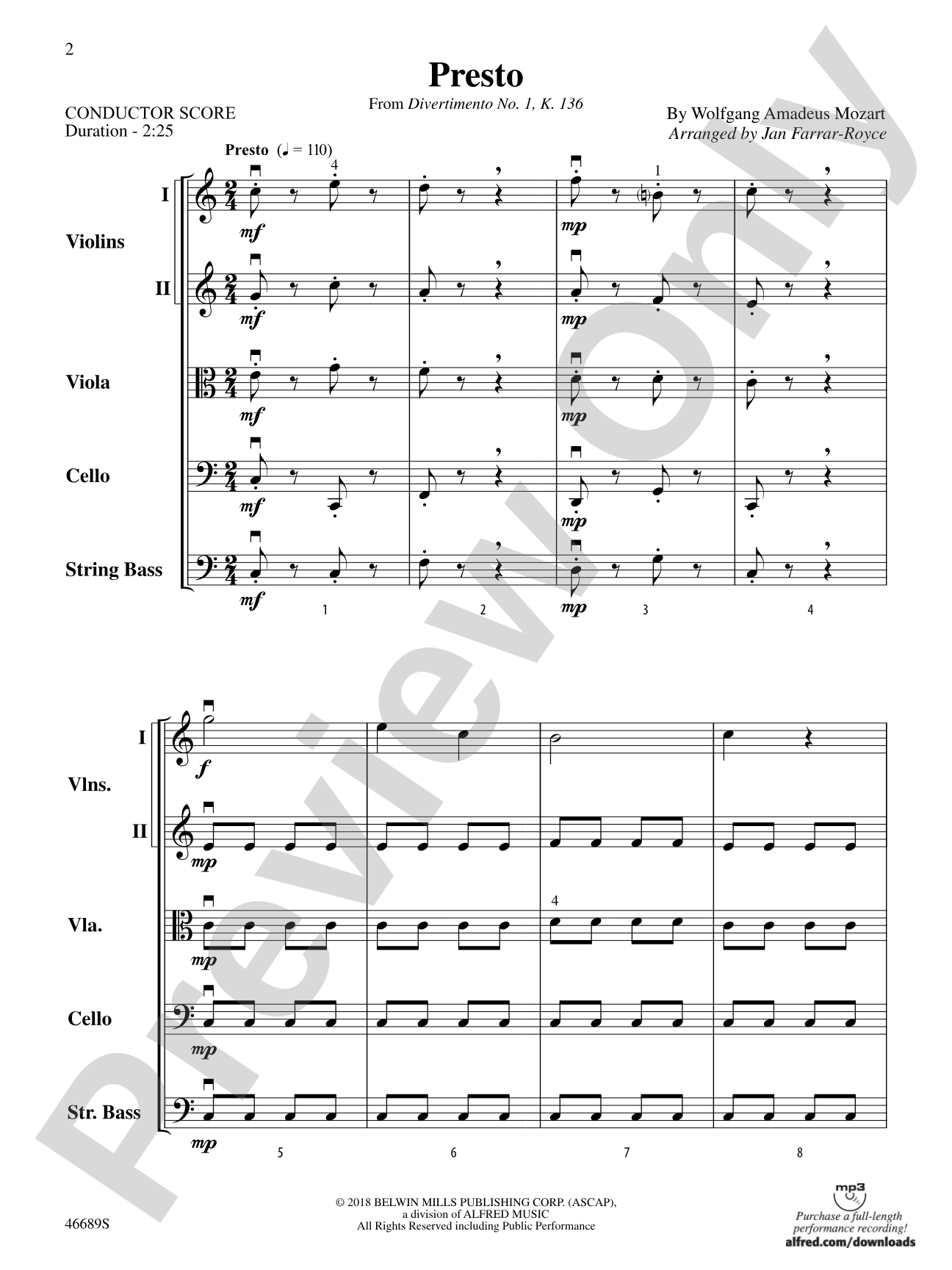
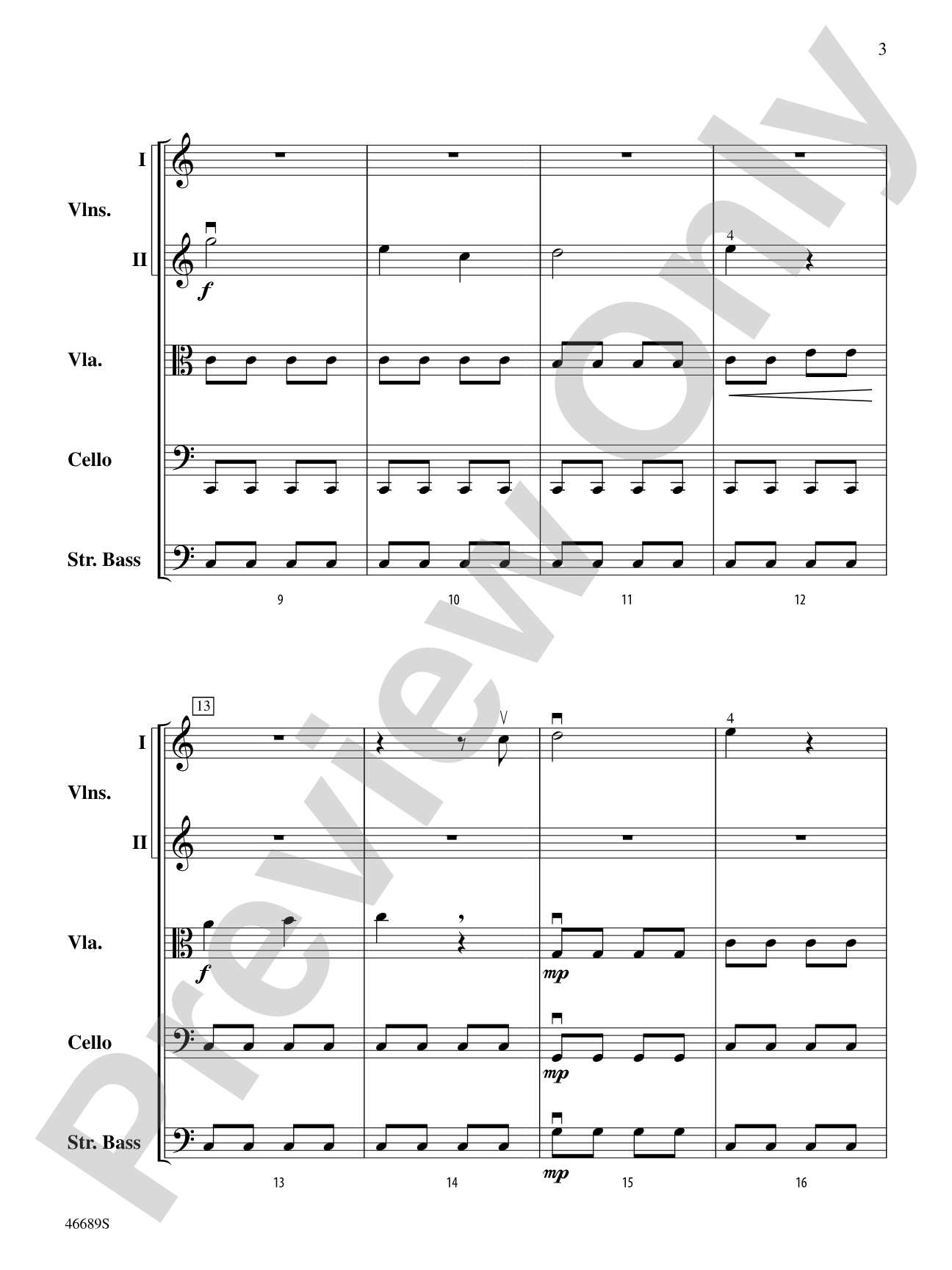
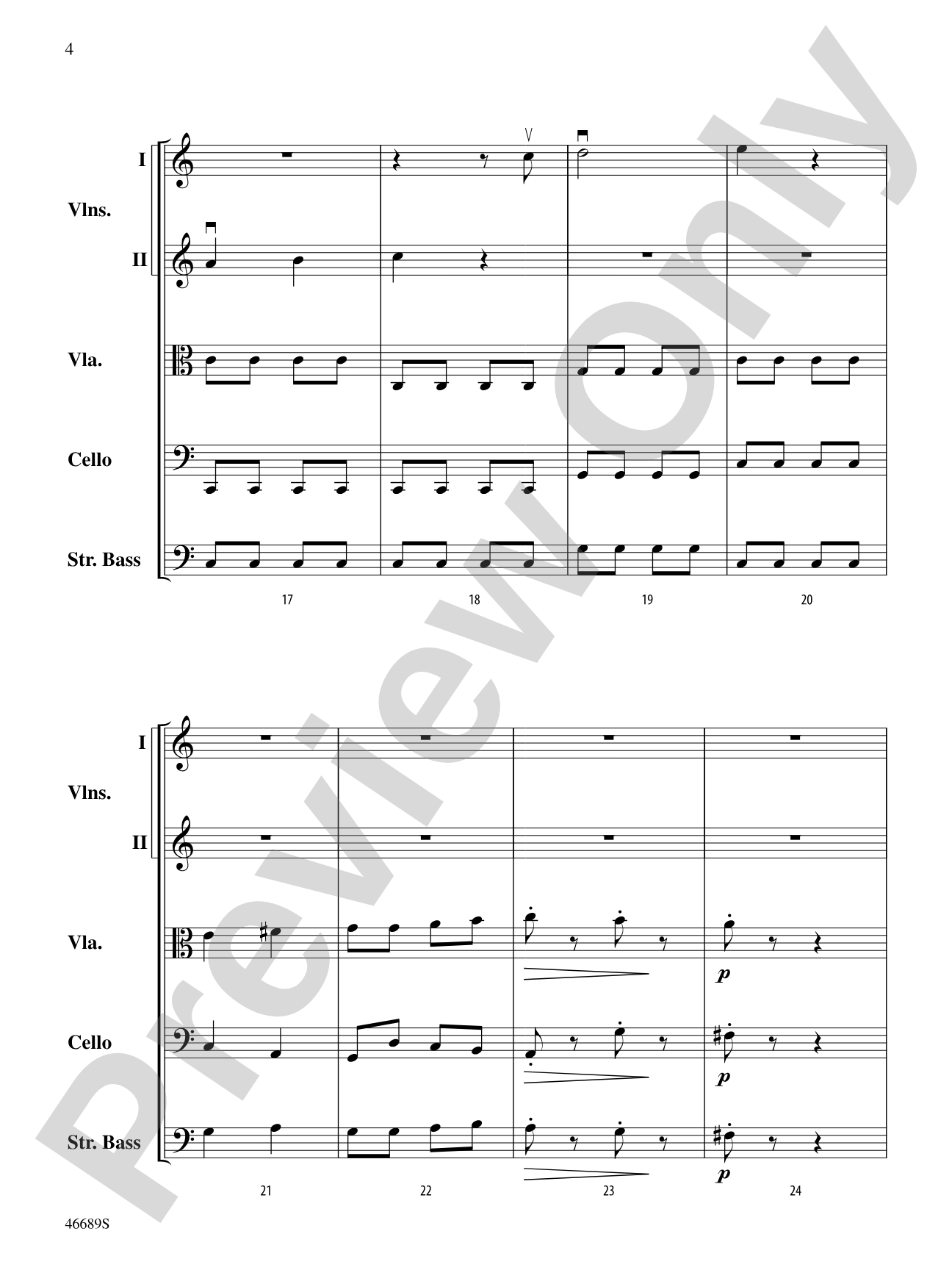
"Presto" from Divertimento No. 1, K. 136 arranged by Jan Farrar-Royce is a delightful way to inspire your students to love the music of Mozart! The themes are compelling and every section gets a turn at the melody.


Don't just read it, hear it, play along with it, and watch your students grow with it. In MakeMusic Cloud, Presto: Score comes alive with professional accompaniment, adjustable tempo, and built-in practice tools that turn solo practice into real progress.
Open in the Player
Jump straight in and assign it today.
Start Your Free Trial
Open this title and explore the full library in minutes.
Sample Audio
1
Audio File
--:--
0:00
0:00
Sample Video
Additional Details
Series:
Belwin Concert String Orchestra
Publisher:
Alfred Music
Page Count:
124
SKU:
00-PR-0006036
More about this title
About the Composer: Wolfgang Amadeus Mozart
Wolfgang Amadeus Mozart (1756-1791) composed prolifically across every major genre of his time, producing over 600 works before his death at 35. His music combines brilliant melodic invention with sophisticated harmonic language, making it enduringly appealing to musicians of all levels. For young orchestras, Mozart's clarity of form and gift for memorable themes offer an ideal introduction to Classical structure and the joy of ensemble playing.
Why we love this
This arrangement opens Mozart's elegant Divertimento to orchestras still building technical confidence, without sacrificing the sophistication that makes the original rewarding. The scoring ensures that every section gets genuine musical material rather than filler, which keeps all players engaged and invested throughout. It's the kind of piece that reminds students why they're learning strings in the first place.
What to expect
Bright and spirited, with an infectious forward motion that never feels rushed. The Presto section sparkles with the kind of elegant wit that runs through Mozart's writing, full of playful interplay between the sections and moments of unexpected harmonic color that reward close listening.
Who it's for
Grade 3 string orchestras ready to explore genuine Classical repertoire with melodic depth. This works equally well for orchestras preparing for festivals or concert performances, as well as those simply looking to expand beyond arrangements that feel pedagogically thin.
How to get the most out of it
- Maintain the lightness and buoyancy that defines this style; resist the urge to play with heavy vibrato or weight in the sound.
- Lock the entrances between sections with precision, especially in the passages where the melody passes between violins and violas.
- Shape the phrases with subtle dynamic inflection rather than dramatic swells; Mozart's architecture is transparent and rewards clarity over intensity.
- Drill the rhythmic figures that anchor the accompaniment parts so that principal melodists can phrase freely over a rock-solid harmonic foundation.
How to use it
This pairs beautifully on a concert that mixes eras and styles, offering a counterpoint to Romantic-era pieces or contemporary works. It also works as an ideal festival selection, where its combination of accessibility and musical substance appeals to adjudicators and audiences alike.
Skills your students will build
- Balancing melody and accompaniment texture across a four-part string section
- Executing sixteenth-note passages with clarity and even rhythm
- Responding to conductor cues during section-to-section melodic transfers
- Sustaining ensemble intonation through harmonic progressions that shift quickly