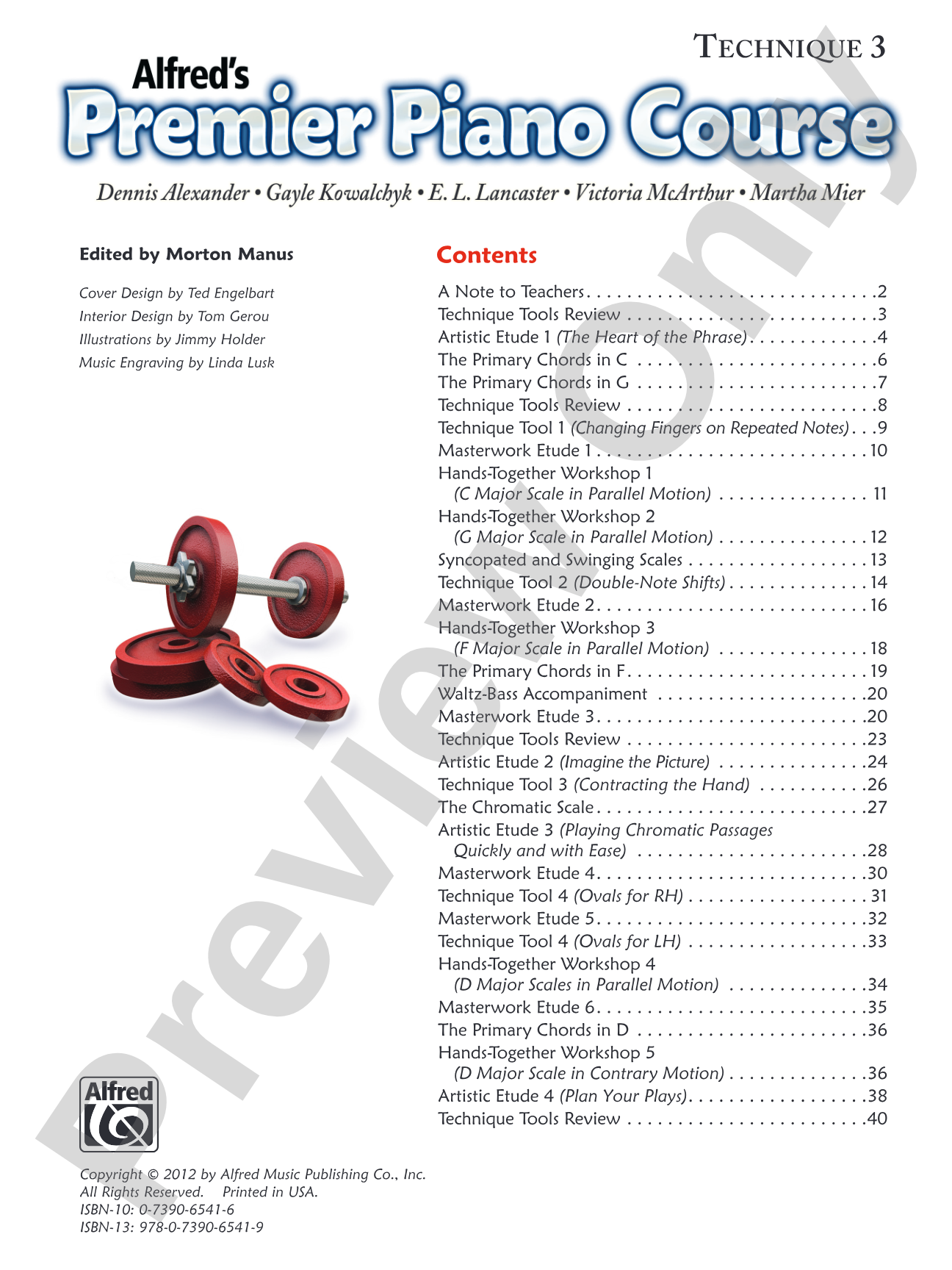
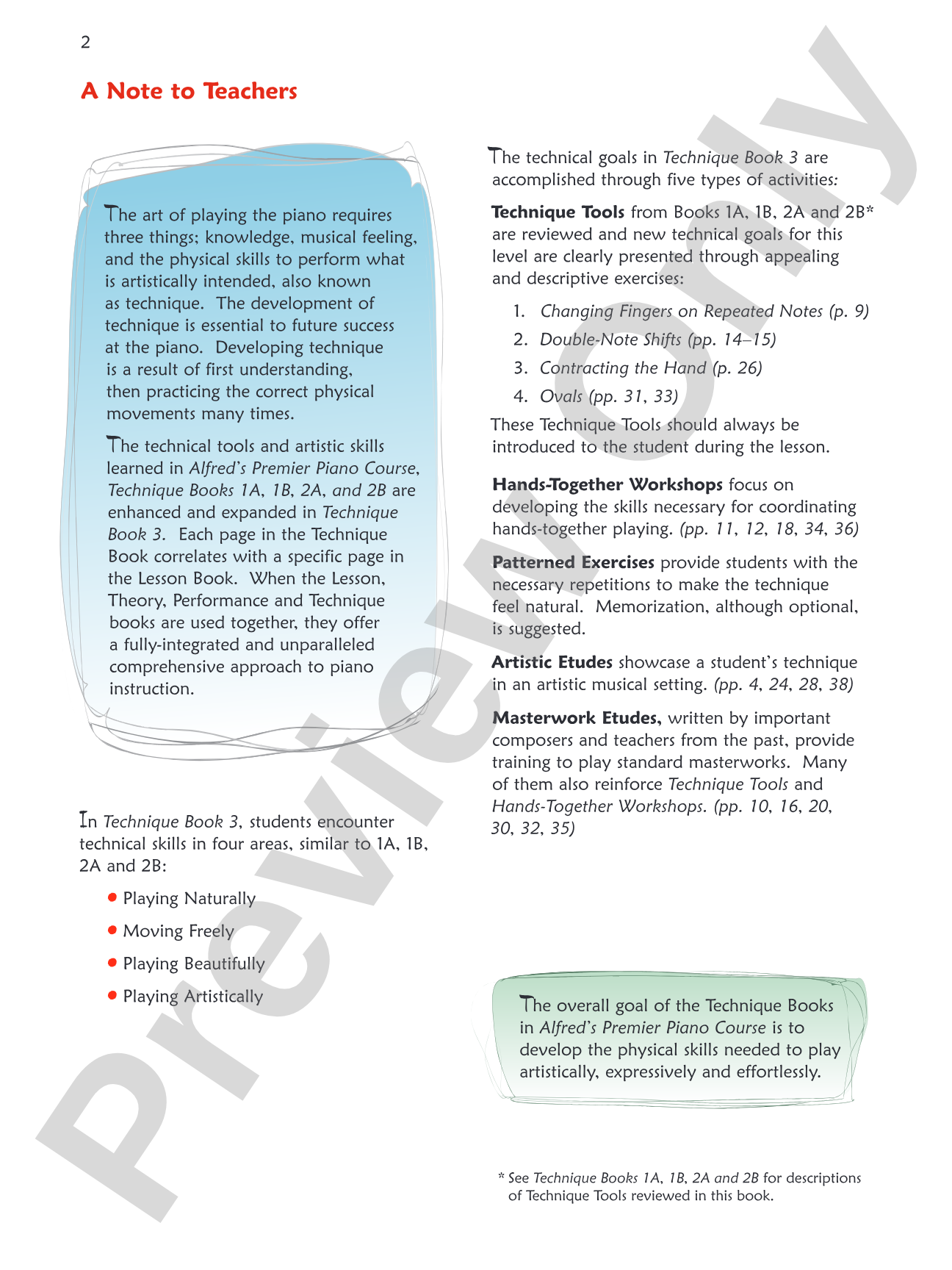
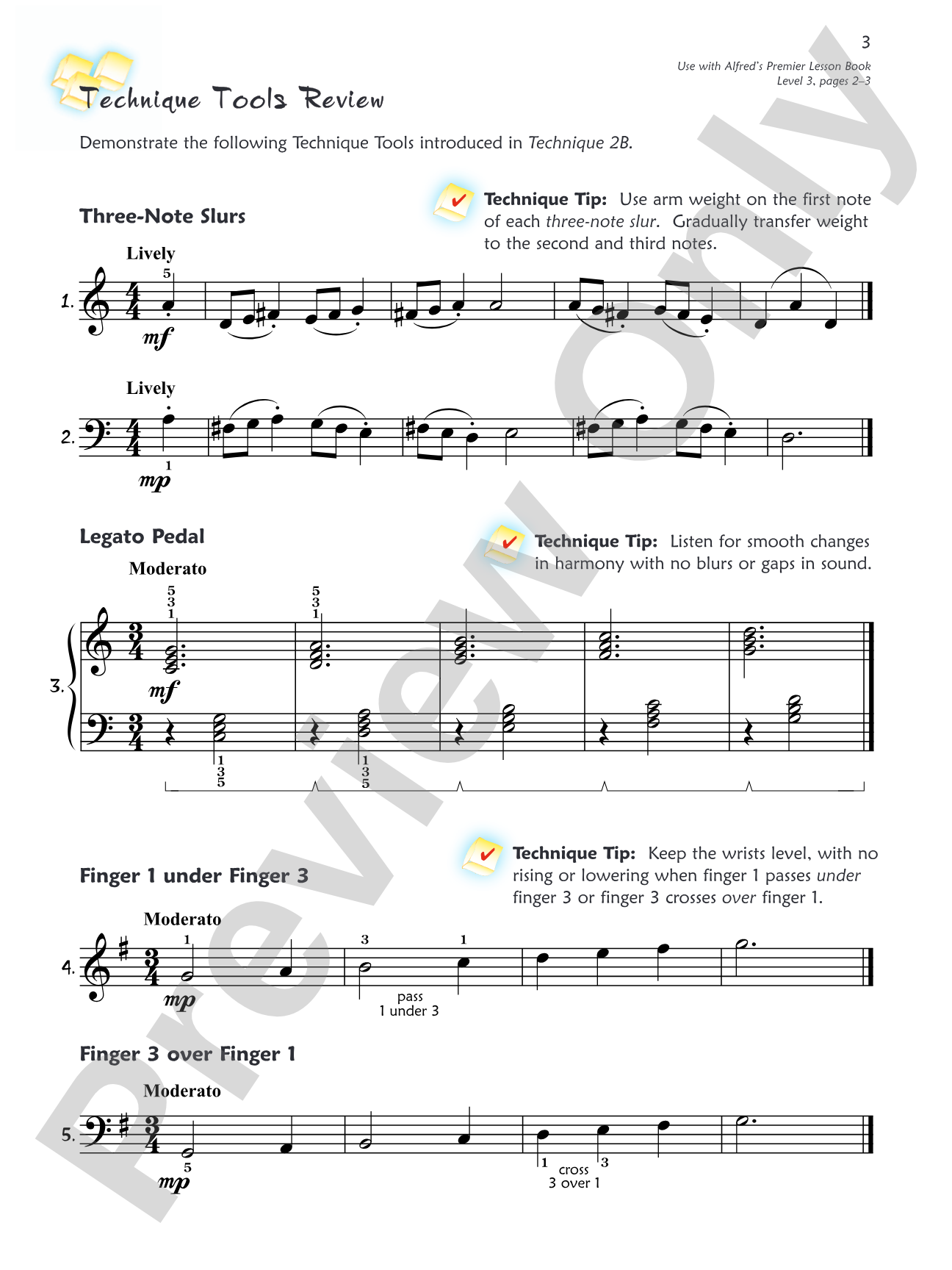
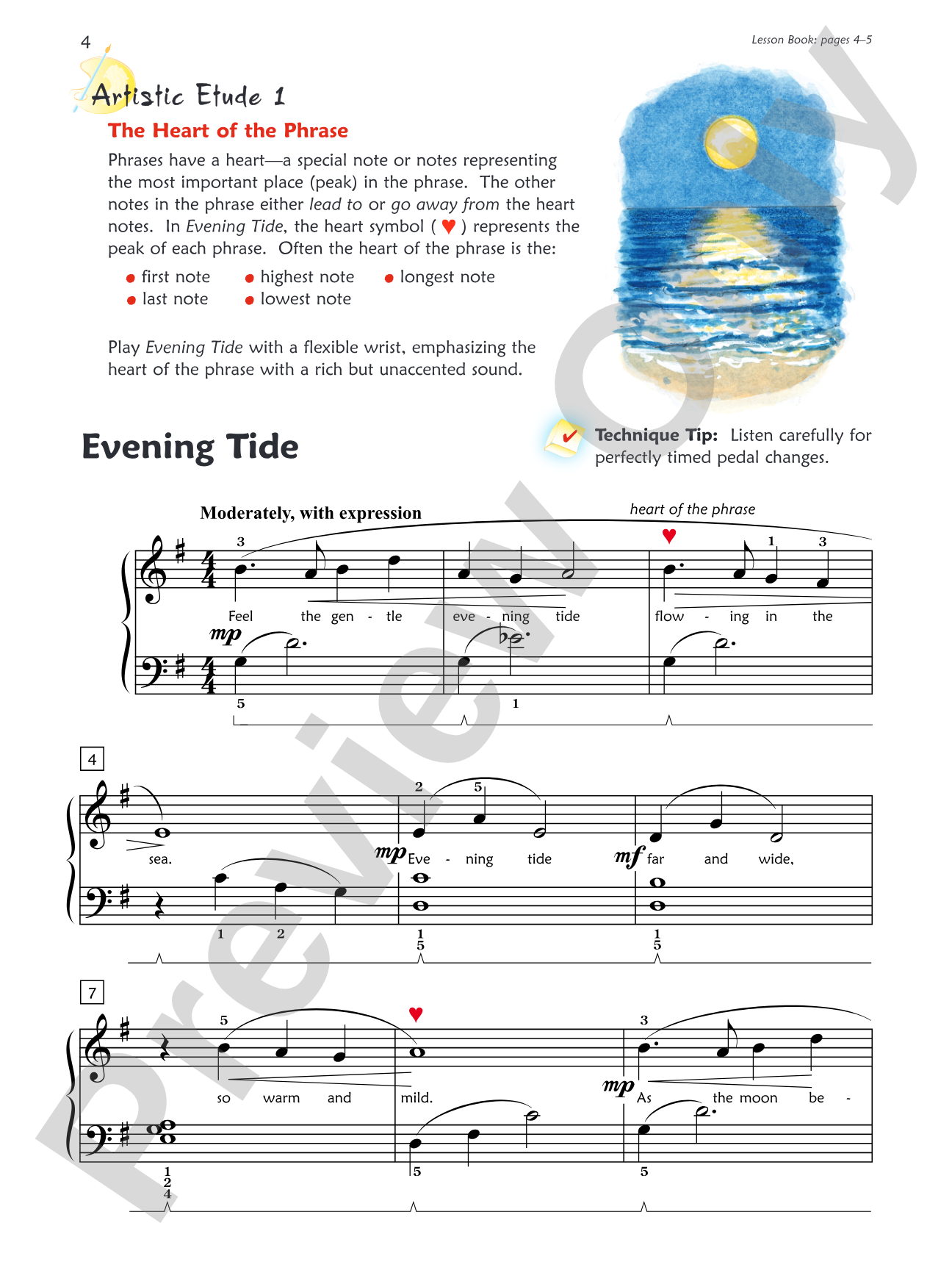
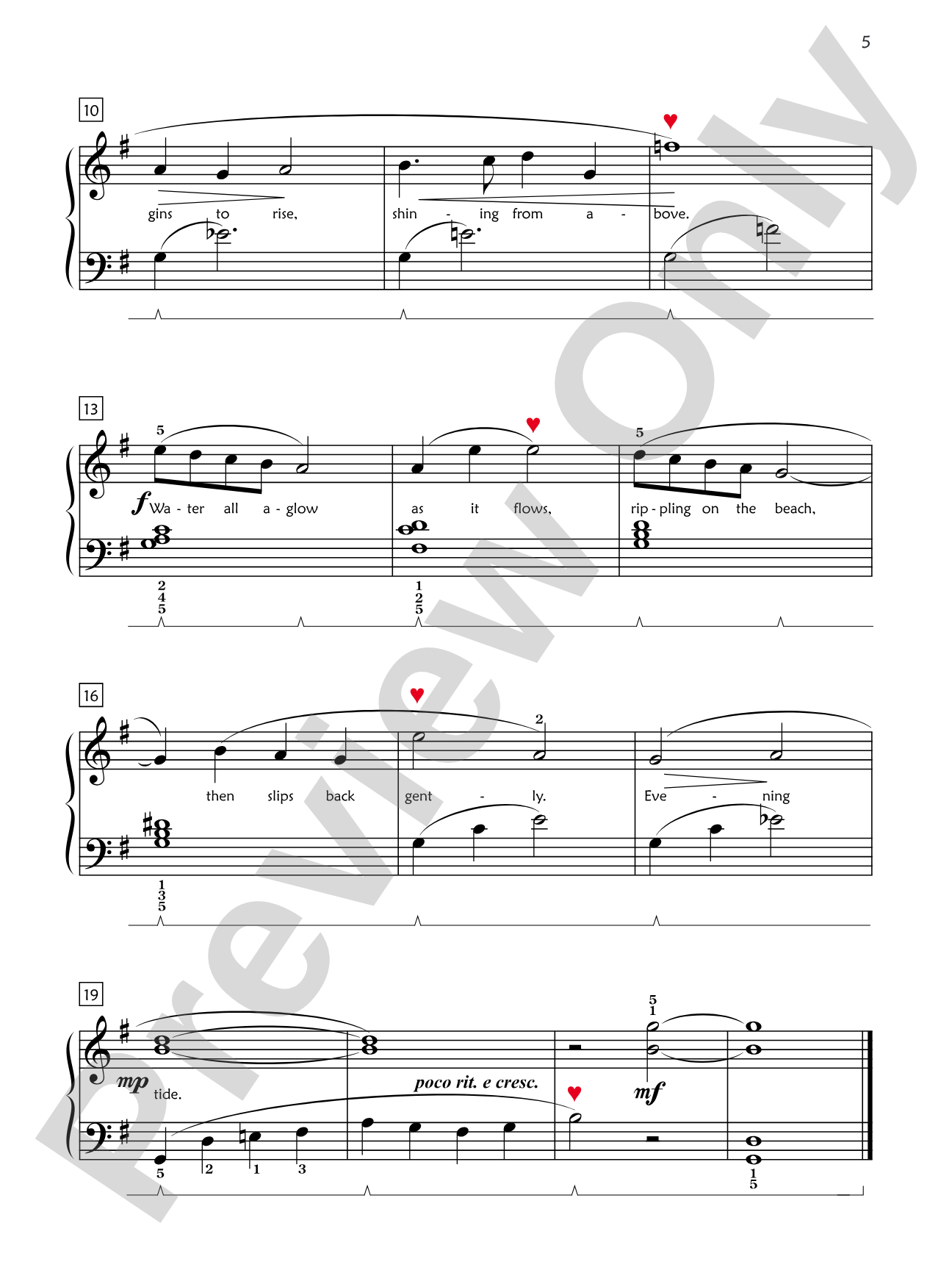
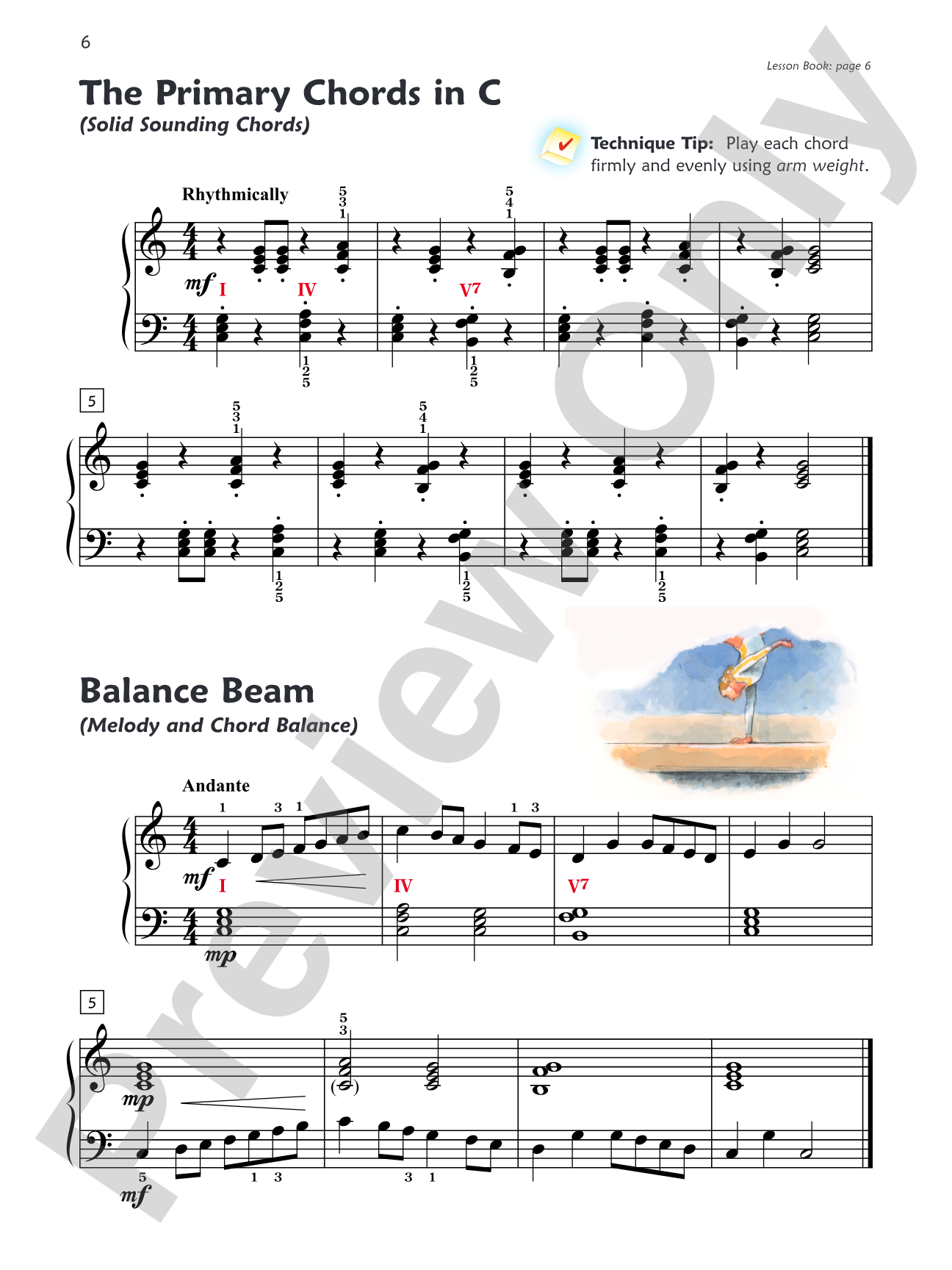
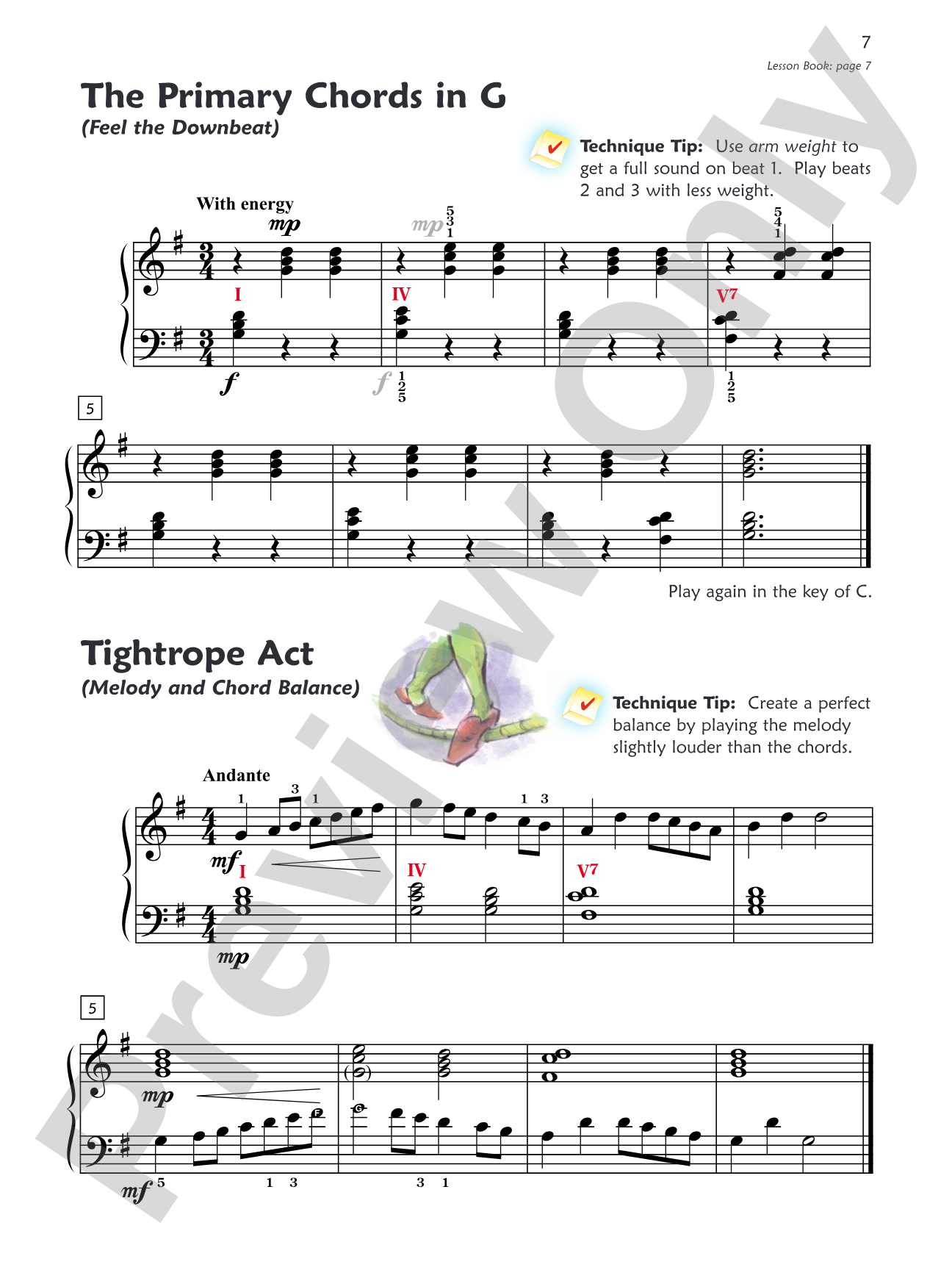
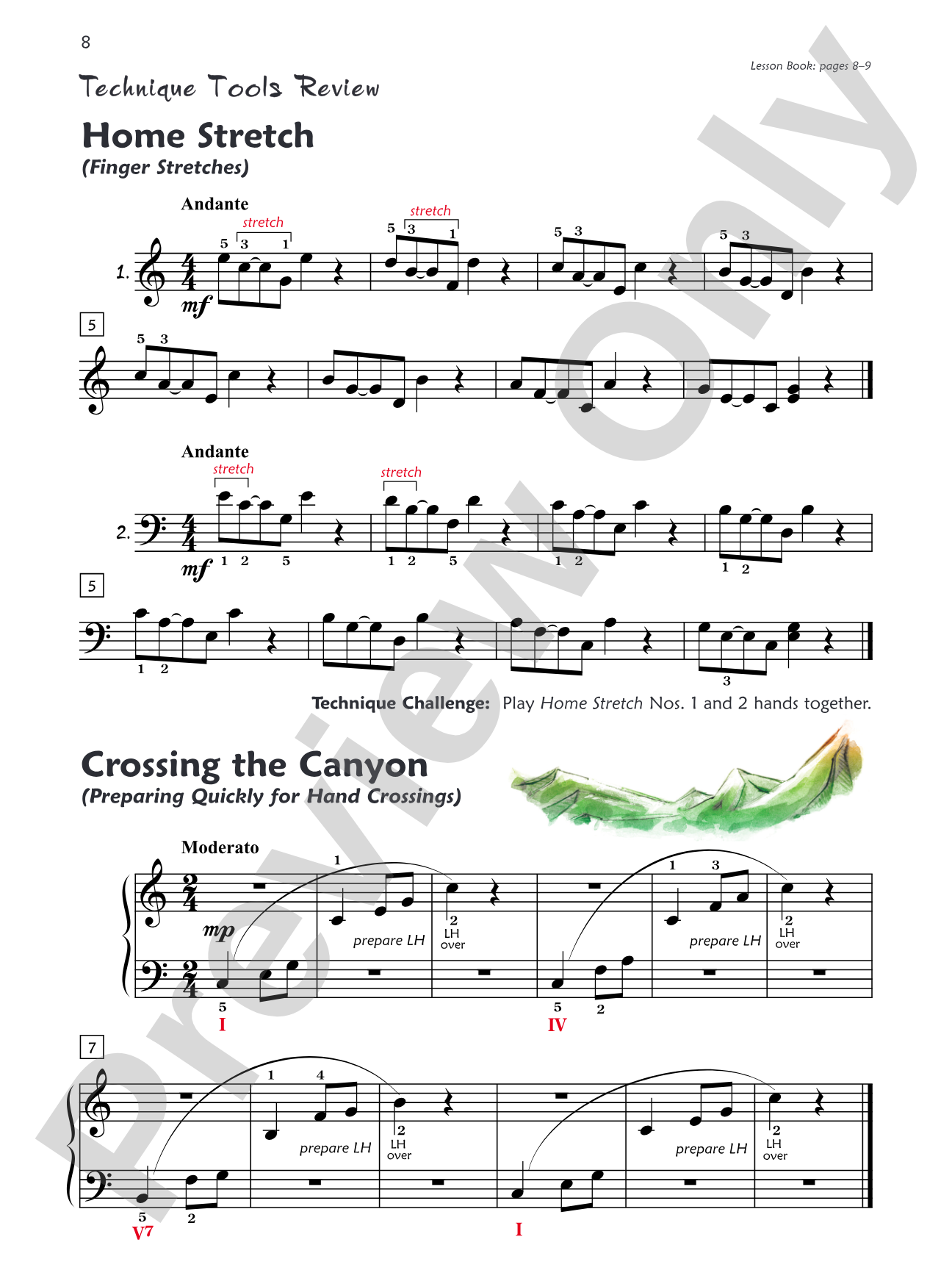
Technique 3 continues and expands on the technical and artistic tools learned in Technique books 1A, 1B, 2A, and 2B. The four new Technique Tools introduced are: changing fingers on repeated notes, double-note shifts, contracting the hand, and ovals. Artistic Etudes showcase a student's technique in an expressive musical setting, and Hands-Together Workshops focus on developing the skills necessary for coordinating hands-together playing. Masterwork Etudes provide training to play standard masterworks. Each page in the Technique Book correlates with a specific page in the Lesson Book.
Discover MakeMusic Cloud: thousands of interactive titles your students can play along with today.
Dennis Alexander has spent decades at the intersection of composition and pedagogy, creating over 400 published works that have become cornerstones of piano curricula worldwide. His teaching positions at the University of Montana (1972–1996) and later at California State universities shaped his understanding of what students need to progress systematically, and that expertise flows directly into every page he writes for Alfred Music.
Beyond the page, Alexander maintains an active performance calendar as soloist and collaborative artist, bringing real musical experience back to his composing. He has served on festival and competition panels across continents, conducted master classes at national conventions, and continues to tour and teach from his home in New Mexico. His work represents a rare combination: a composer who understands both the student's frustration and the teacher's responsibility.
Why we love this
The four new technique tools arrive exactly when students are ready for them, each one unlocking new possibilities without overwhelming the learner. What sets this apart is the deliberate connection between technique development and expressive playing: Artistic Etudes don't feel like technical exercises dressed up as music; they genuinely showcase what the student can now accomplish.
What to expect
A sense of steady capability building. Technique 3 doesn't ask students to abandon musicality for mechanics; instead, it invites them to play real music with hands doing different things simultaneously. The Artistic Etudes carry genuine character, making technical growth feel like artistic progress.
Who it's for
Students progressing through the Premier Piano Course who have completed Technique books 1A, 1B, 2A, and 2B. This book serves those ready to coordinate both hands in more complex patterns while building the finger independence and flexibility that standard repertoire demands.
How to get the most out of it
Work through Hands-Together Workshops methodically before jumping to full pieces. These exist to build the specific coordination skills that make everything else possible.
Use the page-by-page correlation with the Lesson Book to reinforce what students encounter there. This connection transforms isolated technique drills into integrated learning.
Return to the Masterwork Etudes after a few weeks of rest. Revisiting them reveals how much stronger a student's technique has become.
How to use it
Pair this technique book with concert selections from the corresponding Lesson Book to show families exactly how technique studies fuel performance repertoire. The Masterwork Etudes also work beautifully as recital warmup pieces, demonstrating to an audience the caliber of classical writing that students are now equipped to handle.
Skills your students will build
Changing fingers on repeated notes while maintaining consistent tone
Double-note shifts with accurate hand positioning
Hand contraction and extension on the keyboard
Oval finger motion for legato and control
Coordinating independent hand patterns in Hands-Together settings
Applying technique within expressive, musical contexts
You May Also Like
Scan to Complete Your Purchase
Use your phone's camera to scan the code below
You'll log in on your phone and the order will be added to your account