
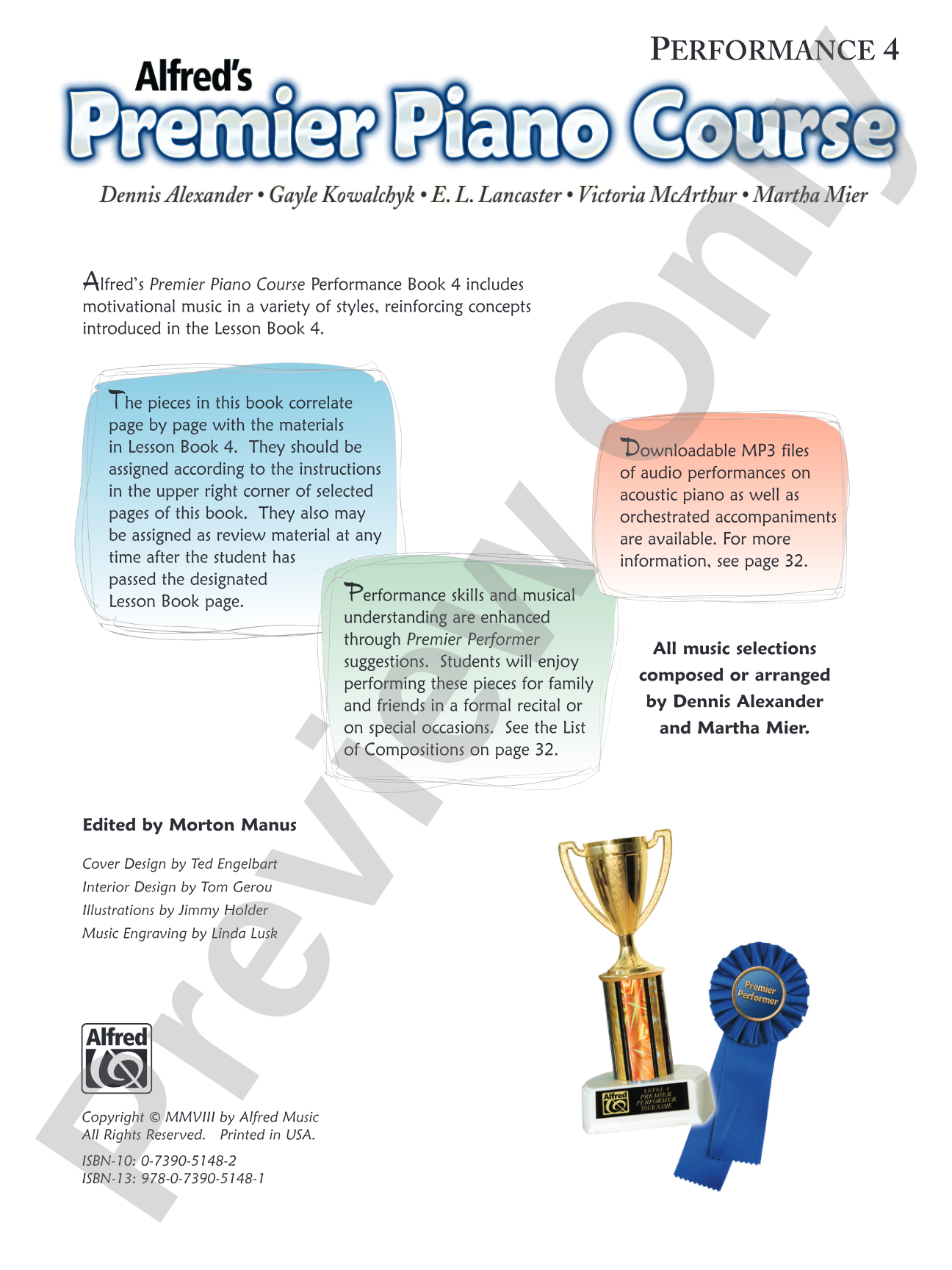

Premier Piano Course, Performance 4: Piano
By Dennis Alexander, Gayle Kowalchyk, E. L. Lancaster, Victoria McArthur, and Martha Mier
Level: 4
Item: 00-PB-0000957
$9.99
Pickup currently not available
Related Items
Premier Piano Course, Performance 4: Piano Book & Online Audio |
$9.99
|
View |
Description
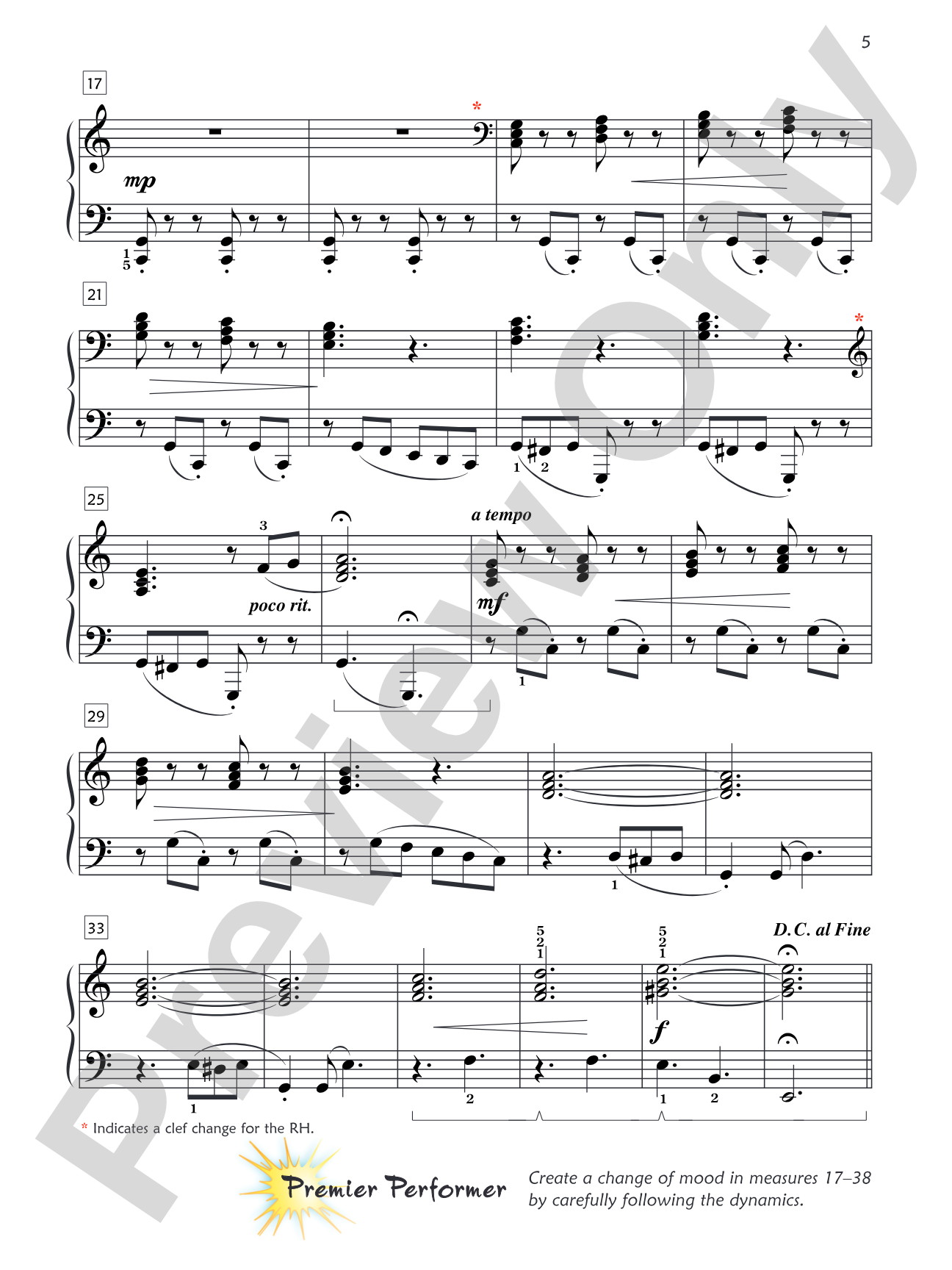
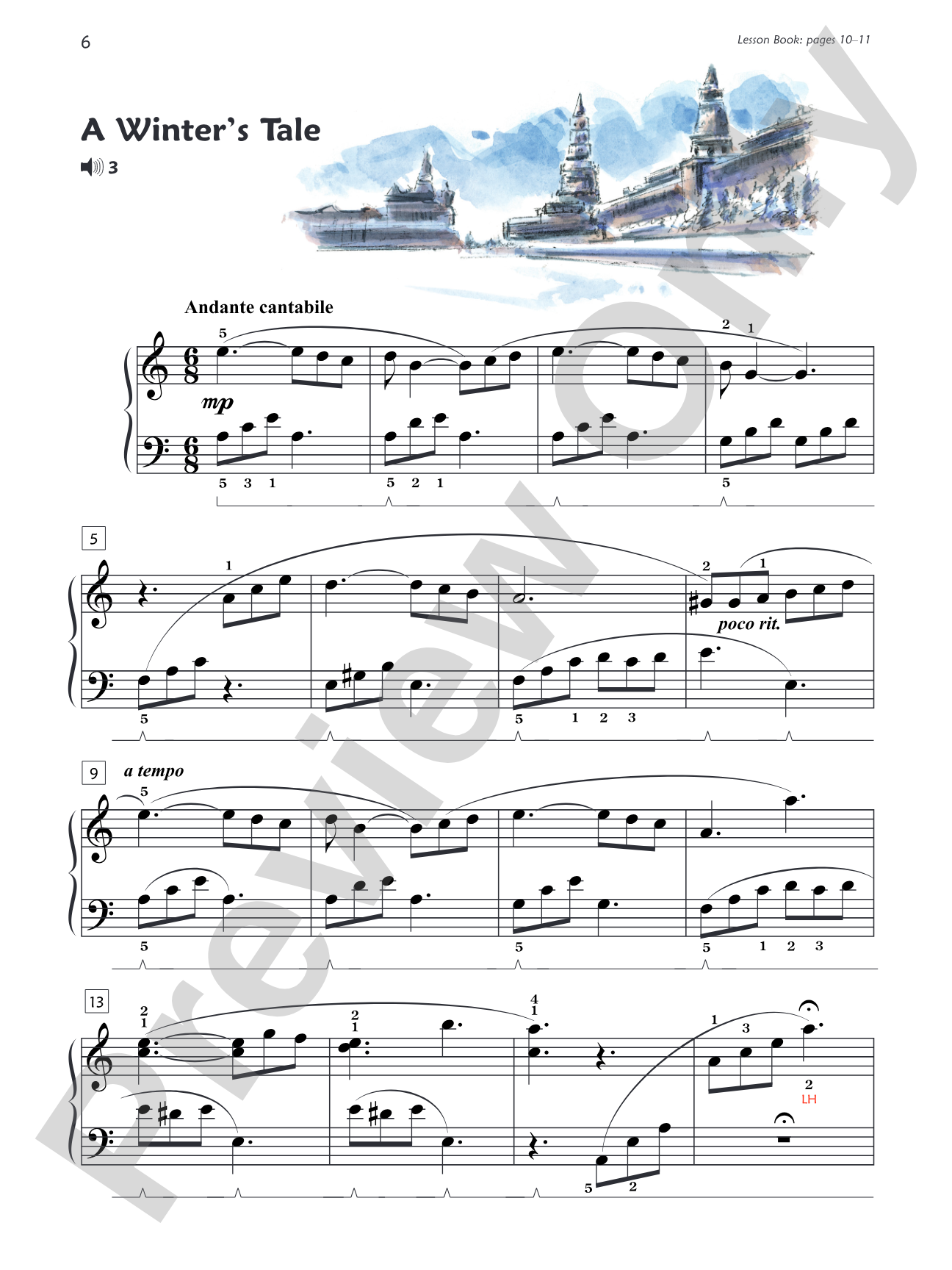
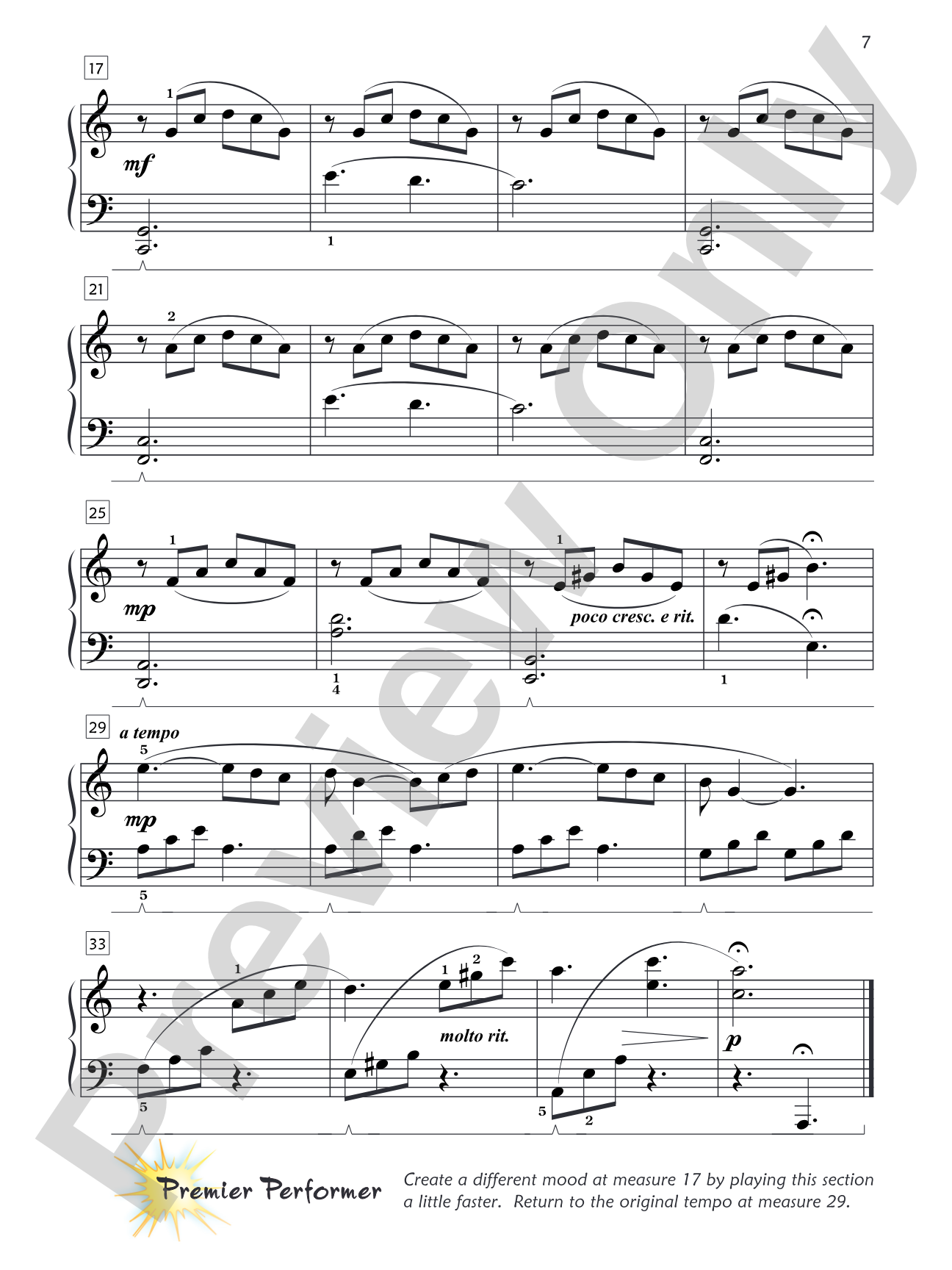
With fresh and appealing music written for today's students, Performance Book 4 of Alfred Premier Piano Course gradually incorporates triplets and sixteenth notes. Students will play a variety of styles ranging from lyrical ballads, pieces with rhythmic flair, jazz, boogie, and ragtime, to original classics. New concepts include natural and harmonic minor scales (A and E minor), one octave arpeggios and chord inversions. The music, complete with performance tips, carefully supports the new concepts contained in the corresponding Lesson Book 4. Each piece was recorded at a performance tempo and a slower practice tempo. 32 pages.
The audio for this book is also available for download here


The audio for this book is also available for download here
Premier Piano Course, Performance 4: Piano isn't in MakeMusic Cloud just yet...but it could be. Let us know you'd like to see it, and you'll help shape what comes next. In the meantime, start a free trial and dive into thousands of interactive titles your students can play along with today.
Request This Title
Tell us you want it.
Start Your Free Trial
Explore everything that's ready to play right now.
Sample Audio
1
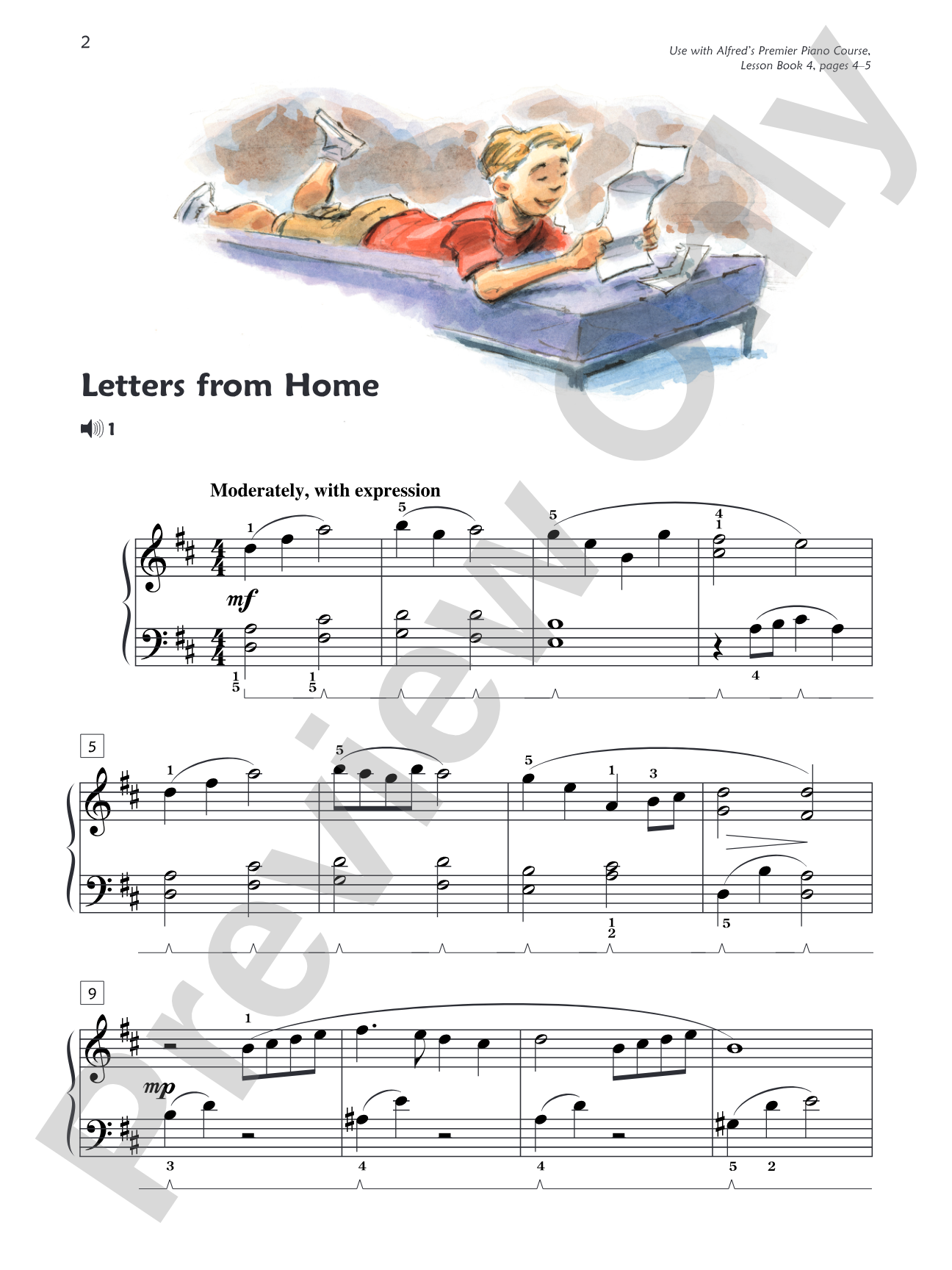
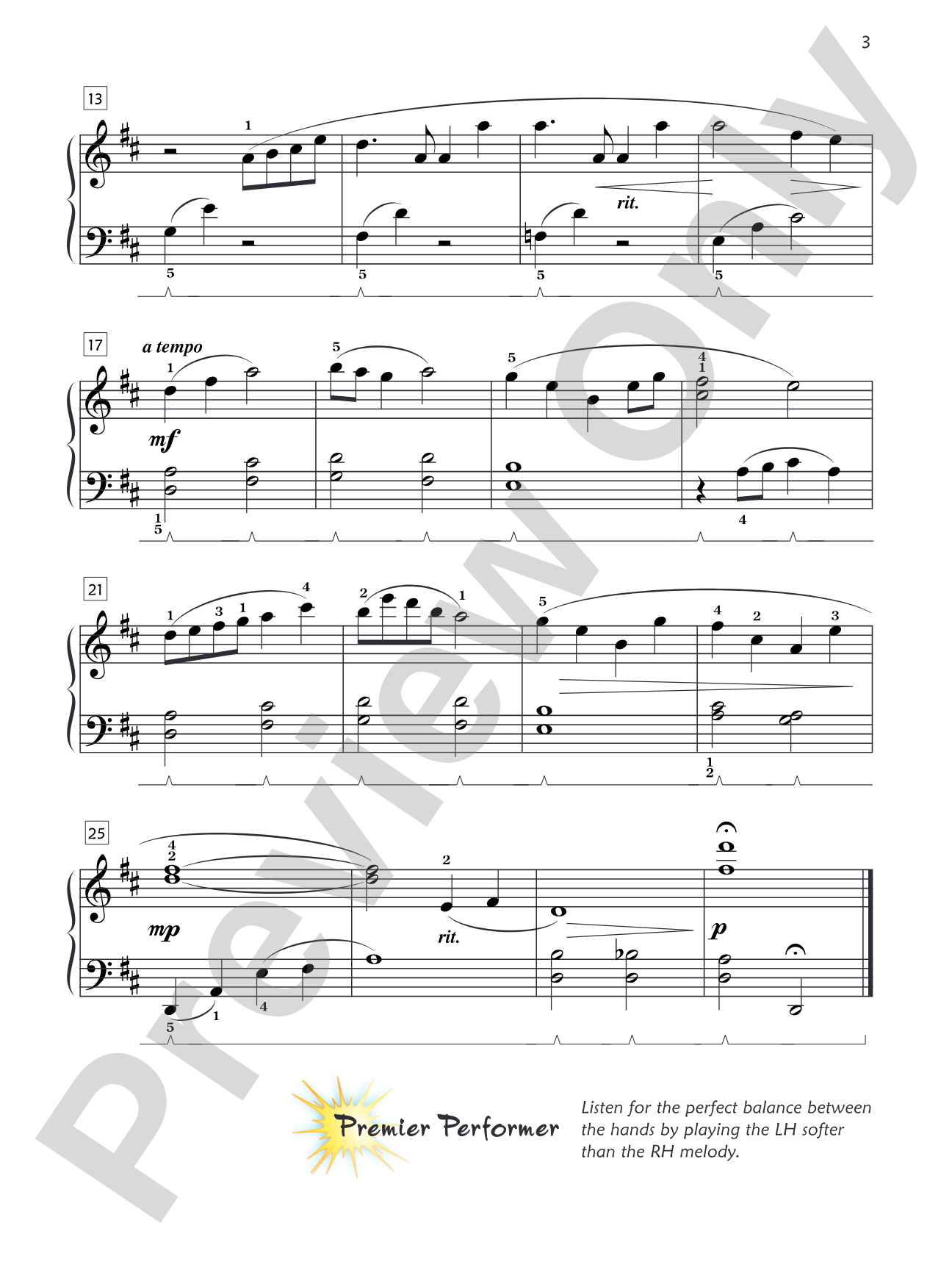
01 Letters from Home [Performance Tempo]
--:--
2
02 Letters from Home [Practice Tempo]
--:--
3
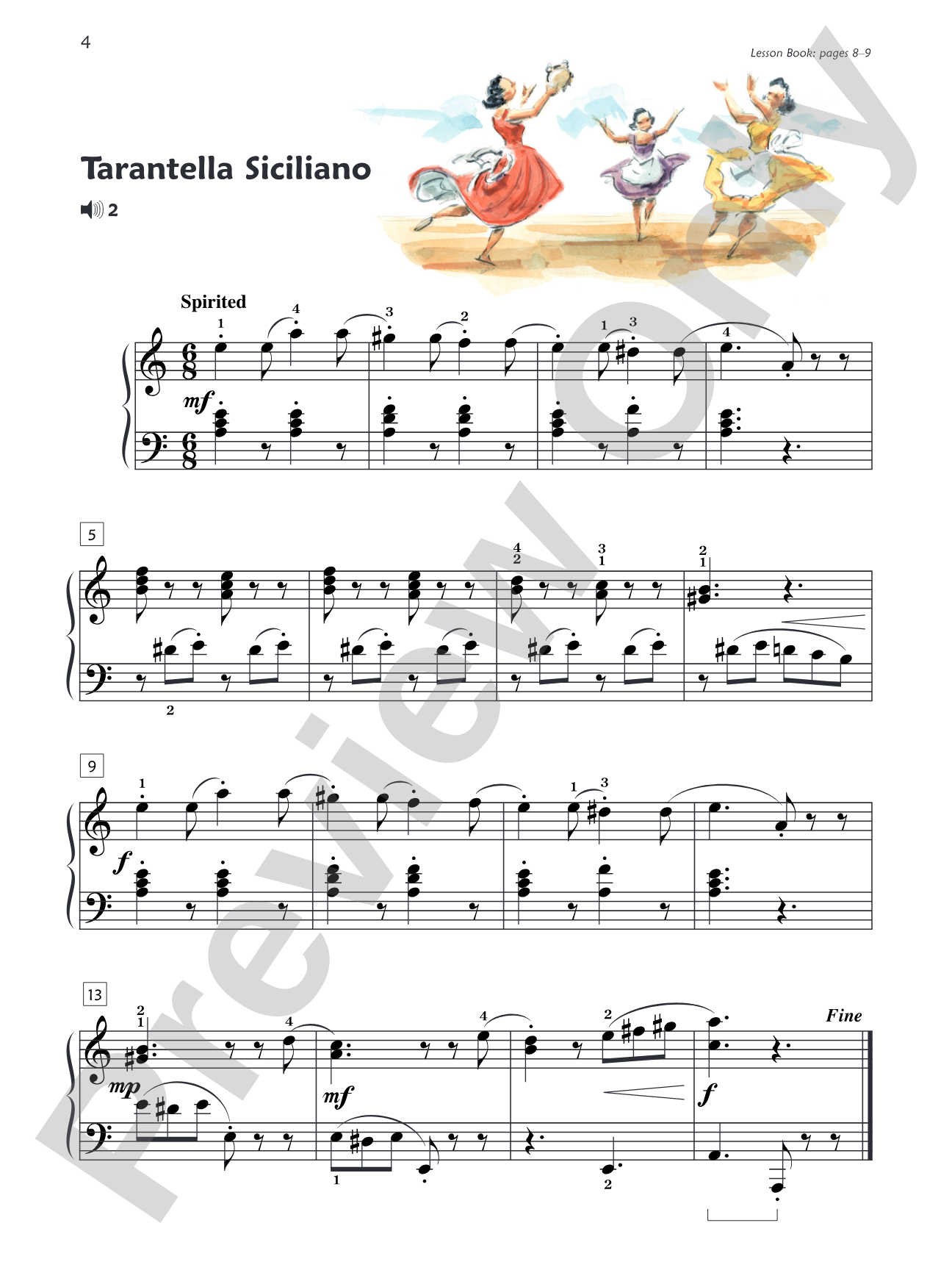
03 Tarantella Siciliano [Performance Tempo]
--:--
4
04 Tarantella Siciliano [Practice Tempo]
--:--
5
05 A Winter's Tale [Performance Tempo]
--:--
6
06 A Winter's Tale [Practice Tempo]
--:--
7
07 Cappuccino Boogie [Performance Tempo]
--:--
8
08 Cappuccino Boogie [Practice Tempo]
--:--
9
09 Spring [Performance Tempo]
--:--
10
10 Spring [Practice Tempo]
--:--
11
11 Along the River Seine [Performance Tempo]
--:--
12
12 Along the River Seine [Practice Tempo]
--:--
13
13 House of the Rising Sun [Performance Tempo]
--:--
14
14 House of the Rising Sun [Practice Tempo]
--:--
15
15 Spanish Guitars [Performance Tempo]
--:--
16
16 Spanish Guitars [Practice Tempo]
--:--
17
17 The Legend of Atlantis [Performance Tempo]
--:--
18
18 The Legend of Atlantis [Practice Tempo]
--:--
19
19 Red Rock Rag [Performance Tempo]
--:--
20
20 Red Rock Rag [Practice Tempo]
--:--
21
21 Old-Time Movie [Performance Tempo]
--:--
22
22 Old-Time Movie [Practice Tempo]
--:--
23
23 Sonatina in C Major [Performance Tempo]
--:--
24
24 Sonatina in C Major [Practice Tempo]
--:--
25
25 Minuet in F Major [Performance Tempo]
--:--
26
26 Minuet in F Major [Practice Tempo]
--:--
27
27 The Steeplechase [Performance Tempo]
--:--
28
28 The Steeplechase [Practice Tempo]
--:--
29
29 Musette in D Major [Performance Tempo]
--:--
30
30 Musette in D Major [Practice Tempo]
--:--
31
31 Premier Toccatina [Performance Tempo]
--:--
32
32 Premier Toccatina [Practice Tempo]
--:--
01 Letters from Home [Performance Tempo]
0:00
0:00
Sample Video
Additional Details
Series:
Premier Piano Course
Publisher:
Alfred Music
Page Count:
32
SKU:
00-PB-0000957
More about this title
About the Composer: Dennis Alexander

Dennis Alexander has shaped generations of piano students through his prolific output of educational works since joining Alfred Music in 1986. His four decades of teaching experience, spanning piano pedagogy at the University of Montana, applied instruction at California State University campuses, and private studio work, informs every composition he writes. Alexander remains an active performer and clinician, traveling internationally to conduct master classes and workshops while maintaining a rigorous composing schedule from his base in Albuquerque.
Beyond his classroom legacy, Alexander has earned recognition as a collaborative artist working with accomplished soloists and chamber ensembles. He has been commissioned by numerous state and national music organizations, adjudicated international competitions, and performed extensively throughout Asia and North America. His dual identity as both a serious concert artist and dedicated pedagogue gives his educational writing uncommon depth.
Why we love this
The variety packed into these 32 pages keeps students genuinely engaged, ragtime sits next to jazz ballads, which lead into original classics, all while the rhythmic vocabulary naturally expands. Alexander and his co-composers have resisted the temptation to make this a workbook in disguise; instead, they've crafted pieces that students actually want to practice because the music itself is worth playing.
What to expect
Fresh and accessible without sacrificing musical substance. You'll move between the reflective space of a lyrical ballad, the swagger of a ragtime piece, and the groove of a jazz number, each one written to feel complete and satisfying at Level 4.
Who it's for
Students progressing through Level 4 of the Premier Piano Course who are ready to expand their stylistic range and deepen their technical vocabulary. This book pairs directly with the corresponding Lesson Book 4, making it ideal for students in private lessons or group class settings who need repertoire that reinforces new concepts without feeling like technical exercises.
How to get the most out of it
- Listen to both the performance and practice tempo recordings before sitting down to learn a piece. The practice tempo helps you isolate technical details; the performance tempo shows you where the music is headed rhythmically and expressively.
- When working with triplets and sixteenth notes, tap or count silently through the rhythmic patterns first without the keyboard. Once the rhythm lives in your body, add the melodic and harmonic content.
- For pieces in minor keys, spend time playing the A and E minor scales and arpeggios separately so the tonality feels familiar before tackling full harmonic contexts.
- In jazz and boogie pieces, let the rhythmic energy breathe—don't rush the accompaniment patterns just because they feel energetic. The pulse should feel relaxed and behind the beat slightly.
How to use it
Use this as your primary repertoire collection for the second half of the school year, pairing pieces with the corresponding lesson book concepts. Select individual pieces for studio recitals, student showcases, or informal playing sessions, the variety means every student finds something that matches their musical personality.
Skills your students will build
- Reading and performing triplets and sixteenth note rhythms
- Playing natural and harmonic minor scales in A and E minor
- Building one-octave arpeggios and chord inversions
- Recognizing and interpreting stylistic differences (lyrical, jazz, boogie, ragtime, classical)
- Correlating new concepts from the Lesson Book with real musical contexts