

Premier Piano Course, Performance 2A: Piano
By Dennis Alexander, Gayle Kowalchyk, E. L. Lancaster, Victoria McArthur, and Martha Mier
Level: 2A
Item: 00-PB-0000955
$9.99
Pickup currently not available
Related Items
Premier Piano Course, Performance 2A: Piano Book & Online Audio |
$9.99
|
View |
Description
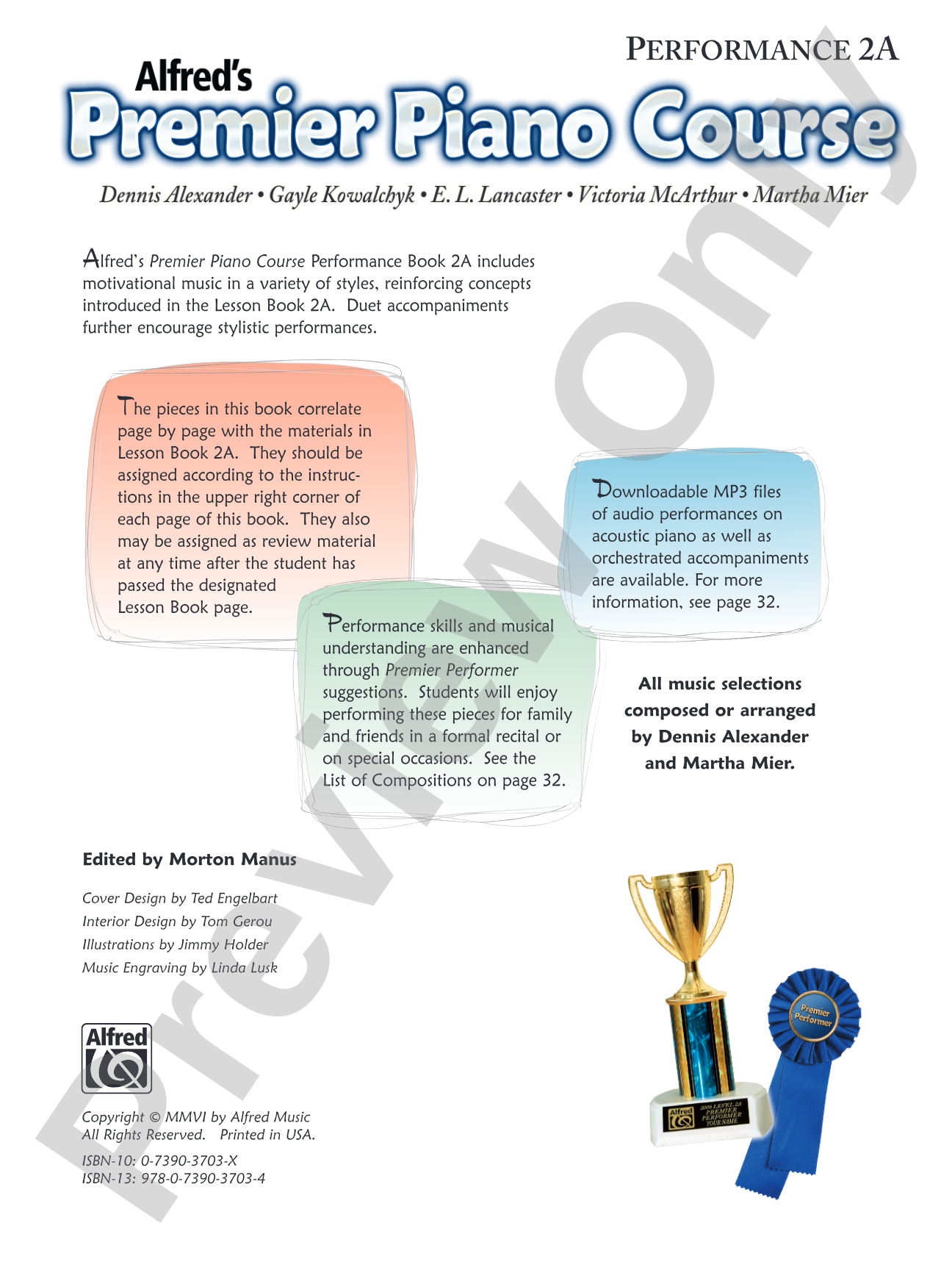
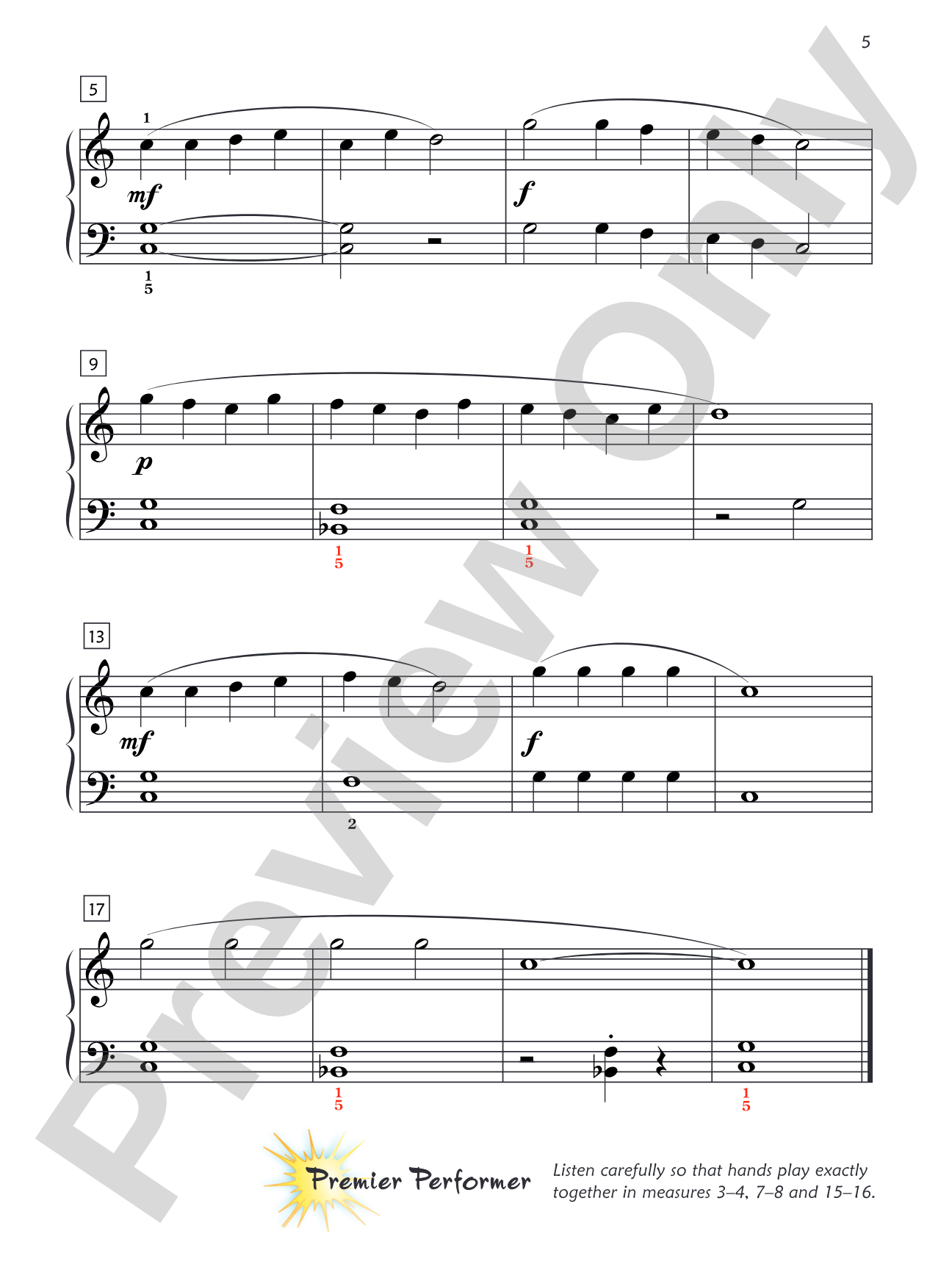
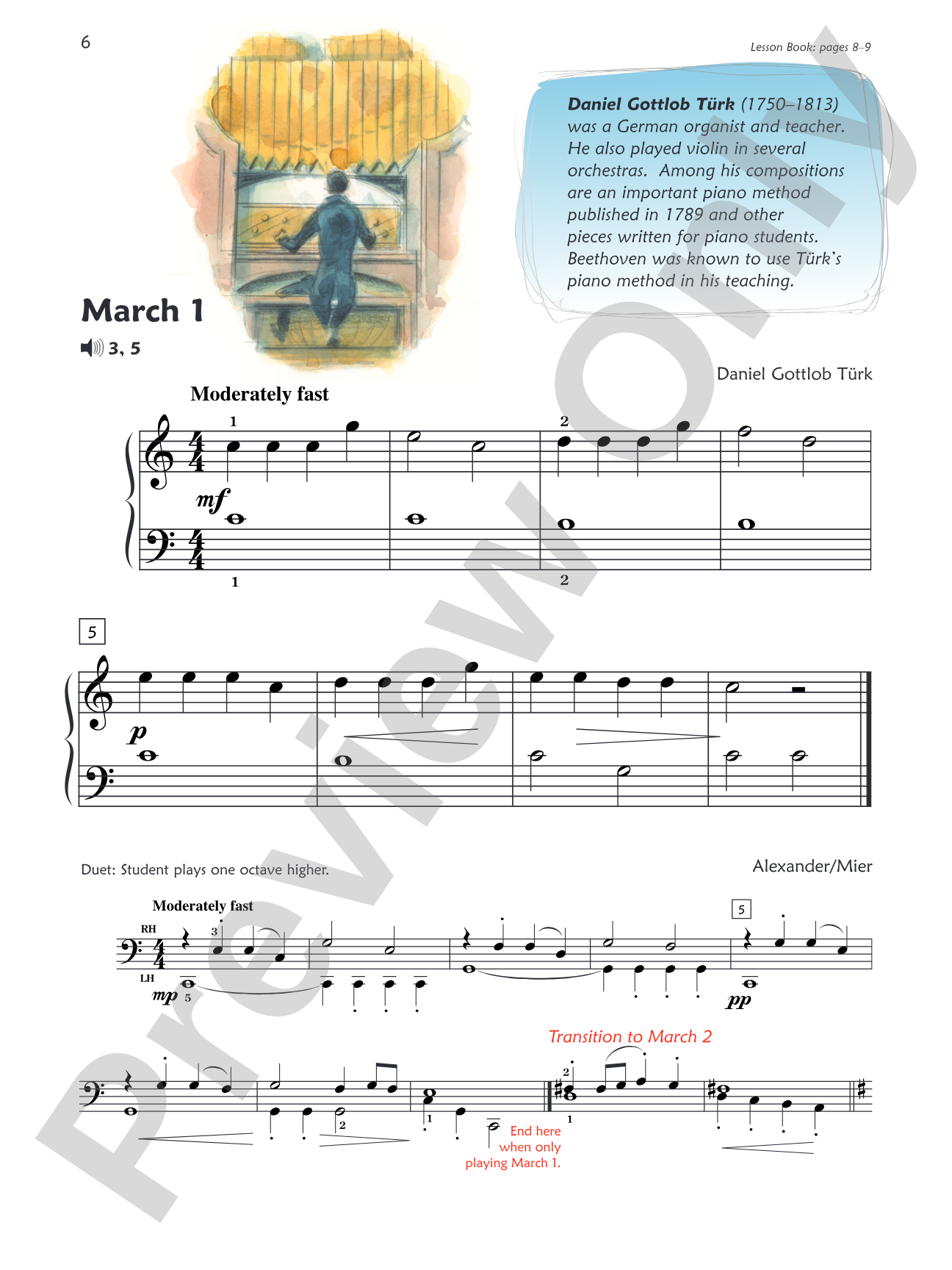
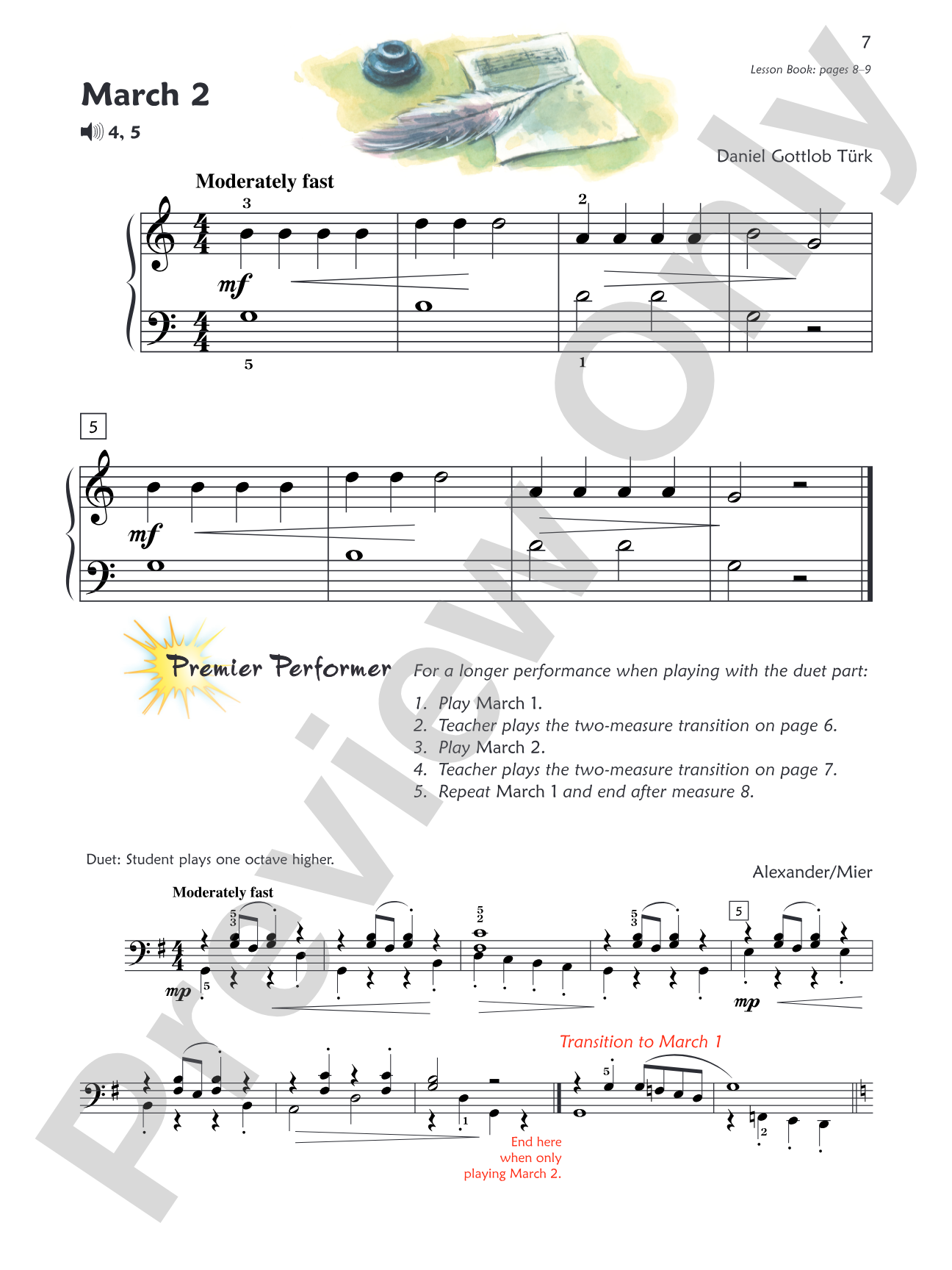
The appealing repertoire with charming lyrics further reinforces and enhances the learning of new musical concepts introduced in the Lesson Book. Includes attractive music created by internationally acclaimed composers in a variety of styles, plus tips on how to perform more musically. Each piece was recorded at a performance tempo and a slower practice tempo
The audio for this book is also available for download here
The music from this book is available in the Piano Maestro app that's downloadable here. Learn more About JoyTunes, the maker of Piano Maestro here.


The audio for this book is also available for download here
The music from this book is available in the Piano Maestro app that's downloadable here. Learn more About JoyTunes, the maker of Piano Maestro here.
Premier Piano Course, Performance 2A: Piano isn't in MakeMusic Cloud just yet...but it could be. Let us know you'd like to see it, and you'll help shape what comes next. In the meantime, start a free trial and dive into thousands of interactive titles your students can play along with today.
Request This Title
Tell us you want it.
Start Your Free Trial
Explore everything that's ready to play right now.
Sample Audio
1
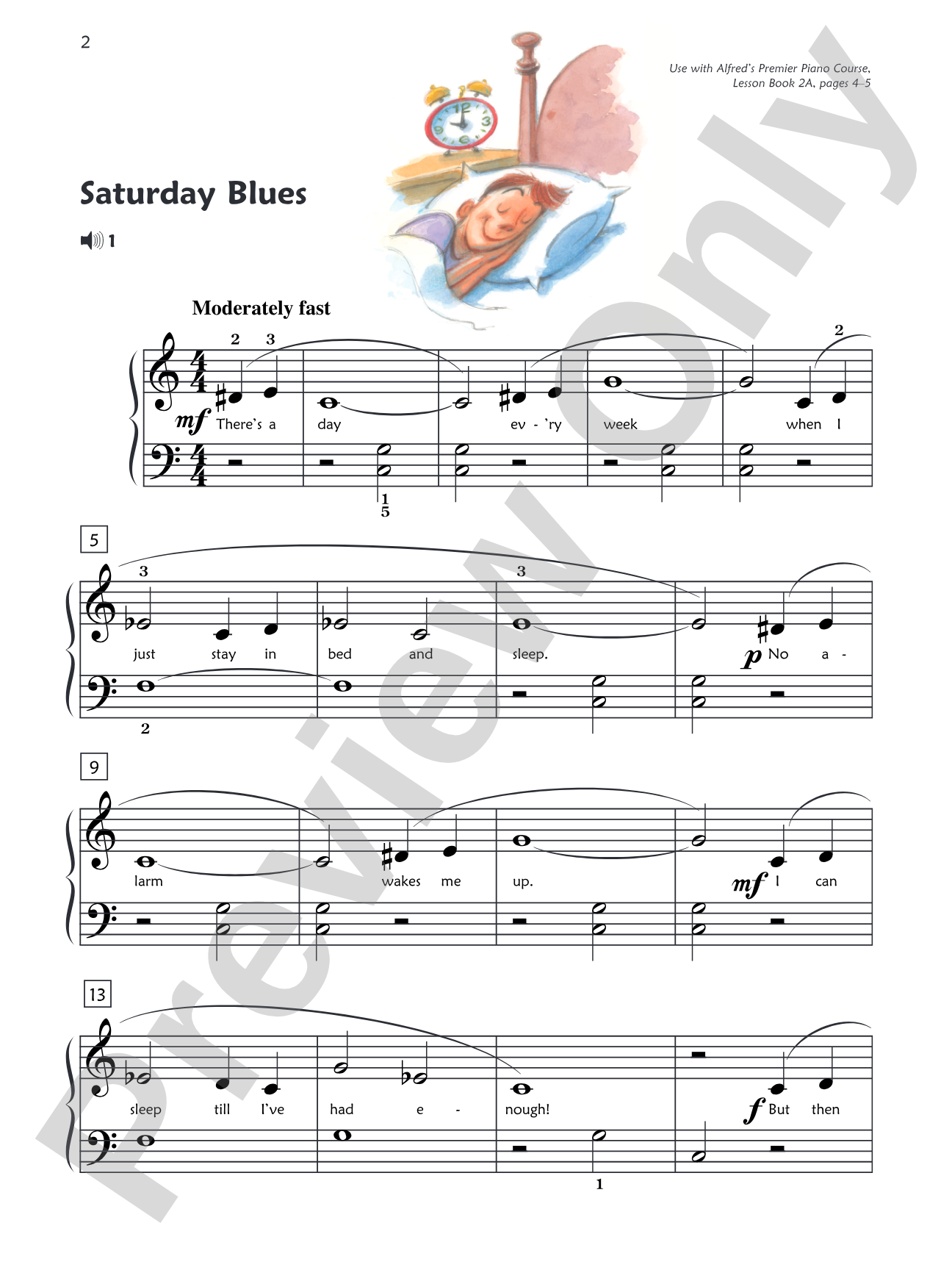
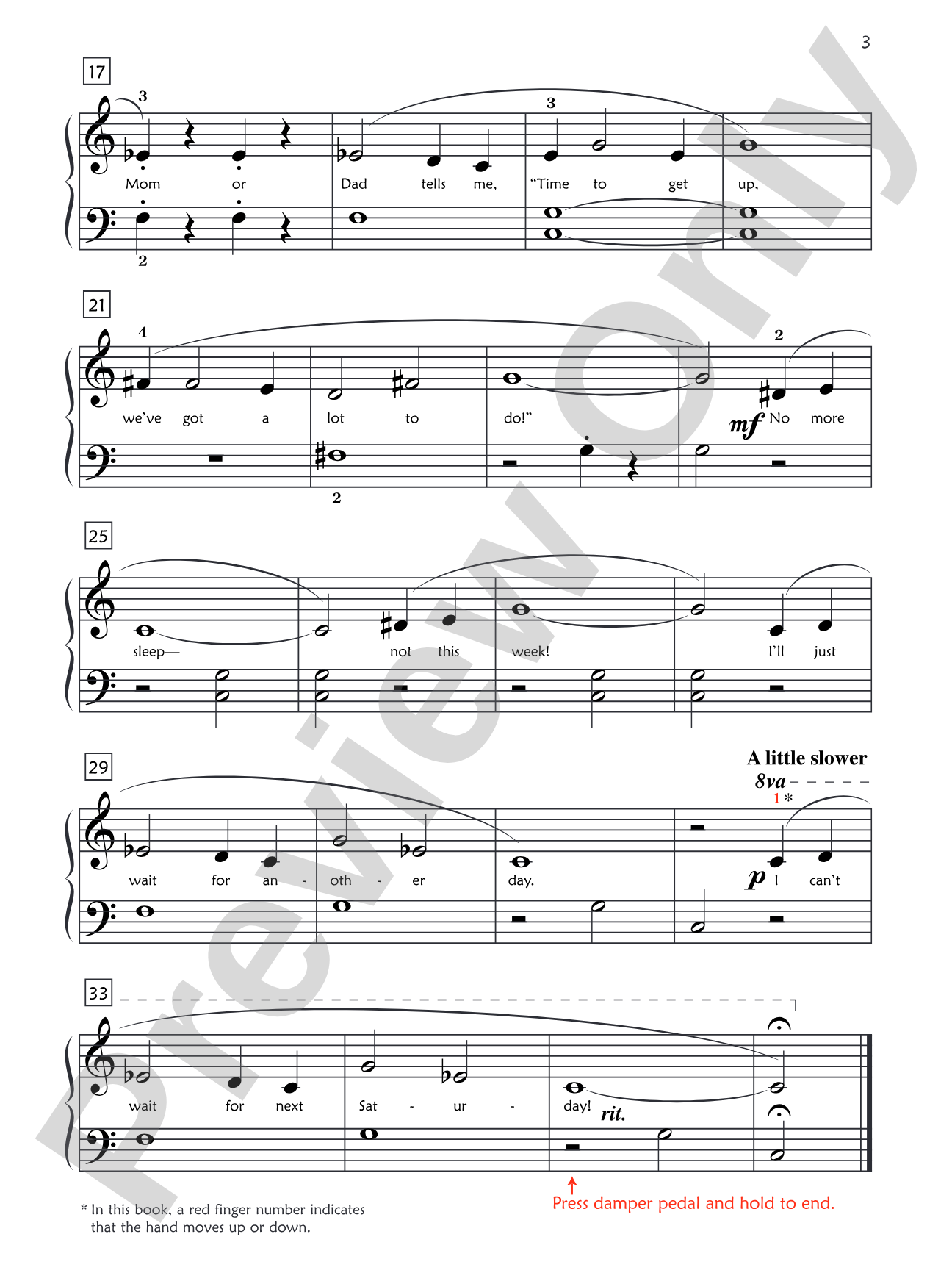
01 Saturday Blues (performance tempo)
--:--
2
02 Saturday Blues (practice tempo)
--:--
3
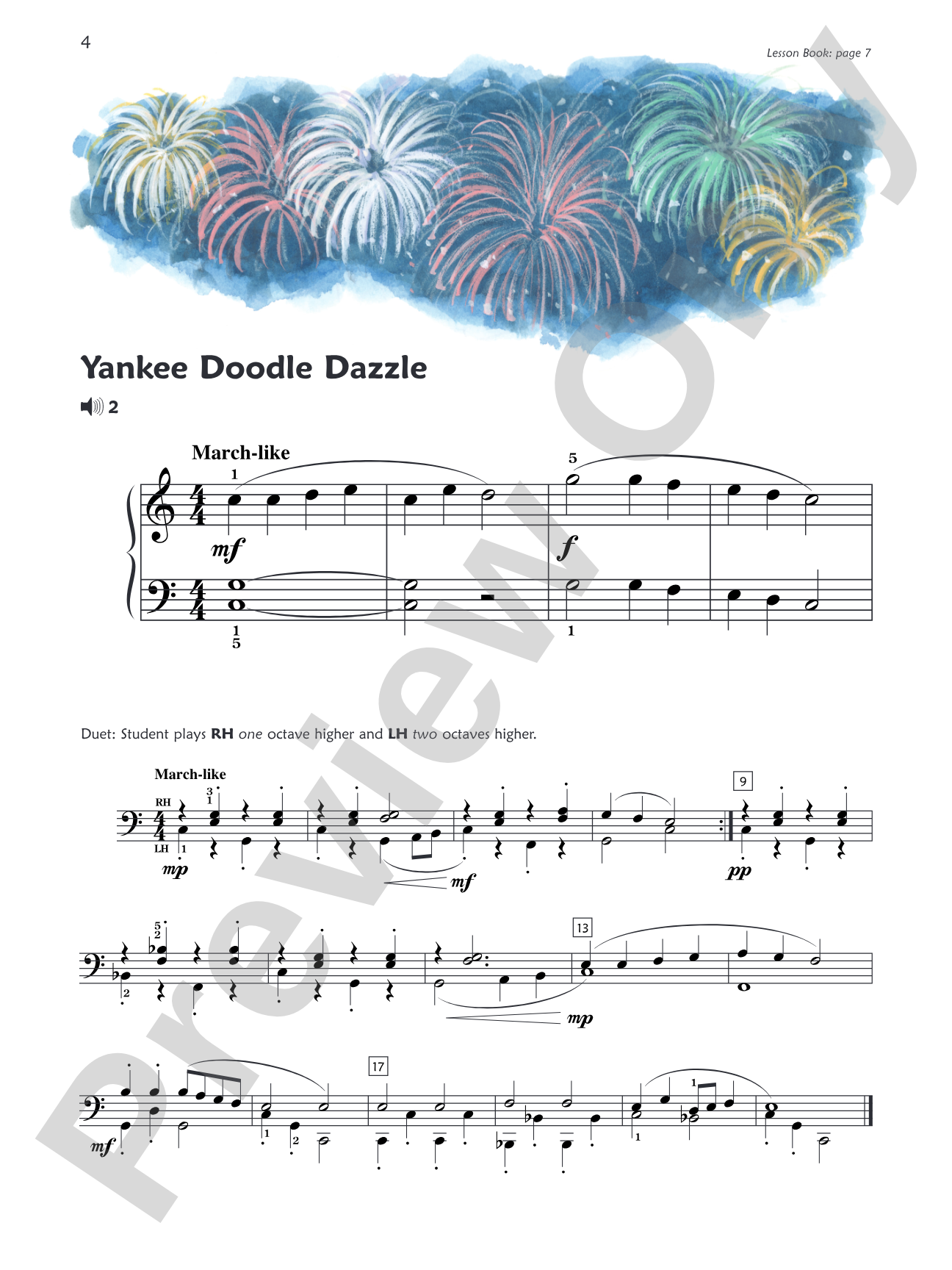
03 Yankee Doodle Dazzle (performance tempo)
--:--
4
04 Yankee Doodle Dazzle (practice tempo)
--:--
5
05 March 1 (performance tempo)
--:--
6
06 March 1 (practice tempo)
--:--
7
07 March 2 (performance tempo)
--:--
8
08 March 2 (practice tempo)
--:--
9
09 March 1 & March 2 (performance tempo)
--:--
10
10 March 1 & March 2 (practice tempo)
--:--
11
11 Boogie Bounce (performance tempo)
--:--
12
12 Boogie Bounce (practice tempo)
--:--
13
13 Carillon Bells (performance tempo)
--:--
14
14 Carillon Bells (practice tempo)
--:--
15
15 My Moonbeam (performance tempo)
--:--
16
16 My Moonbeam (practice tempo)
--:--
17
17 Butterfly World (performance tempo)
--:--
18
18 Butterfly World (practice tempo)
--:--
19
19 Allegro (performance tempo)
--:--
20
20 Allegro (practice tempo)
--:--
21
21 Halftime Show (performance tempo)
--:--
22
22 Halftime Show (practice tempo)
--:--
23
23 Sunflower Rag (performance tempo)
--:--
24
24 Sunflower Rag (practice tempo)
--:--
25
25 Boom, Boom! (performance tempo)
--:--
26
26 Boom, Boom! (practice tempo)
--:--
27
27 Mystery Movie (performance tempo)
--:--
28
28 Mystery Movie (practice tempo)
--:--
29
29 Desert Gold (performance tempo)
--:--
30
30 Desert Gold (practice tempo)
--:--
31
31 The Answering Machine (performance tempo)
--:--
32
32 The Answering Machine (practice tempo)
--:--
33
33 Runaway Stagecoach (performance tempo)
--:--
34
34 Runaway Stagecoach (practice tempo)
--:--
35
35 Sing Out the News! (performance tempo)
--:--
36
36 Sing Out the News! (practice tempo)
--:--
01 Saturday Blues (performance tempo)
0:00
0:00
Sample Video
Additional Details
Series:
Premier Piano Course
Publisher:
Alfred Music
Page Count:
32
SKU:
00-PB-0000955
More about this title
About the Composer: Dennis Alexander

Dennis Alexander has shaped music education for decades through prolific composition. Since joining Alfred Music Publishing in 1986, he has created over 400 publications and recordings that have established him as one of the most widely performed composers of educational piano repertoire globally. His teaching career spanned 24 years at the University of Montana, where he directed the piano department and taught applied piano, class piano, and piano pedagogy. He later taught at Cal State Fullerton and Cal State Northridge before settling in Albuquerque, New Mexico.
Beyond the studio and classroom, Alexander has maintained an active performance schedule as a soloist, accompanist, and chamber musician. He made his Carnegie Recital Hall debut in 1987 and has served as a collaborative artist for internationally recognized musicians. A former president of the Montana State Music Teachers Association, he remains a sought-after clinician at state and national conventions and has been invited to adjudicate competitions and conduct masterclasses internationally. His compositions have been commissioned by numerous organizations, and his work continues to define the standard for accessible, musical piano literature at all levels.
Why we love this
This collection bridges the gap between structured technique and genuine musicality at the early intermediate level. The variety of styles and the inclusion of charming lyrics gives students real incentive to engage with each piece beyond mechanical repetition, while the dual-tempo audio recordings model phrasing and interpretation without dictating it. You'll find that pieces written by such accomplished educators translate immediately into successful student performances and concerts.
What to expect
These pieces sparkle with accessibility without ever feeling condescending. Each one offers a moment of genuine artistry—whether playful, lyrical, or gently exploratory—that respects the student's developing musicianship while remaining firmly within their technical reach.
Who it's for
This book serves students in their second year of study who are ready for pieces with modest harmonic variety and rhythmic interest but still thrive with clear structure and achievable technical demands. It works equally well in private studios and group settings where students need repertoire that builds confidence through musical success.
How to get the most out of it
- Listen to the performance tempo recording first to hear the piece in context, then use the slower practice tempo to work through technical passages without rushing interpretation.
- Explore the character suggested by the piece title and any lyrics before diving into notes; this emotional foundation makes practice sessions more purposeful and performances more communicative.
- Pay attention to dynamic markings and articulation indications as guides to phrasing rather than isolated technical instructions; they reveal the composer's intention for how the music should breathe.
How to use it
Pieces from this collection shine in studio recitals, school assemblies, and informal performance settings where clarity and charm matter more than technical display. The variety of styles makes it easy to program contrasting pieces back-to-back, building a recital with real shape and personality.
Skills your students will build
- Playing with consistent rhythm while managing both melody and accompaniment
- Recognizing and responding to dynamic and articulation markings
- Interpreting character and phrasing from titles, lyrics, and musical markings
- Reading notation in both treble and bass clefs with greater fluency
- Performing with musicality and expression at an age-appropriate level