

Premier Piano Course, Notespeller 2A: Piano Book
$8.99 USD
Sale price
$8.99 USD
Regular price
Skip to product information


Premier Piano Course, Notespeller 2A: Piano Book
By Gayle Kowalchyk and E. L. Lancaster
Level: 2A
Item: 00-42682
$8.99
One moment…
Description
Notespeller 2A reinforces note-reading concepts presented in Lesson Book 2A through written exercises. Note and interval identification exercises are presented to provide systematic reinforcement to help the student read and write notes on the staff. QR codes are included and link directly to Premier Online Assistant videos that further support and increase understanding of the concepts.


Premier Piano Course, Notespeller 2A: Piano Book isn't in MakeMusic Cloud just yet...but it could be. Let us know you'd like to see it, and you'll help shape what comes next. In the meantime, start a free trial and dive into thousands of interactive titles your students can play along with today.
Request This Title
Tell us you want it.
Start Your Free Trial
Explore everything that's ready to play right now.
Sample Audio
No sample audio found.
Sample Video
No sample videos found.
Additional Details
More about this title
About the Authors
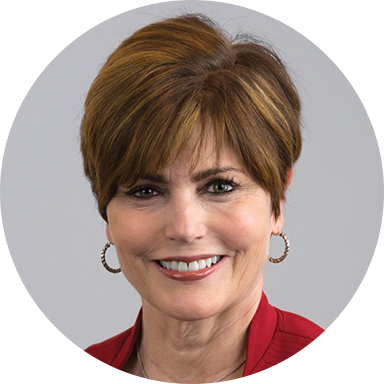
Dr. Gayle Kowalchyk teaches class piano, piano, and piano pedagogy at California State University, Northridge. She earned her bachelor's degree in piano performance from Ohio University (1977), a master's degree in piano performance and pedagogy from Northwestern University (1979), and a doctorate in piano pedagogy from Teachers College, Columbia University (1989).
Throughout her career, Dr. Kowalchyk has held faculty positions at Eastern Illinois University, where she coordinated the class piano program and directed the piano preparatory program; Oklahoma Baptist University; and the University of Oklahoma. She also taught at the National Music Camp in Interlochen, Michigan during summers from 1979 to 1982. As a clinician and adjudicator, she has presented at numerous national conferences including those sponsored by the Music Teachers National Association, the Music Educators National Conference, the National Group Piano Symposium, and the World Piano Pedagogy Conference.
In collaboration with her husband, Dr. E. L. Lancaster, Dr. Kowalchyk has authored more than 300 educational piano publications, including Alfred's Premier Piano Course and Music for Little Mozarts. She and her husband operated an independent piano studio in Norman, Oklahoma from 1981 to 1996. Currently based in the Los Angeles area, she continues teaching piano and serves as a clinician for Alfred Music.
Throughout her career, Dr. Kowalchyk has held faculty positions at Eastern Illinois University, where she coordinated the class piano program and directed the piano preparatory program; Oklahoma Baptist University; and the University of Oklahoma. She also taught at the National Music Camp in Interlochen, Michigan during summers from 1979 to 1982. As a clinician and adjudicator, she has presented at numerous national conferences including those sponsored by the Music Teachers National Association, the Music Educators National Conference, the National Group Piano Symposium, and the World Piano Pedagogy Conference.
In collaboration with her husband, Dr. E. L. Lancaster, Dr. Kowalchyk has authored more than 300 educational piano publications, including Alfred's Premier Piano Course and Music for Little Mozarts. She and her husband operated an independent piano studio in Norman, Oklahoma from 1981 to 1996. Currently based in the Los Angeles area, she continues teaching piano and serves as a clinician for Alfred Music.
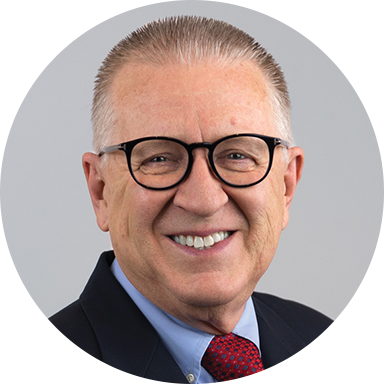
Dr. E. L. Lancaster served as Executive Editor for Piano at Alfred Music and currently teaches piano as adjunct faculty at California State University, Northridge. He earned degrees from Murray State University and the University of Illinois, culminating in a Ph.D. from Northwestern University.
During his 19 years as Professor of Music at the University of Oklahoma from 1979 to 1998, Dr. Lancaster established the institution's master's and doctoral programs in piano pedagogy and mentored more than 50 doctoral candidates in the field. He coordinated the university's group piano program and directed the Piano Pedagogy Laboratory, where he combined group and private instruction for pre-college students. Alongside his academic work, he and his wife Dr. Gayle Kowalchyk operated a thriving independent piano studio in Norman, Oklahoma from 1981 to 1996.
His professional leadership extends to significant roles within MTNA, including National Chairman of Group Piano, National Chairman of Student Chapters, and 2020 National Conference Chair. He has also held leadership positions in the National Conference on Piano Pedagogy. Dr. Lancaster's achievements include the Regents Award for Superior Teaching (1984), a David Ross Boyd Professorship (1991), the Provost's Outstanding Academic Advising Award (1996), and recognition as a Signature Sinfonian by Phi Mu Alpha Sinfonia (2013). Murray State University presented him with the Distinguished Alumnus Award in 2014, its highest honor.
During his 19 years as Professor of Music at the University of Oklahoma from 1979 to 1998, Dr. Lancaster established the institution's master's and doctoral programs in piano pedagogy and mentored more than 50 doctoral candidates in the field. He coordinated the university's group piano program and directed the Piano Pedagogy Laboratory, where he combined group and private instruction for pre-college students. Alongside his academic work, he and his wife Dr. Gayle Kowalchyk operated a thriving independent piano studio in Norman, Oklahoma from 1981 to 1996.
His professional leadership extends to significant roles within MTNA, including National Chairman of Group Piano, National Chairman of Student Chapters, and 2020 National Conference Chair. He has also held leadership positions in the National Conference on Piano Pedagogy. Dr. Lancaster's achievements include the Regents Award for Superior Teaching (1984), a David Ross Boyd Professorship (1991), the Provost's Outstanding Academic Advising Award (1996), and recognition as a Signature Sinfonian by Phi Mu Alpha Sinfonia (2013). Murray State University presented him with the Distinguished Alumnus Award in 2014, its highest honor.