
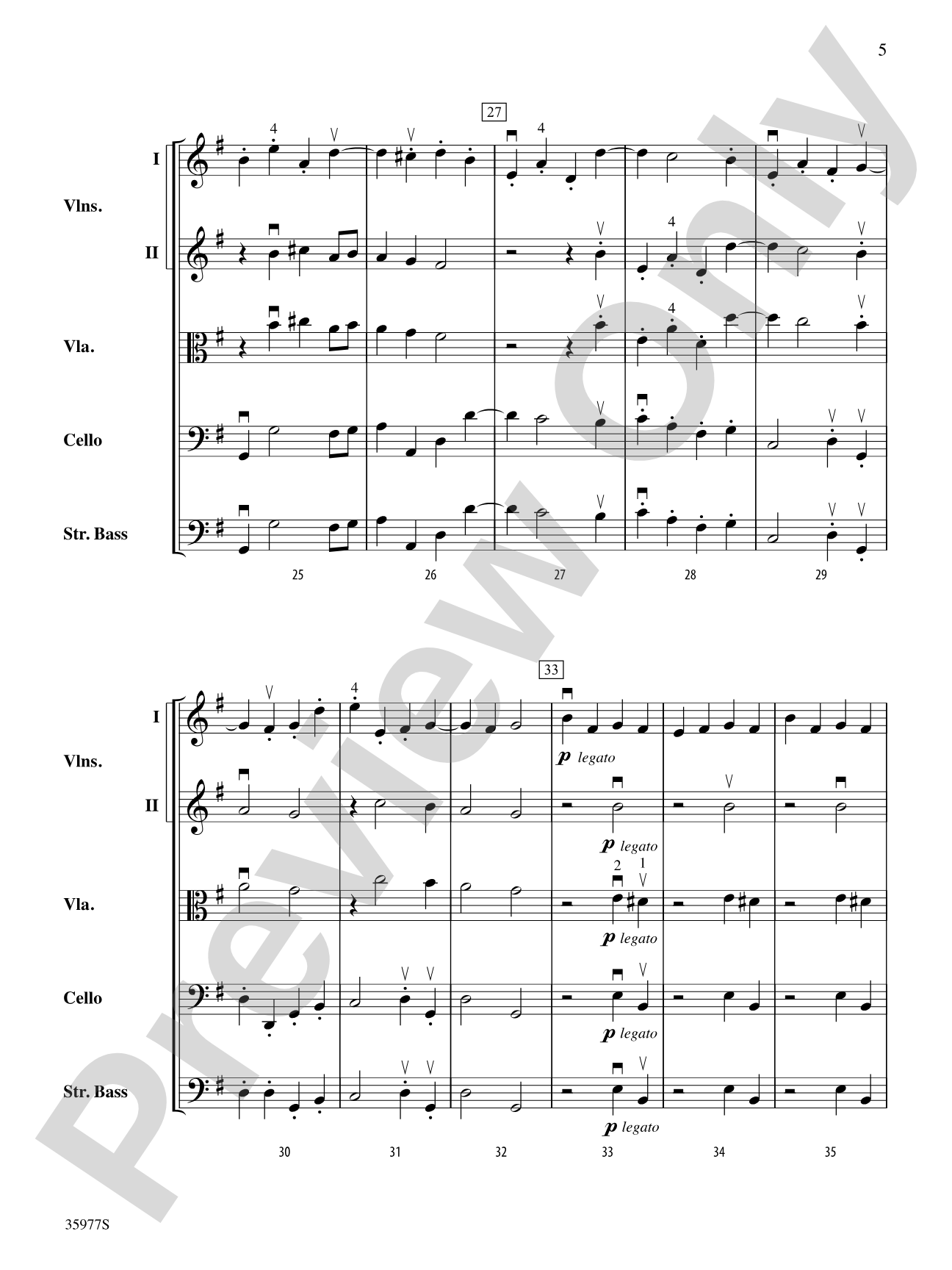
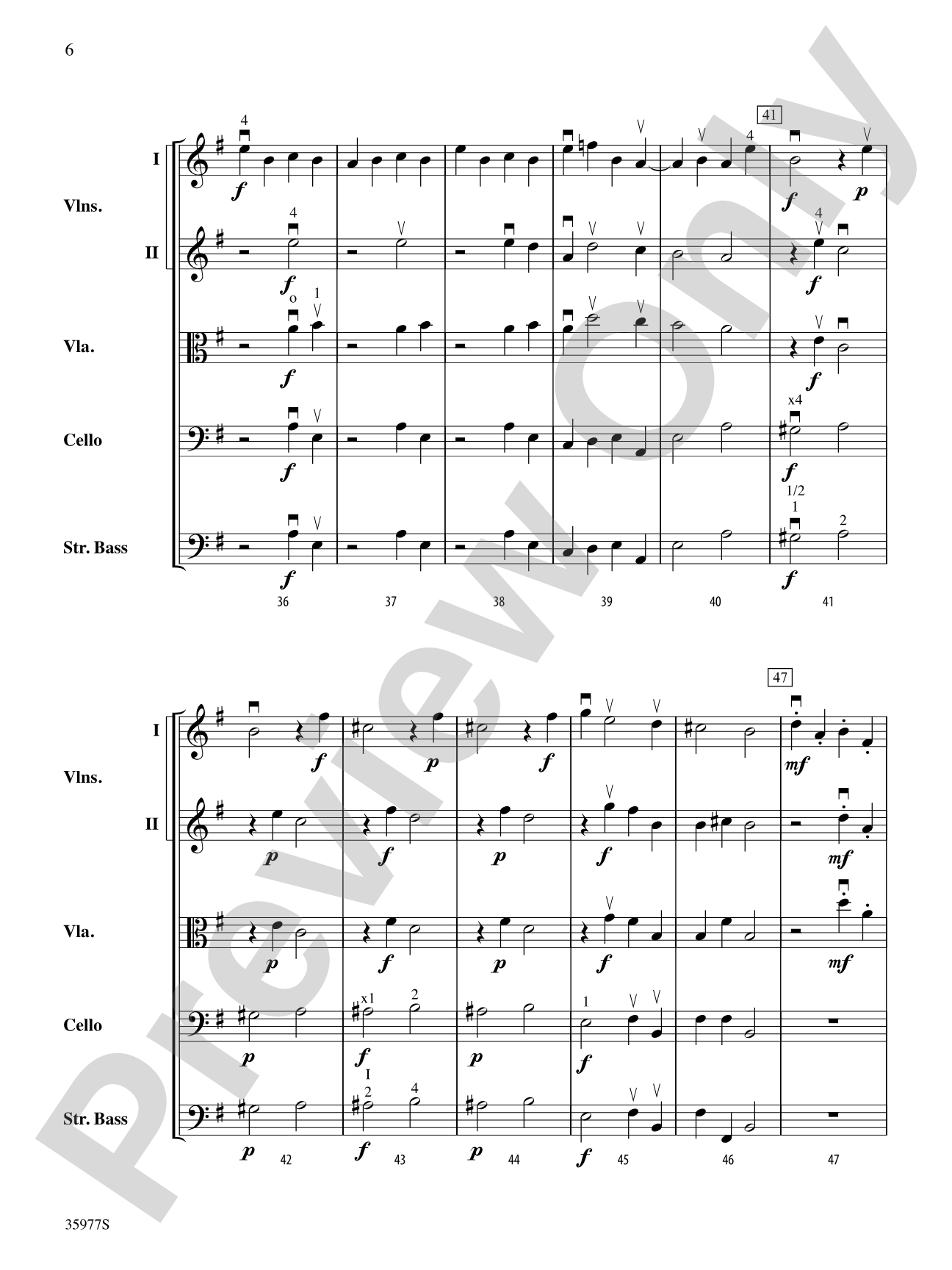
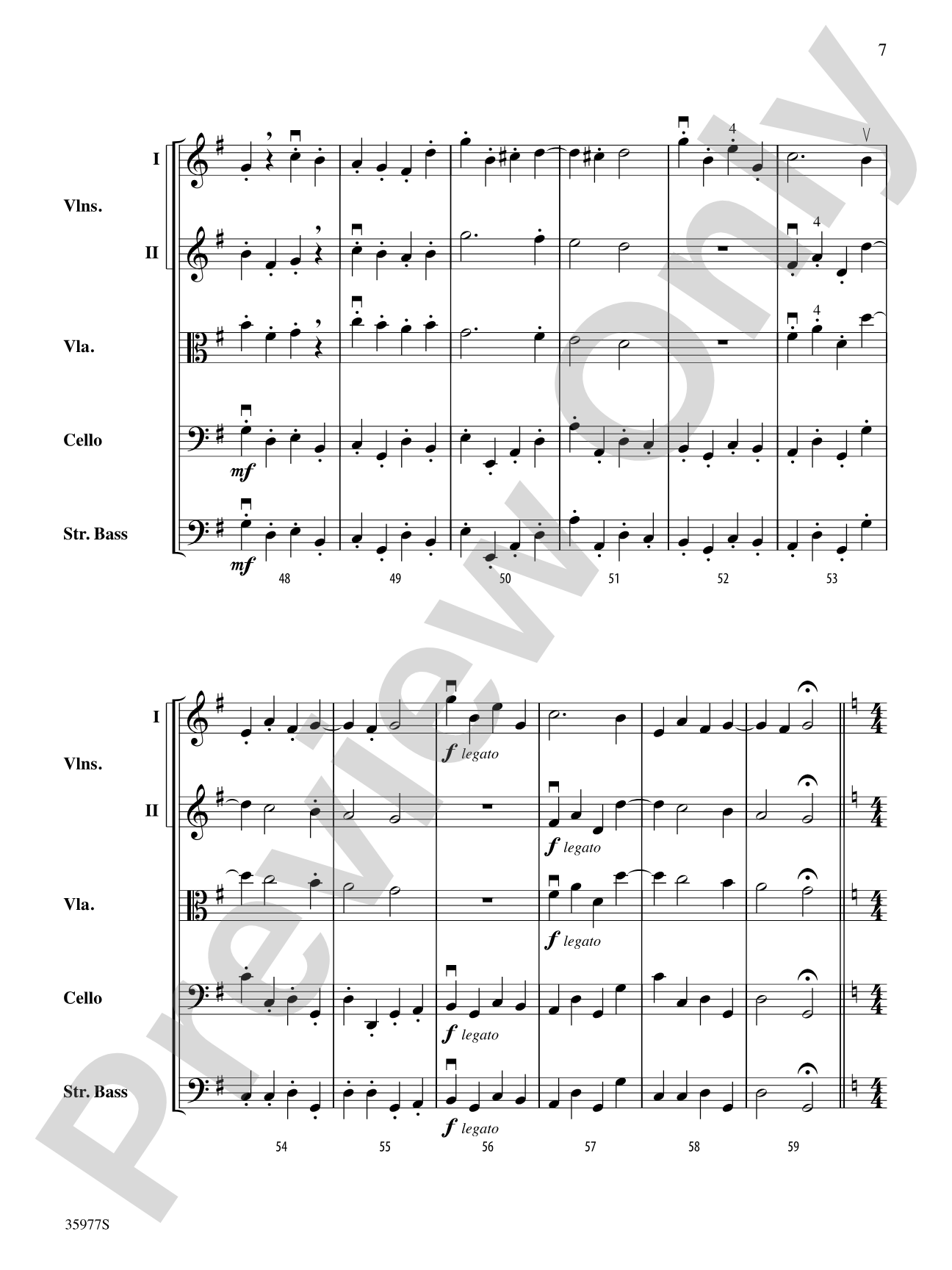
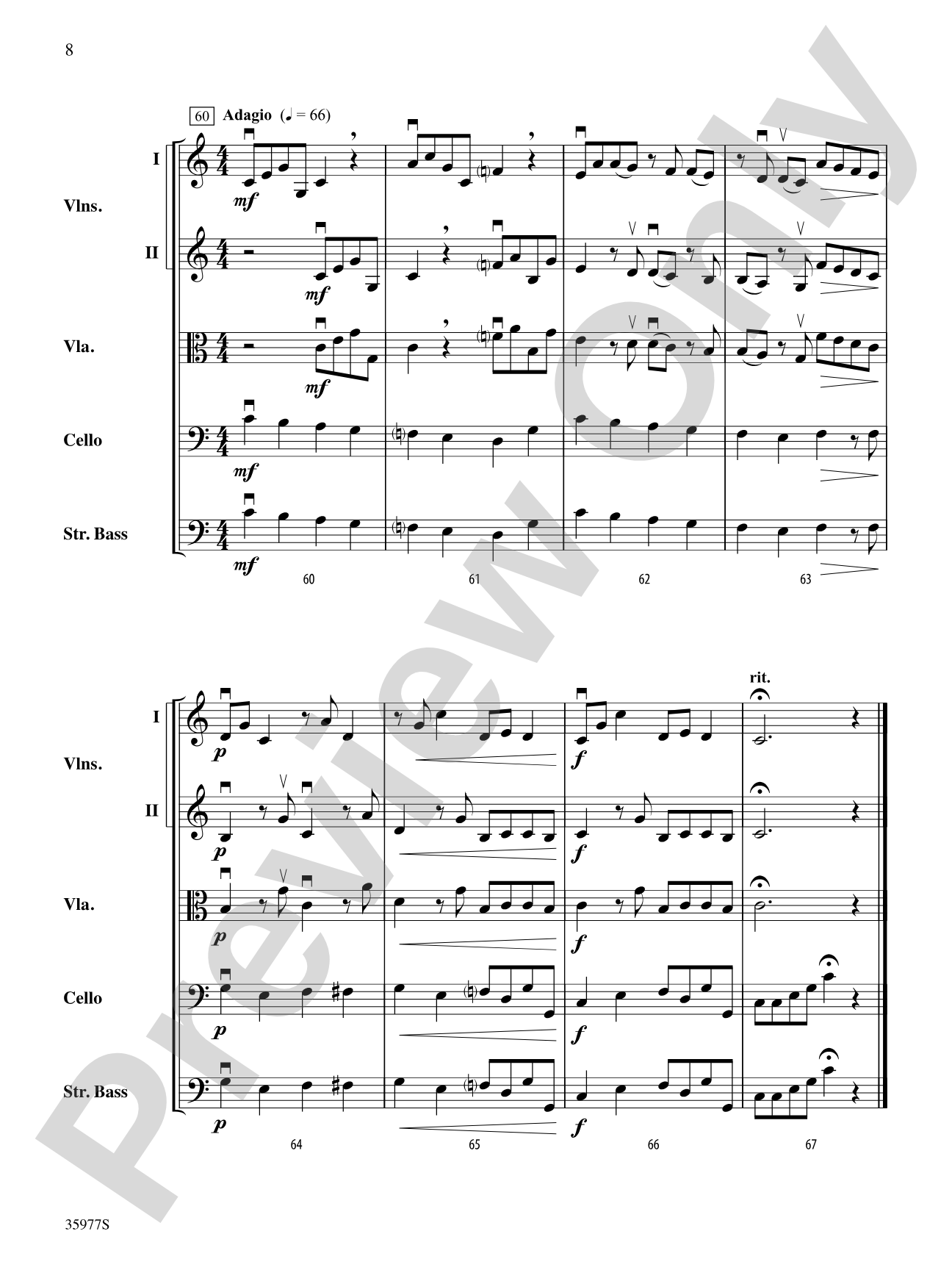

Preludio and Allegro: Score
By Archangelo Corelli / arr. Ruth Siegler
Grade: 2
Item: 00-PR-0003369
$9.00
Pickup currently not available
Description
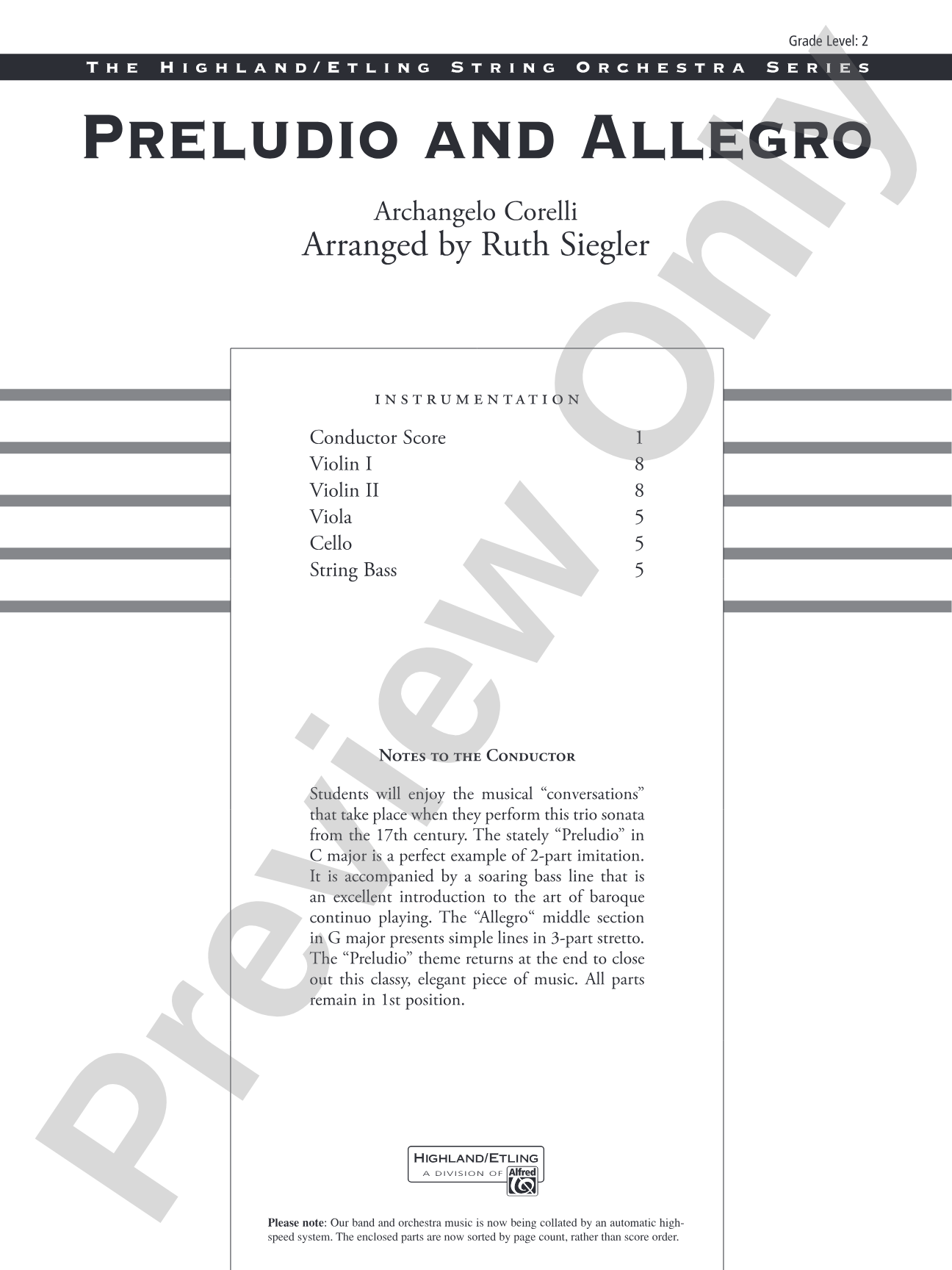
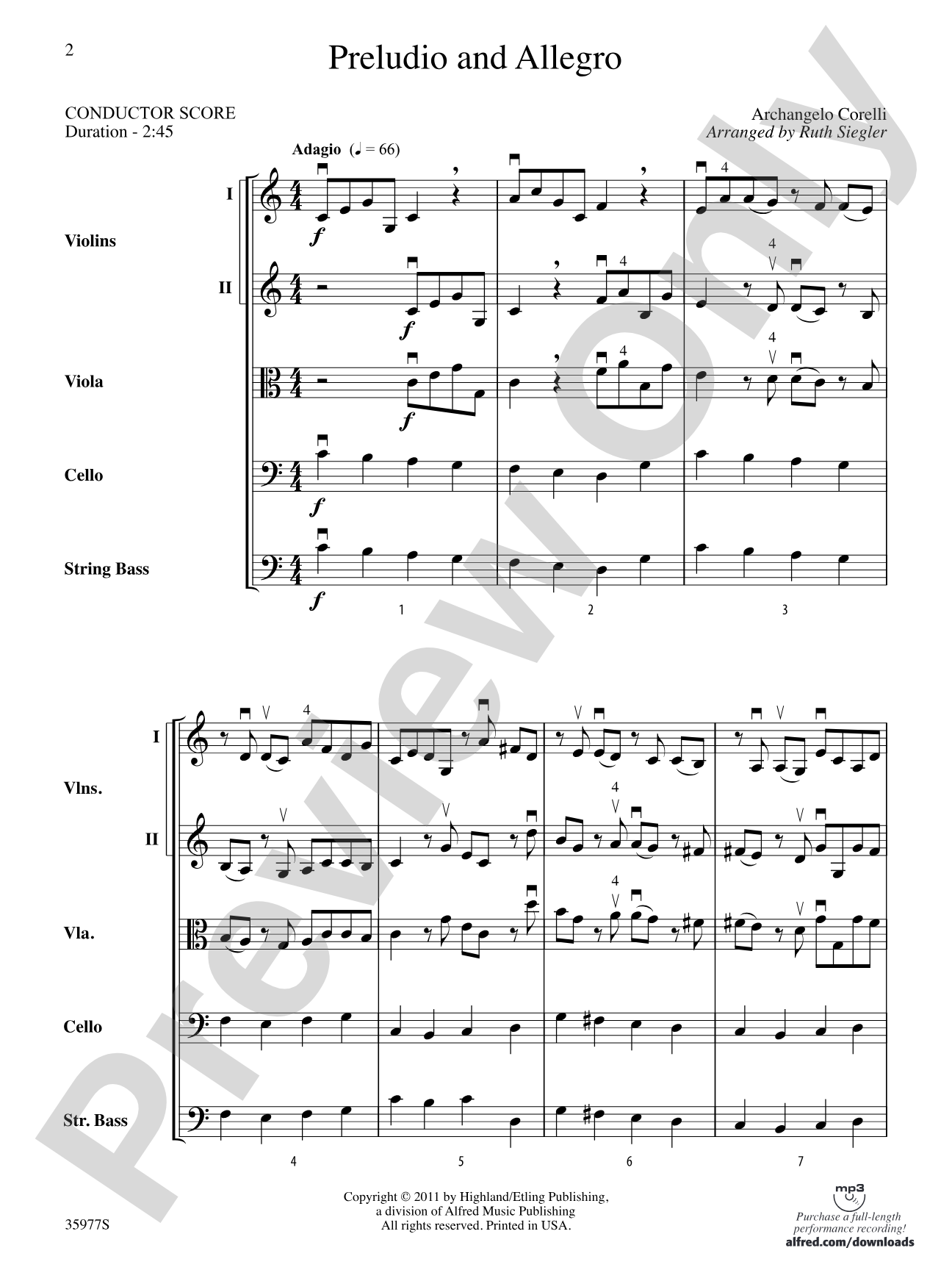
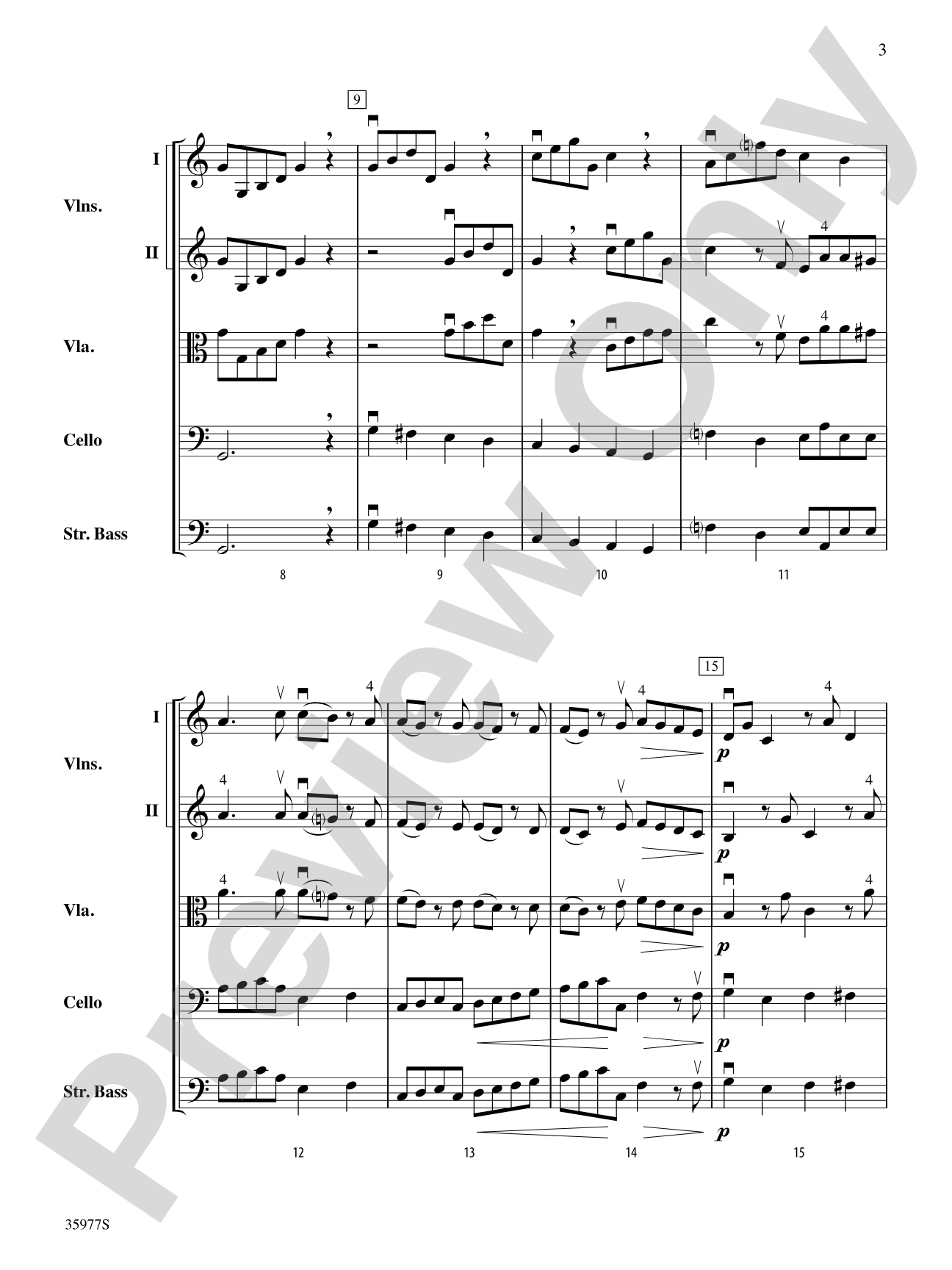
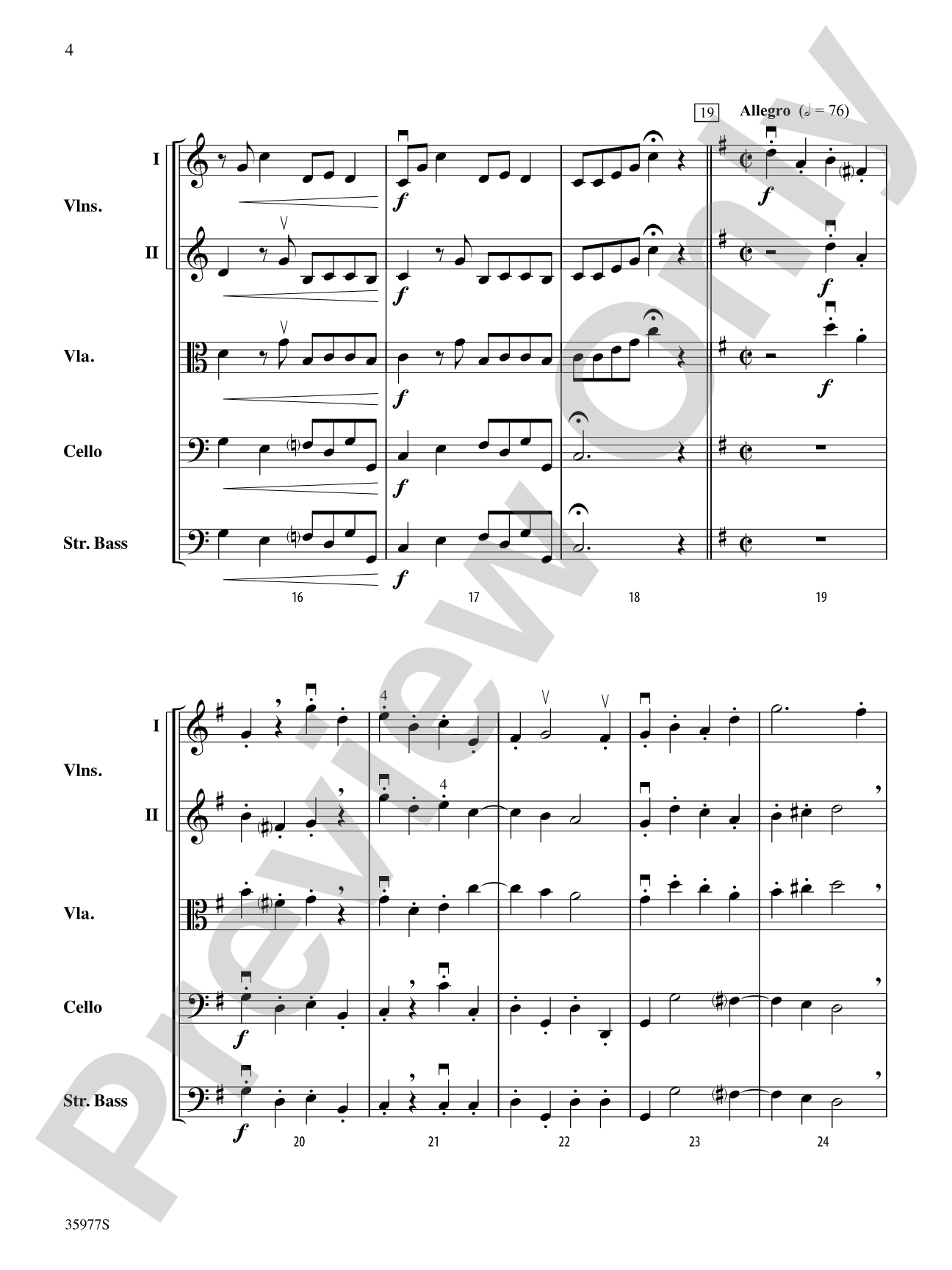
Students will enjoy the musical "conversations" that take place when they perform this trio sonata from the 17th century. The stately "Preludio" in C major is accompanied by a soaring bass line that is an excellent introduction to the art of Baroque continuo playing. Following the "Allegro," the first theme returns to close out this classy, elegant piece of music. All parts remain in 1st position.


Don't just read it, hear it, play along with it, and watch your students grow with it. In MakeMusic Cloud, Preludio and Allegro: Score comes alive with professional accompaniment, adjustable tempo, and built-in practice tools that turn solo practice into real progress.
Open in the Player
Jump straight in and assign it today.
Start Your Free Trial
Open this title and explore the full library in minutes.
Sample Audio
1
Audio File
--:--
0:00
0:00
Sample Video
No sample videos found.
Additional Details
Series:
Highland/Etling String Orchestra
Publisher:
Alfred Music
Page Count:
62
SKU:
00-PR-0003369
Instrumentation:
string
More about this title
About the Composer: Archangelo Corelli
Arcangelo Corelli (1653-1713) was an Italian violinist and composer who fundamentally shaped the sound and structure of Baroque instrumental music. His published concertos and sonatas established conventions for ensemble writing that composers across Europe would follow for decades, making him one of the most influential musicians of his era.
Corelli's approach to composition prioritized clarity, balance, and singable melodic lines. His music remains central to string pedagogy because it demands musicianship without excessive technical display, rewarding students who listen carefully to one another and shape phrases with intention.
Why we love this
Ruth Siegler's arrangement captures what makes Corelli essential at the Grade 2 level: voices that speak to each other like a real conversation, not a mere exercise. The soaring bass line introduces continuo principles in a way students can actually hear and feel, and the architecture of the piece (statement, contrast, return) teaches form organically.
What to expect
Stately and composed, with an underlying grace. The Preludio unfolds like a measured conversation in a candlelit room, each voice listening and responding. The Allegro brings energy without losing refinement, and the return to the opening theme feels like a satisfying conclusion to a complete musical statement.
Who it's for
String orchestras at the intermediate level (Grade 2) seeking substantial Baroque repertoire that teaches ensemble balance and voice independence. Directors programming concerts, festivals, or contests will find a work that sounds mature and refined while remaining accessible to developing musicians.
How to get the most out of it
- Bring out the bass line as a conversational partner to the upper voices. Young cellists and basses often play it as accompaniment; it deserves the same musical intention as the melody.
- Shape the phrases in the Preludio with gentle rubato. Baroque music breathes, and allowing slight flexibility in tempo helps students hear where the phrases naturally begin and end.
- Unify vibrato across the section. At this level, consistency matters more than quantity; agree on when and how much vibrato serves the style.
- Prepare the transition between Preludio and Allegro so the tempo shift feels inevitable, not abrupt. Let the final cadence breathe slightly before the faster section enters.
How to use it
Open a concert with this piece to establish an elegant tone, or use it as the centerpiece of a Baroque-themed program alongside other period works. Its moderate length and balanced difficulty make it excellent for festival performance, where the musicality of the writing rewards attentive listening from both performers and judges.
Skills your students will build
- Baroque phrasing and style conventions
- Ensemble balance between melodic voices and bass line
- Understanding continuo texture and its role in supporting harmony
- Playing in first position across full string range
- Recognition of sonata form (statement, contrast, return)
- Listening skills and voice independence within a unified ensemble