
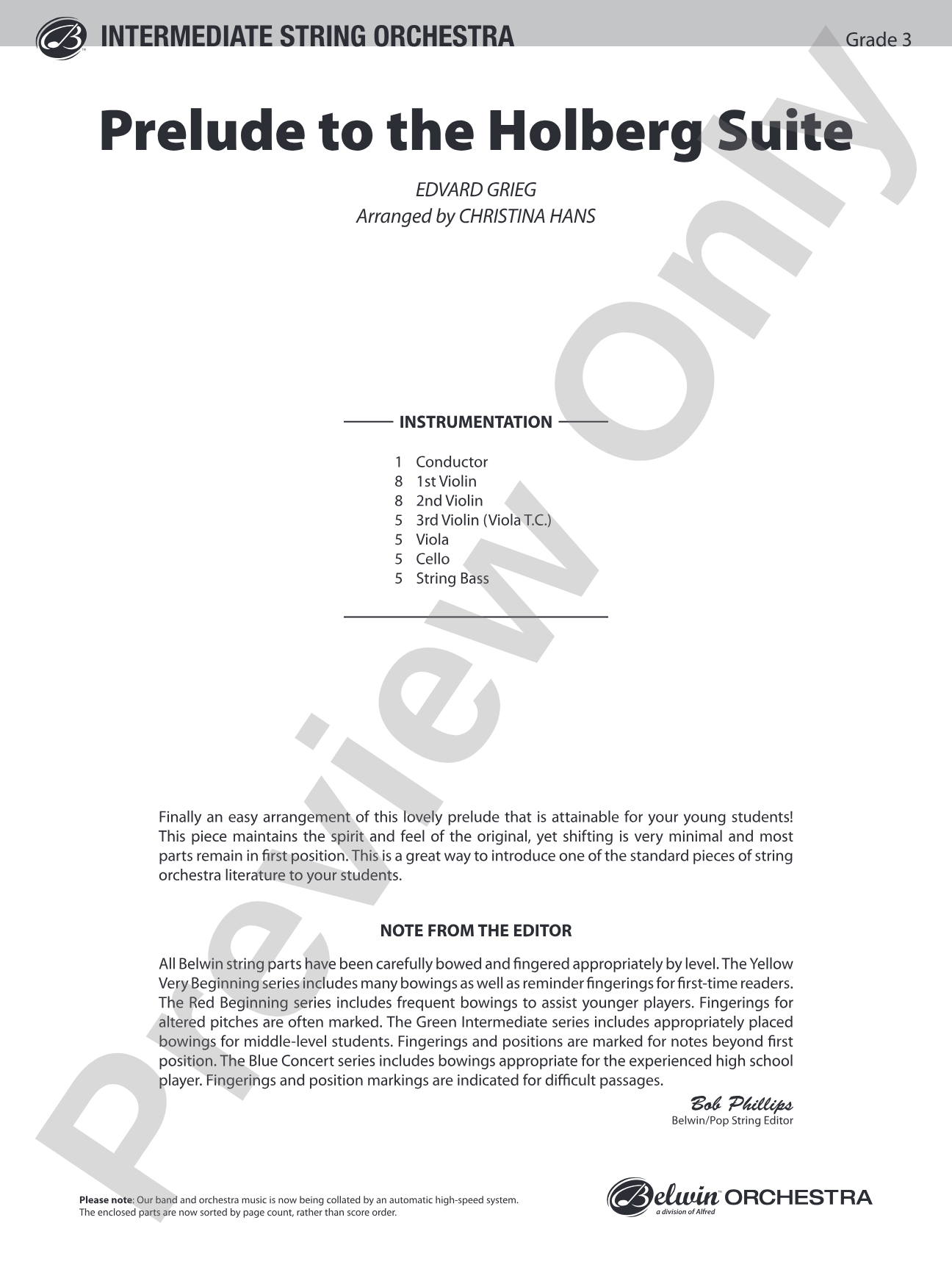
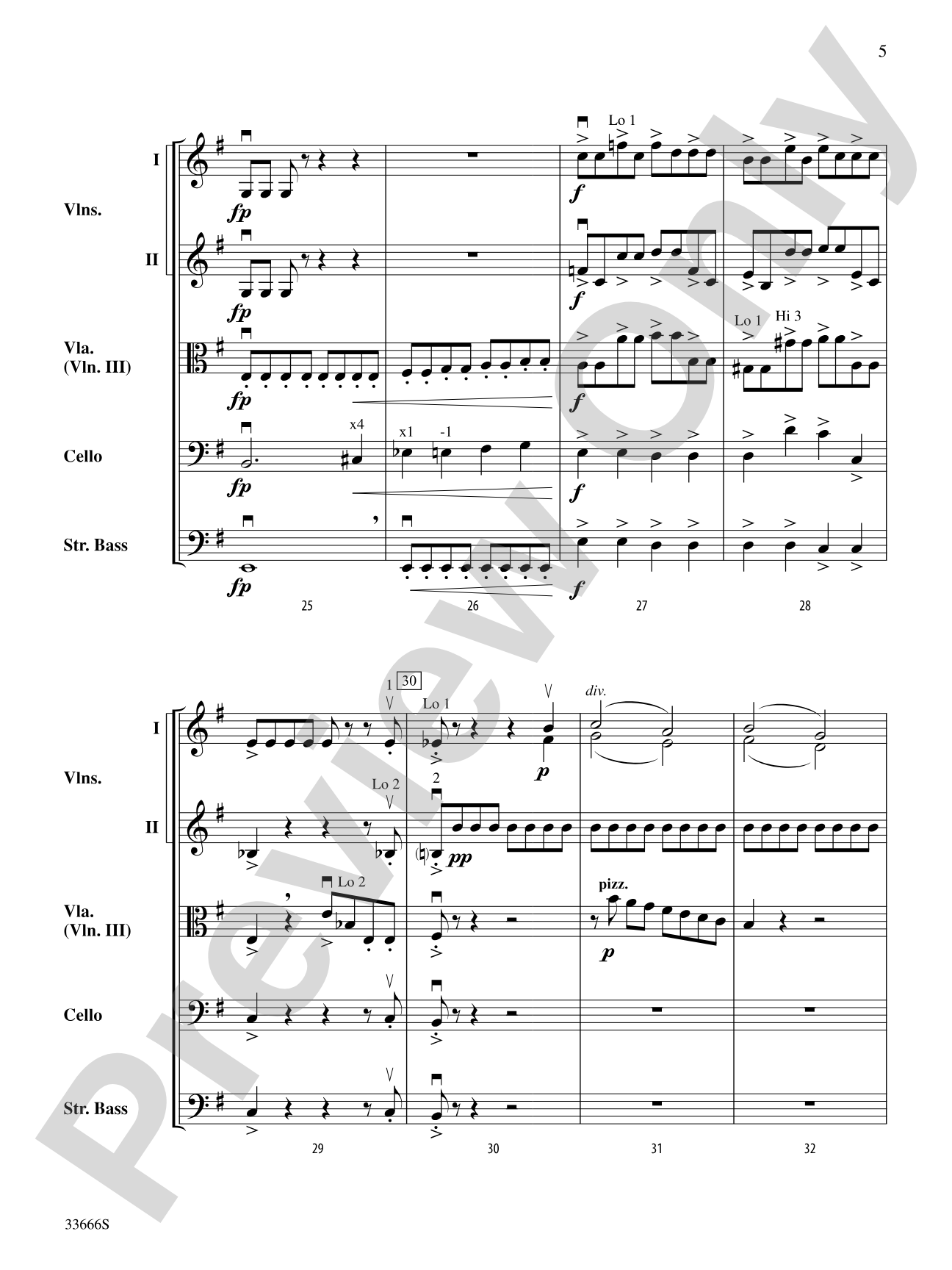
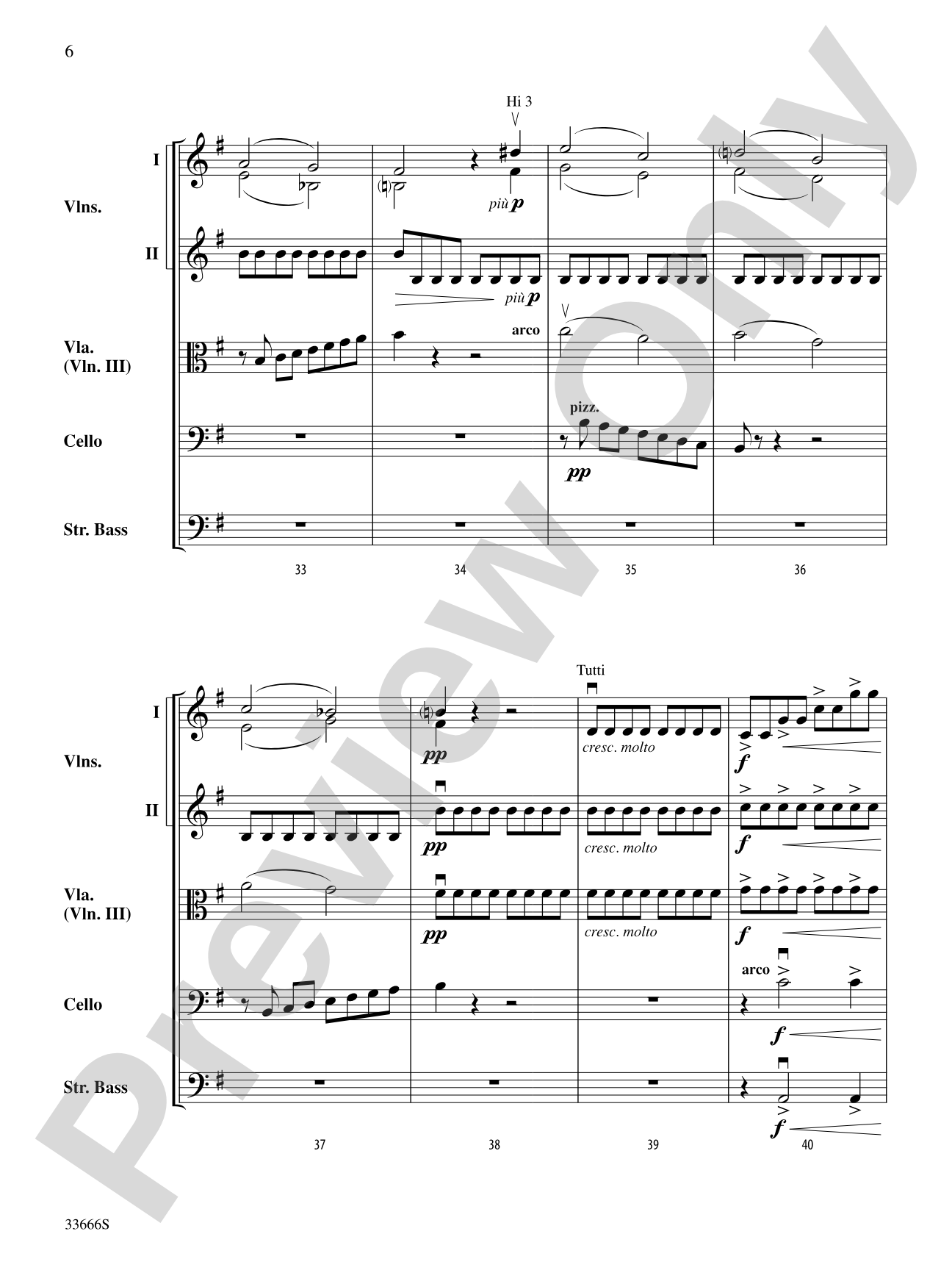
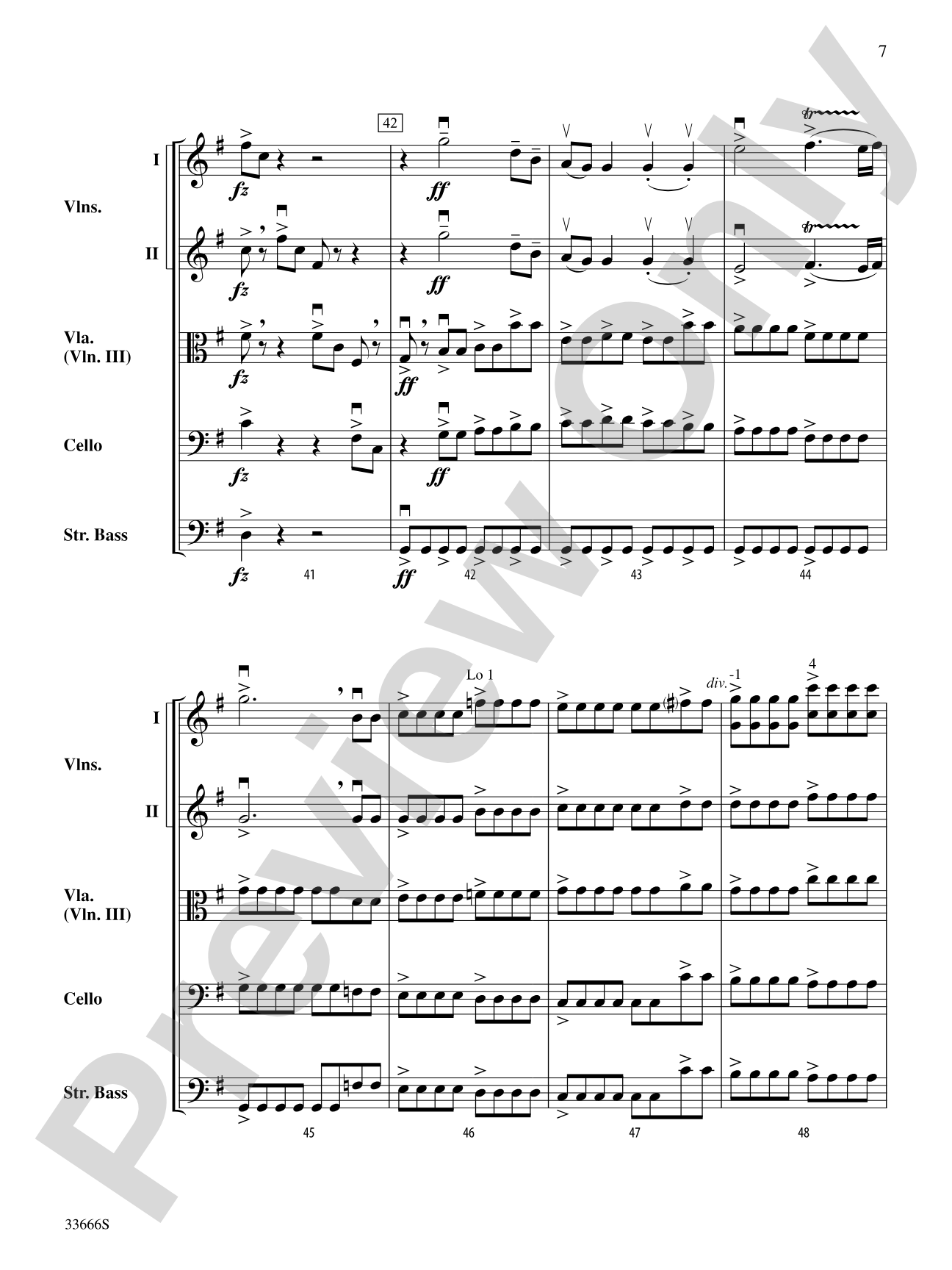
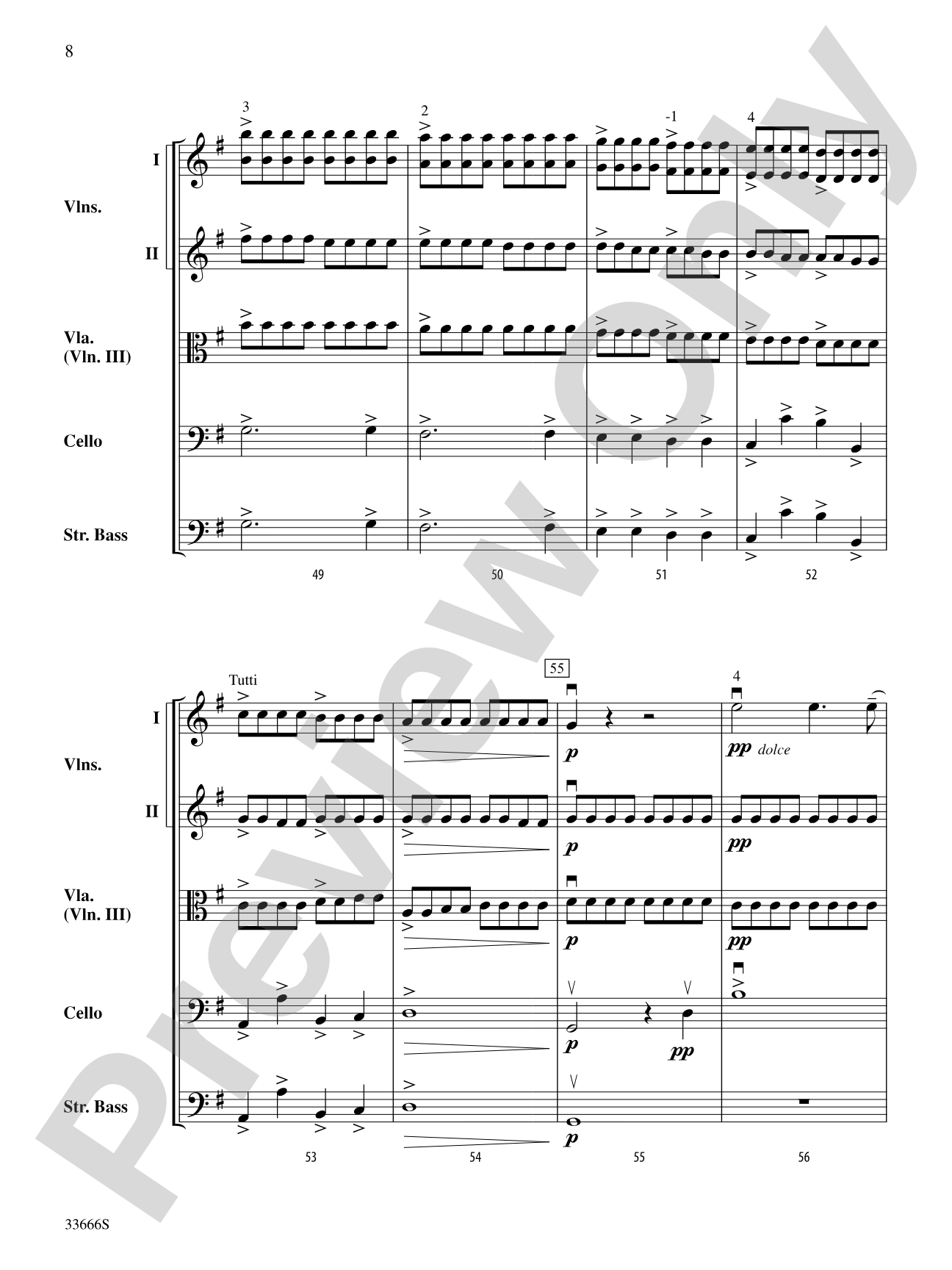



Prelude to the Holberg Suite: String Orchestra Conductor Score & Parts
By Edvard Grieg / arr. Christina Hans
Grade: 3
Item: 00-PK-0004163

$49.00
Pickup currently not available
Buy Extra Parts (Digital PDF Download)
| Product | Price | Quantity |
|---|---|---|
| Prelude to the Holberg Suite: Score | $7.00 | |
| Prelude to the Holberg Suite: 1st Violin | $5.99 | |
| Prelude to the Holberg Suite: 2nd Violin | $5.99 | |
| Prelude to the Holberg Suite: 3rd Violin (Viola [TC]) | $5.99 | |
| Prelude to the Holberg Suite: Viola | $5.99 | |
| Prelude to the Holberg Suite: Cello | $5.99 | |
| Prelude to the Holberg Suite: String Bass | $5.99 |
Parts Added to Cart!
Description
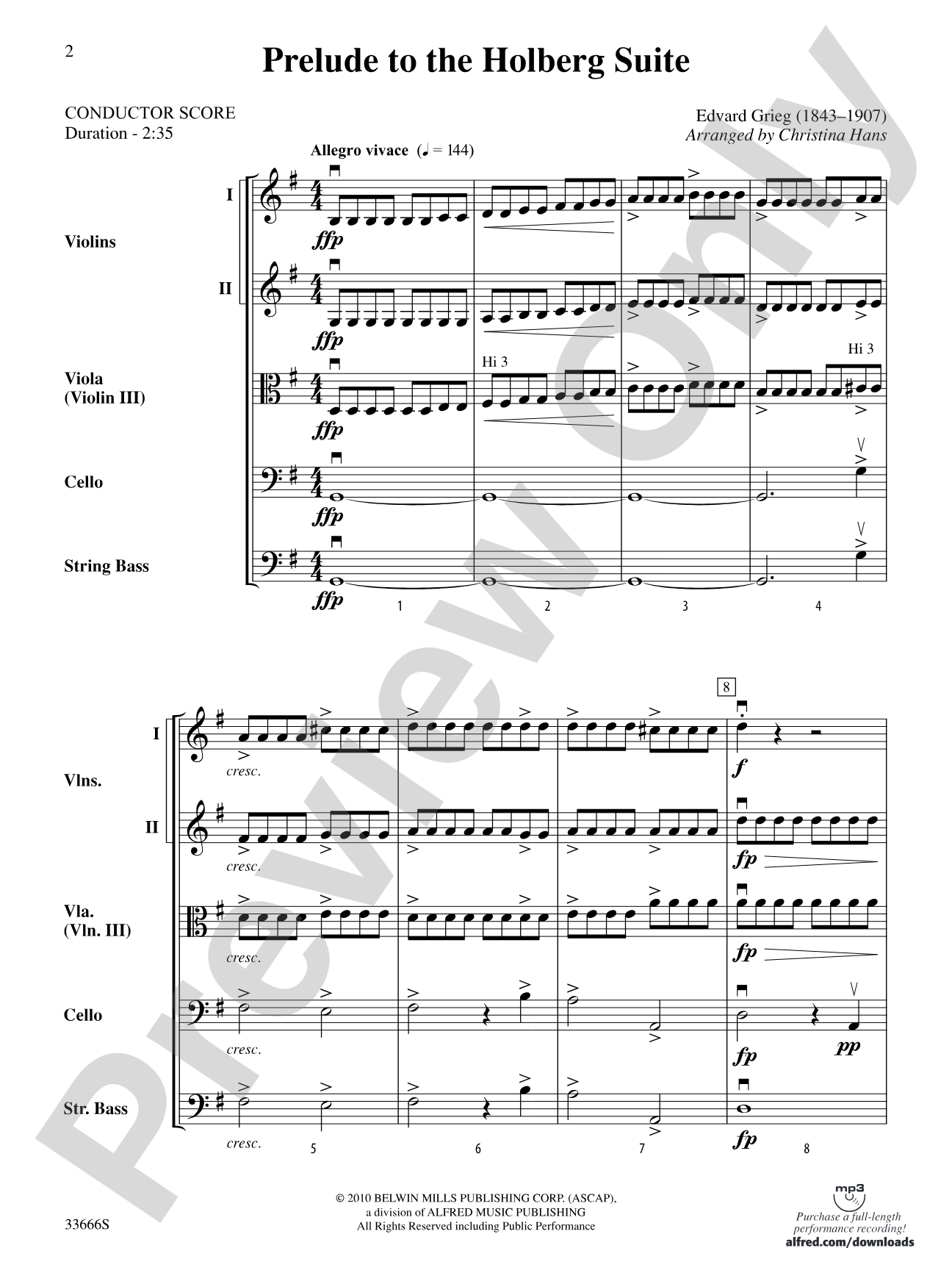
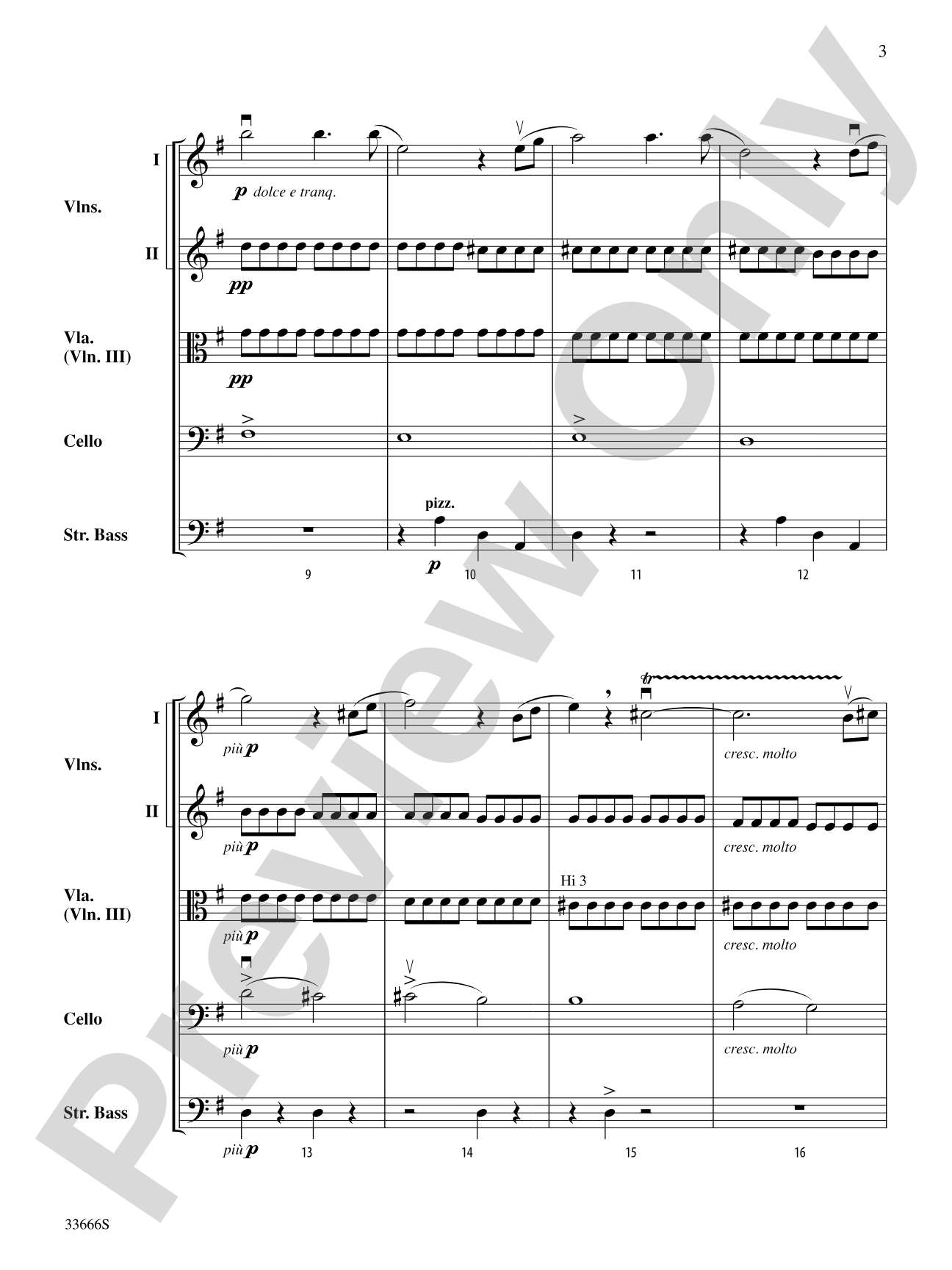
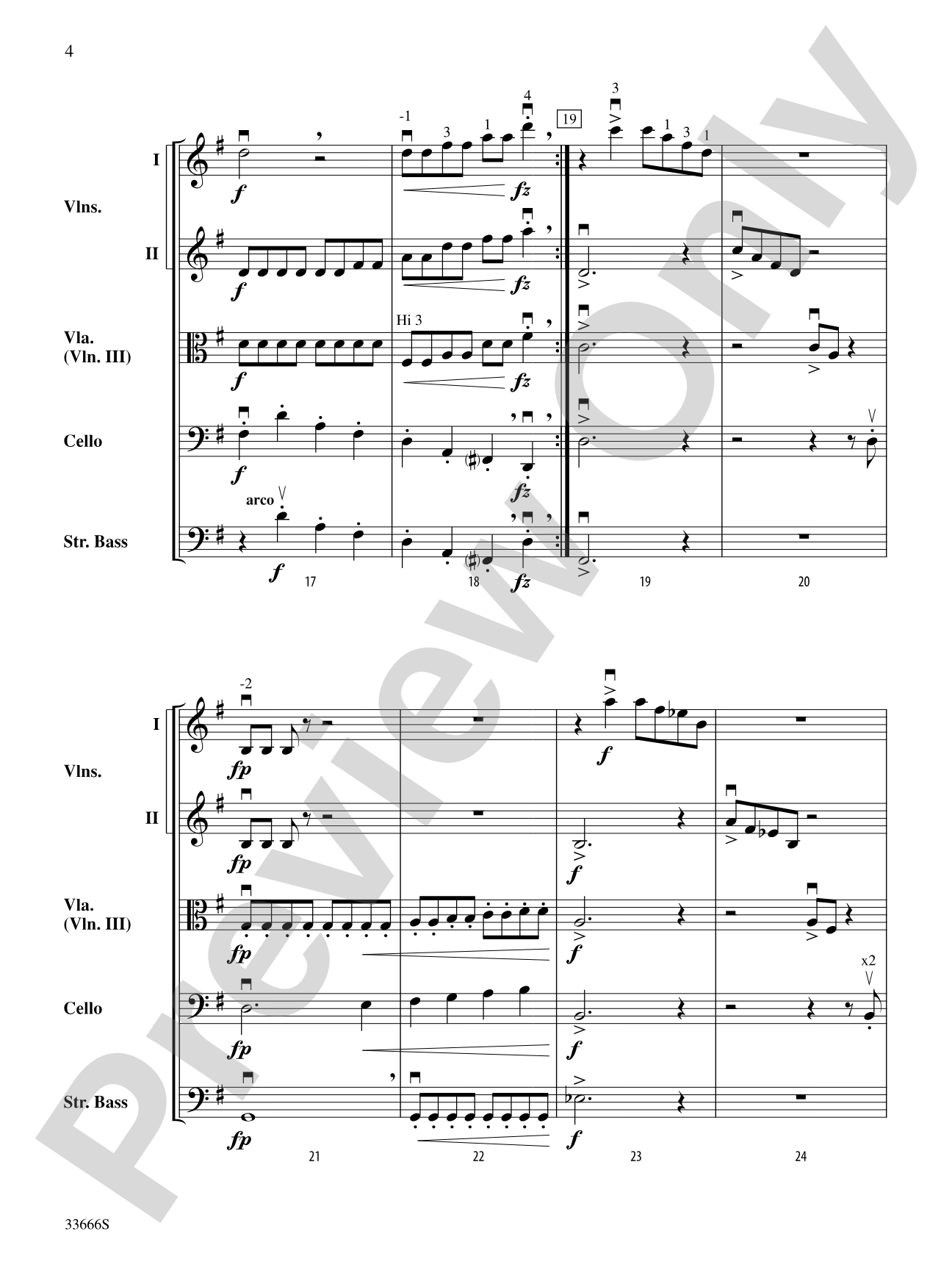
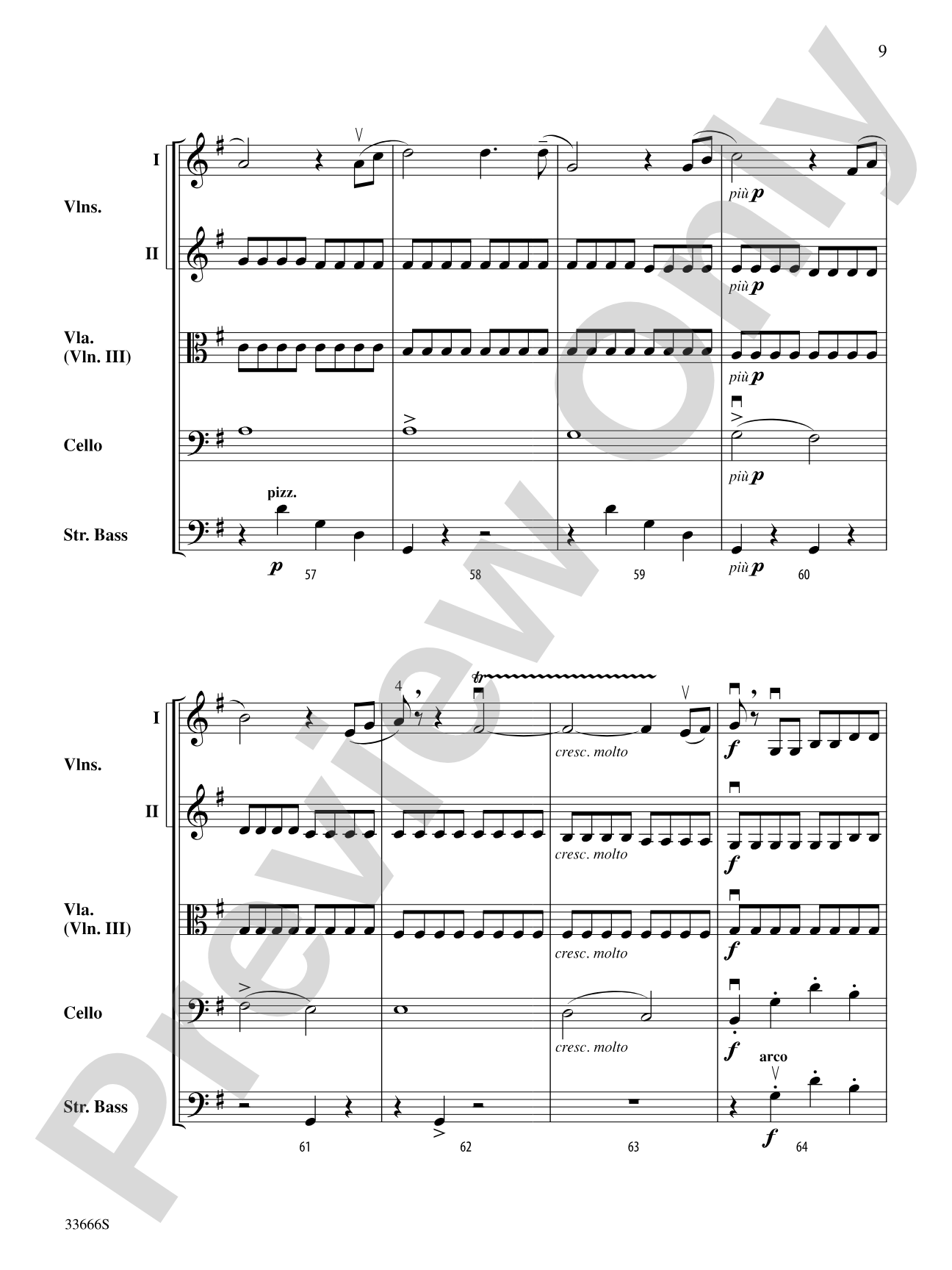
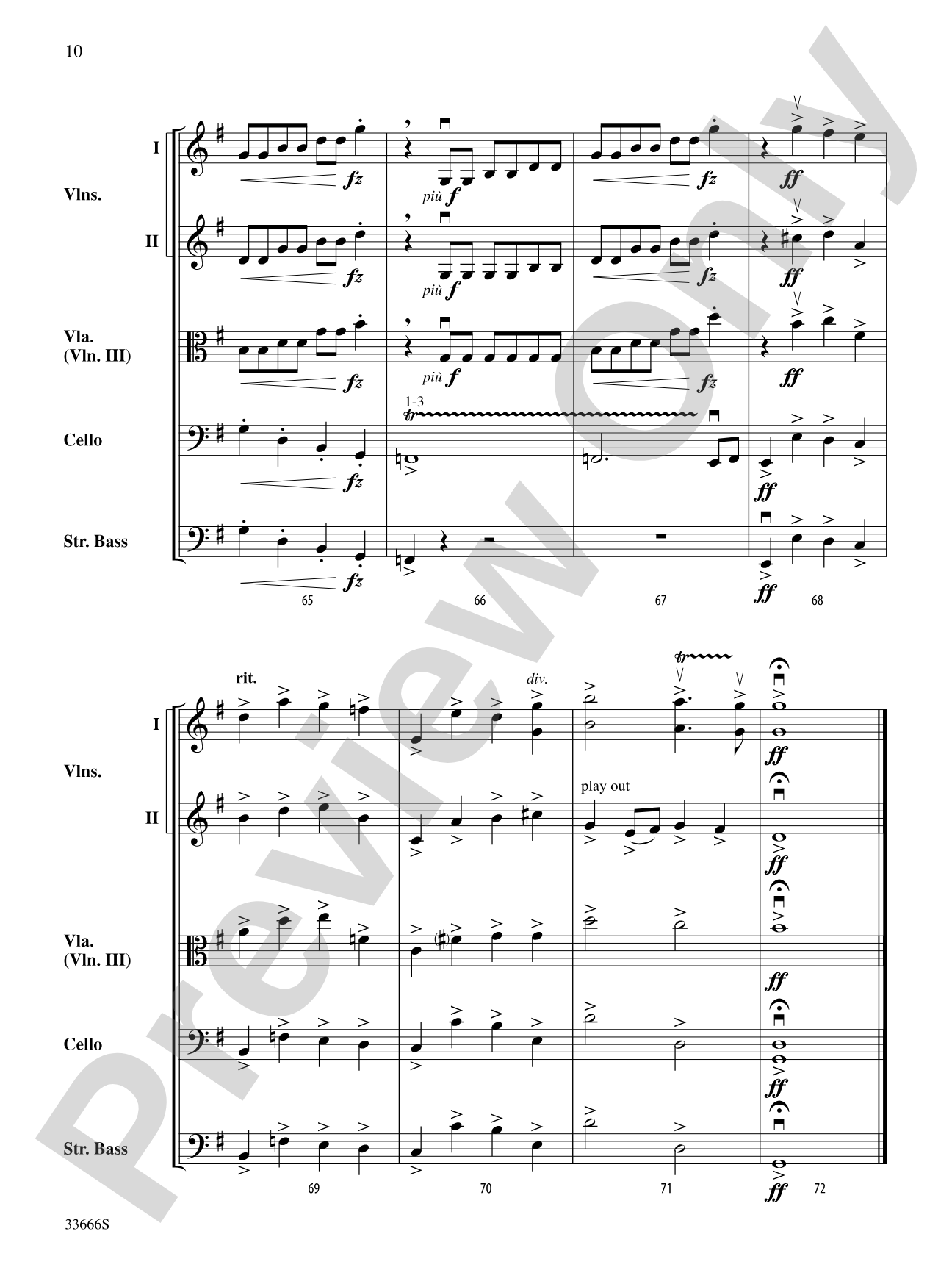
Finally an easy arrangement of this lovely prelude that is attainable for your young students! This piece maintains the spirit and feel of the original, yet shifting is very minimal and most parts remain in first position. This is a great way to introduce one of the standard pieces of string orchestra literature to your students.


Don't just read it, hear it, play along with it, and watch your students grow with it. In MakeMusic Cloud, Prelude to the Holberg Suite: String Orchestra Conductor Score & Parts comes alive with professional accompaniment, adjustable tempo, and built-in practice tools that turn solo practice into real progress.
Open in the Player
Jump straight in and assign it today.
Start Your Free Trial
Open this title and explore the full library in minutes.
Sample Audio
1
Audio File
--:--
0:00
0:00
Sample Video
No sample videos found.
Additional Details
Series:
Belwin Intermediate String Orchestra
Publisher:
Alfred Music
Page Count:
124
SKU:
00-PK-0004163
More about this title
About the Composer: Edvard Grieg
Edvard Grieg (1843-1907) stands as Norway's most celebrated composer and a defining voice of Romantic nationalism. His music draws deeply from Scandinavian folk traditions, wedding lyrical melody to harmonic innovation in ways that made him one of the most performed composers of his era and ours.
Grieg's gift for crafting memorable, singable lines makes his work particularly valuable in education. The Holberg Suite exemplifies this: written to honor the bicentenary of Danish dramatist Ludvig Holberg, it draws on Baroque forms yet infuses them with Romantic warmth. For string students, his music offers direct access to one of classical music's most approachable and enduringly popular voices.
Why we love this
This arrangement strips away the technical barriers without sacrificing the Prelude's distinctive character. Grade 3 students can now experience a genuine masterwork rather than a watered-down substitute, and the minimal shifting means rehearsal time stays focused on musicality rather than position work.
What to expect
The Prelude unfolds with Baroque elegance and Romantic warmth. Its opening melody feels almost hymn-like in its nobility; beneath it flows a gently rocking accompaniment that creates forward motion without urgency. You'll hear why this piece endured in the concert hall for over a century.
Who it's for
Young string orchestras ready to tackle repertoire beyond educational arrangements but who need accessible string voicings and positions. This works equally well for conductors introducing students to standard literature and for programs seeking concert-ready material at the Grade 3 level.
How to get the most out of it
- Shape the opening melody with a gentle arch; Grieg's lines breathe naturally, so avoid rushing even at a comfortable tempo.
- Balance the viola and cello accompaniment figures so they support rather than overshadow the violins' primary voice.
- Maintain clarity in the rhythmic figures throughout; Baroque-influenced writing requires precision without stiffness.
- Let the harmonic shifts speak for themselves; resist over-pedaling dynamics and instead trust the chord progressions to create their own sense of movement.
How to use it
Program this as a concert opener or a festival entry where the simplicity and directness of Grieg's melodic writing will resonate with audiences. It pairs naturally with other Romantic string repertoire or can stand alone as evidence of your ensemble's maturity.
Skills your students will build
- Reading sustained melodic lines with shape and direction
- Playing accompanimental figures (rhythmic patterns in lower strings) that support a primary voice
- Navigating key changes within a tonal framework
- Balancing ensemble parts to maintain textural clarity
- Interpreting Romantic-era phrasing within accessible technical boundaries