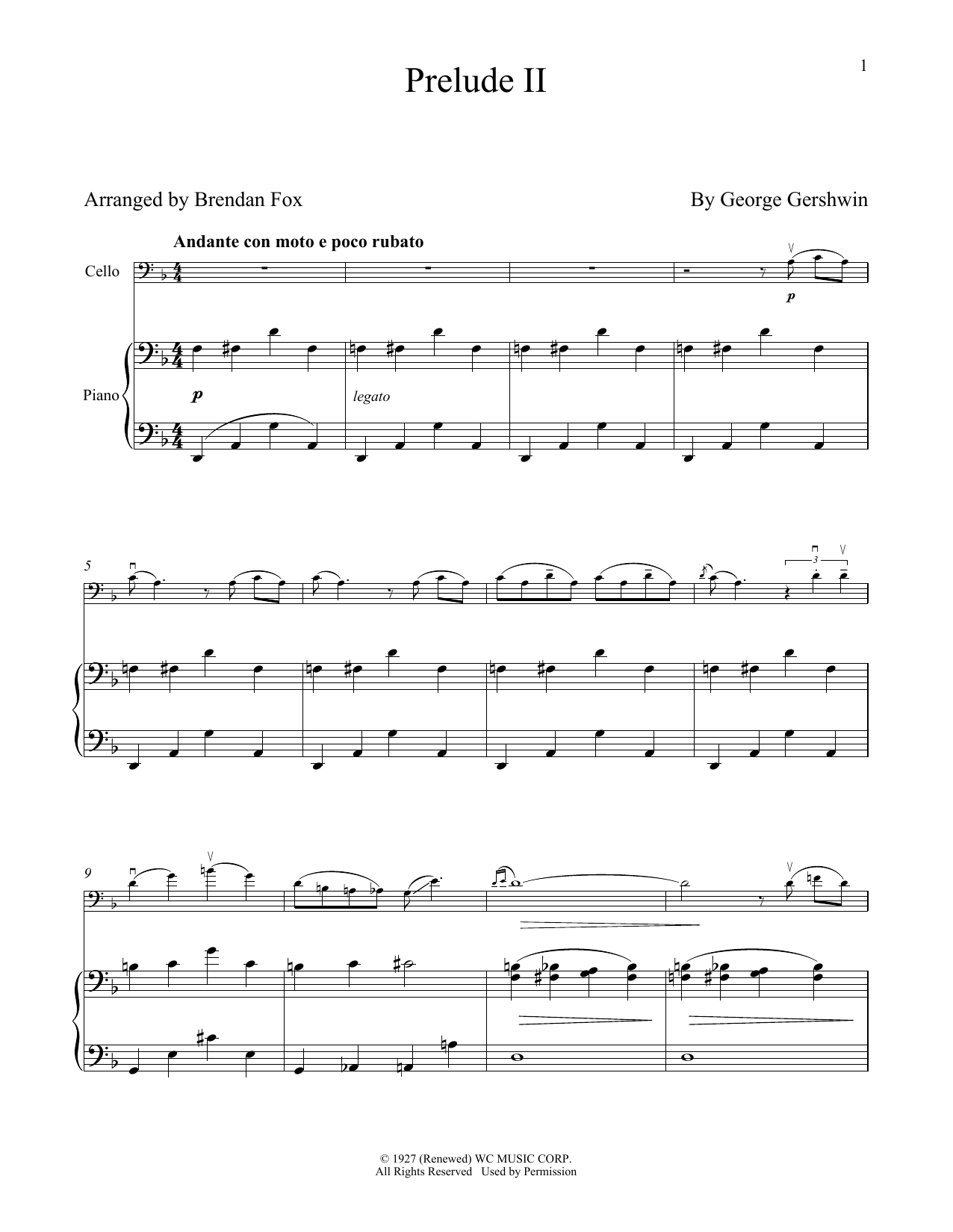
George Gershwin (1898–1937) fundamentally changed American music by legitimizing jazz as a concert art form. He wrote for stage, screen, and symphony hall with equal facility, creating works that still define the sound of early twentieth century popular music. His technical mastery of harmony and orchestration, combined with his gift for memorable melody, made him one of the most influential composers of his era.
For music educators, Gershwin's output offers a rare opportunity to teach the sophisticated harmonic language of jazz standards alongside works written for serious concert performance. His compositions bridge classical training and vernacular American music in ways that resonate with students across skill levels and musical backgrounds.