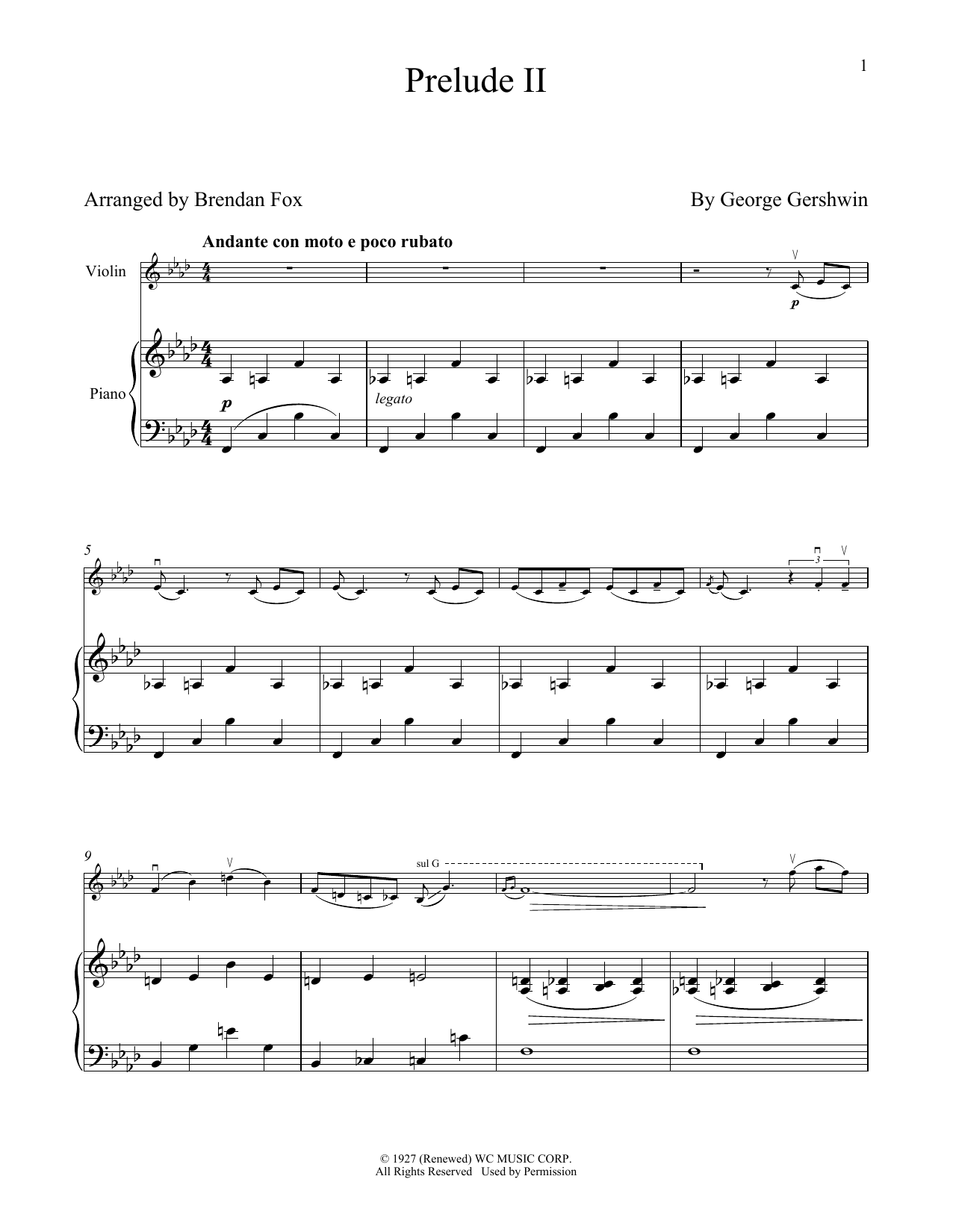
George Gershwin (1898–1937) bridged classical and popular music in ways few composers have managed. His concert works drew directly from jazz idioms, blues harmonies, and the vernacular language of American musical theater, giving classical training a genuinely modern voice. For music educators, Gershwin's output offers students a chance to encounter serious compositional craft applied to rhythms and harmonies they recognize from contemporary music.
Gershwin's preludes for solo instruments remain foundational repertoire for advancing students. Written with both technical clarity and expressive depth, these works demand musicality beyond the notes on the page. They reward careful interpretation and reveal how a skilled composer thinks about phrasing, rubato, and the relationship between melody and harmony.