
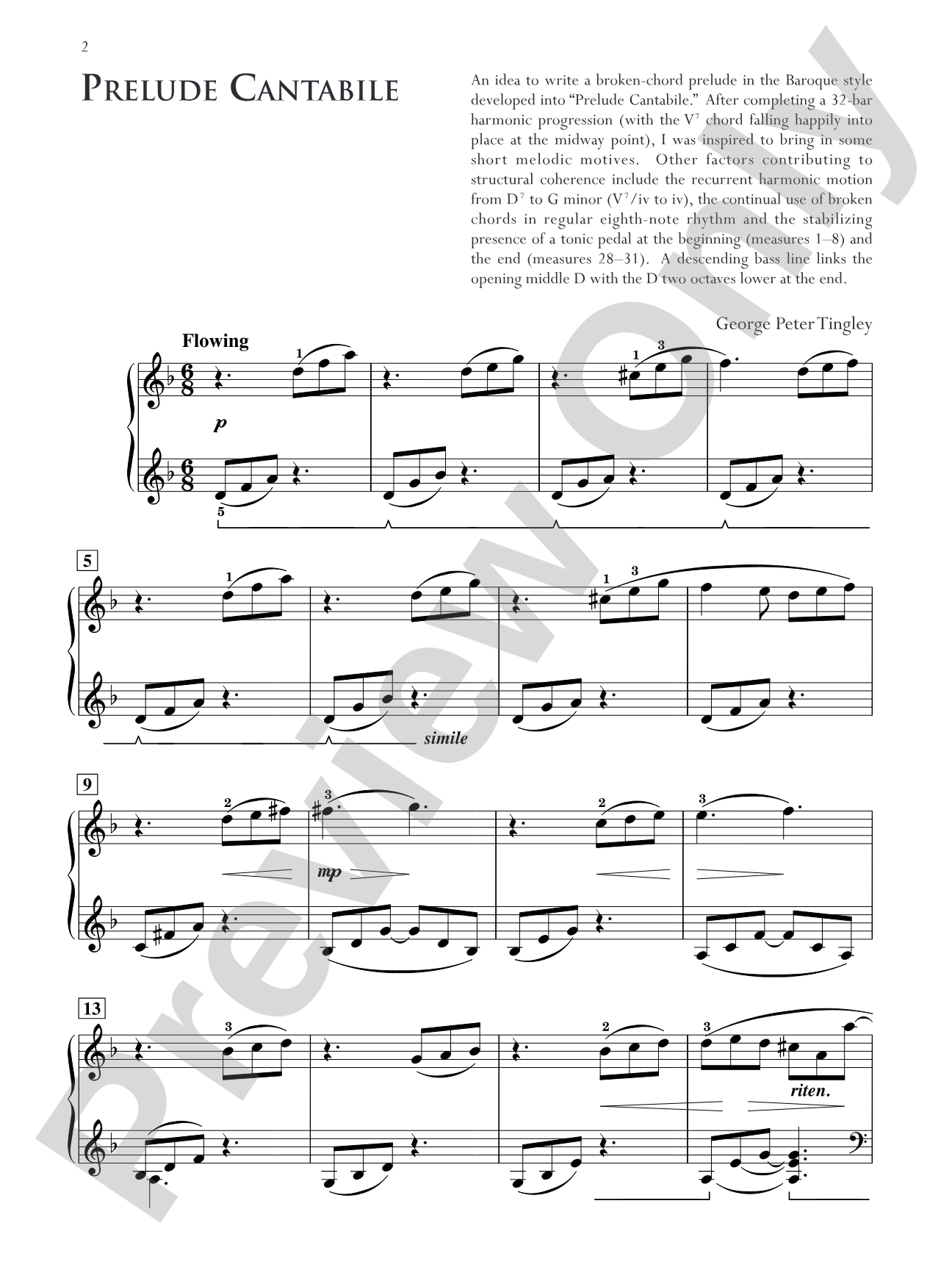

Prelude Cantabile: Piano
7 Intermediate to Late Intermediate Piano Solos That Reflect and Celebrate Styles of Past Masters
By George Peter Tingley
Level: Intermediate / Late Intermediate
Item: 00-PS-0016694
$4.99
Pickup currently not available
Description
Reflect and celebrate the styles of past masters with these pieces ranging from early to late intermediate in level. One might hear echoes of such composers as Beethoven, Tchaikovsky and sounds suggestive of European folk music. Program notes are included explaining the construction of the solos and specific influences.


Prelude Cantabile: Piano isn't in MakeMusic Cloud just yet...but it could be. Let us know you'd like to see it, and you'll help shape what comes next. In the meantime, start a free trial and dive into thousands of interactive titles your students can play along with today.
Request This Title
Tell us you want it.
Start Your Free Trial
Explore everything that's ready to play right now.
Sample Audio
No sample audio found.
Sample Video
No sample videos found.
Additional Details
Publisher:
Alfred Music
Page Count:
24
SKU:
00-PS-0016694
More about this title
About the Composer: George Peter Tingley
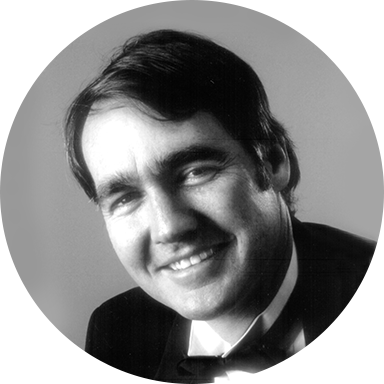
George Peter Tingley began his musical life on violin at age four, then discovered piano at ten and never looked back. He studied piano performance at California State University, Hayward, and earned both bachelor's and master's degrees in music theory from USC. During the 1970s, he studied composition privately with Nadia Boulanger in Paris, an experience that shaped his approach to writing accessible yet substantive music for students.
Back in California, Tingley built a career as a private teacher and composer for the educational market. Since 1989 he has published over 75 piano pieces, including the widely performed Reverie and works for notable performers like Olympic figure skater Kristi Yamaguchi. His musical training was unconventional in one crucial way: he credits hours spent playing along with Beatles recordings in his teens as formative to his ear and compositional voice.
Why we love this
Tingley writes with genuine affection for the piano repertoire that came before him. Rather than pastiche, these pieces absorb influences from Beethoven and Tchaikovsky while maintaining a distinct voice rooted in folk sensibilities. The inclusion of program notes transforms these solos from studies in style into genuine listening experiences that help students understand how composers build on tradition.
What to expect
These pieces invite quiet reflection. They breathe with the spaciousness of a study in a candlelit room, drawing on memories of music from across centuries while feeling utterly present. There is an intimate quality to the writing, as if Tingley is sharing conversations with ghosts of past masters and inviting you to listen in.
Who it's for
Intermediate and late intermediate pianists who are ready to explore pieces with compositional substance and historical awareness. These solos work well for students preparing recital programs, teachers looking for repertoire that bridges technique and interpretation, and pianists interested in understanding how contemporary composers engage with classical traditions.
How to get the most out of it
- Pay attention to the program notes before diving into each piece. Understanding Tingley's specific structural choices and inspirations will inform your interpretation and help you shape the music intentionally rather than superficially.
- Balance the reflective character of these pieces with the harmonic richness beneath the melody. These are not simple miniatures; they require voicing control and an ear for color in the accompaniment.
- Explore the dynamic range within each piece. Tingley's echoes of European folk music often live in the subtleties between pianissimo and mezzo-forte rather than in dramatic contrasts.
- Listen to recordings of the composers mentioned in the program notes alongside your preparation. This direct comparison will deepen your understanding of what Tingley absorbed and transformed.
How to use it
Program individual pieces from this collection as recital anchors between more virtuosic or contemporary works. A single piece works beautifully in a student recital or salon-style concert, creating moments of introspection that give audiences permission to settle in and listen deeply. Teachers might also assign selections as supplementary repertoire alongside more structured method work.
Skills your students will build
- Recognizing and interpreting compositional styles and historical references
- Voicing chords with independence and color across the keyboard
- Shaping melodic lines with architecture and patience rather than surface gesture
- Sustaining a reflective musical character across longer phrases
- Reading program notes analytically and connecting that knowledge to performance choices