
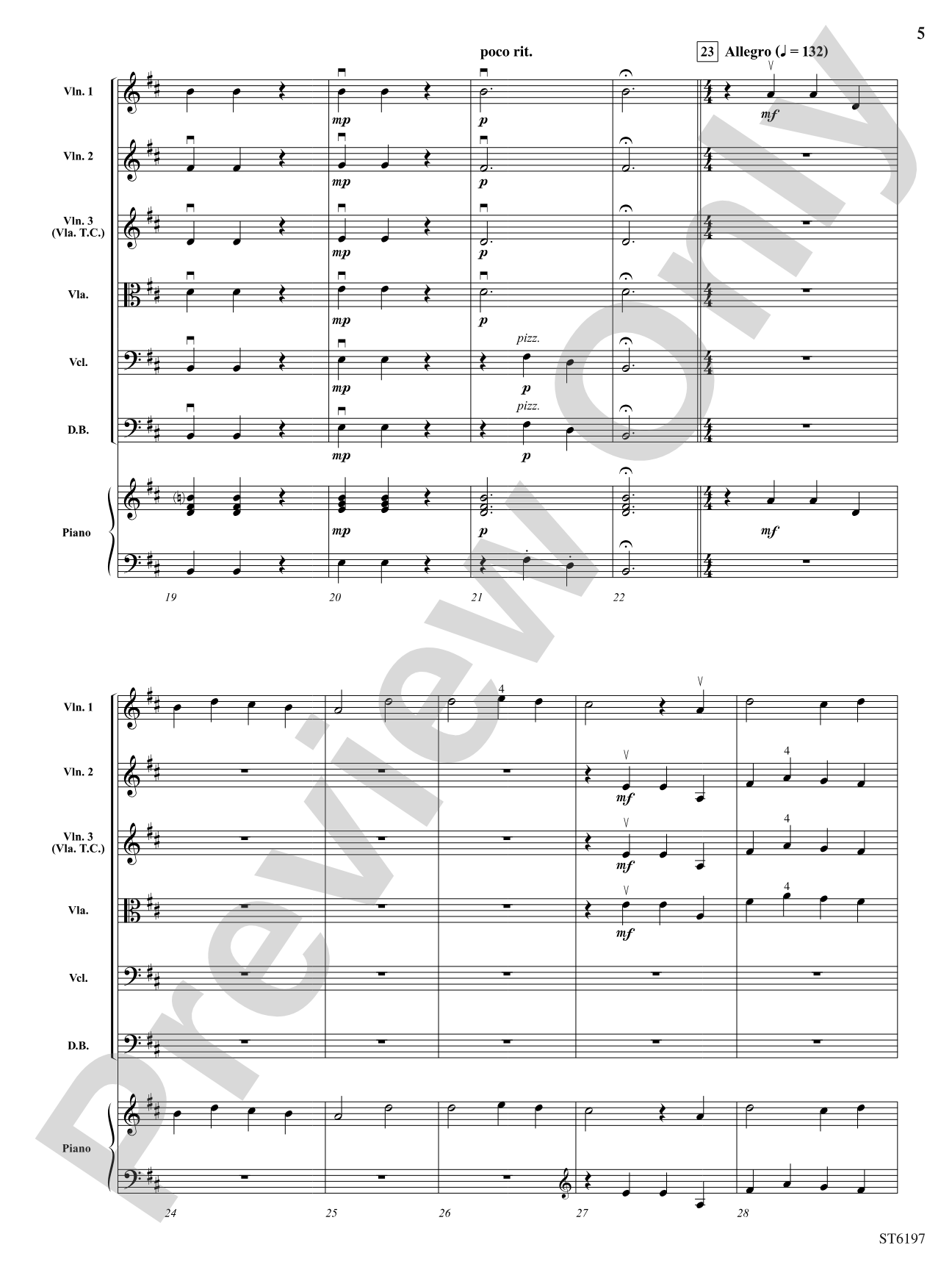
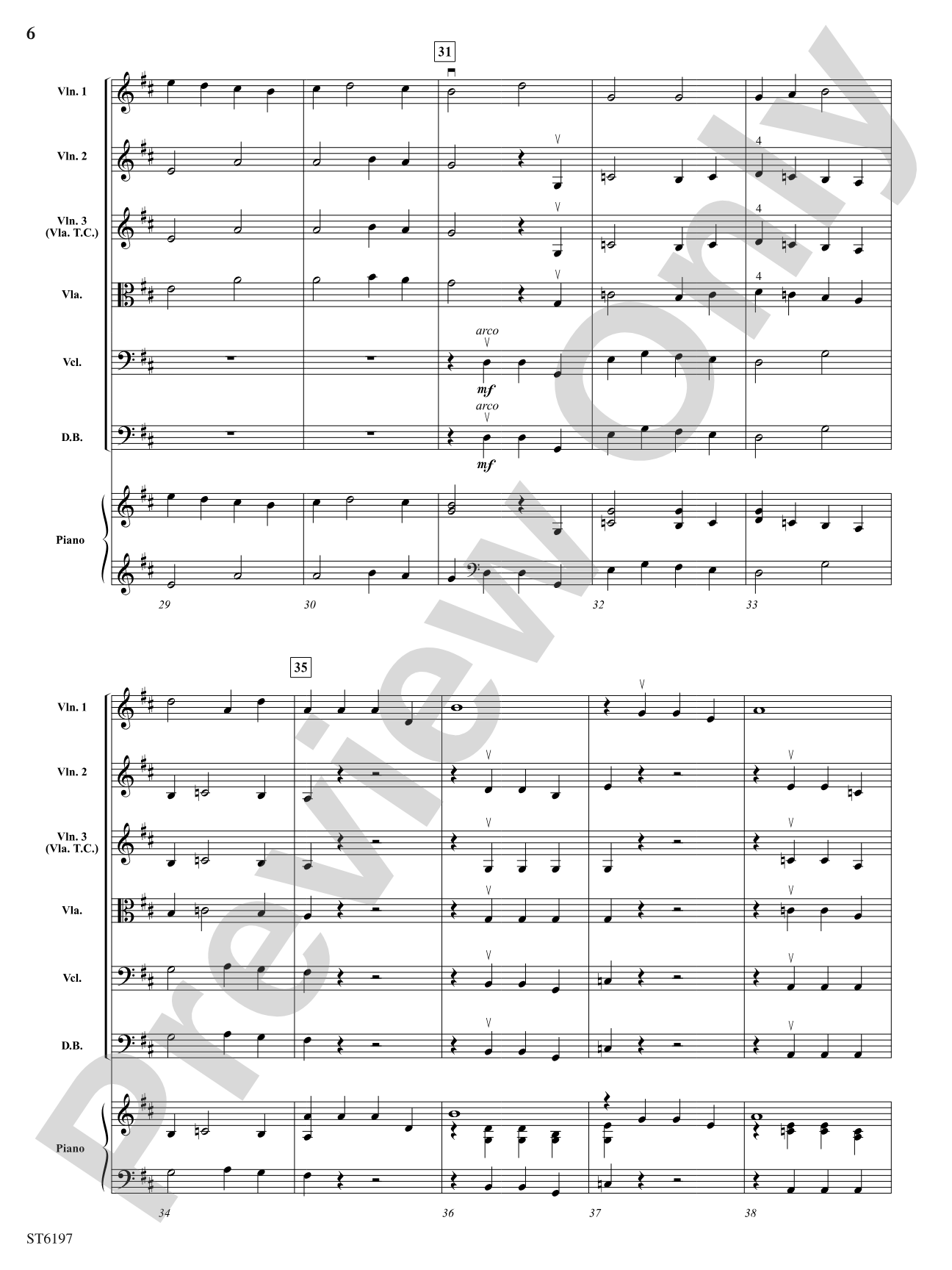
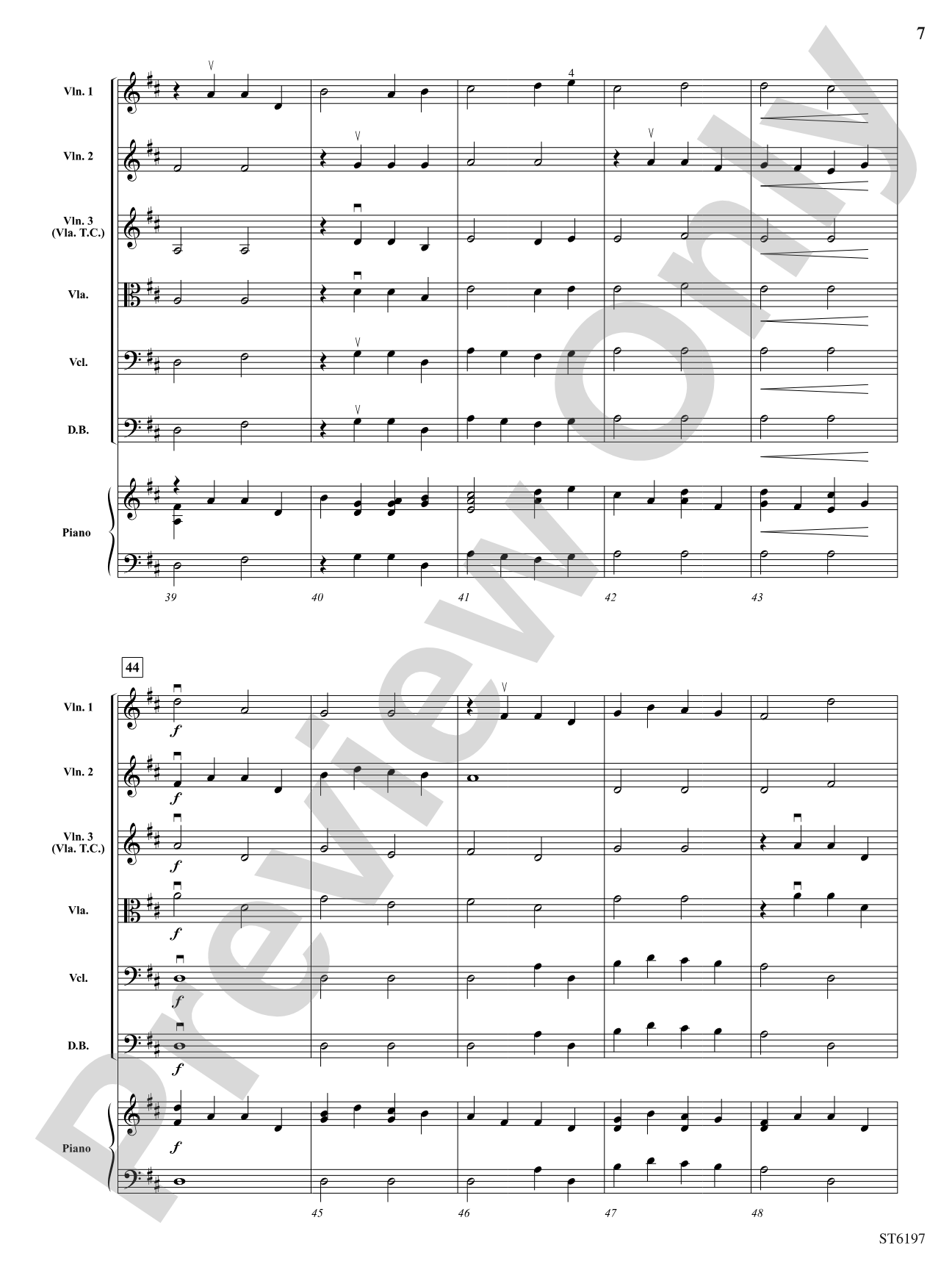
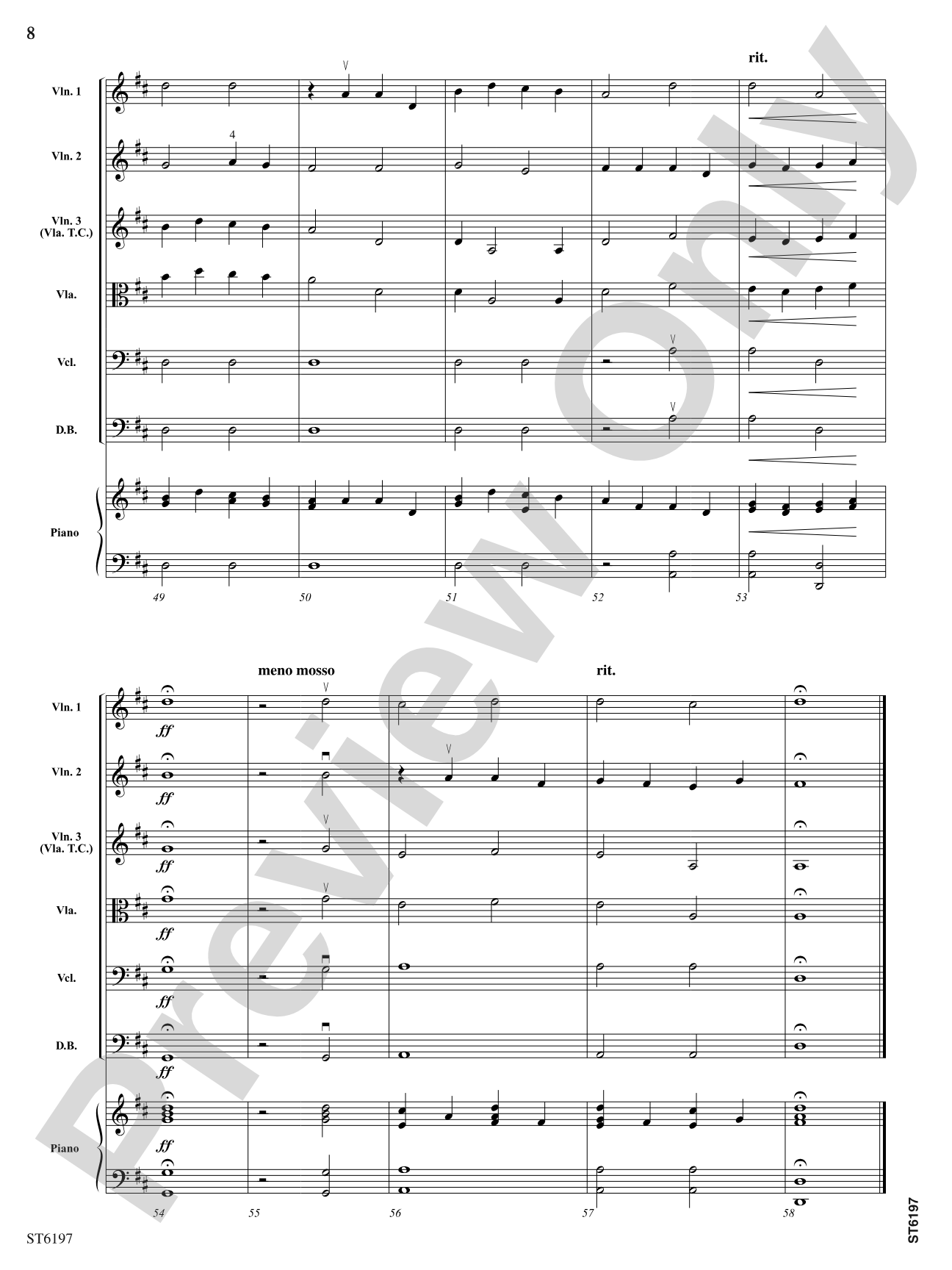

Prelude and Fugue: Score
By Brian Balmages
Grade: 1
Item: 98-DST6197S
$10.00
Pickup currently not available
Description
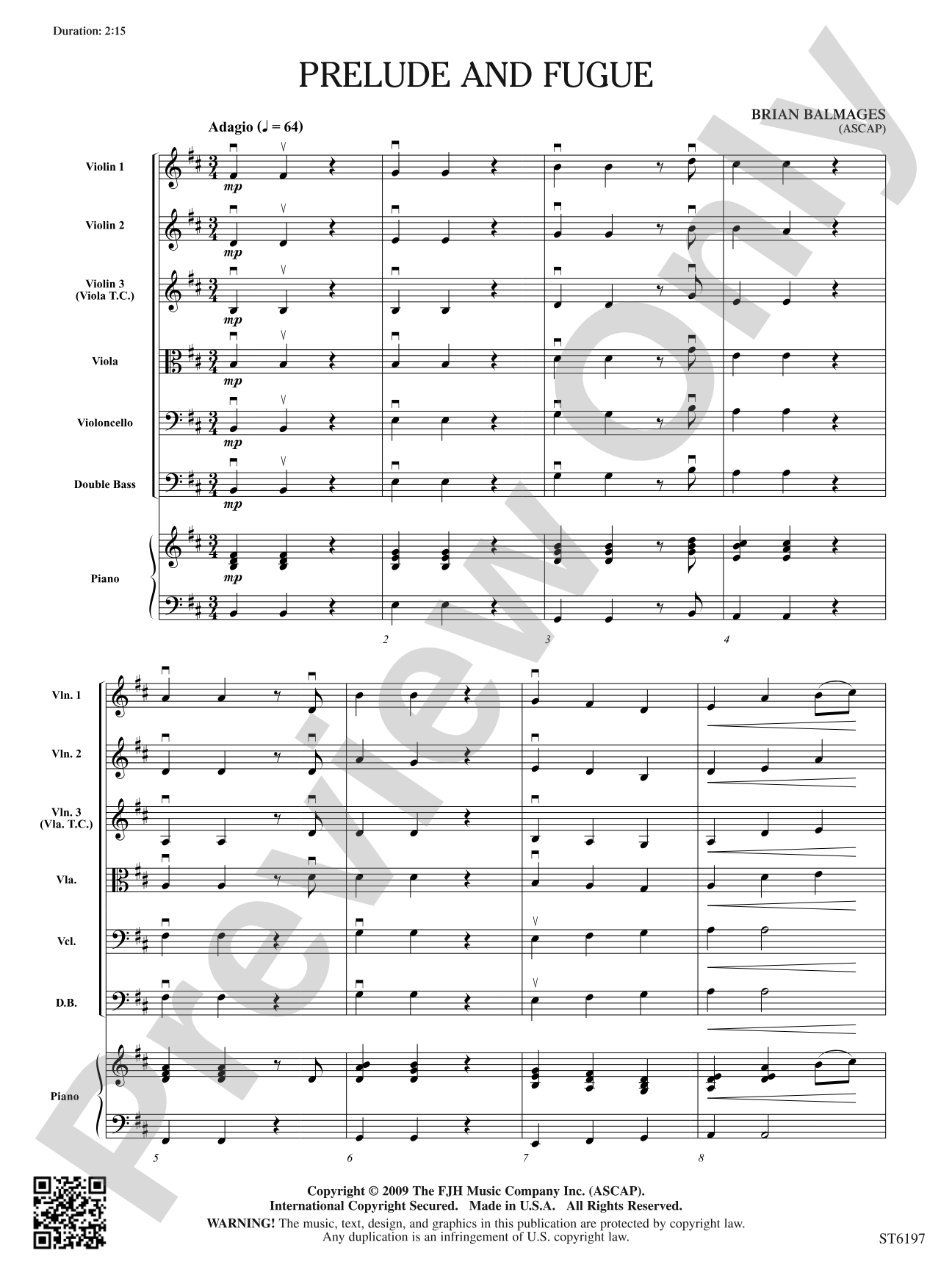
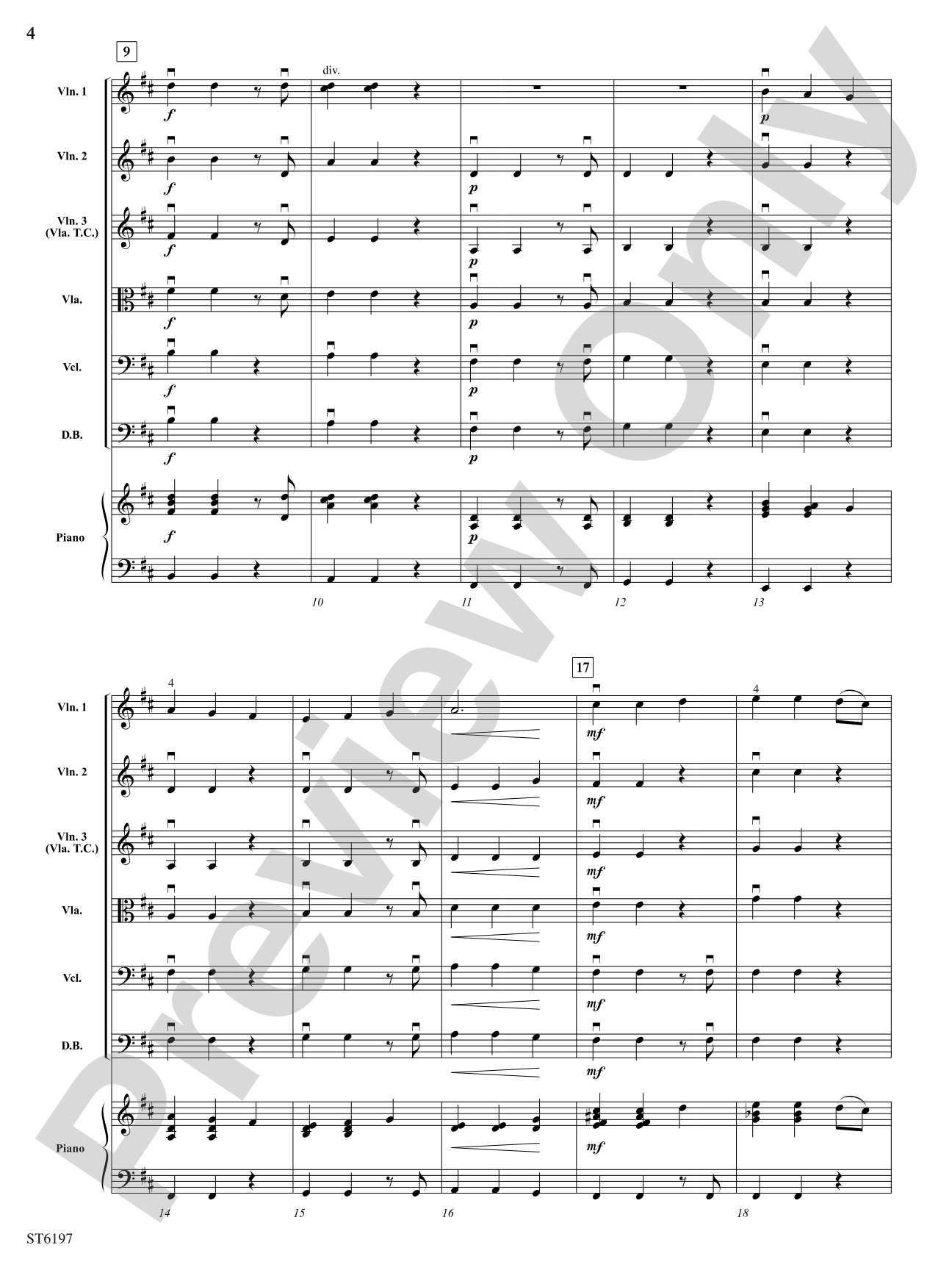
This exceptional work is written in the style of J.S. Bach and is designed to introduce students to counterpoint without being overly demanding. Young musicians will be able to study style and technique, and the scoring will make your group sound like a professional chamber orchestra. Finally, a wonderful option for directors who have been looking to perform this type of music with their youngest musicians!


Prelude and Fugue: Score isn't in MakeMusic Cloud just yet...but it could be. Let us know you'd like to see it, and you'll help shape what comes next. In the meantime, start a free trial and dive into thousands of interactive titles your students can play along with today.
Request This Title
Tell us you want it.
Start Your Free Trial
Explore everything that's ready to play right now.
Sample Audio
1
Audio File
--:--
0:00
0:00
Sample Video
No sample videos found.
Additional Details
Series:
FJH Beginning Strings
Publisher:
The FJH Music Company, Inc.
SKU:
98-DST6197S
More about this title
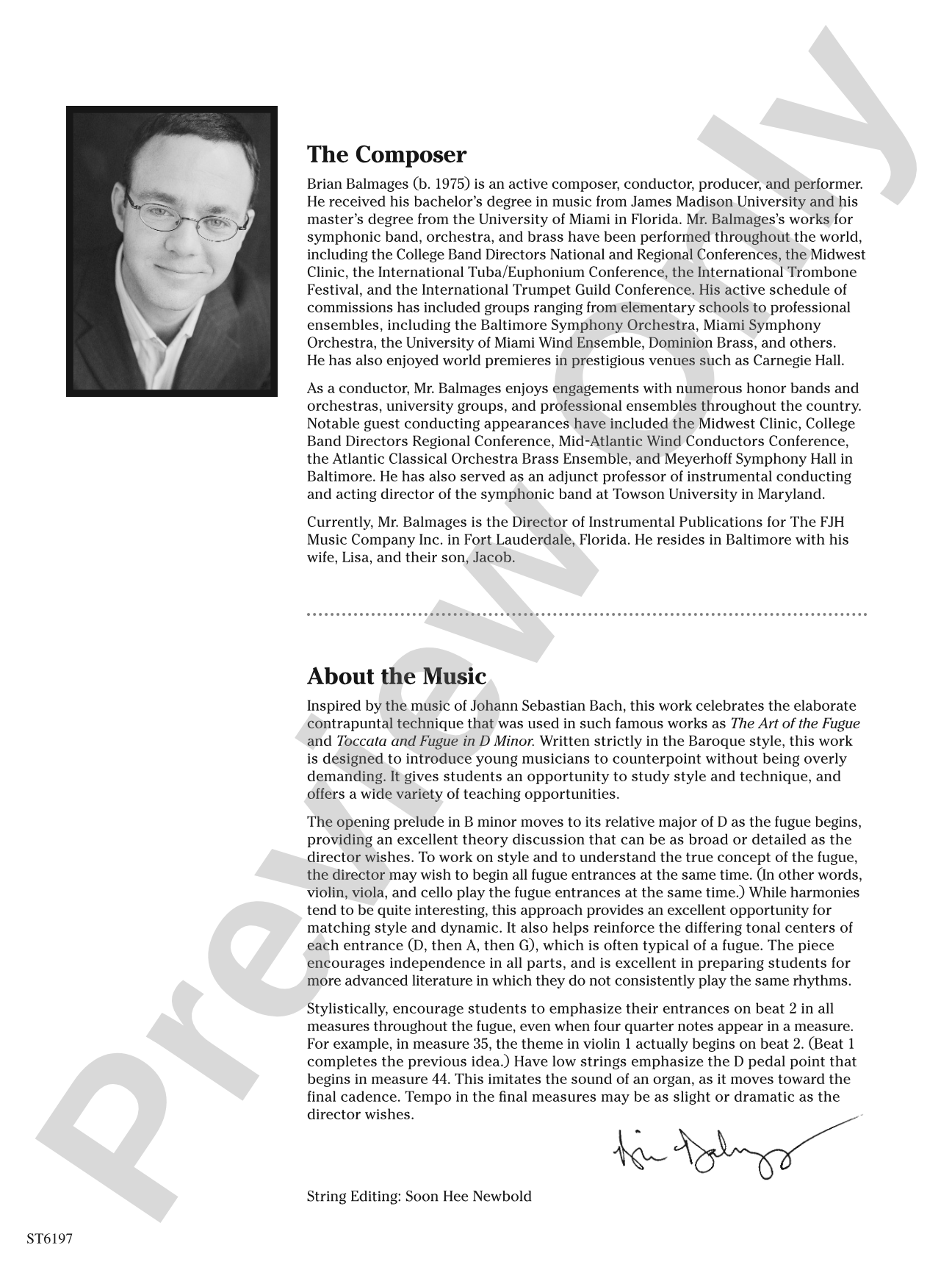
About the Composer: Brian Balmages

Brian Balmages has established himself as a prolific composer and conductor with works performed across orchestral, band, and chamber settings. From Carnegie Hall to the Kennedy Center to the Sydney Opera House, his music reaches audiences in some of the world's most prestigious venues, performed by ensembles ranging from professional orchestras to elementary school groups.
Recognized with the A. Austin Harding Award from the American School Band Directors Association and winner of the 2020 NBA William D. Revelli Composition Contest, Balmages serves as Director of MakeMusic Publications and Digital Education for Alfred and MakeMusic. His guest conducting appearances span the Midwest Clinic, Western International Band Clinic, and university and professional ensembles worldwide, while his compositions have been featured at the Presidential Inaugural Prayer Service and commissioned by major institutions including the University of Miami.
Why we love this
Balmages has crafted something genuinely rare: an introduction to Bach-style counterpoint that young string players can actually manage without frustration. The scoring breathes like a professional chamber ensemble, which means your students experience the sonic reward of polyphonic writing immediately. This works for festival programming because it sounds far more sophisticated than its grade level suggests.
What to expect
The prelude moves with understated elegance, its harmonic language clear and purposeful. The fugue that follows invites the ensemble into genuine polyphonic thinking, where each voice tells its own story while contributing to a unified whole. Together they capture the essence of Bach without overwhelming young musicians with technical demands.
Who it's for
String orchestras at the beginning level who are ready to encounter real compositional craft. Directors seeking repertoire that teaches counterpoint and Baroque style without requiring virtuosity or years of experience will find this ideal for young ensembles preparing for festivals or concert programs.
How to get the most out of it
- Balance the inner voices carefully during the fugue subject entrances; resist the urge to let first violins dominate. Younger players often need reminding that the cello line or second violin carries the argument just as much as the melody.
- Attend to articulation consistency across the ensemble, especially in the prelude's accompanimental figures. Clean, matched tonguing in the supporting parts lets the counterpoint emerge naturally.
- Shape the entries of the fugue subject with slight dynamic swells rather than sudden attacks. This helps younger musicians hear the architectural logic without making it sound mechanical.
How to use it
This pairs beautifully on a young strings concert alongside lighter contemporary pieces, offering a window into classical structure and depth. It also serves as a powerful festival entry that demonstrates your program's musicianship and artistic range. Use it as a bridge repertoire that signals to audiences what your students are capable of learning.
Skills your students will build
- Understanding fugal structure and subject entry recognition
- Playing independent melodic lines within a polyphonic texture
- Baroque style and articulation conventions
- Listening for and balancing inner voices
- Harmonic analysis within a contrapuntal framework