
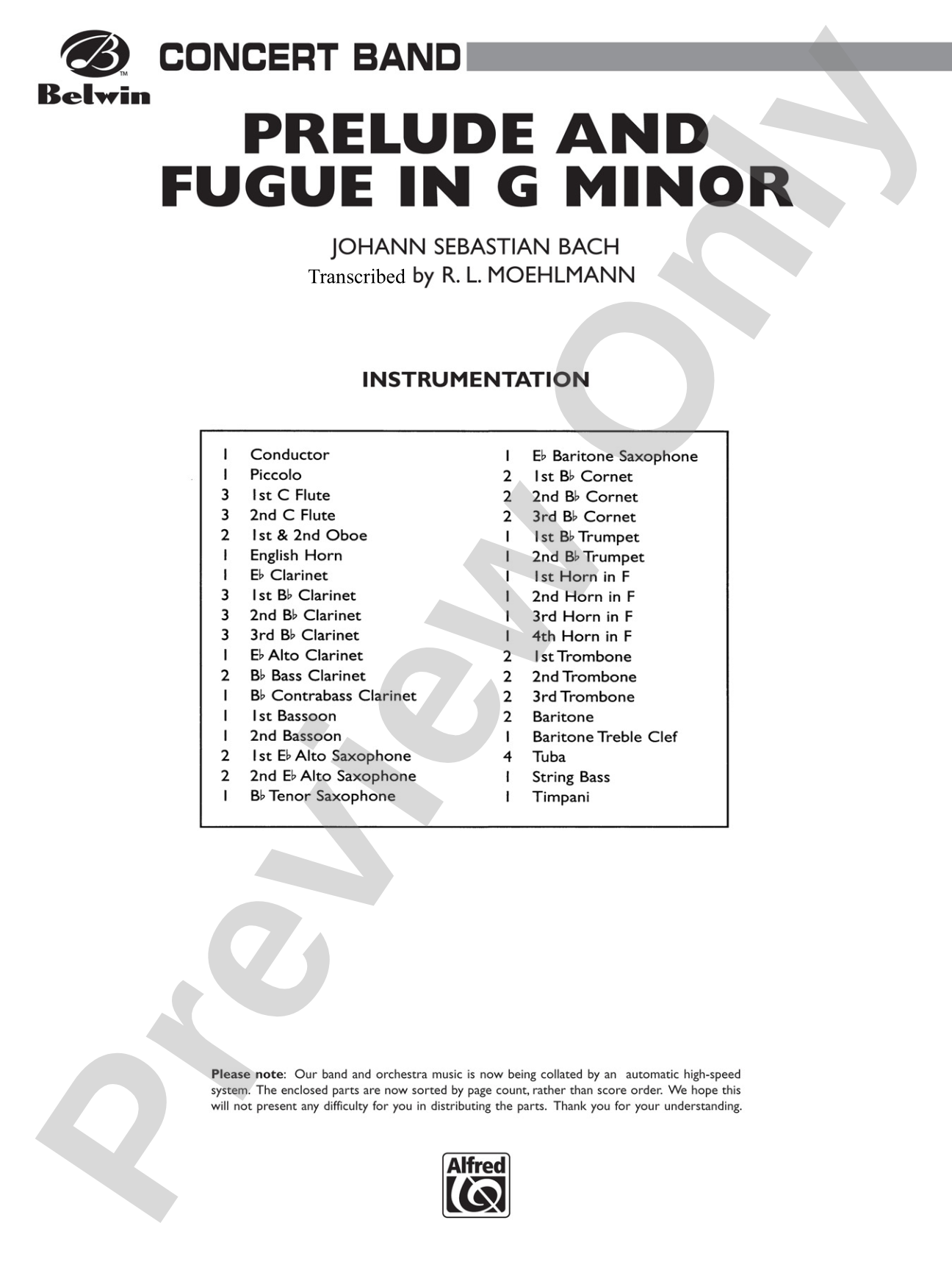

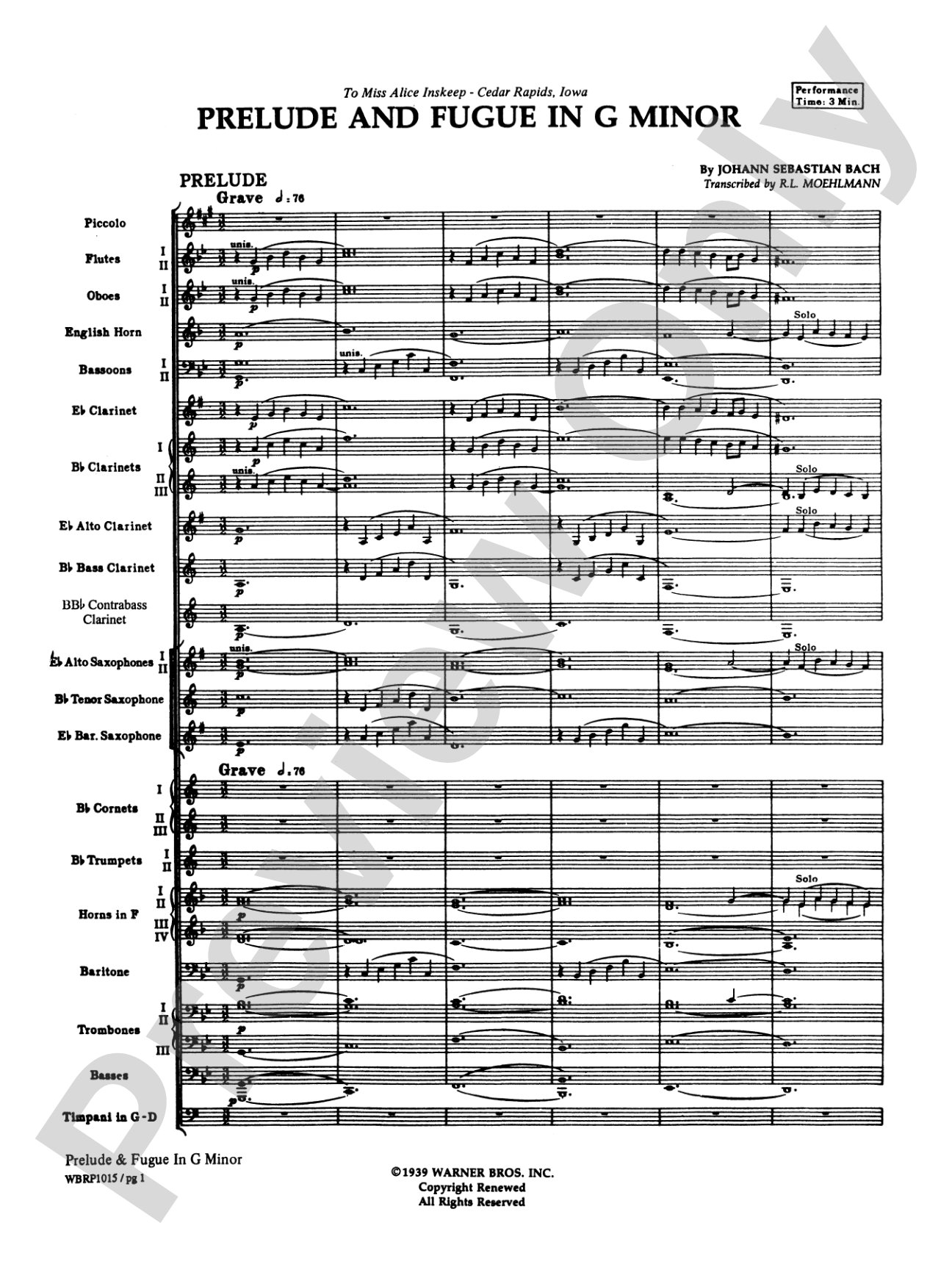
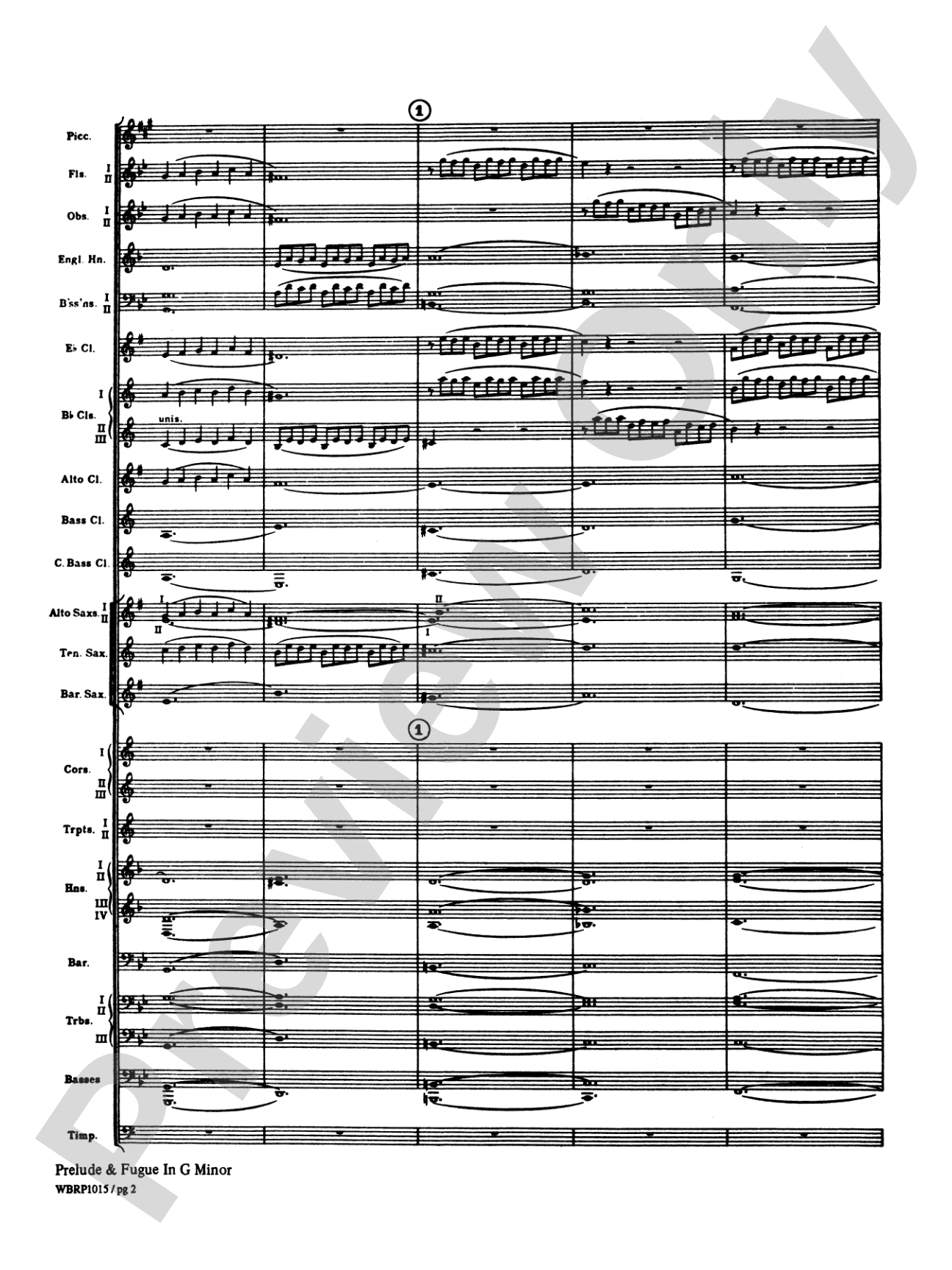
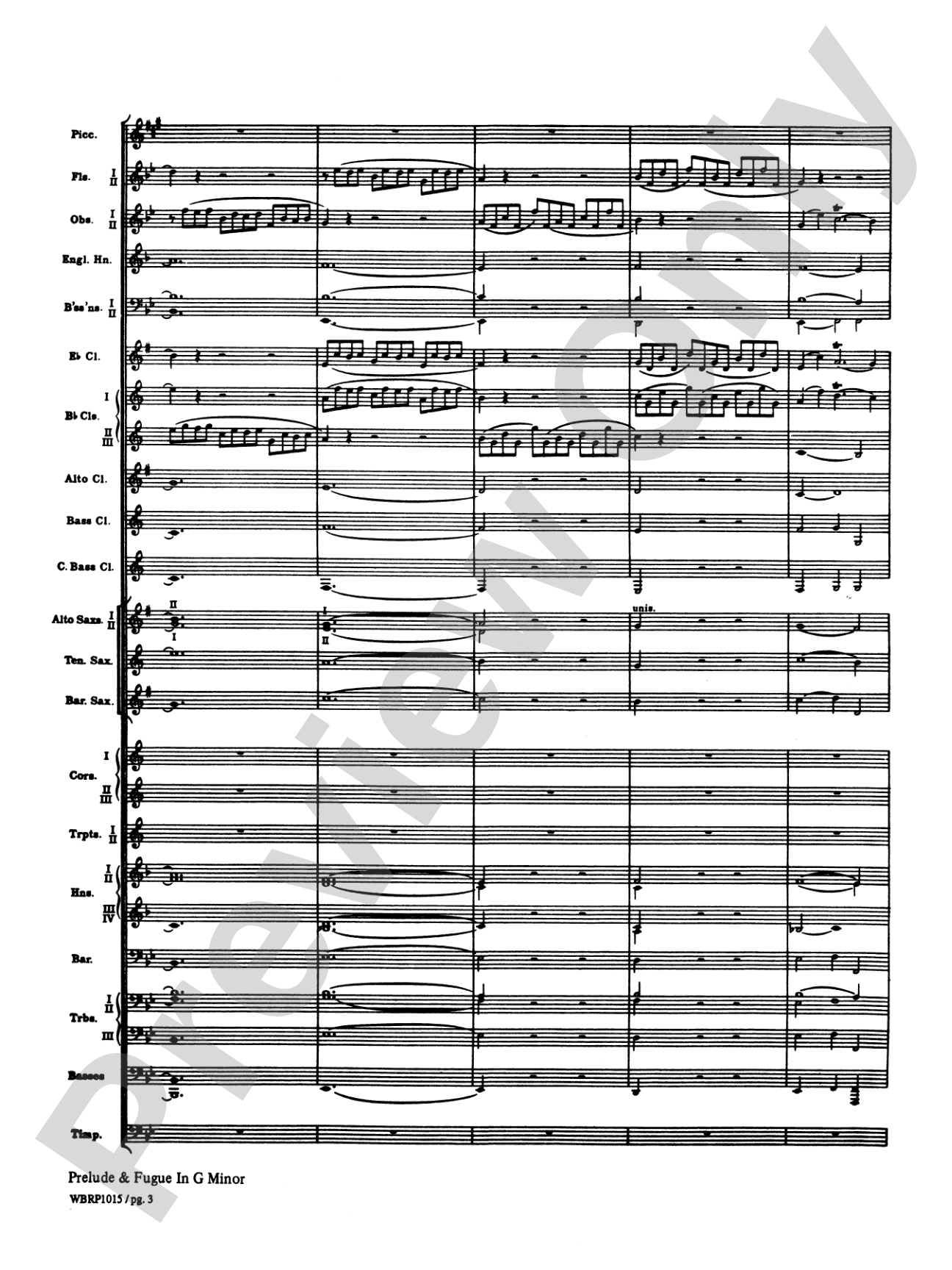
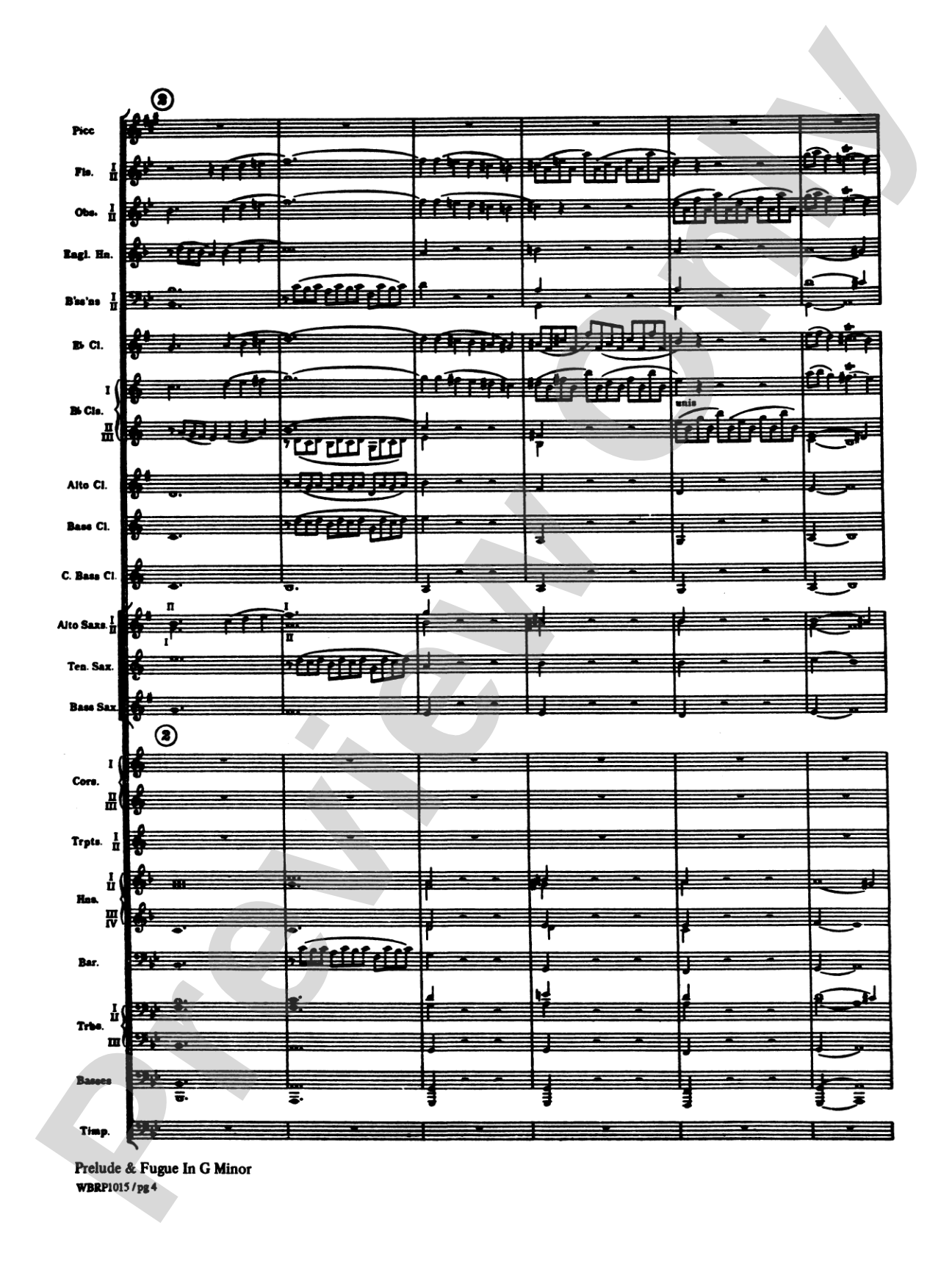
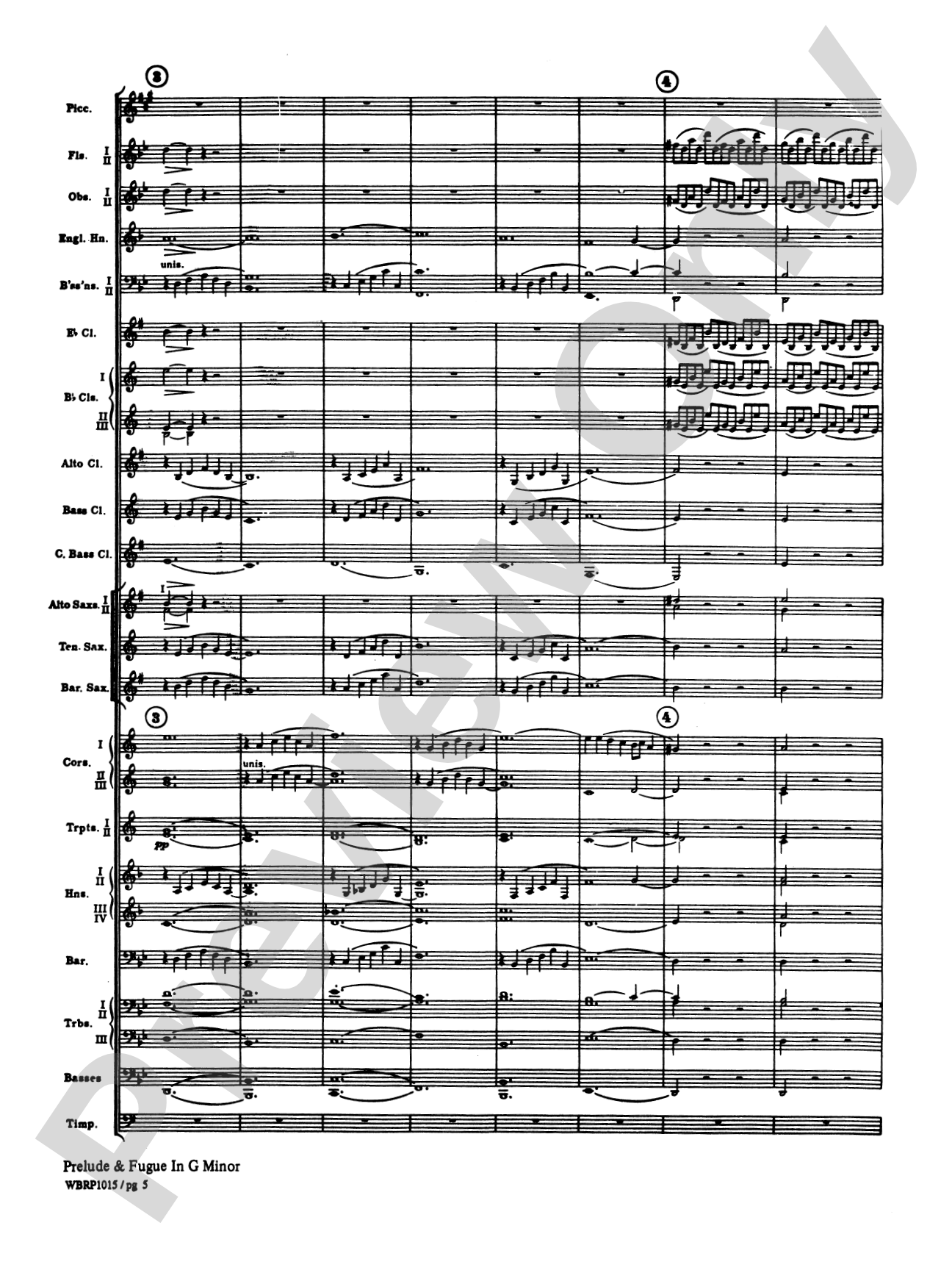
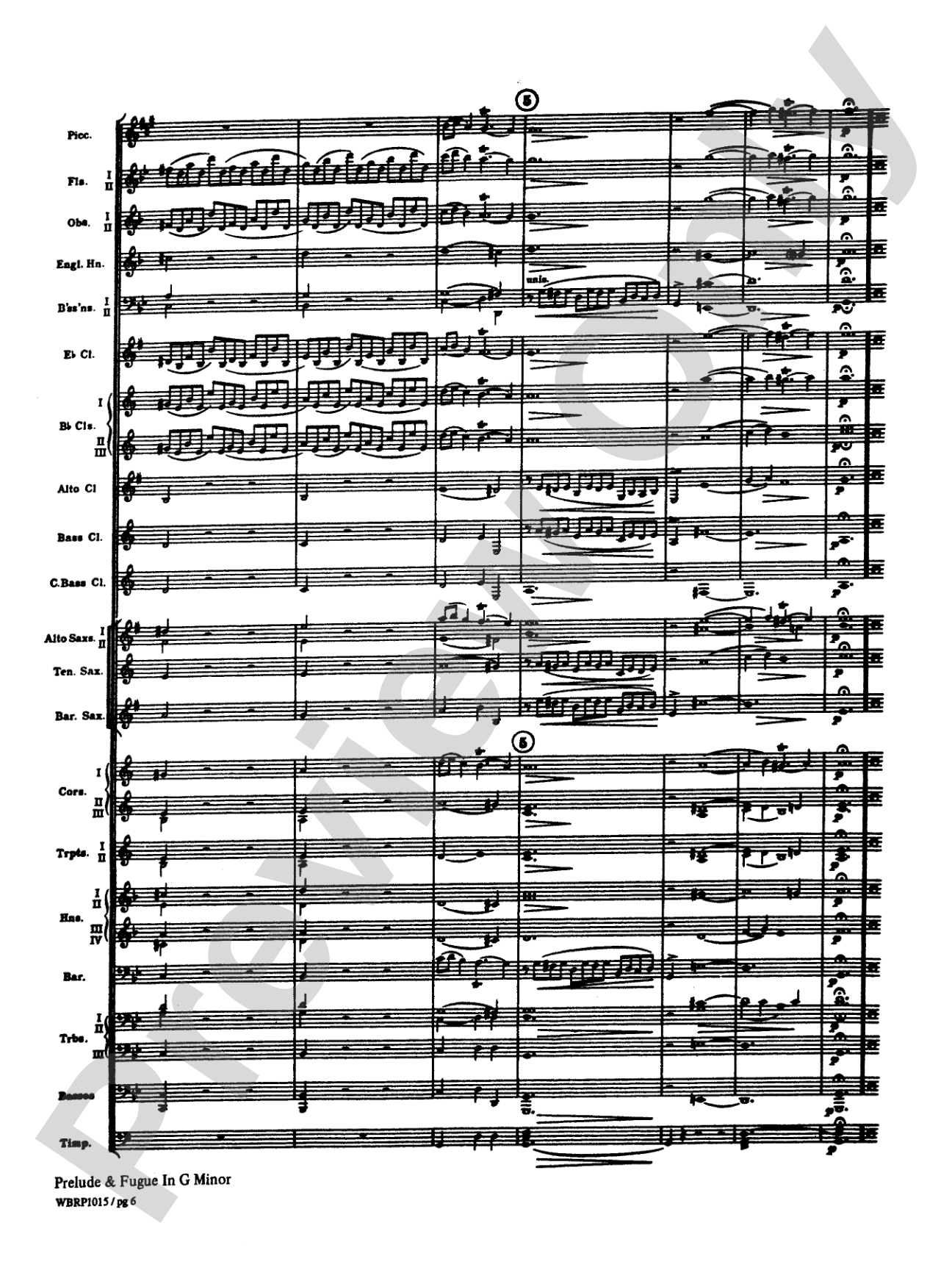
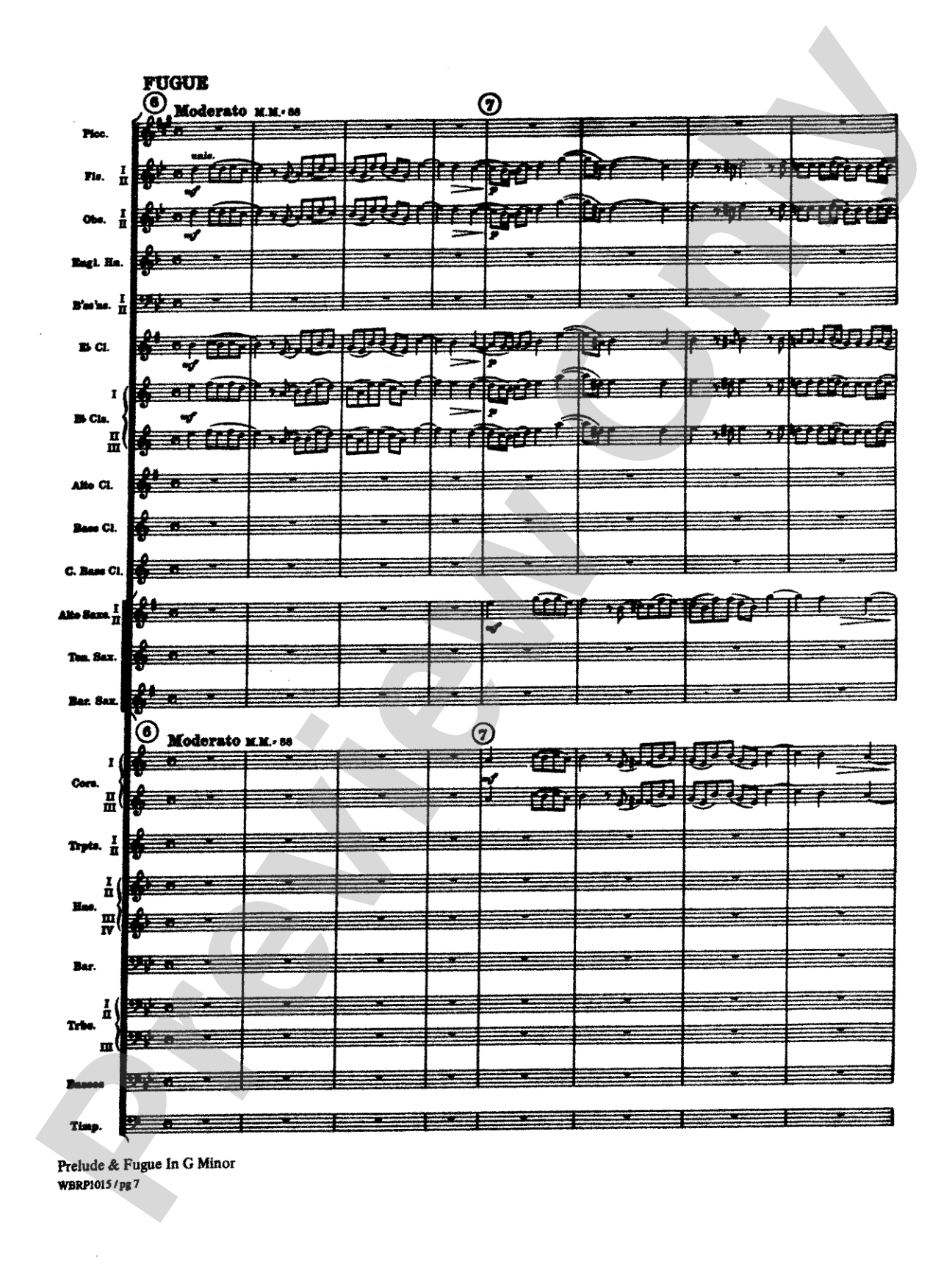
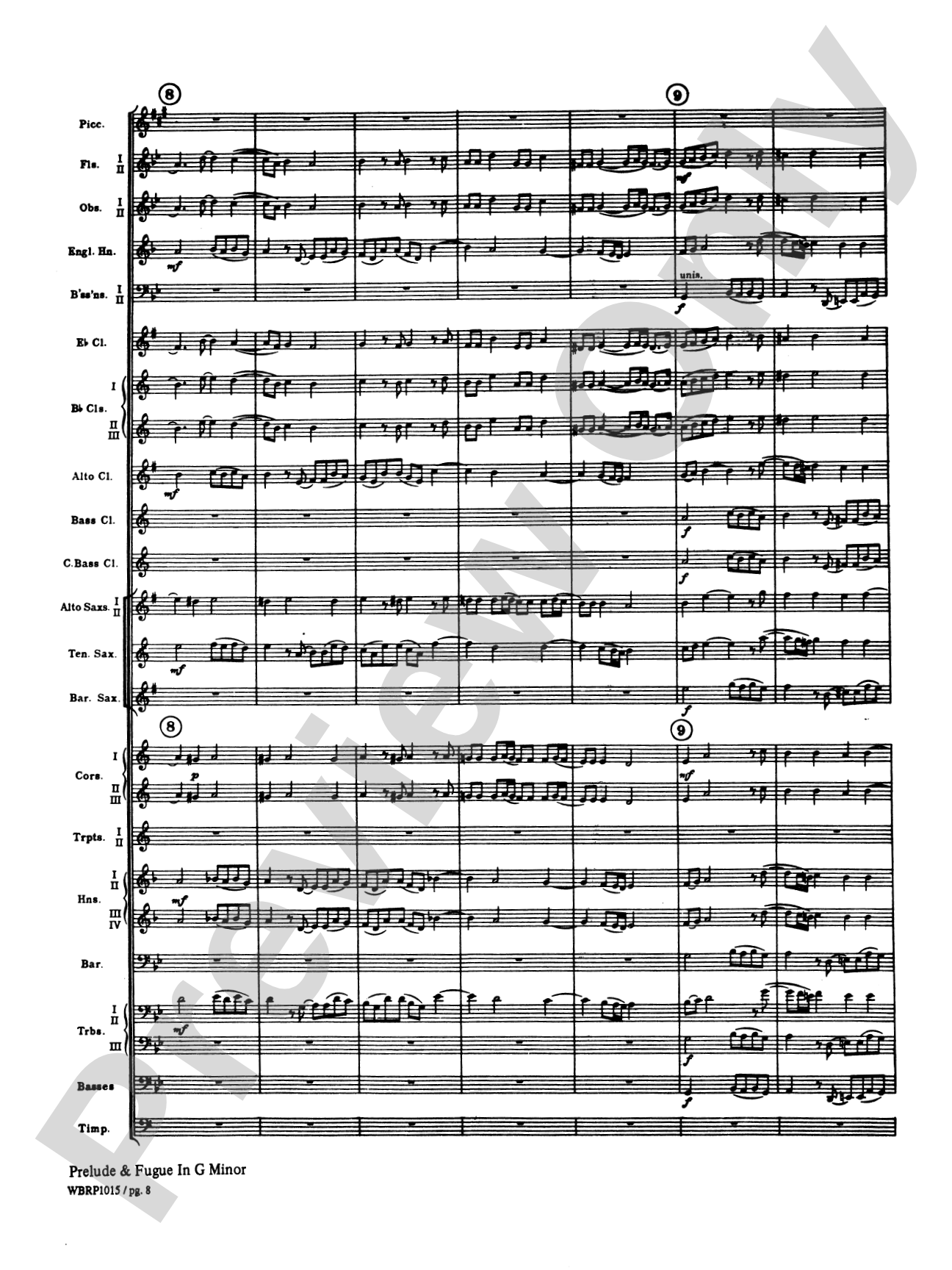
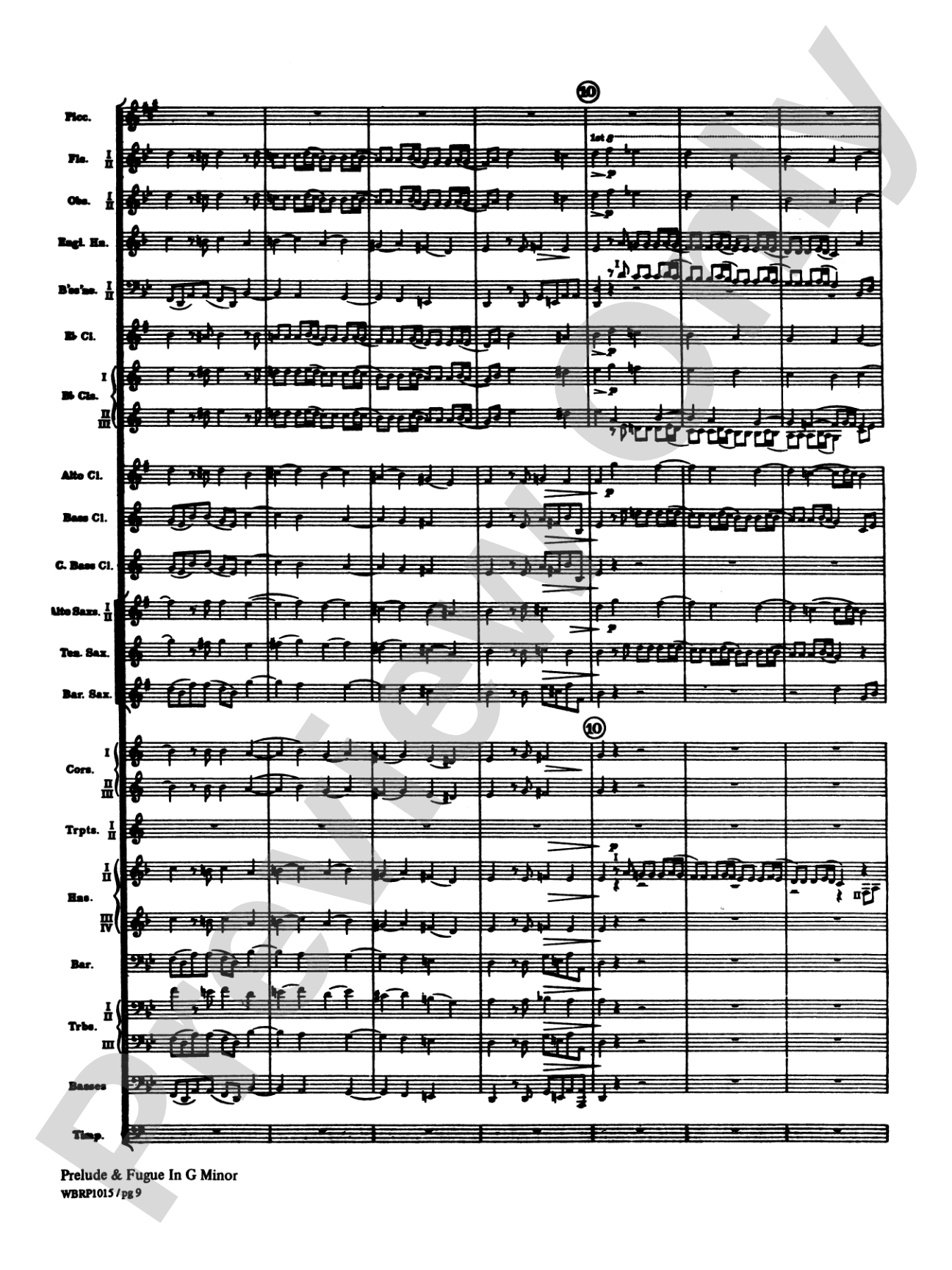
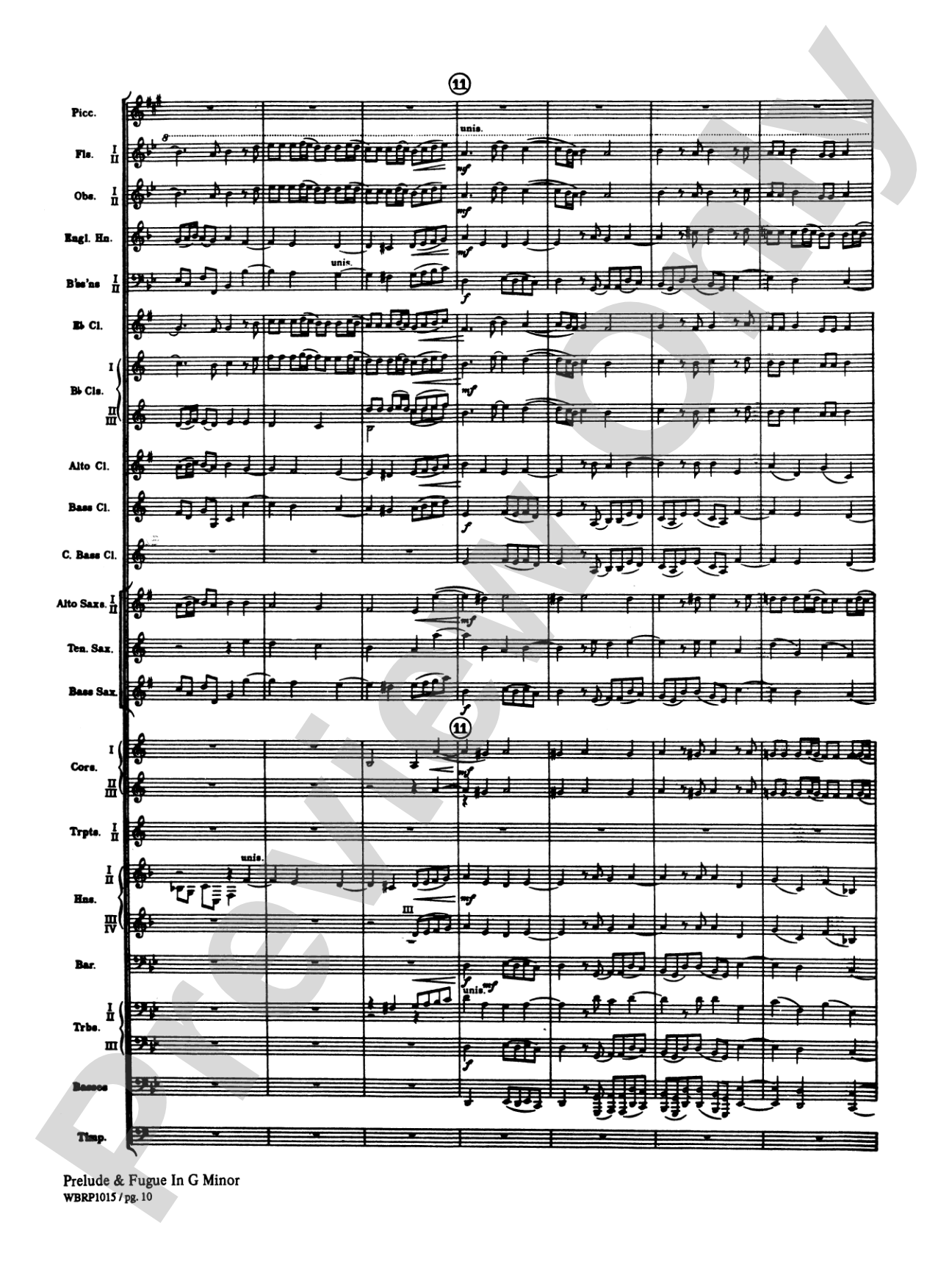
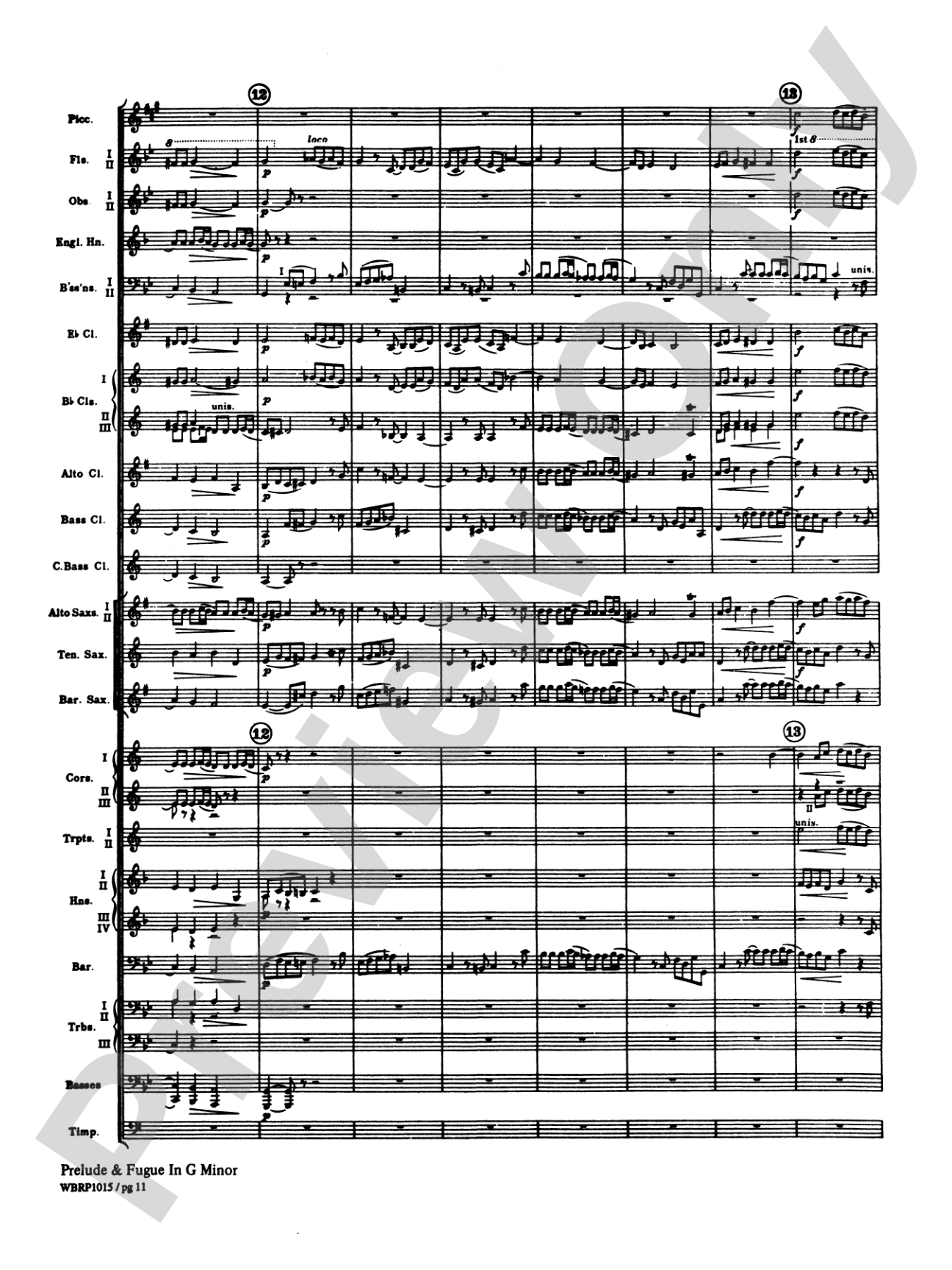
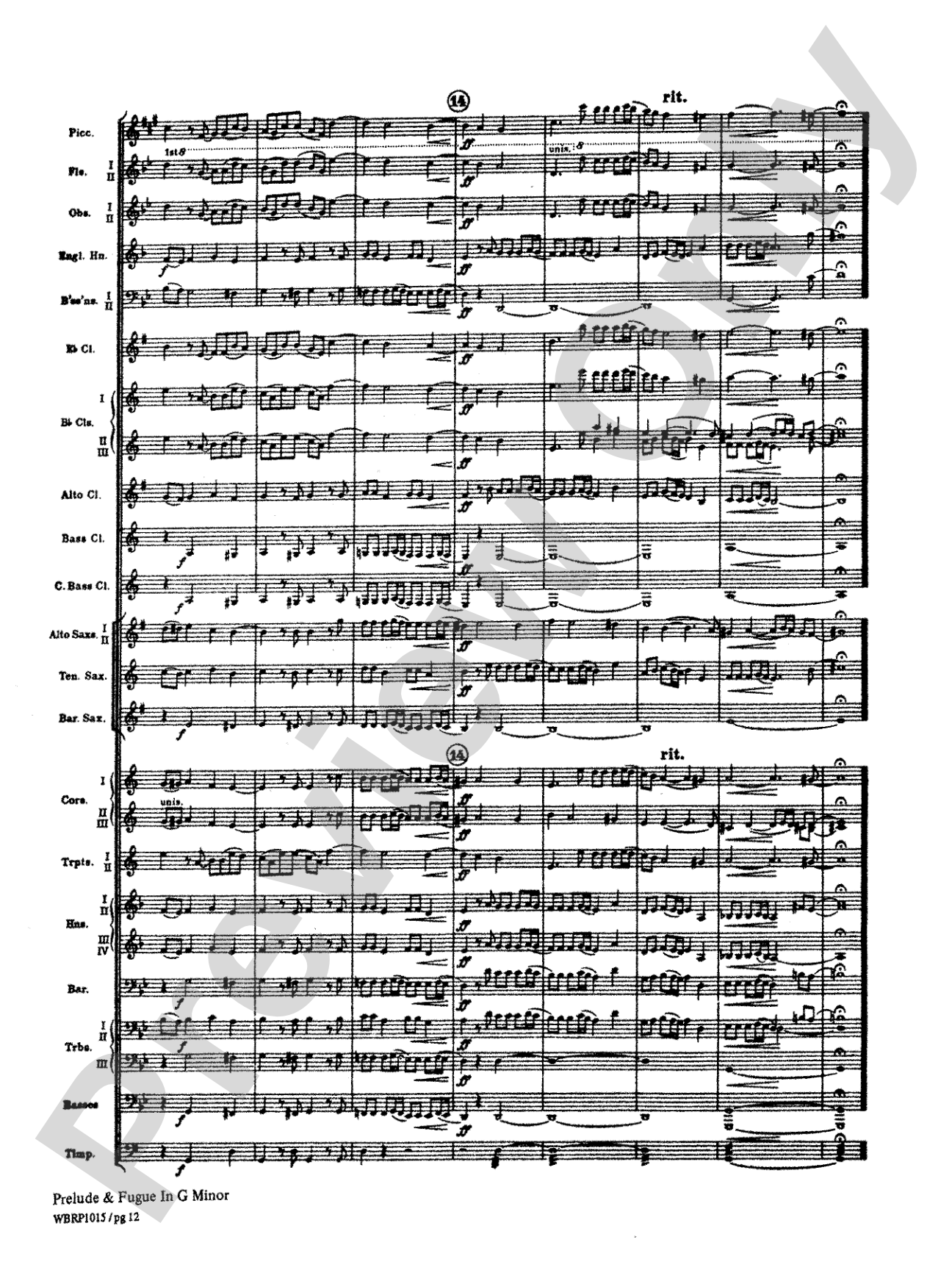



Prelude and Fugue in G Minor: Concert Band Conductor Score & Parts
By Johann Sebastian Bach / transcr. Roland L. Moehlmann
Grade: 3 (Medium Easy)
Item: 00-PK-0002676

$73.00
One moment…
Description


Don't just read it, hear it, play along with it, and watch your students grow with it. In MakeMusic Cloud, Prelude and Fugue in G Minor: Concert Band Conductor Score & Parts comes alive with professional accompaniment, adjustable tempo, and built-in practice tools that turn solo practice into real progress.
Open in the Player
Jump straight in and assign it today.
Start Your Free Trial
Open this title and explore the full library in minutes.
Sample Audio
No sample audio found.
Sample Video
No sample videos found.
Additional Details
Series:
Concert Band
Publisher:
Alfred Music
Page Count:
142
SKU:
00-PK-0002676
More about this title
About the Composer: Johann Sebastian Bach
Johann Sebastian Bach (1685-1750) stands as one of Western music's foundational figures, a master of counterpoint and harmonic innovation whose works continue to define what composers aspire to achieve. His output spans nearly every Baroque genre: fugues, suites, concertos, and sacred cantatas that explore the possibilities of musical architecture with inexhaustible ingenuity. For conductors and students alike, Bach's music represents the ultimate study in compositional craft, where every voice carries melodic weight and structural purpose.
Why we love this
Moelmann's arrangement makes one of Bach's most intellectually satisfying keyboard works accessible to concert band without sacrificing the architectural brilliance that makes this prelude and fugue endure. At Grade 3, this sits at exactly the level where students can hear the counterpoint working without drowning in technical demands, and the piece brings real gravitas to any concert program. Programming Bach legitimizes your ensemble's musical thinking while remaining genuinely enjoyable for audiences who expect band music to be lighter fare.
What to expect
The prelude unfolds with the forward momentum of flowing water, each measure building on the last with crystalline inevitability. The fugue enters with Baroque formality and intricate voice-weaving, creating a satisfying intellectual puzzle that listeners can actually follow, building toward the contrapuntal density and harmonic resolution that Bach mastered completely.
Who it's for
This arrangement serves concert bands at the intermediate level who want to expand beyond typical Grade 3 fare and tackle repertoire with real compositional substance. It works equally well for festival programming, where judges and audiences recognize Bach's fingerprints, and for students who need to understand how classical architecture translates across instruments. Directors seeking to deepen their ensemble's musical literacy without overwhelming them will find this sits in the sweet spot between accessibility and rigor.
How to get the most out of it
- Honor the independence of each line; even in the prelude's cascading passages, every voice should remain distinct and audible rather than blending into harmonic wash.
- Shape the harmonic rhythm through slight rubato and dynamic layering during the prelude's arpeggiated sections, allowing the underlying chord changes to emerge naturally.
- In the fugue, establish the subject cleanly in the first voice, then bring in subsequent entries with precision while maintaining the momentum established in the exposition.
- Balance the lower voices as active participants, not accompaniment; Bach wrote them to sing, and your band will sound weightless if they disappear.
How to use it
Pair this with lighter contemporary works to demonstrate range and musical intelligence on a single concert, or use it as a centerpiece that lets you program both classical and modern alongside it without apology. It serves equally well as a festival selection where scoring Bach elevates your band's credentials, or as the closing piece on a concert devoted to exploring how musical genius translates across centuries and ensembles.
Skills your students will build
- Reading and performing independent melodic lines in counterpoint
- Maintaining clarity of articulation across sustained harmonic passages
- Balancing multiple simultaneous musical ideas at different dynamic levels
- Understanding Baroque harmonic structure and voice-leading
- Executing fugal exposition and answer entries with rhythmic precision
- Sustaining musical line through long phrases without losing shape