


Precious in My Sight (arr. Heather Sorenson): Choral Instrumental Pak
Arranged by Heather Sorenson
Item: 35-PK00473085
$20.00
Pickup currently not available
Buy Extra Parts (Digital PDF Download)
Parts Added to Cart!
Description
Cascades of piano figurations weep from the page in the opening of this new song of assurance. A conversational and intimate verse delivers divine promises from the heart of God to remind the listener that we are eternally beloved by the Lord. The choral writing is approachable and functions as a soundtrack to this message of hope. "I know how to make beauty from brokenness, and I can turn darkness to light. Fear not, fear not, you are precious in My sight." Score and Parts (ob, vn, vc) available as a digital download.


Precious in My Sight (arr. Heather Sorenson): Choral Instrumental Pak isn't in MakeMusic Cloud just yet...but it could be. Let us know you'd like to see it, and you'll help shape what comes next. In the meantime, start a free trial and dive into thousands of interactive titles your students can play along with today.
Request This Title
Tell us you want it.
Start Your Free Trial
Explore everything that's ready to play right now.
Sample Audio
No sample audio found.
Sample Video
No sample videos found.
Additional Details
Publisher:
Hal Leonard
SKU:
35-PK00473085
More about this title
About the Arranger: Heather Sorenson
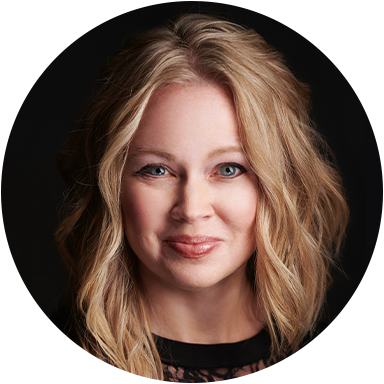
Heather Sorenson, based in Dallas, composes and arranges music performed across churches, schools, universities, and competition stages worldwide. Her reputation began with her pianistic gifts but has expanded into a substantial catalog of choral, orchestral, and keyboard works that blur the line between traditional and contemporary Christian music.
Sorenson has taught music at every elementary level, served as adjunct faculty at Baylor University, and regularly leads sessions at worship conferences and universities nationwide. Her commissions span institutions like Texas A&M University and the Kennedy Memorial Foundation, and she premiered an oratorio at Carnegie Hall. Beyond composition, she conducts as a guest artist at churches across America and organizes benefit concerts for nonprofit organizations she supports.
Why we love this
Sorenson's piano writing here moves beyond accompaniment into genuine artistry, with figurations that create emotional texture without overshadowing the vocal line. The vulnerability in the verse paired with assurance in the text creates a natural arc that singers and listeners both feel, making this arrangement work equally well in worship contexts or concert settings.
What to expect
Tenderness meets confidence. The opening piano cascades create an almost vulnerable atmosphere, drawing the listener close before the voice enters with quiet assurance. By the end, brokenness has genuinely transformed into light, and the journey feels earned rather than imposed.
Who it's for
This arrangement serves choirs seeking accessible yet substantive sacred music that speaks to themes of identity and belonging. It works particularly well for directors programming hope and affirmation into services or concerts, whether for traditional congregational settings or skilled volunteer ensembles.
How to get the most out of it
- Shape the cascading piano figurations with clarity in the opening; they should feel organic rather than mechanically perfect, inviting listeners into an intimate conversation.
- Encourage the choir to lean into the directness of the text in the verse. The simplicity of the choral line means every word choice and breath matters.
- Balance the instrumental voices (oboe, violin, cello) so they dialogue with the choir rather than doubling it. These parts should feel like gentle corroboration of the message.
How to use it
Place this strategically in a service or concert when you want to shift emotional registers toward restoration and reassurance. It pairs naturally with other contemporary sacred works or can anchor a portion of worship devoted to identity in faith. The moderate difficulty level allows it to shine without demanding months of rehearsal.
Skills your students will build
- Singing text with intimacy and directness in simpler harmonic writing
- Responding to piano figurations as musical partners rather than mere accompaniment
- Ensemble balance with optional instrumental parts (oboe, violin, cello)
- Interpreting sacred text to convey theological meaning through phrasing