Precious Gift His Wondrous Birth Sheet Music Preview

Precious Gift His Wondrous Birth: SATB, a cappella Choral Octavo

Lyrics by Dave and Iola Brubeck, music by Dave Brubeck

Item: 00-PO-0004399

Digital Download
$1.50

Minimum order quantity: 20 copies

Description

Precious Gift His Wondrous Birth: SATB, a cappella Choral Octavo isn't in MakeMusic Cloud just yet...but it could be. Let us know you'd like to see it, and you'll help shape what comes next. In the meantime, start a free trial and dive into thousands of interactive titles your students can play along with today.

Sample Audio
No sample audio found.
Sample Video
Additional Details
Series: Lawson-Gould: The Dave Brubeck Series
Publisher: Alfred Music
Page Count: 4
SKU: 00-PO-0004399

More about this title

About the Composer: Dave Brubeck

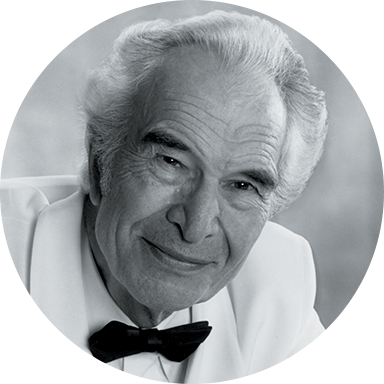
Dave Brubeck

Dave Brubeck's career spanned both jazz innovation and classical composition. As a pianist and bandleader, he shaped modern jazz through records like "Time Out," the first jazz album to achieve platinum sales; simultaneously, he composed large-scale choral and orchestral works, chamber music, ballets, and solo pieces across multiple instruments. His study with Darius Milhaud at Mills College after World War II proved formative, encouraging him to blend jazz language with classical technique in compositions that would reach concert halls worldwide.

Beyond music, Brubeck was a cultural pioneer who actively challenged racial segregation during the mid-20th century. His sacred works, including the mass "To Hope!" (performed internationally from Germany to Russia) and oratorios like "The Voice of the Holy Spirit" and "Beloved Son," have been recorded by major ensembles including the London Symphony Orchestra. He received the Presidential Medal of the Arts from President Clinton, Austria's national arts award, a Grammy Lifetime Achievement Award, and in 2007 was honored with a lifetime achievement award by the London Symphony Orchestra.

Why we love this

Brubeck's sacred choral writing brings the sophistication of a jazz composer into the choir room without requiring instrumental accompaniment. The a cappella format makes this accessible for holiday programming while the compositional craft rewards careful attention to voice leading and harmonic color. This piece offers your singers the chance to perform work by a major 20th-century figure whose musical language bridges classical and contemporary idioms.

What to expect

Harmonically rich and contemplative, this setting draws on Brubeck's classical training while maintaining a directness of expression fitting the subject matter. The a cappella texture creates intimacy, allowing the interplay of voices to become the primary musical focus and lending the carol both reverence and musical substance.

Who it's for

Choirs with secure intonation and the ability to balance four independent voices without instrumental support. The piece works well for ensembles preparing Christmas programming that reaches beyond traditional carols, offering singers exposure to sacred music by a major American composer.

How to get the most out of it

  • Balance the four voice parts as equal melodic lines rather than treating them as background support; Brubeck's harmonic language depends on singers hearing all four voices clearly.
  • Pay attention to the shape of individual phrases within each part; jazz-influenced composition often features subtle rhythmic elasticity that benefits from singers understanding their own line's arc.
  • Consider the text underlay carefully and allow slight flexibility in rubato to match the natural speech rhythm of the words while maintaining ensemble cohesion.

How to use it

Program this alongside one or two other a cappella sacred works in a holiday concert to create a cohesive set that highlights compositional variety within the unaccompanied choral tradition. Its four-page length and moderate technical demands make it suitable for mid-level choirs seeking substantive repertoire that elevates the artistic level of seasonal programming.

Skills your students will build

  • Independent voice part singing without instrumental support
  • Harmonic listening and balance within SATB texture
  • Intonation accuracy in a cappella context
  • Interpretation of contemporary classical sacred music

You May Also Like