Pre-Reading Book of Pop Cover Image

Pre-Reading Book of Pop: Piano Book

$15.99 USD
Sale price  $15.99 USD Regular price 
Skip to product information
Pre-Reading Book of Pop Cover Image

Pre-Reading Book of Pop: Piano Book

32 Arrangements for Beginning Pianists

Arr. Gayle Kowalchyk, E. L. Lancaster, and Christine H. Barden

Level: Early Elementary

Item: 00-38960

$15.99
Shipped

One moment…

Description
This big book of pre-reading solos includes popular Christmas songs, popular hits, and popular praise songs. Melodies for the pieces are divided between the hands. All pieces include an optional duet part for parents or the teacher. If students are unfamiliar with the rhythmic notation, the rhythms can be quickly leaned by rote. Students can begin to play favorites after only a few weeks of study.

Pre-Reading Book of Pop: Piano Book isn't in MakeMusic Cloud just yet...but it could be. Let us know you'd like to see it, and you'll help shape what comes next. In the meantime, start a free trial and dive into thousands of interactive titles your students can play along with today.

Sample Pages

Sample Audio
No sample audio found.
Sample Video
Additional Details
Publisher: Alfred Music
Page Count: 80
ISBN10: 0-7390-8661-8
ISBN13: 978-0-7390-8661-2
UPC: 038081432762
SKU: 00-38960

More about this title

About the Arranger: Gayle Kowalchyk
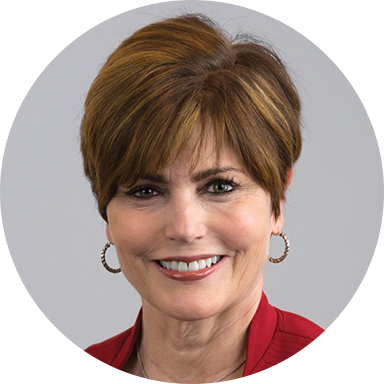
Gayle Kowalchyk

Gayle Kowalchyk holds degrees in piano performance from Ohio University and Northwestern University, along with an Ed.D. in piano pedagogy from Teachers College, Columbia University. She has taught class piano and piano pedagogy at California State University, Northridge, and previously served on the faculty at Eastern Illinois University, Oklahoma Baptist University, and the University of Oklahoma. A respected clinician and adjudicator, she has presented at national conferences of the Music Teachers National Association, Music Educators National Conference, and the World Piano Pedagogy Conference.

With her husband E. L. Lancaster, Kowalchyk has co-authored more than 300 educational piano books, including the widely used Alfred's Premier Piano Course and Music for Little Mozarts. She has also taught summer piano ensemble at the National Music Camp in Interlochen and maintains an active role as a clinician for Alfred Music.

Why we love this

Young pianists dive into music they actually want to play from day one. The arrangement of melodies between the hands naturally develops independence and coordination while the optional duet parts keep teachers and parents engaged in the learning process. An 80-page collection of Christmas favorites, contemporary hits, and praise songs means students stay motivated for weeks without needing a stack of separate books.

What to expect

Immediate gratification wrapped in melodies students recognize. Within weeks of starting lessons, hands come alive on the keyboard playing songs from the radio, the holidays, and the worship service. The writing feels accessible and encouraging, never patronizing.

Who it's for

Beginning piano students in their first months of study who respond better to familiar repertoire than abstract exercises. Parents and teachers seeking repertoire that holds young players' attention and builds technical skills without the usual pre-reading frustration.

How to get the most out of it

  • Learn unfamiliar rhythms by rote before reading notation; once the student hears the rhythmic pattern, the written symbols become meaningful.
  • Use the duet part to guide tempo and phrasing, letting the student follow the teacher's lead until confidence builds.
  • Separate the hand parts for two or three days before combining them, especially in pieces where both hands move simultaneously.

How to use it

Assign pieces in sequence as students develop hand coordination and rhythm reading, or let students select favorites based on their interests. The duet parts make these pieces ideal for studio recitals and parent participation events. Rotate selections seasonally (Christmas songs in fall, praise songs in spring) to keep the book relevant year-round.

Skills your students will build

  • Hand independence and coordination
  • Rhythm reading through notation
  • Melodic awareness across both hands
  • Ensemble listening and following a partner
  • Early sight-reading confidence with familiar melodies

You May Also Like