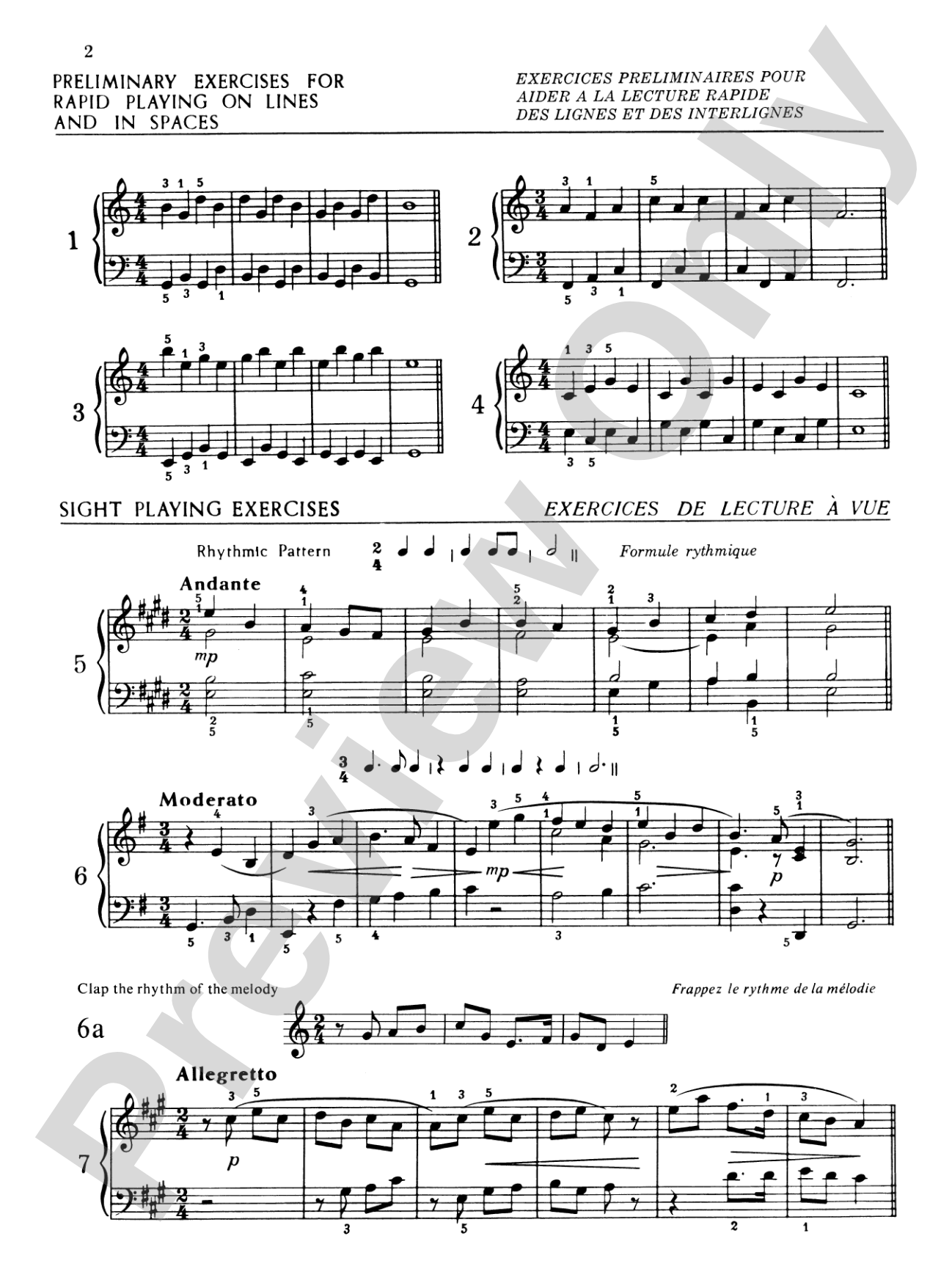
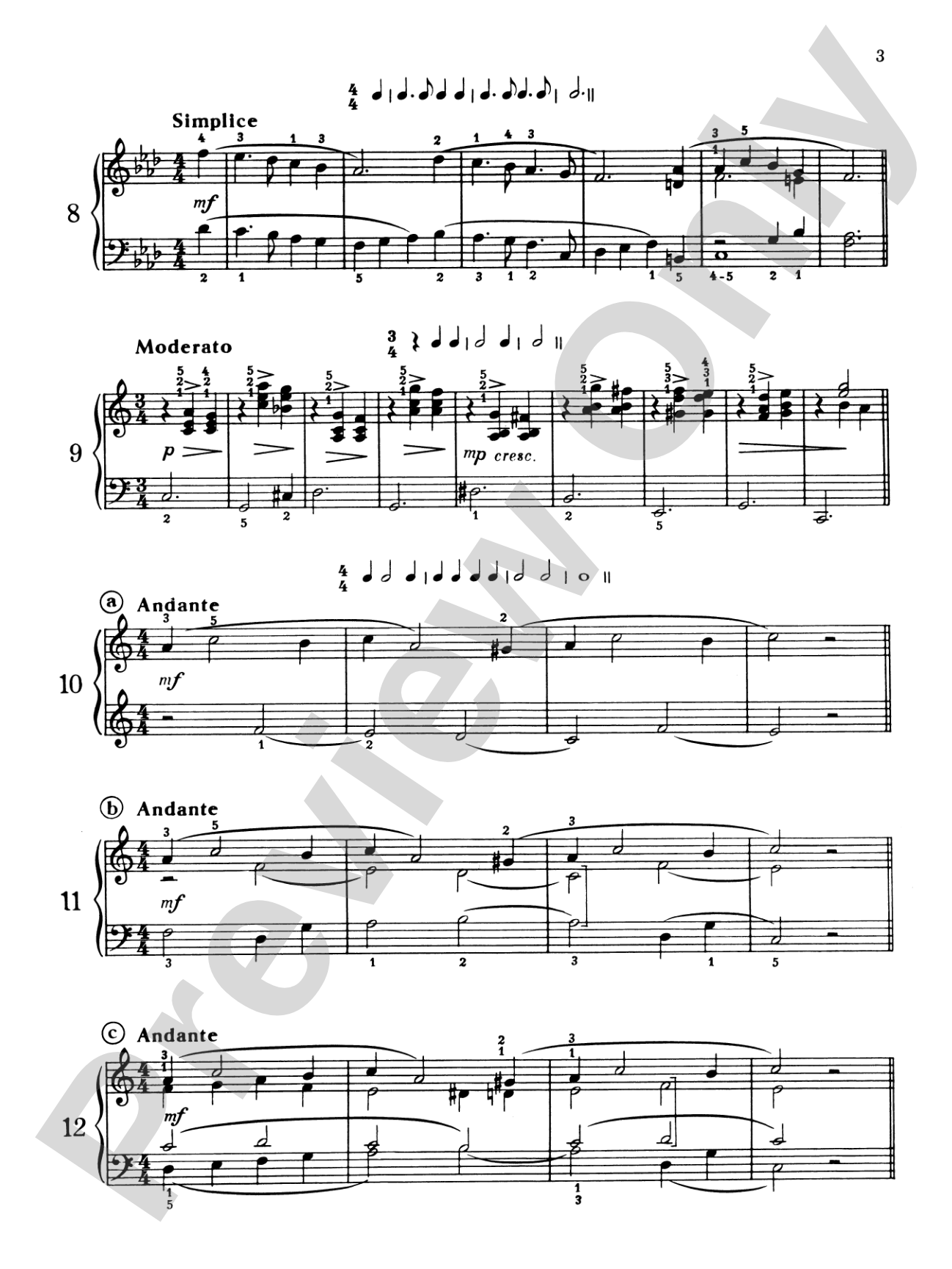
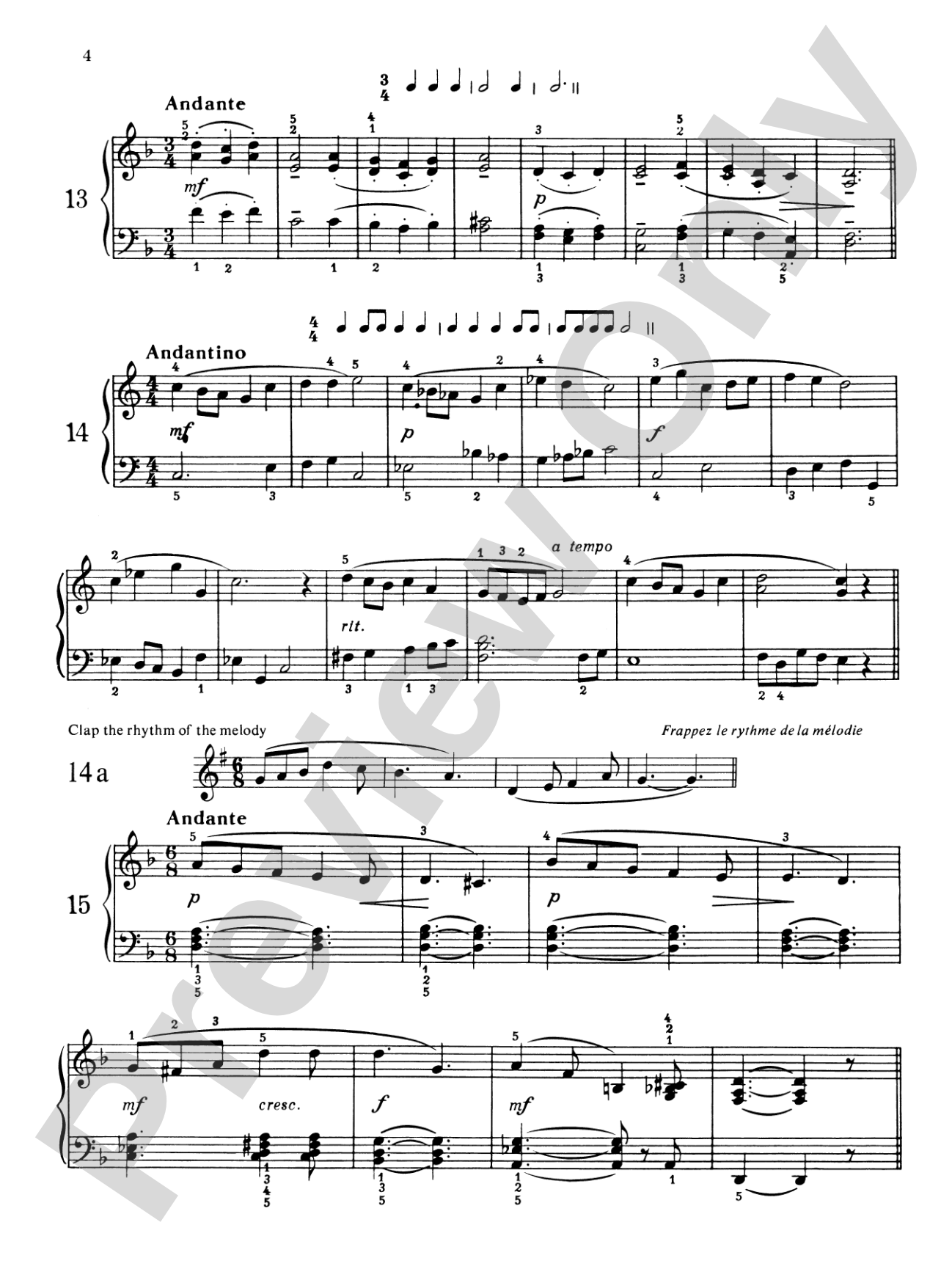
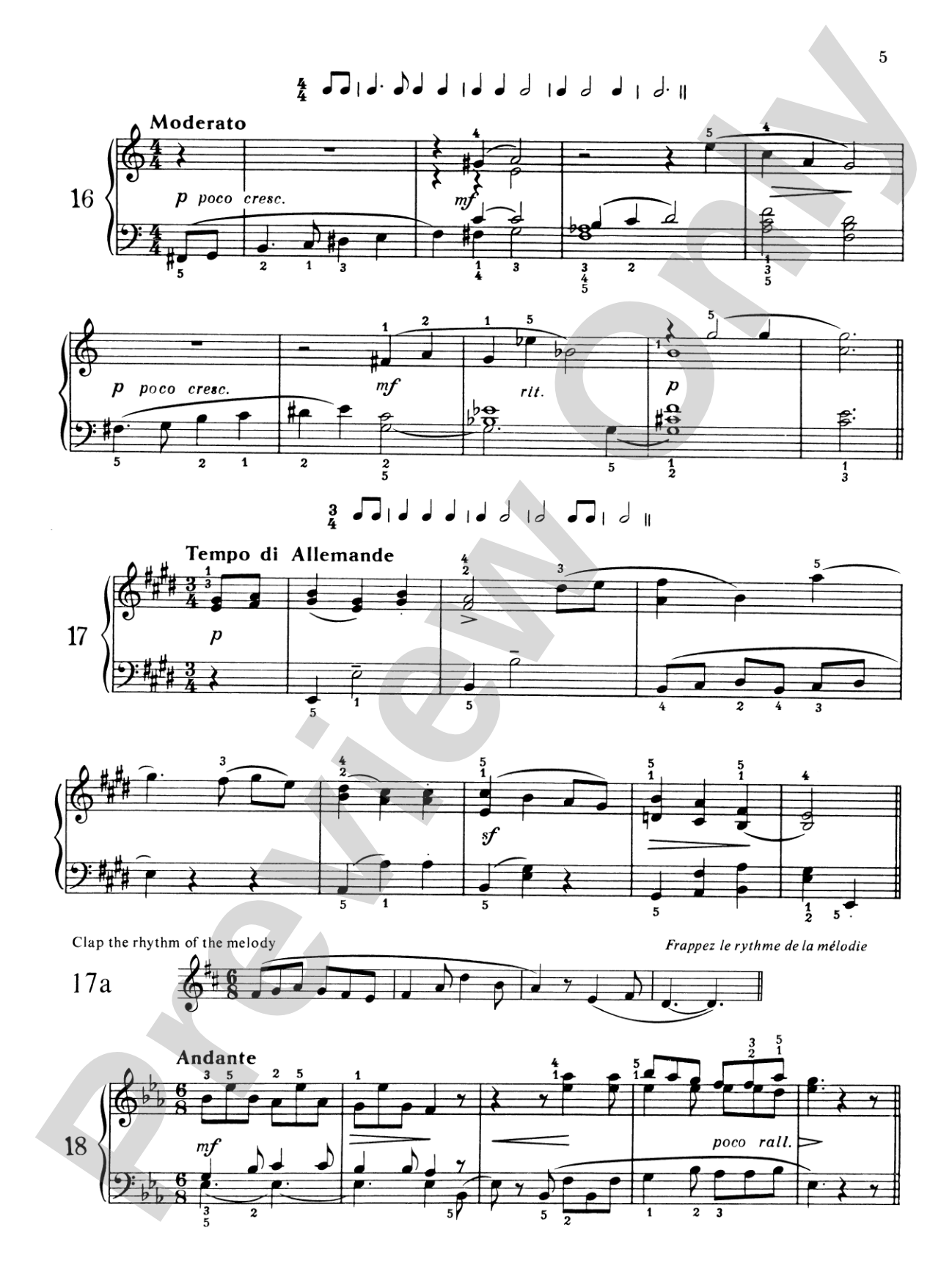
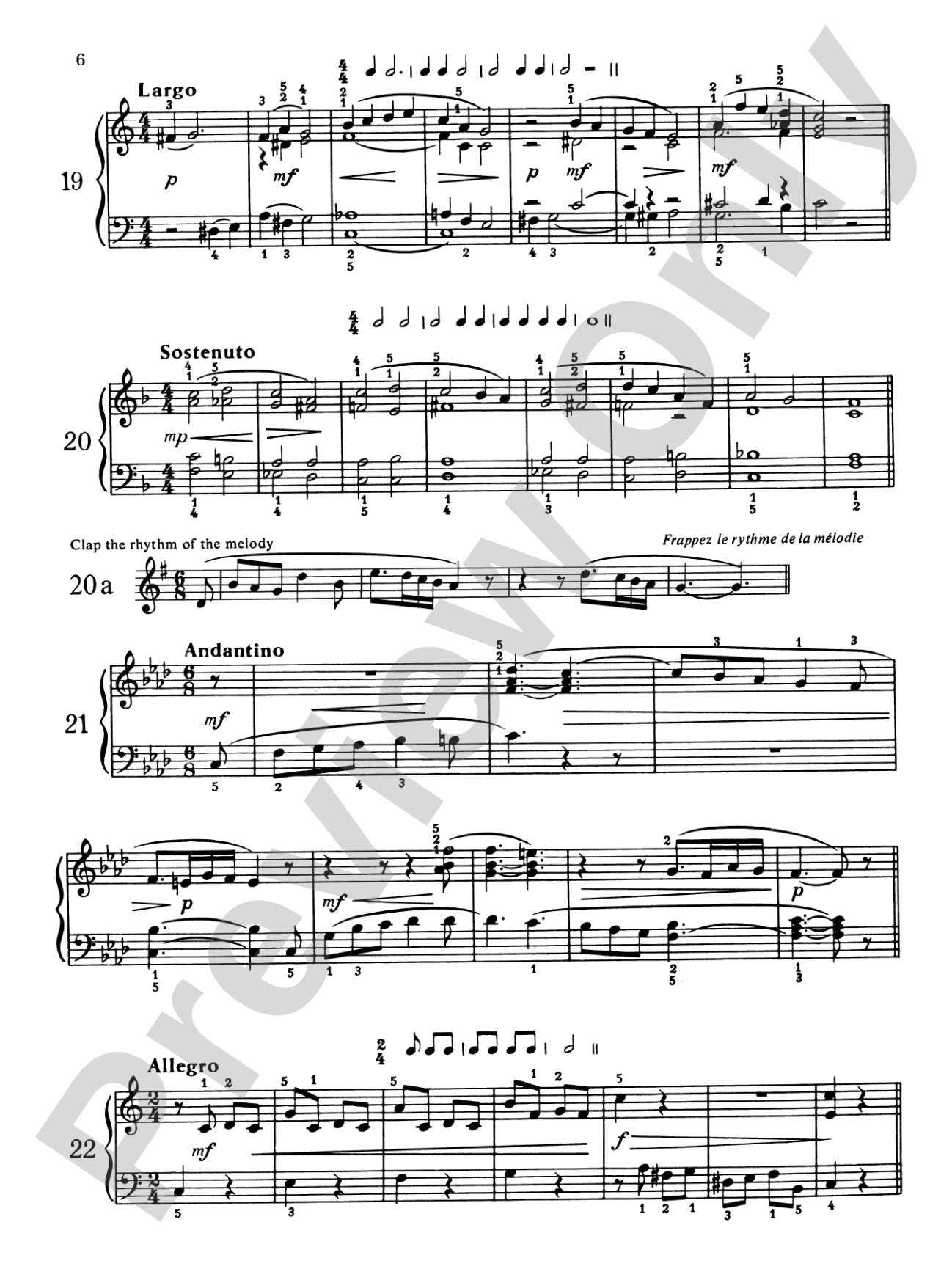
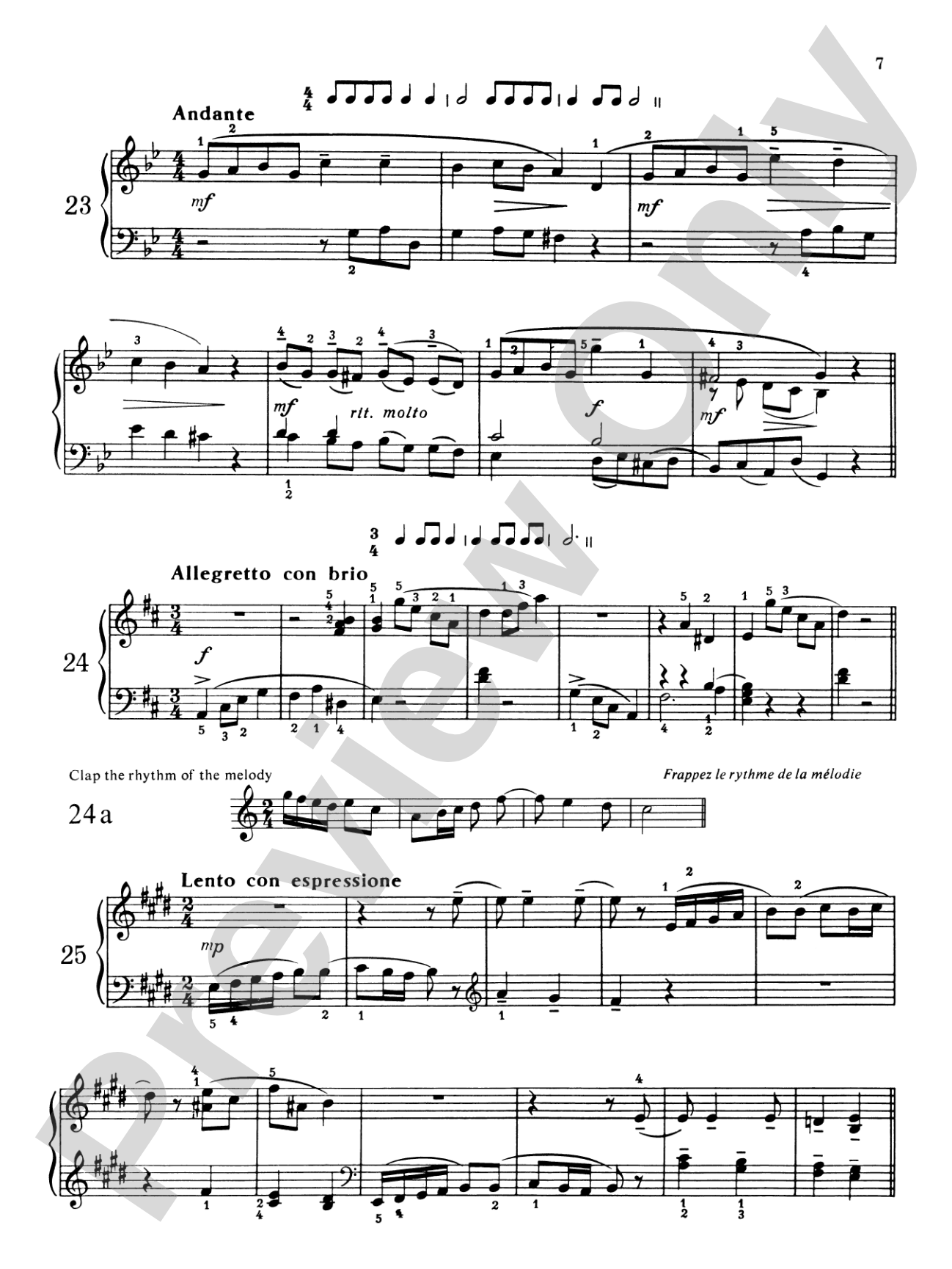
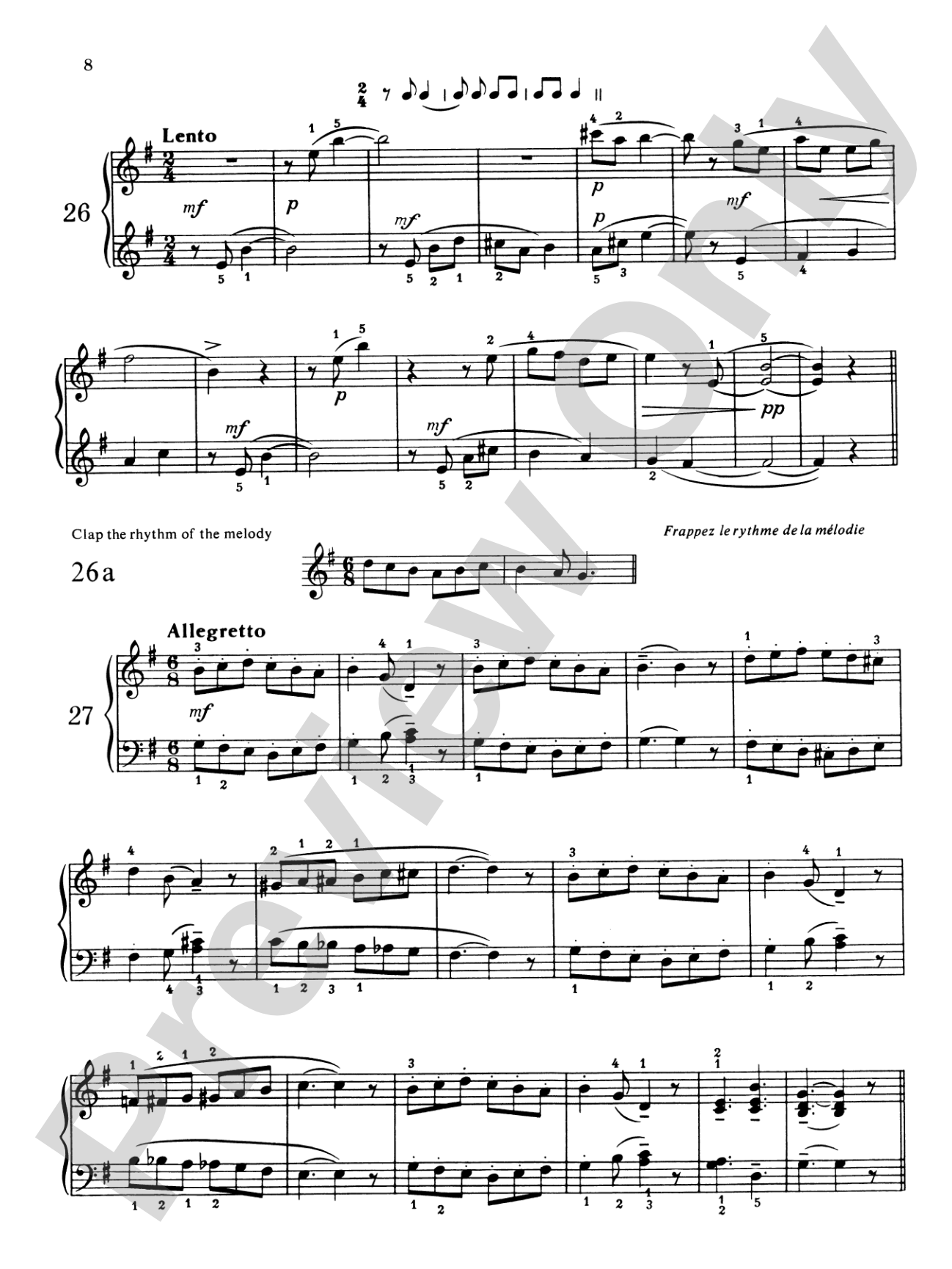
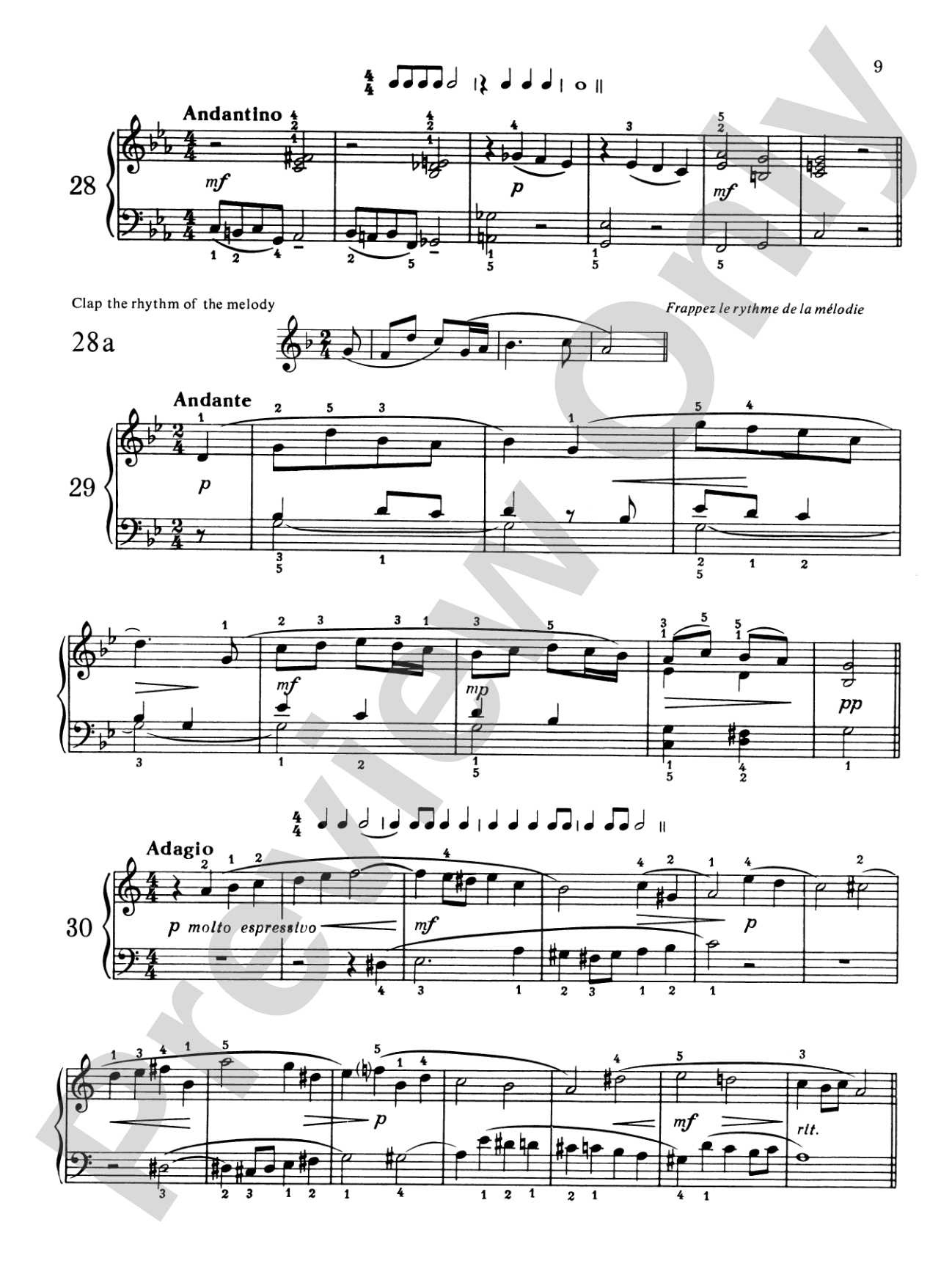
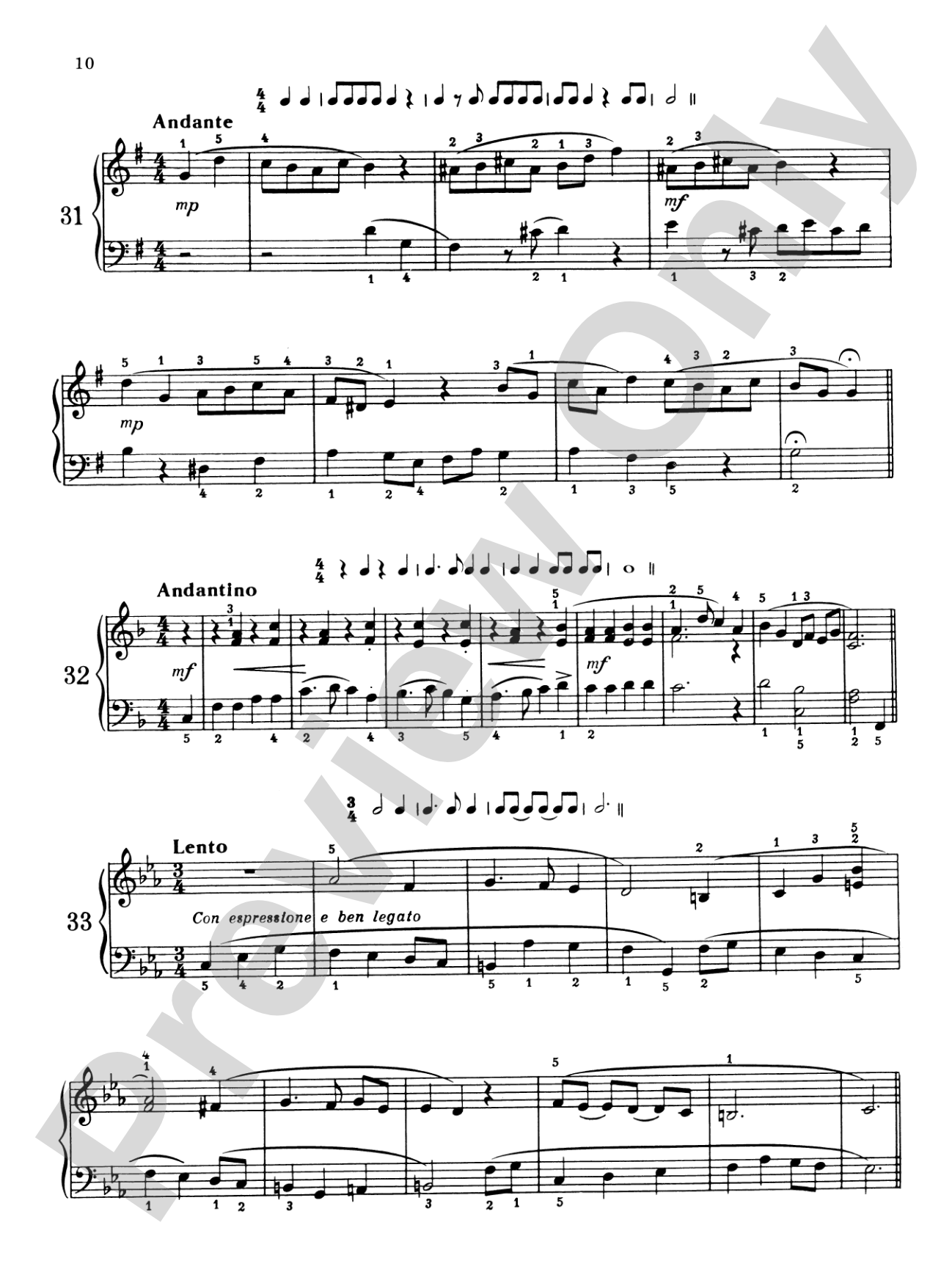
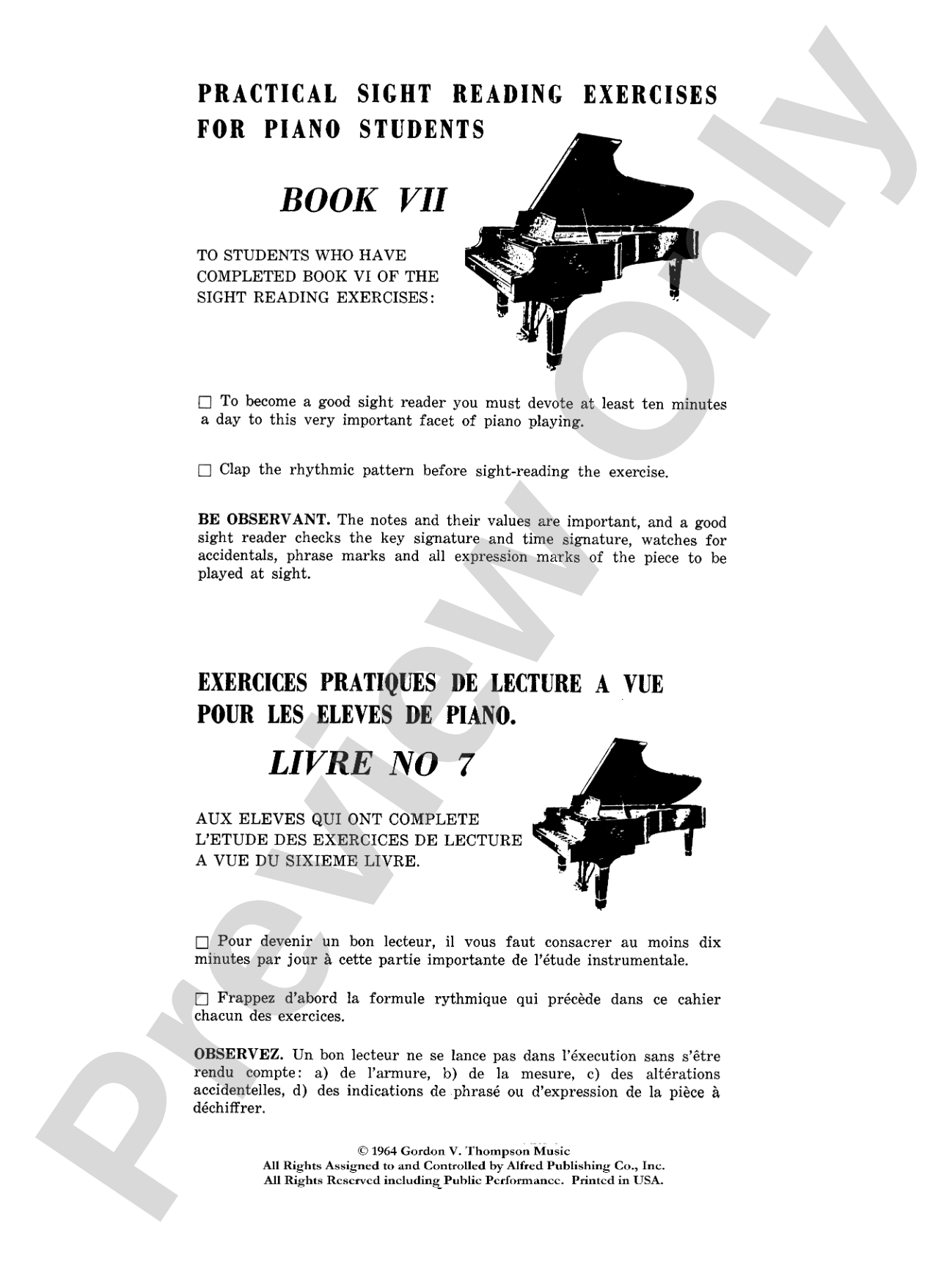
Practical Sight Reading Exercises for Piano Students, Books 7, 8, 9 Sheet Music Preview

Practical Sight Reading Exercises for Piano Students, Books 7, 8, 9: Piano

By Boris Berlin and Claude Champagne

Item: 00-PB-0002012

Digital Download
$8.95
Description
Progressively teaches the student to sight read through observation and study of phrase shape, melodic outline, harmonic structure and overall rhythmic feeling of the music.

Practical Sight Reading Exercises for Piano Students, Books 7, 8, 9: Piano isn't in MakeMusic Cloud just yet...but it could be. Let us know you'd like to see it, and you'll help shape what comes next. In the meantime, start a free trial and dive into thousands of interactive titles your students can play along with today.

Sample Audio
No sample audio found.
Sample Video
Additional Details
Publisher: Alfred Music
Page Count: 48
SKU: 00-PB-0002012

More about this title

Why we love this

These exercises cut through the noise of generic sight reading drills by anchoring students in the architecture of music itself. Rather than treating notation as a code to decode, Berlin and Champagne teach students to recognize phrase shapes and harmonic movement, which transforms sight reading from mechanical note identification into intelligent music reading.

What to expect

Structured yet organic. The exercises progress logically while maintaining musicality throughout. You're not grinding through abstract patterns; you're developing the habit of seeing music as connected phrases rather than isolated symbols.

Who it's for

Piano students who read adequately but lack confidence in unfamiliar music. These books work equally well for intermediate players working toward independence and for serious young pianists preparing for music theory or performance exams that demand strong sight reading skills.

How to get the most out of it

  • Study the harmonic structure before playing. Identify the chord progression and key areas so your eyes know what to expect rhythmically and melodically.
  • Read the rhythmic feel as a whole unit first, then layer in the melodic contour. This prevents getting stuck on individual note values.
  • Play each exercise multiple times without stopping. The goal is building fluency through repetition, not perfection on first attempt.

How to use it

Integrate one exercise daily into warm up routines, rotating through the three books over a semester. This consistent, low pressure exposure builds sight reading stamina without competing with performance repertoire work.

Skills your students will build

  • Recognizing phrase shapes and contour at sight
  • Identifying harmonic progression by ear and notation
  • Reading rhythmic patterns in context rather than isolation
  • Connecting melodic outline to underlying harmonic structure
  • Building fluency across progressively complex musical scenarios

You May Also Like