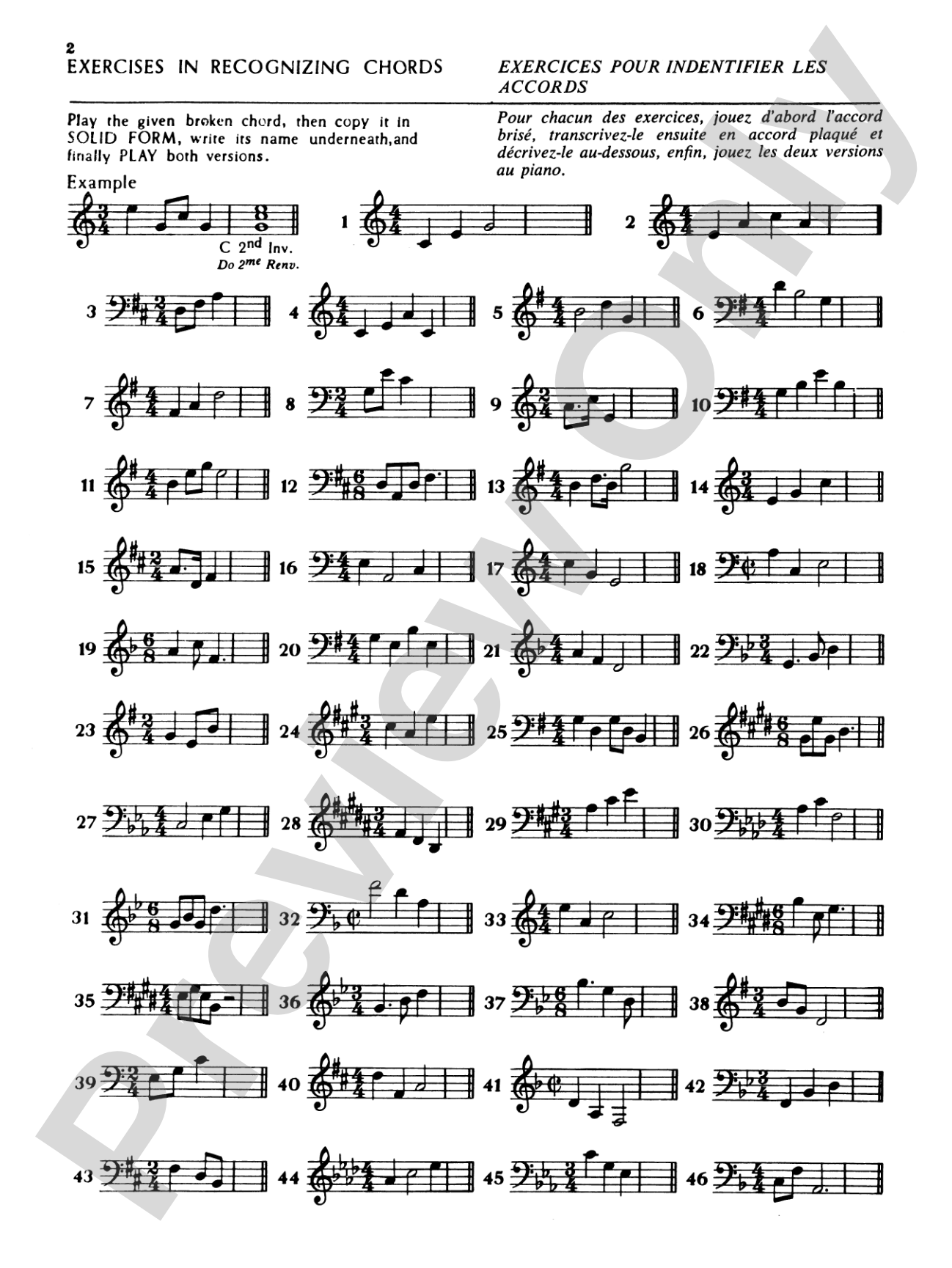
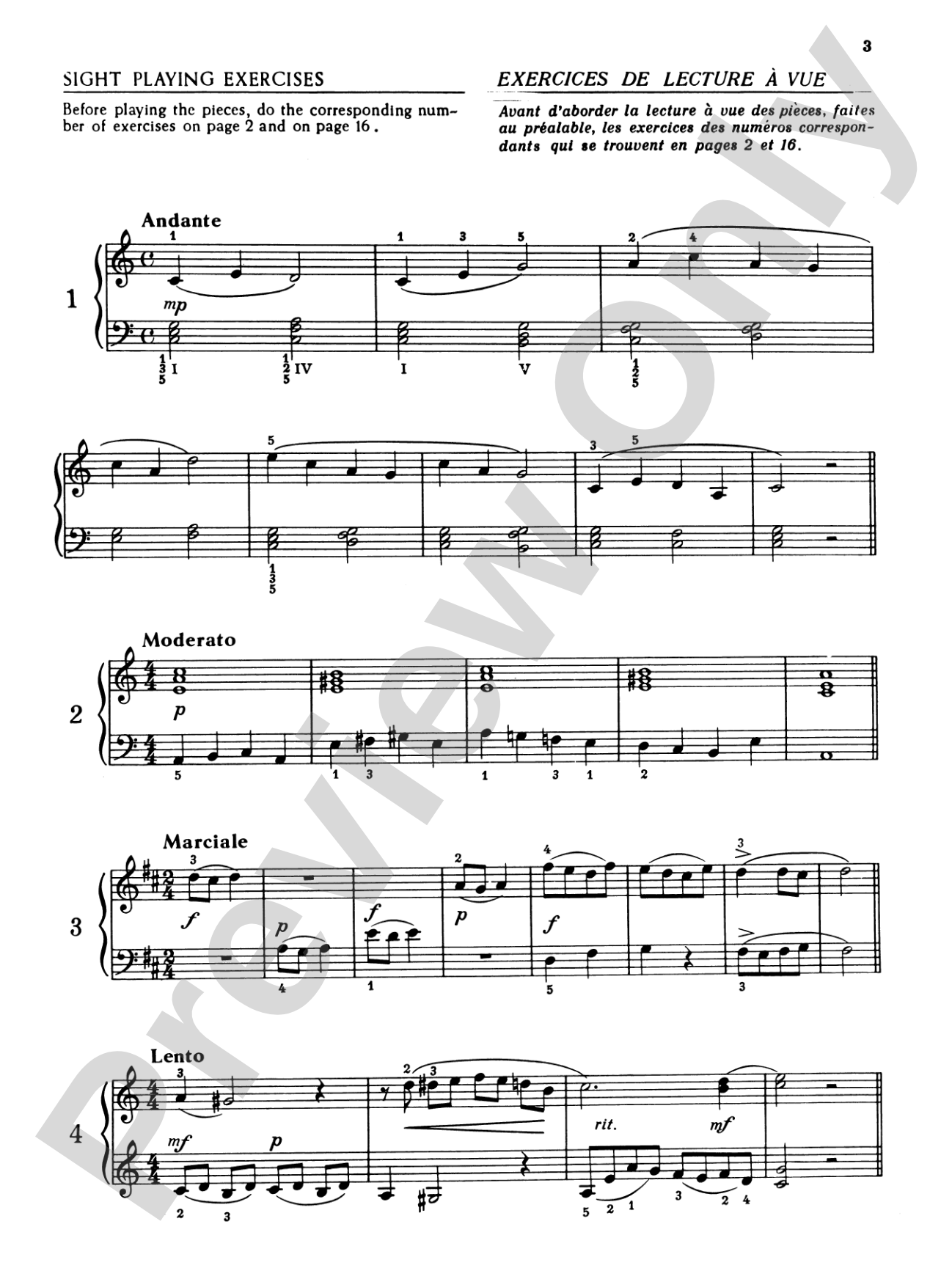
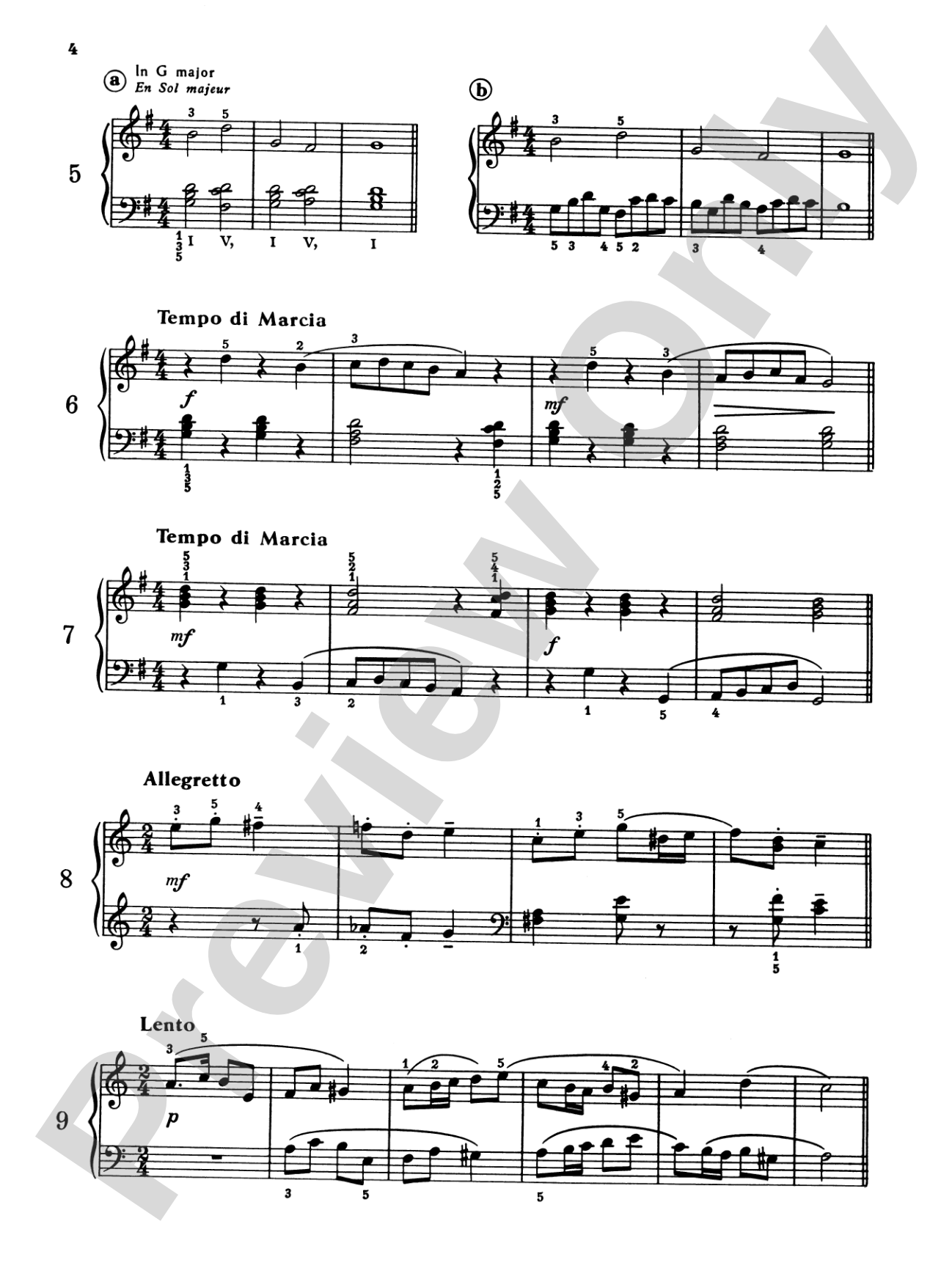
Practical Sight Reading Exercises for Piano Students, Book 6 Sheet Music Preview

Practical Sight Reading Exercises for Piano Students, Book 6: Piano

By Boris Berlin and Claude Champagne

Item: 00-PB-0002011

Digital Download
$6.95
Description
Progressively teaches the student to sight read through observation and study of phrase shape, melodic outline, harmonic structure and overall rhythmic feeling of the music.

Practical Sight Reading Exercises for Piano Students, Book 6: Piano isn't in MakeMusic Cloud just yet...but it could be. Let us know you'd like to see it, and you'll help shape what comes next. In the meantime, start a free trial and dive into thousands of interactive titles your students can play along with today.

Sample Audio
No sample audio found.
Sample Video
Additional Details
Publisher: Alfred Music
Page Count: 20
SKU: 00-PB-0002011

More about this title

About the Composer: Boris Berlin

Boris Berlin was a Canadian composer and pedagogue deeply invested in music education for young pianists. His work on sight reading exercises reflects a philosophy that reading fluency develops through studying musical architecture rather than merely decoding notation.

Why we love this

This book targets the exact moment when students stop stumbling through notes and start understanding what they're reading. By anchoring sight reading in phrase shape and harmonic logic rather than isolated rhythmic drills, Berlin gives students a mental framework that accelerates their confidence.

What to expect

These exercises feel like unlocking a puzzle. The melodies are approachable enough that students aren't drowning in notation stress, but interesting enough that real musical thinking emerges. There's satisfaction in recognizing a harmonic pattern and knowing what's coming next.

Who it's for

Piano students at the late elementary to early intermediate level who have moved beyond note identification but struggle with fluent, confident reading. Teachers seeking a method book that builds reading strategy rather than just repertoire.

How to get the most out of it

  • Have students identify the highest and lowest notes on the page before playing. This single habit prevents surprise register shifts and grounds their spatial awareness.
  • Ask students to sing the melodic outline silently while looking at the score. Phrase shape becomes tactile memory before fingers touch keys.
  • Encourage one complete run through without stopping, even if mistakes appear. Maintaining forward momentum trains the reading reflex that matters in real performance.
  • Study the harmonic rhythm as a separate layer. Recognizing chord progression patterns accelerates the brain's predictive processing during sight reading.

How to use it

Assign consecutive exercises across a four to six week period as part of regular lesson curriculum. The systematic progression works best when paired with whatever repertoire students are learning, reinforcing the same reading habits in context.

Skills your students will build

  • Anticipating melodic direction through phrase contour
  • Recognizing harmonic function and chord progressions by sight
  • Correlating rhythmic patterns with overall musical shape
  • Building automaticity in reading without sacrificing musical expression
  • Sight reading at a sustained, confident tempo

You May Also Like