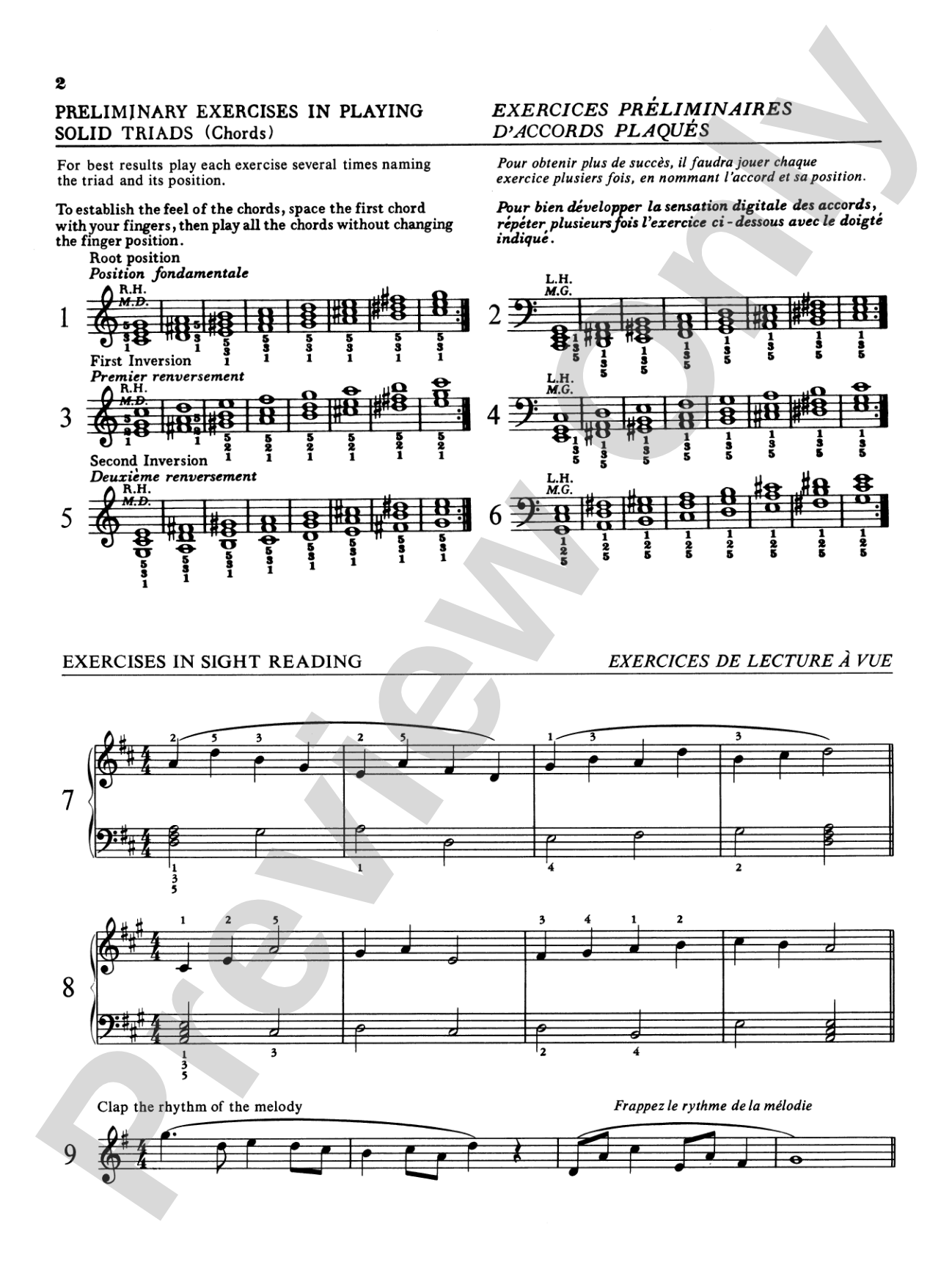
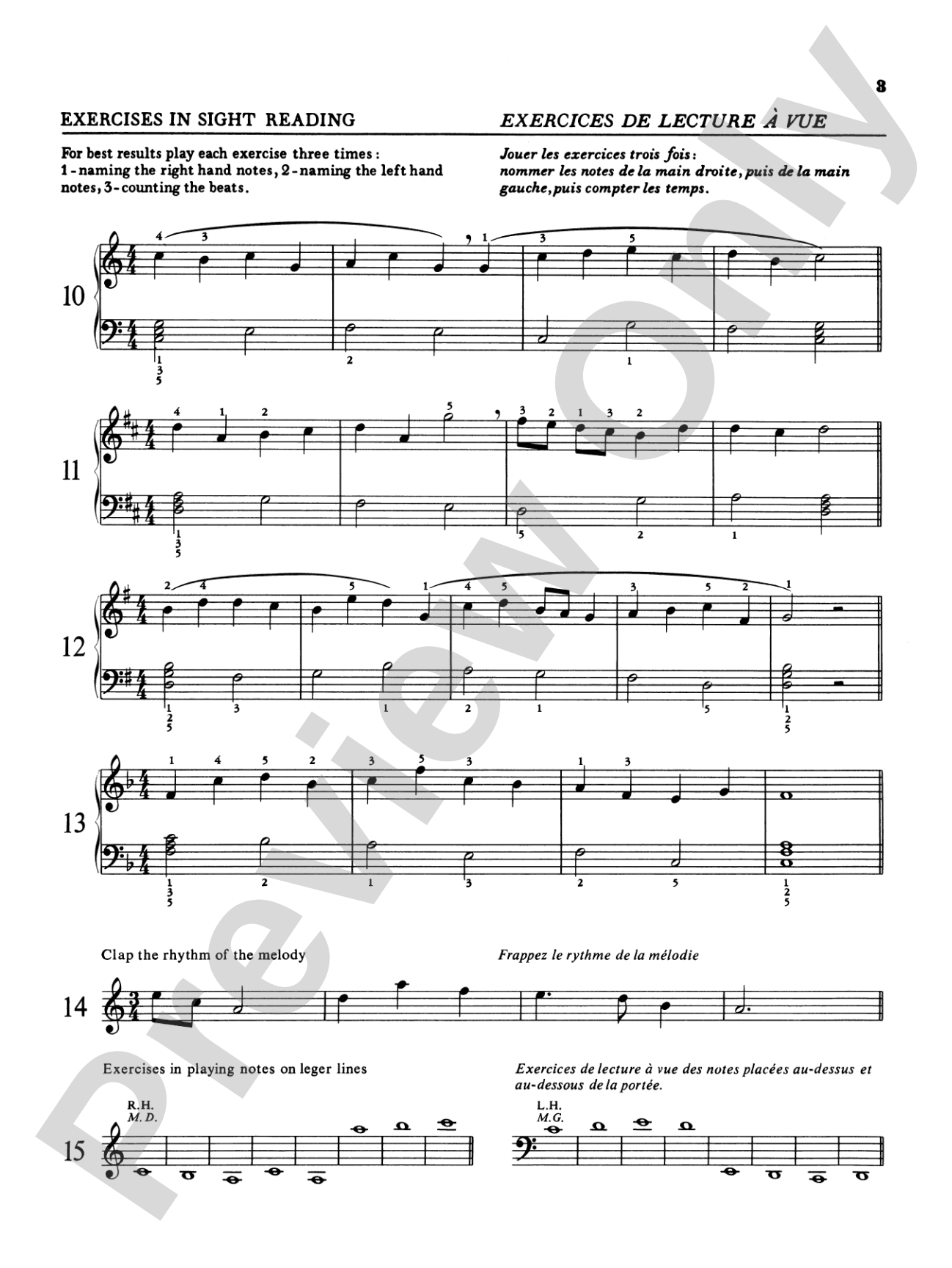
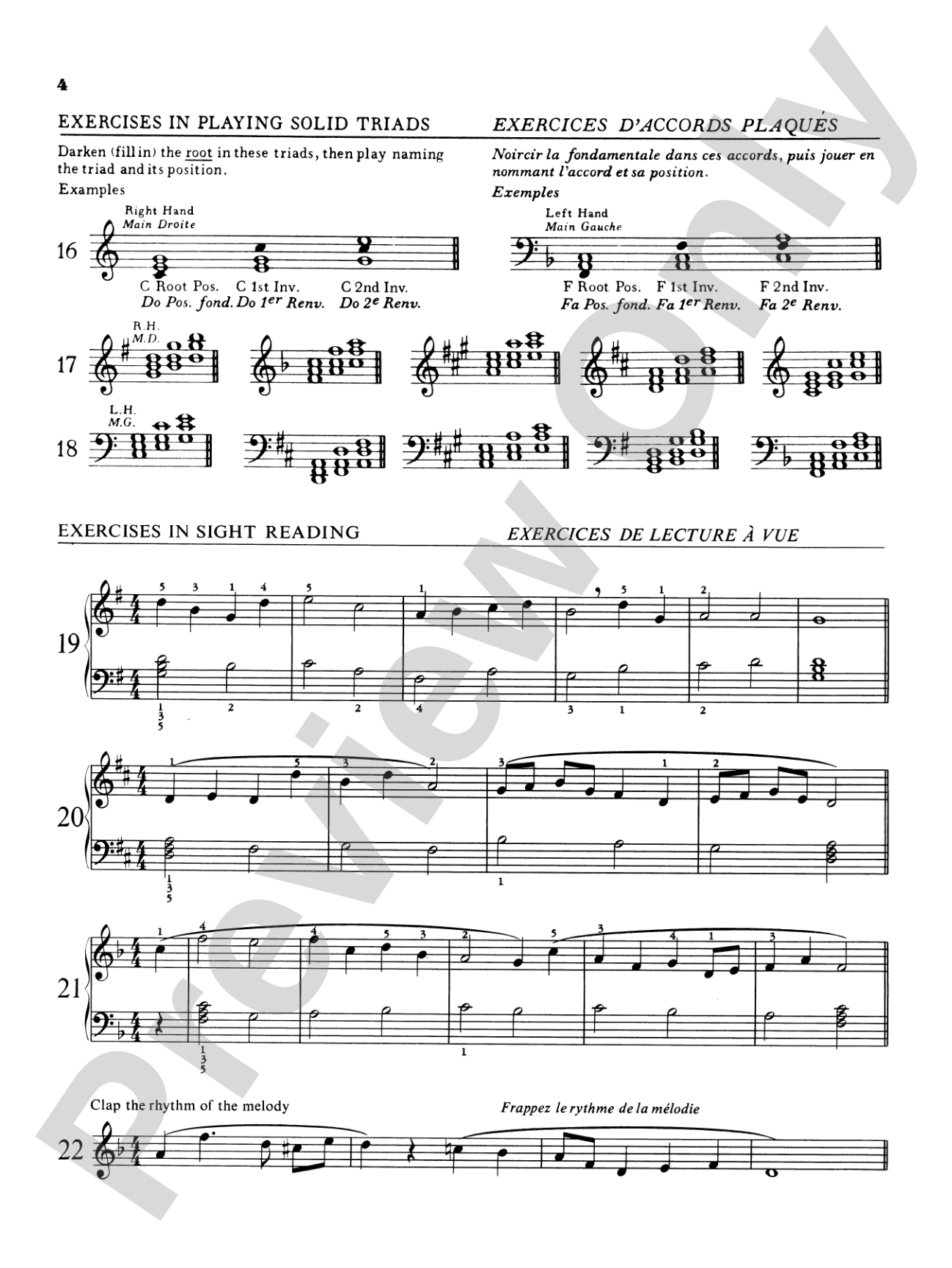
Practical Sight Reading Exercises for Piano Students, Book 4 Sheet Music Preview

Practical Sight Reading Exercises for Piano Students, Book 4: Piano

By Boris Berlin and Claude Champagne

Item: 00-PB-0002009

Digital Download
$6.95
Description
Progressively teaches the student to sight read through observation and study of phrase shape, melodic outline, harmonic structure and overall rhythmic feeling of the music.

Practical Sight Reading Exercises for Piano Students, Book 4: Piano isn't in MakeMusic Cloud just yet...but it could be. Let us know you'd like to see it, and you'll help shape what comes next. In the meantime, start a free trial and dive into thousands of interactive titles your students can play along with today.

Sample Audio
No sample audio found.
Sample Video
Additional Details
Publisher: Alfred Music
Page Count: 20
SKU: 00-PB-0002009

More about this title

About the Composer: Boris Berlin

Boris Berlin was a French Canadian composer and pedagogue deeply invested in systematic music training. His practical approach to music education prioritized observable, learnable strategies rather than abstract theory, resulting in methodical sight reading materials used across generations of piano students.

Why we love this

Book 4 respects that sight reading mastery comes from recognizing patterns, not memorizing rules. The progressive design builds genuine confidence by letting students discover phrase architecture and harmonic logic through their own eyes and fingers, which means they transfer these skills to any new score they encounter.

What to expect

Clear, purposeful exercises that feel achievable rather than punitive. Each page presents fresh material without sudden difficulty spikes, creating a rhythm of small victories that makes practice sessions feel productive instead of discouraging.

Who it's for

Intermediate piano students building fluency with new repertoire and pianists who need to regain reading confidence. Works especially well for students in their second or third year of study who have solid fundamentals but struggle with speed and accuracy.

How to get the most out of it

  • Before playing, trace the phrase contours with your eyes. Notice where the melody climbs, where it settles, and where it breathes. This mental preview cuts reading hesitation in half.
  • Anchor your eyes on the harmonic rhythm rather than individual notes. Identifying chord changes helps you anticipate note patterns and recover quickly from stumbles.
  • Set a steady tempo and commit to it. Sight reading exercises demand confidence in pulse; tentative playing creates more errors than a tempo held firm.

How to use it

Assign this systematically as part of weekly piano lessons or student practice routines. The 20-page format works well as a four to six week project, building sight reading alongside other technical and repertoire work without overwhelming the student's plate.

Skills your students will build

  • Recognizing phrase shape and melodic contour at sight
  • Identifying harmonic structure to predict note patterns
  • Reading rhythmic figures fluently without hesitation
  • Coordinating hand independence while processing new material
  • Building confidence in unfamiliar keys and time signatures

You May Also Like