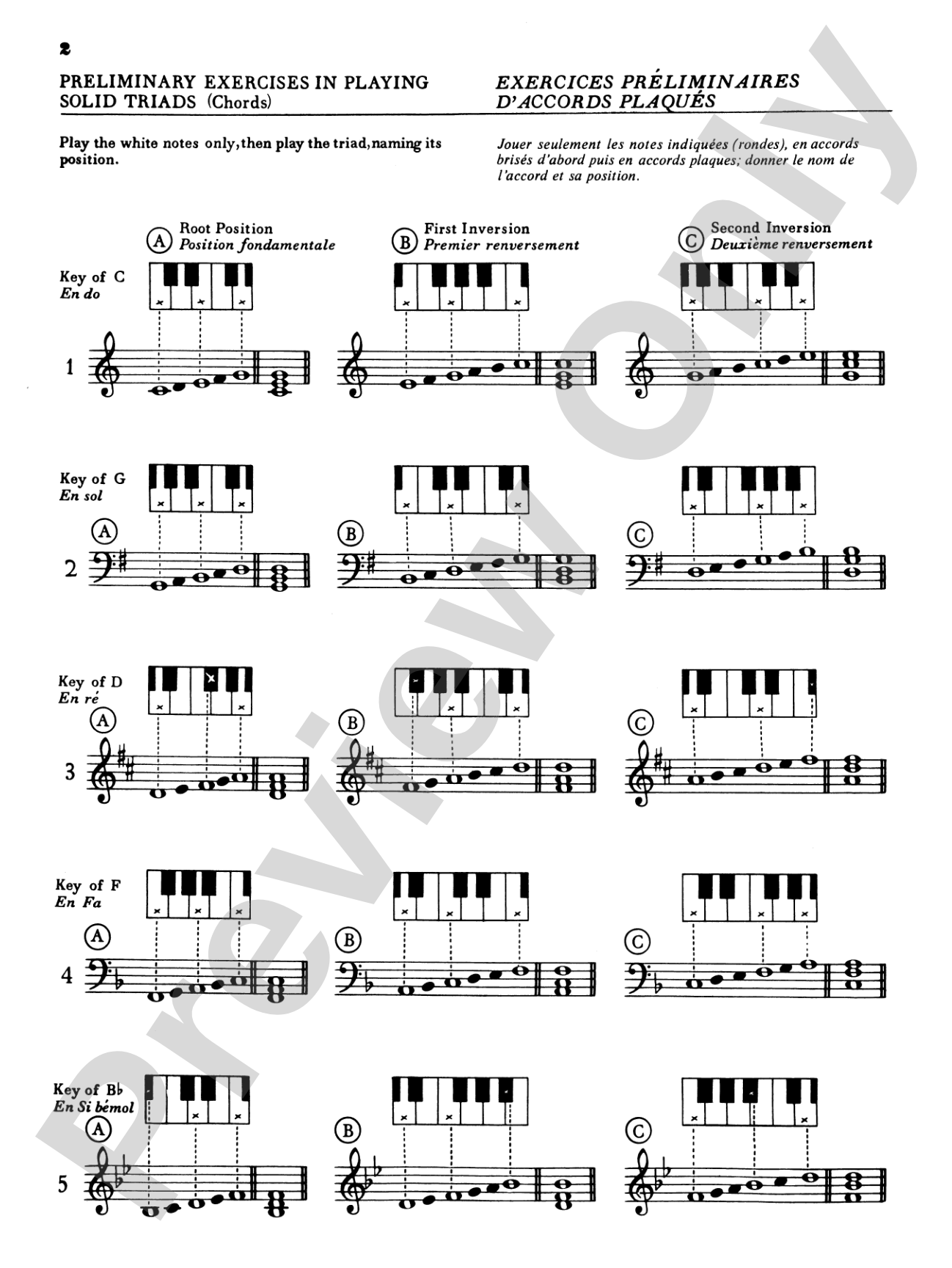
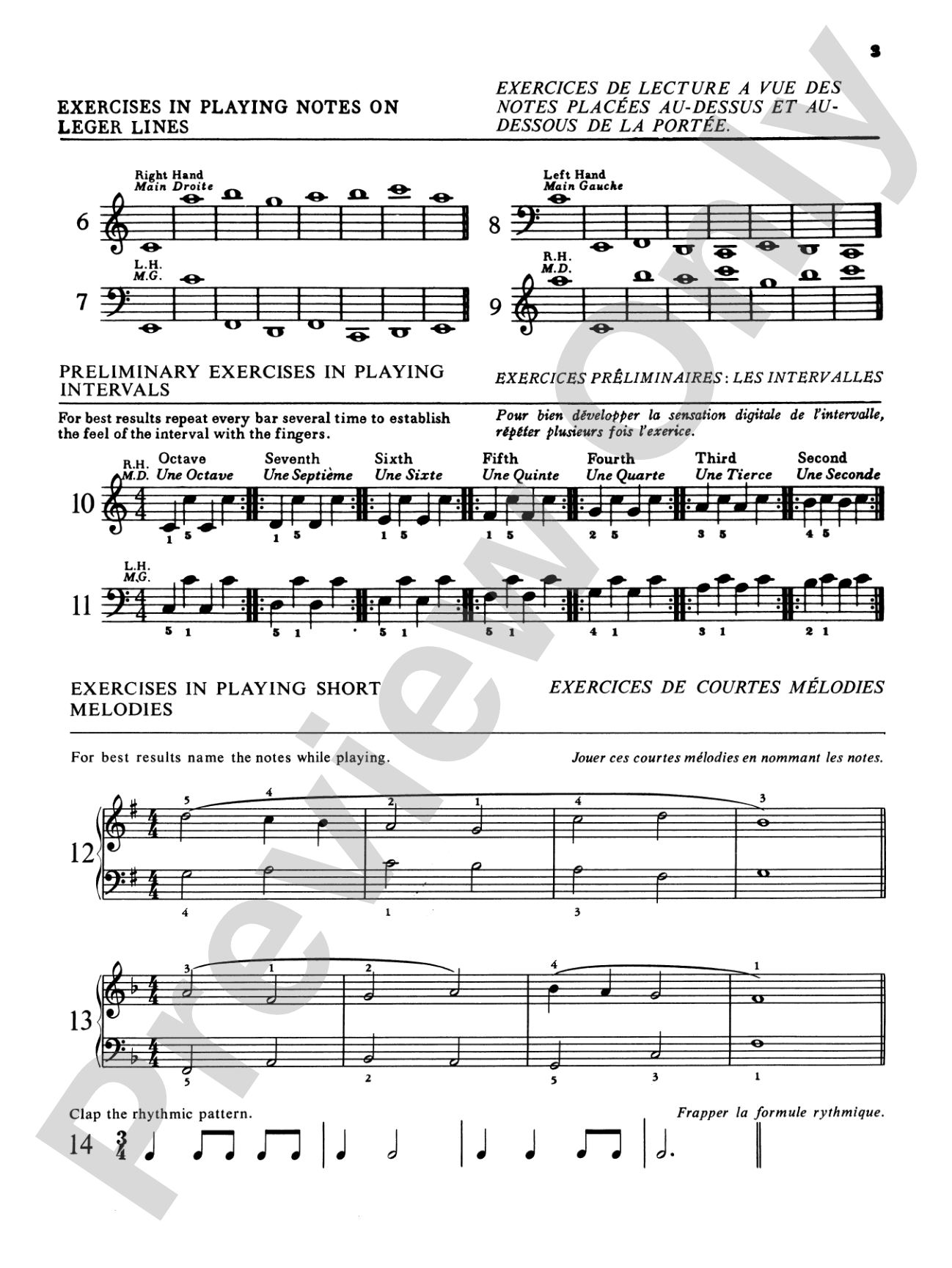
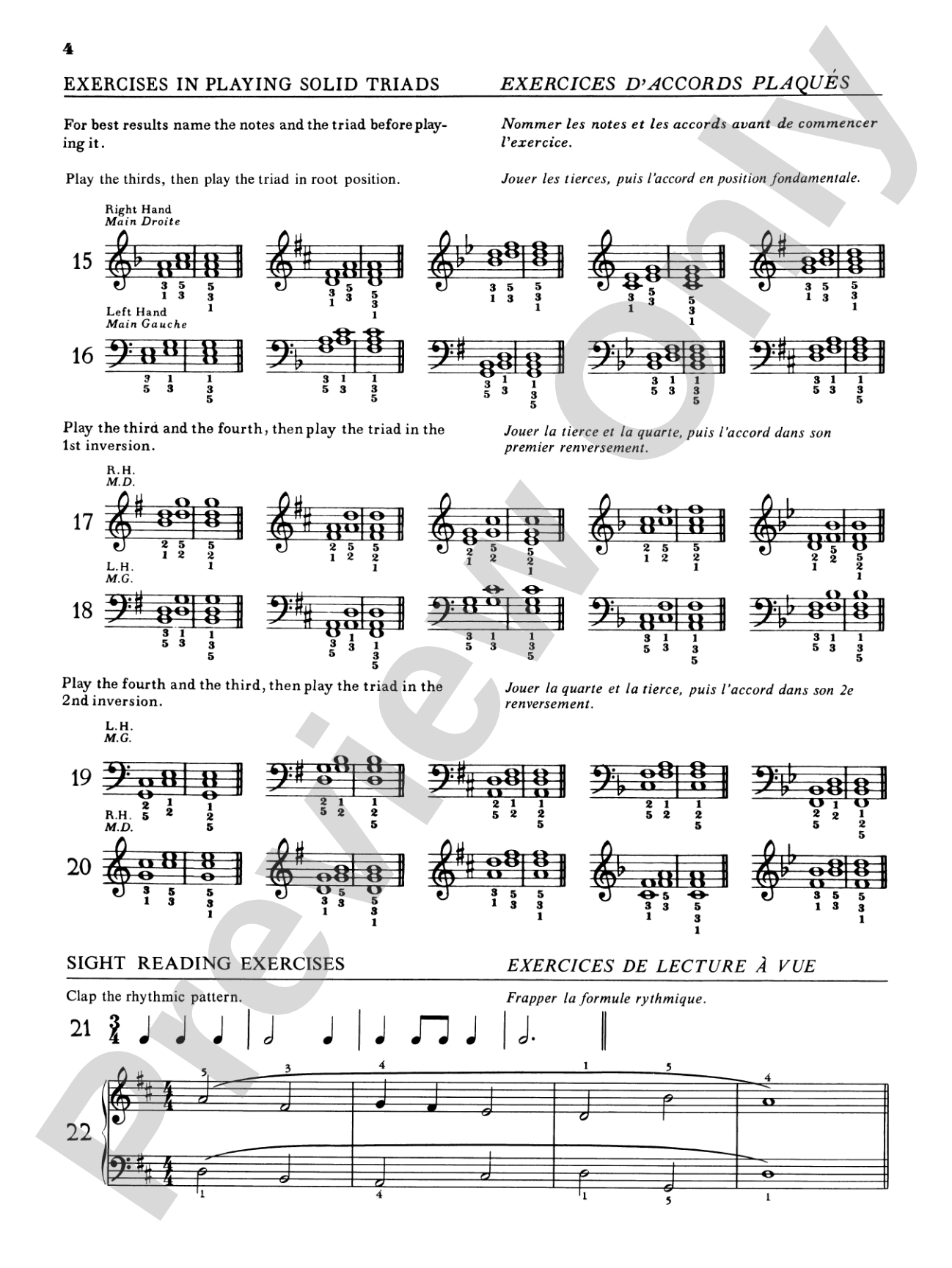
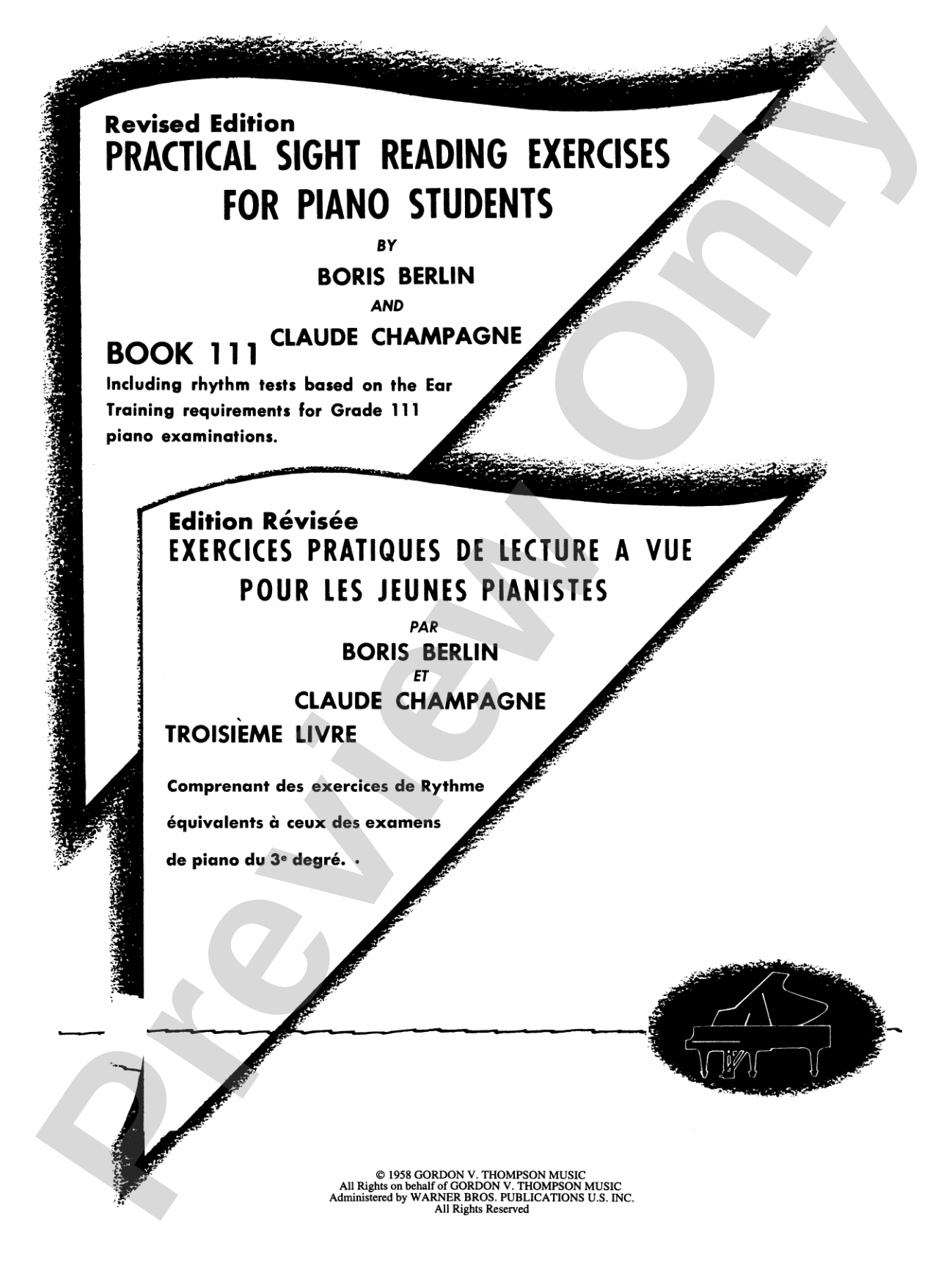
Practical Sight Reading Exercises for Piano Students, Book 3 Sheet Music Preview

Practical Sight Reading Exercises for Piano Students, Book 3: Piano

By Boris Berlin and Claude Champagne

Item: 00-PB-0002008

Digital Download
$6.95
Description
Progressively teaches the student to sight read through observation and study of phrase shape, melodic outline, harmonic structure and overall rhythmic feeling of the music.

Practical Sight Reading Exercises for Piano Students, Book 3: Piano isn't in MakeMusic Cloud just yet...but it could be. Let us know you'd like to see it, and you'll help shape what comes next. In the meantime, start a free trial and dive into thousands of interactive titles your students can play along with today.

Sample Audio
No sample audio found.
Sample Video
Additional Details
Publisher: Alfred Music
Page Count: 20
SKU: 00-PB-0002008

More about this title

About the Composer: Boris Berlin

Boris Berlin was a Canadian composer and educator whose pedagogical works shaped piano instruction across North America. His systematic approach to sight reading placed particular emphasis on understanding structural patterns rather than mechanical note reading, a philosophy that influenced generations of piano teachers.

Why we love this

Berlin's method trains students to perceive musical architecture before attempting to play, which accelerates their ability to read unfamiliar scores confidently. The focus on phrase shape and harmonic progression means students develop real analytical skills that transfer directly to repertoire study and performance.

What to expect

Each exercise feels like unlocking a small puzzle. The phrases are short enough to study without fatigue, yet substantive enough that solving them builds genuine confidence. There's clarity in the progression from simple to complex, which keeps students engaged without overwhelming them.

Who it's for

Piano students who have progressed beyond basic note naming and are ready to read with musical intention. This book works especially well for students preparing for grade 3 or 4 proficiency exams, or those developing the analytical habits needed for independent repertoire learning.

How to get the most out of it

  • Study the melodic contour on the page for 30 seconds before playing. Ask yourself where the line rises and falls, and notice whether it resolves or leaves questions open.
  • Identify the harmonic framework first. Knowing whether you're in a I chord or V chord context helps your hands anticipate the shape of passage work.
  • Tap the rhythmic skeleton separately from the melodic line. This prevents students from playing mechanically and builds the independence between rhythm and pitch that mature reading requires.
  • Play through each exercise at a deliberate tempo the first time. Speed comes after clarity of thought, not before.

How to use it

Use this during technique block at the start of lessons once per week, rotating through new exercises rather than revisiting old ones. Students who work steadily through Book 3 arrive at intermediate repertoire with the ability to preview scores and learn new pieces far more independently than peers who rely on rote instruction.

Skills your students will build

  • Reading phrase shapes and understanding how they resolve
  • Identifying harmonic progressions by sight and adjusting hand position accordingly
  • Distinguishing rhythmic patterns and subdivisions without stopping to count every beat
  • Recognizing melodic contours and predicting likely pitch movements
  • Building confidence with unfamiliar scores through systematic observation before playing

You May Also Like