Practical Sight Reading Exercises for Piano Students, Book 2 Sheet Music Preview

Practical Sight Reading Exercises for Piano Students, Book 2: Piano

By Boris Berlin and Claude Champagne

Item: 00-PB-0001083

Digital Download
$6.99
Description
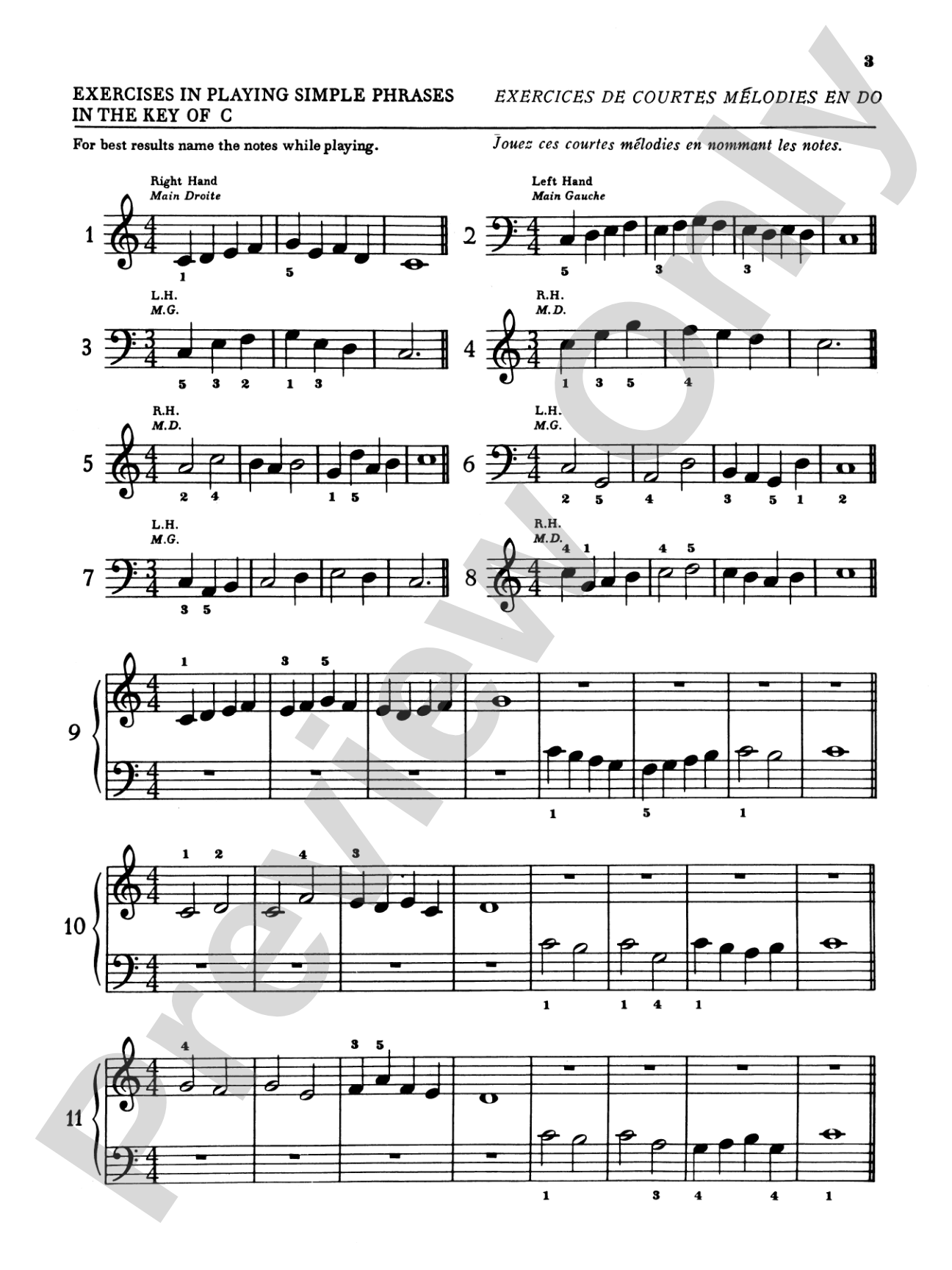
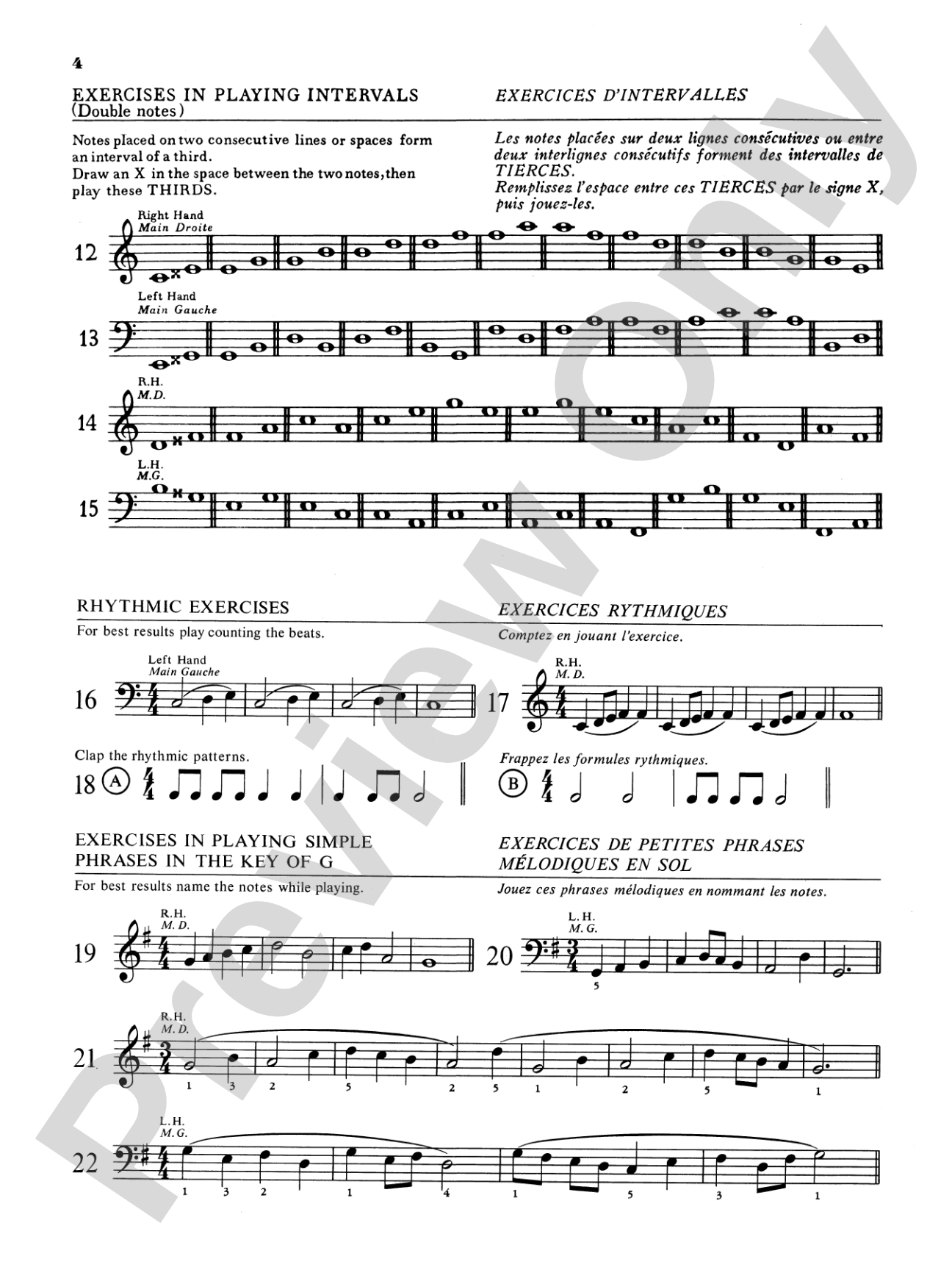
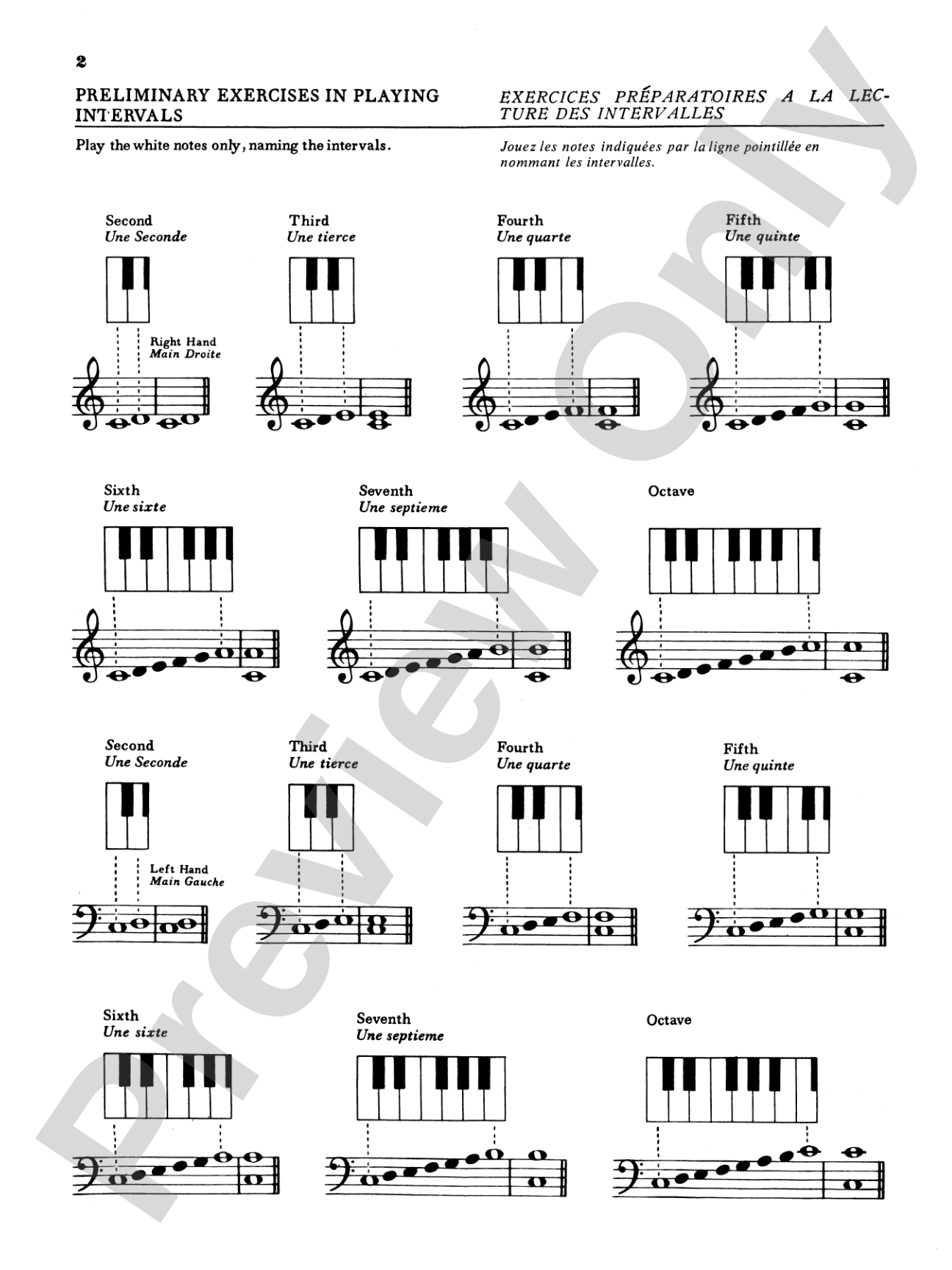
Progressively teaches the student to sight read through observation and study of phrase shape, melodic outline, harmonic structure and overall rhythmic feeling of the music.

Practical Sight Reading Exercises for Piano Students, Book 2: Piano isn't in MakeMusic Cloud just yet...but it could be. Let us know you'd like to see it, and you'll help shape what comes next. In the meantime, start a free trial and dive into thousands of interactive titles your students can play along with today.

Sample Audio
No sample audio found.
Sample Video
Additional Details
Publisher: Alfred Music
Page Count: 16
SKU: 00-PB-0001083

More about this title

Why we love this

This book cuts through the clutter of generic sight-reading drills by anchoring every exercise in musical thinking. Rather than treating rhythm and pitch as separate problems, Berlin guides students to see phrase contour, harmonic movement, and metric flow as interconnected elements. That approach transforms what could be tedious technical work into genuine musicianship development.

What to expect

Fresh and purposeful. Each exercise is short enough to complete in one sitting yet rich enough to reward careful observation. The progression feels organic, building confidence gradually while introducing new rhythmic and harmonic challenges that keep students engaged without overwhelming them.

Who it's for

Piano students ready to move beyond note-by-note decoding and engage with sight-reading as a musical skill. This book works best for intermediate pianists who have foundational technique and can handle the physical demands of reading ahead while playing.

How to get the most out of it

  • Study the harmonic structure before playing. Knowing where the chord changes fall helps you anticipate and group notes more naturally.
  • Read the overall rhythmic shape first. Tap or clap the rhythm without worrying about pitches to establish the metric framework.
  • Pay attention to melodic outline and direction. Notice whether the line is ascending, descending, or circling around a central note.
  • Resist the urge to slow down on unfamiliar passages. Maintain a consistent tempo and focus on capturing the musical phrase rather than individual notes.

How to use it

Work through these exercises regularly as part of weekly practice routines rather than in isolation. A few minutes daily with Book 2 builds sustained improvement in reading fluency and musical awareness that students will apply immediately to any new repertoire they encounter.

Skills your students will build

  • Reading phrase shapes and melodic contours
  • Recognizing harmonic structure and chord progression landmarks
  • Coordinating rhythm reading with pitch reading
  • Maintaining steady tempo while reading unfamiliar material
  • Developing musical interpretation during sight-reading

You May Also Like