Practical Sight Reading Exercises for Piano Students, Book 1 Sheet Music Preview

Practical Sight Reading Exercises for Piano Students, Book 1: Piano

By Boris Berlin and Claude Champagne

Item: 00-PB-0001082

Digital Download
$6.99
Description
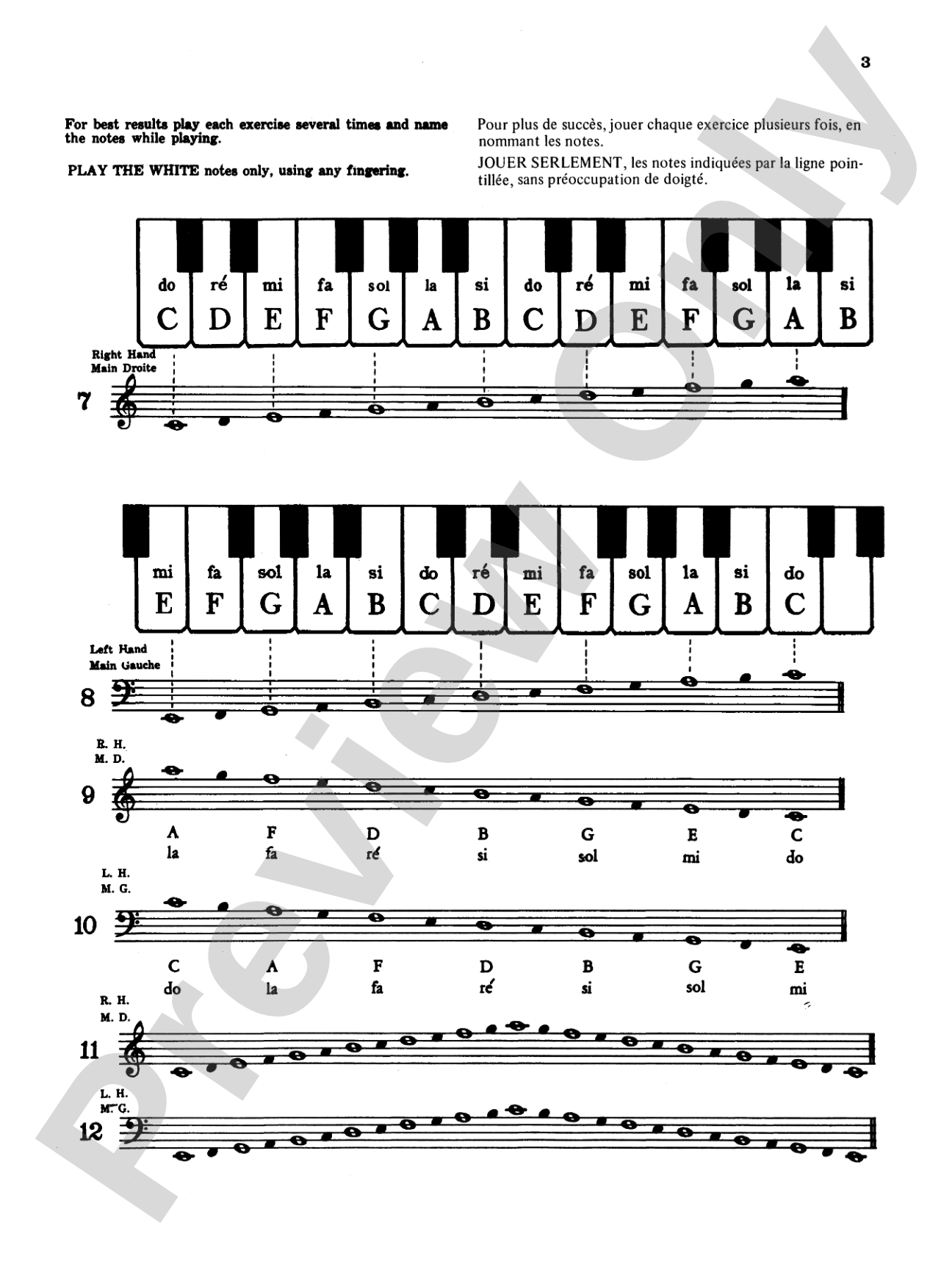
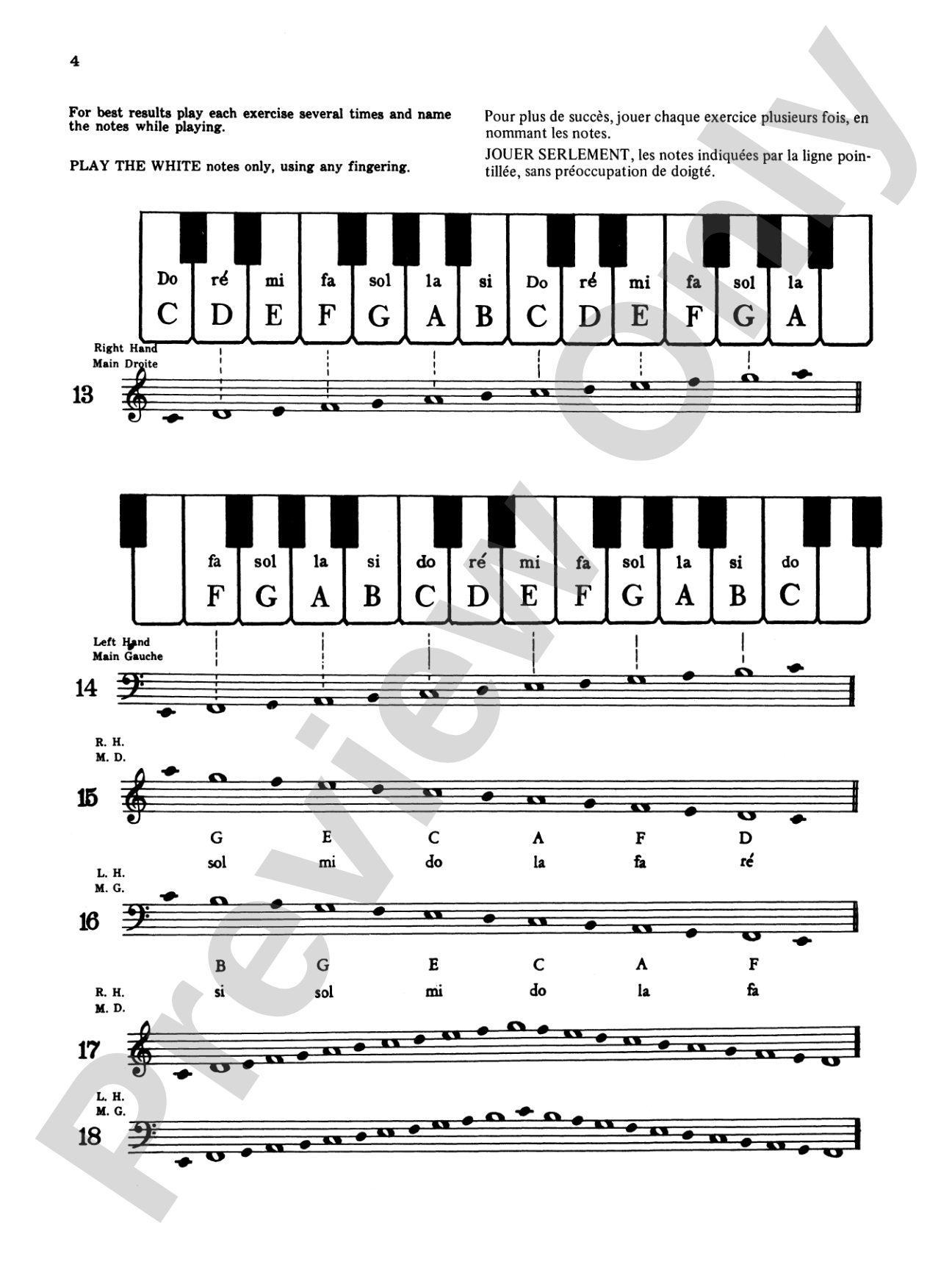
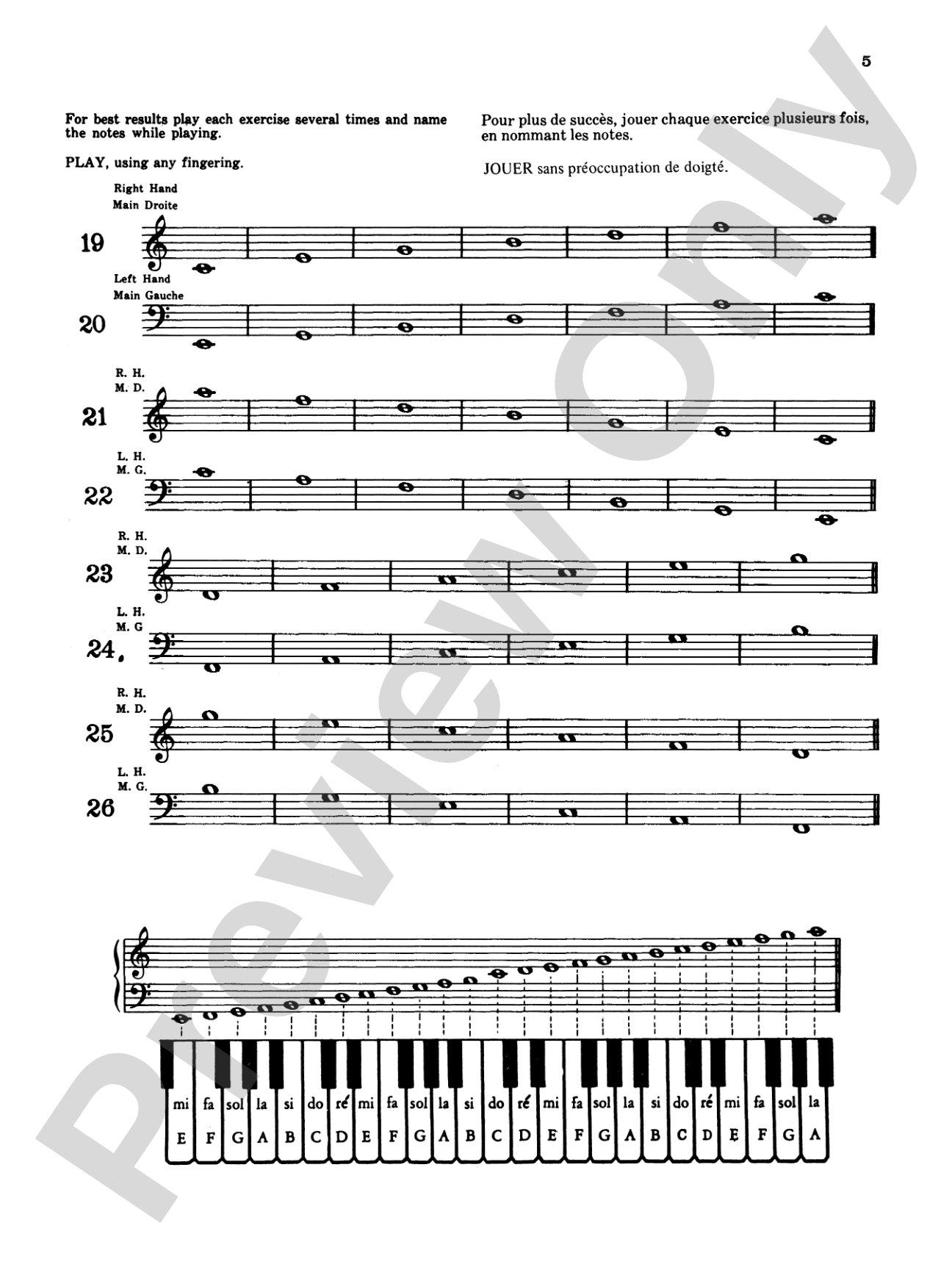
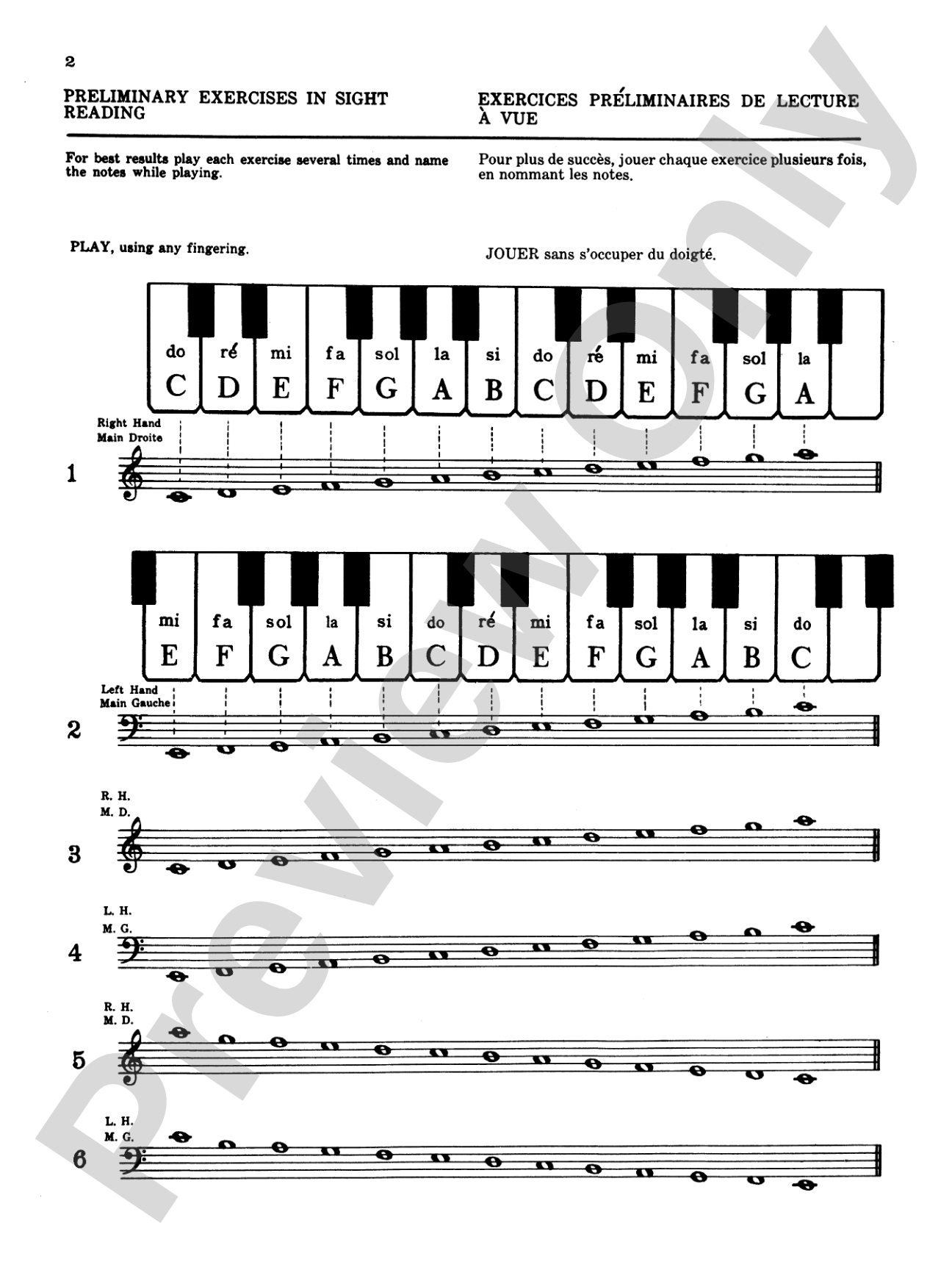
Progressively teaches the student to sight read through observation and study of phrase shape, melodic outline, harmonic structure and overall rhythmic feeling of the music.

Practical Sight Reading Exercises for Piano Students, Book 1: Piano isn't in MakeMusic Cloud just yet...but it could be. Let us know you'd like to see it, and you'll help shape what comes next. In the meantime, start a free trial and dive into thousands of interactive titles your students can play along with today.

Sample Audio
No sample audio found.
Sample Video
Additional Details
Publisher: Alfred Music
Page Count: 20
SKU: 00-PB-0001082

More about this title

Why we love this

Sight reading improves fastest when students understand the architecture of what they're looking at, not just the mechanics of decoding symbols. Berlin and Champagne build that architectural awareness by directing attention to phrase shape, harmonic movement, and rhythmic gesture before diving into note-by-note reading. The result is a book that trains the eye to see patterns rather than isolated pitches.

What to expect

Systematic and rewarding. Each exercise is short enough to complete in one sitting, but designed so that mastering the concepts builds immediately into the next challenge. You move through the book with clear momentum.

Who it's for

Piano students who want to build genuine sight-reading ability rather than memorization habits. This book works best for intermediate students who know basic notation and hand position but struggle with reading fluency at tempo.

How to get the most out of it

  • Read through each exercise once without stopping, even if you miss notes. Continuous reading builds fluency faster than stopping to correct mistakes.
  • Study the phrase shape and harmonic structure silently before playing. Identify where the phrase breathes and what harmonic function each section serves.
  • Vary your tempo on repeated exercises. Reading the same piece at different speeds forces you to adapt your recognition strategy.
  • Play through progressively without the book between sessions. This transfers recognition skills to real-world ensemble reading.

How to use it

Use this in one-on-one lessons as core weekly work, spending 10-15 minutes on two or three exercises per session. Since it trains observation skills alongside decoding, it pairs well with repertoire study; stronger sight reading frees mental energy for interpretation.

Skills your students will build

  • Recognizing phrase shape and harmonic structure at a glance
  • Reading at tempo without stopping to correct individual notes
  • Understanding rhythmic feeling and pulse before executing rhythm patterns
  • Transferring visual patterns to physical execution on the keyboard
  • Building fluency with progressively complex melodic and harmonic material

You May Also Like