
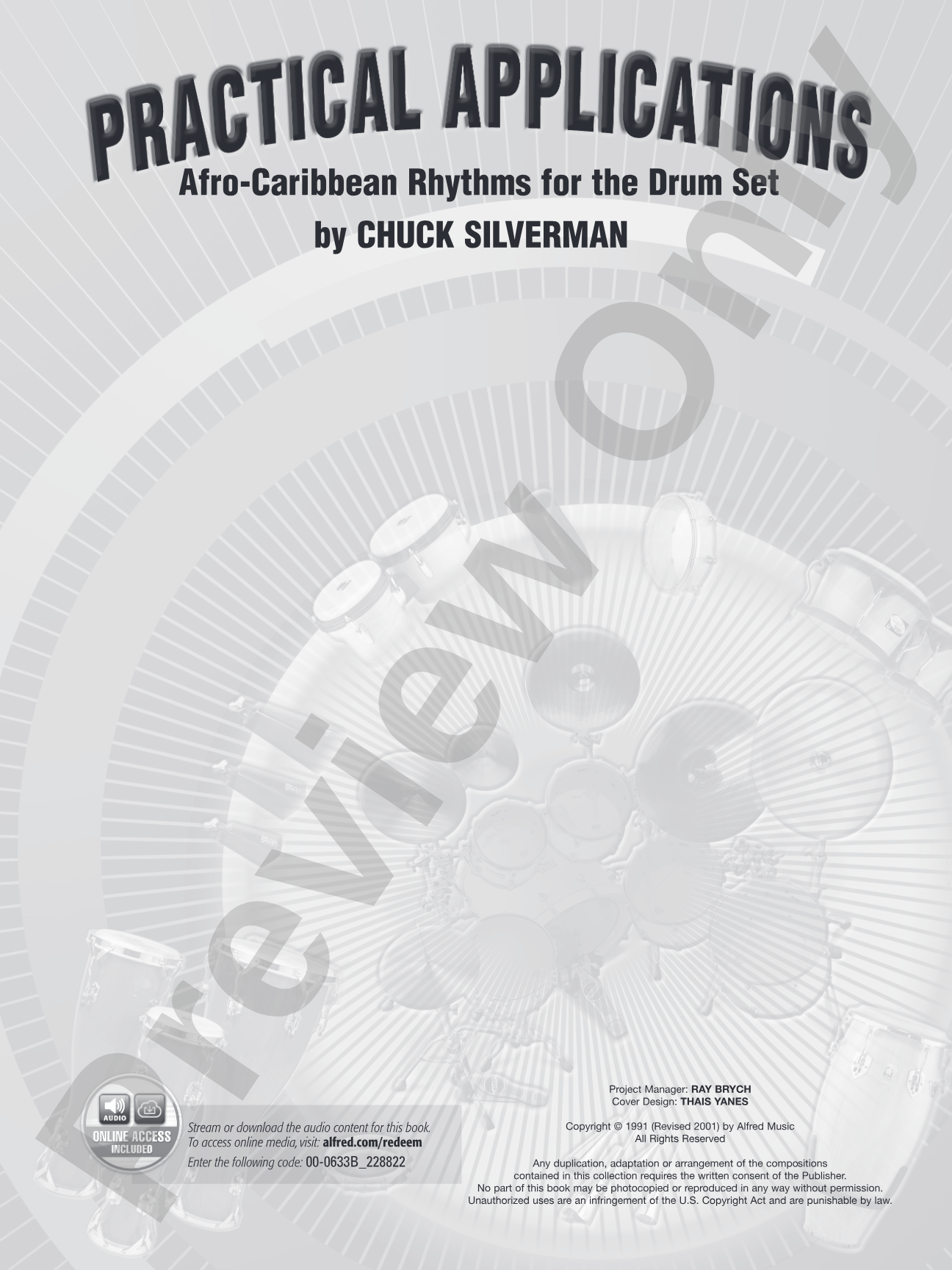

Practical Applications: Afro-Caribbean Rhythms for the Drumset
By Chuck Silverman
Item: 00-PB-0002264
$37.99
Pickup currently not available
Related Items
Practical Applications: Afro-Caribbean Rhythms for the Drumset: Drumset Book & Online Audio |
$37.99
|
View |
Description
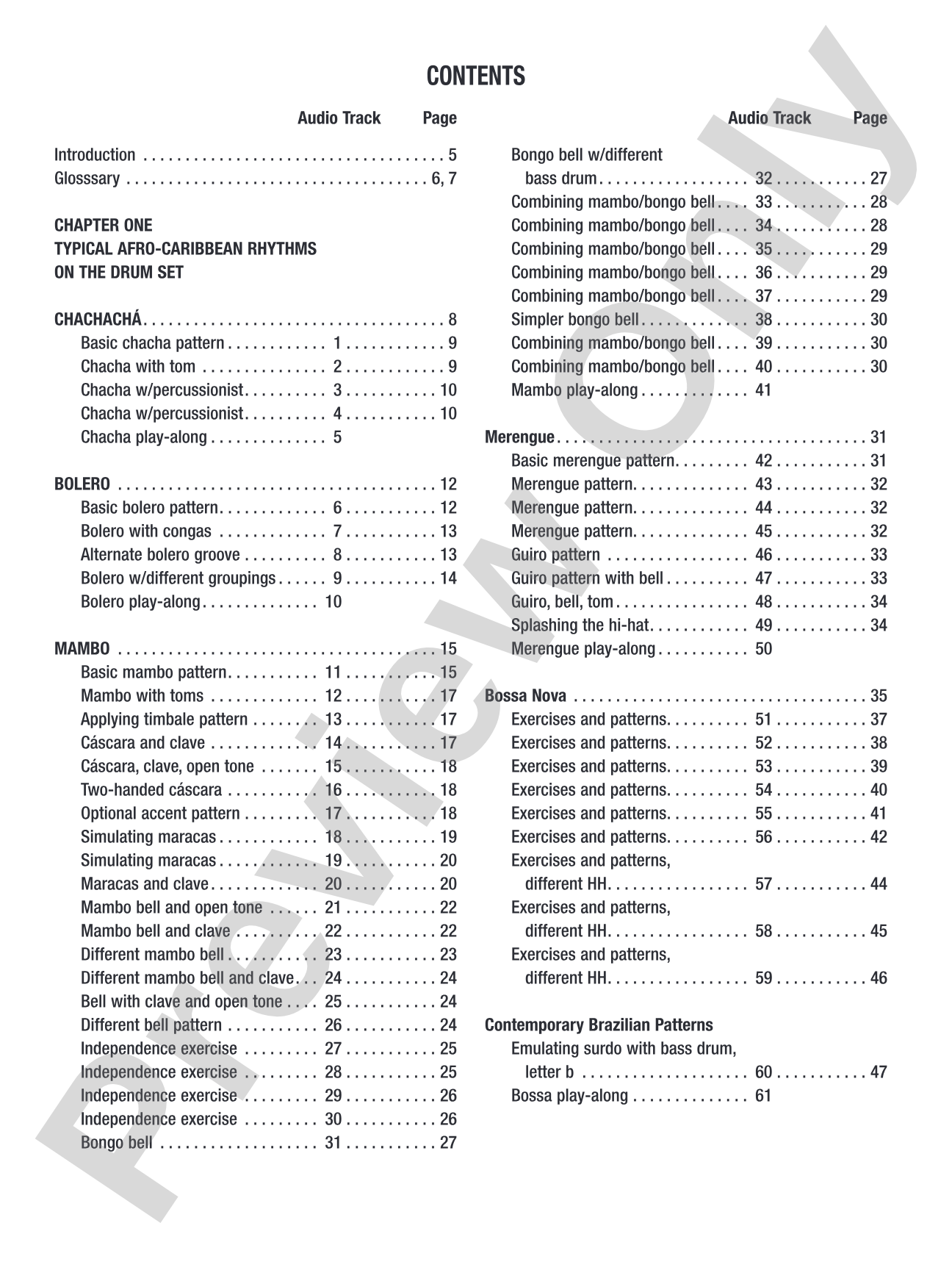
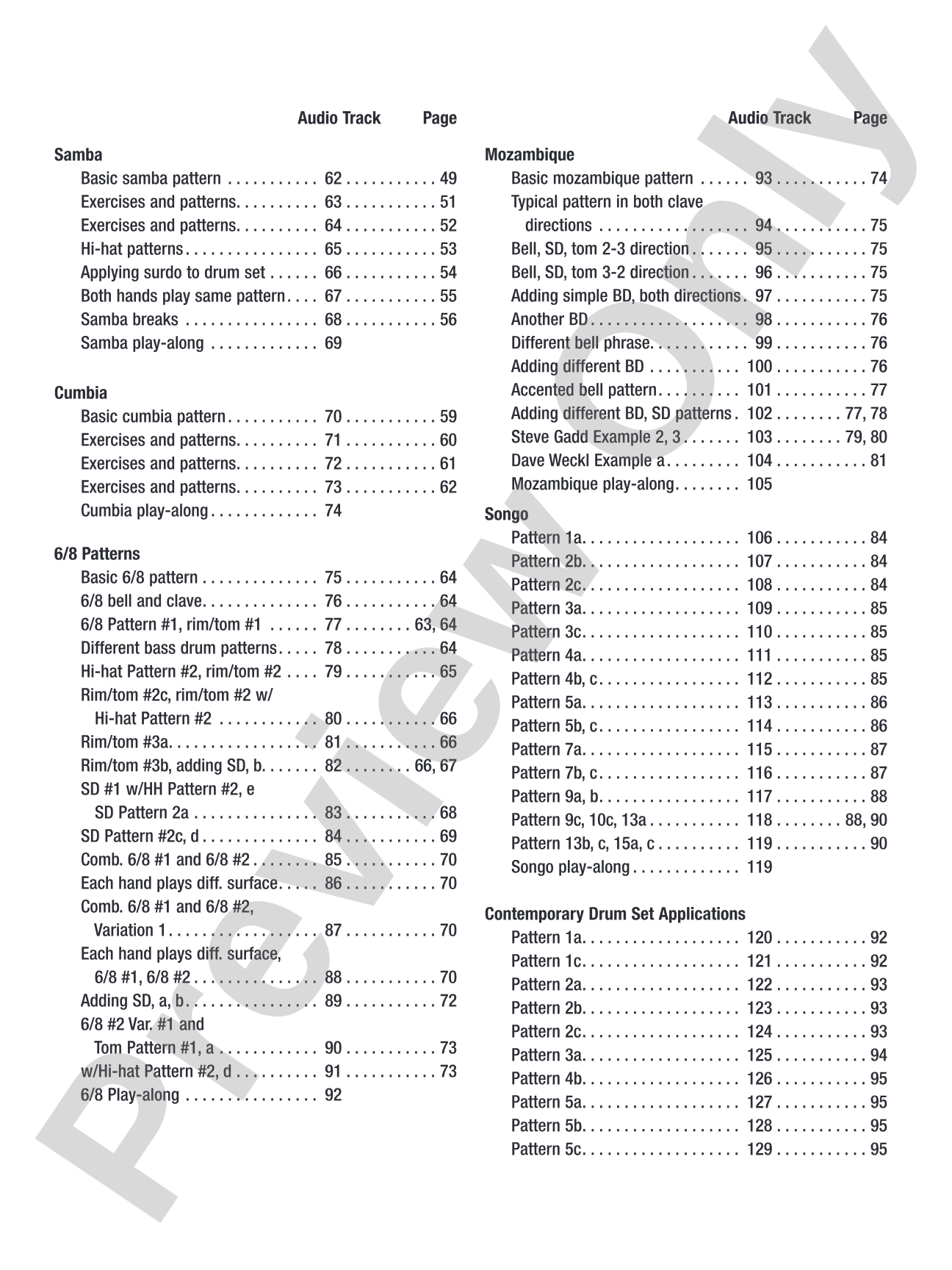
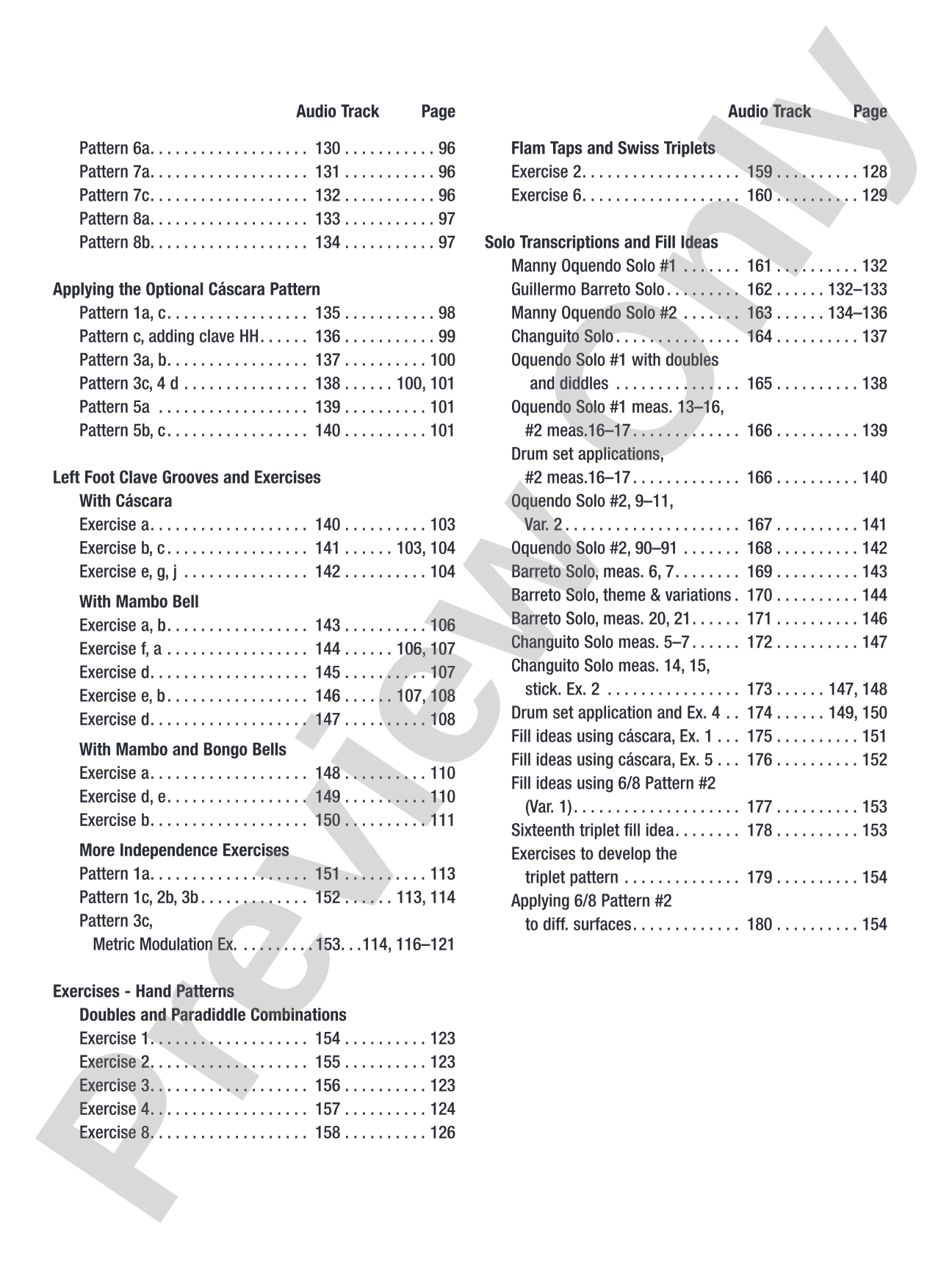
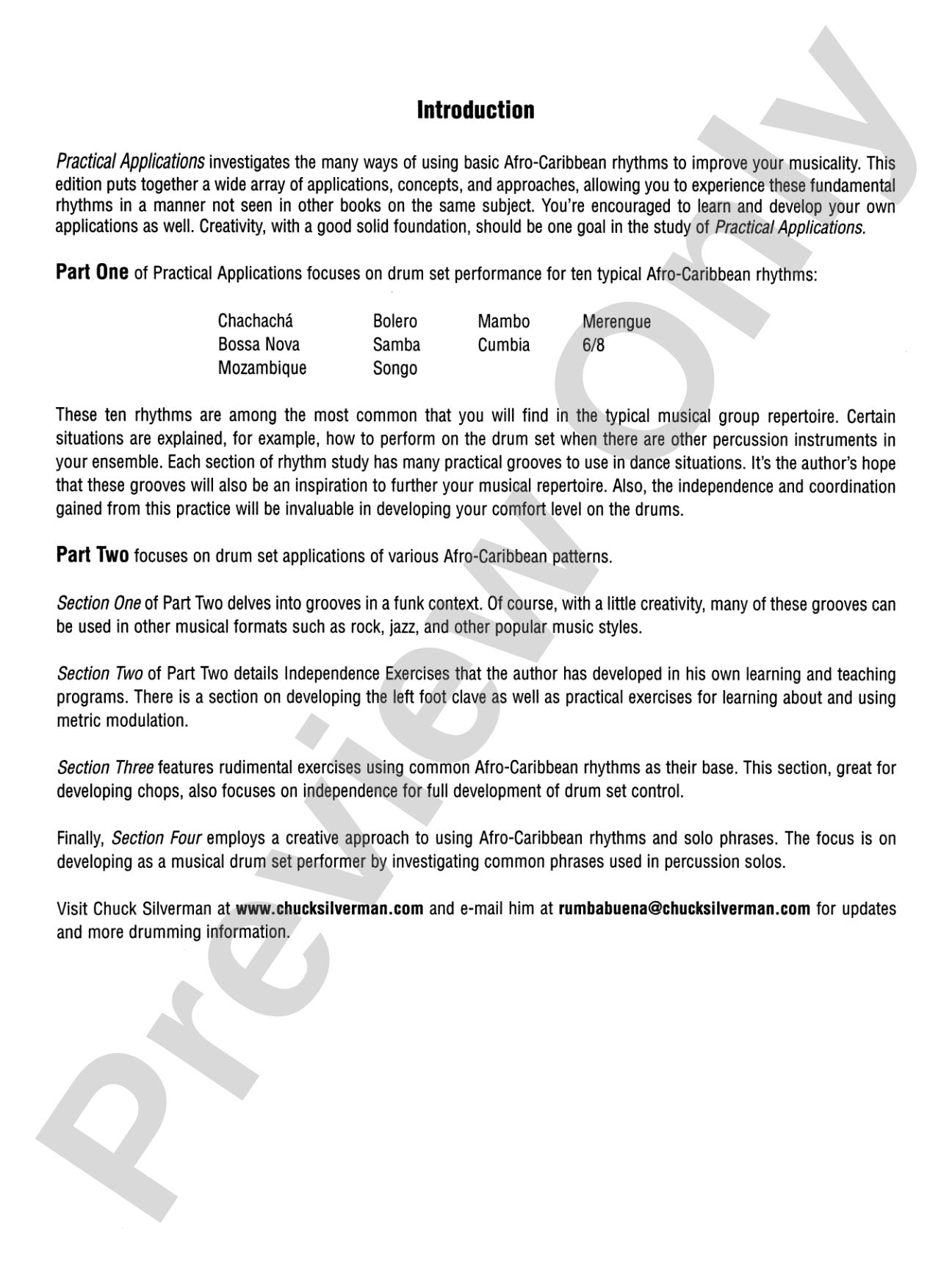
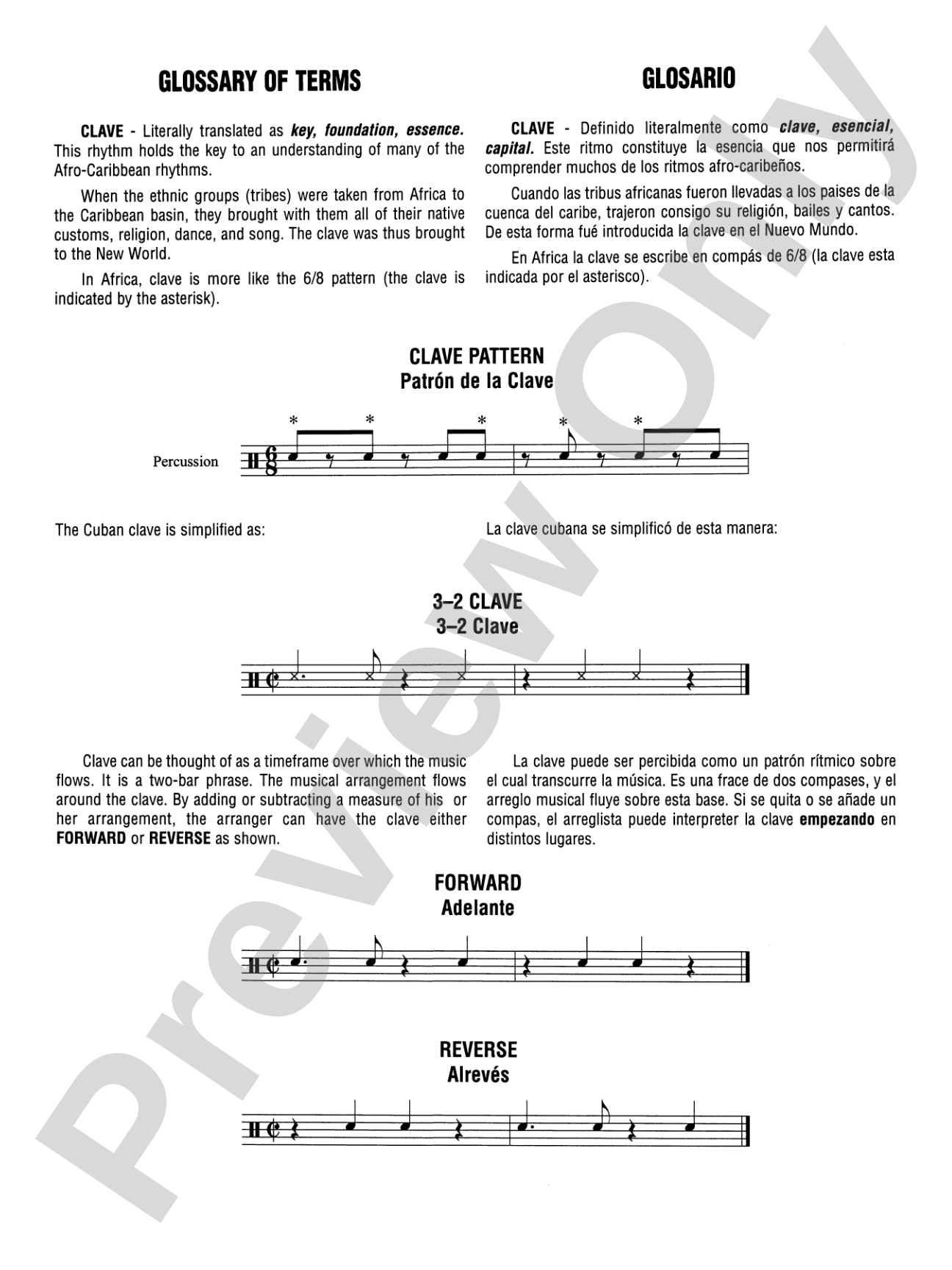
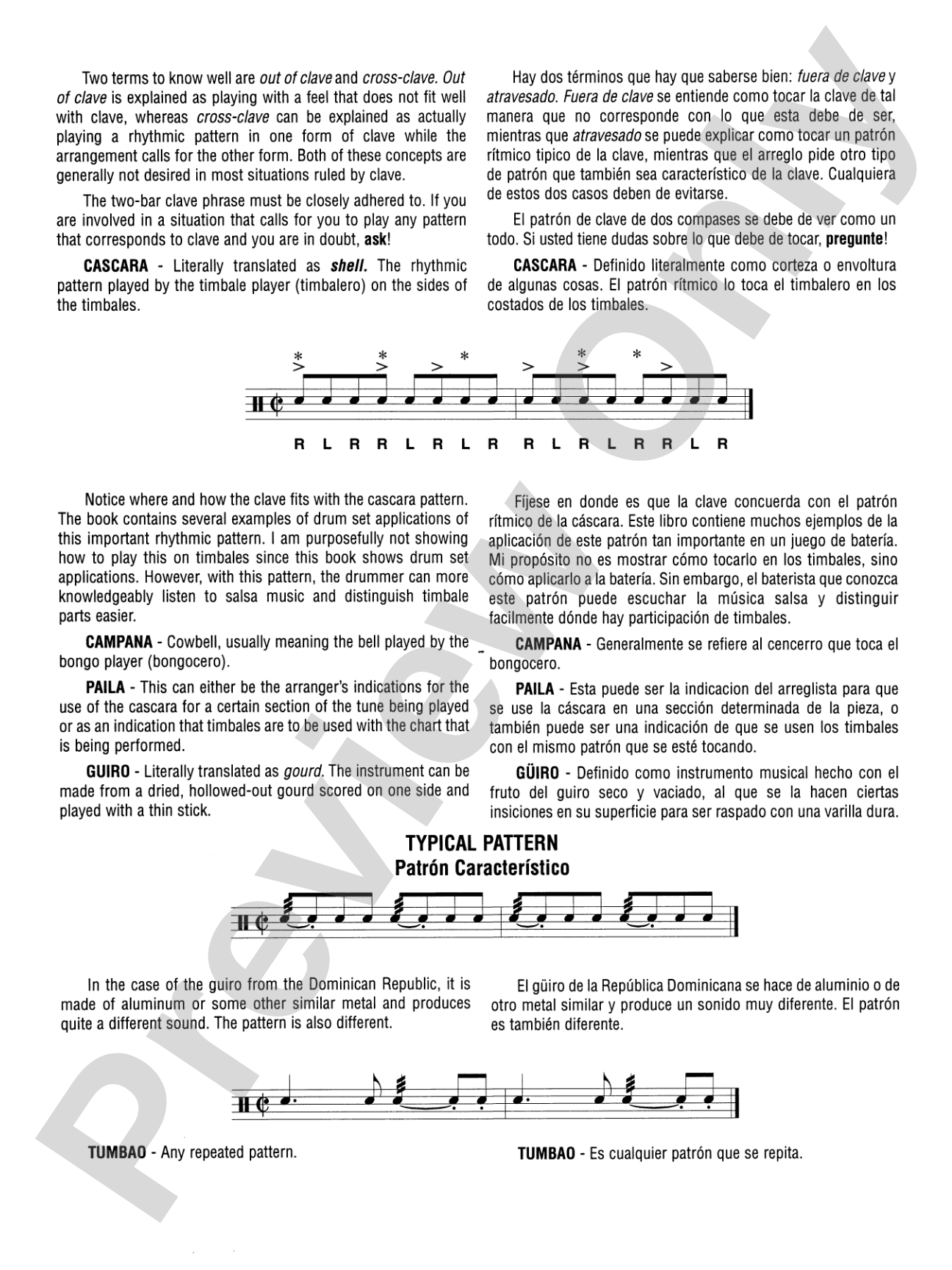
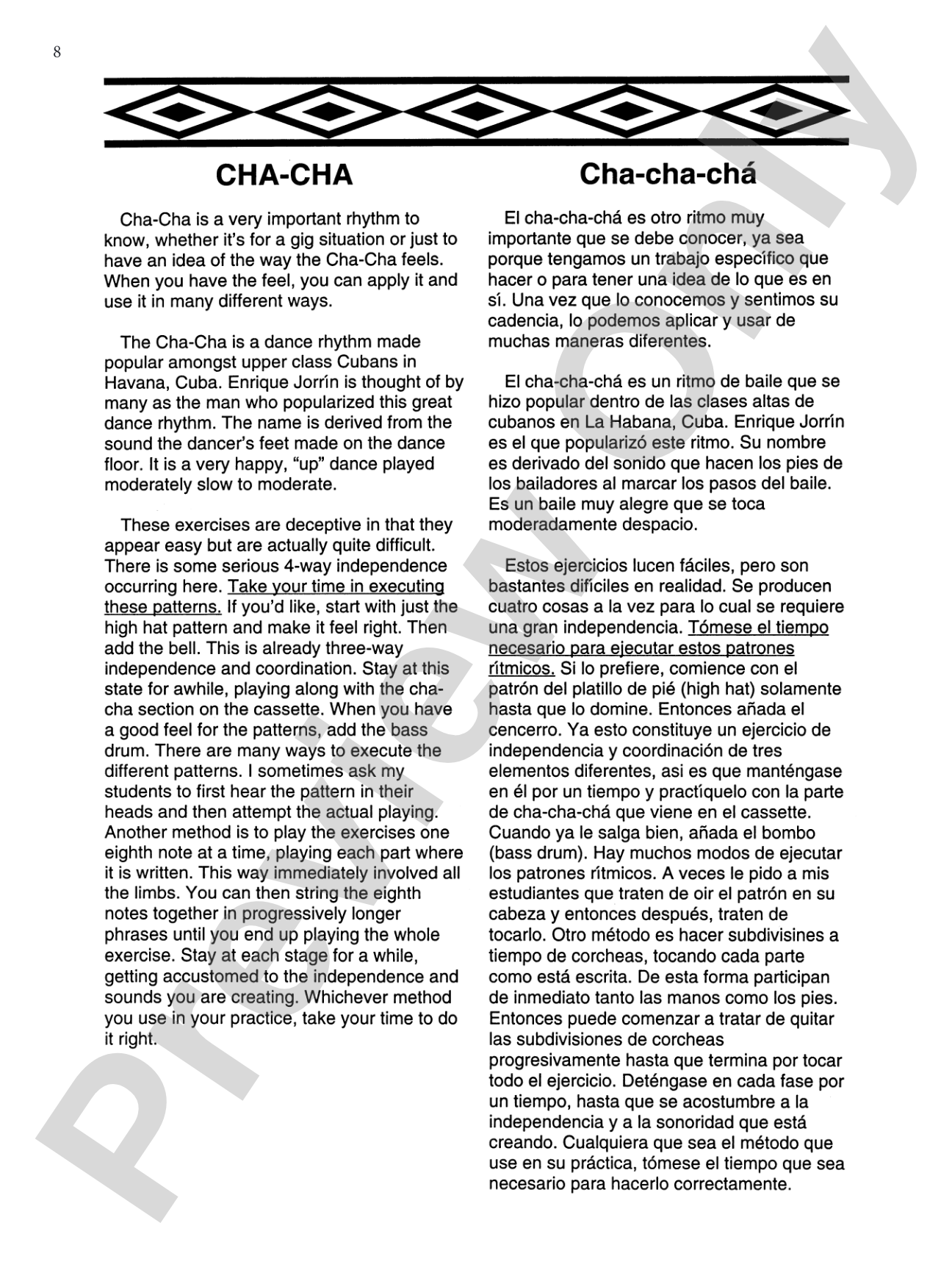
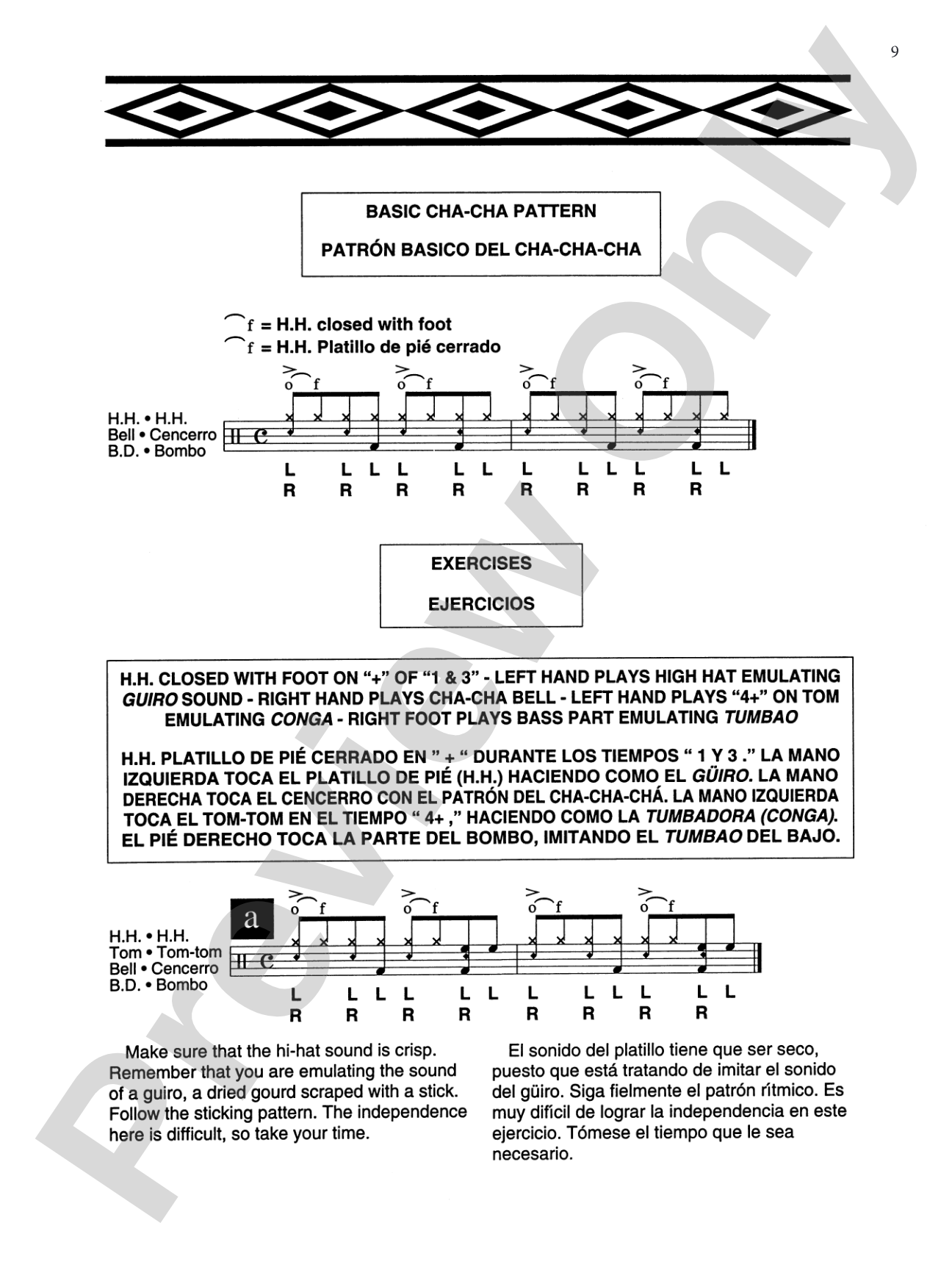
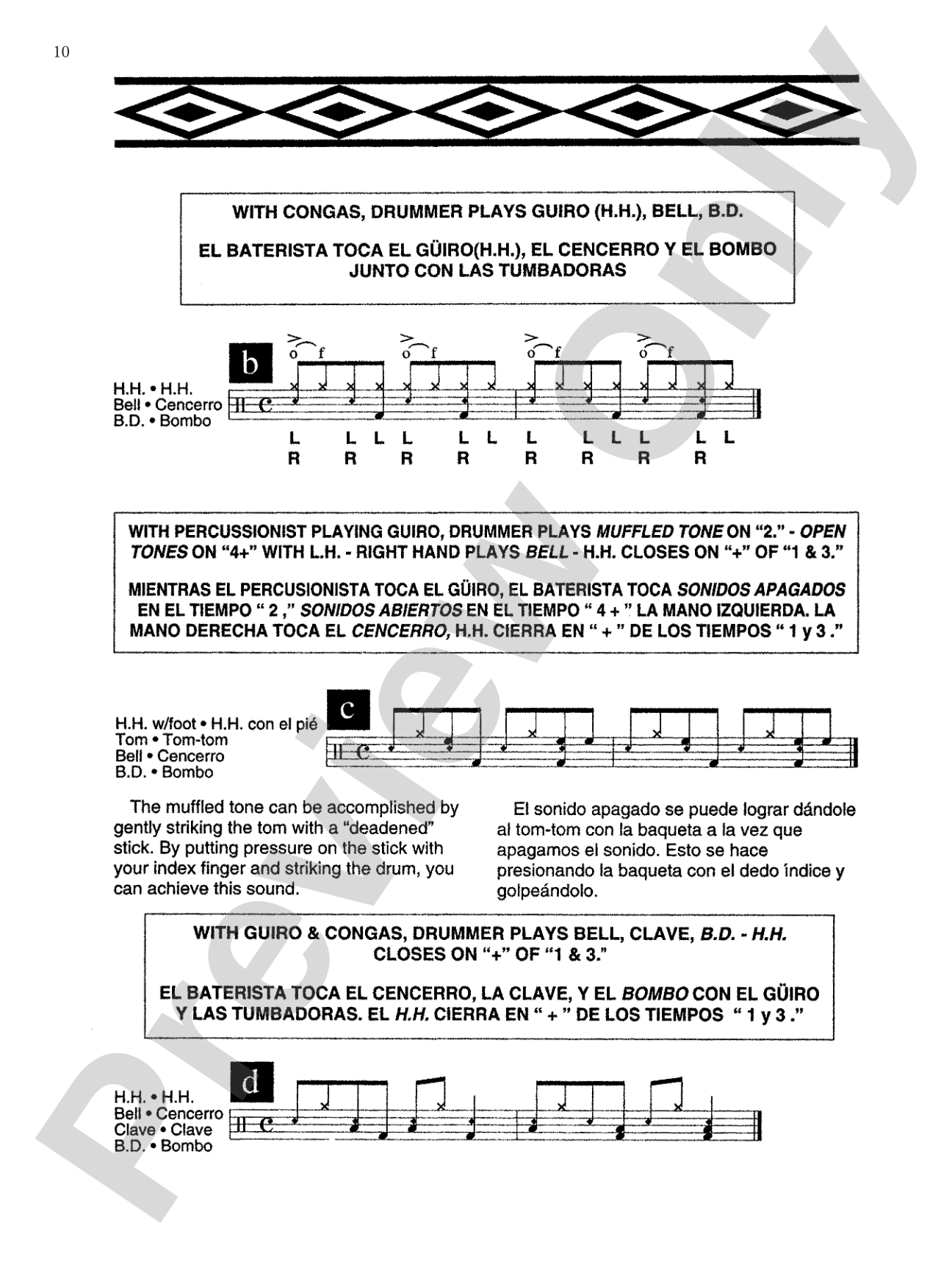
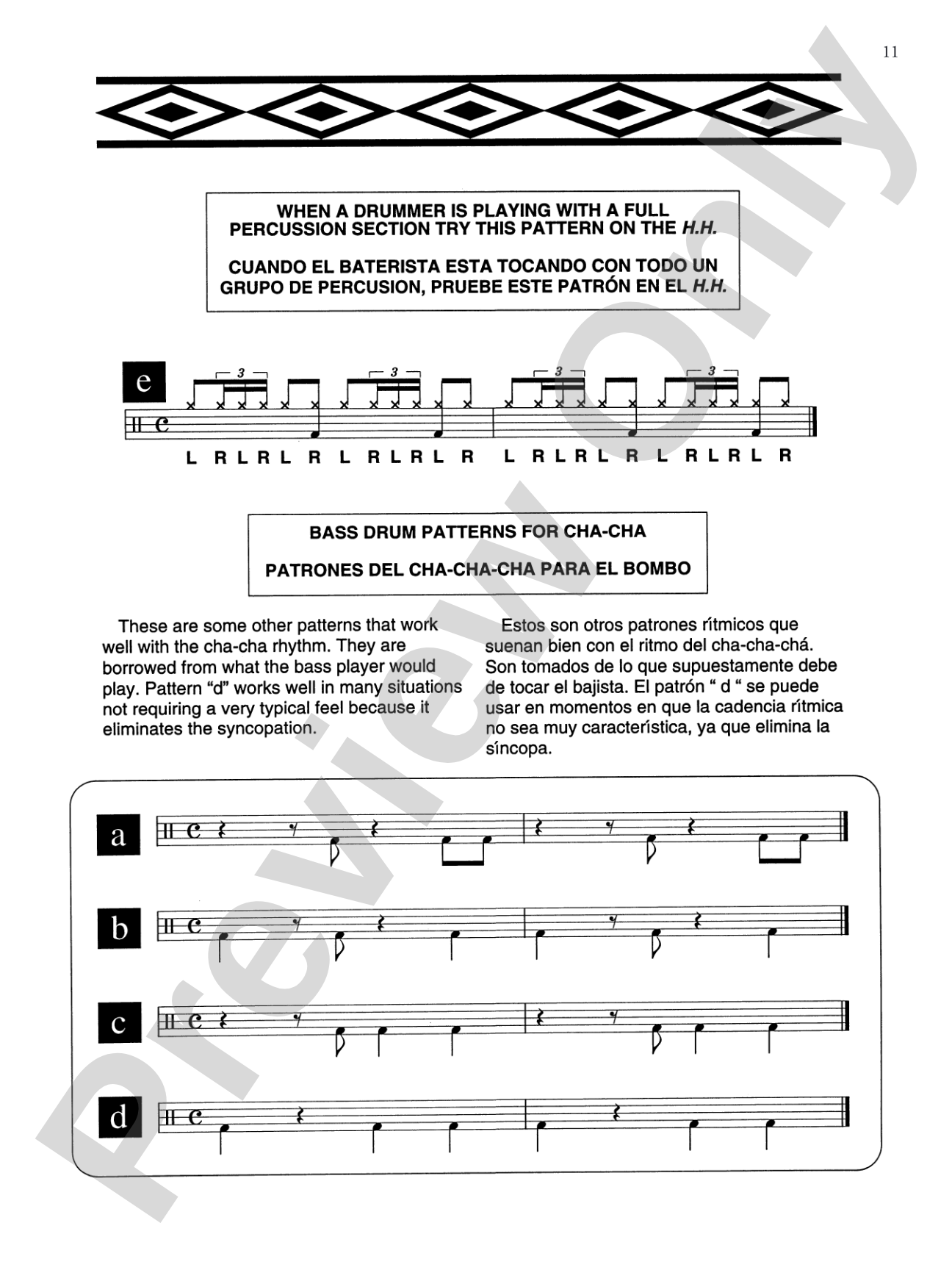
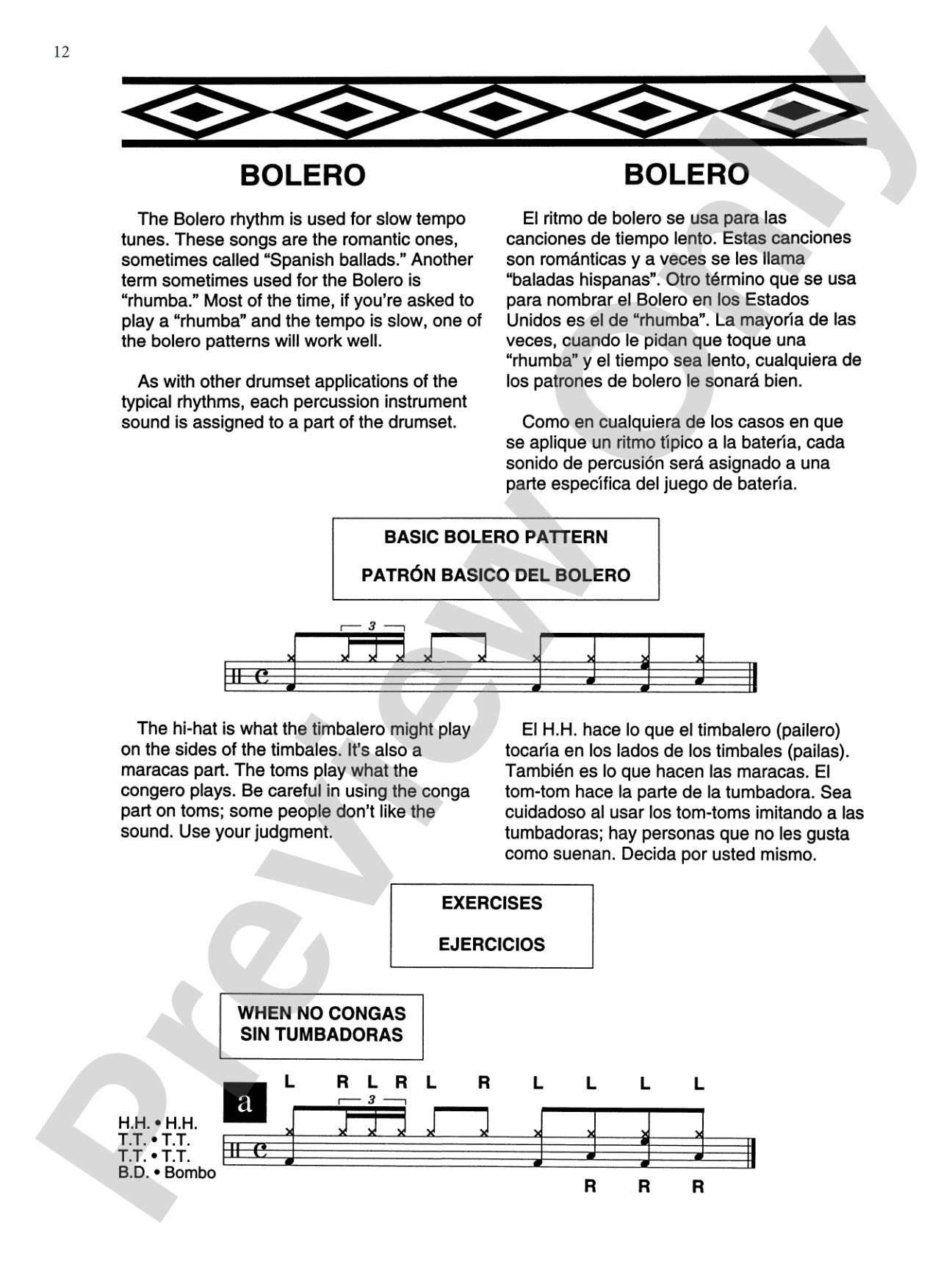
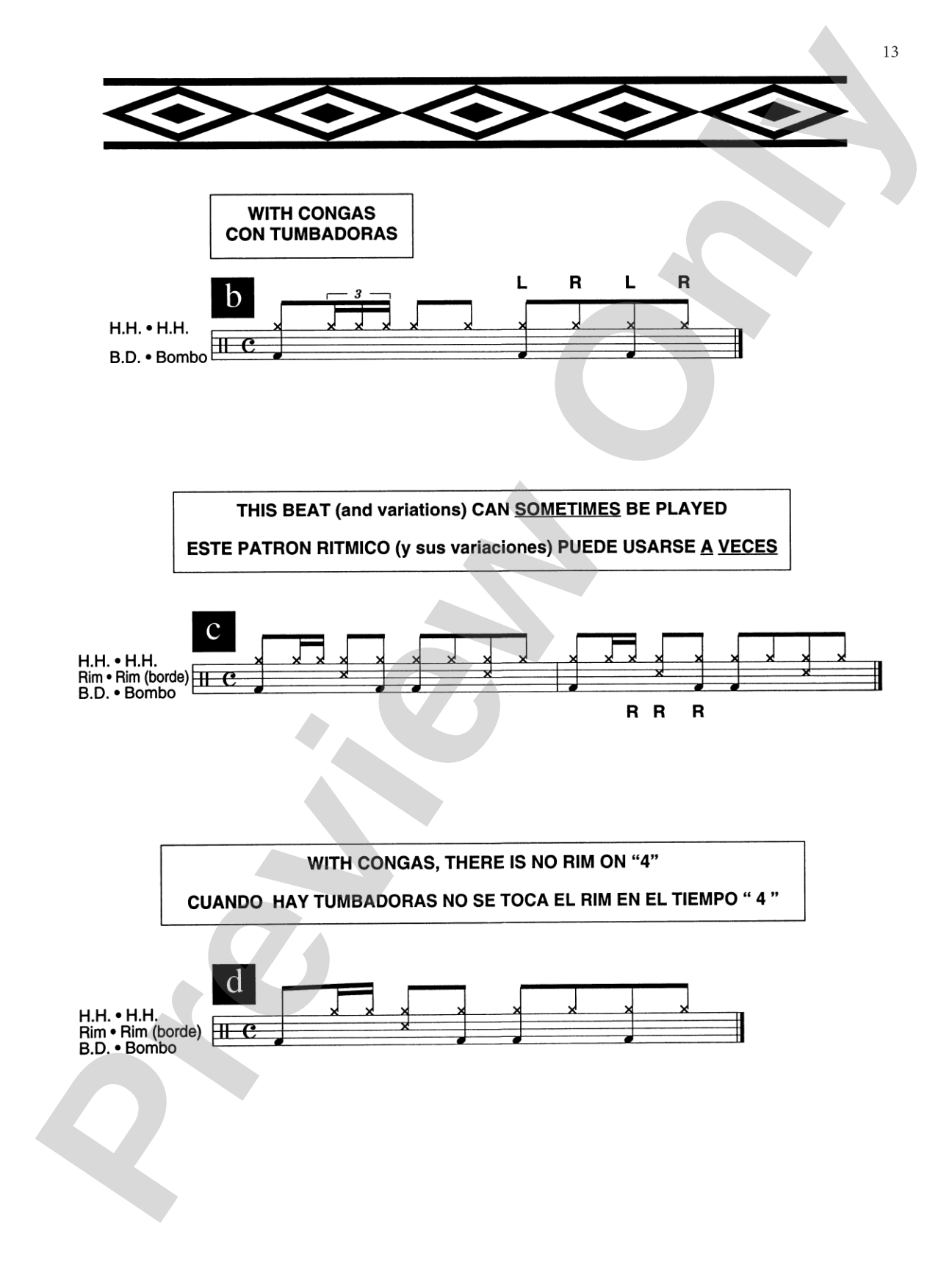
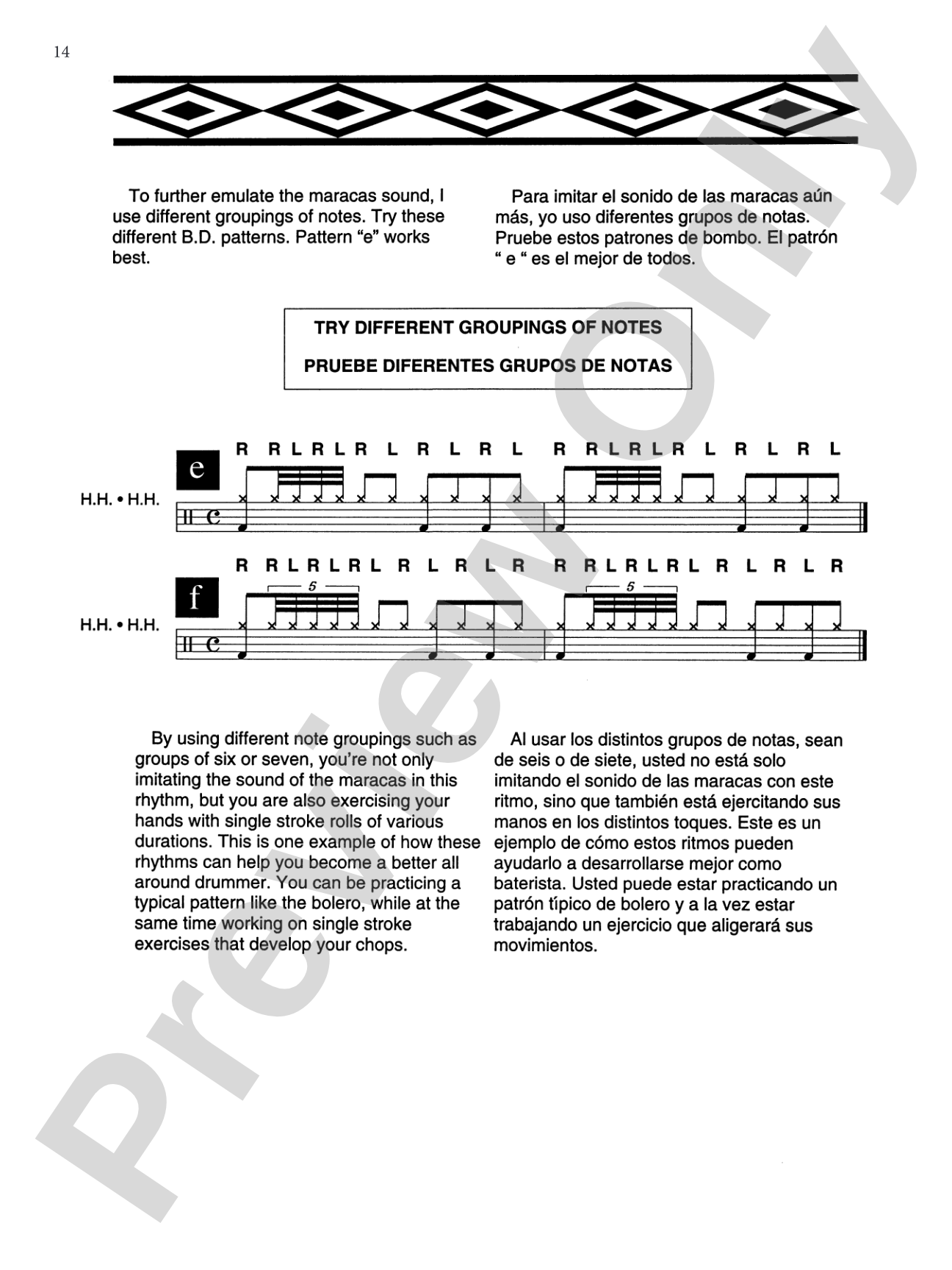
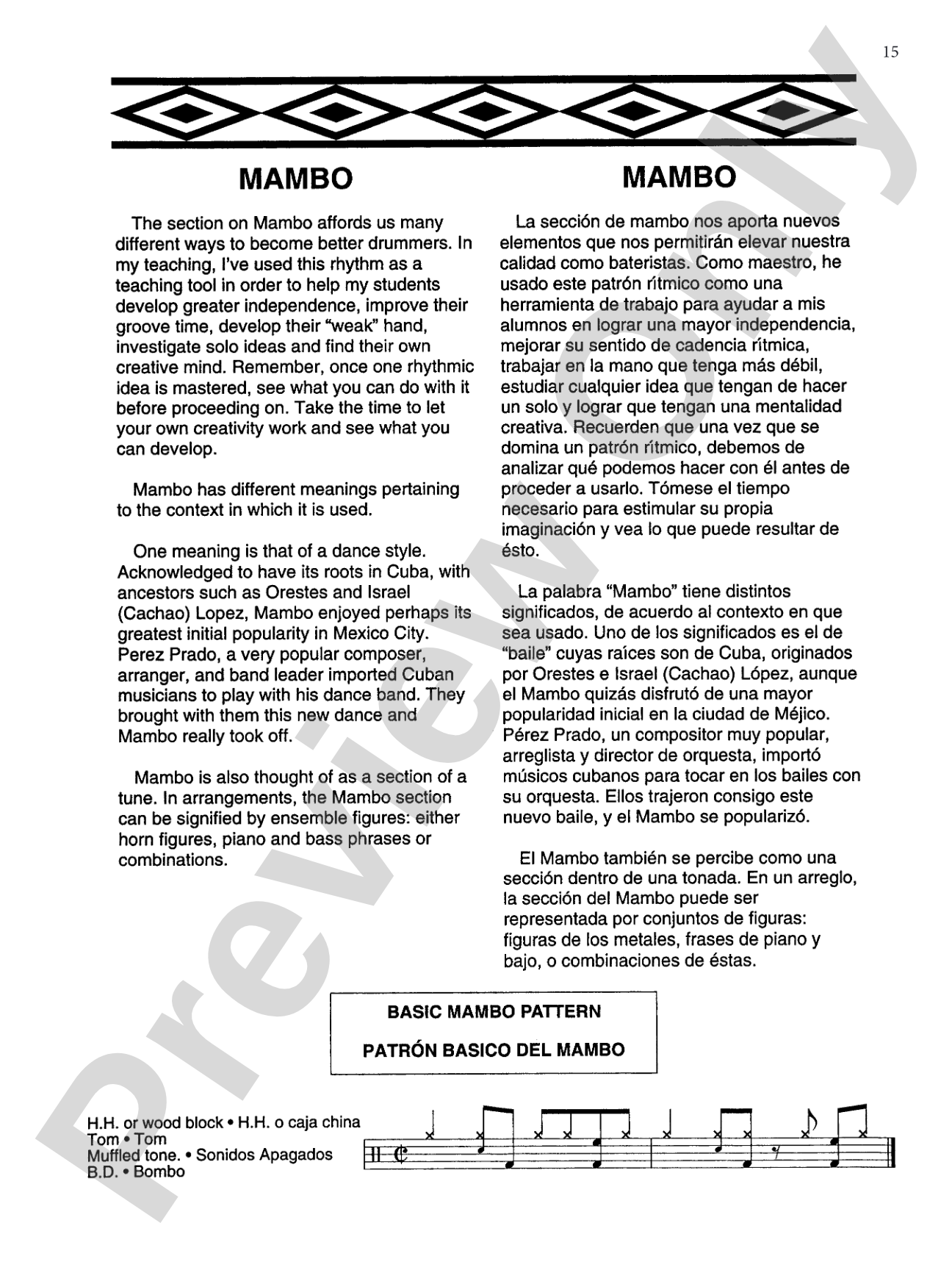
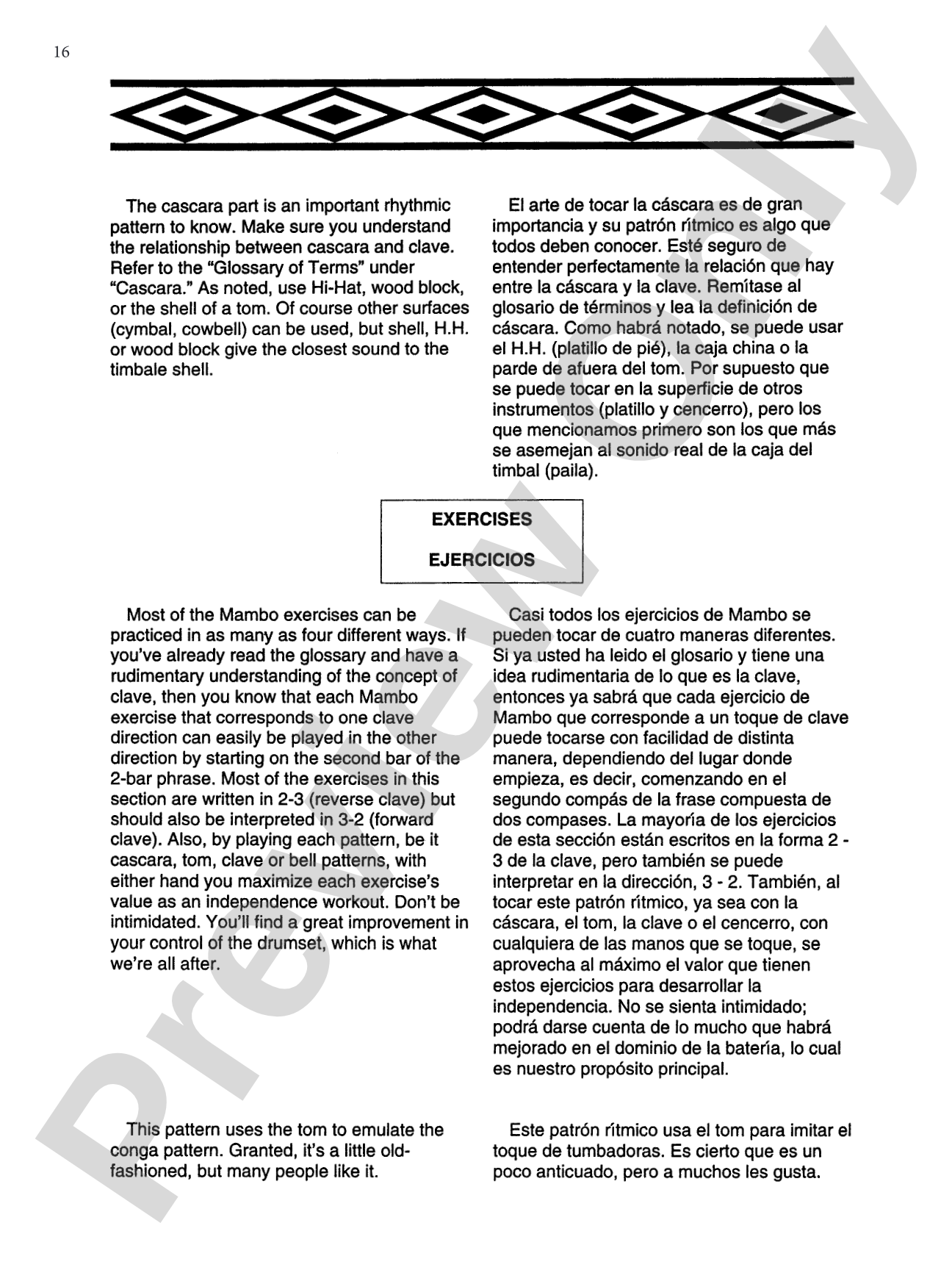
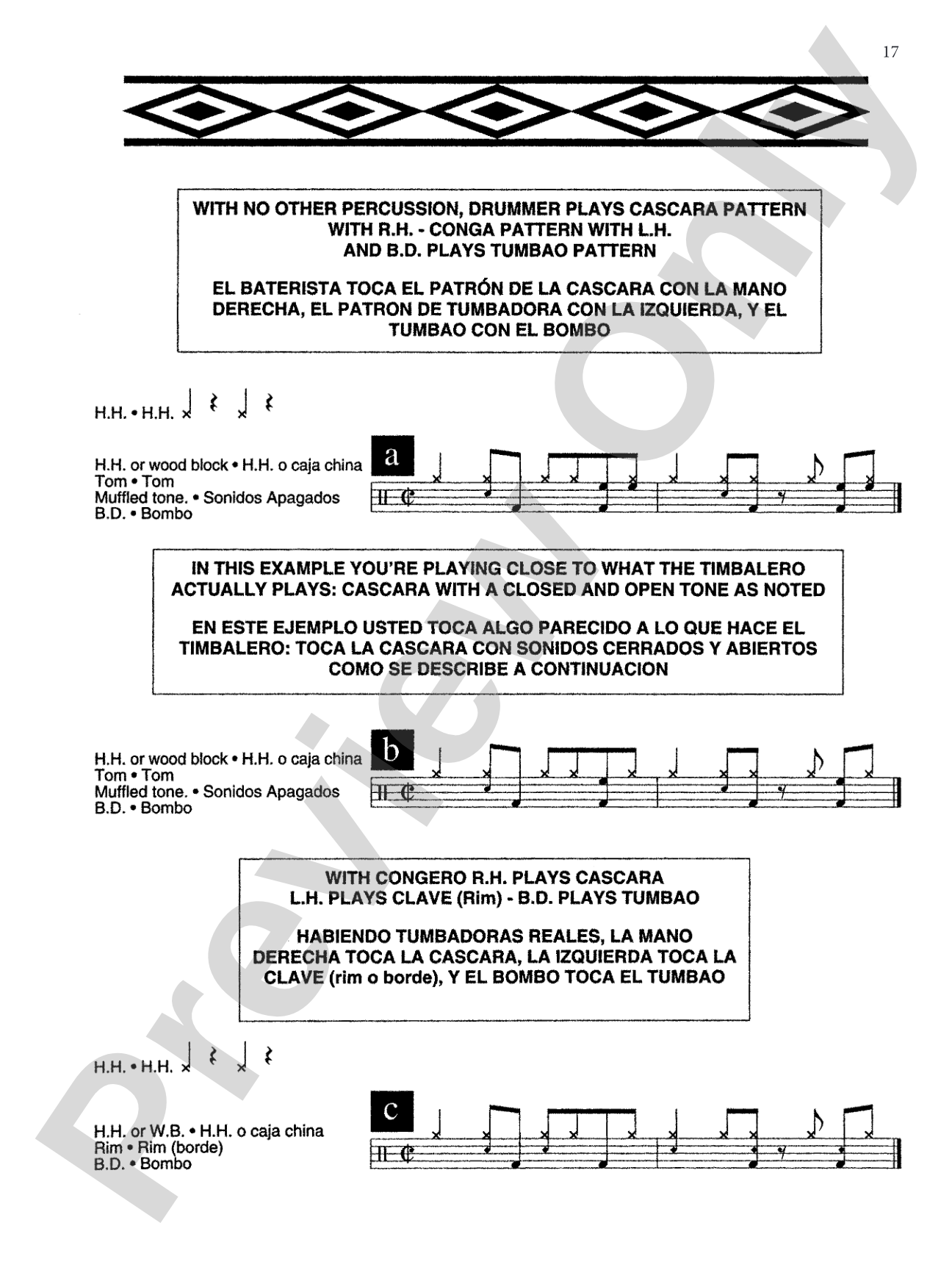
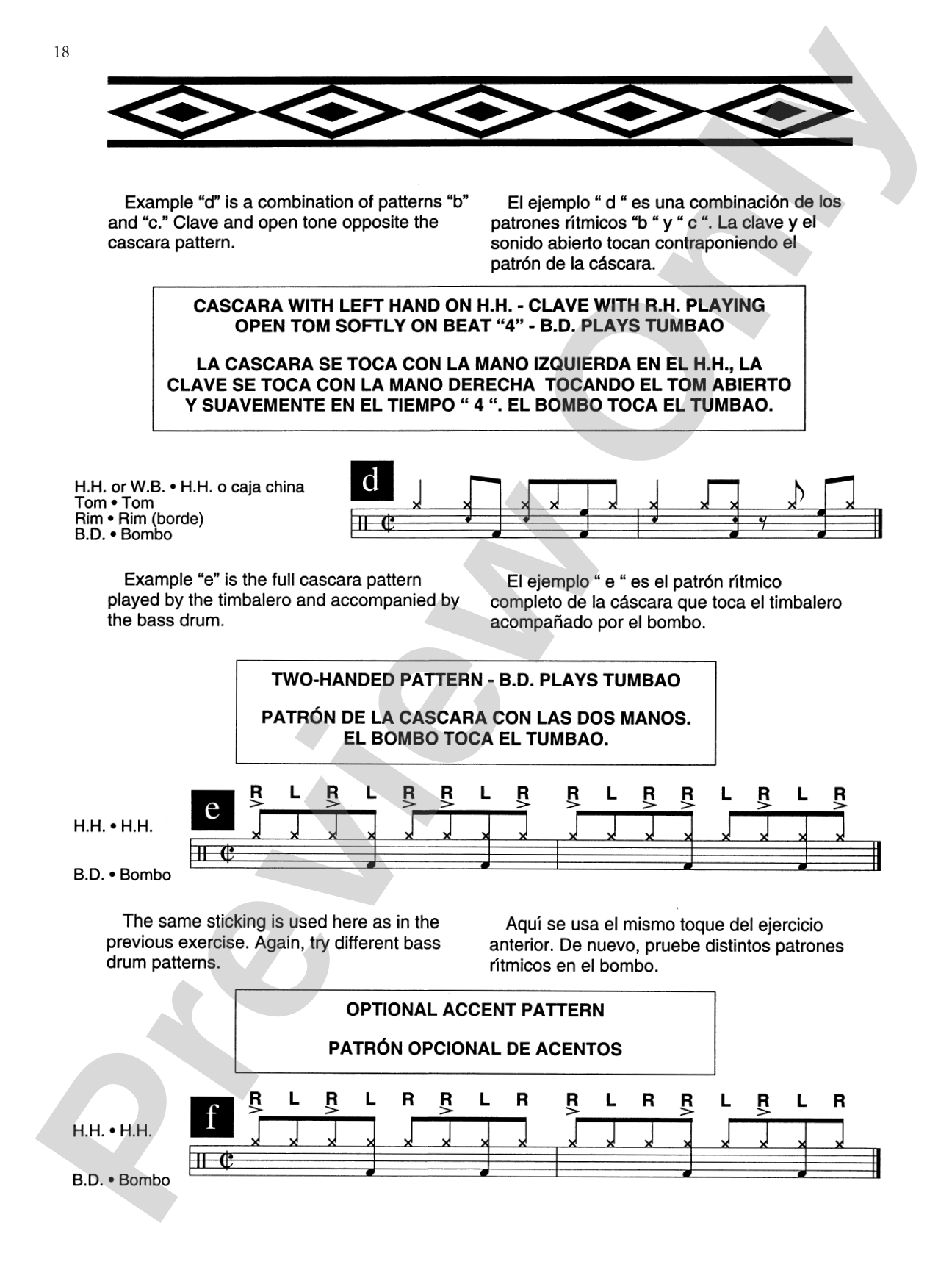
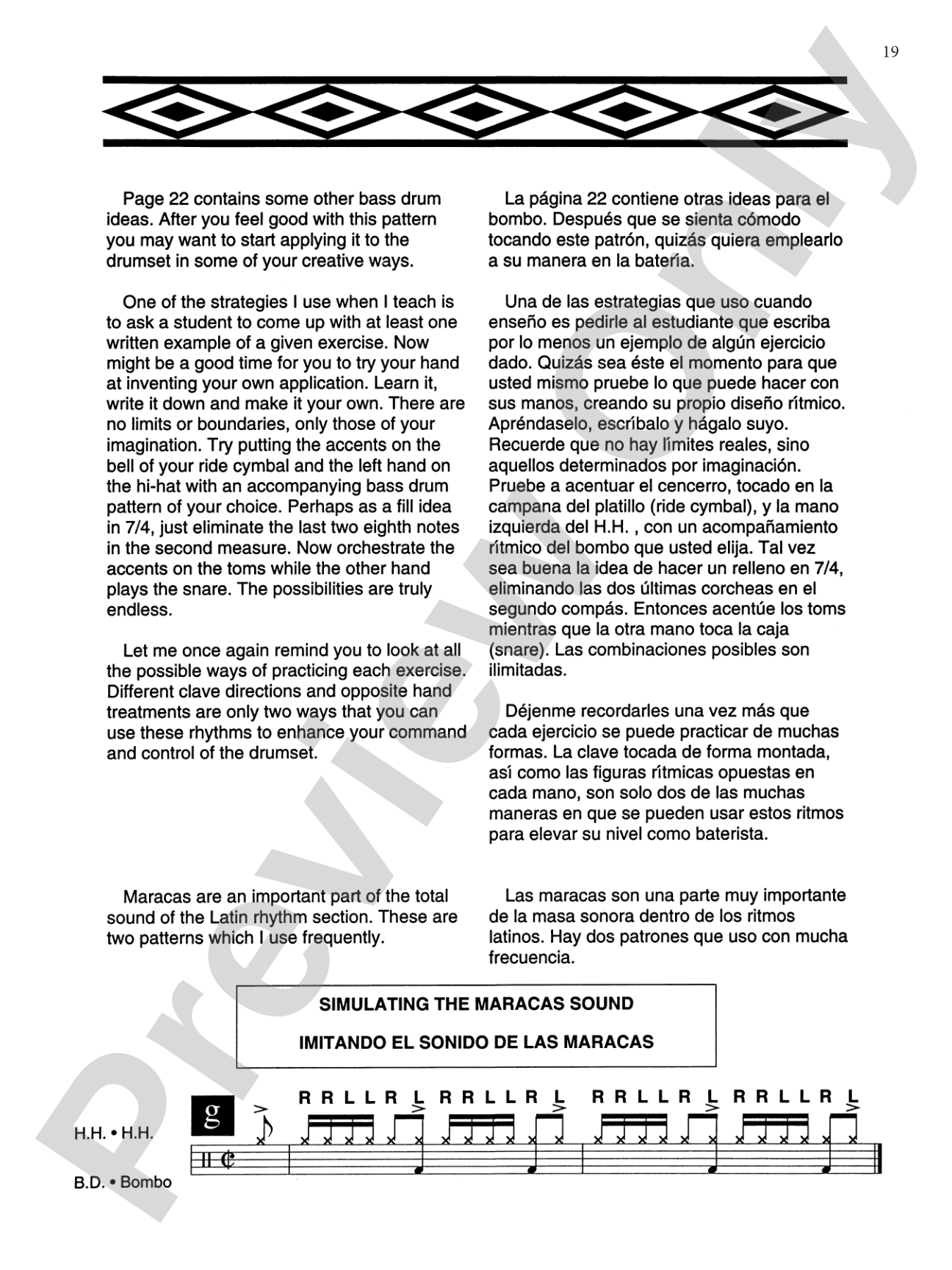
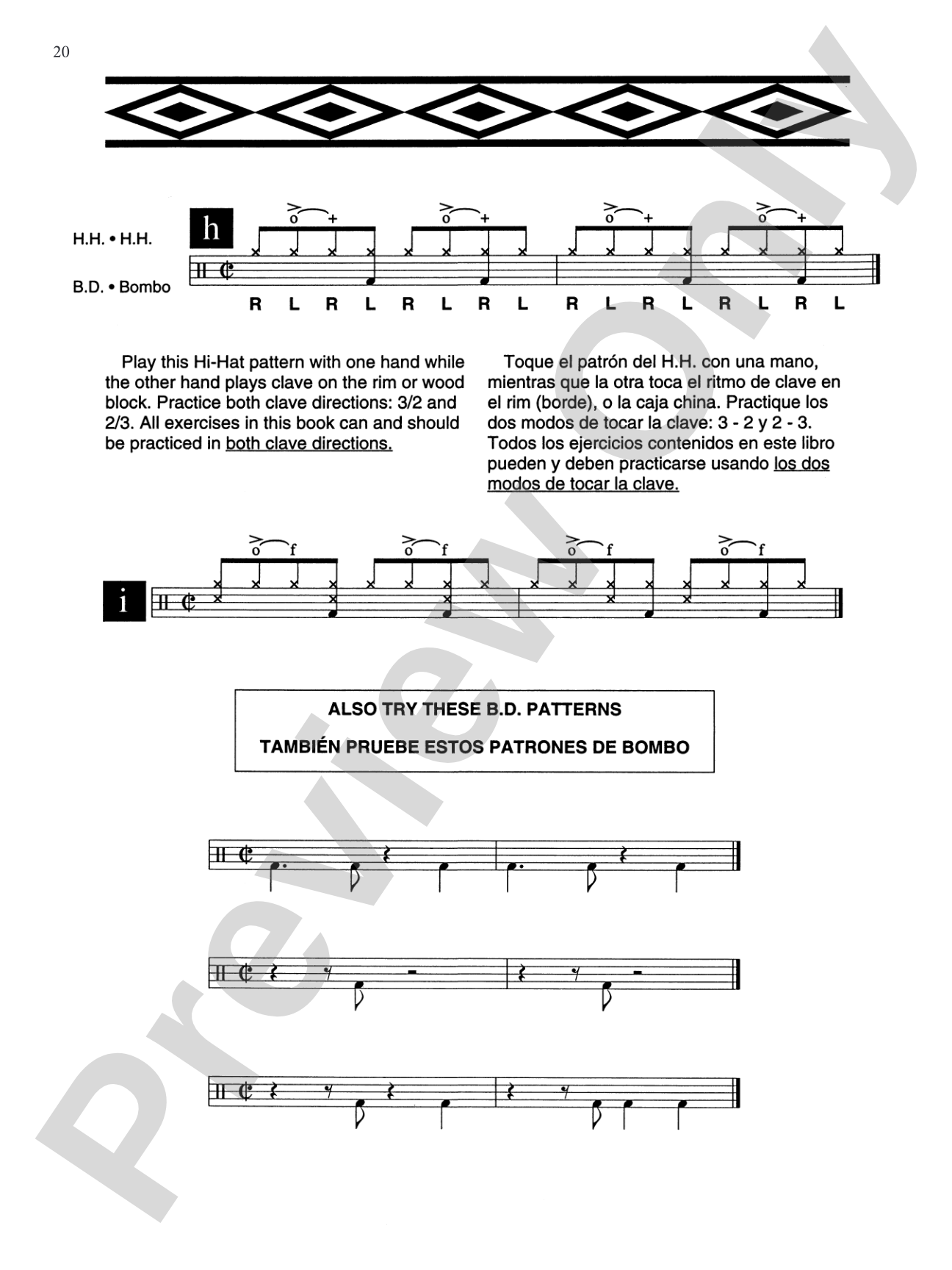
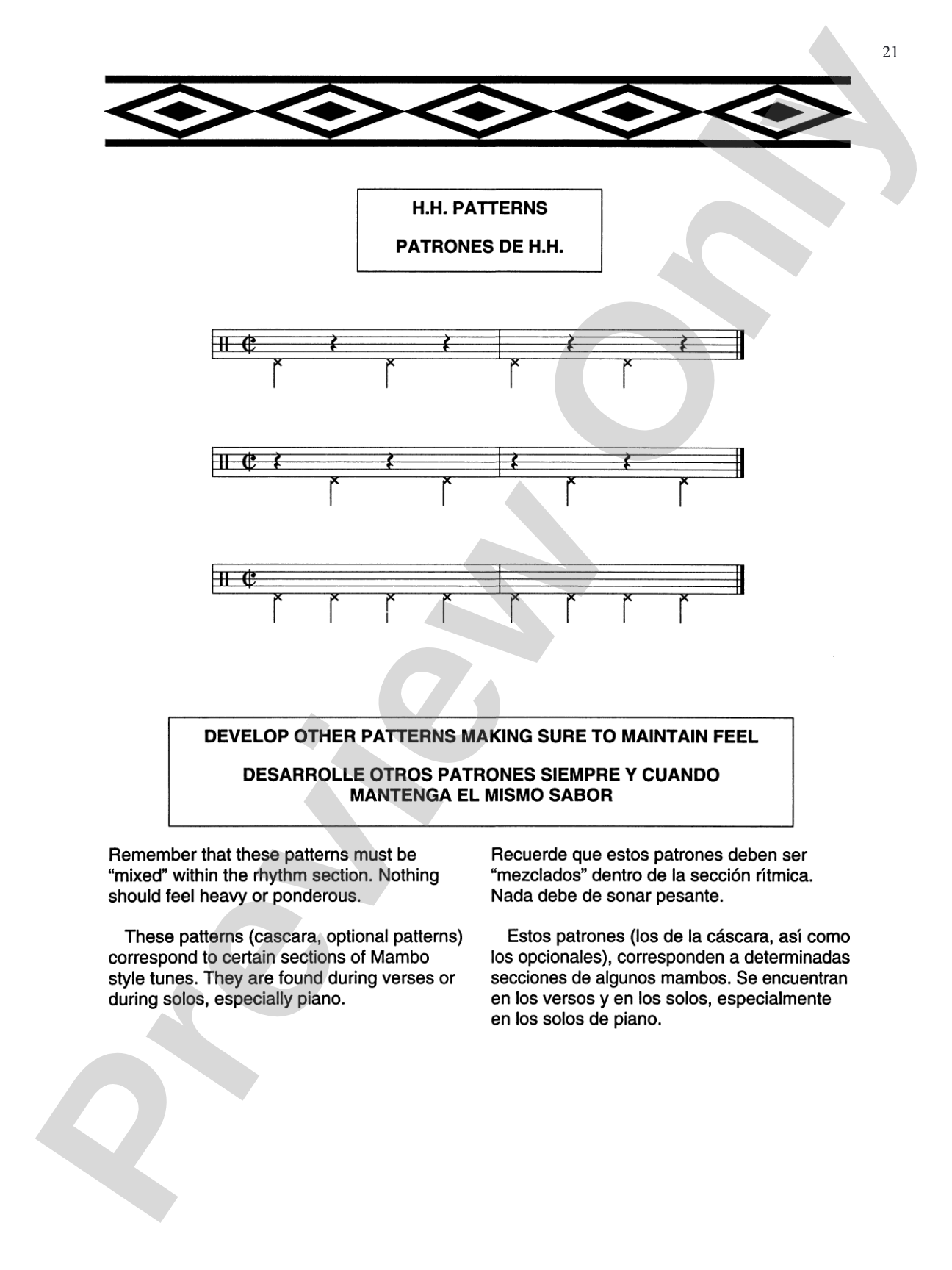
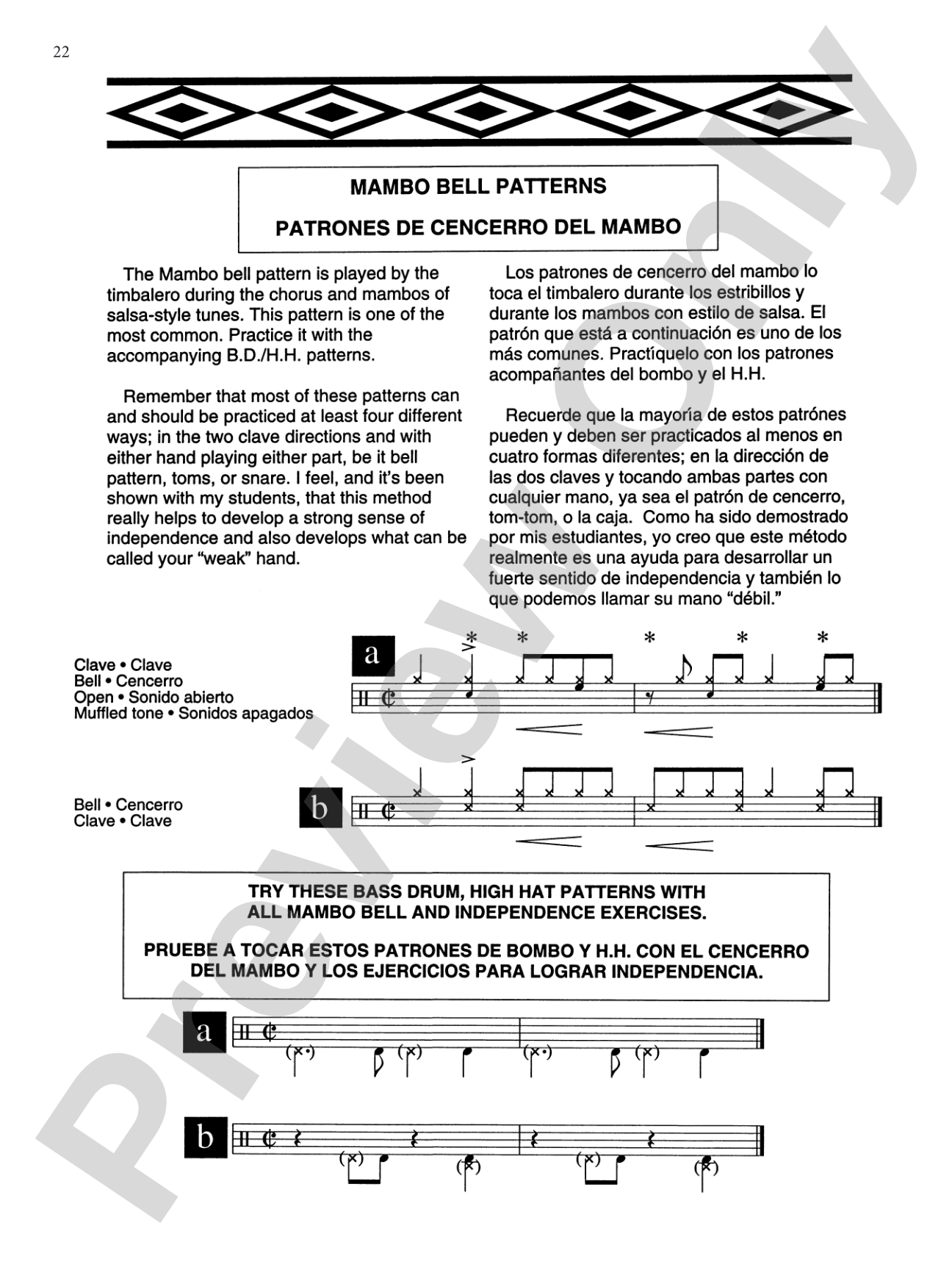
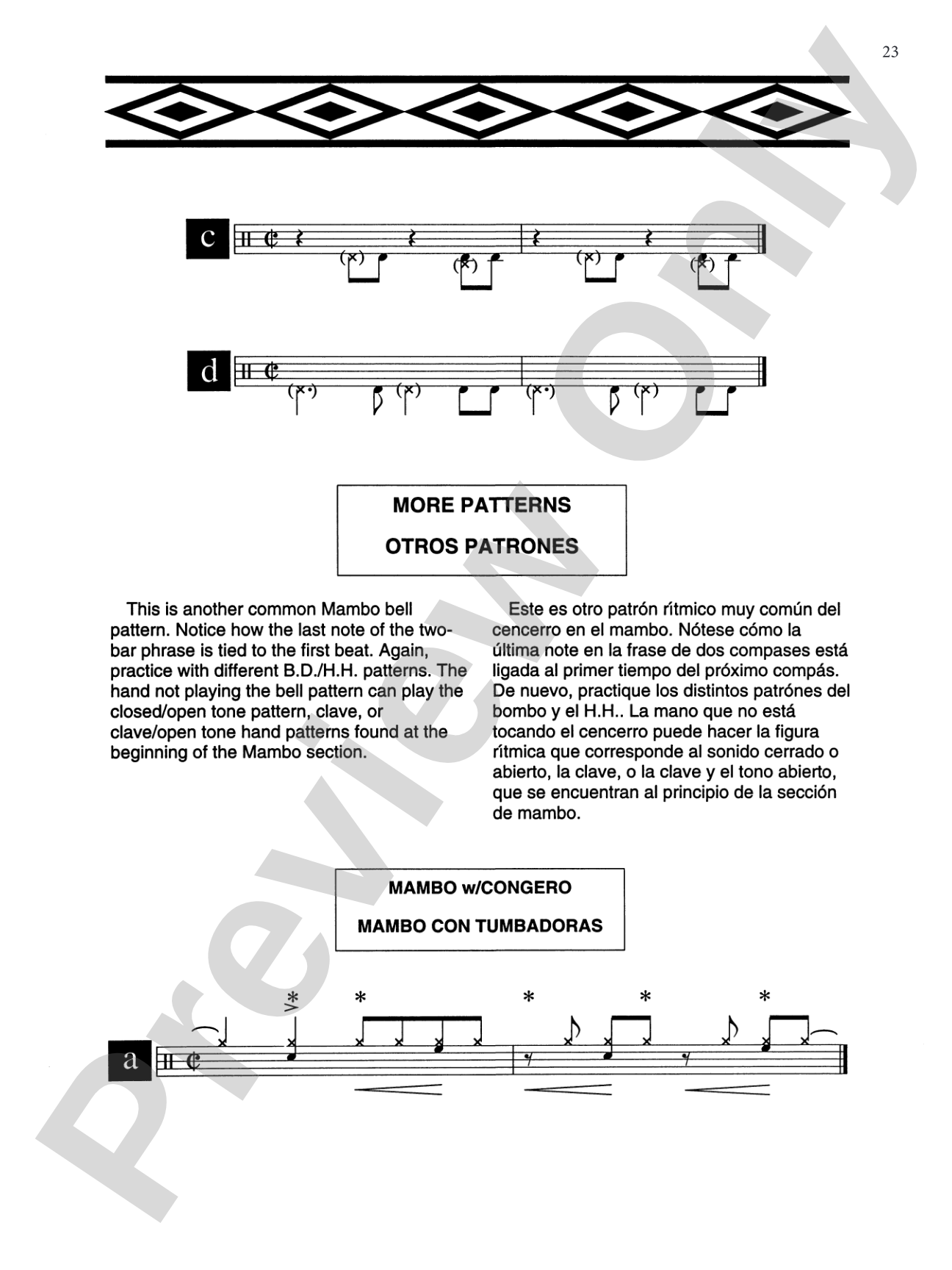
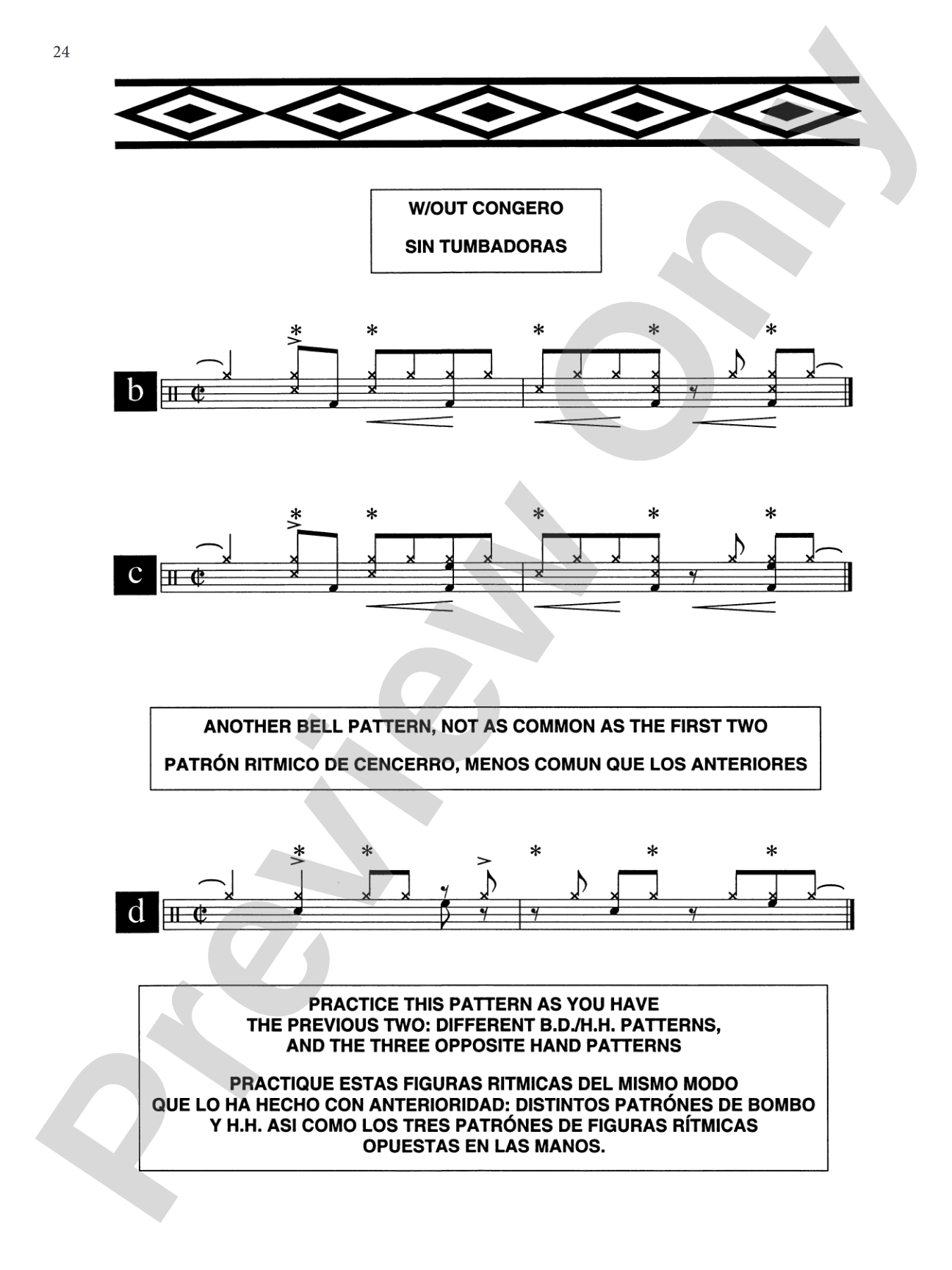
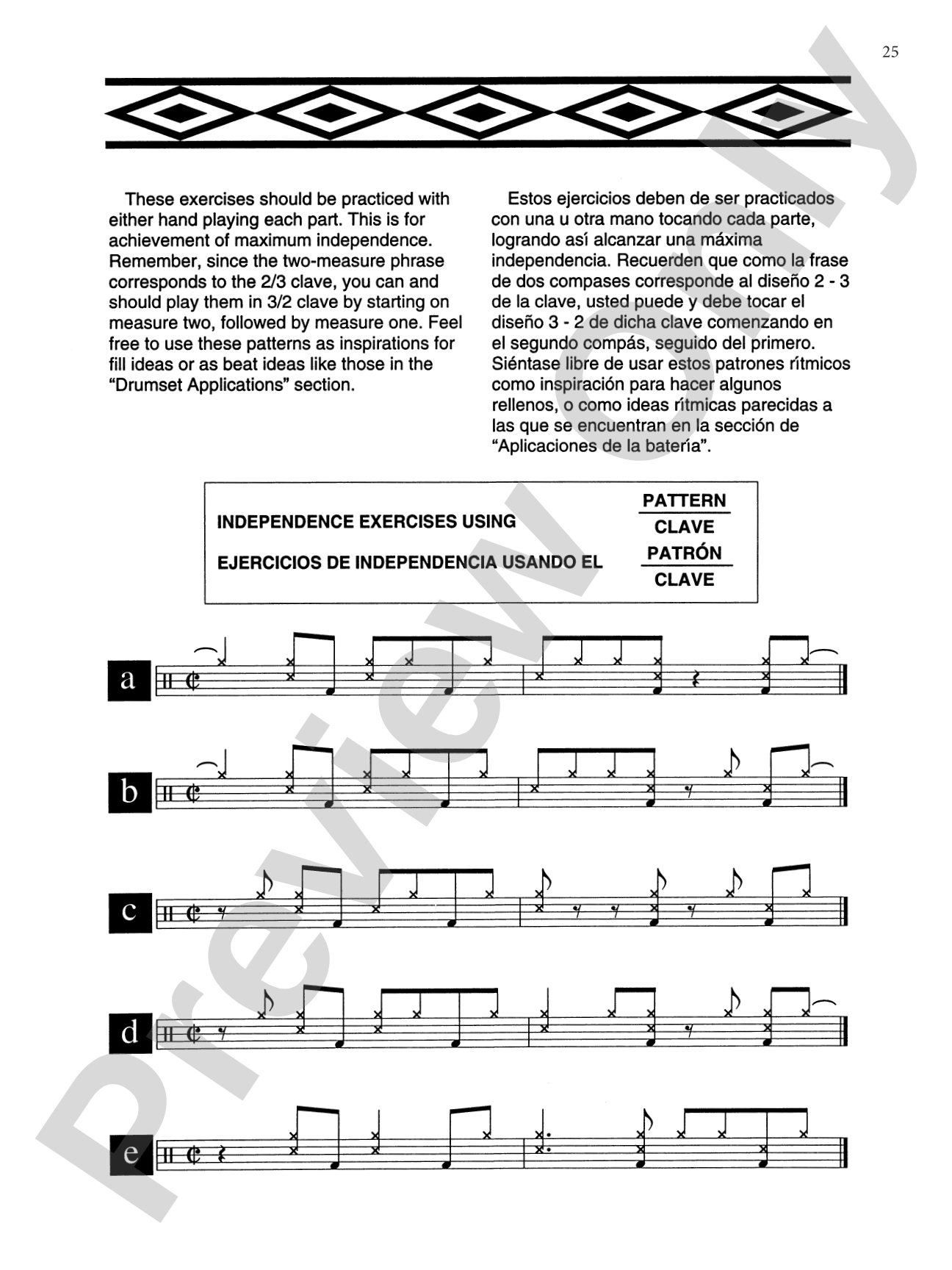
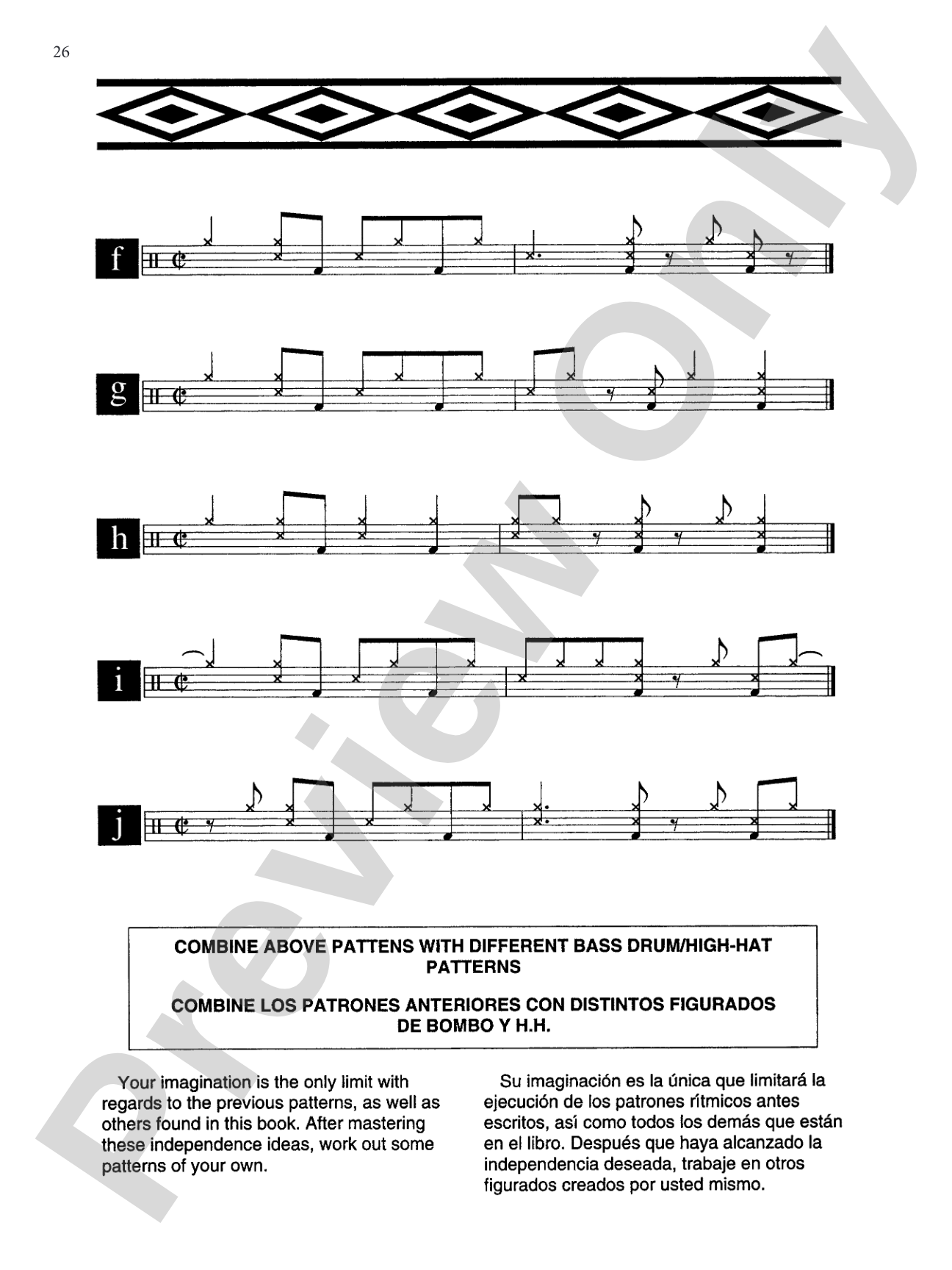
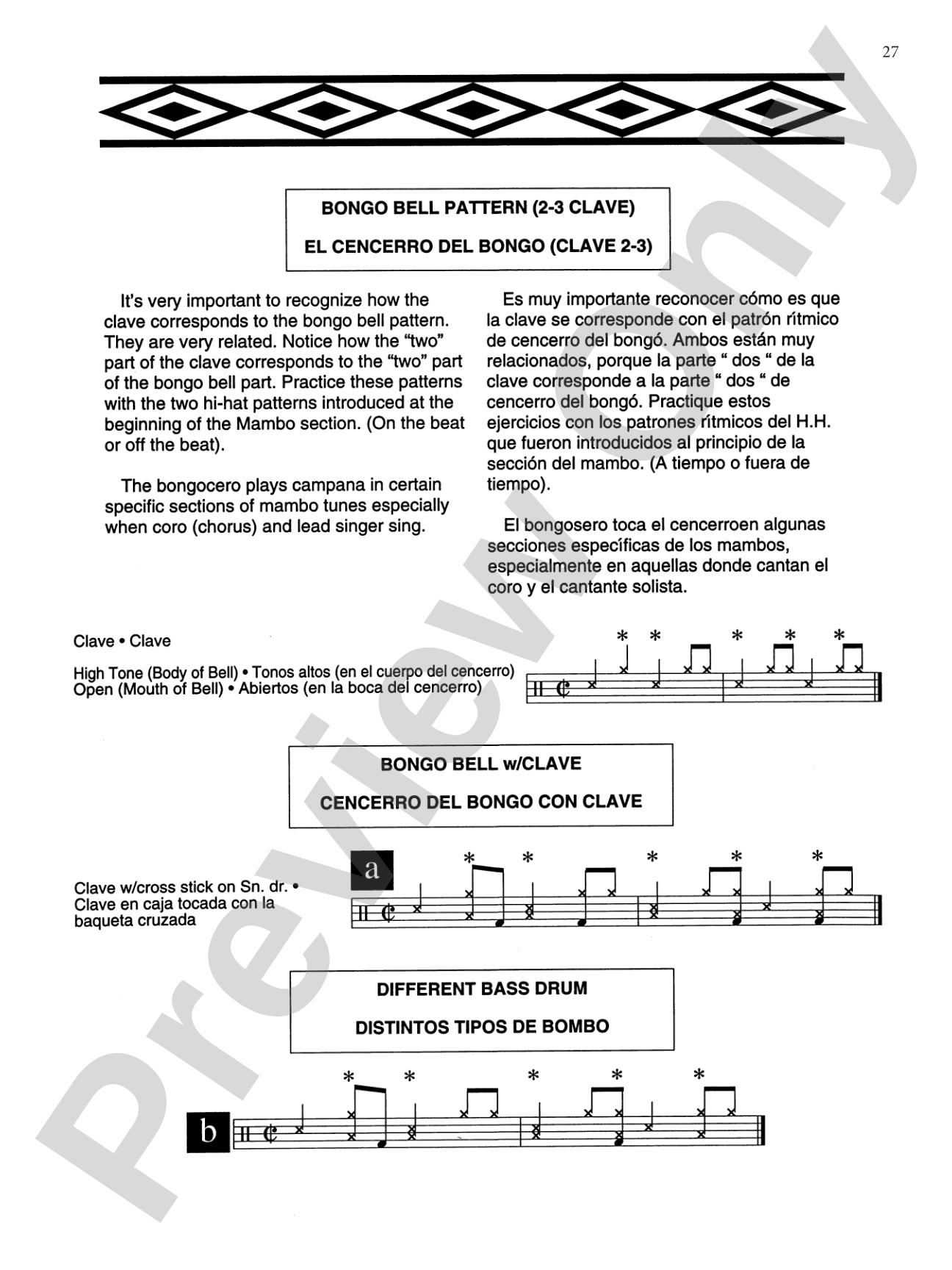
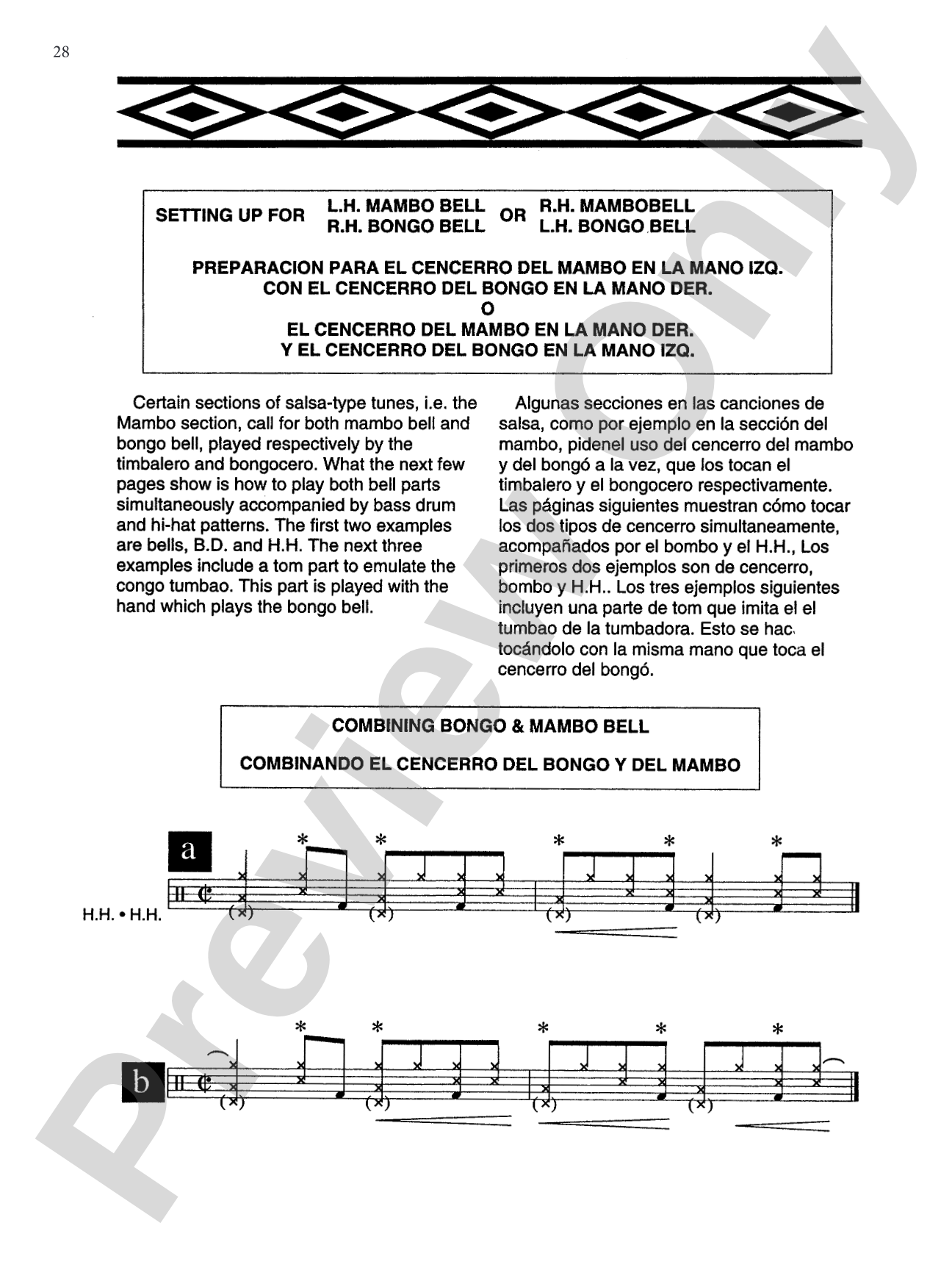
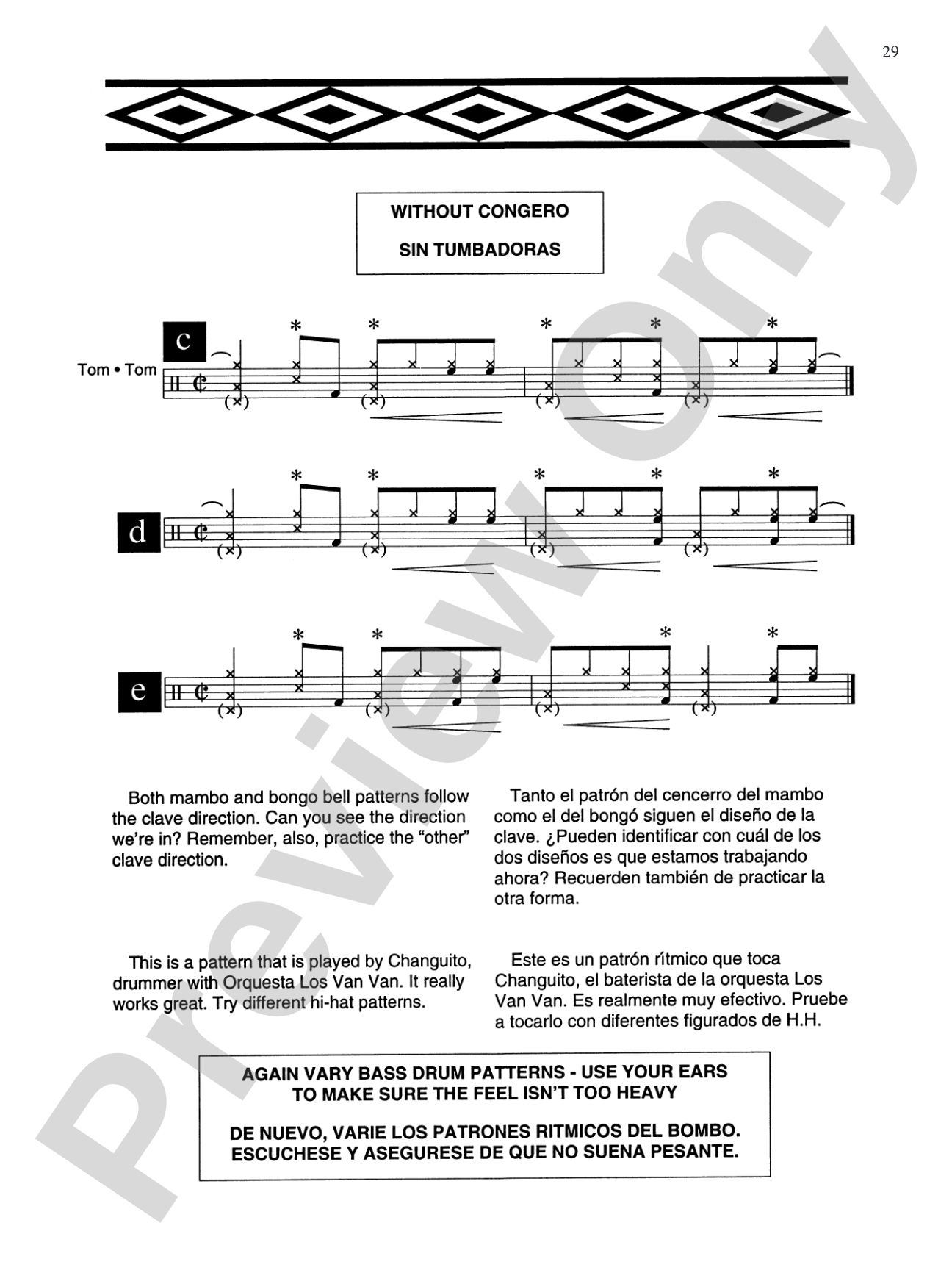
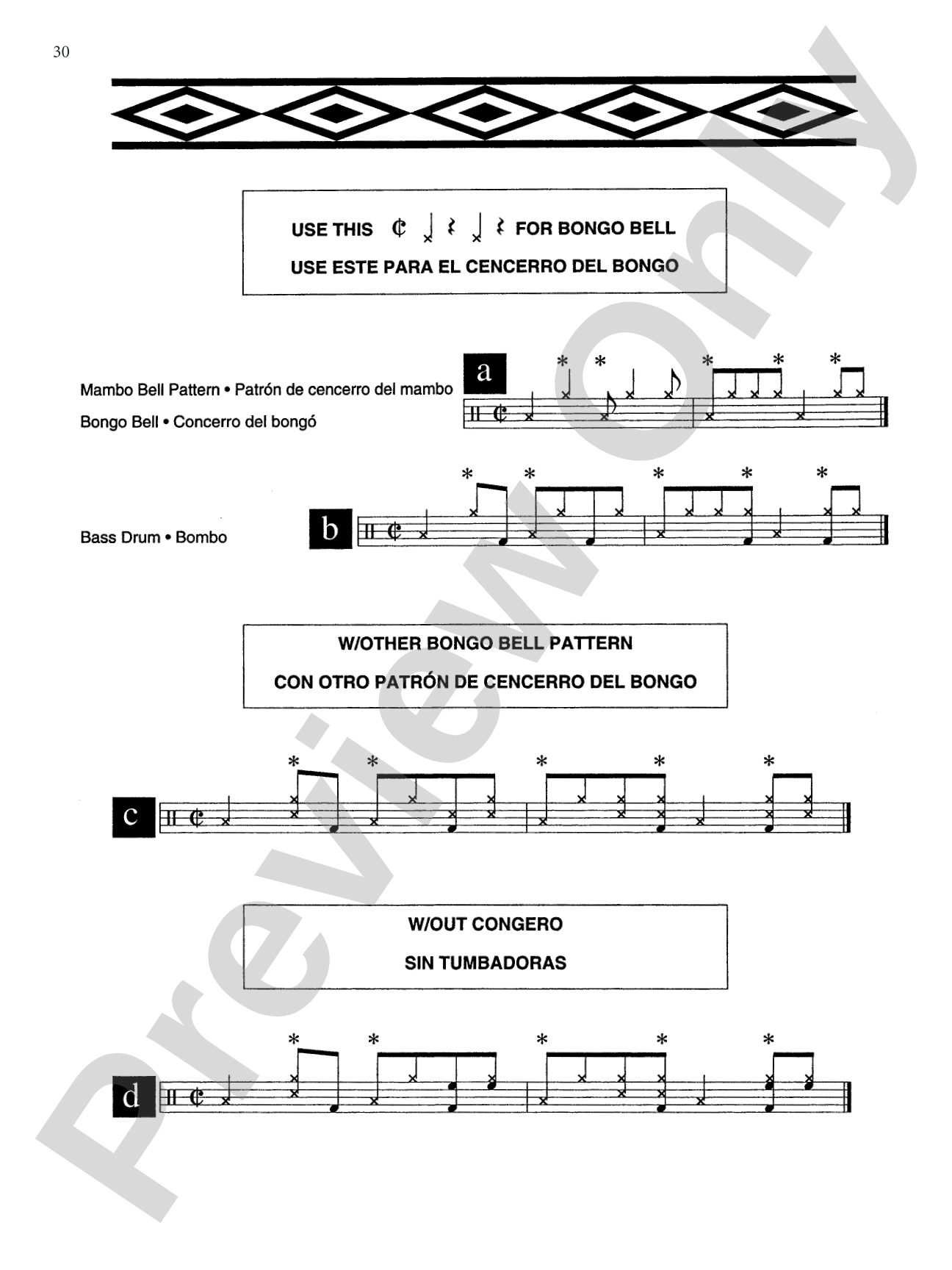
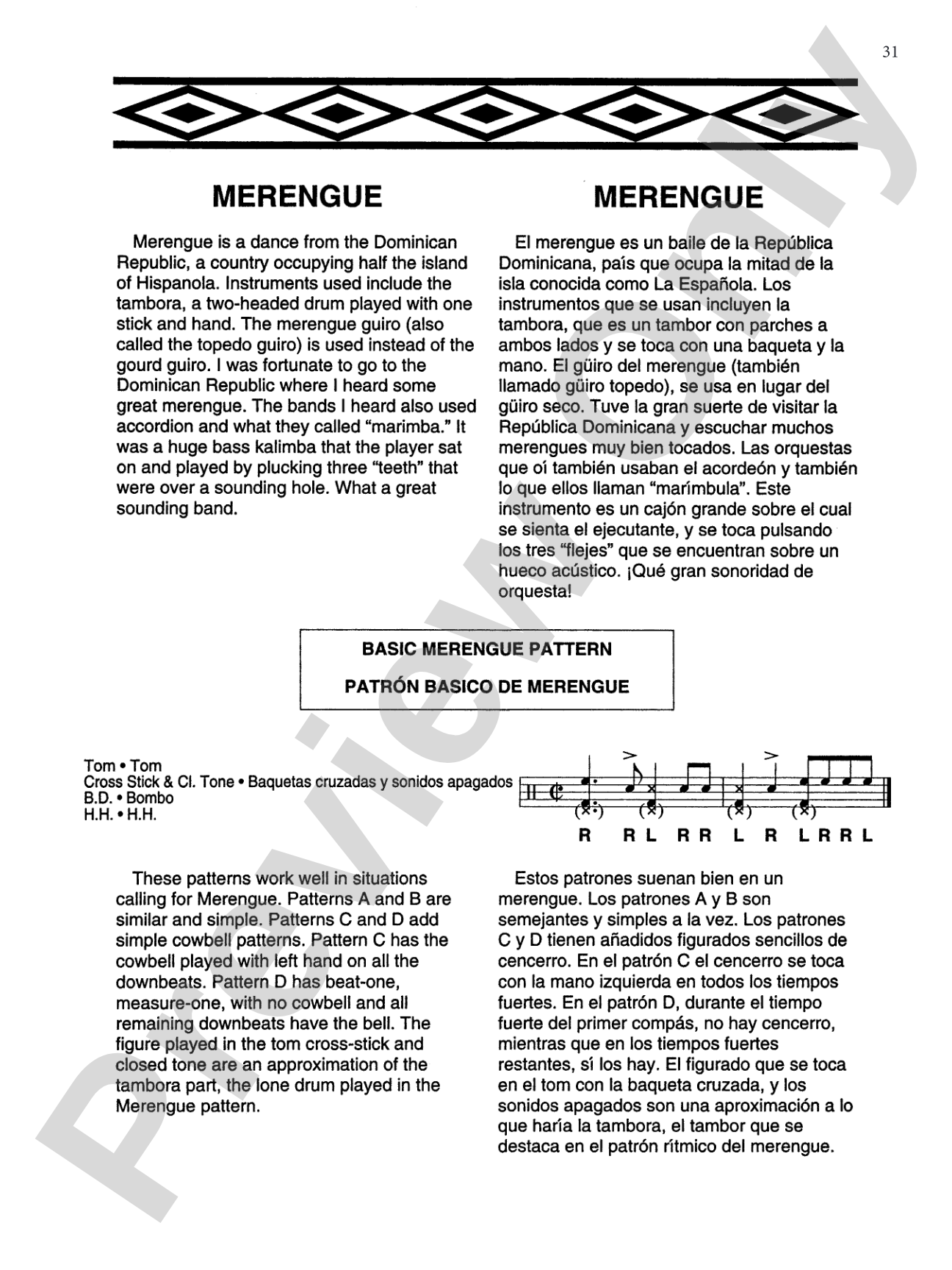
English / Spanish. Practical Applications, using Afro-Caribbean Rhythms to Develop Command and Control of the Drumset. Formerly a three-part series that explores Afro-Caribbean rhythms as applied to the drumset, this revision combines the series into one book and online audio. The unique approach is in teaching rhythms while developing total drumset technique and independence. Includes English and Spanish text and an authentic recording performed by a band of Latin music all-stars. Styles covered include: cha-cha-cha, samba, mambo, cumbia, bolero, 6/8 merengue, songo, bossa nova, NY mozambique. Also covers Latin, jazz, rock, and funk applications for these styles.


Practical Applications: Afro-Caribbean Rhythms for the Drumset isn't in MakeMusic Cloud just yet...but it could be. Let us know you'd like to see it, and you'll help shape what comes next. In the meantime, start a free trial and dive into thousands of interactive titles your students can play along with today.
Request This Title
Tell us you want it.
Start Your Free Trial
Explore everything that's ready to play right now.
Sample Audio
No sample audio found.
Sample Video
No sample videos found.
Additional Details
Publisher:
Alfred Music
Page Count:
156
SKU:
00-PB-0002264
More about this title
About the Composer: Chuck Silverman
Chuck Silverman is a drummer, composer, and educator with deep expertise in Latin music and percussion pedagogy. His approach to drumset instruction centers on building independence and technical command through authentic cultural rhythms rather than isolated exercises.
Why we love this
This book treats Latin rhythms not as decorative add-ons but as the foundation for serious drumset technique. The integration of nine distinct styles with jazz, rock, and funk applications means your students aren't memorizing patterns in a vacuum; they're building transferable independence that works across genres. The bilingual text and professional recording make it accessible and immediately relevant to ensemble directors working with diverse student populations.
What to expect
Studying these rhythms connects you to something genuinely alive. The percussion sounds warm and immediate in the recordings; you feel the band rather than a click track. There's a relaxed authority that comes from understanding why a rhythm breathes the way it does.
Who it's for
Intermediate to advanced drummers ready to deepen their command of the kit through culturally grounded study. This works equally well for the jazz drummer expanding into Latin contexts and the rock player seeking rhythmic sophistication. Ensemble directors can assign sections to students working toward solo or section-leader competency.
How to get the most out of it
- Start with the recordings. Hear the authentic sounds first before unpacking the written rhythms. Your ears need the reference point.
- Build each hand independently before combining them. The book's progression respects this pedagogical necessity; resist the urge to jump ahead.
- Apply each rhythm to your own kit setup and feel. The same clave works on kick and snare, on hi-hat and kick, on ride and kick. Experiment actively rather than reading passively.
- Return to earlier styles as you advance. Bossa nova feels different once you understand songo. Cumbia informs your mambo pocket.
How to use it
Use this to strengthen your rhythm section before tackling Latin jazz repertoire. The progression from foundational styles to hybrid applications means you can assign specific chapters alongside concert selections your ensemble is learning. For percussion students on a college prep track, this bridges the gap between drumset basics and the rhythmic literacy required in professional Latin and jazz settings.
Skills your students will build
- Independence between hands and feet across nine Afro-Caribbean styles
- Reading and internalizing clave-based rhythmic structures
- Adaptation of single patterns across kick drum, snare, hi-hat, and ride
- Fusion of Latin grooves with jazz, rock, and funk feels
- Listening and transcription of authentic recordings
- Understanding rhythmic context and cultural specificity