
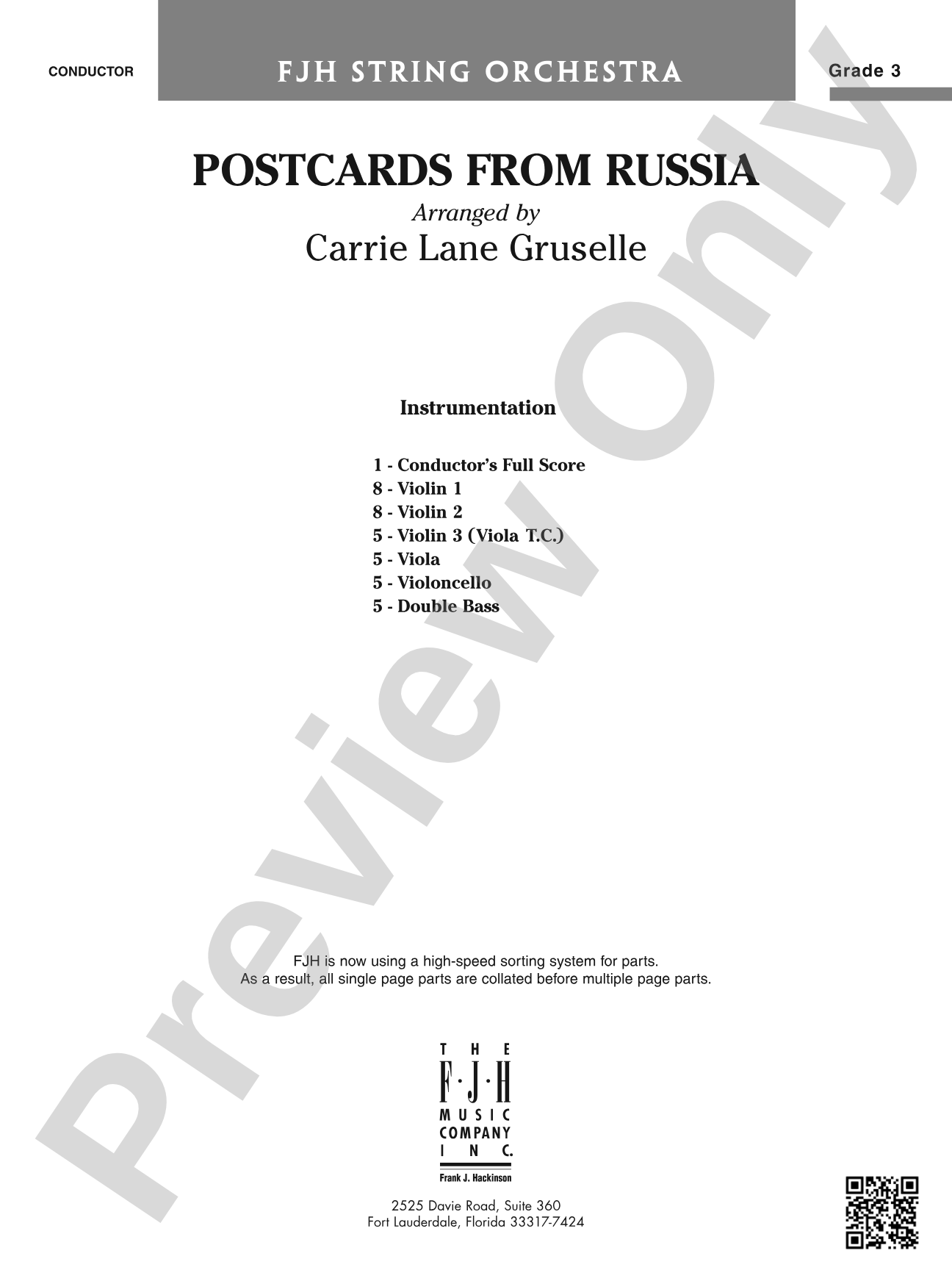

Postcards from Russia: String Orchestra Conductor Score & Parts
Arranged by Carrie Lane Gruselle
Grade: 3
Item: 98-DST6078

$65.00
Pickup currently not available
Buy Extra Parts (Digital PDF Download)
| Product | Price | Quantity |
|---|---|---|
| Postcards from Russia: Score | $10.00 | |
| Postcards from Russia: Violin 1 | $7.00 | |
| Postcards from Russia: Violin 2 | $7.00 | |
| Postcards from Russia: Violin 3 (Viola T.C.) | $7.00 | |
| Postcards from Russia: Viola | $7.00 | |
| Postcards from Russia: Violoncello | $7.00 | |
| Postcards from Russia: Double Bass | $7.00 |
Parts Added to Cart!
Description
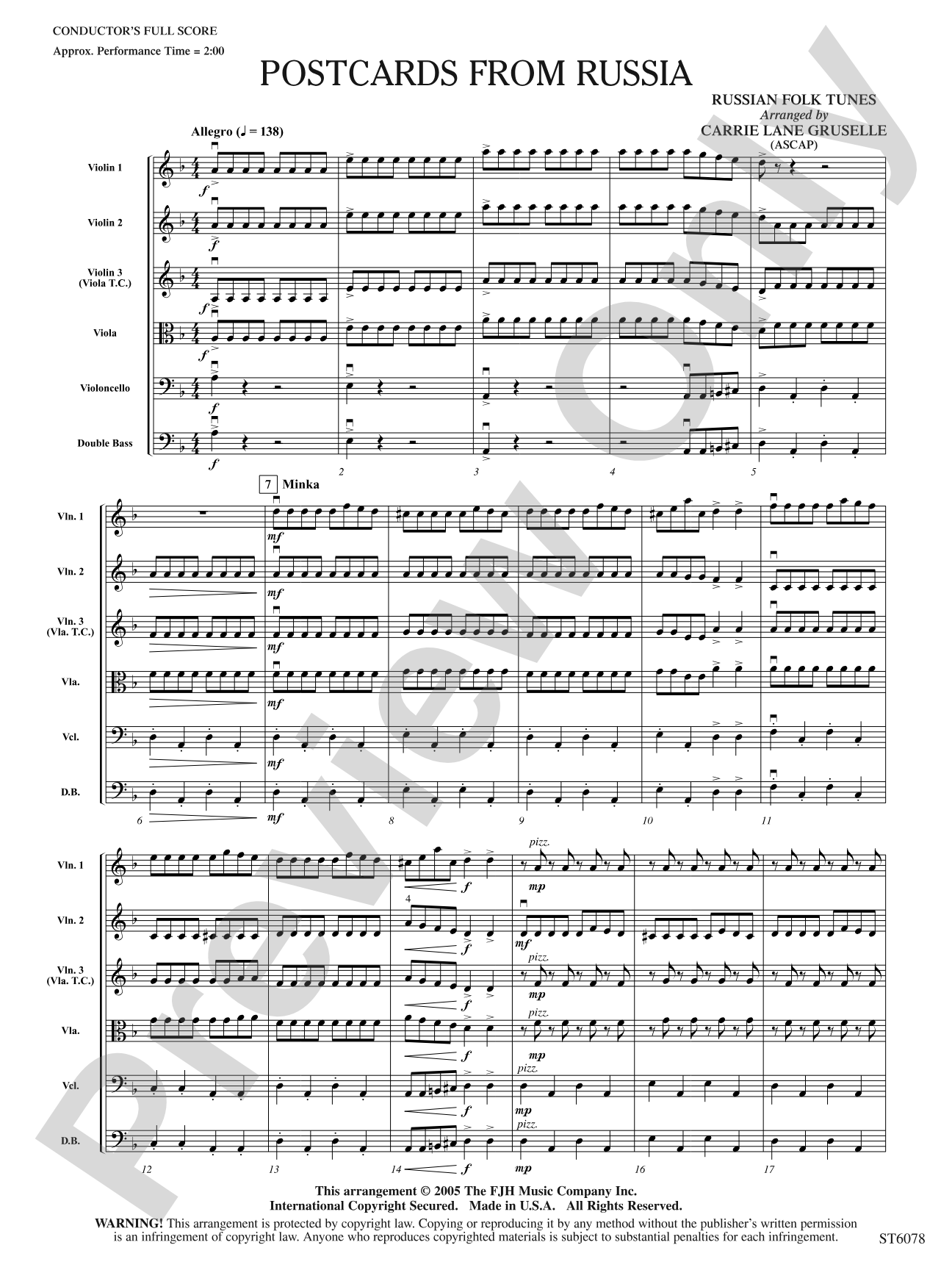
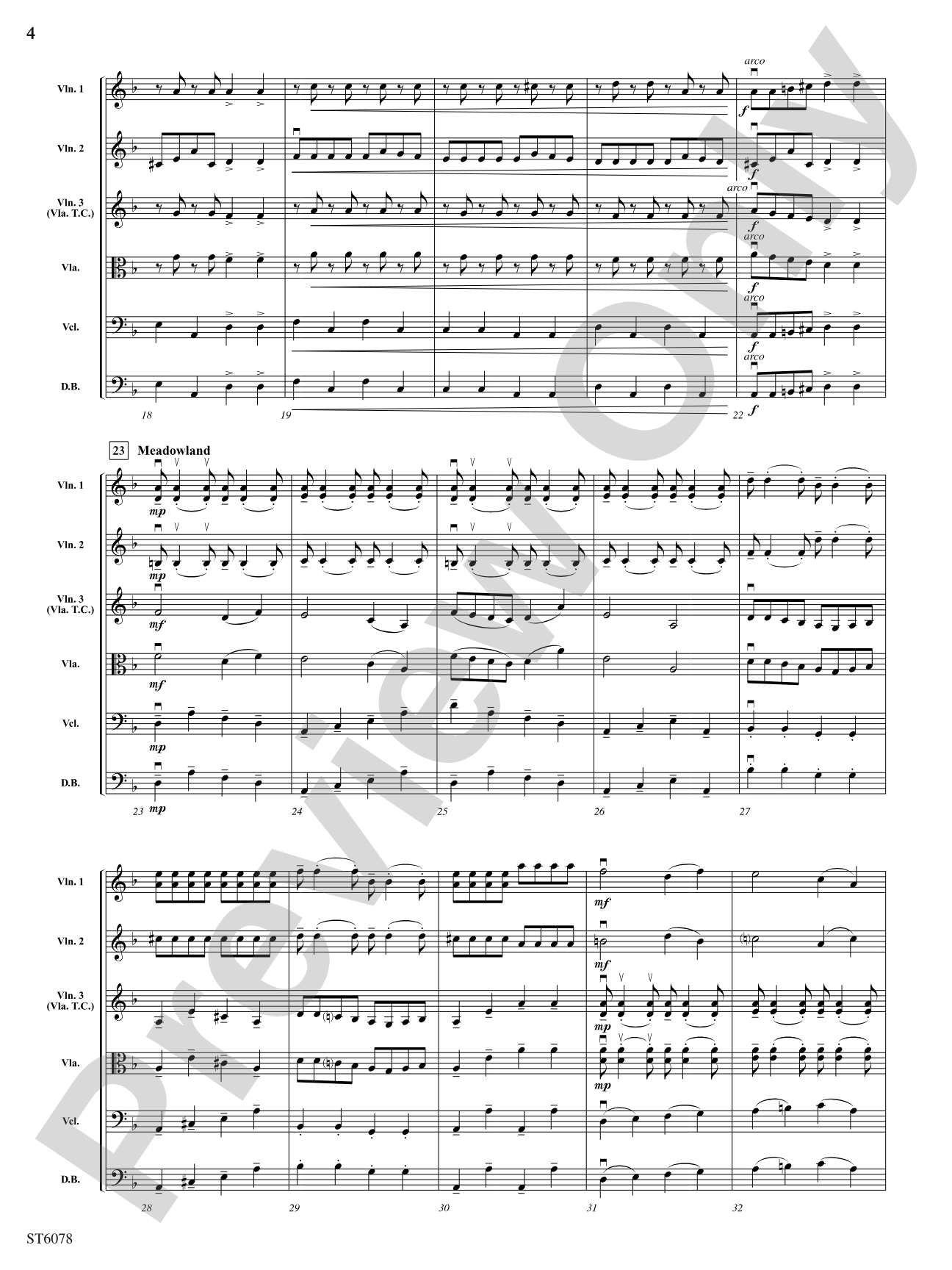
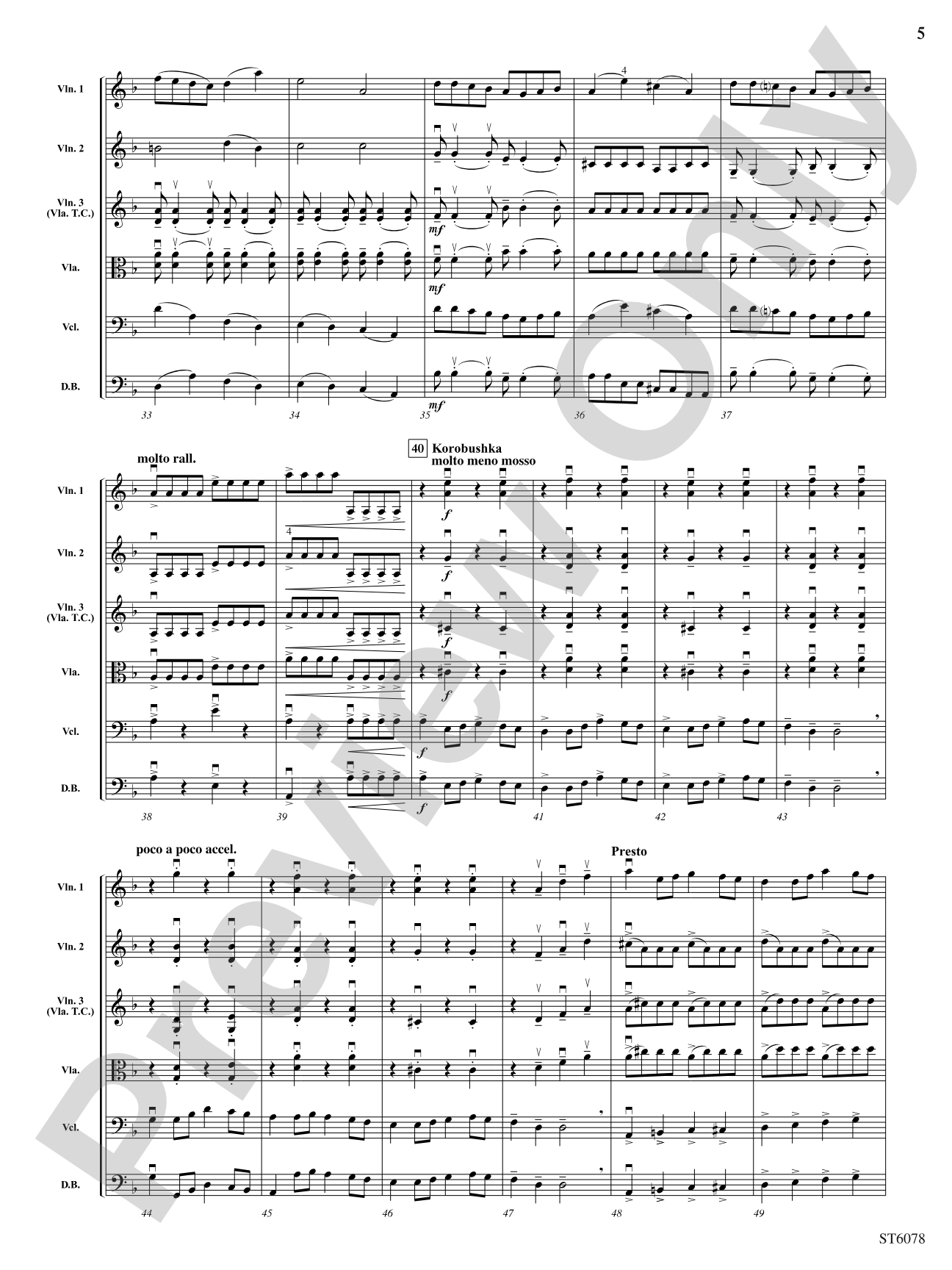
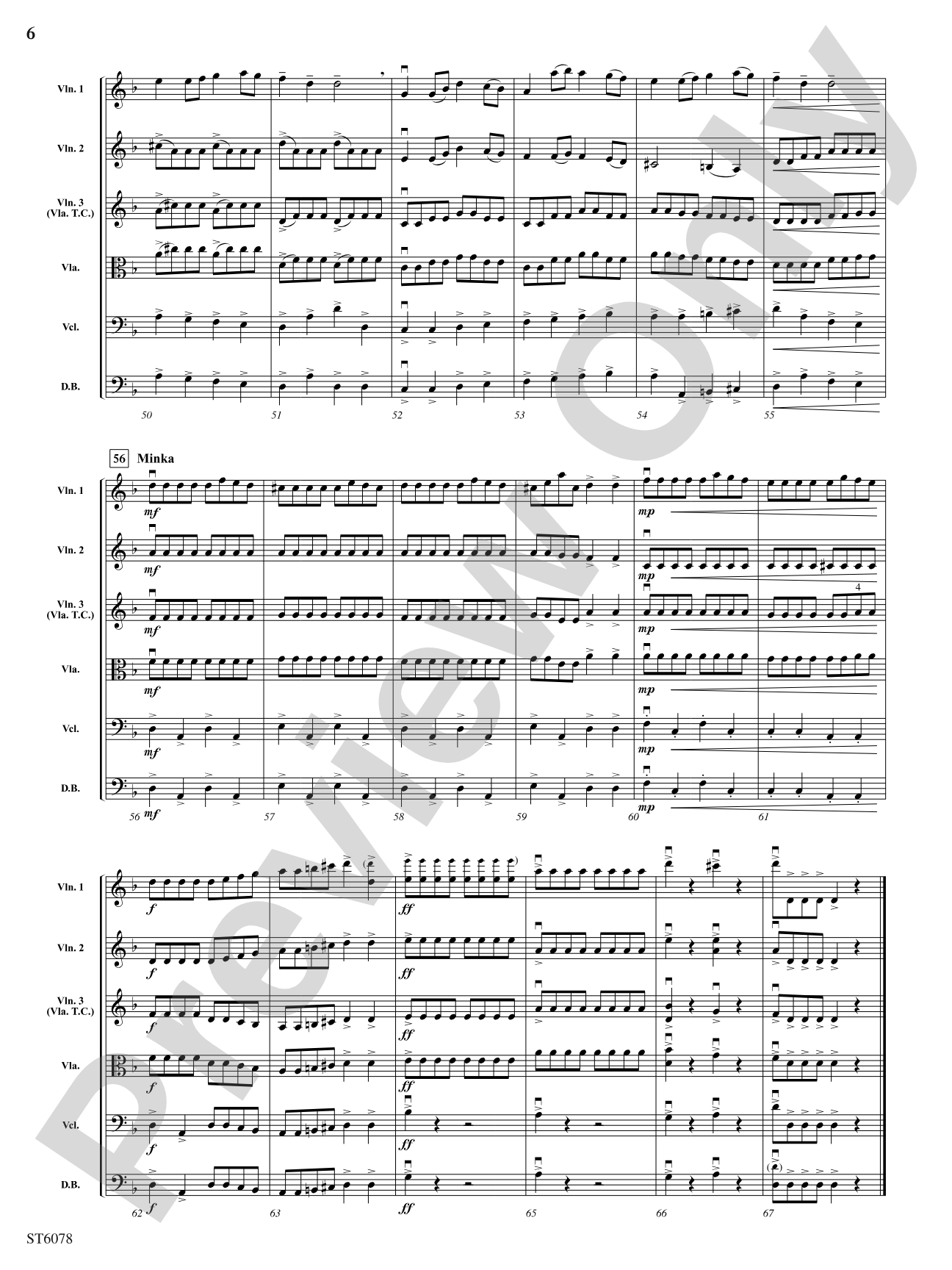
Your students will experience a wide variety of articulations, dynamics, and tempo changes in this medley of folk tunes from Russia. Included are Minka, Meadowland and Korobushka. A great chance to work in the key of D minor, this arrangement is sure to be a hit with both students and audience!


Don't just read it, hear it, play along with it, and watch your students grow with it. In MakeMusic Cloud, Postcards from Russia: String Orchestra Conductor Score & Parts comes alive with professional accompaniment, adjustable tempo, and built-in practice tools that turn solo practice into real progress.
Open in the Player
Jump straight in and assign it today.
Start Your Free Trial
Open this title and explore the full library in minutes.
Sample Audio
1
Audio File
--:--
0:00
0:00
Sample Video
No sample videos found.
Additional Details
Series:
FJH String Orchestra
Publisher:
The FJH Music Company, Inc.
SKU:
98-DST6078
More about this title
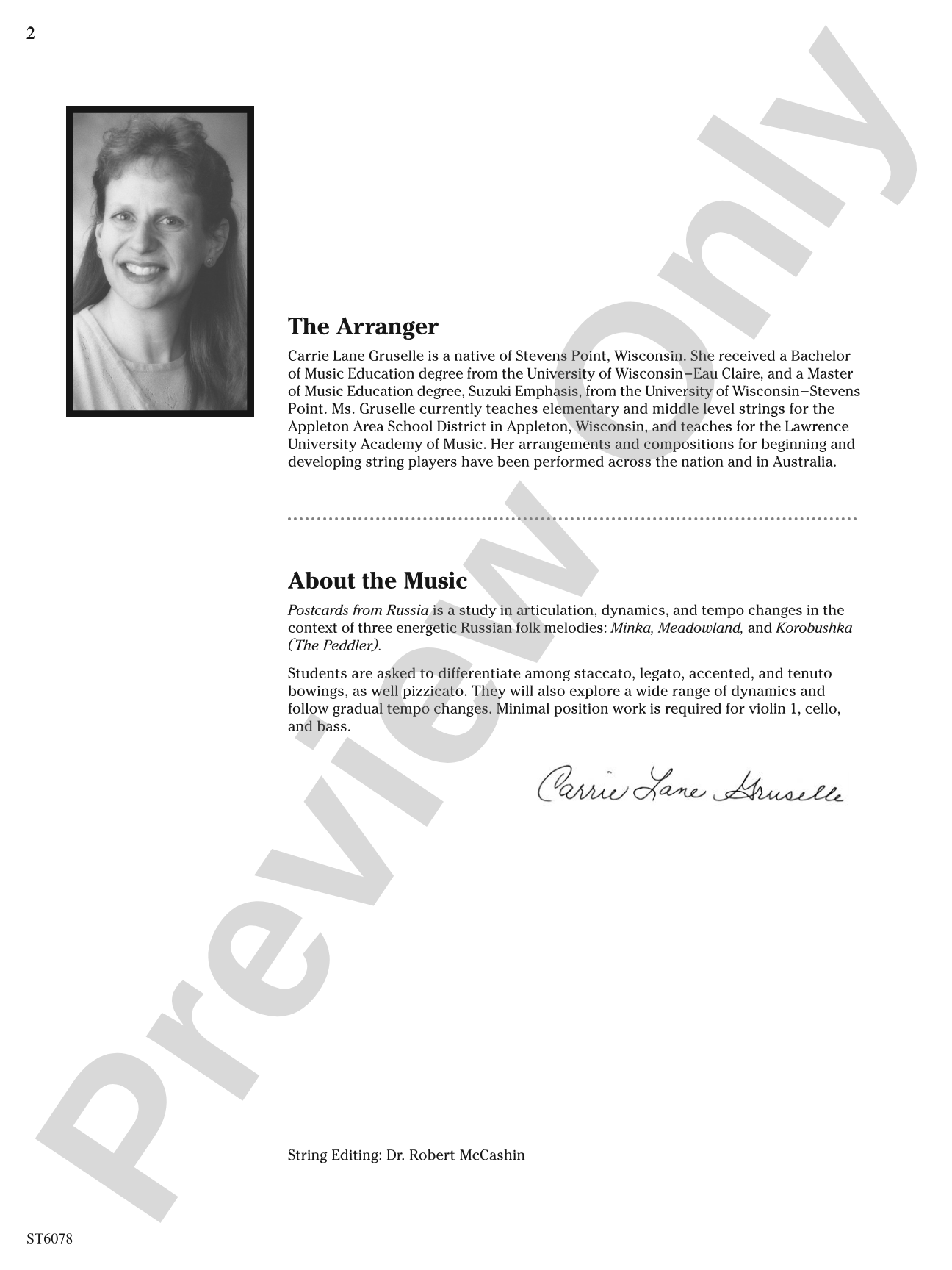
About the Arranger: Carrie Lane Gruselle

Carrie Lane Gruselle earned her Bachelor of Music Education from the University of Wisconsin–Eau Claire and continued her studies at the University of Wisconsin–Stevens Point, where she completed her Master's degree with an emphasis in Suzuki pedagogy. She brings both classroom and private studio experience to her arranging work, having taught elementary and middle school strings in the Appleton Area School District and cello instruction through the Lawrence University Arts Academy in Wisconsin.
Why we love this
Gruselle's arrangement respects the character of these beloved Russian folk melodies while building genuine musical challenges appropriate for advancing orchestras. The medley format keeps energy high across multiple themes, and the deliberate focus on D minor tonality gives students a concrete harmonic anchor while exploring articulation and dynamic control that contest adjudicators notice.
What to expect
Travel through Russia's musical landscape without leaving the concert hall. The melodies carry the distinctive character of Russian folk tradition, with moments of quiet introspection punctuated by spirited rhythmic sections that invite the full ensemble to celebrate together.
Who it's for
String orchestras at the high end of Grade 3 looking for repertoire with genuine musical substance and technical variety. This arrangement works particularly well for programs serving students who have solid fundamentals in position shifts and can manage mixed articulation patterns with precision.
How to get the most out of it
- Shape the dynamic arc across each folk tune rather than treating them as isolated selections; let one melody's final phrase breathe into the next tune's opening gesture.
- Isolate the articulation changes in rehearsal by running short sections at half speed, then gradually bringing tempo up to performance level once bowings lock in.
- Balance the melodic line between first and second violins during transitions; Gruselle's writing passes themes between parts, so both sections must track the musical conversation.
- Draw out the character of D minor through careful attention to vibrato and tone quality, especially in sustained passages where the key's darker quality becomes most apparent.
How to use it
This medley sits perfectly in a spring concert where you want to showcase cultural diversity alongside student growth in technical execution. Its contest appeal makes it a strong choice for festival programs, and the folkloric flavor pairs naturally with other world music selections or can anchor a program themed around international traditions.
Skills your students will build
- Sustaining dynamic control across phrase lengths in a minor tonality
- Executing mixed articulations (legato, staccato, marcato) with consistency
- Following tempo changes and navigating transitions between distinct thematic sections
- Balancing melodic lines between first and second violins during interweaving passages
- Intonation accuracy in D minor with attention to leading tones and harmonic function