
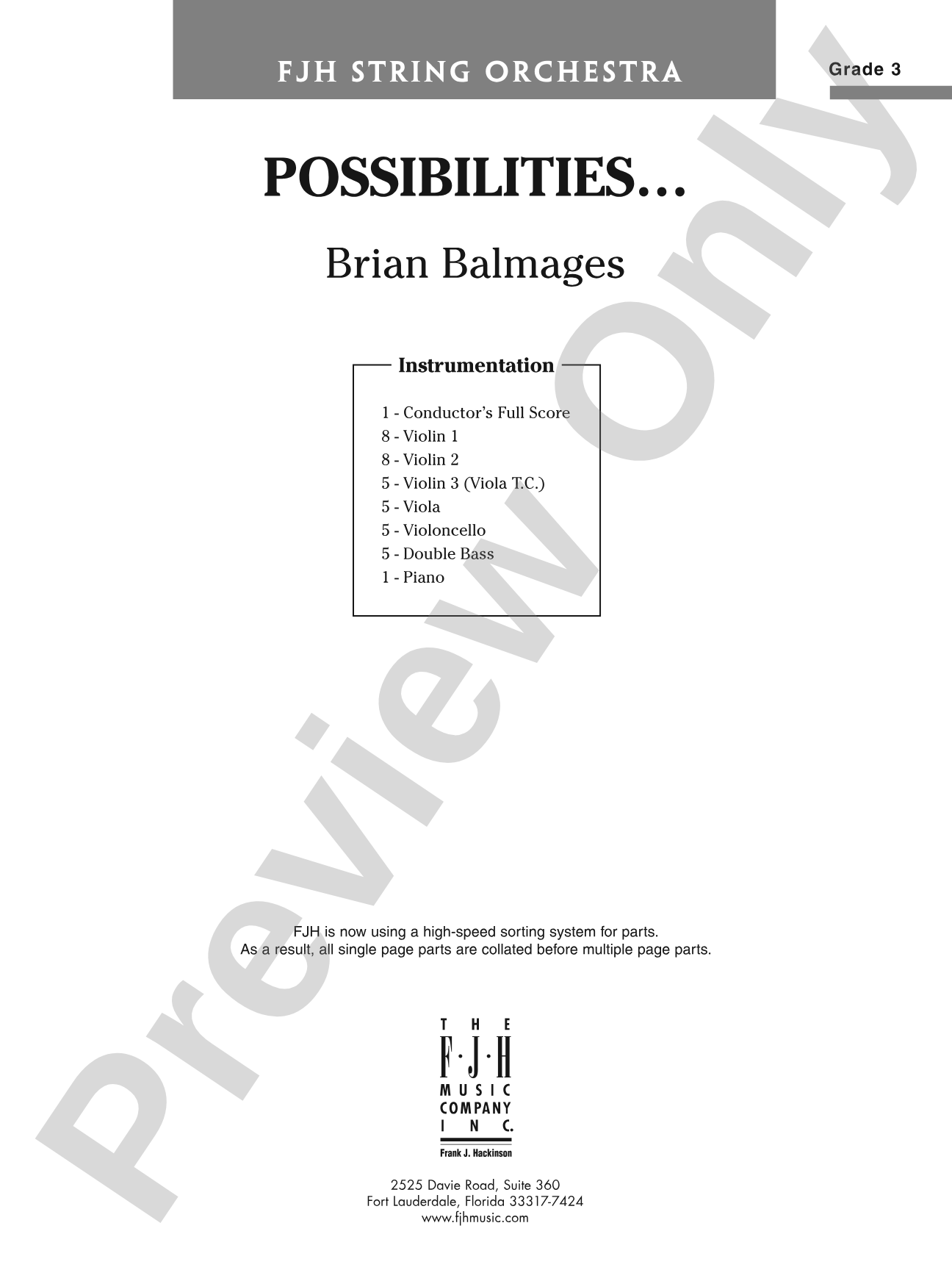
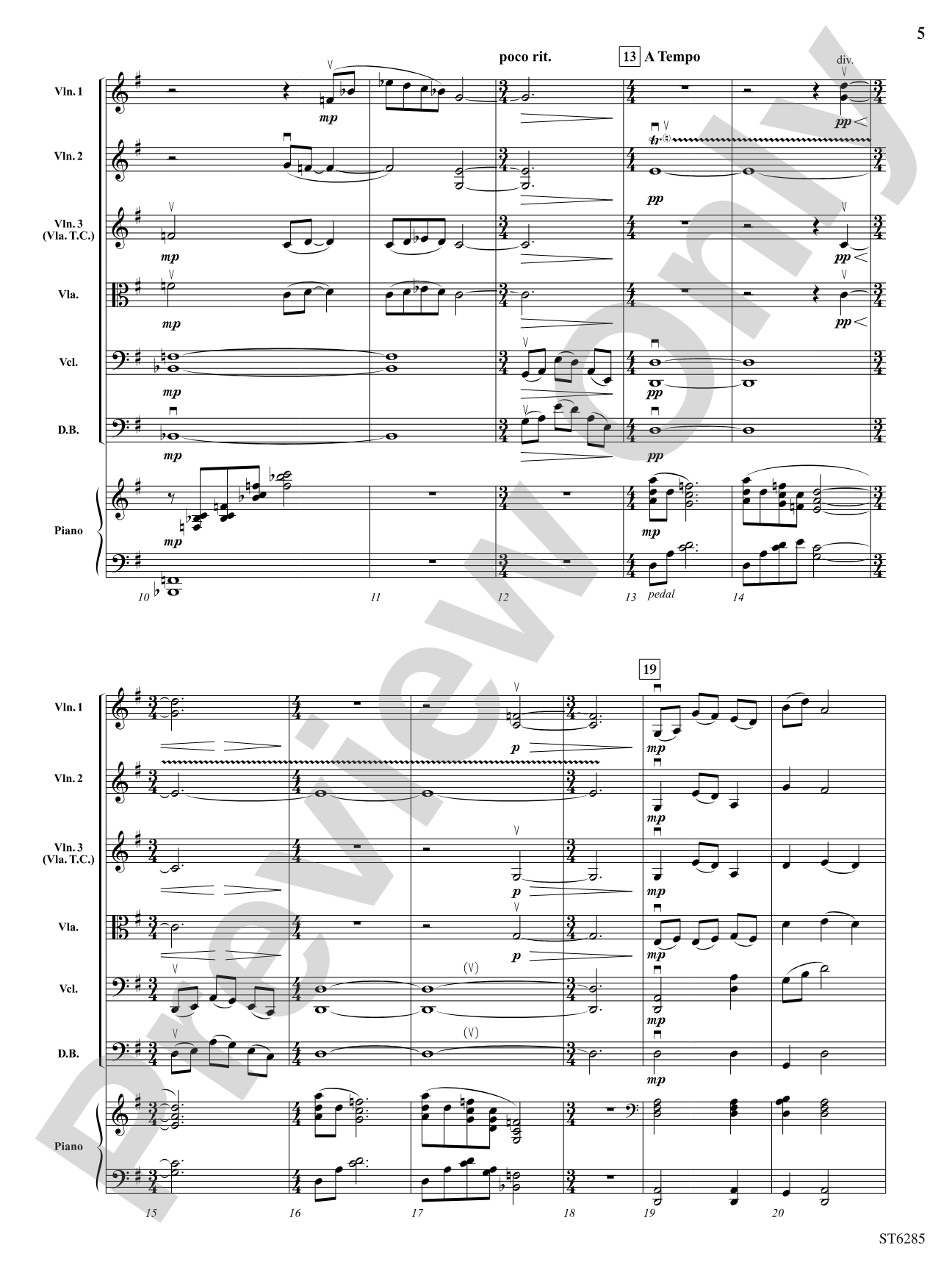
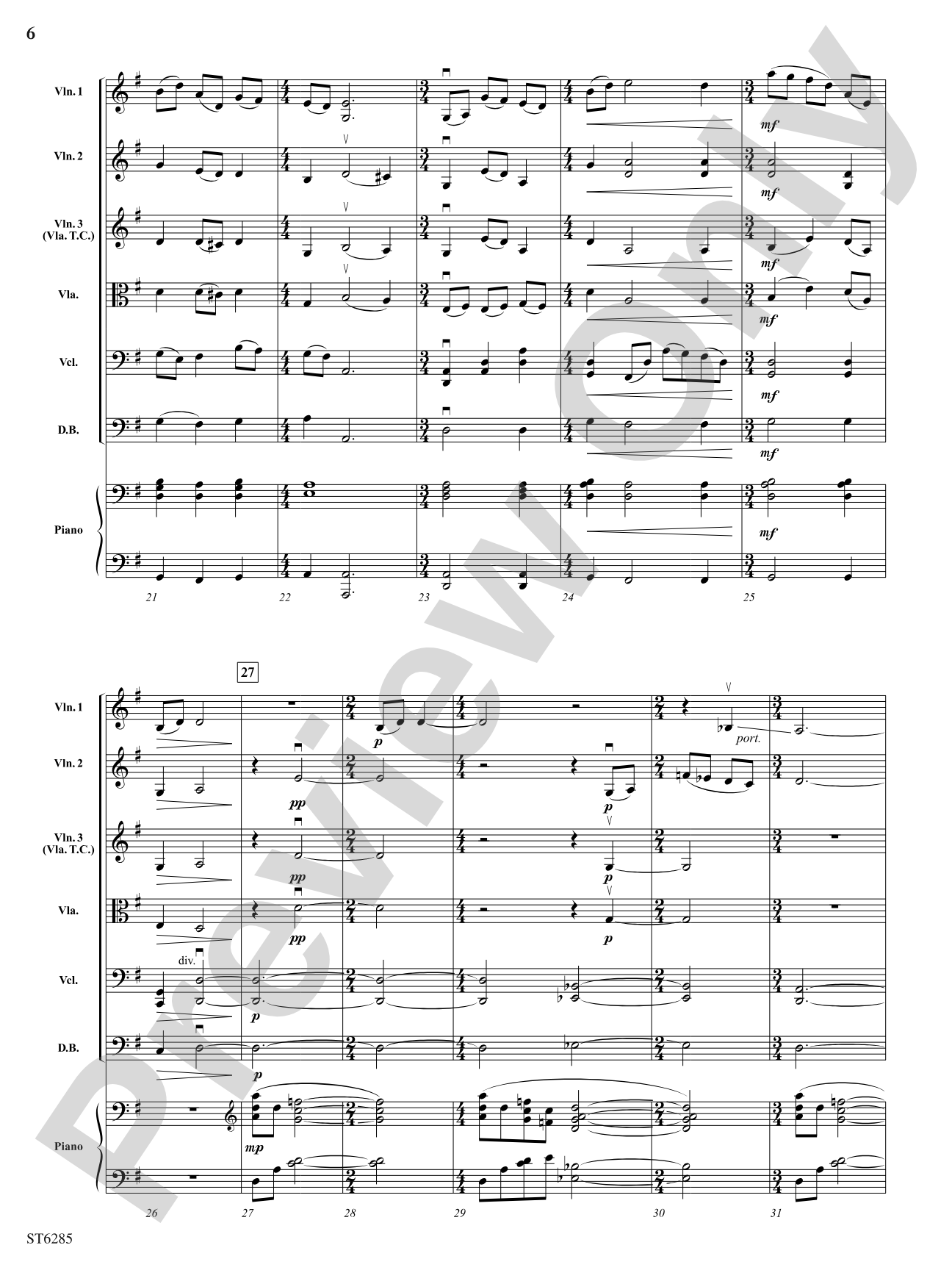
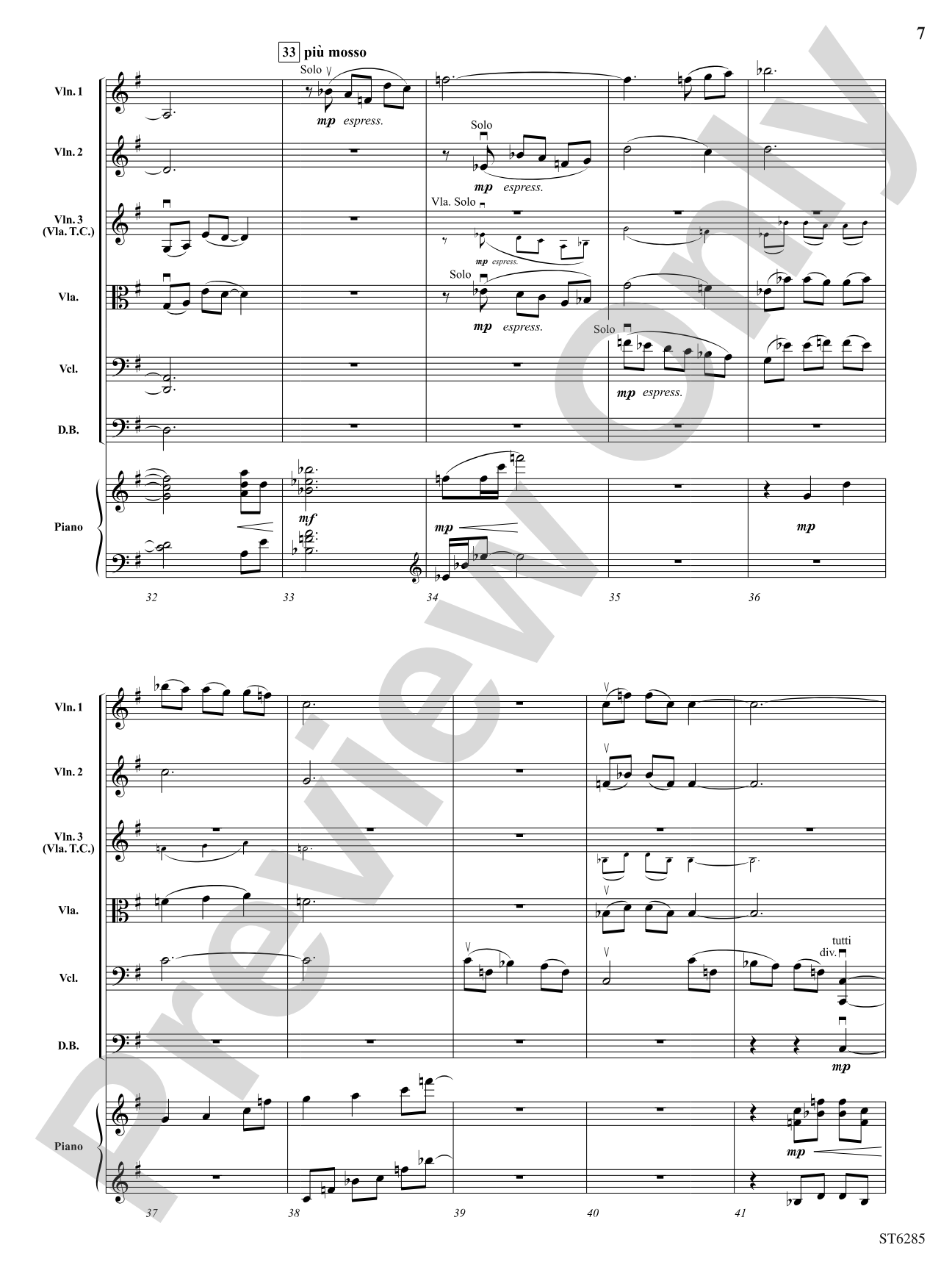
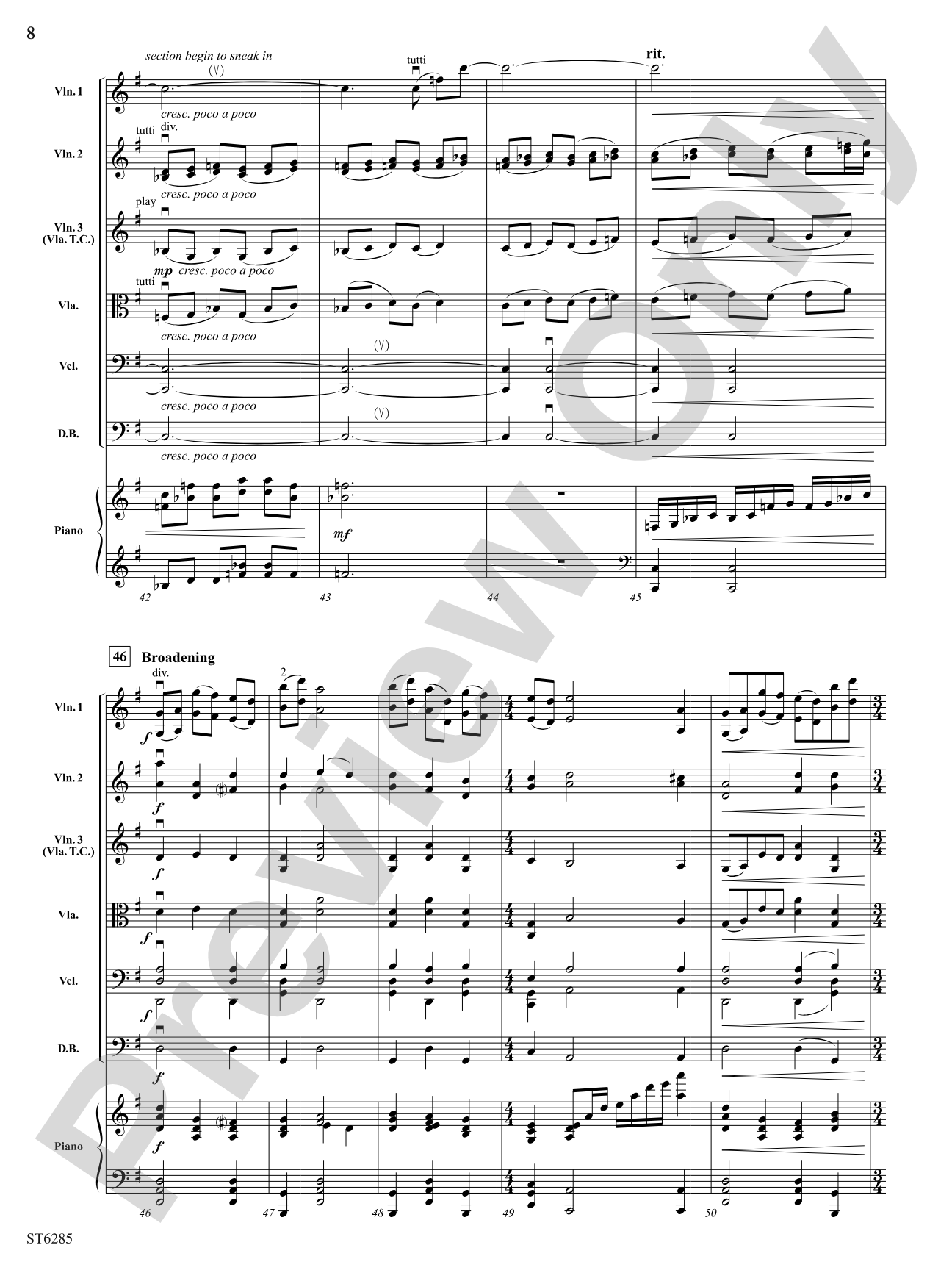

Possibilities...: String Orchestra Conductor Score & Parts
By Brian Balmages
Grade: 3
Item: 98-DST6285

$60.00
Pickup currently not available
Buy Extra Parts (Digital PDF Download)
| Product | Price | Quantity |
|---|---|---|
| Possibilities...: Score | $5.00 | |
| Possibilities...: Violin 1 | $7.00 | |
| Possibilities...: Violin 2 | $7.00 | |
| Possibilities...: Violin 3 (Viola T.C.) | $7.00 | |
| Possibilities...: Viola | $7.00 | |
| Possibilities...: Violoncello | $7.00 | |
| Possibilities...: Double Bass | $7.00 | |
| Possibilities...: Piano | $7.00 |
Parts Added to Cart!
Description
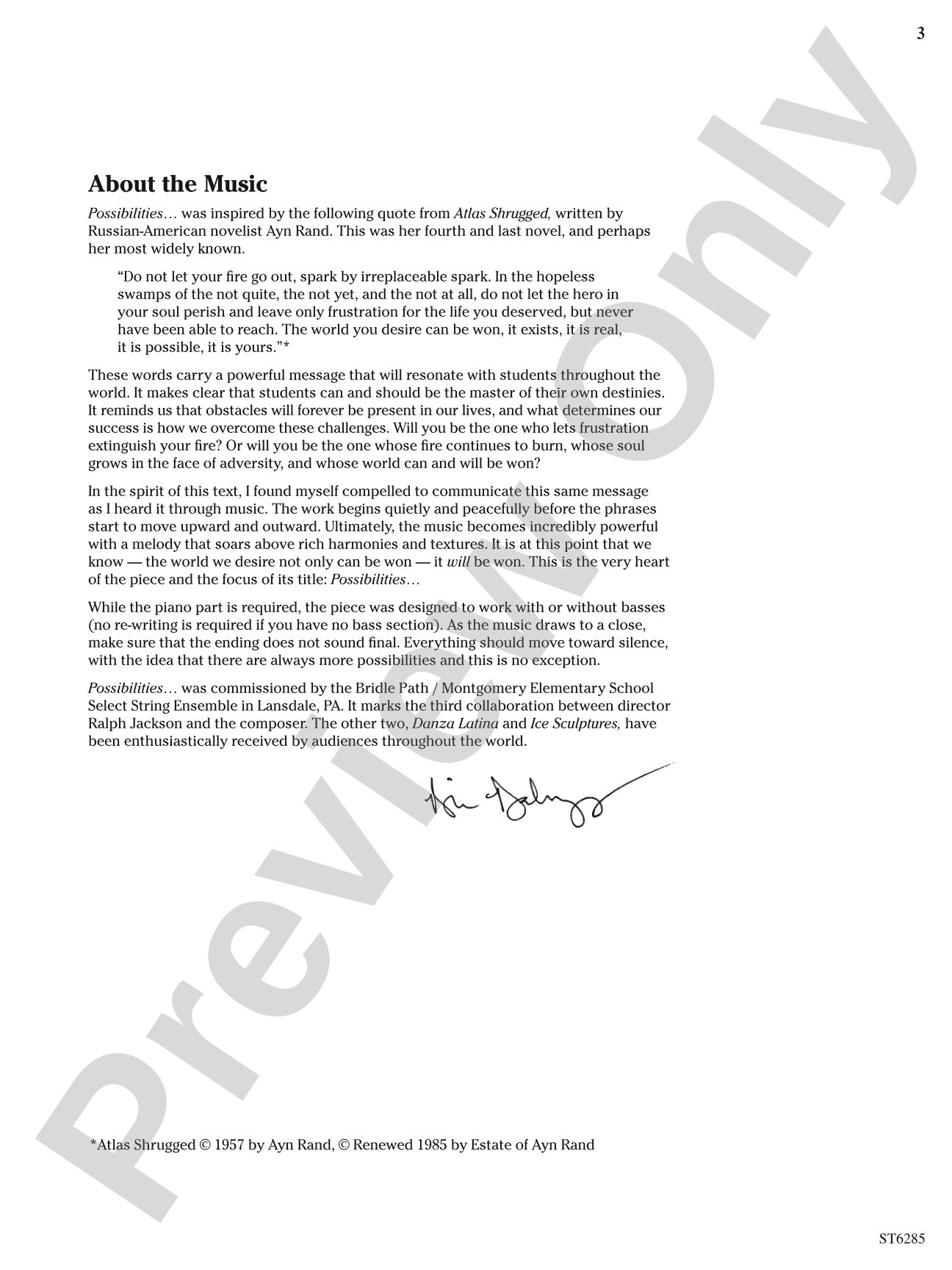
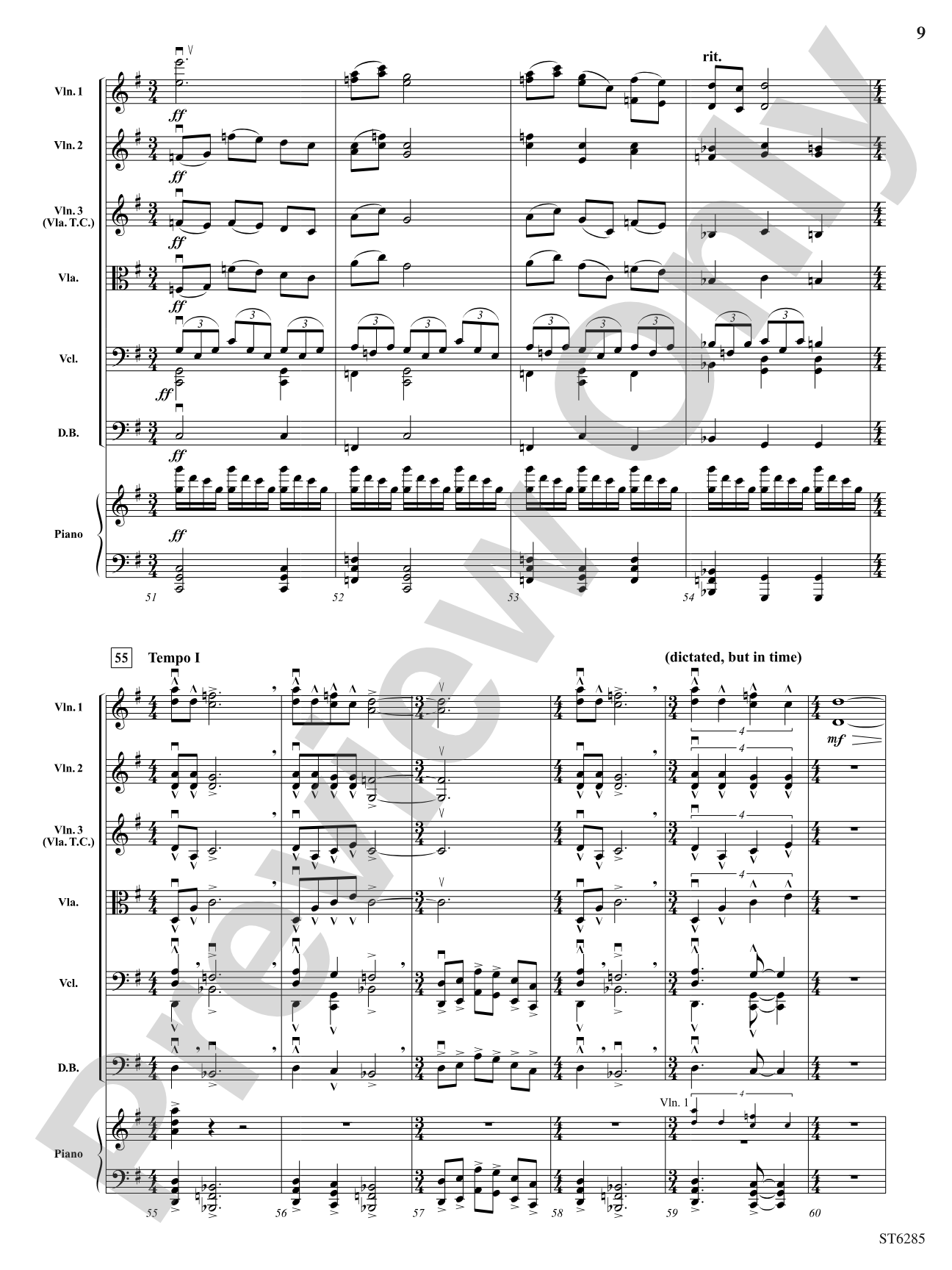
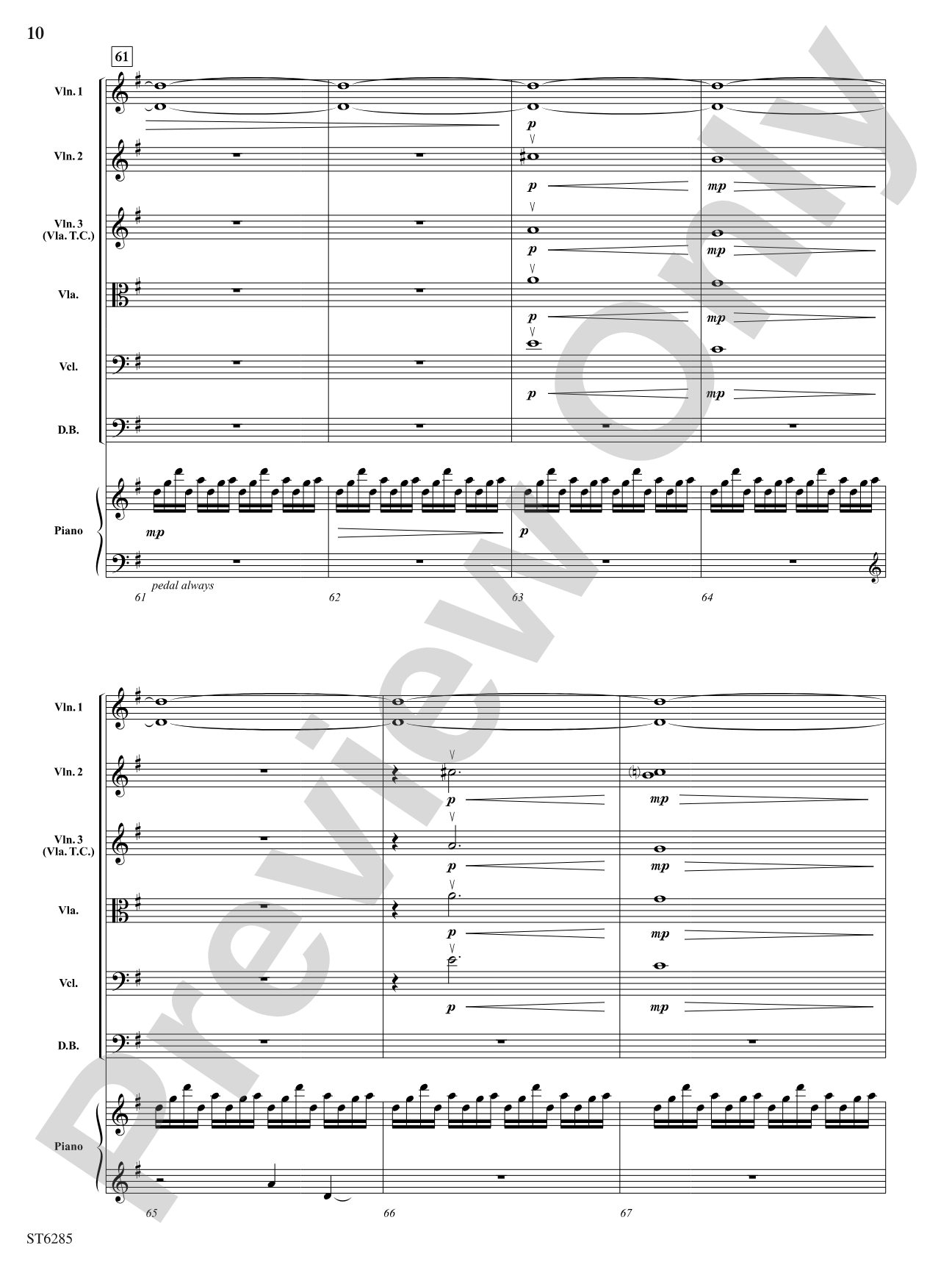
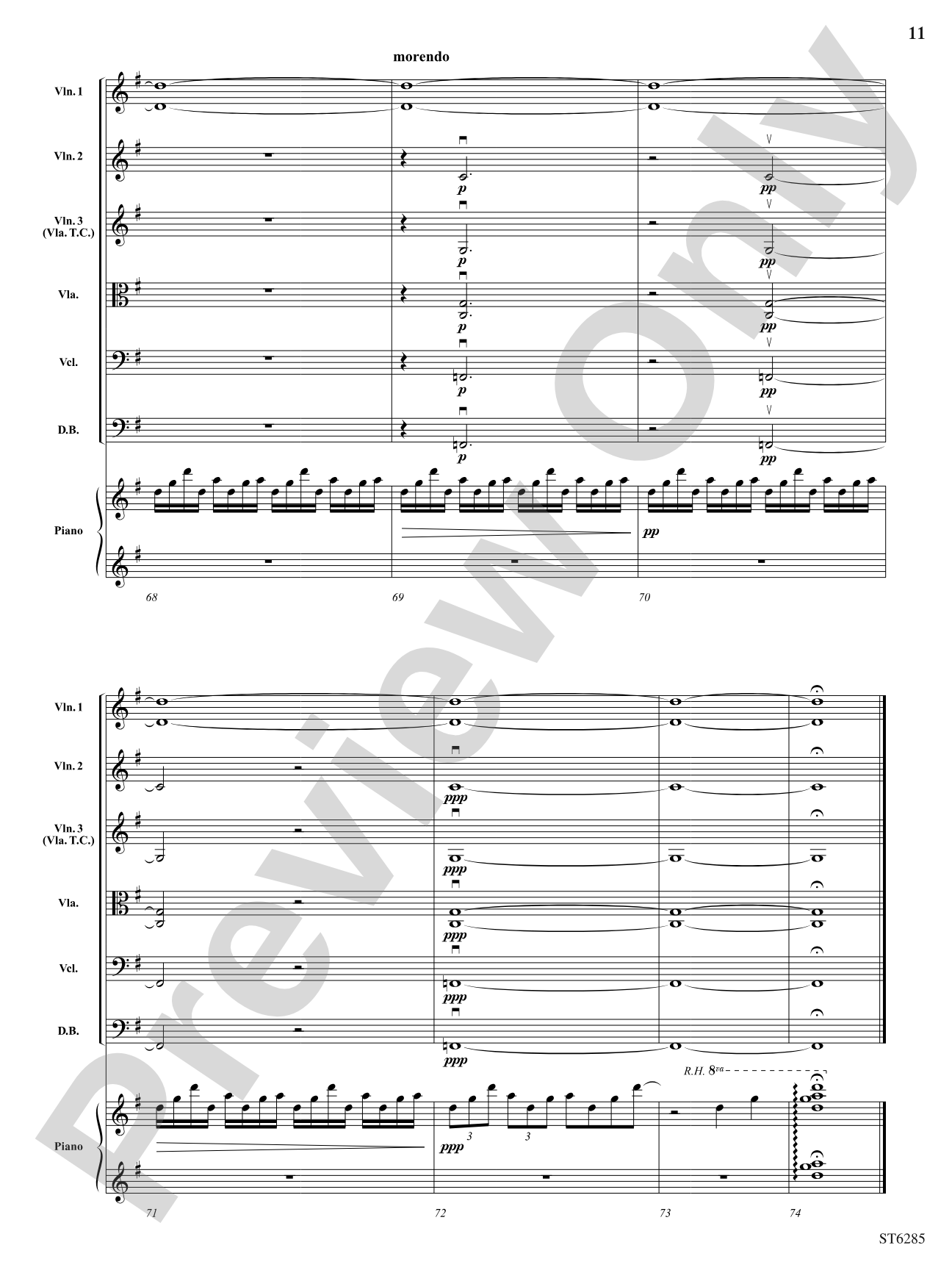
Take your ensemble to the next musical level with this inspirational work based on a powerful quote by Russian-American novelist Ayn Rand. Scored for strings and piano, the long, lyrical lines remind us that we should never give up our dreams - they do exist, and they are possible. An emotional and stunning masterpiece.


Don't just read it, hear it, play along with it, and watch your students grow with it. In MakeMusic Cloud, Possibilities...: String Orchestra Conductor Score & Parts comes alive with professional accompaniment, adjustable tempo, and built-in practice tools that turn solo practice into real progress.
Open in the Player
Jump straight in and assign it today.
Start Your Free Trial
Open this title and explore the full library in minutes.
Sample Audio
1
Audio File
--:--
0:00
0:00
Sample Video
No sample videos found.
Additional Details
Series:
FJH String Orchestra
Publisher:
The FJH Music Company, Inc.
SKU:
98-DST6285
More about this title
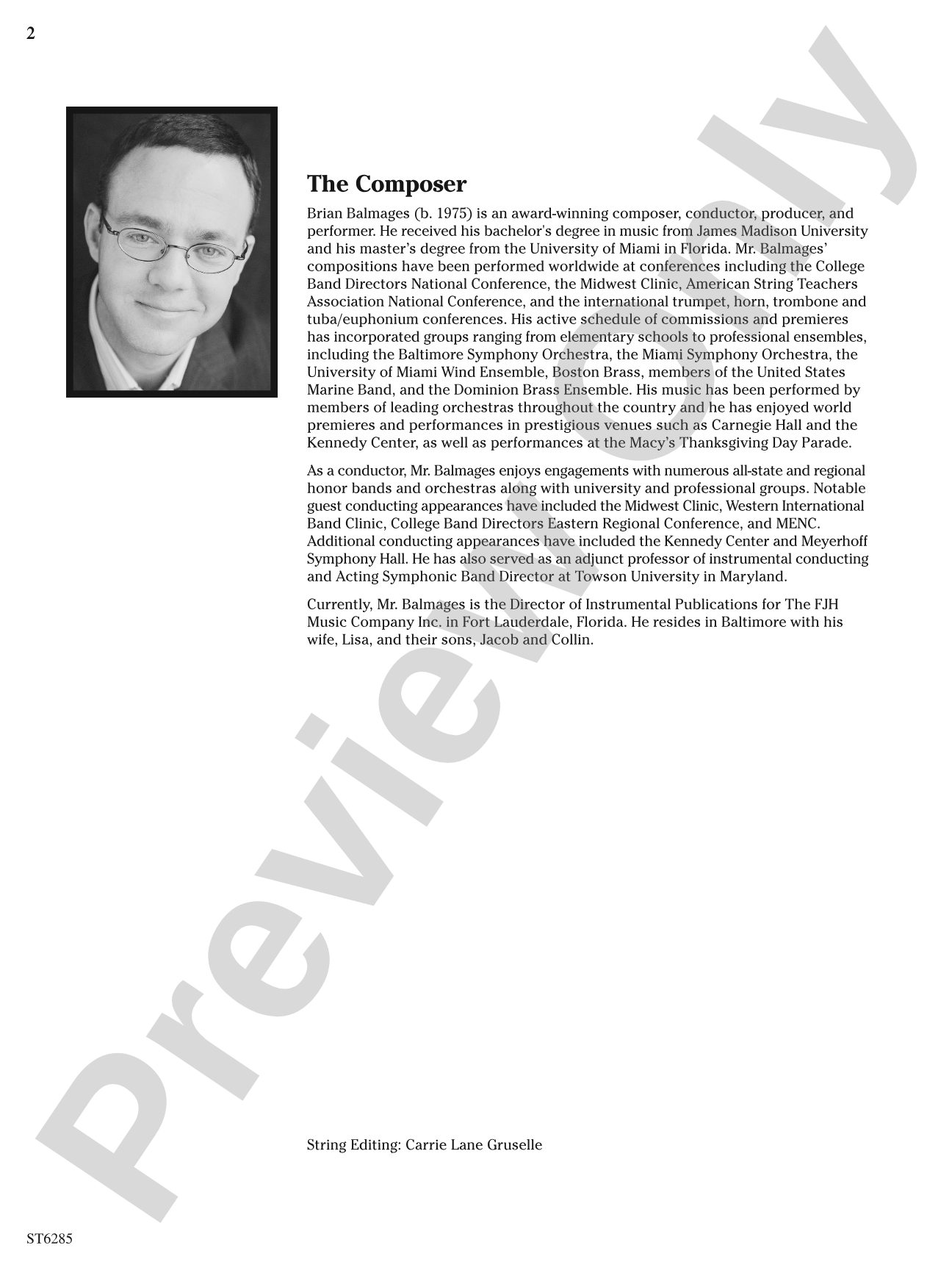
About the Composer: Brian Balmages

Brian Balmages has built an international reputation as a composer and conductor working across orchestral, band, and chamber idioms. His works have been performed by ensembles at every level, from professional orchestras at Carnegie Hall and the Kennedy Center to school groups around the world. He received the A. Austin Harding Award from the American School Band Directors Association and won the 2020 NBA William D. Revelli Composition Contest for Love and Light. He serves as an elected member of the American Bandmasters Association.
Balmages holds degrees from James Madison University and the University of Miami, where he received the inaugural Distinguished Alumni Award and later was commissioned to compose for the university's presidential inauguration. His music appeared in the 2013 Presidential Inaugural Prayer Service. As a guest conductor, he regularly works with all-state and regional ensembles, university orchestras, and professional groups internationally, with notable appearances at the Midwest Clinic, Western International Band Clinic, and ASTA conferences.
Why we love this
Balmages has a gift for writing string music that sings without asking the impossible of developing players. The lyrical architecture here gives ensemble members something genuinely expressive to play for, making rehearsals about musical communication rather than technical grinding. The thematic simplicity and emotional directness make it perfect for concert programming that moves an audience.
What to expect
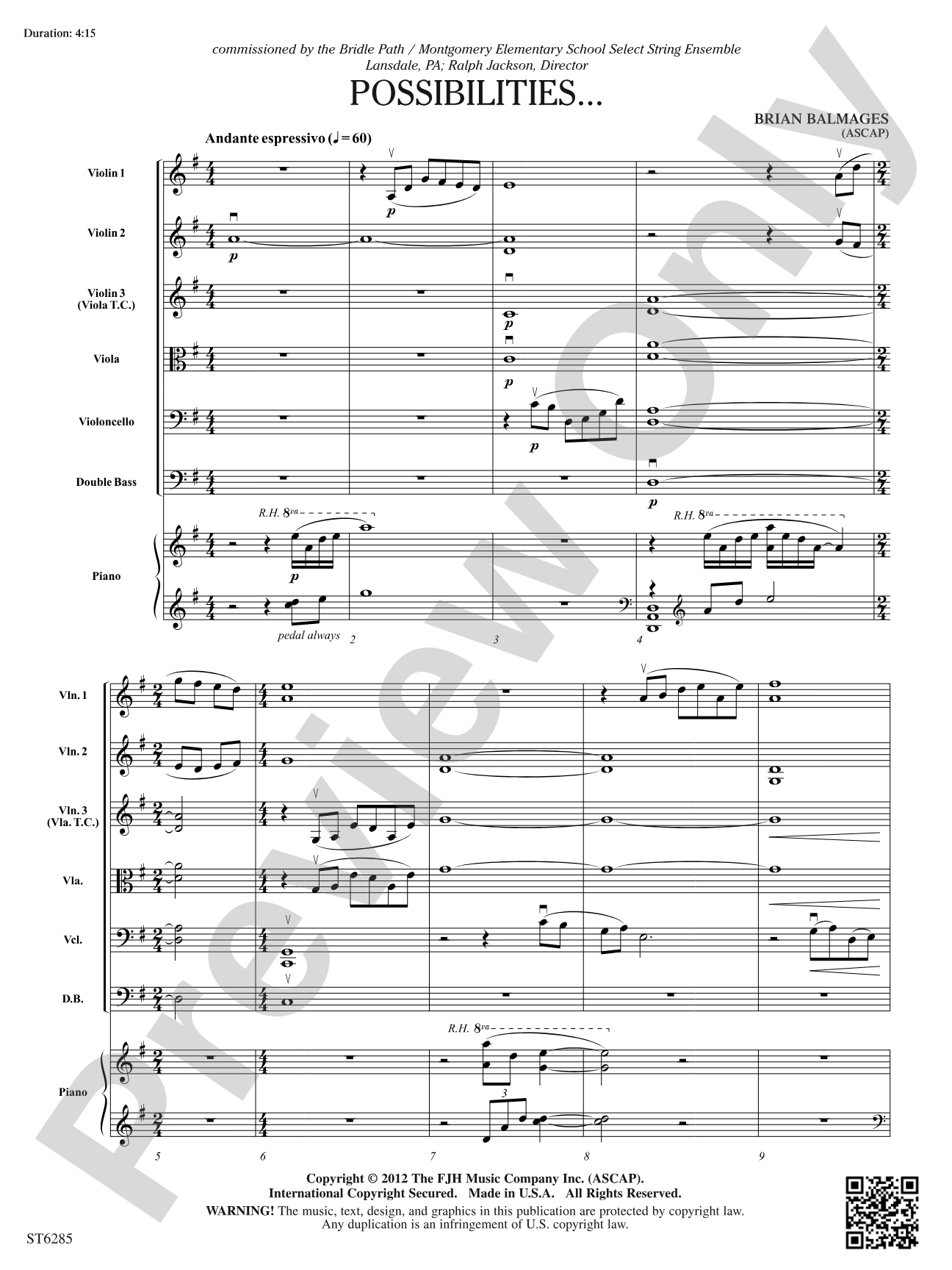
Possibilities opens with spacious, lyrical writing that unfolds like a quiet conviction. The extended melodic lines create a reflective quality, contemplative yet hopeful, supported by the piano's gentle harmonic bed. You'll hear the piece as earnest and aspirational, with the orchestration reinforcing a sense of possibility rather than urgency.
Who it's for
String orchestras at the intermediate level (Grade 3) seeking an accessible yet emotionally substantive work for concerts or festivals. This piece works for groups with developing intonation and bow control who are ready to work on musical expression beyond technical facility.
How to get the most out of it
- Shape the long lines by thinking in phrases that breathe, not measure-by-measure units. Cue the piano entrance carefully to ensure it supports rather than overshadows the string melody.
- Balance the lower strings so they provide harmonic foundation without muddying the soaring violins. A touch of vibrato goes far in this texture.
- Let the slower tempos settle in your rehearsals. Younger ensembles often rush when handling space and lyricism; use sectionals to build confidence in the longer note values.
- The motivic material is direct enough to be memorable, so students will engage with nuance faster than in more intricate works. Reward that engagement with expressive freedom in performance.
How to use it
Program this as a thoughtful concert centerpiece alongside lighter, faster works to showcase your ensemble's range. The inspirational text and emotional accessibility make it ideal for end-of-year concerts, contests, or festival showcases where you want to leave an audience with something moving. The Grade 3 difficulty keeps rehearsal time manageable while the musical maturity impresses.
Skills your students will build
- Sustaining long melodic lines with attention to tone quality and intonation
- Balance between string parts and accompaniment
- Responding to larger phrase architecture rather than individual measures
- Expressive vibrato control
- Ensemble cohesion at slower tempos