
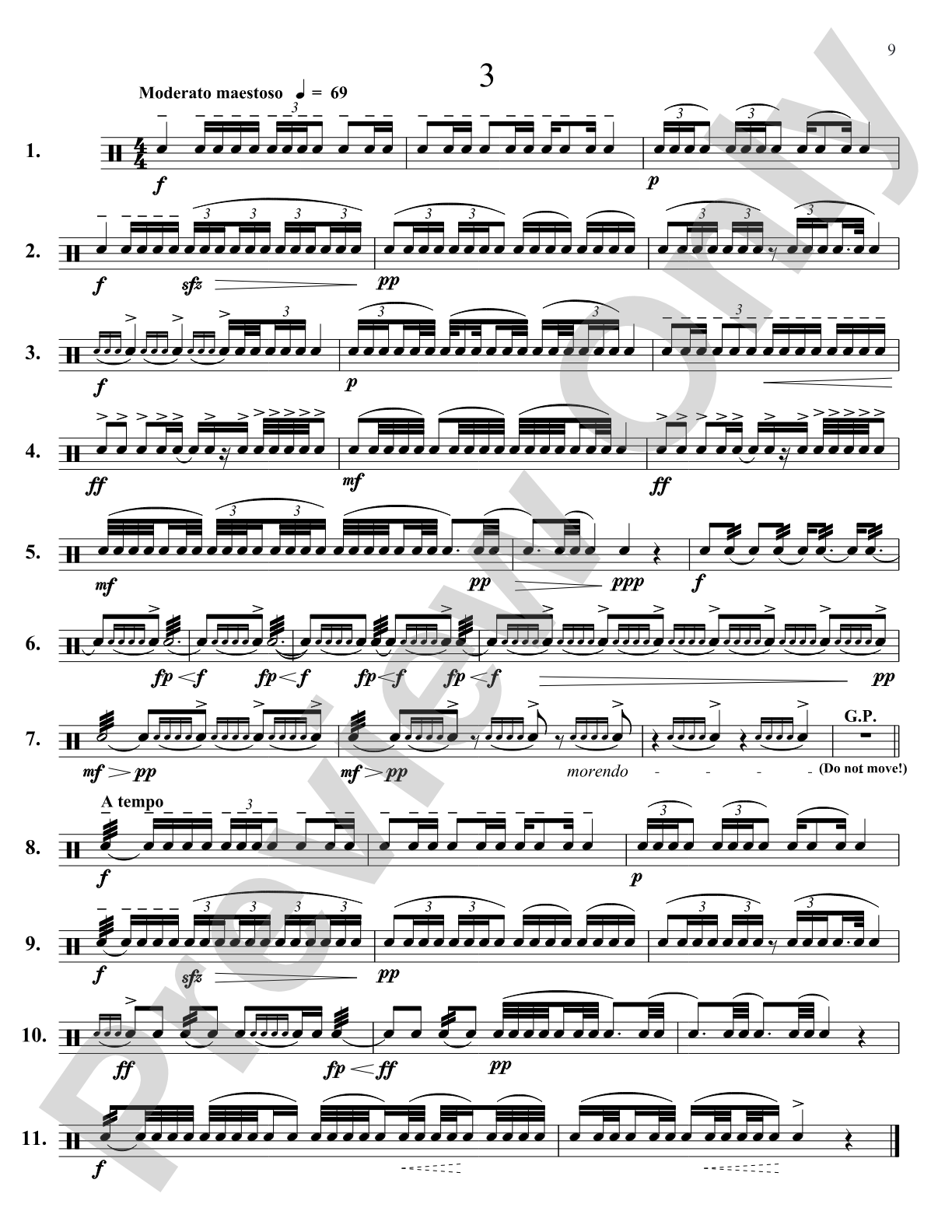
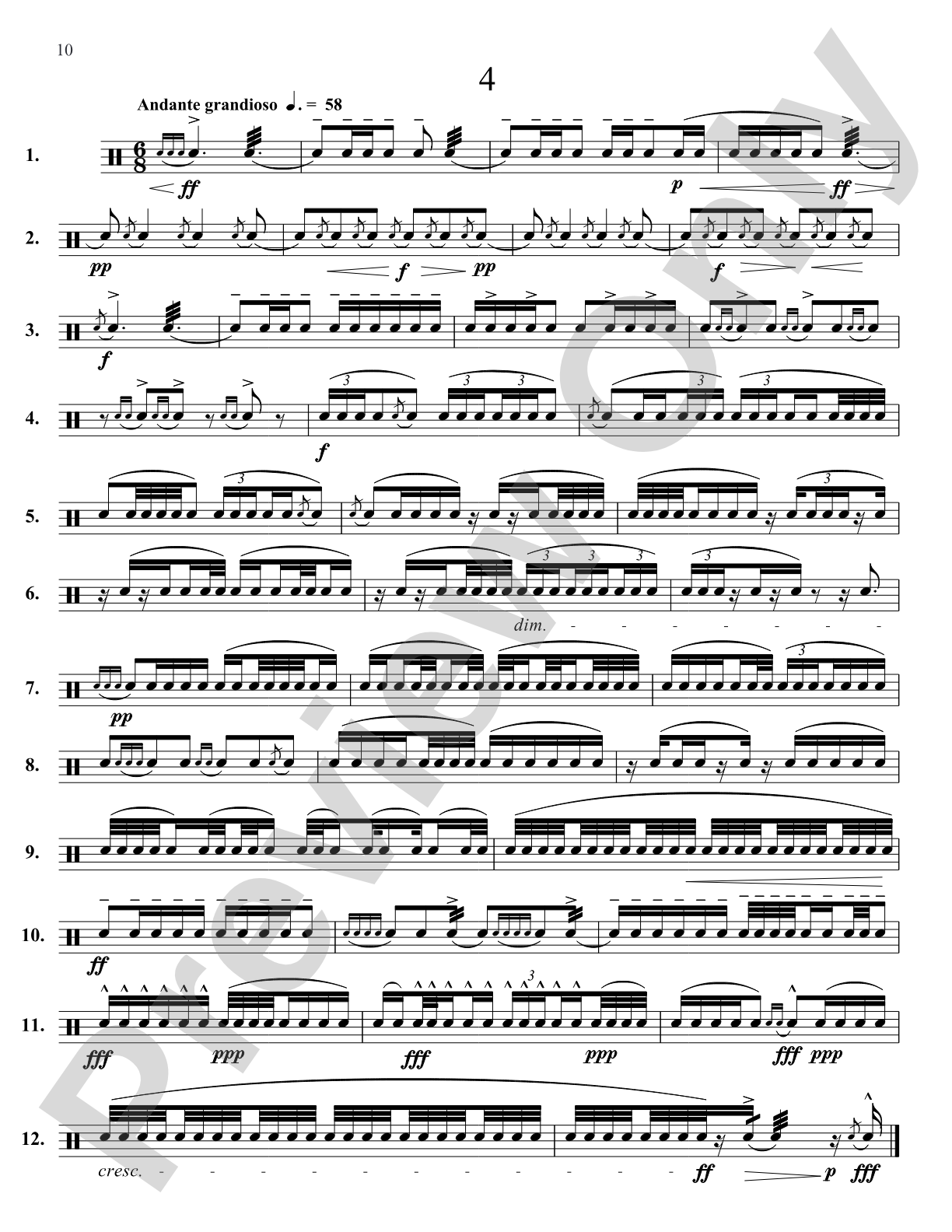
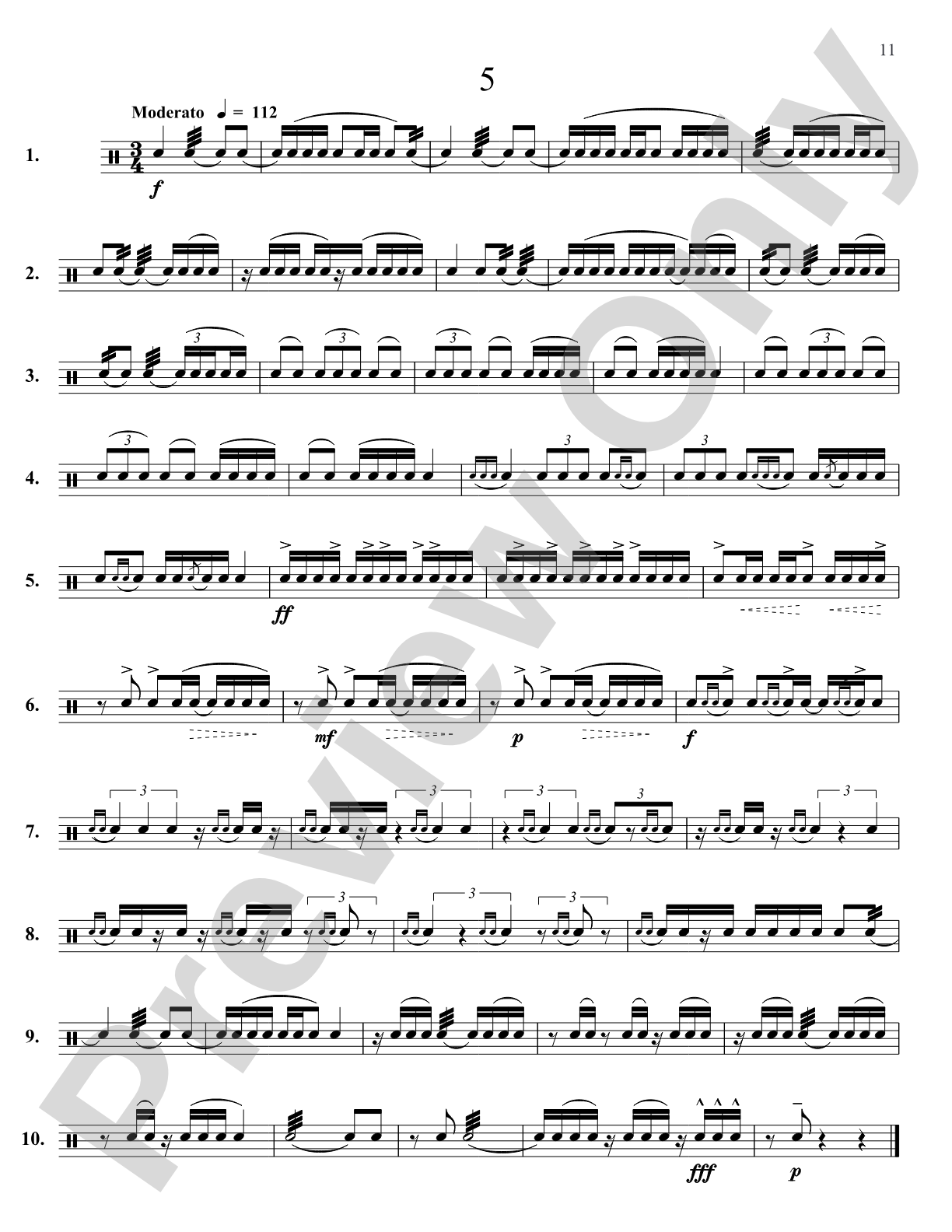
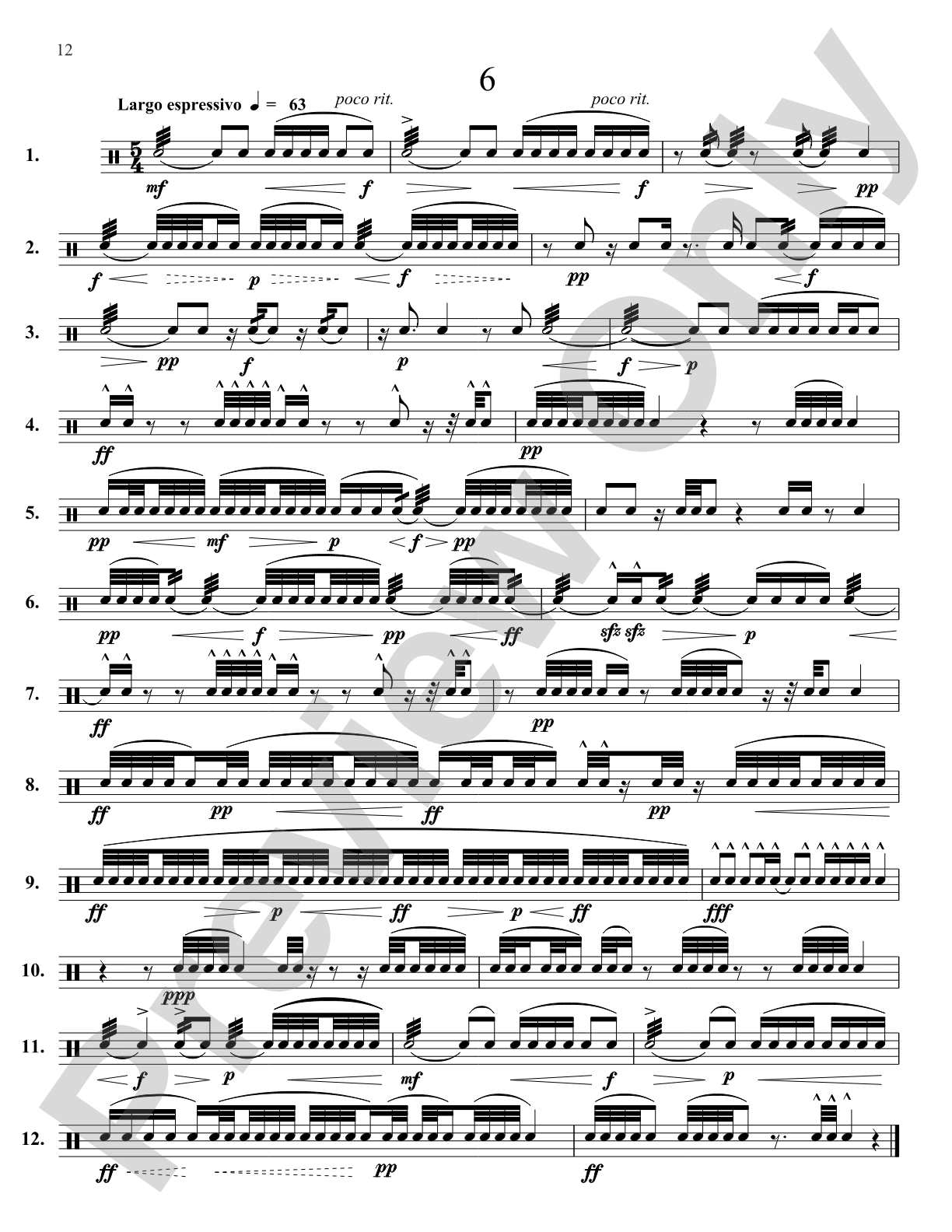

Portraits in Rhythm: Advanced Edition: Percussion Ensemble
By Anthony J. Cirone
Item: 00-PS-0016092
$9.99
Pickup currently not available
Description
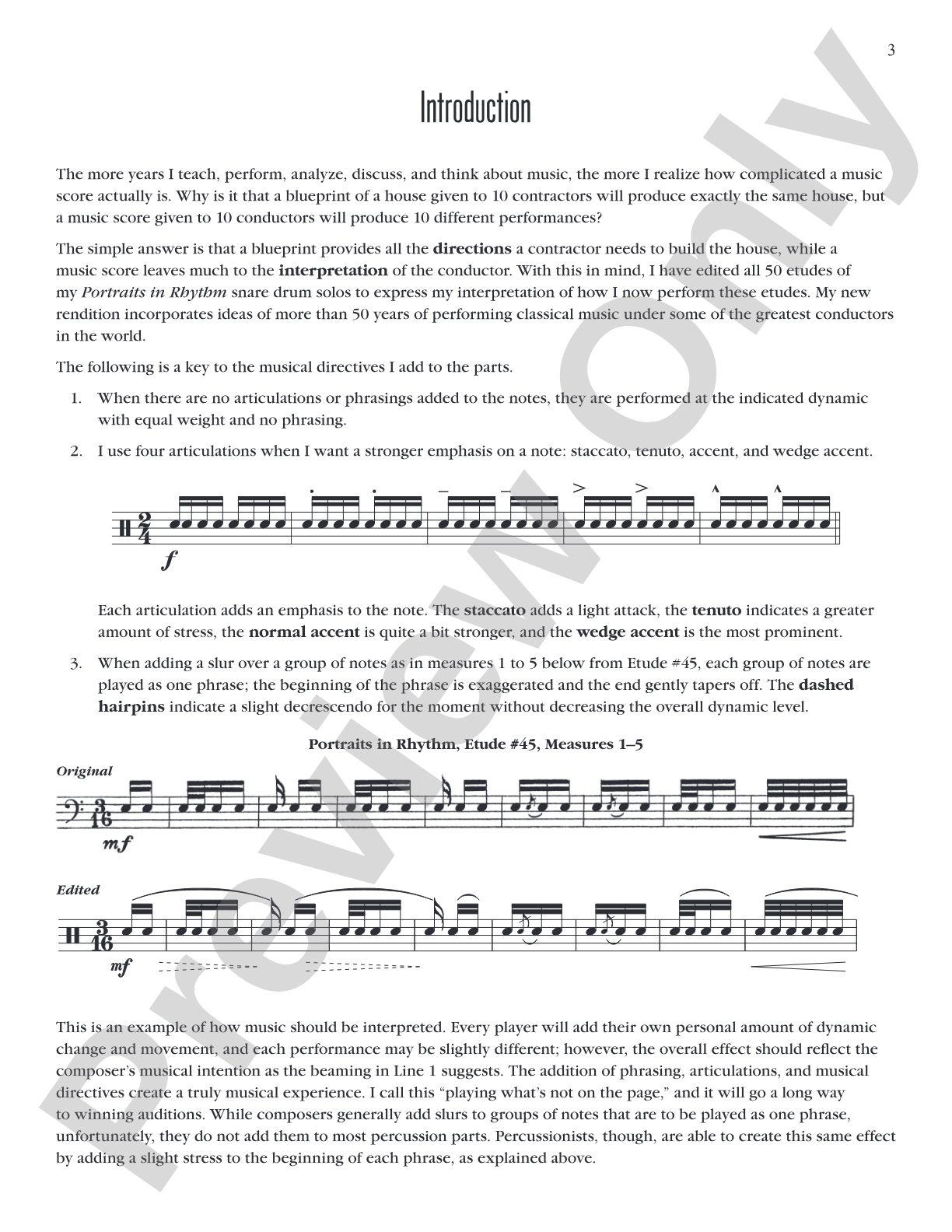
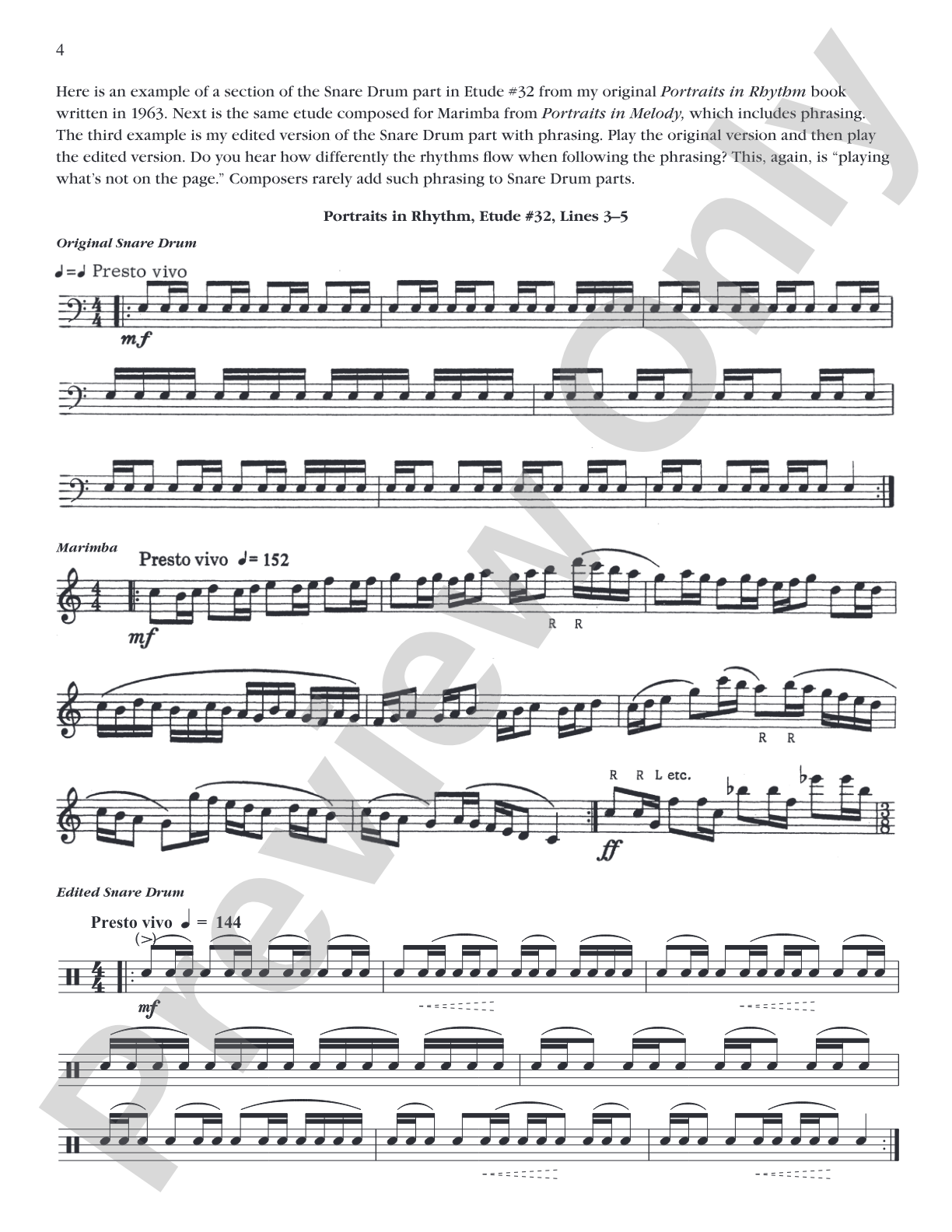
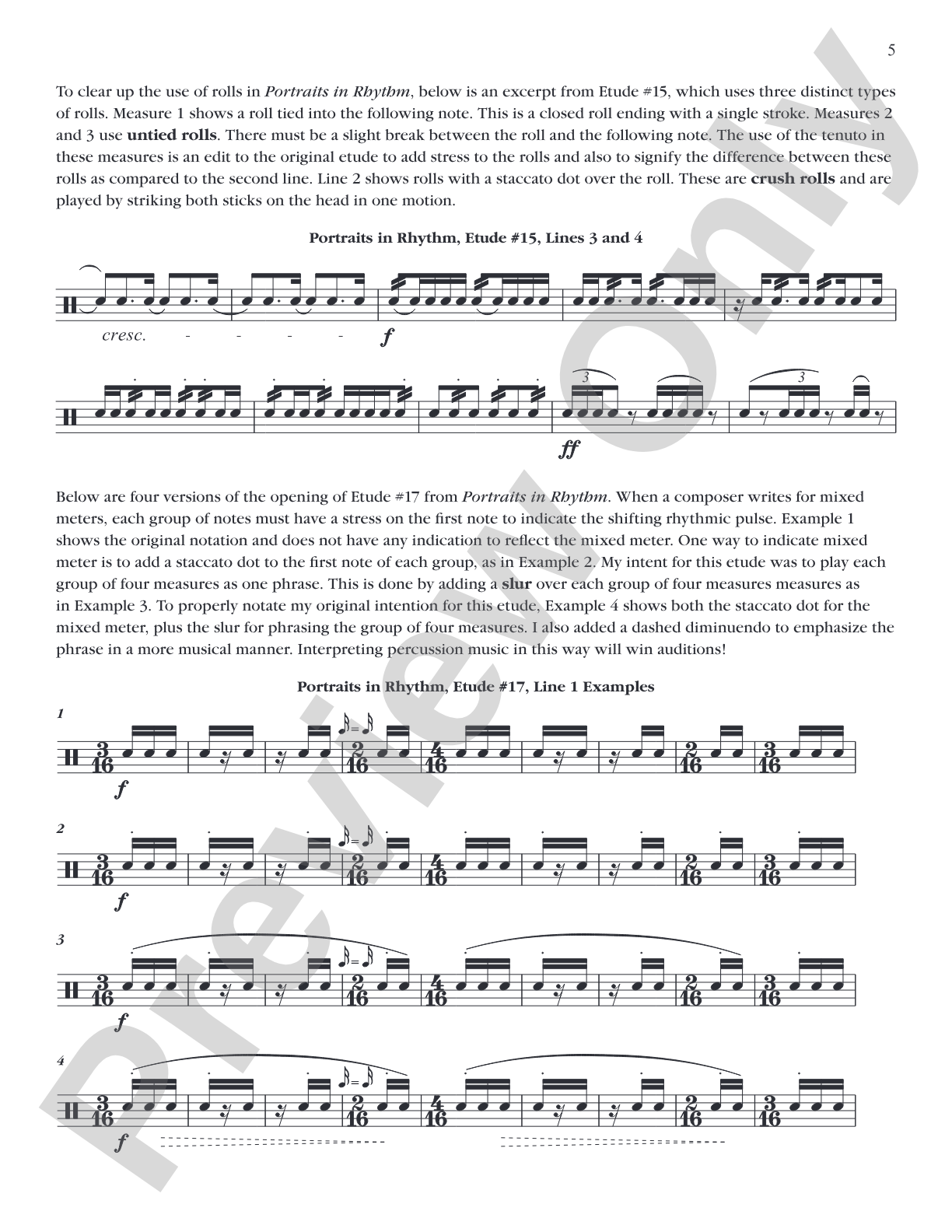
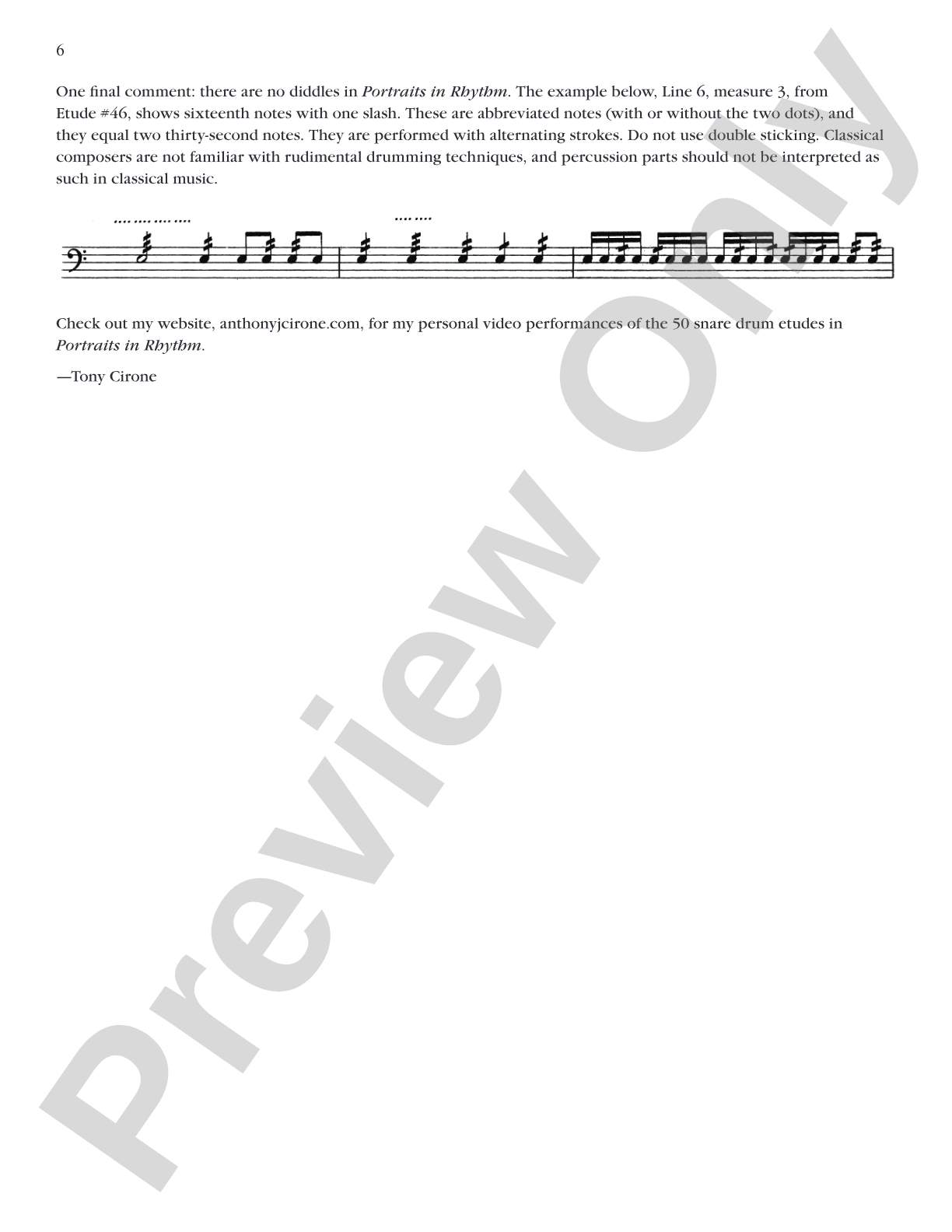
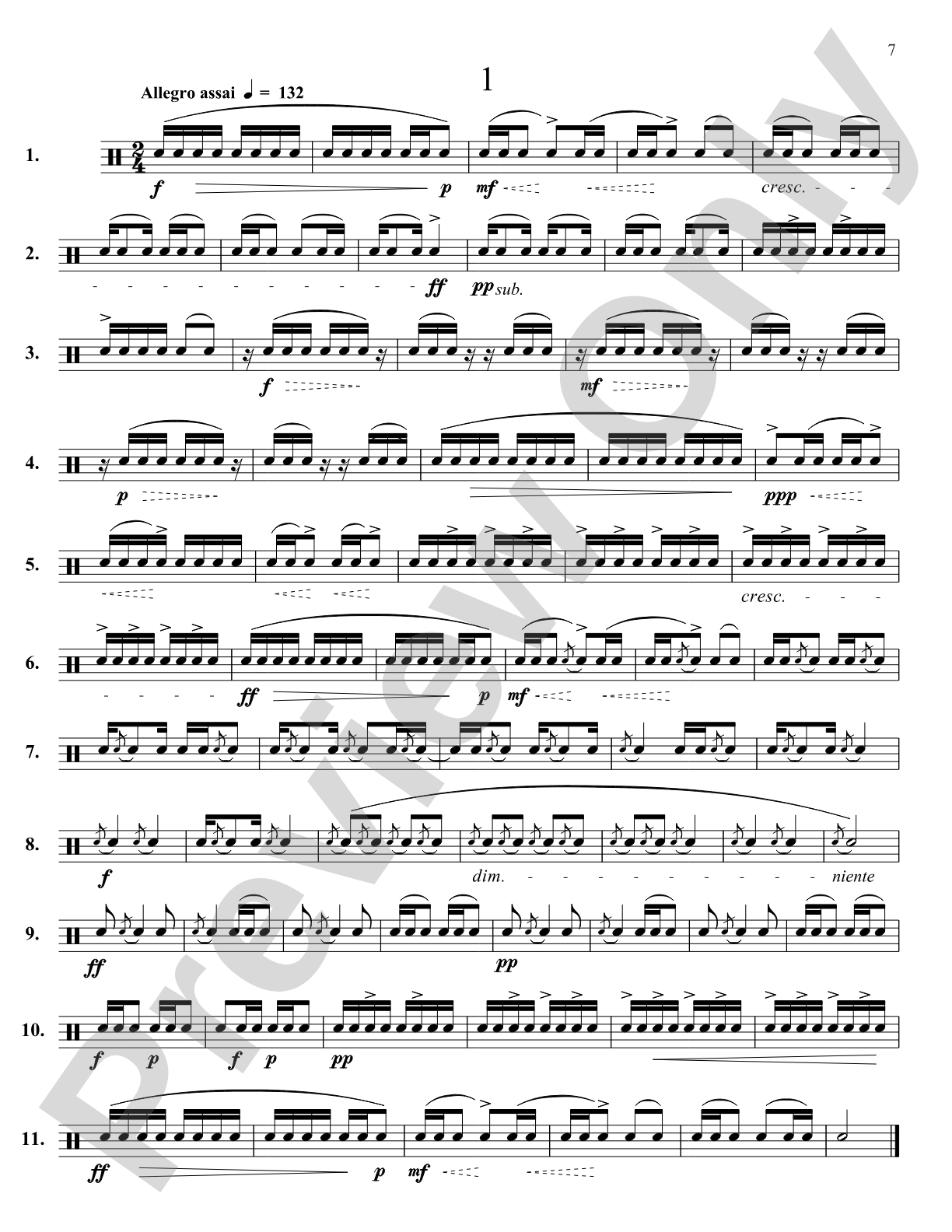
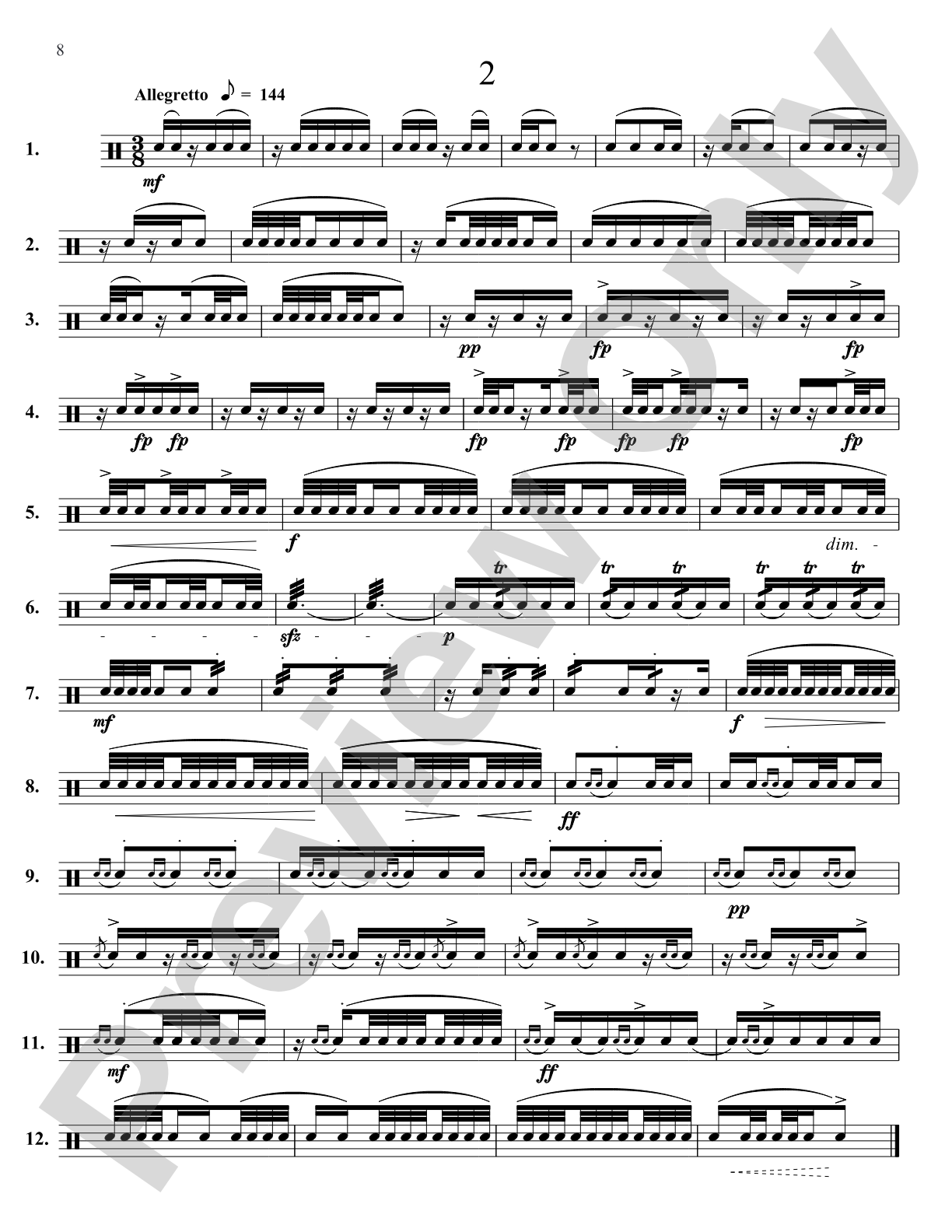
A significant resource for composers to discover the importance of adding phrasing and articulations to percussion notation as used for all other musical instruments. Includes the author's personal interpretations of all 50 etudes.


Portraits in Rhythm: Advanced Edition: Percussion Ensemble isn't in MakeMusic Cloud just yet...but it could be. Let us know you'd like to see it, and you'll help shape what comes next. In the meantime, start a free trial and dive into thousands of interactive titles your students can play along with today.
Request This Title
Tell us you want it.
Start Your Free Trial
Explore everything that's ready to play right now.
Sample Audio
No sample audio found.
Sample Video
No sample videos found.
Additional Details
SKU:
00-PS-0016092
More about this title
About the Composer: Anthony J. Cirone
Anthony J. Cirone is a percussionist and pedagogue whose contributions to snare drum literature have shaped how teachers approach rudimentary technique and musical expression on the instrument. His work emphasizes that percussion notation deserves the same attention to phrasing, articulation, and interpretive detail that composers lavish on melodic instruments, fundamentally changing how snare drum etudes are conceived and performed.
Cirone's influence extends across multiple generations of percussionists who have studied his etudes in applied lessons, ensemble settings, and competitive contexts. His commitment to bridging the gap between technical exercises and genuine musicianship has made his compositions essential resources for students seeking to develop not just facility, but interpretive maturity.
Why we love this
Cirone treats snare drum articulation and phrasing with the same sophistication applied to wind and string parts, refusing to let percussion be reduced to pure technique. The included interpretations from the composer himself serve as a masterclass in how musical intention transforms dry etude work into expressive performance. This resource elevates snare drum from a technical discipline into a legitimate voice in the ensemble.
What to expect
Working through these etudes feels like learning a new musical language. The careful notations for dynamics, articulation, and phrasing reveal nuances you'd otherwise overlook, transforming familiar rudiments into vehicles for genuine musical expression. Studying alongside Cirone's own interpretations creates a dialogue between your instincts and his decades of performance experience.
Who it's for
This collection serves advanced percussionists preparing for competitive snare drum solos, college auditions, or principal chair positions where interpretive maturity and notation literacy matter as much as technical velocity. Directors seeking to strengthen their ensemble's rhythmic precision and articulate expression will also find these etudes invaluable for rehearsal fundamentals with advanced students.
How to get the most out of it
- Study the composer's personal interpretations as blueprints for understanding how articulation marks and phrase shapes communicate intent. Notice where Cirone sustains through phrases versus where he separates strokes for clarity.
- Apply dynamic shaping to passages that might otherwise feel mechanically repetitive. The etudes become far more engaging when dynamics mirror the contour of melodic phrases.
- Experiment with grip and rebound variations to achieve the articulations Cirone notates. Not every double stroke requires identical attack; control the weight and speed of your stick to match the markings.
- Record yourself against the marked interpretations to train your ear for the rhythmic and dynamic subtleties that separate competent playing from musical interpretation.
How to use it
Assign individual etudes as recital preparation material for advanced snare drummers, selecting pieces that challenge specific weaknesses in phrasing or articulation. The collection also works as a rehearsal tool for your ensemble's percussion section, where you can extract short passages to strengthen rhythmic unity and dynamic control across the battery.
Skills your students will build
- Notational literacy for articulation marks and phrasing symbols on snare drum
- Dynamic shaping and phrase contour on a single-line instrument
- Stroke control and rebound variation to achieve distinct articulations
- Interpretive maturity and the connection between notation and musical expression
- Technical facility across fundamental and complex stickings