Popular Performer: 2000s Cover Image

Popular Performer: 2000s: Piano Book

$12.99 USD
Sale price  $12.99 USD Regular price 
Skip to product information
Popular Performer: 2000s Cover Image

Popular Performer: 2000s: Piano Book

The Best Songs from Movies and Radio of the 2000s

Arranged by Mary K. Sallee

Level: Advanced

Item: 00-35256

$12.99
Shipped

One moment…

Description
Rich textures, sophisticated harmonies, and inventive rhythms make these arrangements ideal for hobbyists, advancing students, and professional musicians. Titles: Believe (from The Polar Express) * Corpse Bride (Main Title) * Everything * The Gift * Hedwig's Theme (from Harry Potter and the Sorcerer's Stone) * Home * In Dreams (from The Lord of the Rings: The Fellowship of the Ring) * The Notebook (Main Title) * Wake Me Up When September Ends * You Raise Me Up.

Popular Performer: 2000s: Piano Book isn't in MakeMusic Cloud just yet...but it could be. Let us know you'd like to see it, and you'll help shape what comes next. In the meantime, start a free trial and dive into thousands of interactive titles your students can play along with today.

Sample Pages

Sample Audio
No sample audio found.
Sample Video
Additional Details
Series: Popular Performer Series
Publisher: Alfred Music
Page Count: 40
ISBN10: 0-7390-7069-X
ISBN13: 978-0-7390-7069-7
UPC: 038081395678
SKU: 00-35256

More about this title

About the Arranger: Mary K. Sallee
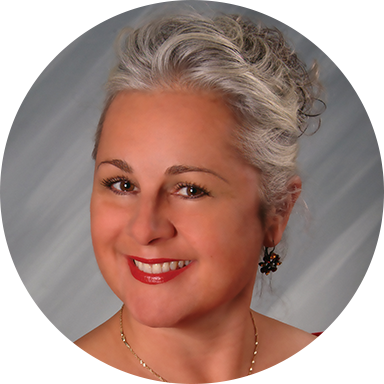
Mary K. Sallee

Mary K. Sallee brings decades of performance experience and pedagogical training to her work as a composer and arranger. A graduate of the University of Oklahoma with degrees in piano, voice, and piano performance/pedagogy, she spent a year studying at the Hochschule für Musik in Vienna as a Rotary Ambassadorial Scholar. Since 1986, she has maintained an independent piano studio in Norman, Oklahoma, where she has developed a particular expertise in teaching adult learners.

Beyond her studio work, Sallee has shaped music education at multiple levels through adjunct teaching, festival direction, competition administration, and service as OMTA state president and MTNA Director. Her compositional output spans piano solo works, vocal and choral arrangements, and commissioned pieces for church and community ensembles. She remains active as a clinician, adjudicator, and performer across jazz, church, and concert settings.

Why we love this

Sallee's arrangements capture what made these songs resonate in the first place while giving each one the harmonic depth and textural sophistication that advanced pianists crave. The collection spans film scores, contemporary pop, and singer-songwriter material, creating natural programming variety without sacrificing musical coherence. These are arrangements that reward repeated listening and offer genuine interpretive challenges.

What to expect

Opening these pages feels like discovering that songs you thought you knew inside-out have hidden dimensions. Sallee's harmonies are lush without becoming cloying, rhythmic figures are inventive but never gratuitous, and melodies sit naturally within arrangements that feel inevitable rather than imposed.

Who it's for

Advanced pianists seeking contemporary material that feels fresh without demanding avant-garde technique. Whether you're preparing recital repertoire, maintaining an active solo practice, or simply want arrangements that honor beloved songs with musical substance, this collection delivers on both counts.

How to get the most out of it

  • Pay close attention to texture layers. Sallee's writing often distributes melodic and harmonic material across the keyboard in ways that sound simple until you realize how precisely each layer must sit in the mix.
  • Honor the original song's emotional arc. These are recognizable melodies with strong associations; your interpretation should enhance rather than obscure what listeners already know and love about them.
  • Experiment with pedal choices to shape the harmonic sophistication. The arrangements invite subtle color work, and thoughtful pedaling can either clarify or blend the chord movement depending on your artistic intent.

How to use it

Program individual pieces as standalone recital selections or pair them thematically (group the film scores together, or create a set around a particular emotion or era). The advanced level and contemporary focus make these natural centerpieces for a recital that blends classical training with popular culture relevance.

Skills your students will build

  • Reading and executing sophisticated harmonic progressions with multiple voices
  • Managing texture and voice leading across wide keyboard ranges
  • Interpreting rhythmic figures that depart from strict metric regularity
  • Pedal technique for color and harmonic blending
  • Balancing melody projection against complex accompaniment patterns

You May Also Like