Popular Performer: 1940s Cover Image

Popular Performer: 1940s: Piano Book

$12.95 USD
Sale price  $12.95 USD Regular price 
Skip to product information
Popular Performer: 1940s Cover Image

Popular Performer: 1940s: Piano Book

The Best Songs from Broadway, Movies and Radio of the 1940s

Arranged by Bert Konowitz

Level: Early Advanced

Item: 00-26099

$12.95
Shipped

One moment…

Description
Rich textures, sophisticated harmonies and inventive rhythms make these arrangements ideal for hobbyists, advancing students, professional musicians or any Popular Performer. Titles: At Last * Come Rain or Come Shine * How About You * How High the Moon * Laura * Moonlight in Vermont * My Foolish Heart * You Make Me Feel So Young * You'll Never Know.

Popular Performer: 1940s: Piano Book isn't in MakeMusic Cloud just yet...but it could be. Let us know you'd like to see it, and you'll help shape what comes next. In the meantime, start a free trial and dive into thousands of interactive titles your students can play along with today.

Sample Pages

Sample Audio
No sample audio found.
Sample Video
Additional Details
Series: Popular Performer Series
Publisher: Alfred Music
Page Count: 40
ISBN10: 0-7390-4322-6
ISBN13: 978-0-7390-4322-6
UPC: 038081282794
SKU: 00-26099

More about this title

About the Arranger: Bert Konowitz
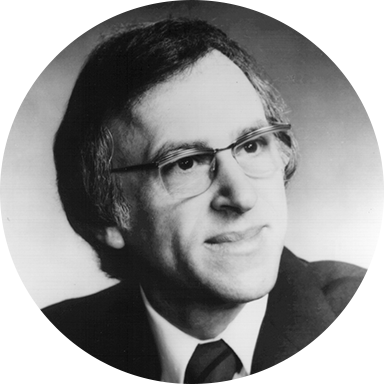
Bert Konowitz

Bert Konowitz has spent decades at the intersection of jazz pedagogy and traditional music education. As a faculty member at Teachers College, Columbia University, he directs the improvisational arts ensemble and teaches jazz courses while maintaining an active presence as a pianist and composer. His work spans every educational level, from public school classrooms to university seminars, and his publications have circulated internationally in multiple languages.

Konowitz's contributions to music education extend beyond the studio. He has been commissioned by the New York State Department of Education to develop curricula, contributed to state-level standards, and received recognition from the National Endowment for the Arts and ASCAP for his compositional work. His arrangements and teaching materials reflect a consistent philosophy: that jazz and improvisation belong alongside traditional repertoire in every musician's development.

Why we love this

These arrangements capture the sophisticated sound of the 1940s without requiring virtuosic technique. Konowitz respects the harmonic language and melodic character of each standard while making the writing pianistically idiomatic; advancing students experience genuine jazz vocabulary and voicing rather than simplified substitutes. The collection moves beyond nostalgia into living repertoire that players actually want to perform.

What to expect

Stepping into a smoky 1940s jazz club where the band knows exactly what they're doing. These arrangements shimmer with chromatic harmony and rhythmic invention; they swing without oversimplification and shine with the kind of elegance that only comes from understanding both the standards and the jazz tradition deeply. Playing through these pieces feels like unlocking the language of an entire era.

Who it's for

Early advanced pianists who want to move beyond Tin Pan Alley into substantive jazz repertoire. Solo performers preparing recital programs, students building jazz literacy through standard tunes, and hobbyists seeking sophisticated arrangements that reward careful practice without requiring professional-level chops.

How to get the most out of it

  • Let the rhythm section pulse guide your comping. Rather than playing mechanically, listen to where the beat wants to sit and shape your harmonic accompaniment around that pocket.
  • Balance melody against harmony carefully in these arrangements. Many of these pieces layer both within the piano part, so clarify which voices carry the tune in each section through touch and voice leading.
  • Embrace the chromatic movement in Konowitz's voicings. His sophisticated harmonies often include passing tones and approach chords that need articulation to sing.
  • Record yourself and listen back for tempo consistency. These early advanced pieces reward steady time, and the more complex rhythms will expose any rubato that isn't intentional.

How to use it

Program individual titles alongside your standard classical recital repertoire to create stylistic contrast and demonstrate musical range. The collection works equally well as a resource for students preparing jazz auditions or for adult pianists building a personal repertoire of accessible but substantive popular standards. Consider pairing several titles as a set piece in a jazz-themed concert or variety program.

Skills your students will build

  • Reading and executing jazz chord voicings and upper structure harmonies
  • Comping over swing rhythms and syncopated bass patterns
  • Interpreting stylistic articulation and legato phrasing characteristic of 1940s swing
  • Balancing independence between left and right hand in complex harmonic textures
  • Understanding the melodic and harmonic architecture of jazz standards

You May Also Like