
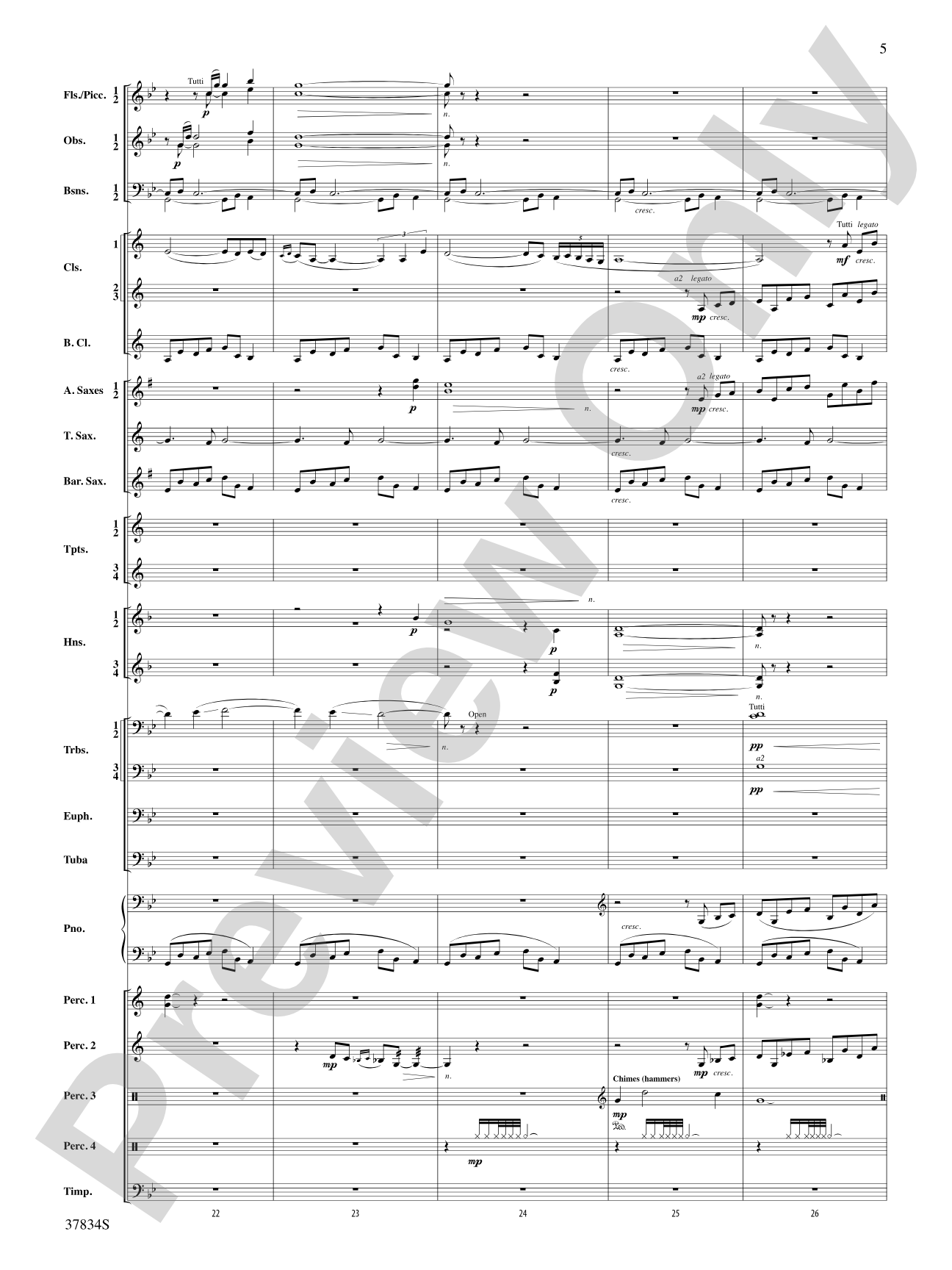
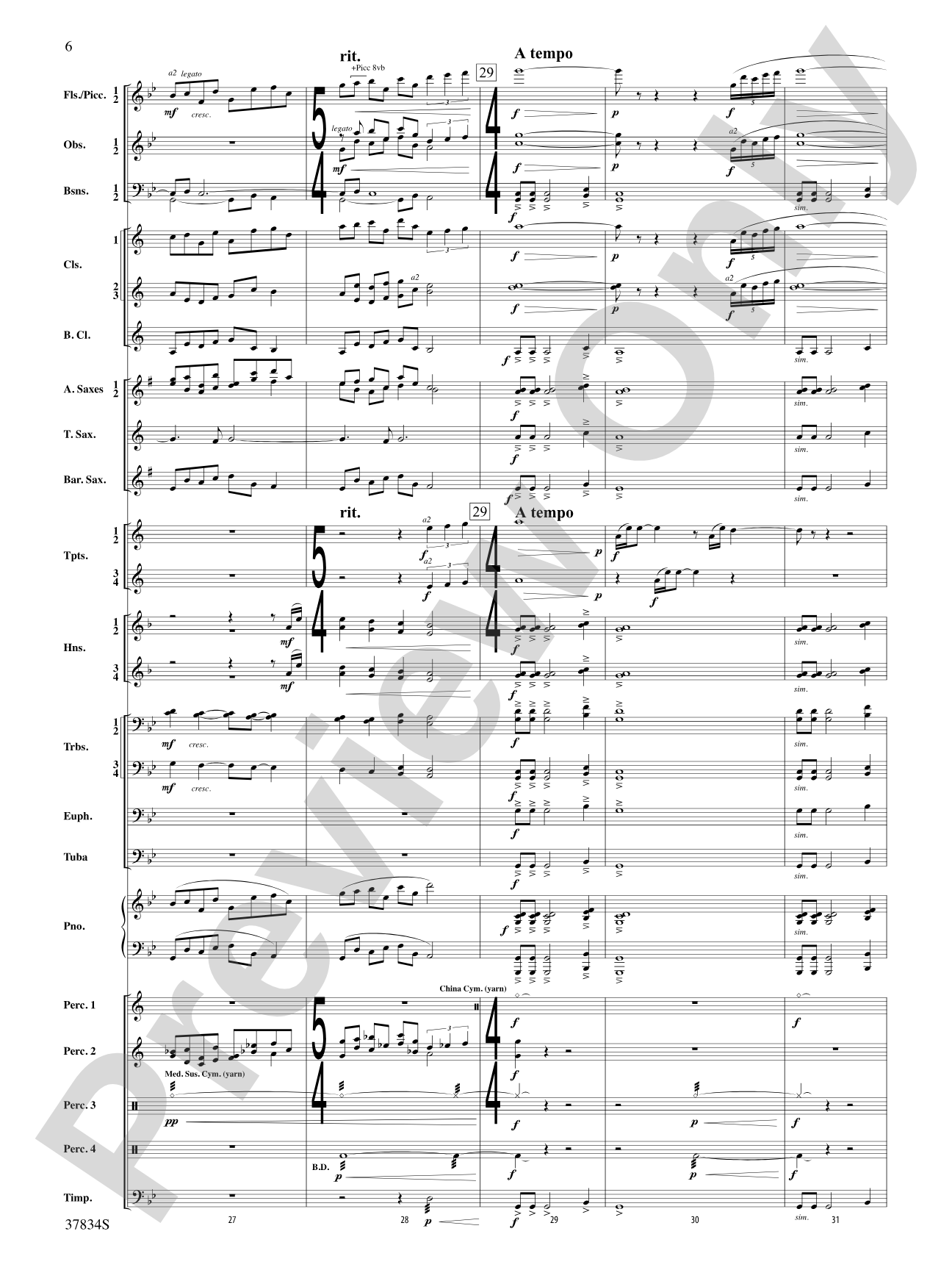
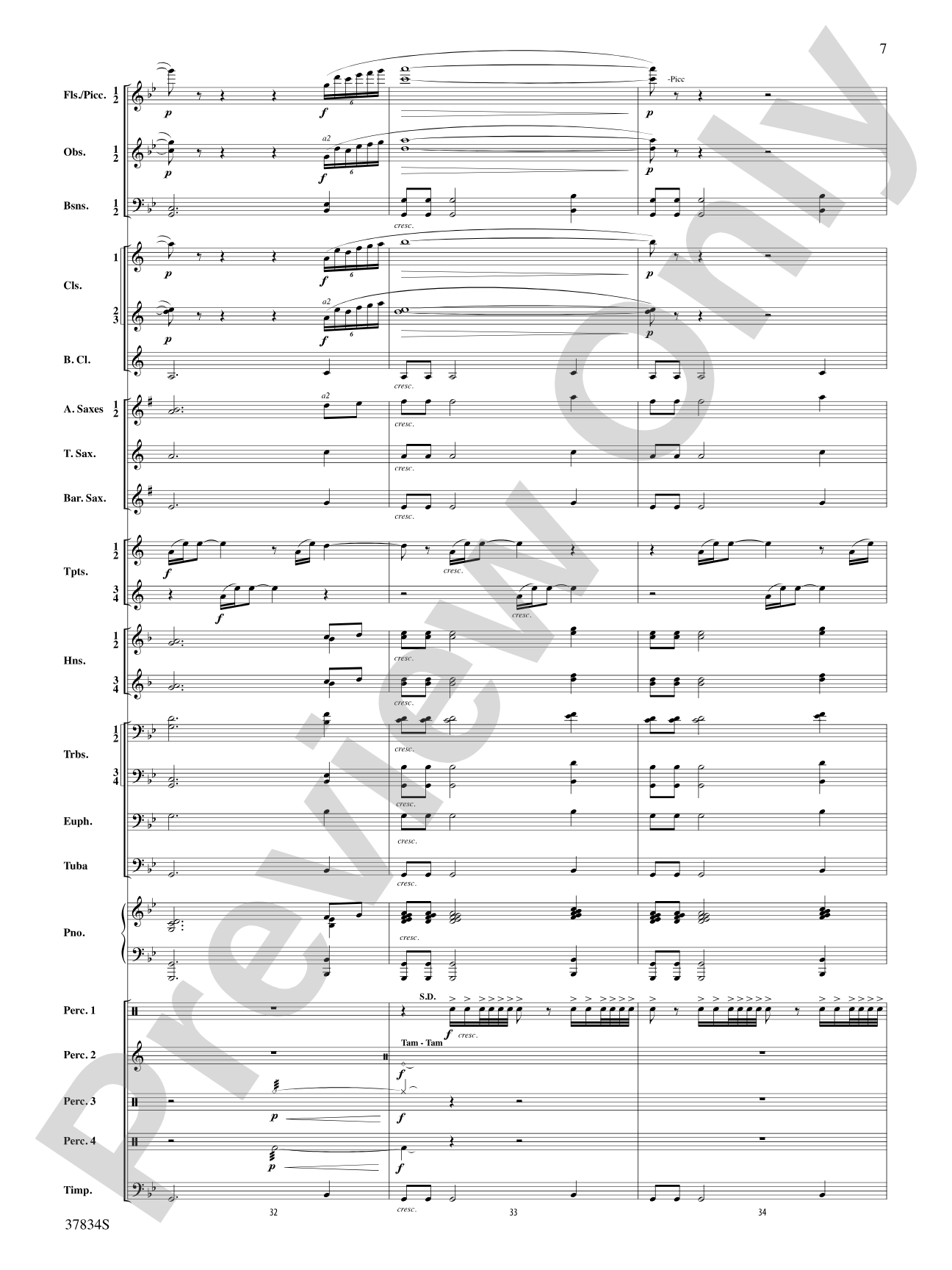
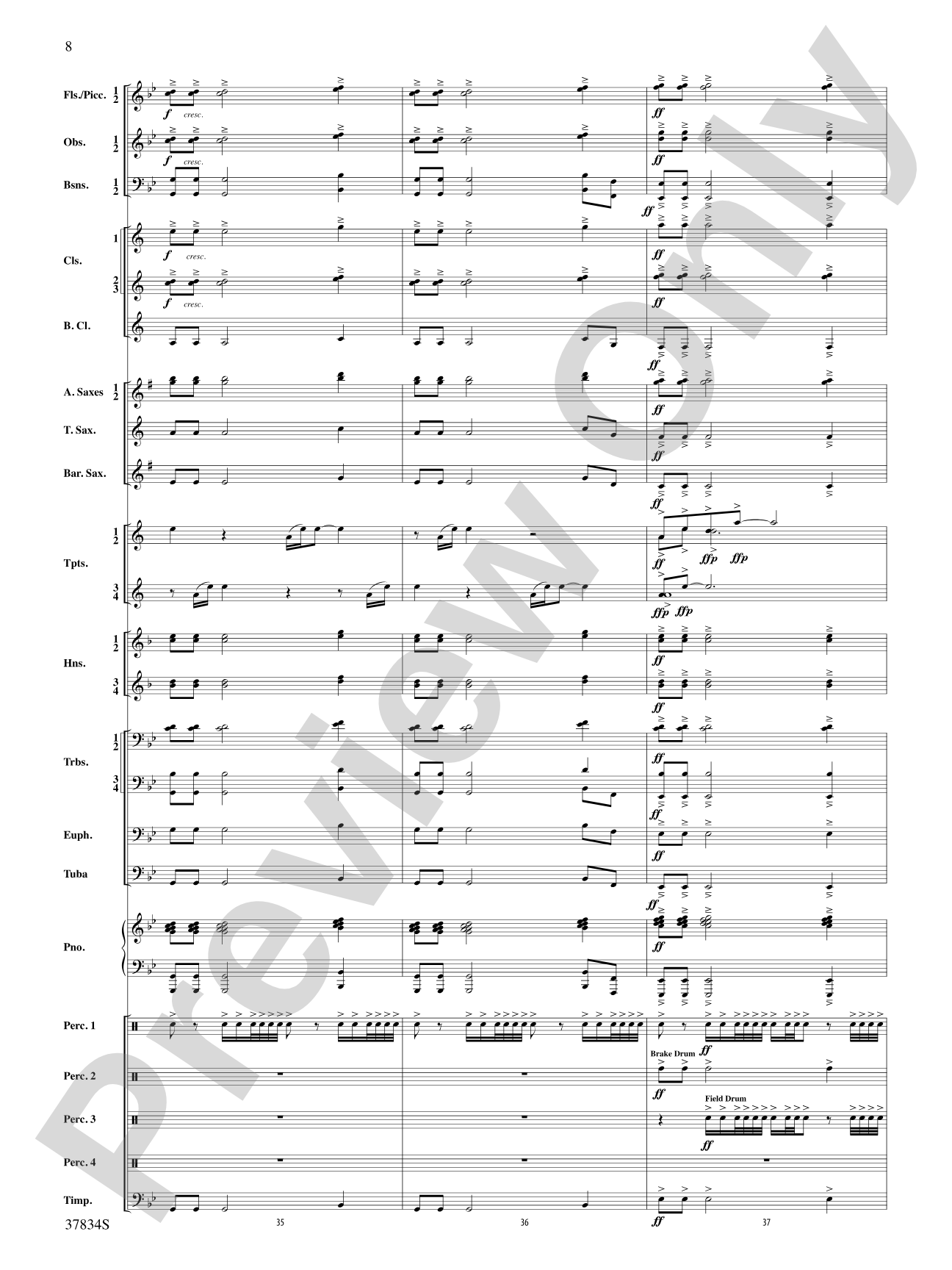
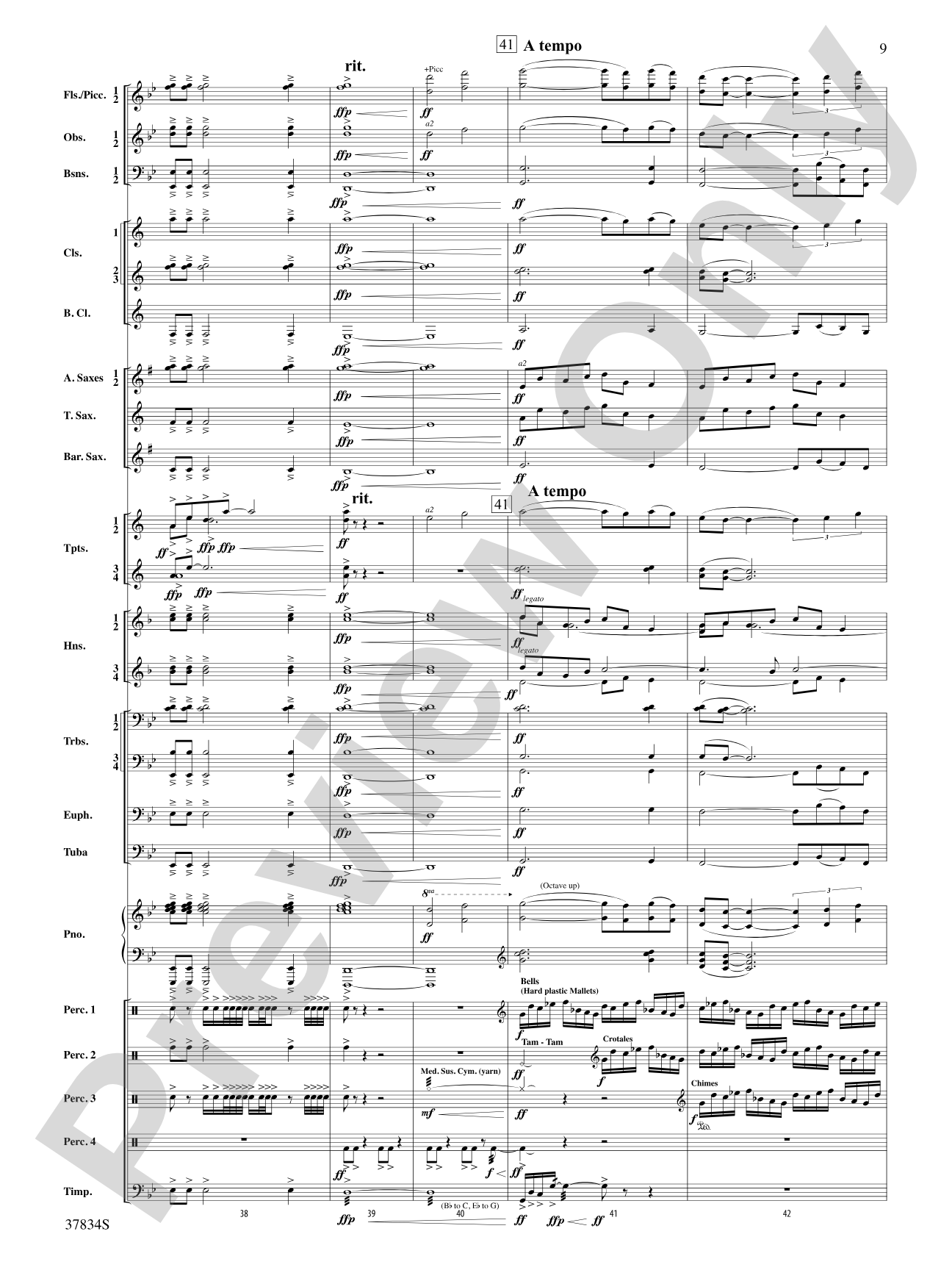
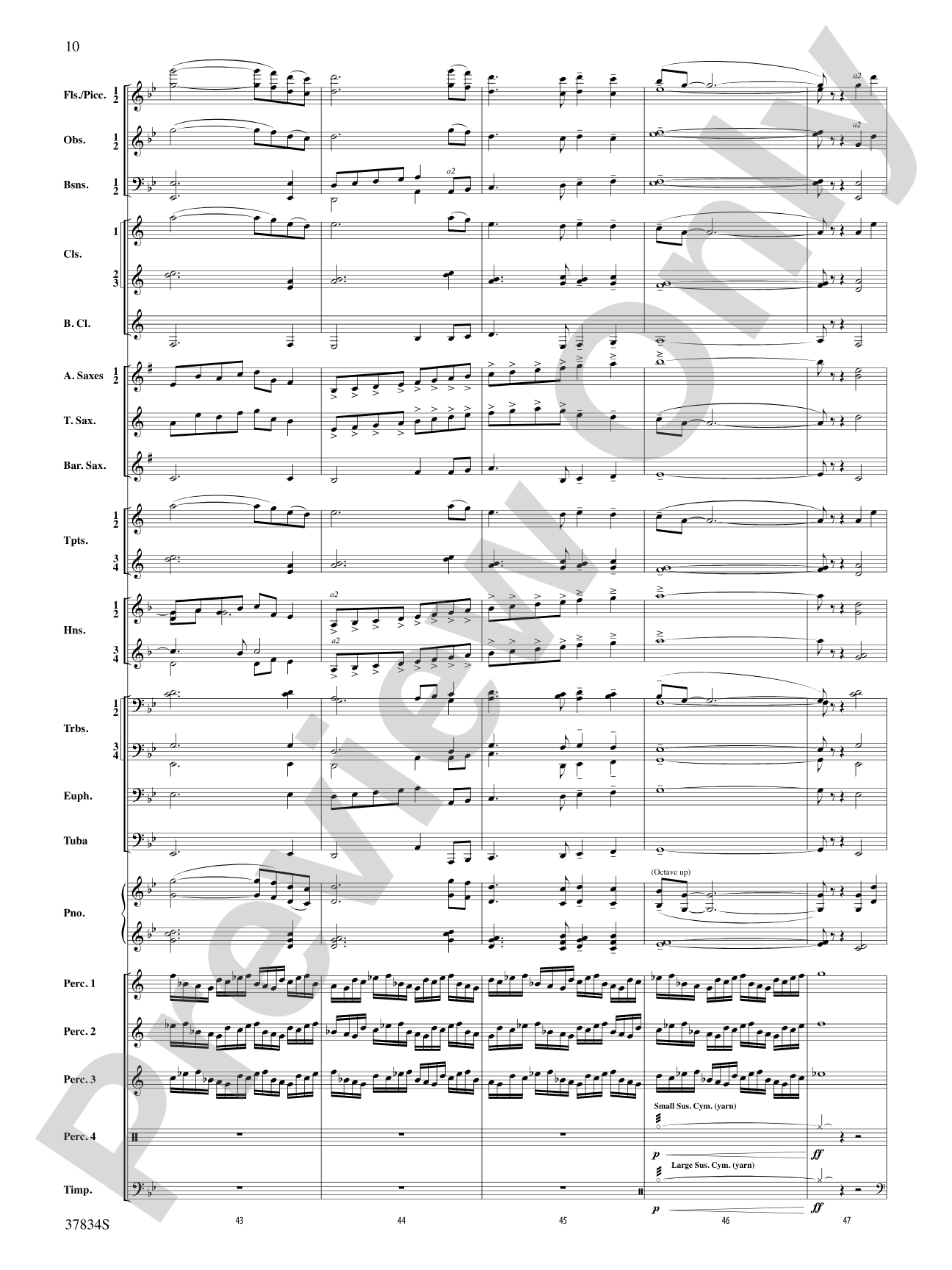
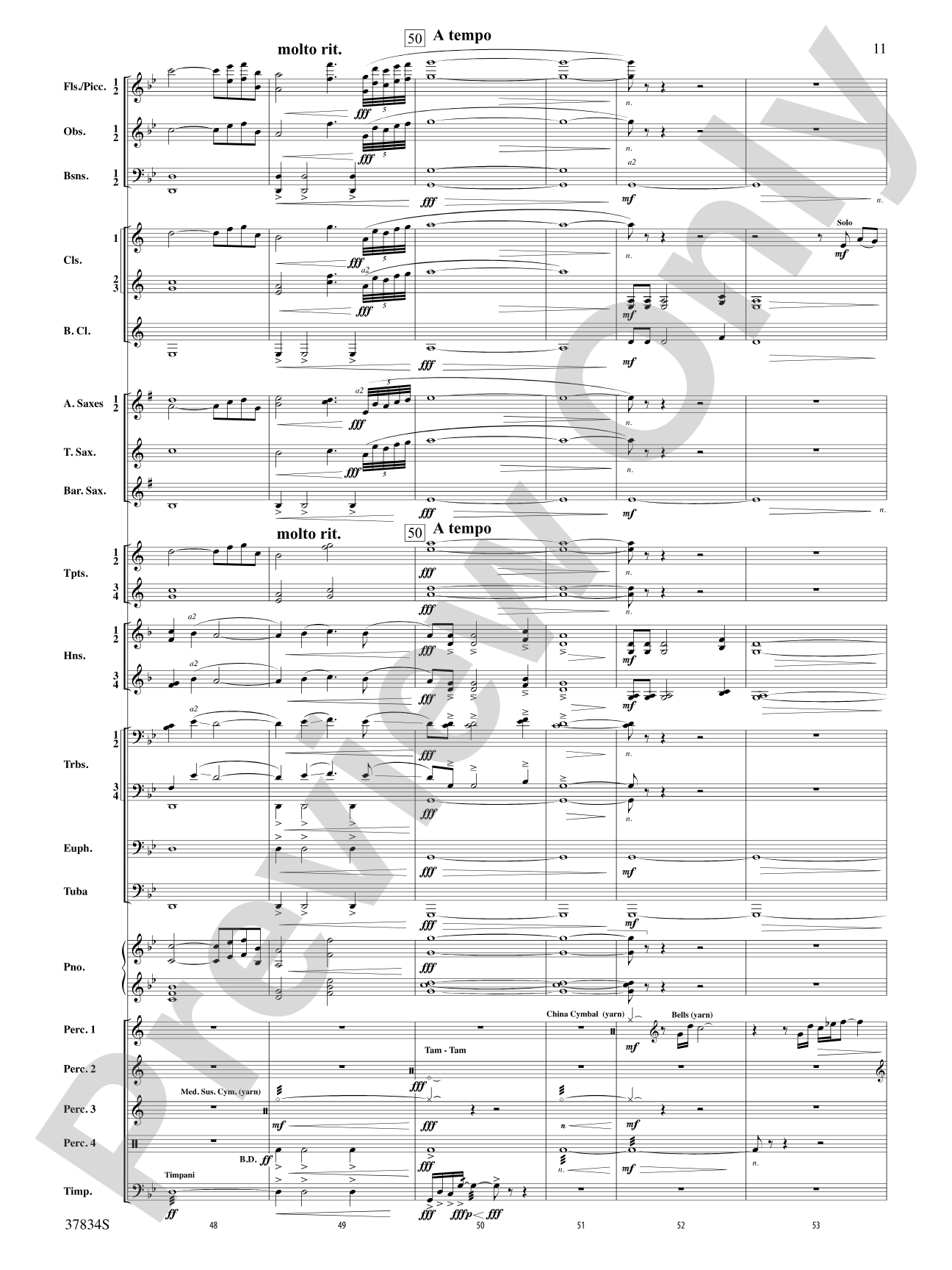
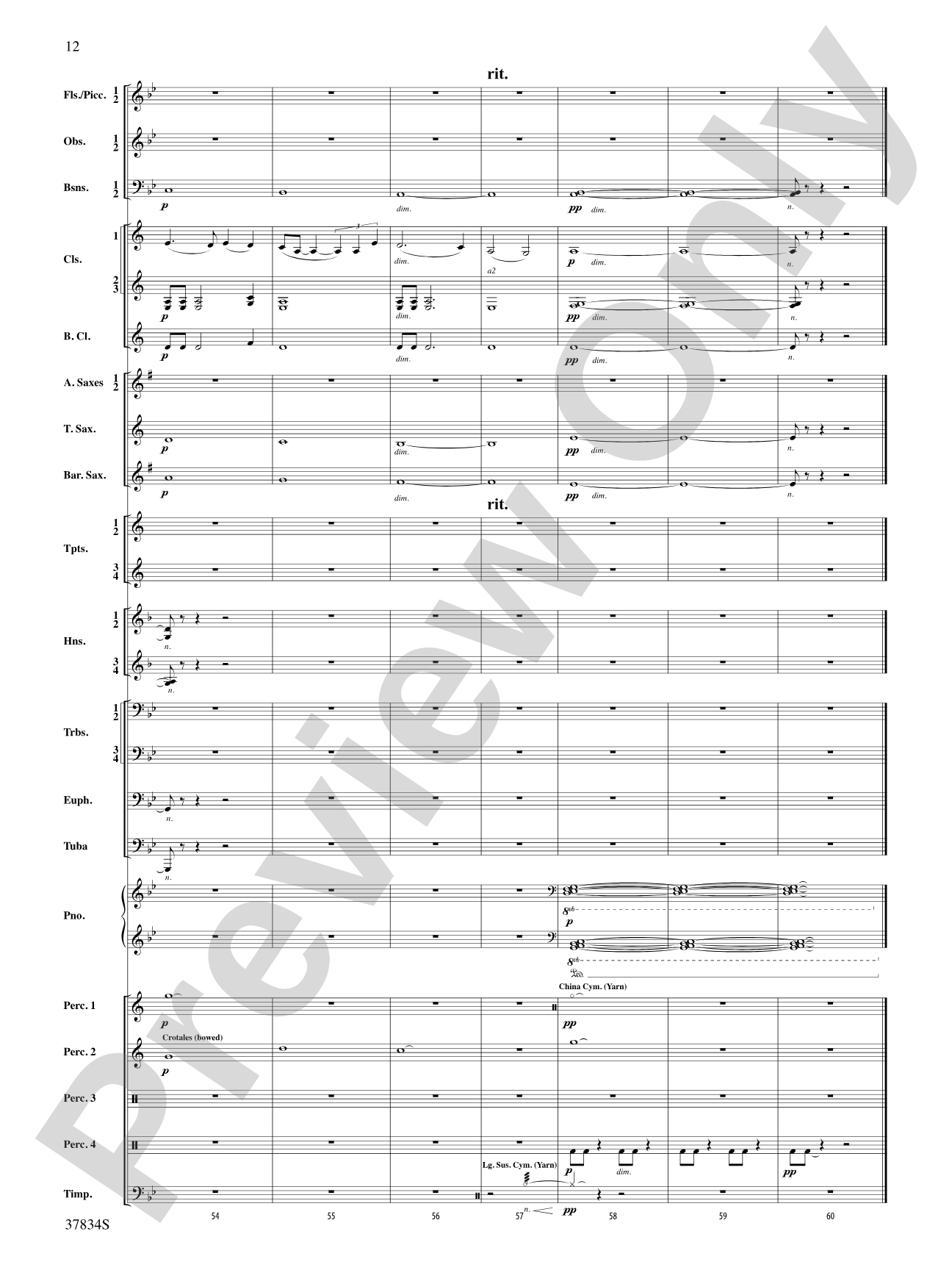

Poor Wayfaring Stranger: Score
Movement 1 from Three Folk Song Settings for Band
Traditional / arr. Andrew Boysen, Jr.
Grade: 4 (Medium Difficult)
Item: 00-PR-0003679
$10.00
Pickup currently not available
Description
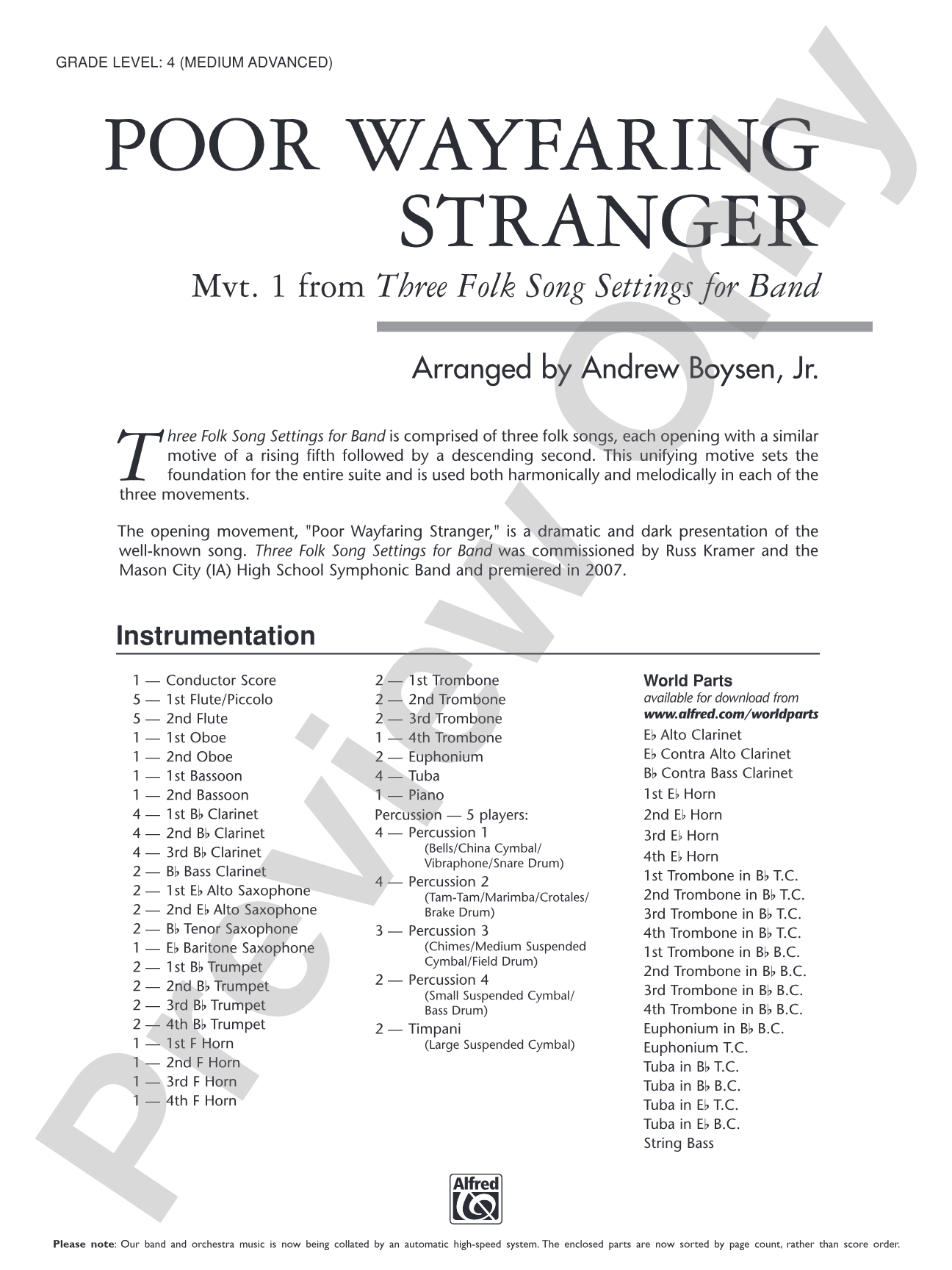
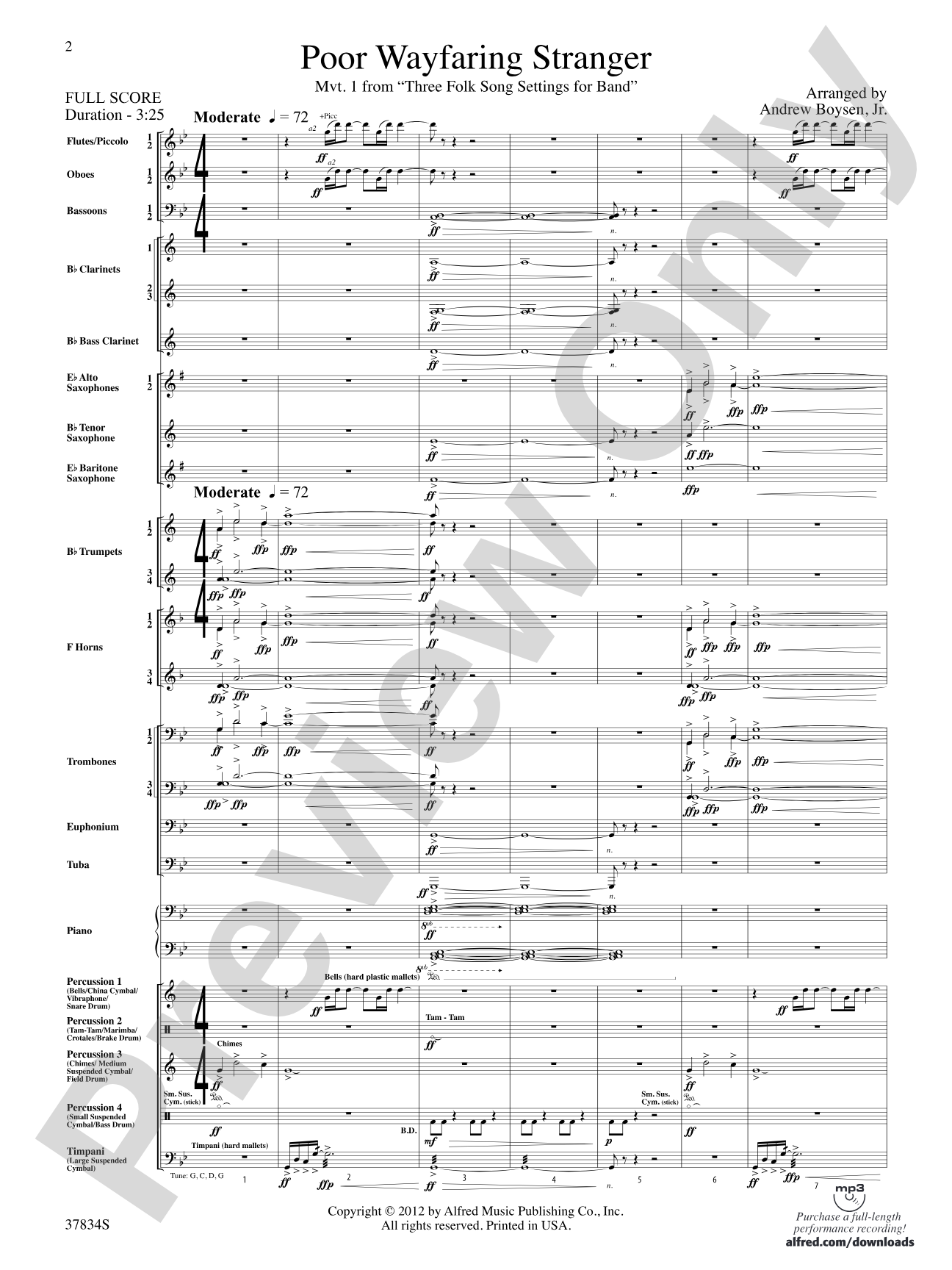
Three Folk Song Settings for Band is comprised of three folk songs, each opening with a similar motive of a rising fifth followed by a descending second. This unifying motive sets the foundation for the entire suite and is used both harmonically and melodically in each of the three movements. The opening movement, "Poor Wayfaring Stranger," is a dramatic and dark presentation of the well known song. (3:35)


Don't just read it, hear it, play along with it, and watch your students grow with it. In MakeMusic Cloud, Poor Wayfaring Stranger: Score comes alive with professional accompaniment, adjustable tempo, and built-in practice tools that turn solo practice into real progress.
Open in the Player
Jump straight in and assign it today.
Start Your Free Trial
Open this title and explore the full library in minutes.
Sample Audio
1
Audio File
--:--
0:00
0:00
Sample Video
No sample videos found.
Additional Details
Series:
Alfred Concert Band
Publisher:
Alfred Music
Page Count:
154
SKU:
00-PR-0003679
More about this title
About the Arranger: Andrew Boysen
Andrew Boysen is a prolific composer and arranger whose work spans concert band, wind ensemble, and orchestral literature. His arrangements are known for respecting the integrity of traditional material while reimagining it for modern ensembles, creating pieces that challenge students musically while remaining deeply connected to their sources.
Why we love this
Boysen's treatment of "Poor Wayfaring Stranger" refuses sentimentality. By framing this spiritual through a dramatic, dark lens and building the entire suite around a single unifying motive, he gives your band something substantial to chew on rather than a predictable folk song arrangement. The rising fifth and descending second become architectural elements that students can actually hear and track across all three movements, turning a concert piece into a study in thematic development.
What to expect
Dark and introspective, with moments of raw emotional weight. The familiar melody becomes almost unrecognizable as Boysen's harmonic language transforms it, creating an atmosphere of struggle and endurance that honors the original spiritual while speaking in a contemporary voice.
Who it's for
Concert bands at Grade 4 who are ready to engage with folk material that refuses easy answers. This suite works for groups with solid fundamentals in intonation and balance and the maturity to sustain longer phrases without losing focus. It functions equally well as contest material or a centerpiece for a concert exploring American spiritual tradition.
How to get the most out of it
- Shape the rising fifth motive consistently across the ensemble whenever it appears; its identity as the suite's binding thread depends on crystalline articulation and unified phrasing
- Balance the darkness of this opening movement against excessive heaviness. The drama comes from harmonic color and dynamic contrast, not from sluggish tempos
- Ensure lower voices anchor the descending second intervals that complement the motive; without clarity in the harmonic framework, the unity of the piece dissolves
- Use dynamics strategically to reveal how the motive transforms from melody to accompaniment throughout the arrangement
How to use it
Open a concert or contest set with this movement to establish an intellectual and emotional tone for the program. The 3:35 duration and substantial difficulty make it a natural centerpiece rather than a filler piece. Its dramatic character pairs effectively with lighter fare in the surrounding program, providing necessary contrast.
Skills your students will build
- Tracking and performing a unifying motive across changing harmonic and melodic contexts
- Balancing transparency in dense harmonic textures without sacrificing dynamic expression
- Sustaining longer phrases with consistent intonation and ensemble cohesion
- Interpreting folk material through contemporary compositional language