
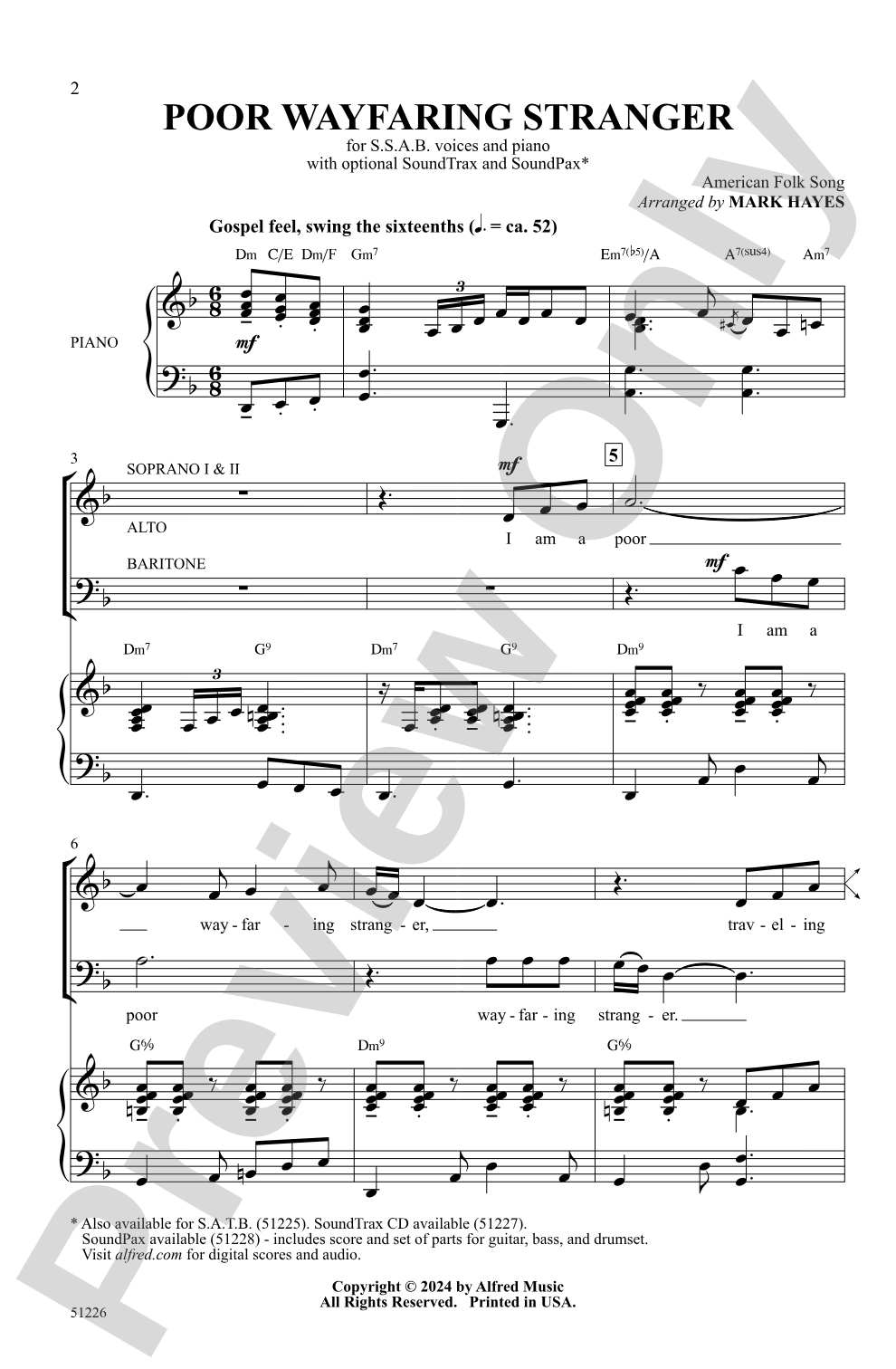

Poor Wayfaring Stranger: SSAB Choral Octavo
American Folk Song / arr. Mark Hayes
Item: 00-PO-0007267
$2.40
Minimum order quantity: 20 copies
Pickup currently not available
Related Items
Poor Wayfaring Stranger: SATB Choral Octavo |
$2.40
|
View | |
Poor Wayfaring Stranger: SoundTrax Digital Audio Download |
$29.99
|
View | |
Poor Wayfaring Stranger: SATB Choral Octavo |
$2.40
|
View | |
Poor Wayfaring Stranger: SSAB Choral Octavo |
$2.40
|
View | |
Poor Wayfaring Stranger: Choral Octavo SoundTrax CD |
$29.99
|
View | |
Poor Wayfaring Stranger: Choral SoundPax |
$20.00
|
View |
Description
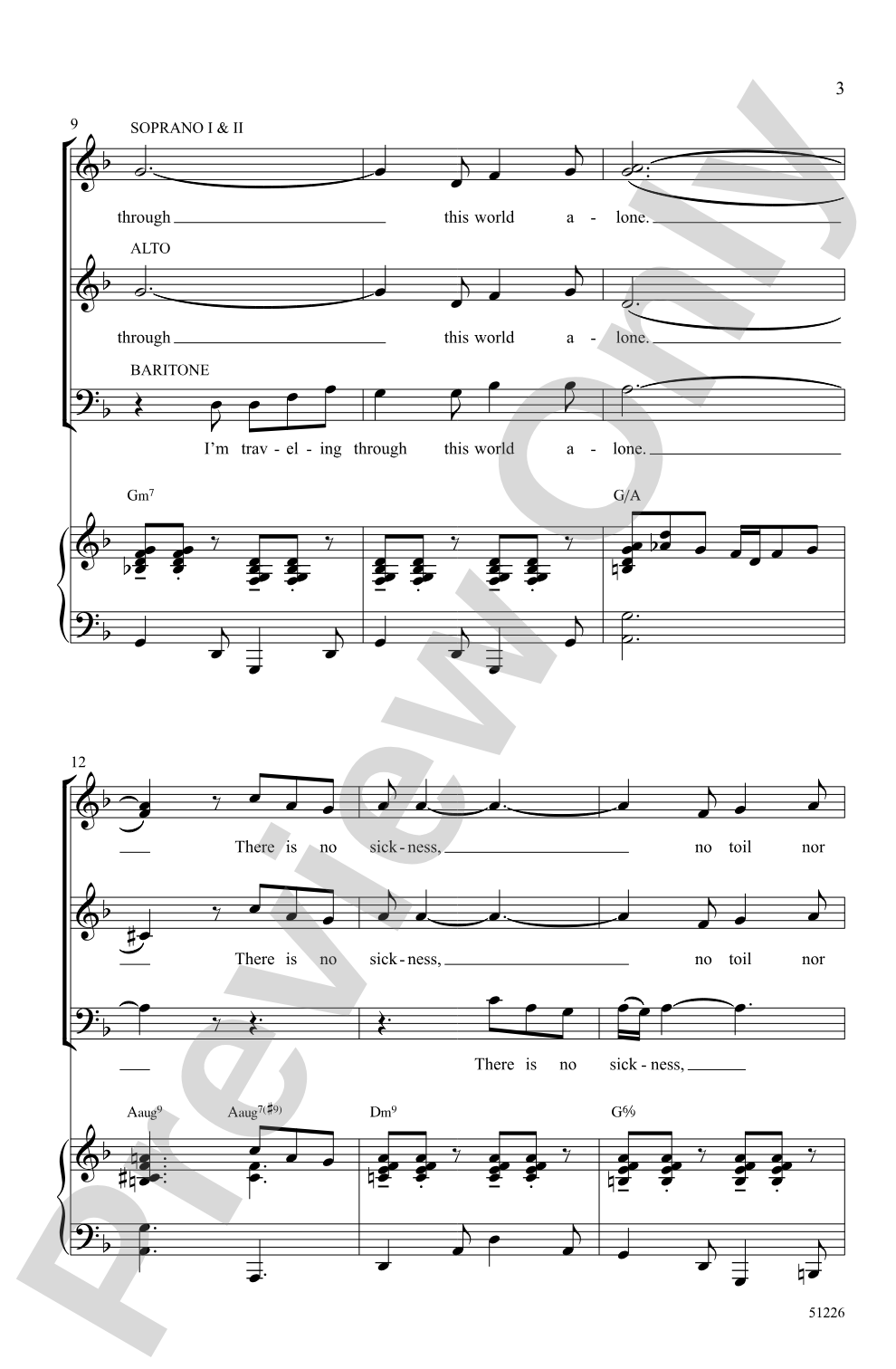
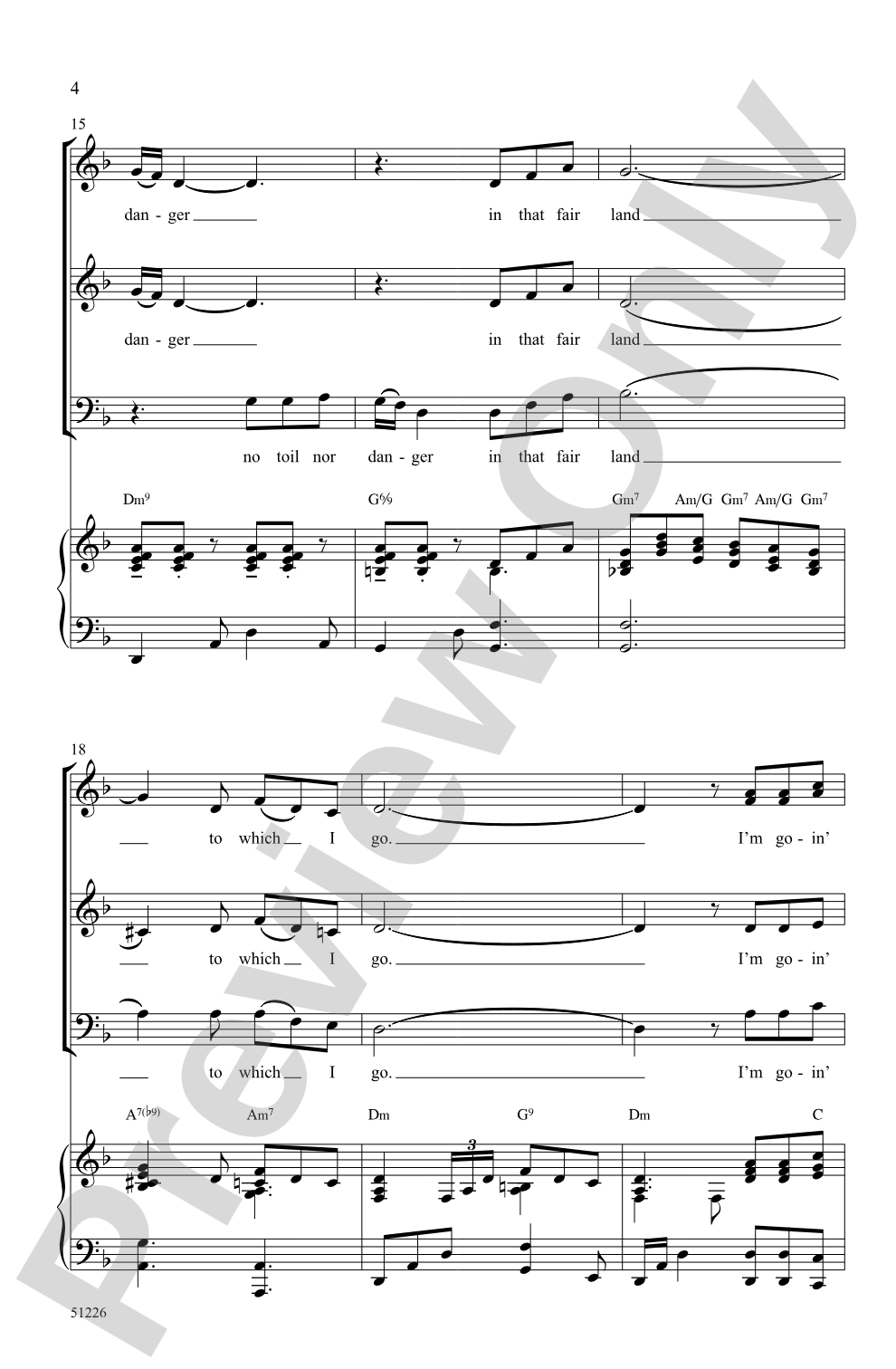
This popular American folk song has never sounded so unique. Mark highlights the weight of the lyric with a strong 6/8 gospel feel and bluesy sonorities. Includes echoed choral entrances as well as some fully harmonized divisi. The piano accompaniment and optional rhythm section parts add a sense of soulfulness.


Discover MakeMusic Cloud: thousands of interactive titles your students can play along with today.
Sample Audio
1
Audio File
--:--
0:00
0:00
Sample Video
Additional Details
Series:
Alfred Choral Designs
Publisher:
Alfred Music
Page Count:
16
SKU:
00-PO-0007267
More about this title
About the Arranger: Mark Hayes

Mark Hayes has established himself as a prolific composer and arranger whose catalog exceeds 1,750 published works spanning classical, sacred, and popular idioms. A Baylor University graduate with a degree in piano performance, he has conducted ensembles at Lincoln Center, the National Cathedral, and Carnegie Hall, and received the 2010 Award for Exemplary Leadership in Christian Music from his alma mater.
Beyond his work in choral music, Hayes maintains deep roots in piano composition with over 100 volumes in print. His versatility extends to orchestration and music direction for theatrical productions, including the award-winning musical Civil War Voices and arrangements for stage works. Based in Kansas City, Missouri, he continues to balance active conducting and composing with a commitment to creating accessible music across multiple genres.
Why we love this
Hayes treats this folk standard with genuine respect for its spiritual weight while transforming it into something fresh for modern singers. The combination of 6/8 gospel swing, bluesy harmony, and strategic divisi writing creates an arrangement that sits somewhere between reverence and soulful energy, making it equally compelling in concert and festival settings.
What to expect
Weary, grounded, and ultimately hopeful. The 6/8 rhythm gives the melody a gentle forward motion despite the lyric's melancholy, while the bluesy sonorities and divisi moments add warmth and depth that transform the song into a communal prayer rather than a solitary lament.
Who it's for
This arrangement works for choirs with at least one season of ensemble experience and the ability to navigate mixed meter in a gospel idiom. It suits directors seeking repertoire that honors folk tradition while offering harmonic and textural sophistication that challenges growing singers.
How to get the most out of it
- Lean into the 6/8 pulse with a gentle lilt rather than a rigid march; the gospel feel lives in the breath and space between beats, not in mechanical precision.
- Balance the echoed entrances so that the repeated phrases feel like a conversation or shared reflection, not an afterthought or weak restatement.
- If you add the optional rhythm section parts, use them to shape the emotional arc; they should anchor the harmony without overshadowing the vocal melody and text.
How to use it
Pair this with other American spirituals or folk songs to build a thematic program around resilience and faith, or place it as a moment of stillness in a concert that otherwise features more energetic or complex repertoire. Its accessibility and emotional directness make it an excellent festival selection or a strong anchor for a mixed voice recital.
Skills your students will build
- Singing in 6/8 meter with a conversational, swung feel rather than metered precision
- Executing echoed phrase entries cleanly and with ensemble awareness
- Blending and balance in divisi passages across three or four parts
- Connecting folk text authentically within an arranged harmonic language that includes bluesy inflections