
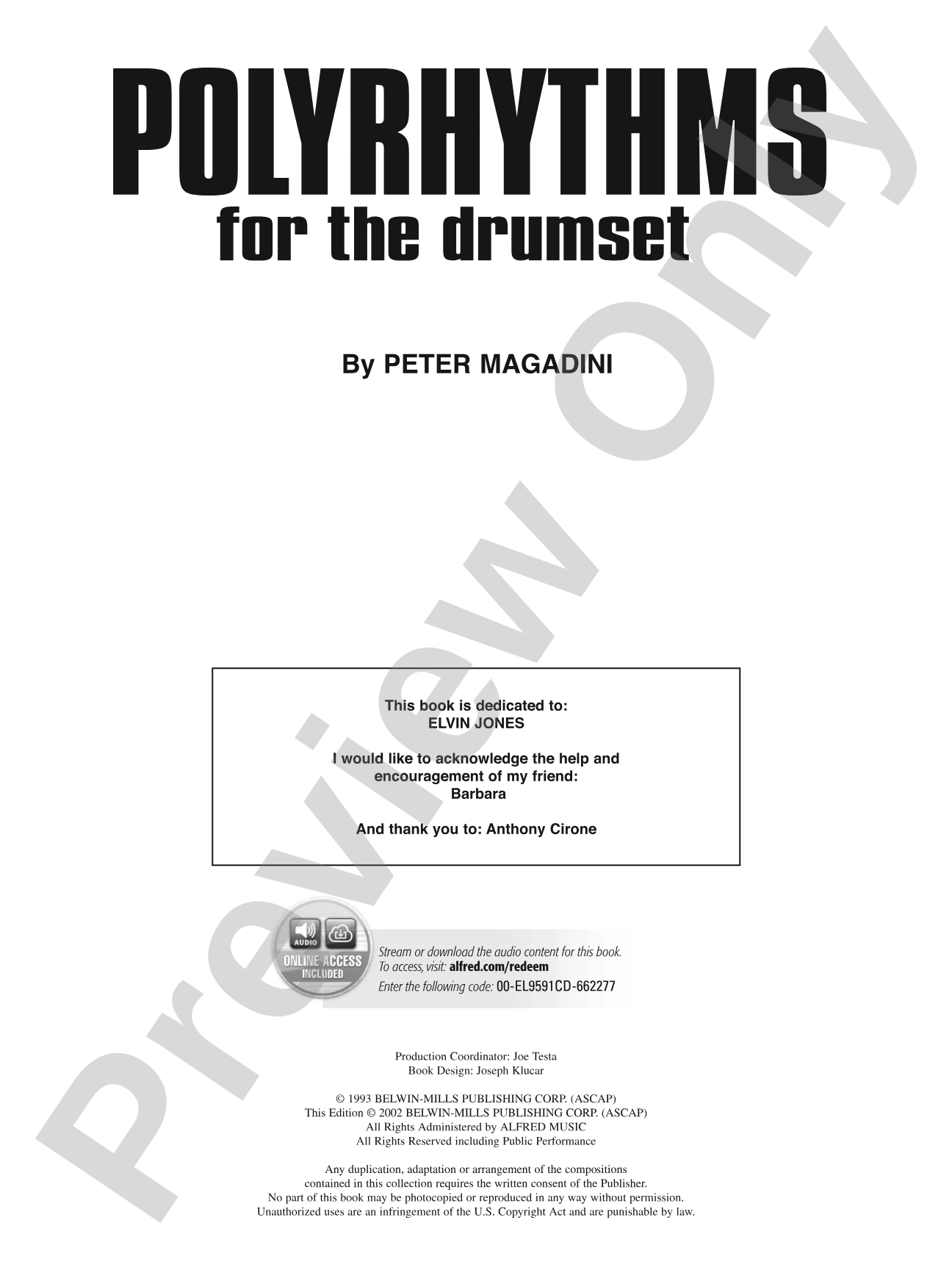
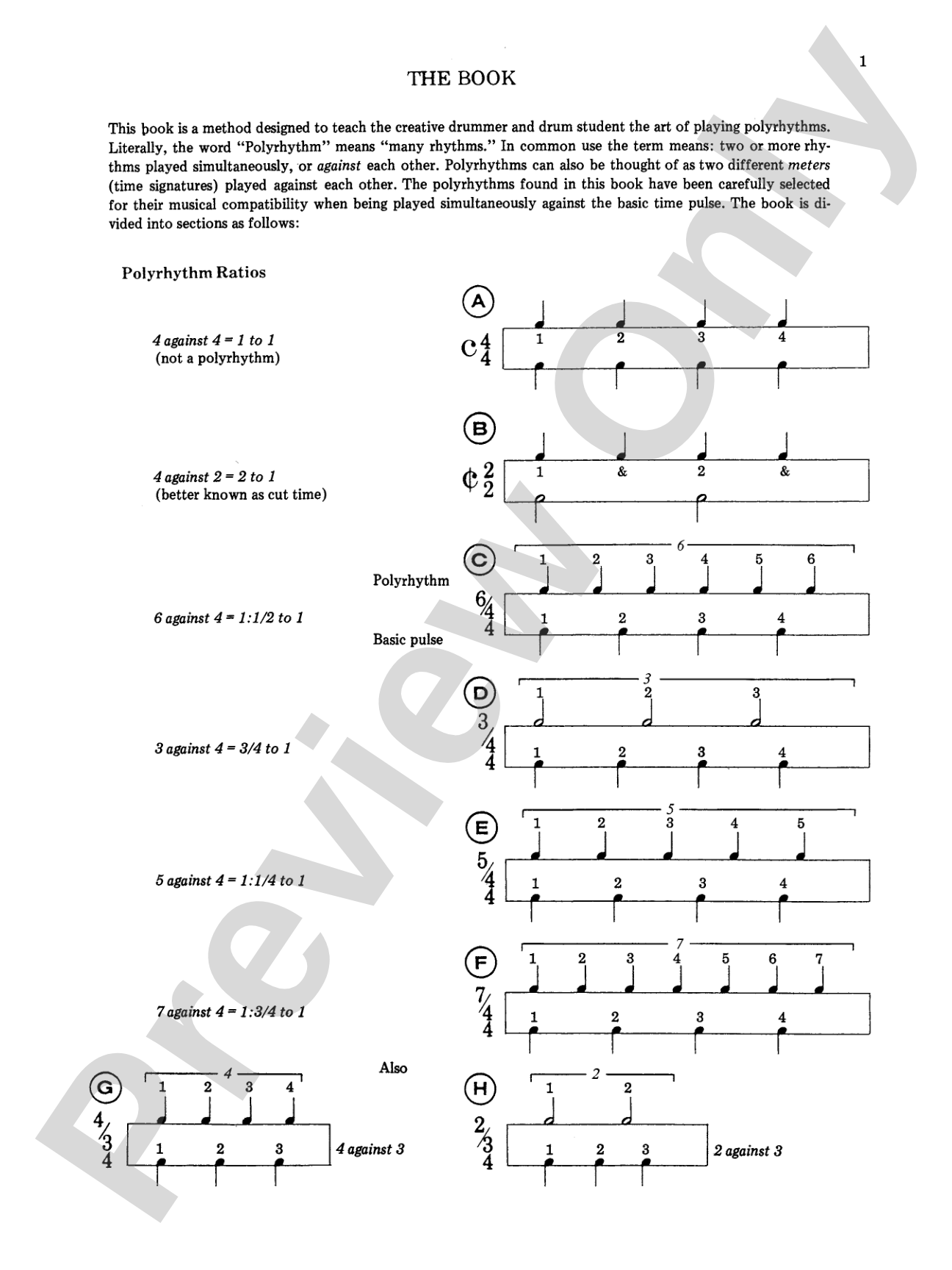
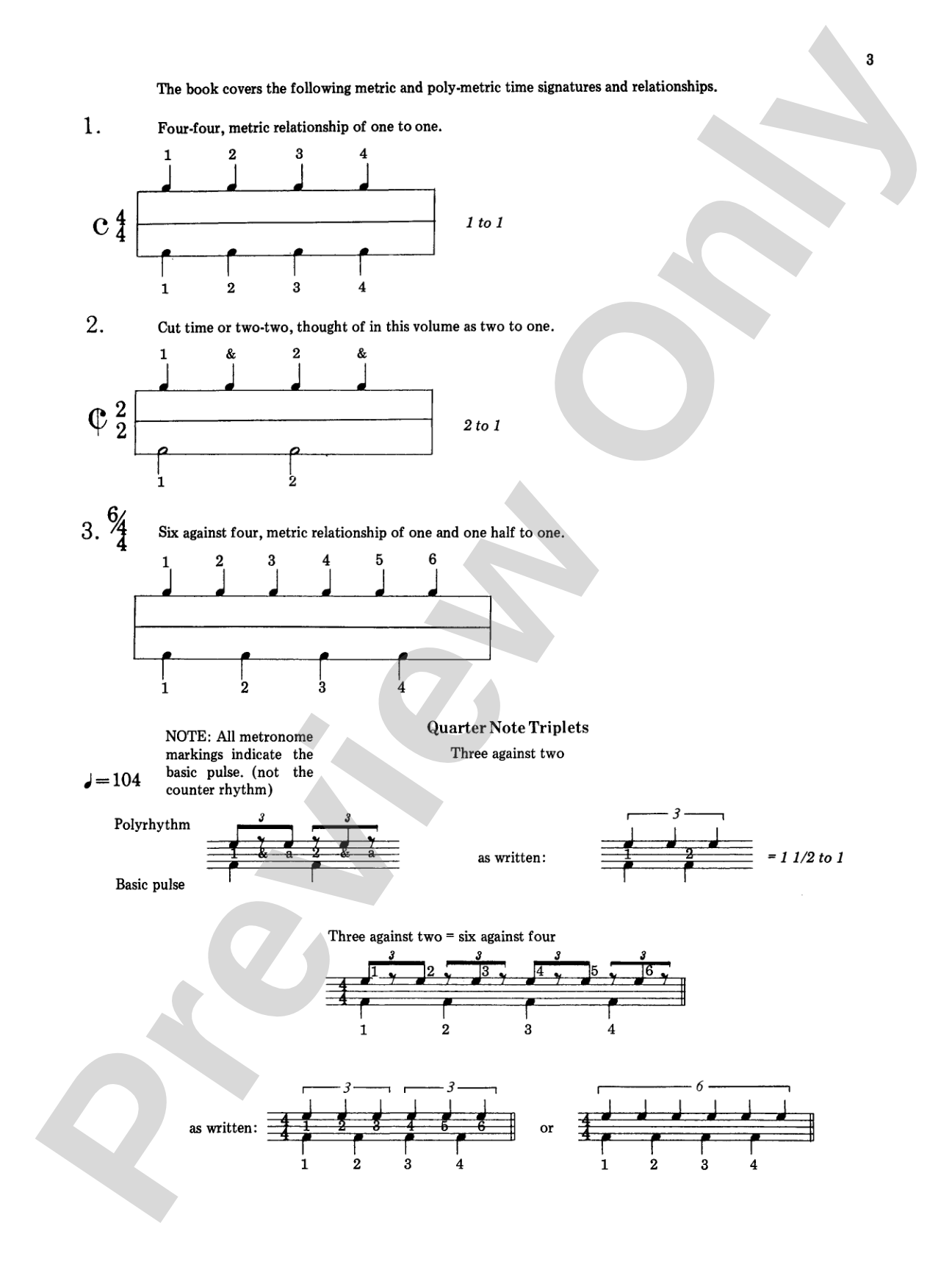
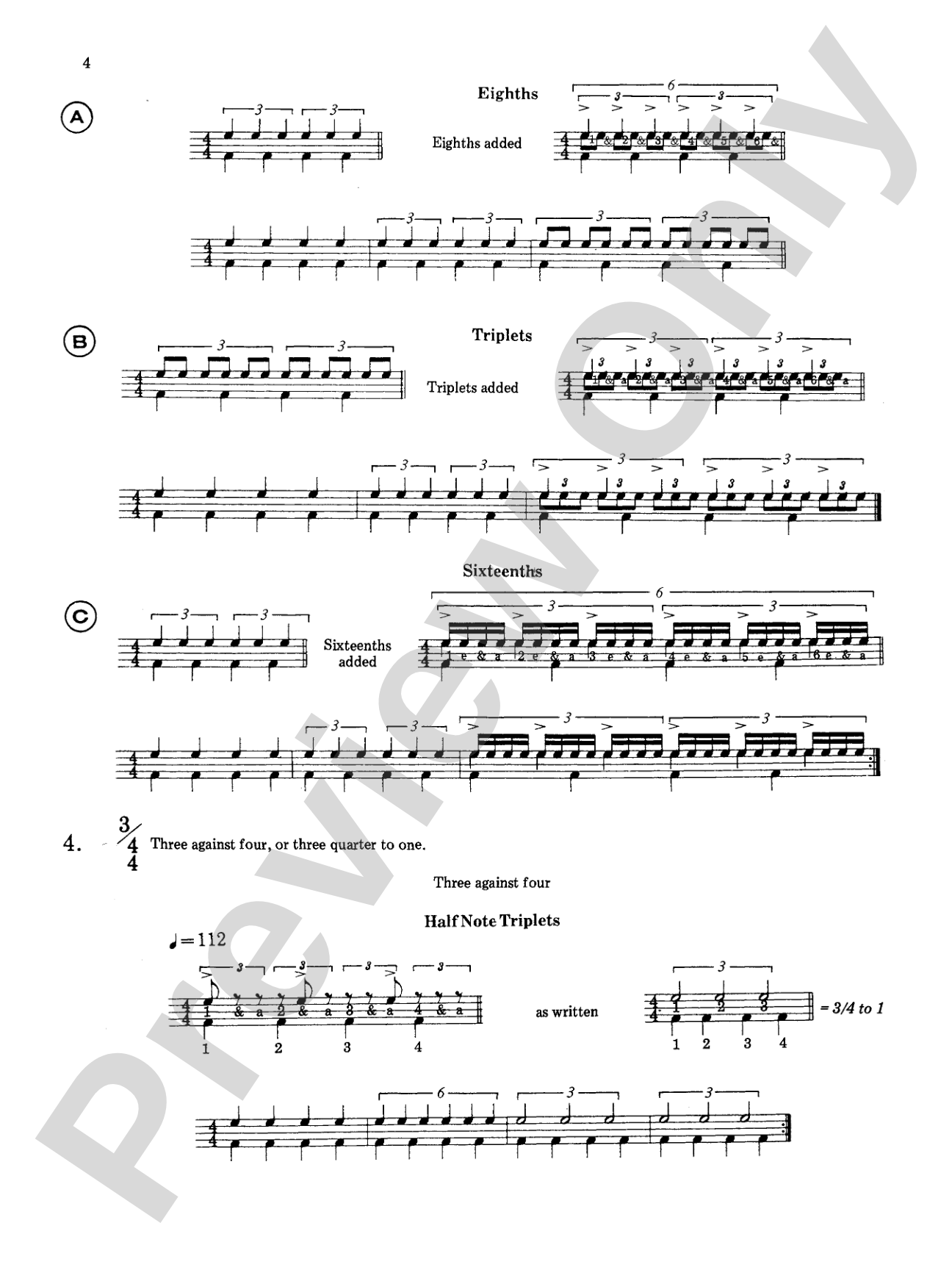

Polyrhythms for the Drumset
By Peter Magadini
Item: 00-PB-0002049
$24.99
Pickup currently not available
Related Items
Polyrhythms for the Drumset: Drumset Book & Online Audio |
$24.99
|
View |
Description
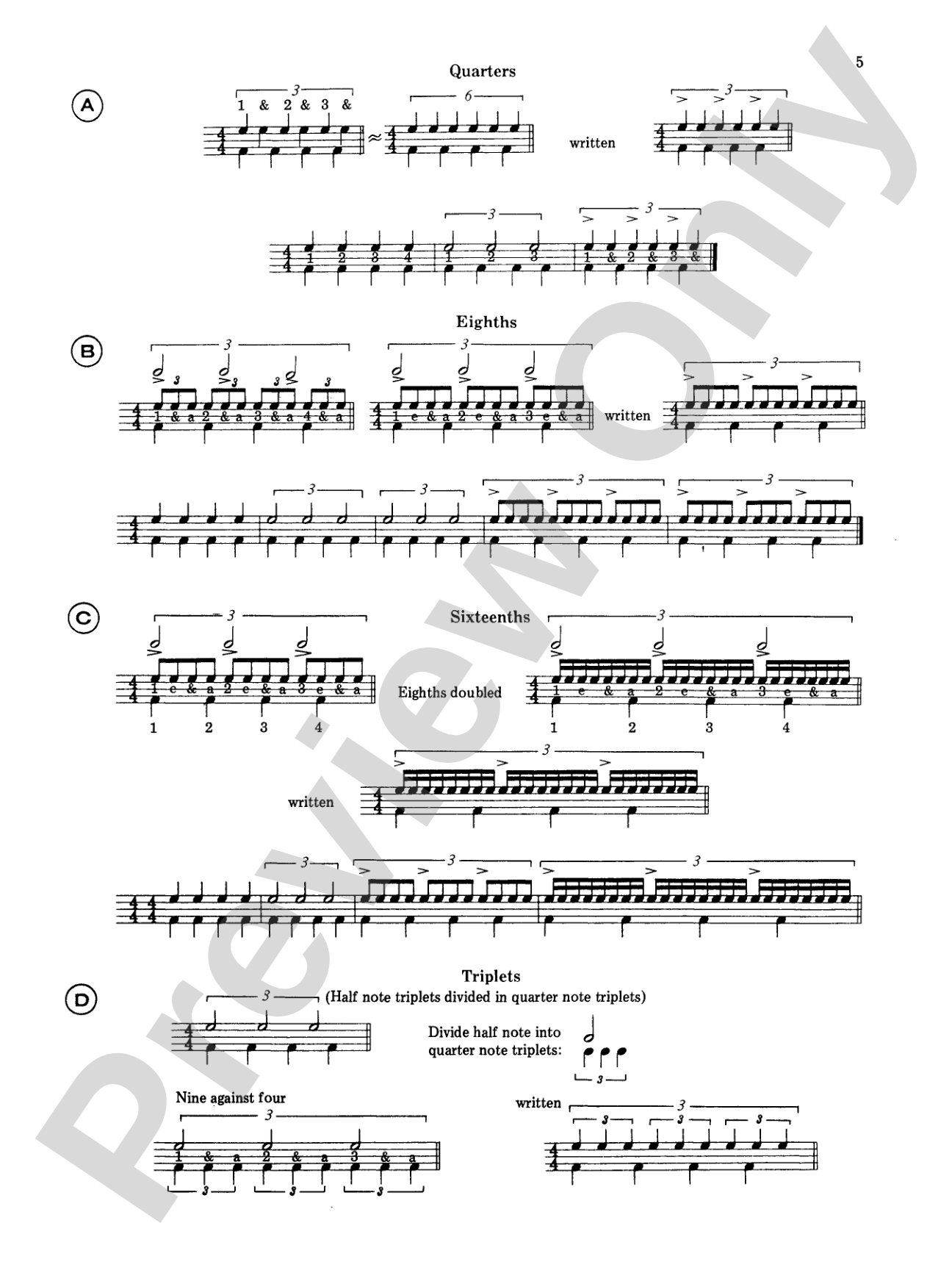
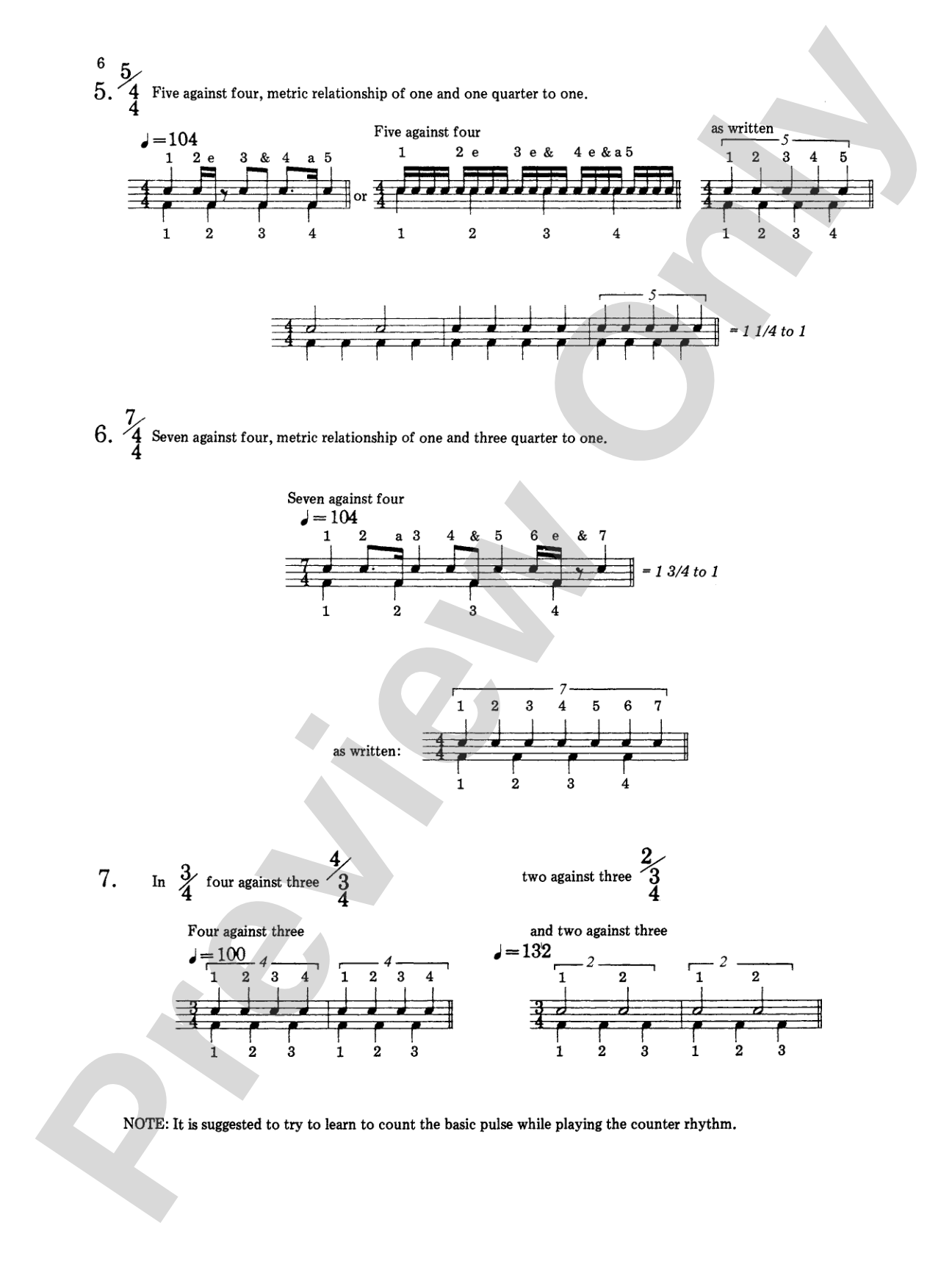
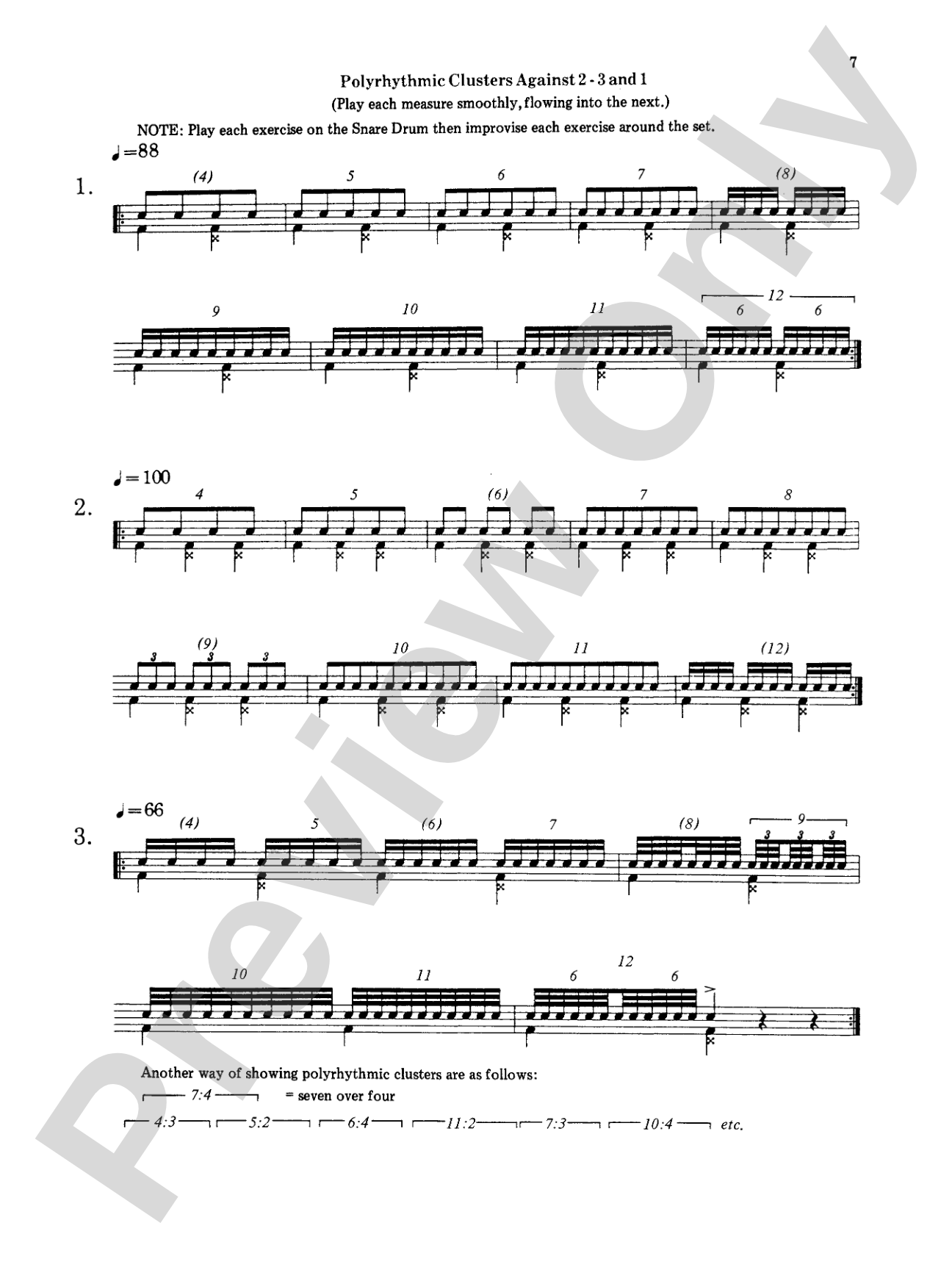
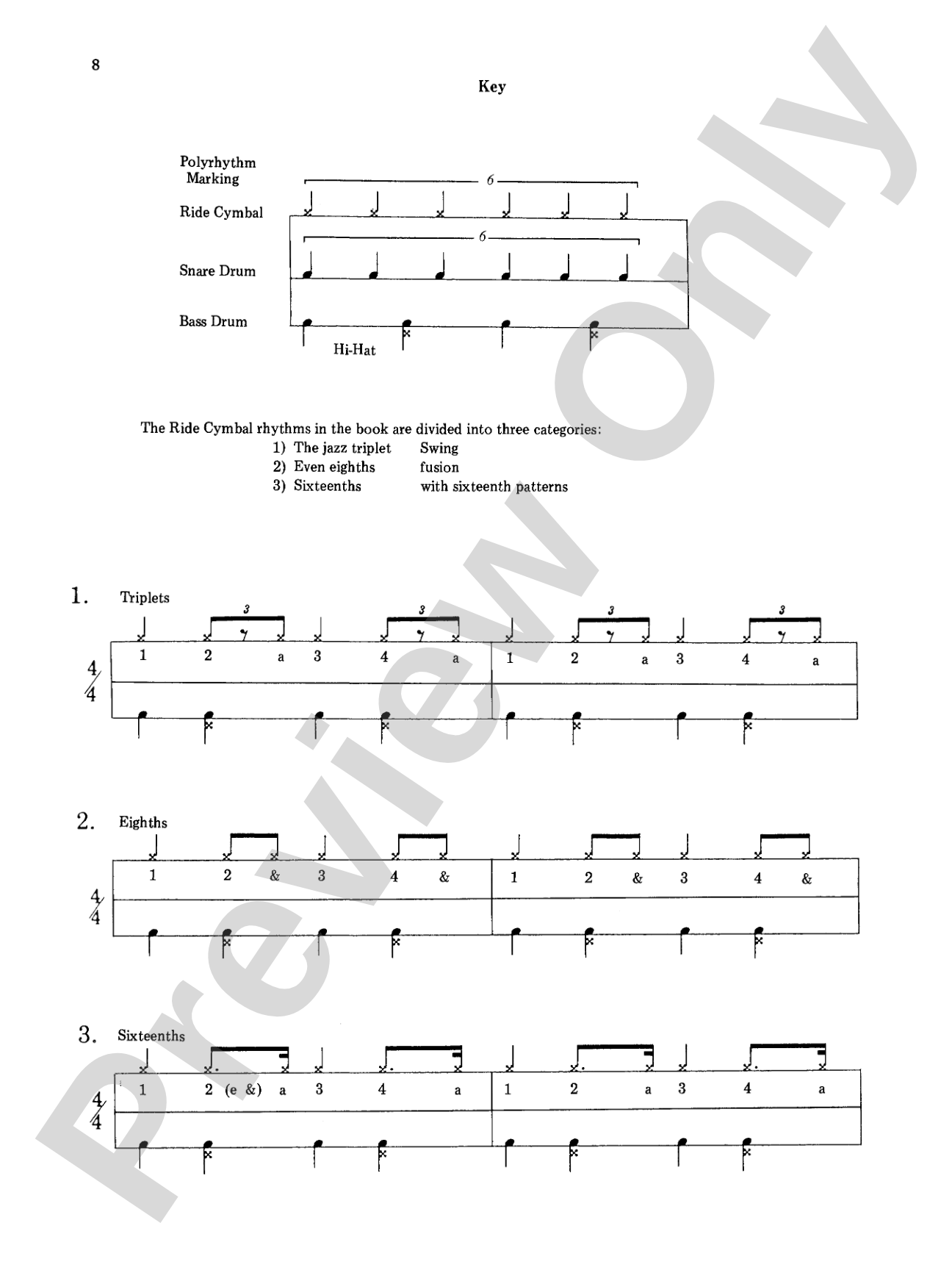
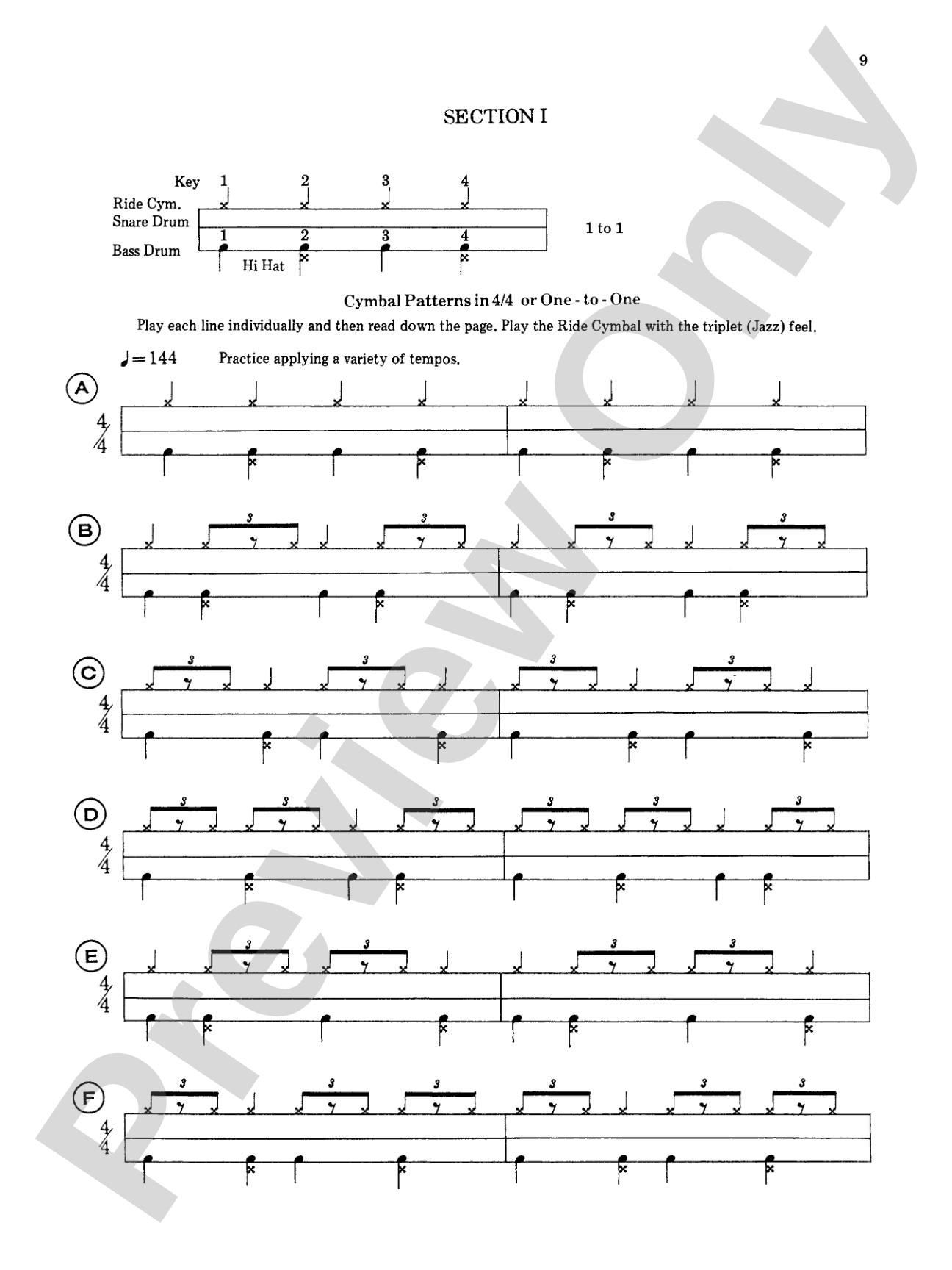
An extensive step-by-step method on the application of polyrhythms for the drumset. Expands drum solos and fills by incorporating polyrhythms to basic time. This book also lends itself as a source for extending rhythmic comprehension while the drummer is improvising.


Polyrhythms for the Drumset isn't in MakeMusic Cloud just yet...but it could be. Let us know you'd like to see it, and you'll help shape what comes next. In the meantime, start a free trial and dive into thousands of interactive titles your students can play along with today.
Request This Title
Tell us you want it.
Start Your Free Trial
Explore everything that's ready to play right now.
Sample Audio
No sample audio found.
Sample Video
No sample videos found.
Additional Details
Publisher:
Alfred Music
Page Count:
64
SKU:
00-PB-0002049
More about this title
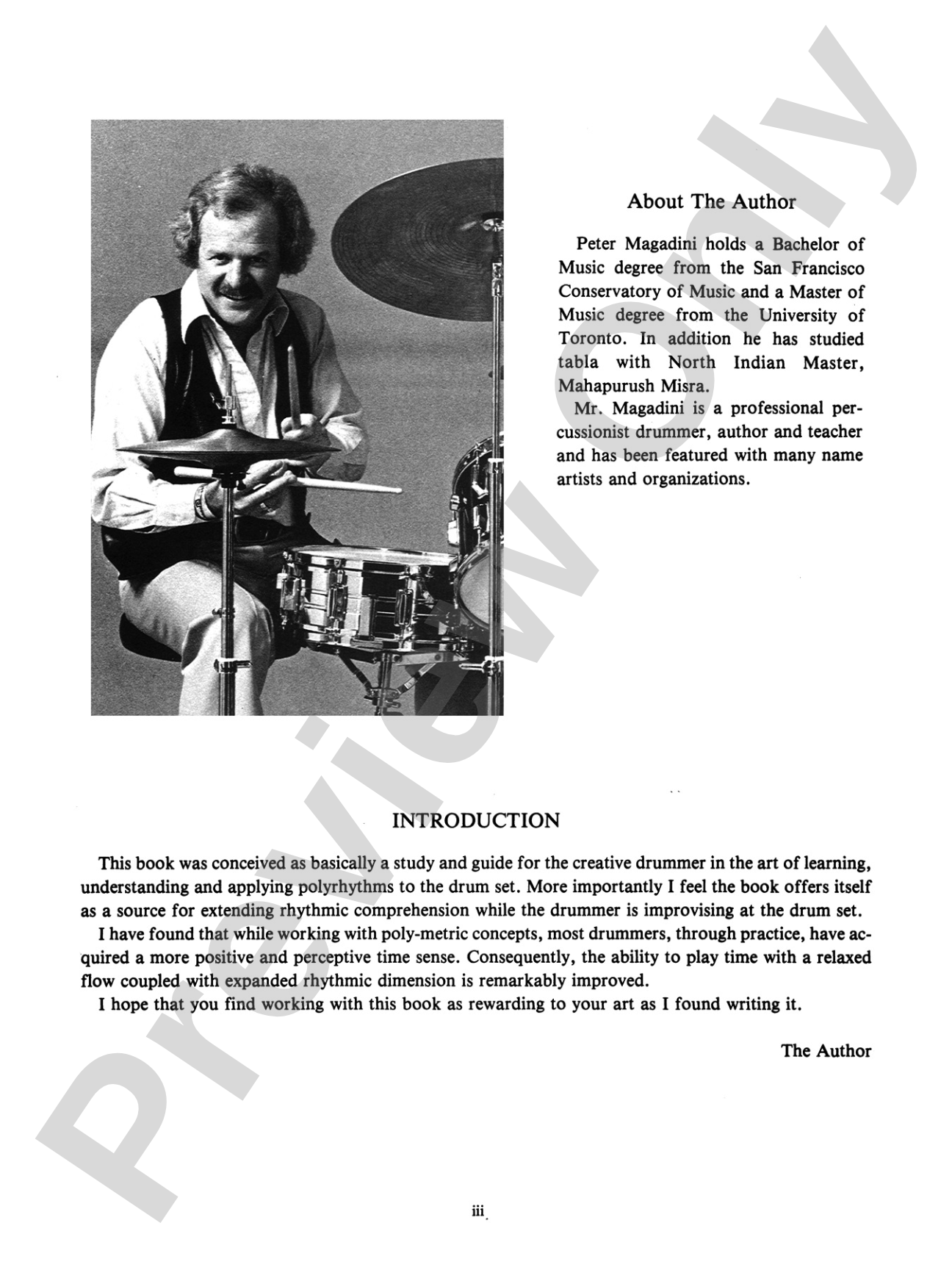
About the Composer: Peter Magadini

Peter Magadini established himself as the definitive voice on polyrhythmic practice when he published The Musicians Guide to Polyrhythms in 1968. That groundbreaking resource emerged from the Hollywood Professional Drum Shop in Los Angeles and quickly became standard reference material across all instrumental disciplines. His follow-up, Polyrhythms For The Drumset, arrived five years later with a laser focus on drumset application, earning endorsements from the era's most accomplished players including Steve Smith, Aaron Comess, Jeff Watts, Cindy Blackman, and Louie Bellson.
Beyond his authoritative written work, Magadini built a substantial career as a performing and recording artist, working alongside George Duke, Diana Ross, the Don Ellis Band, Sonny Stitt, and Chet Baker. He holds degrees from the San Francisco Conservatory of Music and the University of Toronto (where he specialized in percussion), and continues to perform and teach actively today.
Why we love this
This book remains the most focused, practical treatment of polyrhythms designed specifically for drumset players. Rather than abstract theory, Magadini builds from accessible rhythmic fundamentals and methodically expands your improvisational vocabulary through concrete exercises that transfer immediately to solos, fills, and comping situations. The endorsement list reads like a hall of fame for a reason: these patterns actually expand what drummers can execute and hear.
What to expect
Working through these exercises creates a peculiar kind of freedom. Your hands and feet begin operating in genuinely independent rhythmic spaces, no longer bound by the pulse as a shared reference point. The mental clarity builds gradually, and suddenly fills that seemed impossible become fingerings under your hands.
Who it's for
Drumset players ready to systematize their approach to rhythmic independence and solo construction. This method works equally well for working professionals seeking to deepen their vocabulary and students building foundational improvisational language.
How to get the most out of it
- Start with the simplest polyrhythmic ratios (2 against 3) before moving to more complex layerings; anchor one limb firmly in the underlying pulse while the other voice establishes the cross-rhythm.
- Practice each pattern against a metronome or backing track at deliberately slow tempos to internalize the relationship between voices without rushing the coordination.
- Apply one new polyrhythmic concept per practice session rather than combining multiple unfamiliar patterns; isolation accelerates mastery and prevents frustration.
- Record yourself playing basic time, then layer polyrhythmic fills over your own accompaniment to develop independence and hear how the patterns sit in an actual musical context.
How to use it
Assign specific chapters as solo preparation materials for jazz ensemble members preparing for concert performances or combos. The book also serves as a focused summer practice resource for drummers looking to return in the fall with expanded technical range and confidence navigating complex time signatures and rhythmic conversations.
Skills your students will build
- Layering independent rhythmic phrases against steady time (polyrhythmic independence)
- Soloing and fill construction using cross-rhythmic elements
- Developing improvisational vocabulary grounded in systematic practice
- Coordinating polyrhythmic ratios (2 against 3, 3 against 4, and beyond) across different limbs
- Translating polyrhythmic concepts into musically coherent phrases rather than mechanical patterns