

Podemski's Standard Snare Drum Method: Including Double Drums and Introduction to Timpani
Including Double Drums and Introduction to Timpani
By Benjamin Podemski / ed. Anthony J. Cirone
Item: 00-PB-0002251
$17.99
Pickup currently not available
Related Items
Podemski's Standard Snare Drum Method: Snare Drum Book |
$17.99
|
View |
Description
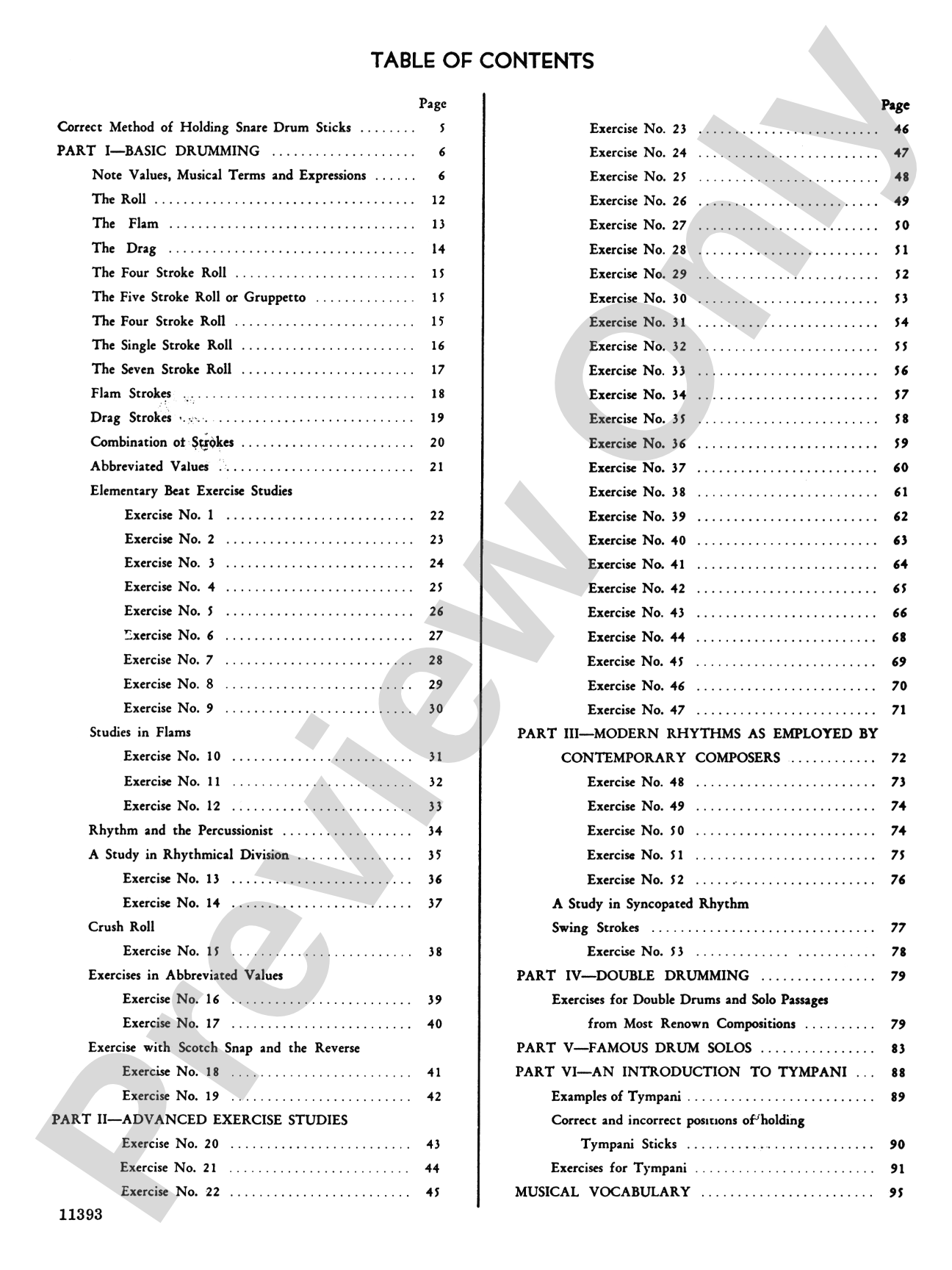
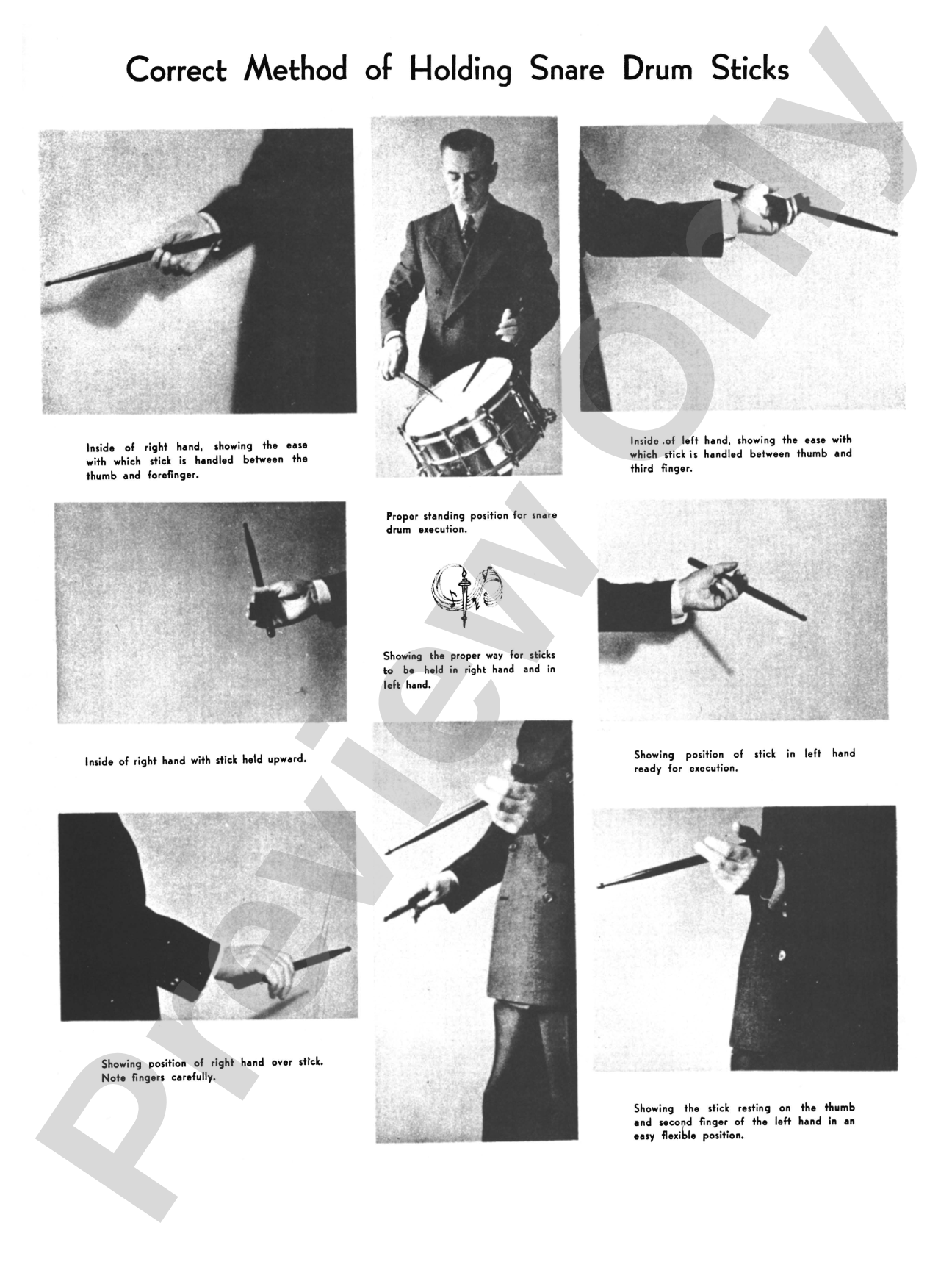
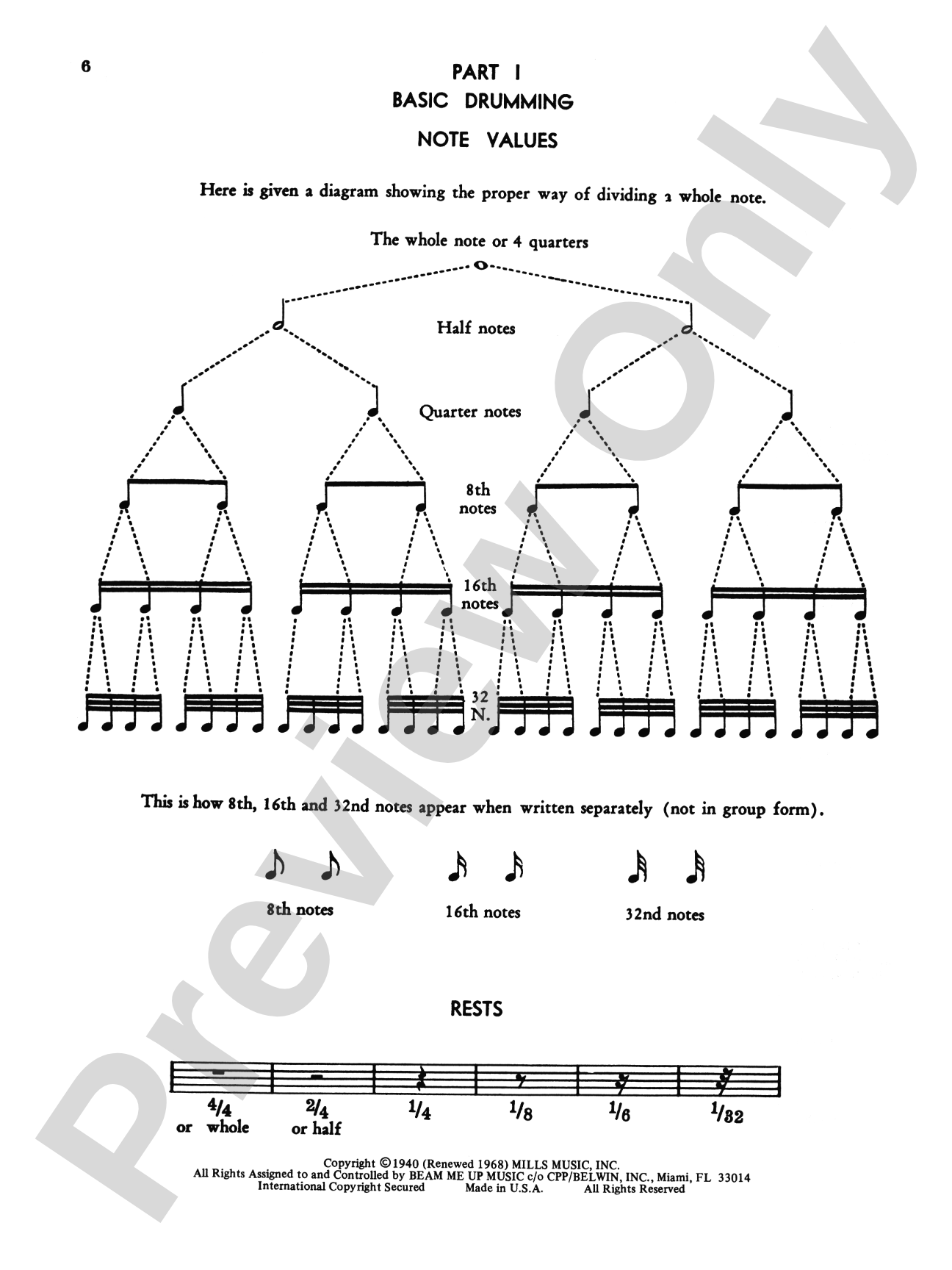
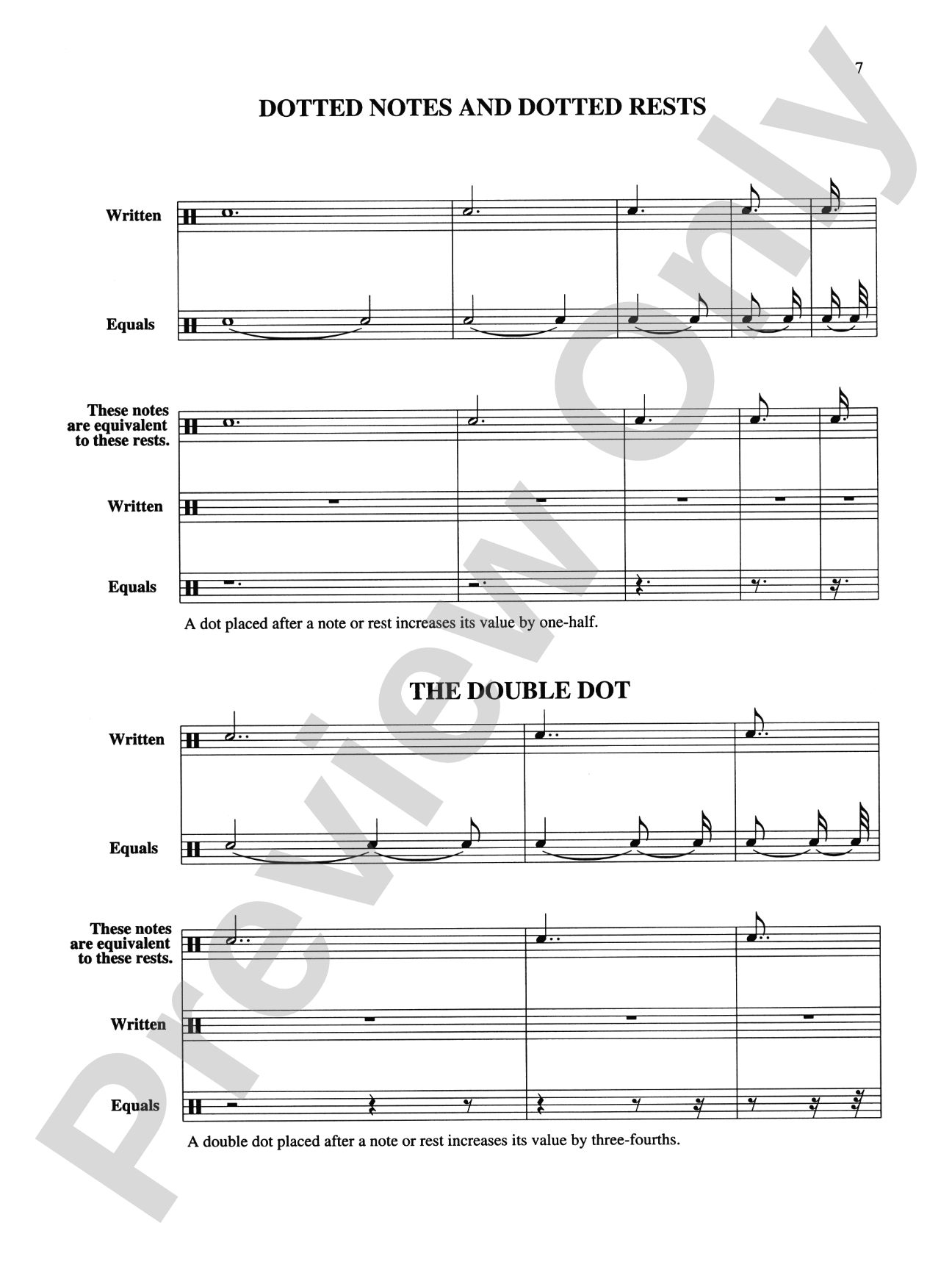
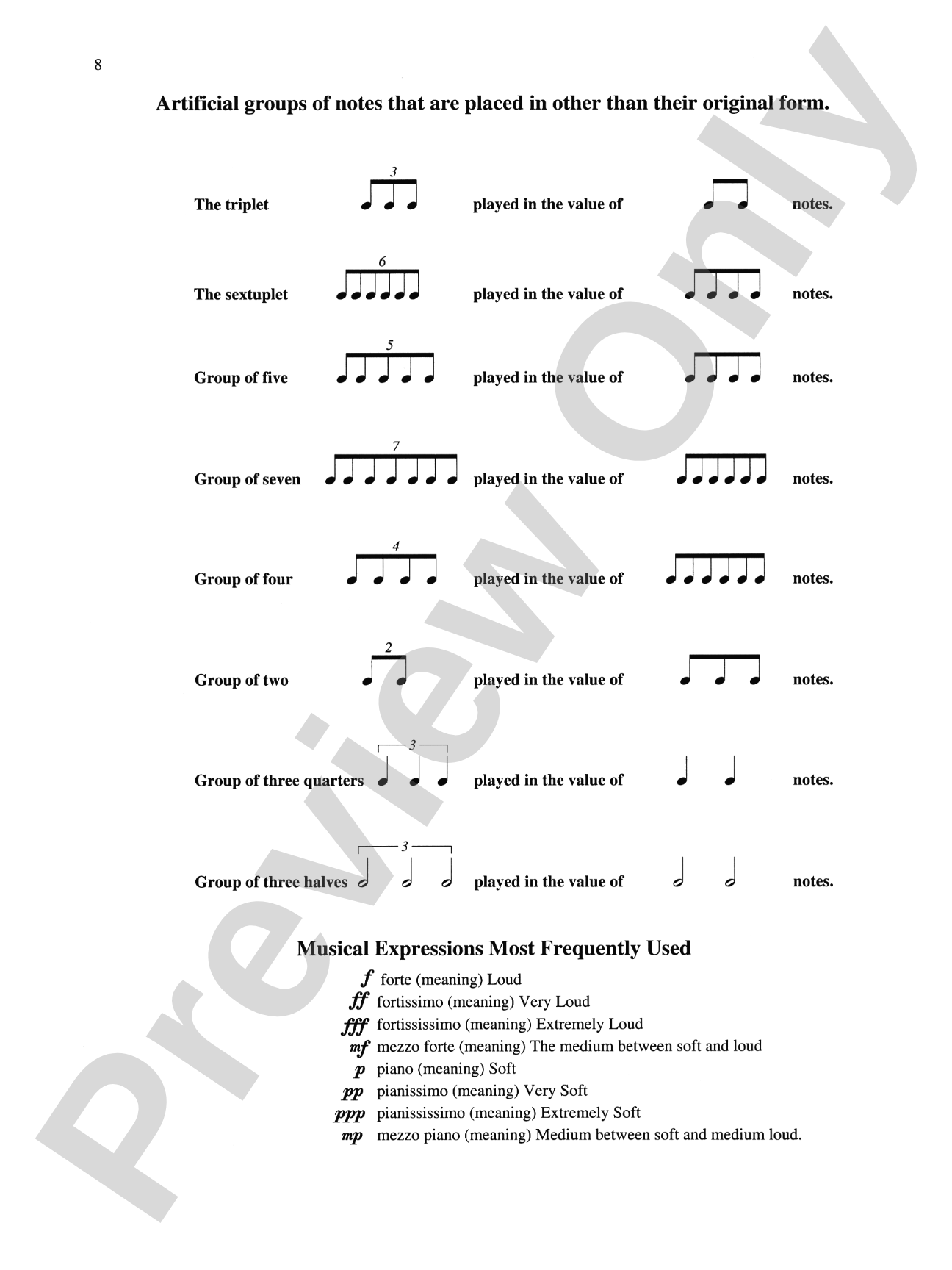
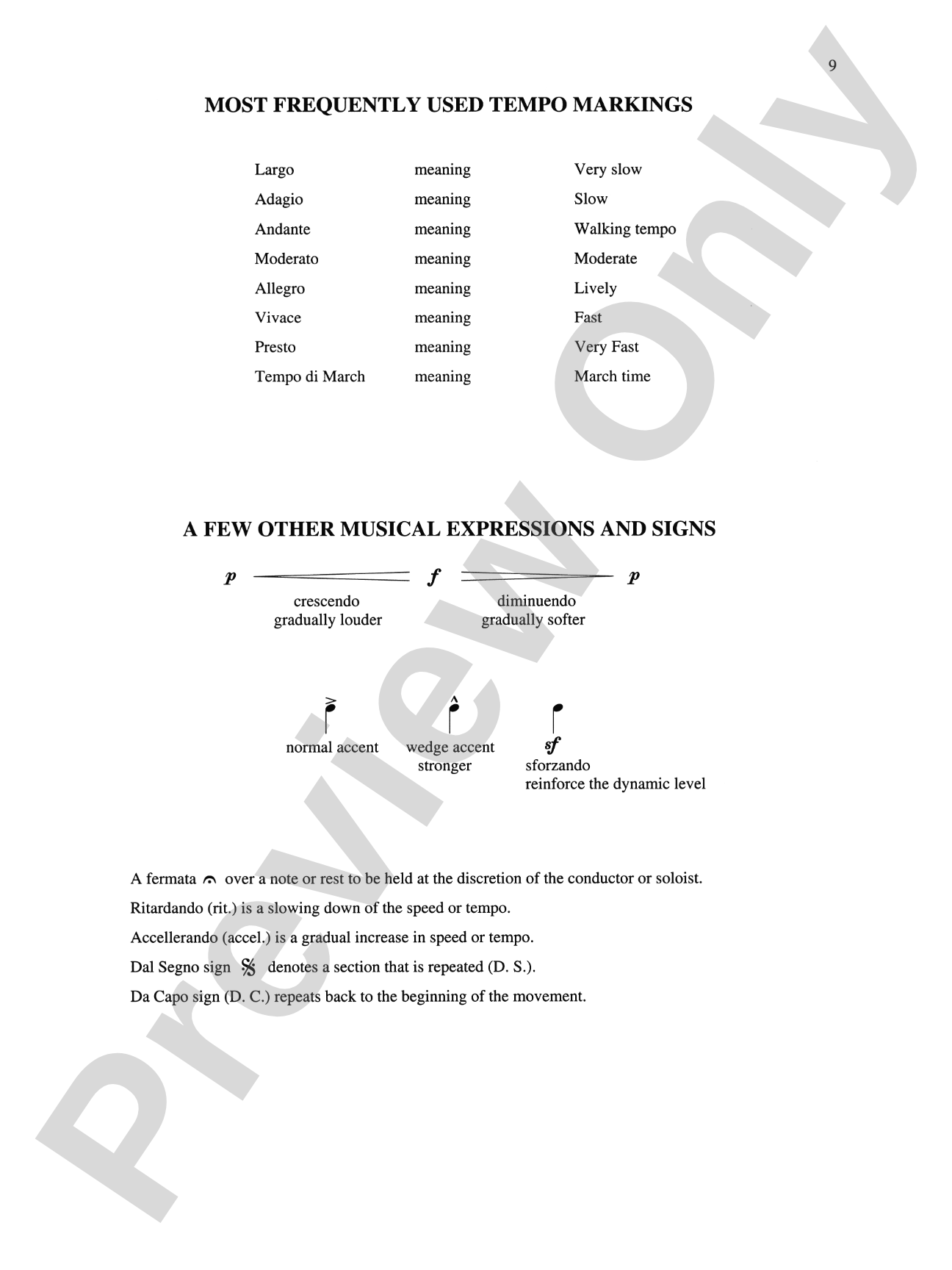
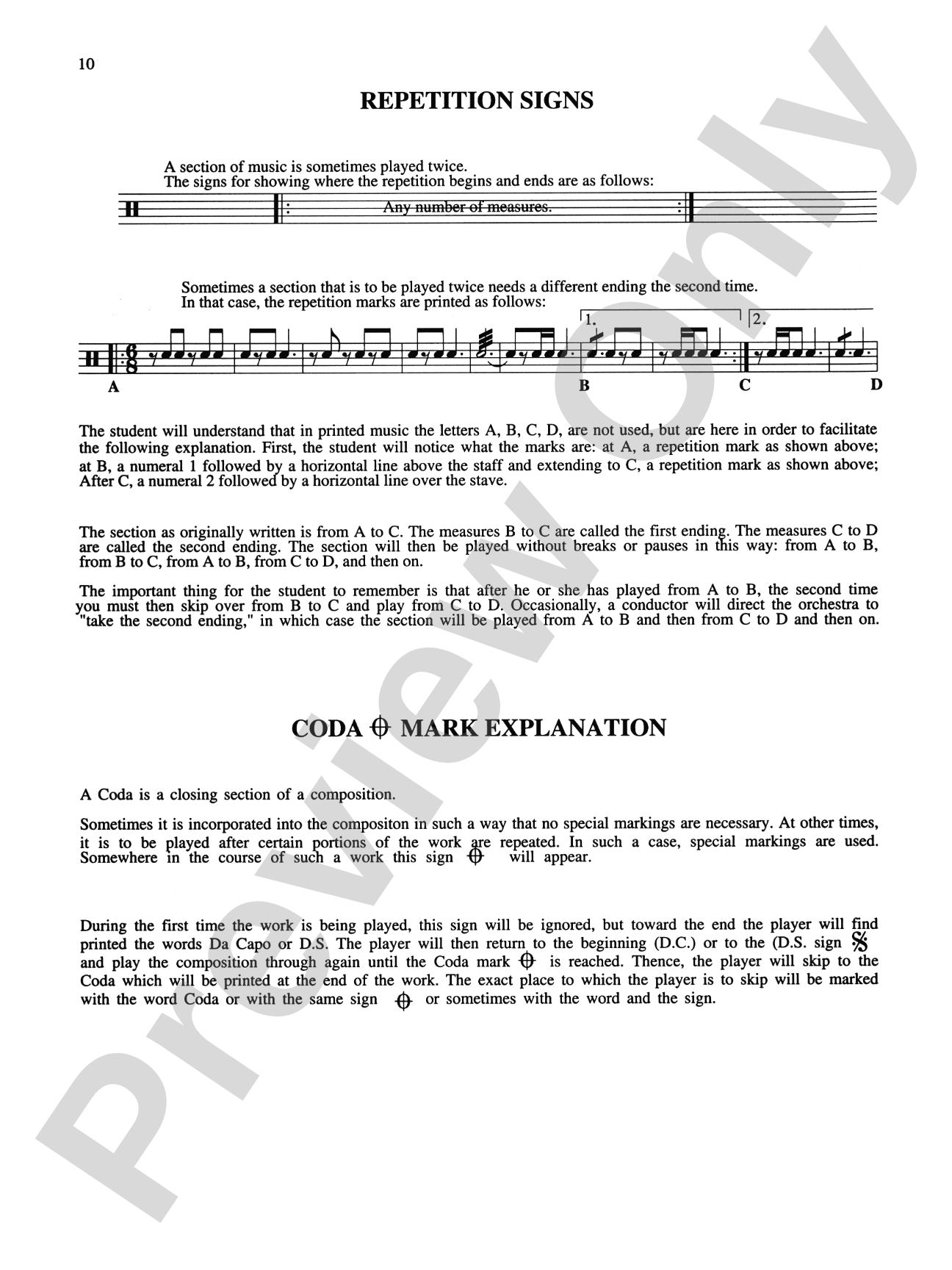
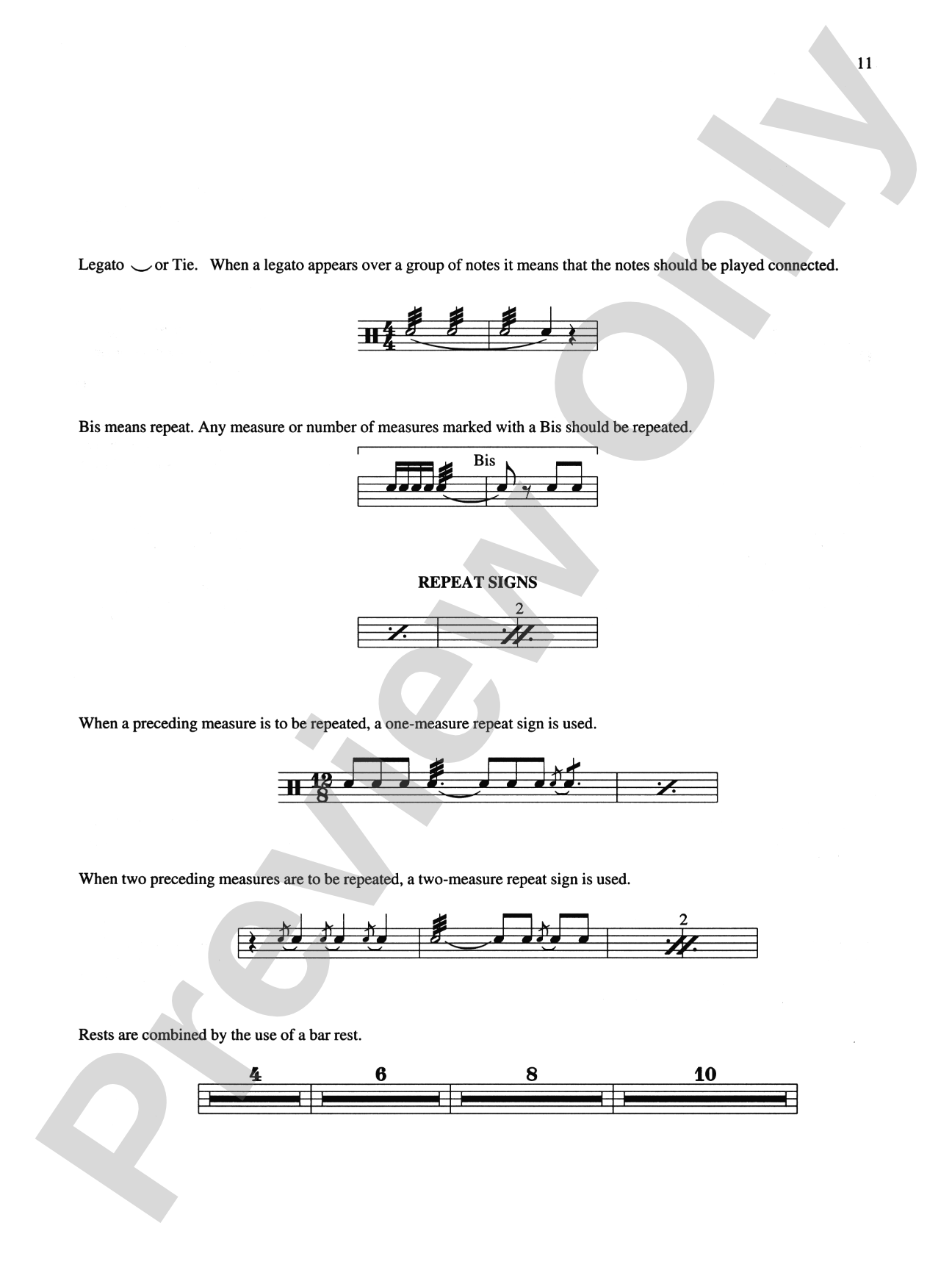
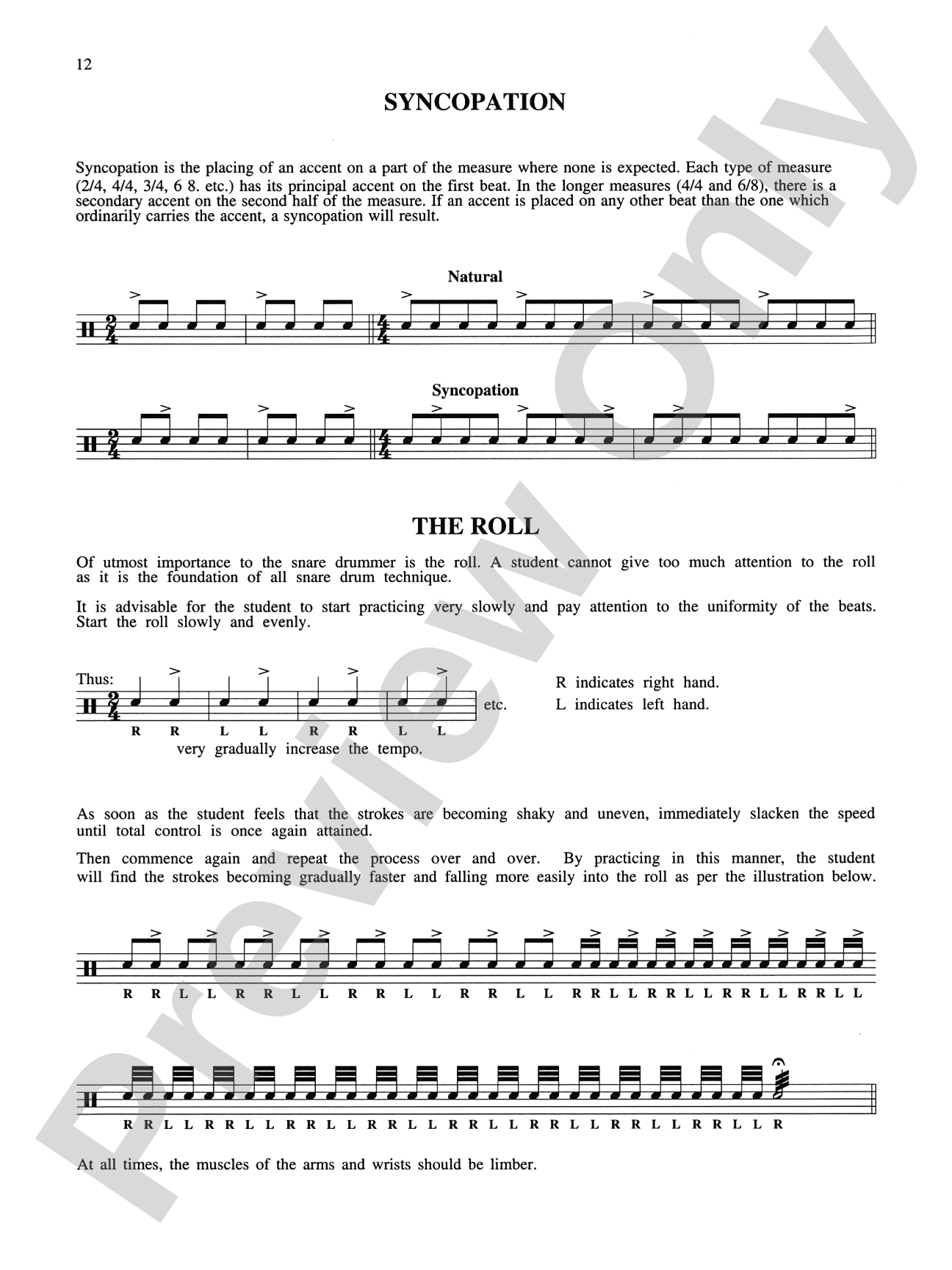
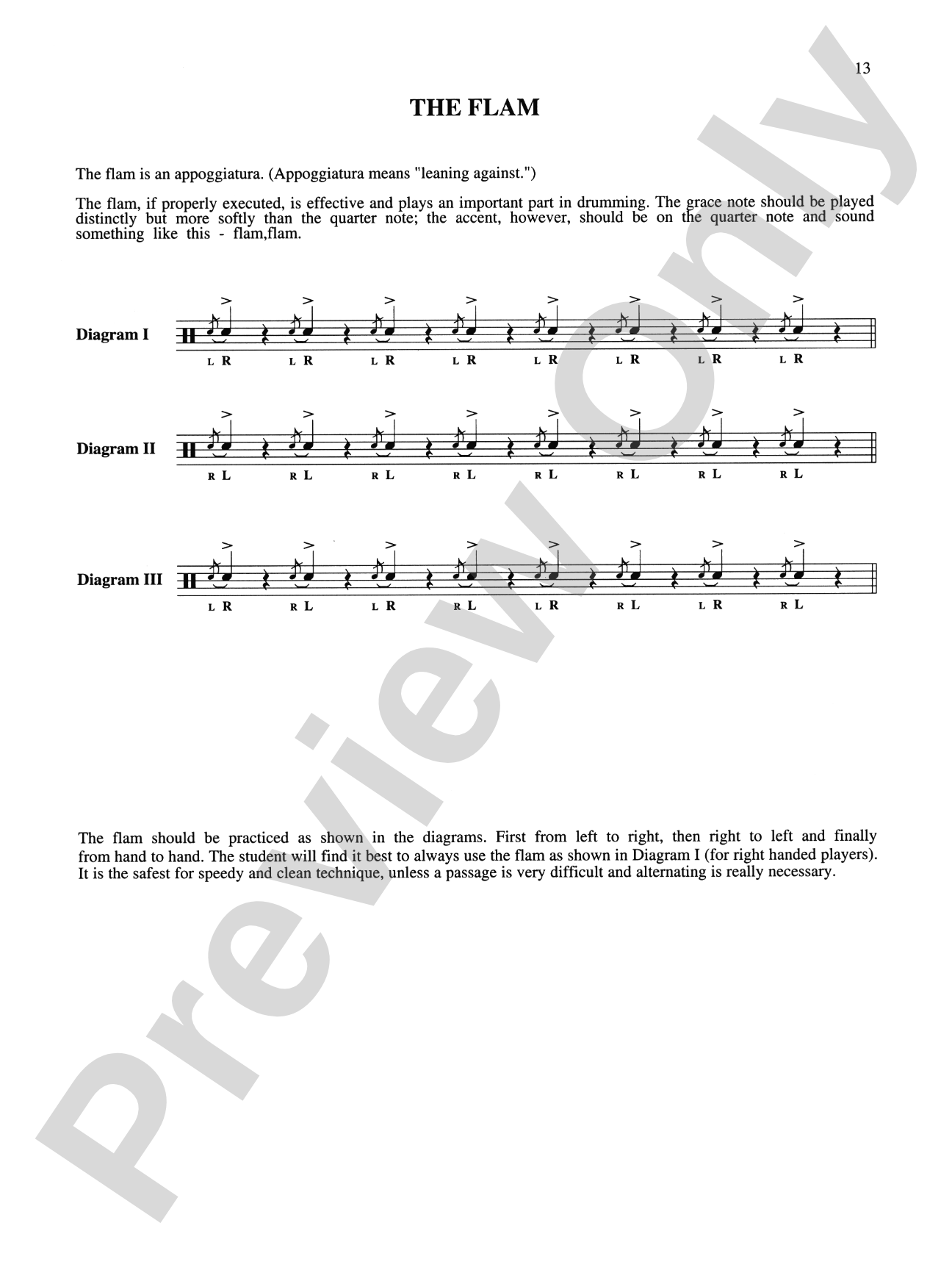
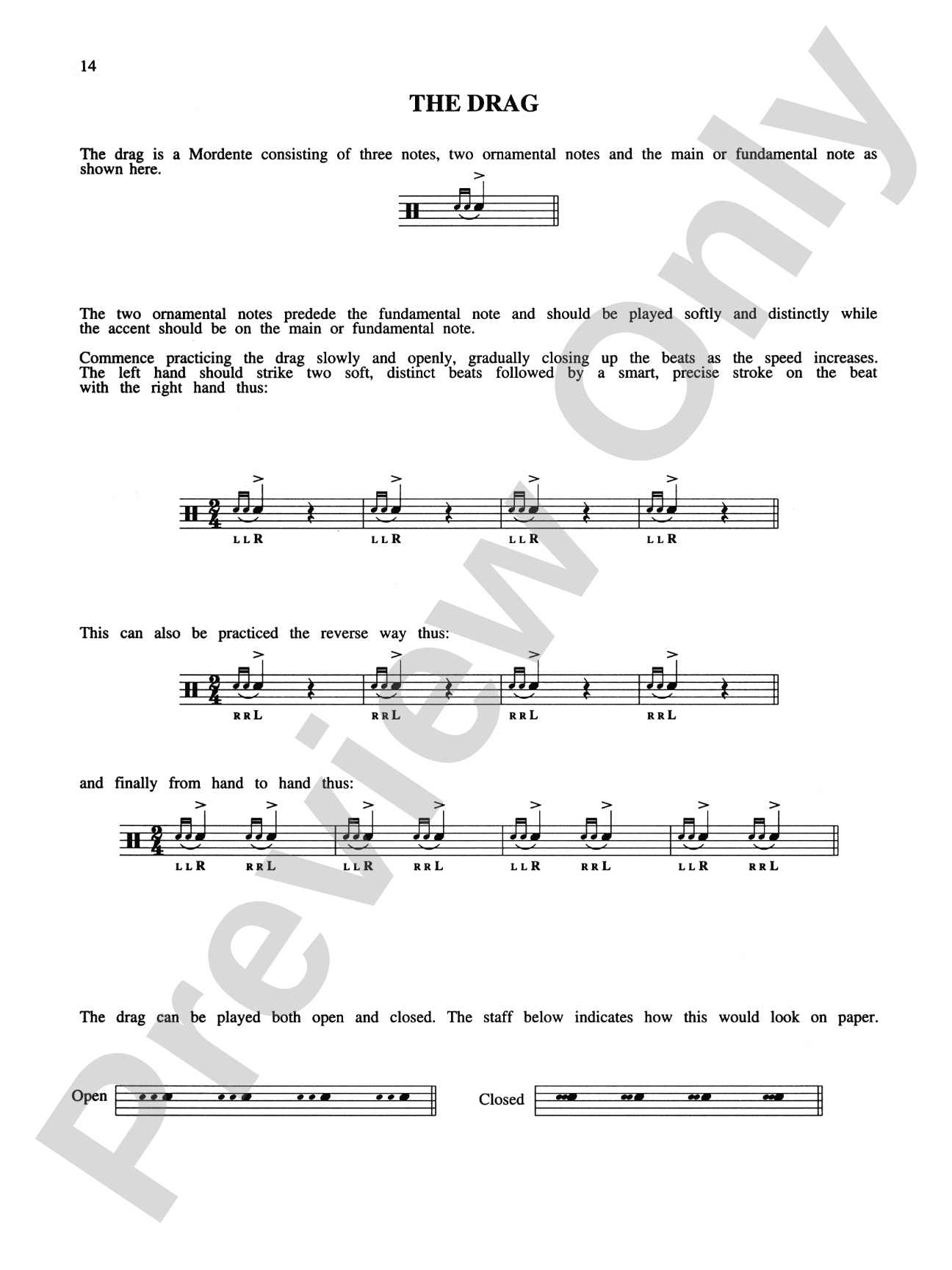
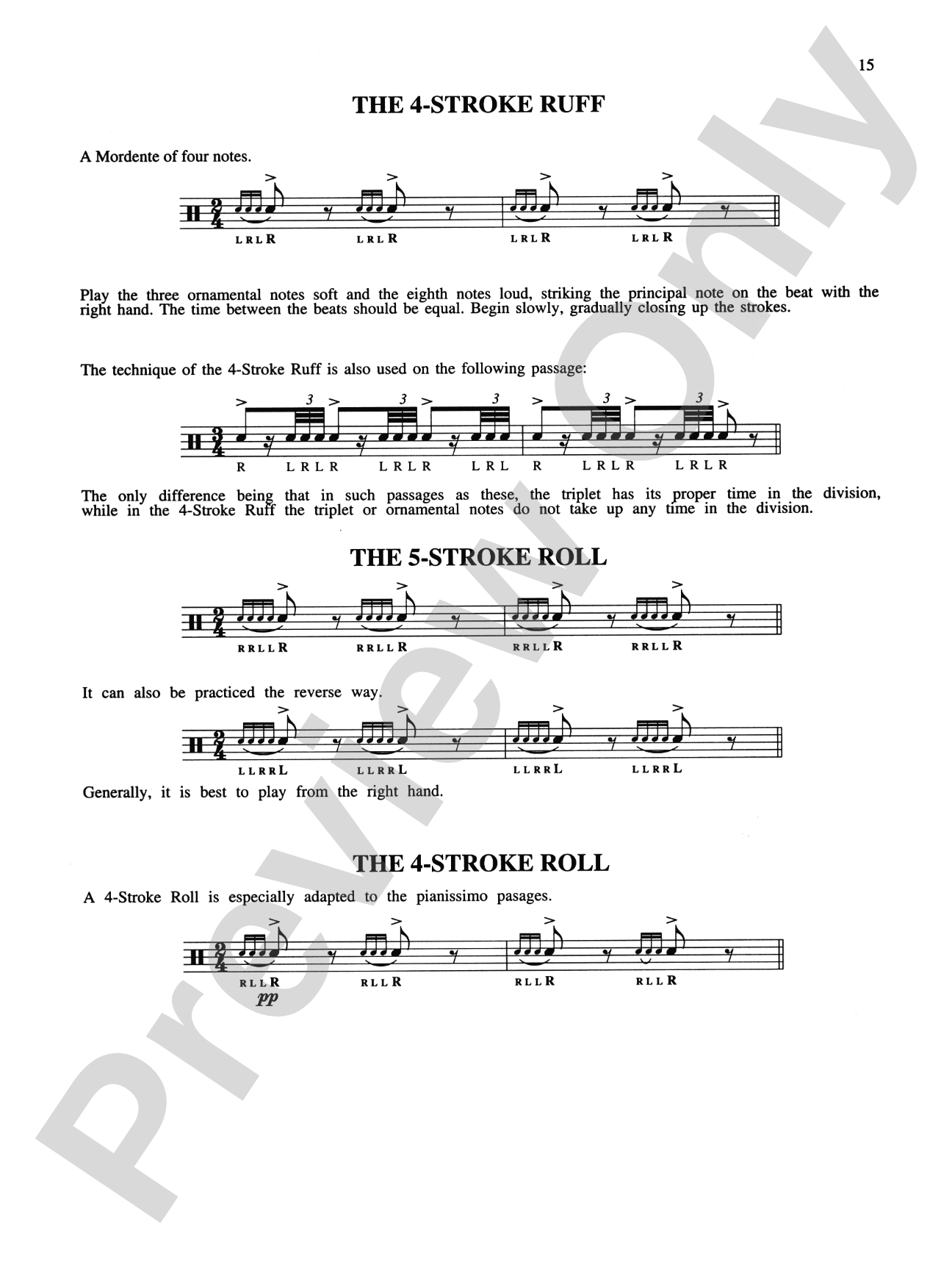
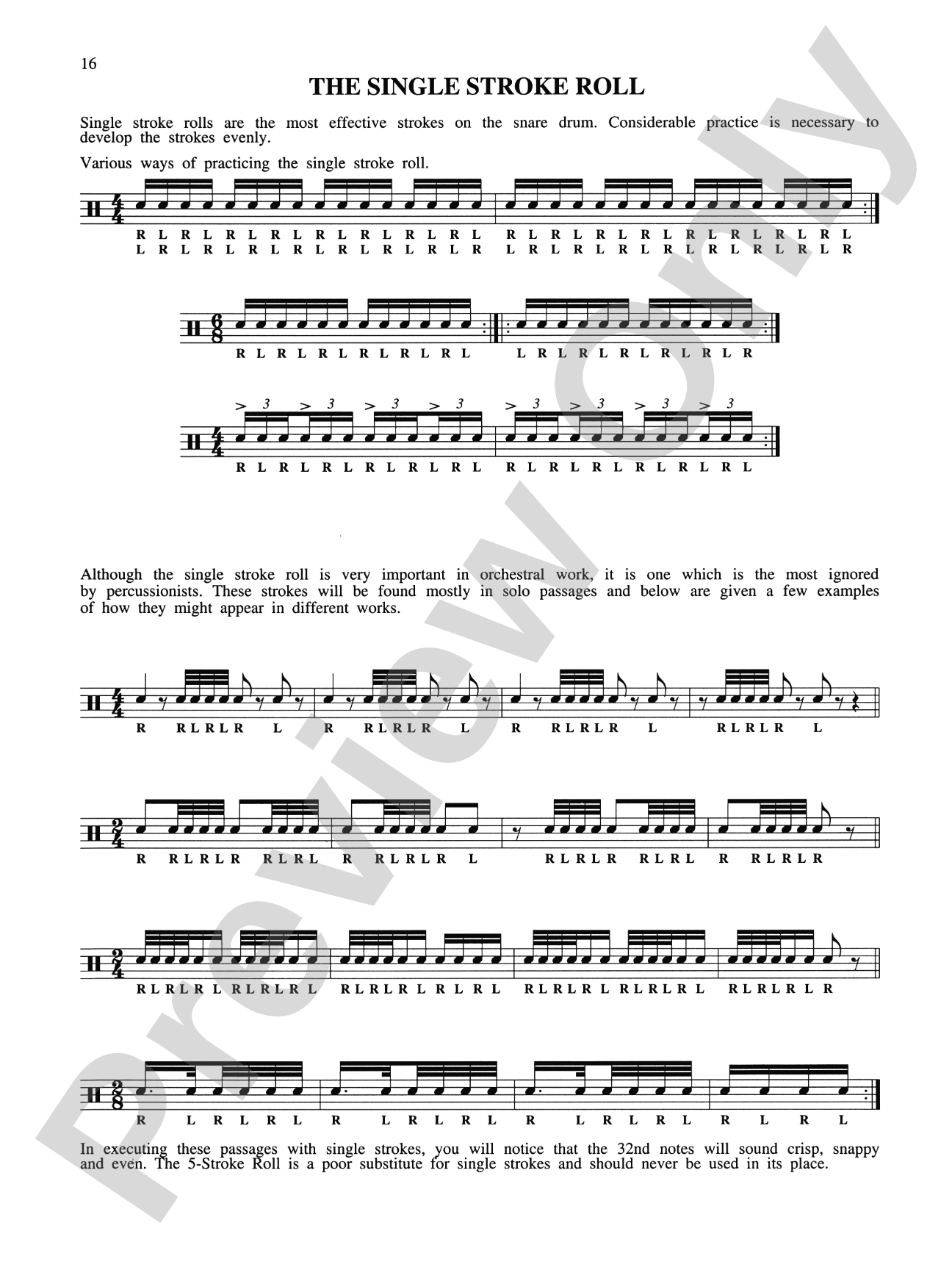
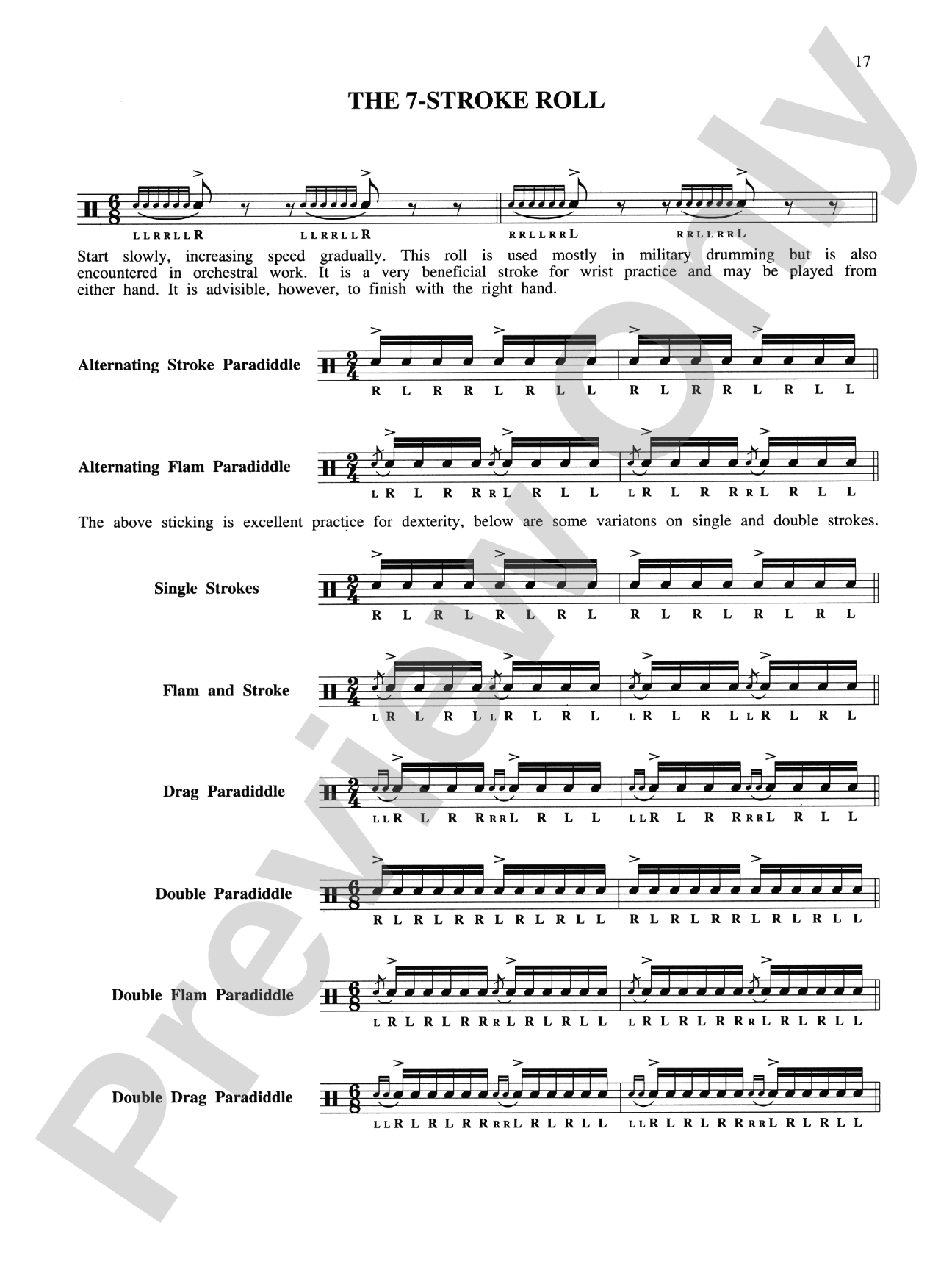
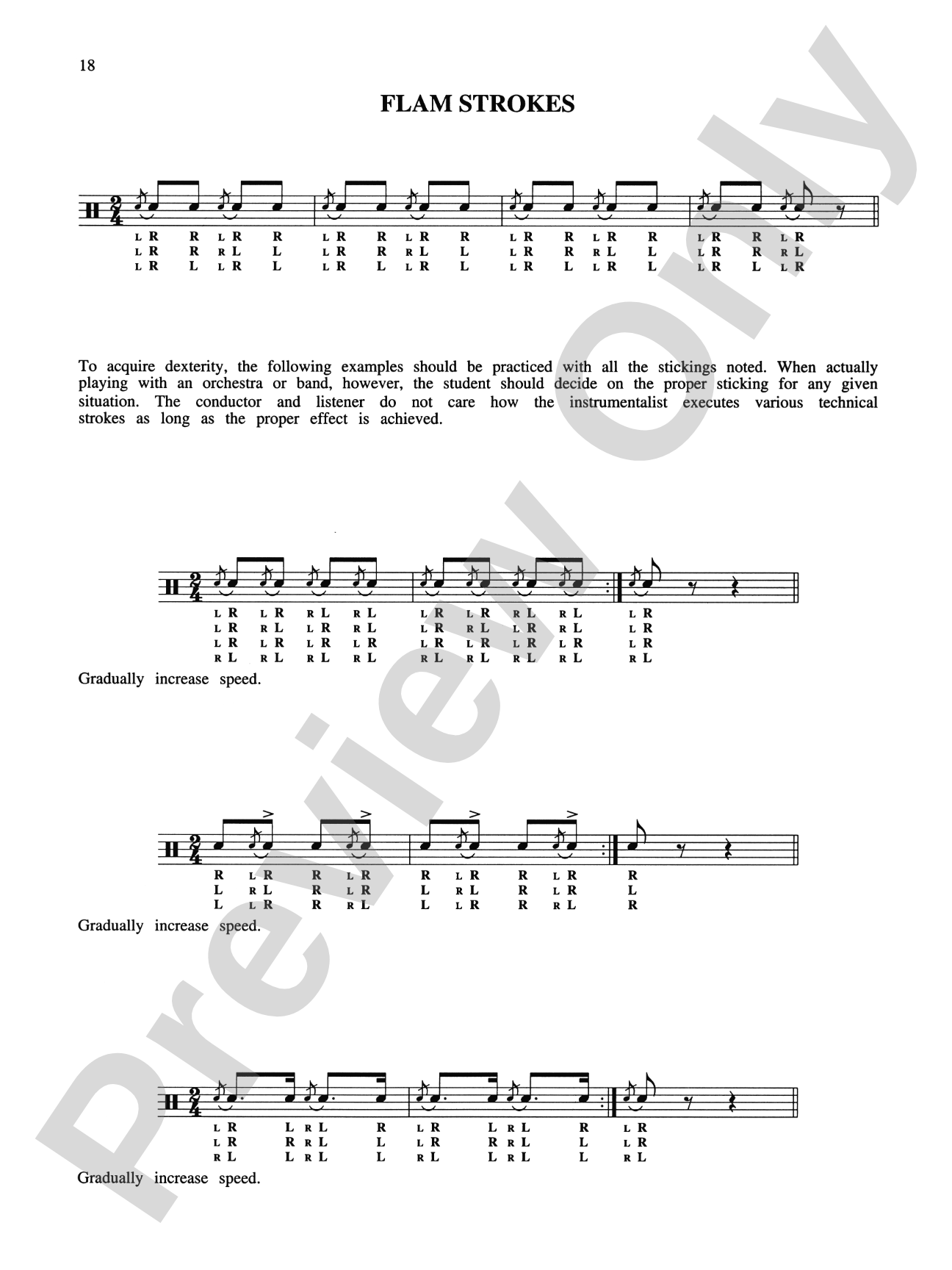
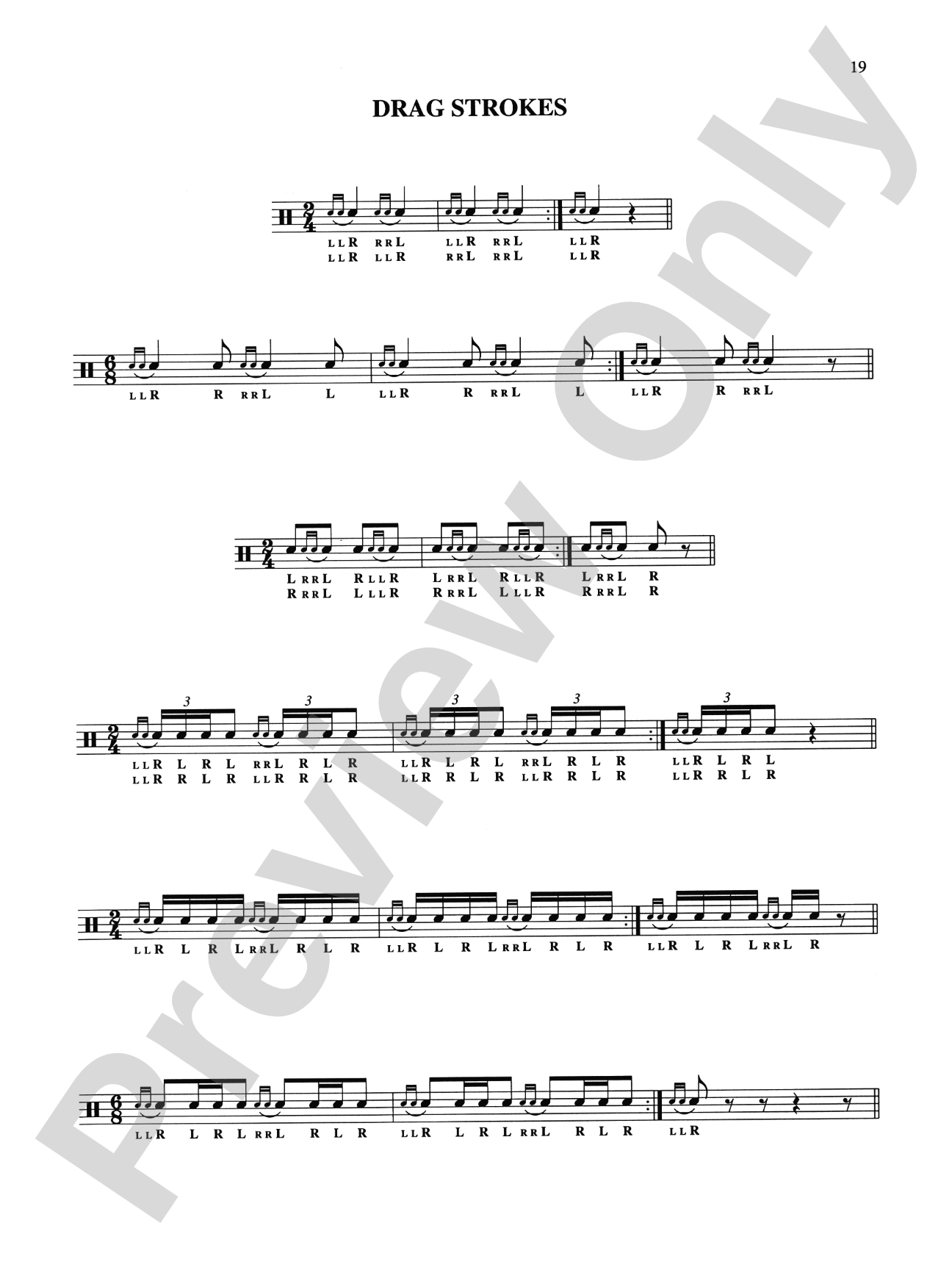
One of the standard texts in its field. A modern course in percussion studies including all standard and modern drum strokes, drum solo passages from world-famous concert and symphonic compositions, and striking exercises for double drumming. Also includes an analysis of the timpani---the instrument, tuning, correct method of playing, rhythm and beats. Excellent reading material.


Podemski's Standard Snare Drum Method: Including Double Drums and Introduction to Timpani isn't in MakeMusic Cloud just yet...but it could be. Let us know you'd like to see it, and you'll help shape what comes next. In the meantime, start a free trial and dive into thousands of interactive titles your students can play along with today.
Request This Title
Tell us you want it.
Start Your Free Trial
Explore everything that's ready to play right now.
Sample Audio
No sample audio found.
Sample Video
No sample videos found.
Additional Details
Publisher:
Alfred Music
Page Count:
96
SKU:
00-PB-0002251
More about this title
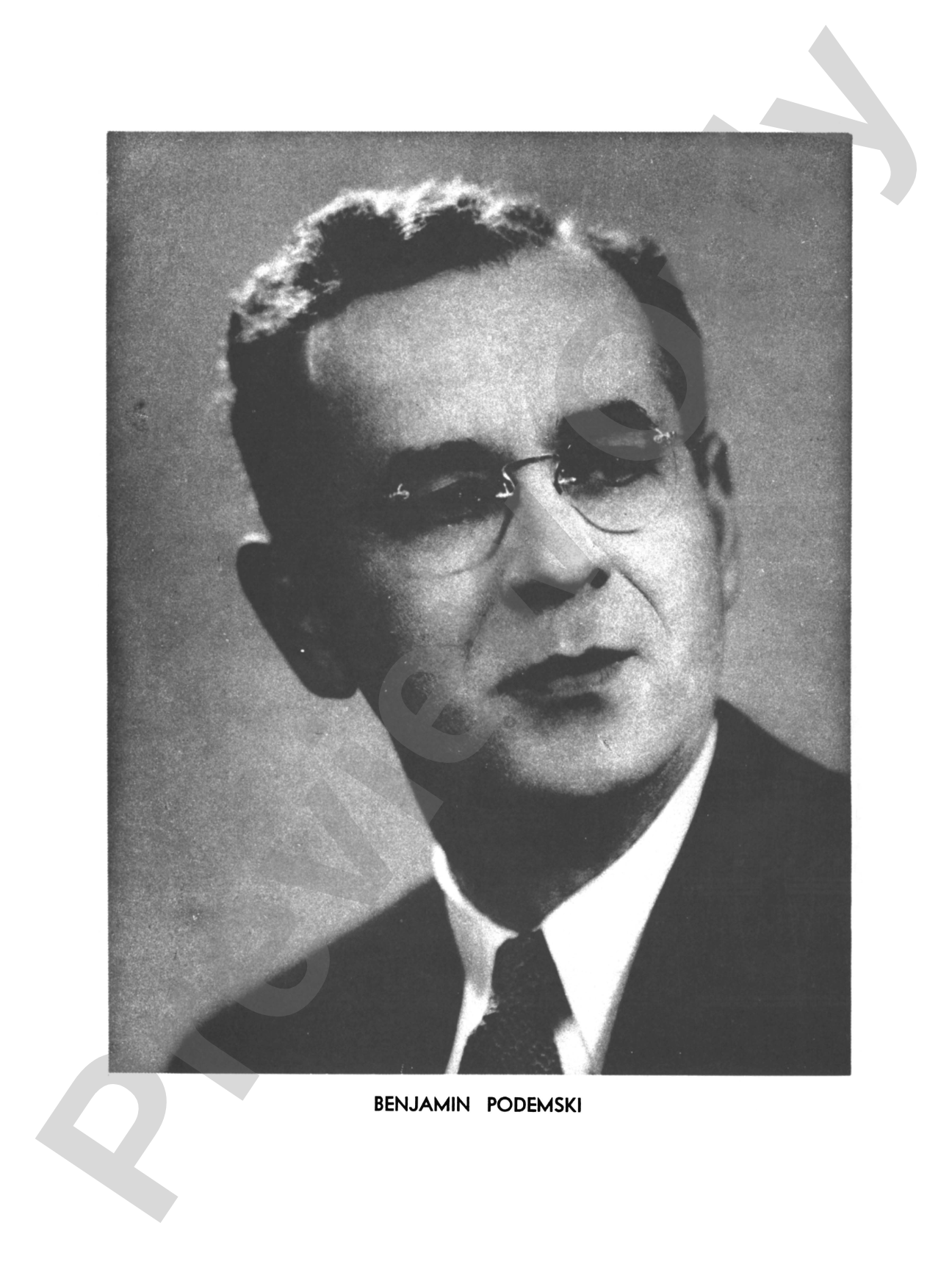
About the Composer: Benjamin Podemski
Benjamin Podemski stands among the most influential percussion pedagogues of the 20th century. His method books became foundational texts in conservatories and university studios across North America, shaping how generations of percussionists approached technique and musicality.
Podemski's approach to percussion instruction prioritized both classical rigor and practical musicianship. His methods synthesized the demands of orchestral performance with the evolving technical vocabulary that modern composers were introducing to the repertoire.
Why we love this
This method endures because Podemski built it on real orchestral life. Rather than isolating technique from context, he embedded snare drum exercises within actual excerpts from symphonic literature, forcing students to understand why particular strokes and control matter. The timpani section transforms an instrument many drummers avoid into something approachable and musical.
What to expect
Rigorous but not sterile. The method moves steadily from foundational strokes into passages that breathe with musical intention, drawn from pieces students may encounter in ensemble settings. Working through it builds quiet confidence alongside technical fluency.
Who it's for
Serious snare drummers preparing for university study or those already in secondary school percussion programs who need comprehensive, repertoire-grounded instruction. Directors building a percussion section from scratch will find this method creates shared vocabulary and realistic expectations across the drumline.
How to get the most out of it
- Extract solo passages and perform them in context. Knowing where a stroke appears in the Berlioz or Tchaikovsky prevents the exercise from feeling divorced from actual performance demands.
- Work the double drum studies slowly enough to hear the independence between hands. Speed comes naturally once each hand knows its own path without relying on visual symmetry.
- Approach timpani tuning as an expressive tool, not a mechanical step. Podemski's analysis clarifies why pitch matters to the instrument's voice in ensemble writing.
- Use a metronome selectively during the earliest stages, then remove it to develop the rhythmic independence that orchestral playing requires.
How to use it
Assign sections sequentially as your percussion students progress through the school year, pairing completed exercises with the actual orchestral excerpts they're studying in band or orchestra. The timpani introduction works especially well when you're adding that instrument to your percussion roster or preparing students for a full symphonic work that features prominent kettle drum writing.
Skills your students will build
- Standard and modern snare drum strokes including rolls, flams, and diddles
- Stick control and rebound management across dynamic ranges
- Sight reading of percussion notation and orchestral excerpts
- Double drumming technique and hand independence
- Timpani tuning by ear and pitch matching
- Orchestral rhythm patterns and beat styles
- Applying technical exercises to real concert literature