
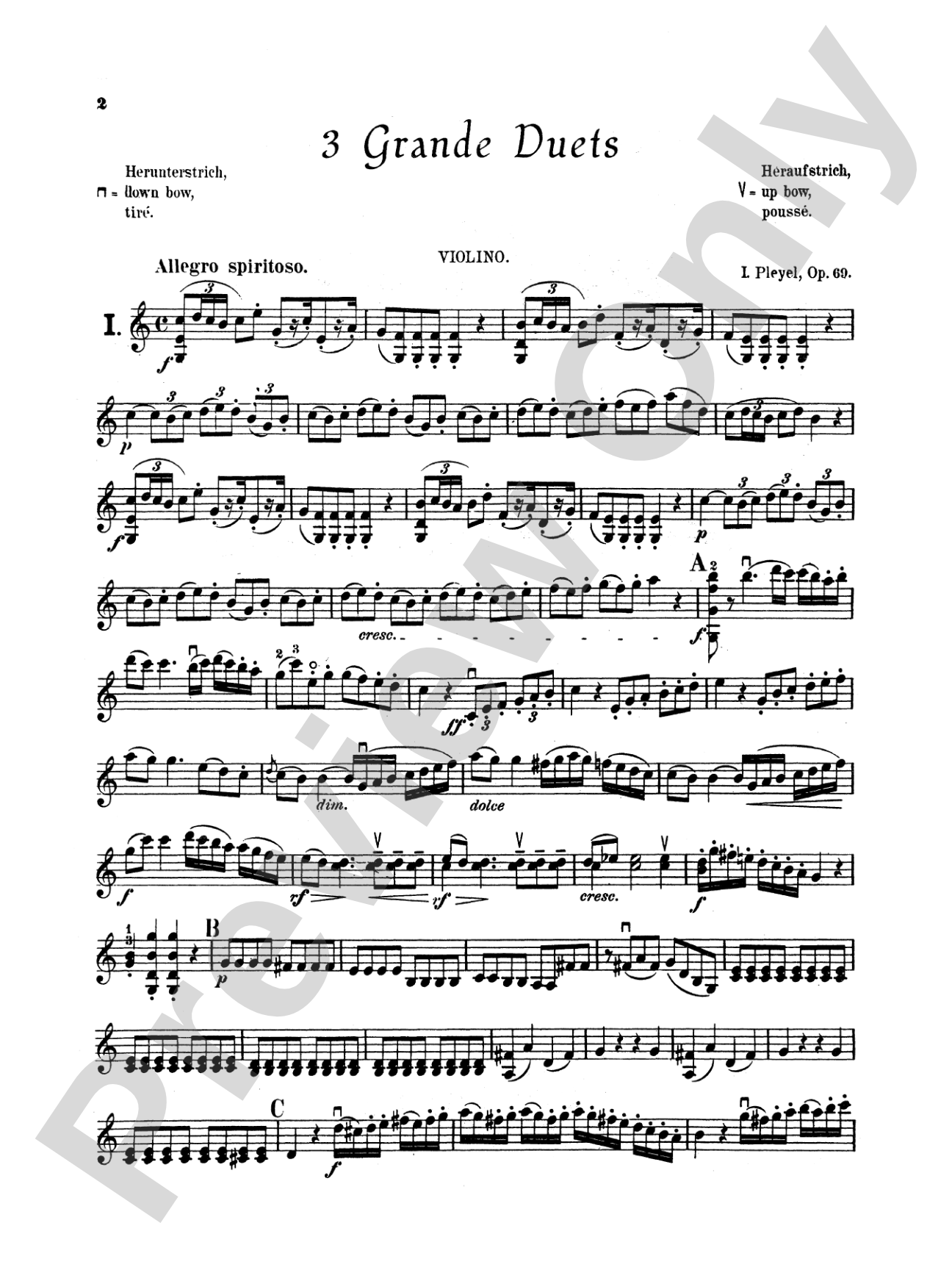
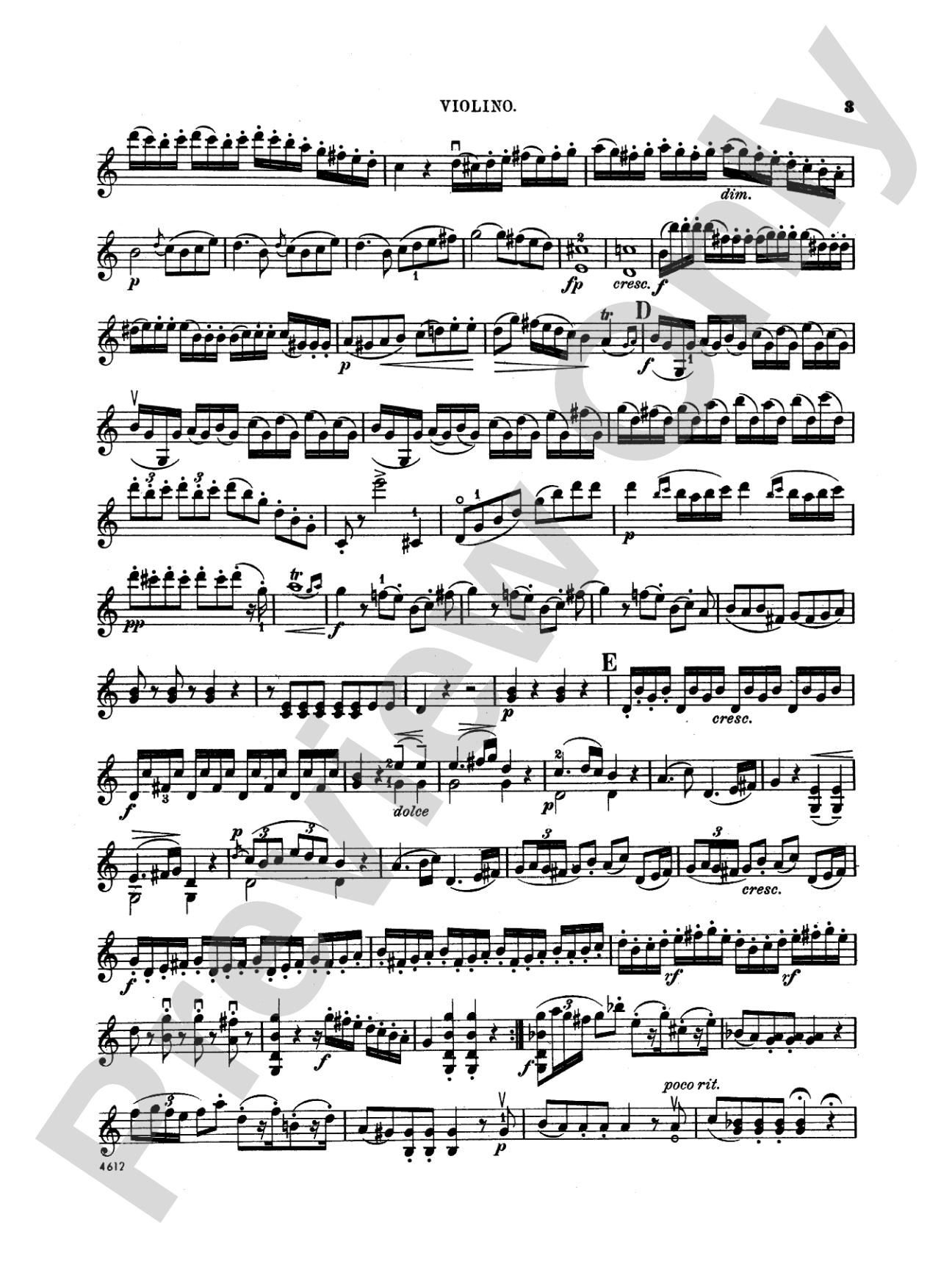
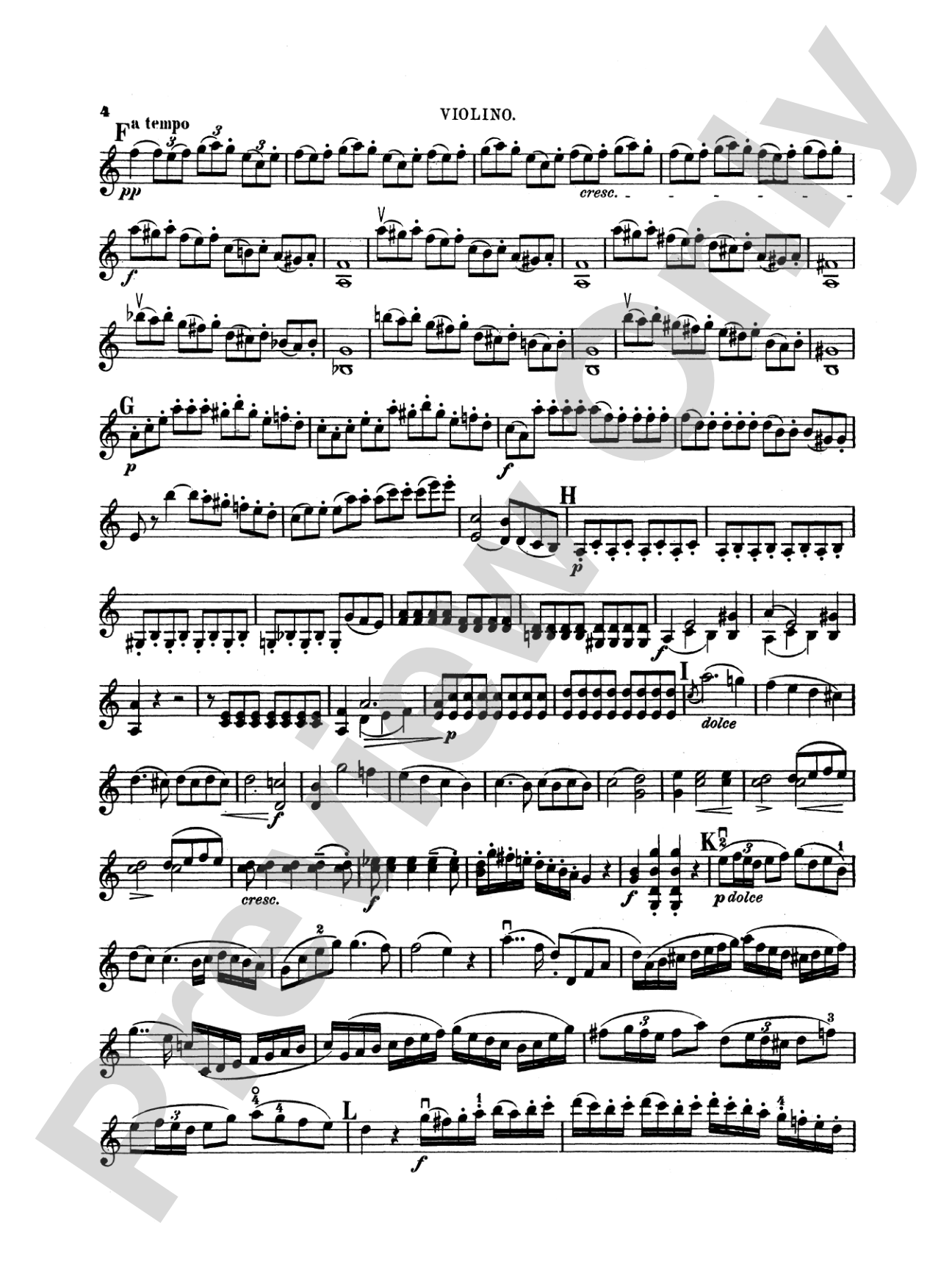
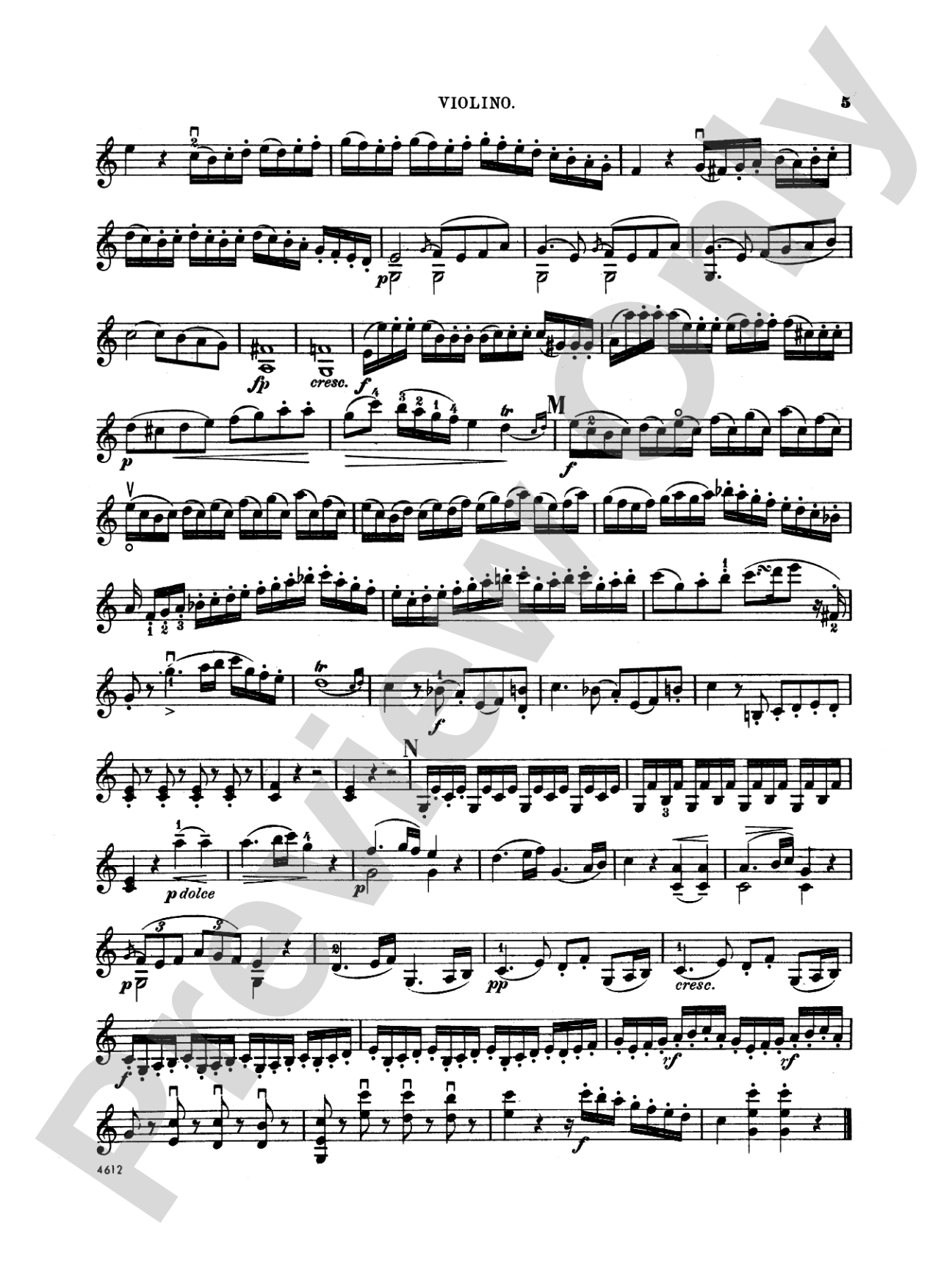
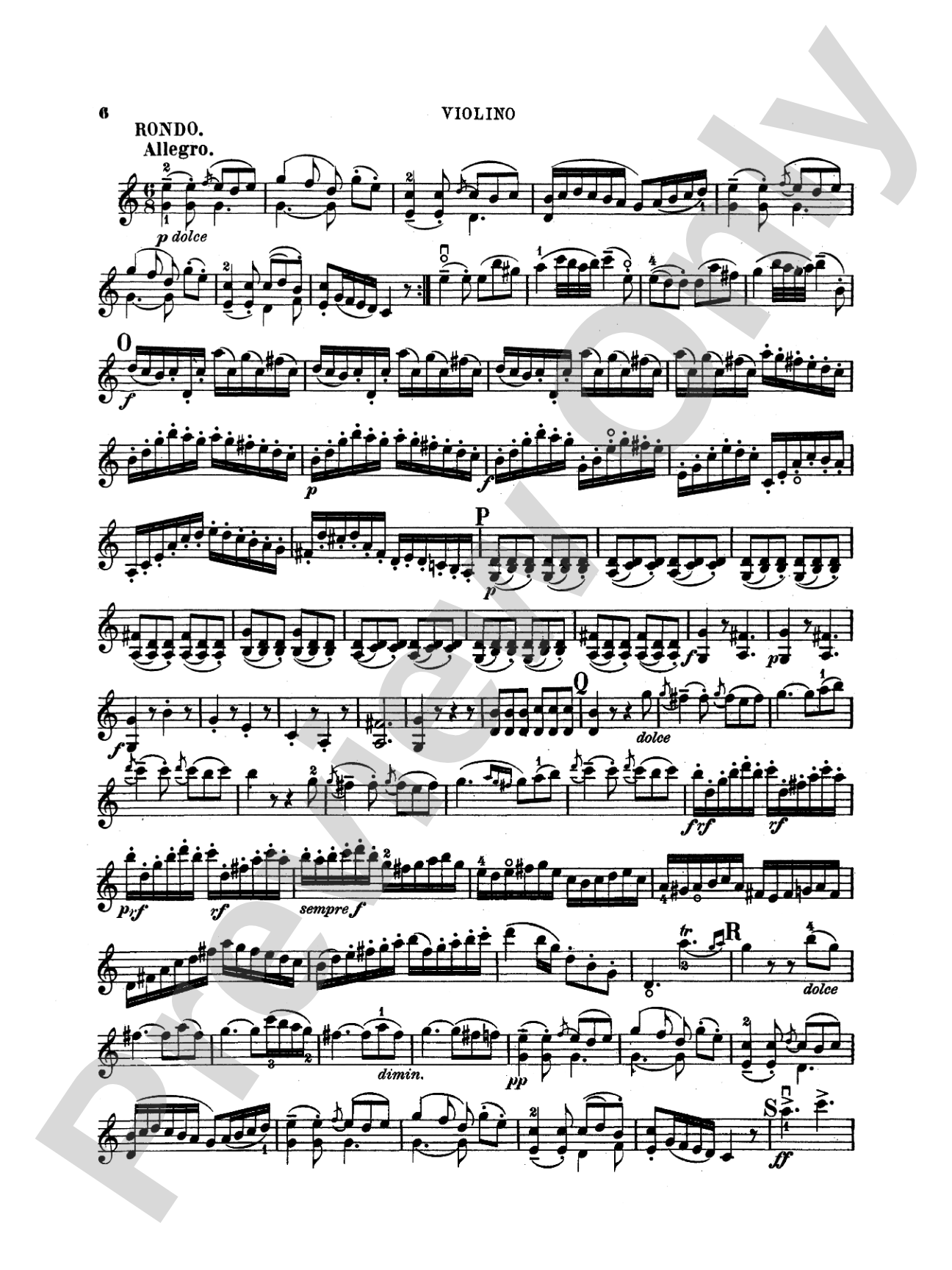
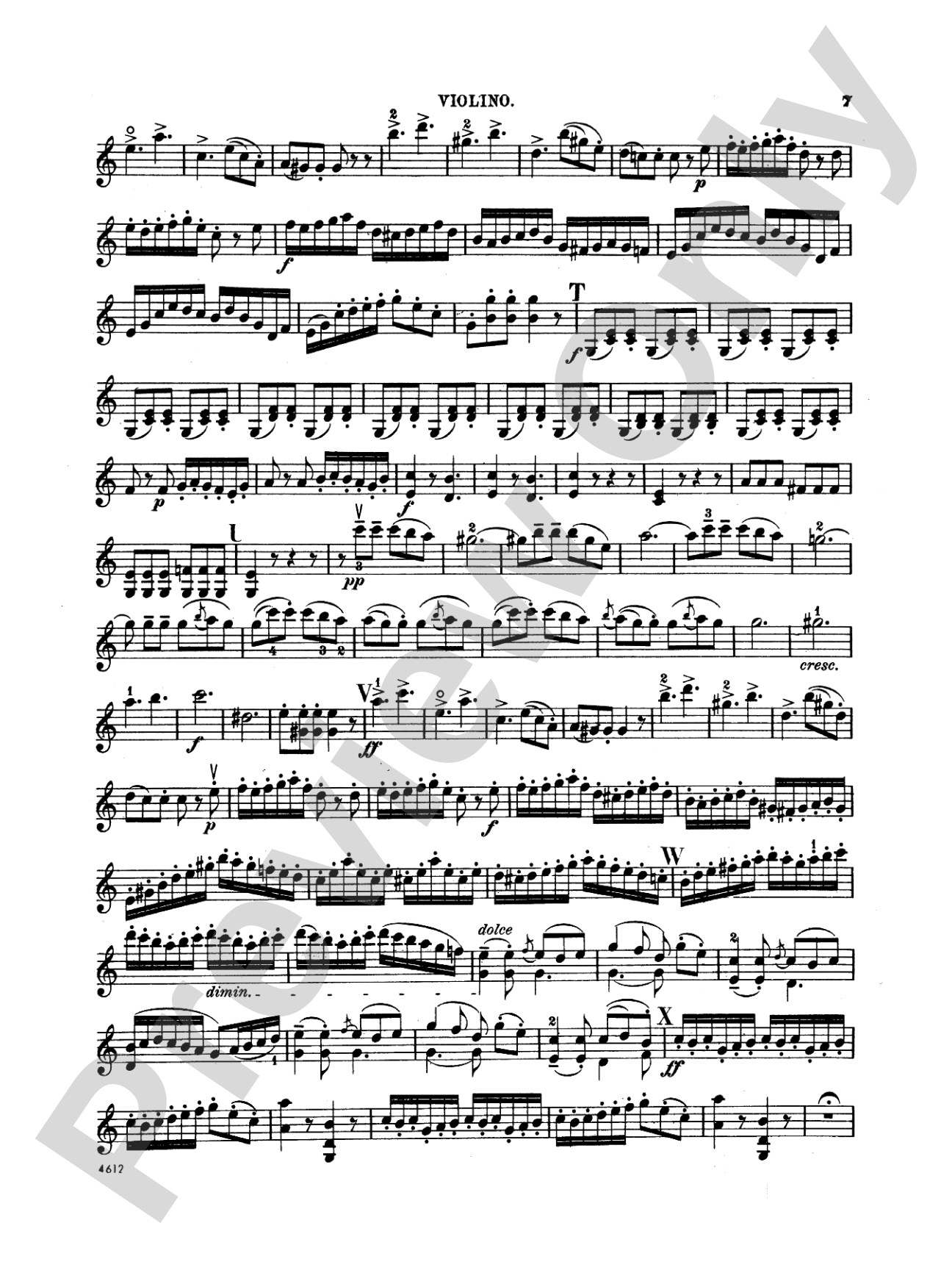
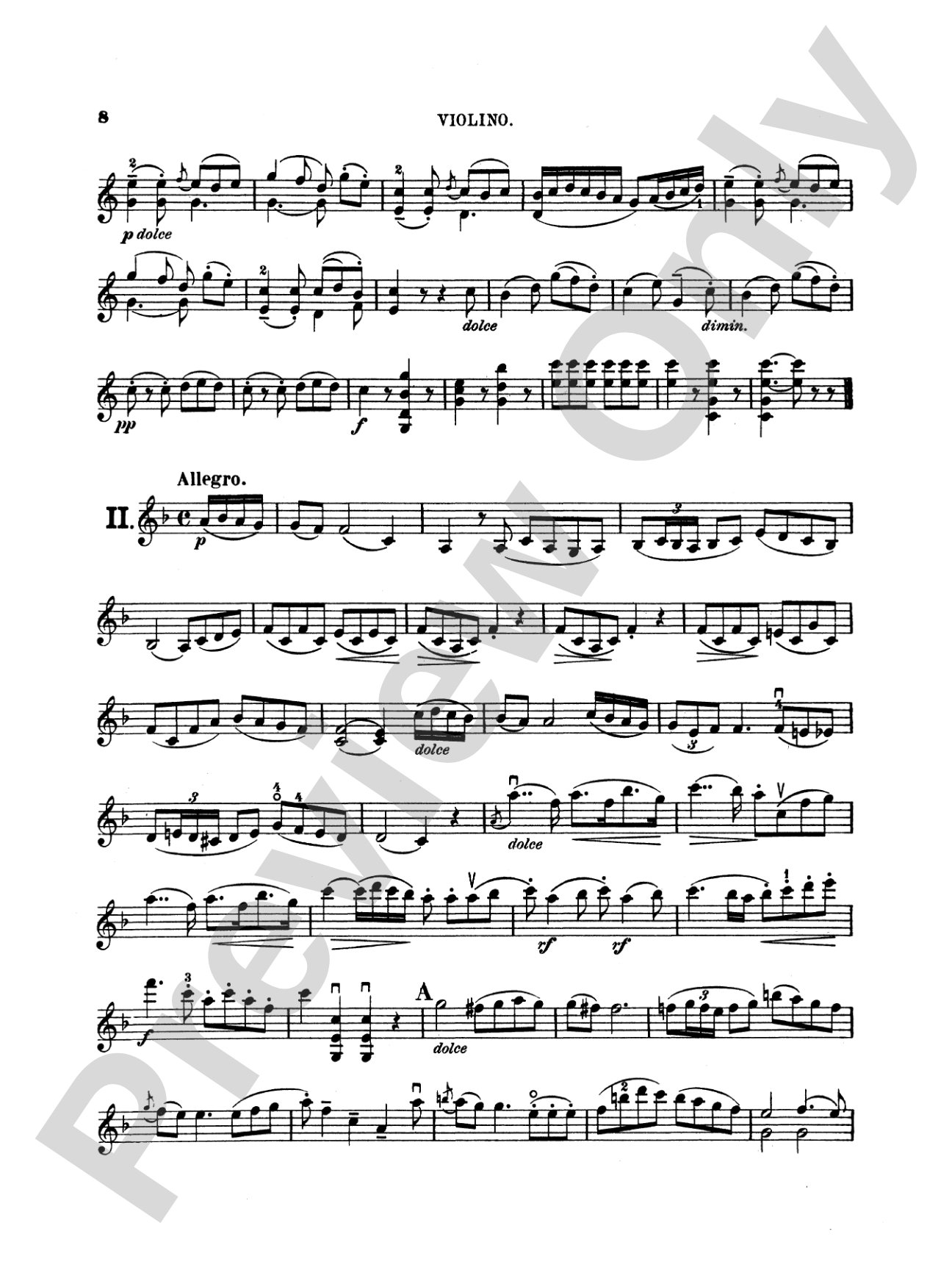

Pleyel: Three Grande Duets, Op. 69: Violin Book
By Ignaz Pleyel
Item: 00-PK-0003570

$10.99
Pickup currently not available
Buy Extra Parts (Digital PDF Download)
| Product | Price | Quantity |
|---|---|---|
| Pleyel: Three Grande Duets, Op. 69 | $0.99 | |
| Pleyel: Three Grande Duets, Op. 69 | $0.99 | |
| Pleyel: Three Grande Duets, Op. 69 | $0.99 | |
| Pleyel: Three Grande Duets, Op. 69 | $0.99 | |
| Pleyel: Three Grande Duets, Op. 69 | $0.99 | |
| Pleyel: Three Grande Duets, Op. 69 | $0.99 |
Parts Added to Cart!
Related Items
Three Grande Duets, Opus 69: Violin Book |
$10.95
|
View |
Description
A collection of string duets for 2 Violins, composed by Ignaz Pleyel.


Don't just read it, hear it, play along with it, and watch your students grow with it. In MakeMusic Cloud, Pleyel: Three Grande Duets, Op. 69: Violin Book comes alive with professional accompaniment, adjustable tempo, and built-in practice tools that turn solo practice into real progress.
Open in the Player
Jump straight in and assign it today.
Start Your Free Trial
Open this title and explore the full library in minutes.
Sample Audio
No sample audio found.
Sample Video
No sample videos found.
Additional Details
Series:
Kalmus Edition
Publisher:
Alfred Music
Page Count:
40
SKU:
00-PK-0003570
More about this title
About the Composer: Ignaz Pleyel
Ignaz Pleyel (1757-1831) was an Austrian-Bohemian composer and music publisher who shaped the Classical era alongside his teacher Haydn and contemporaries like Mozart. His prolific output spans symphonies, concertos, chamber music, and pedagogical works that remain foundational to string pedagogy. Pleyel's gift for clear, elegant melodic writing and balanced textures made his music ideal for advancing amateur musicians and professionals alike.
Beyond composition, Pleyel established himself as a publisher and instrument maker, roles that gave him deep insight into what musicians actually needed to play. His duets represent his commitment to accessible yet musically substantive writing, a philosophy that secured his reputation across Europe and ensured his works remained in active use for generations.
Why we love this
Pleyel's duets strike a rare balance between structural sophistication and playability. Two violinists at intermediate to early-advanced levels will find material that challenges intonation and ensemble listening while never feeling technically overwrought. These pieces reward careful rehearsal and demonstrate immediately to an audience why violin duet repertoire matters.
What to expect
Graceful, conversational, and classically proportioned. Pleyel writes with the sensibility of an era that valued clarity and elegant phrasing. The two violins engage in dialogue rather than doubling, trading themes and harmonizing in ways that feel organic and light without sacrificing depth.
Who it's for
Intermediate to early-advanced violinists preparing for duet recitals, chamber competitions, or festival showcase programs. These works suit string students aiming to build independence and listening skills in a duo context without requiring advanced orchestral or quartet experience.
How to get the most out of it
- Balance the melody between first and second violin. Pleyel assigns material generously to both parts, so resist the default habit of letting Violin I dominate. Listen constantly for who carries the phrase at each moment.
- Shape longer lines with strategic dynamic swells rather than step-changes. Pleyel's textures benefit from gentle, continuous energy that preserves forward motion.
- Lock intonation in the unison and octave passages that bracket many movements. These anchor moments set the tonal foundation for all the passage work that follows.
- Coordinate vibrato width as the two parts weave together. Matching vibrato character smooths the blend and strengthens the sense of ensemble cohesion.
How to use it
Feature one of these duets on a recital or chamber concert as a standalone attraction or paired with other Classical duet literature. They also work well within a salon-style program that blends solo and ensemble string work, offering variety without demanding large ensembles.
Skills your students will build
- Ensemble intonation and response adjustment in real time
- Independent voice leading while maintaining duo balance
- Phrasing and rubato coordination between two equal partners
- Reading and interpreting Classical-era articulation and dynamic markings
- Stamina and focus for sustained duet performance without accompaniment