
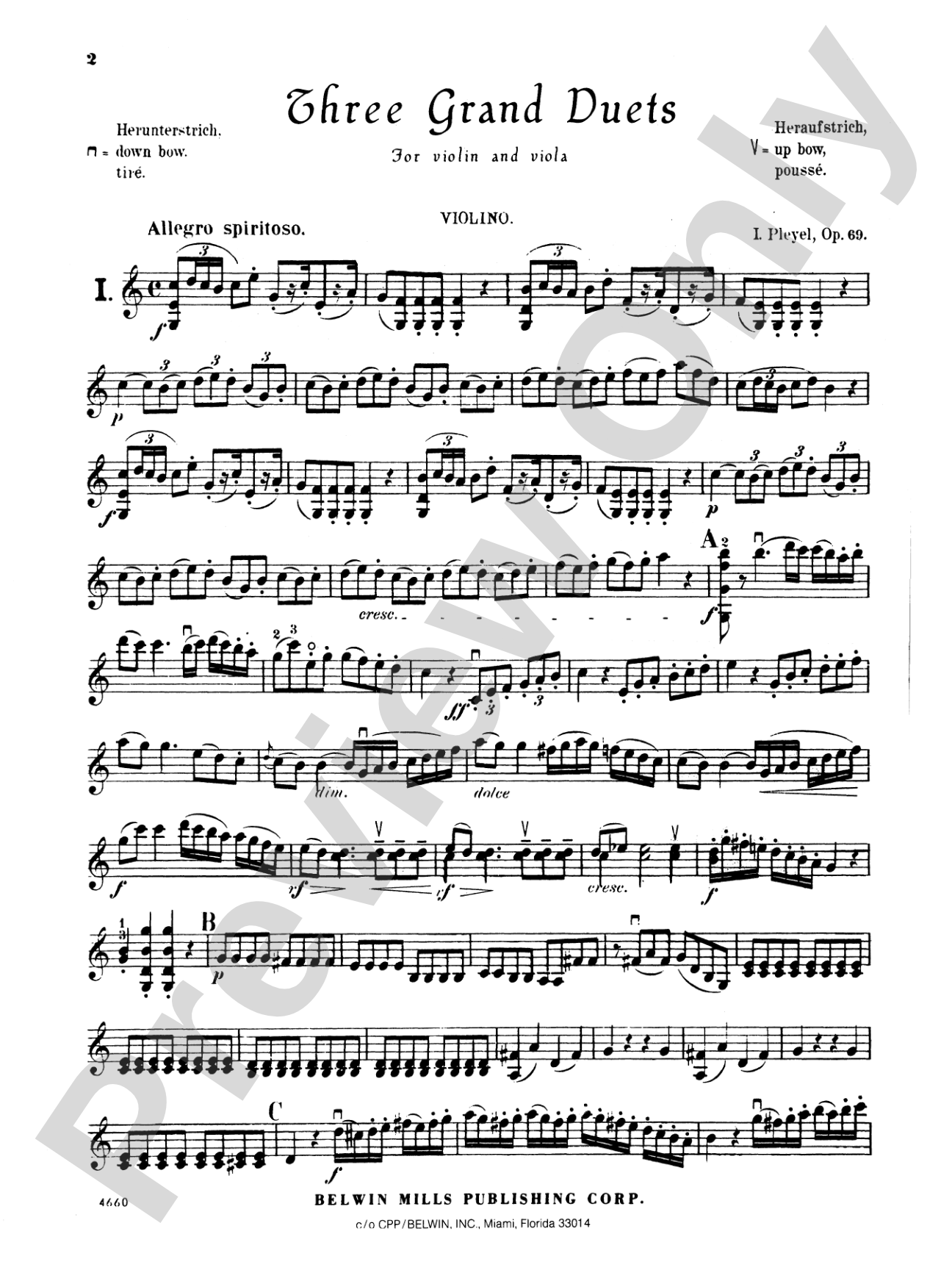
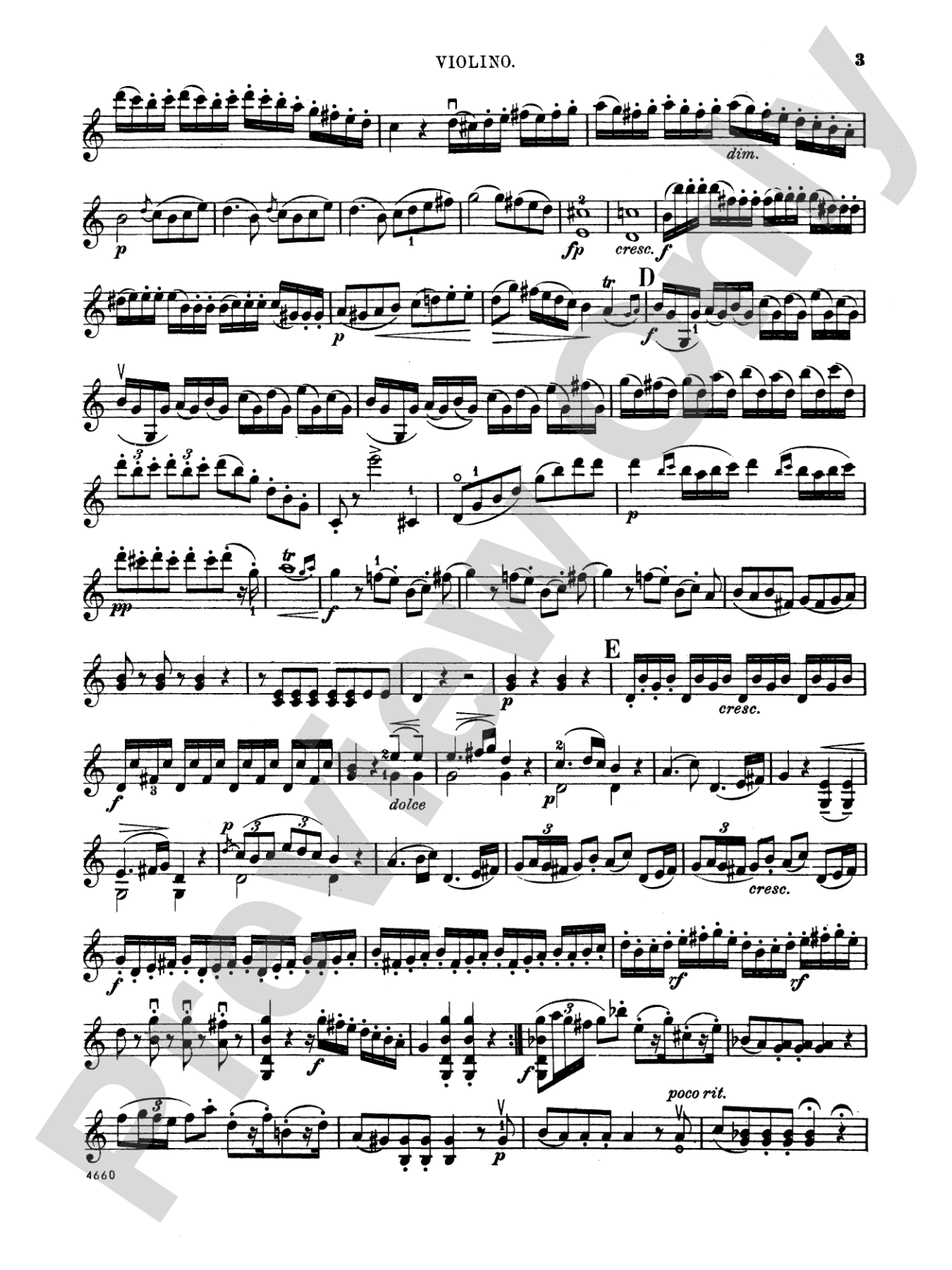
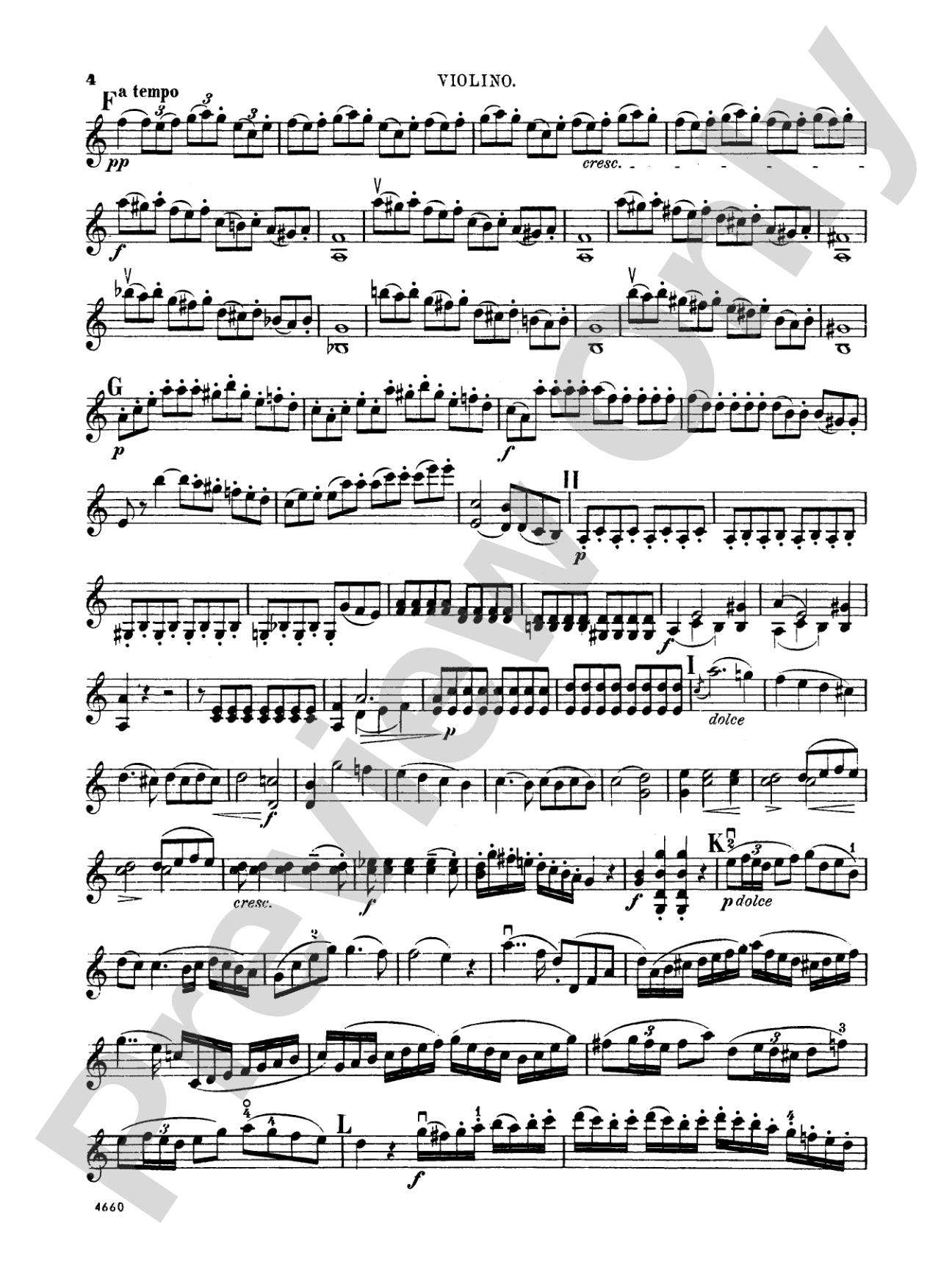
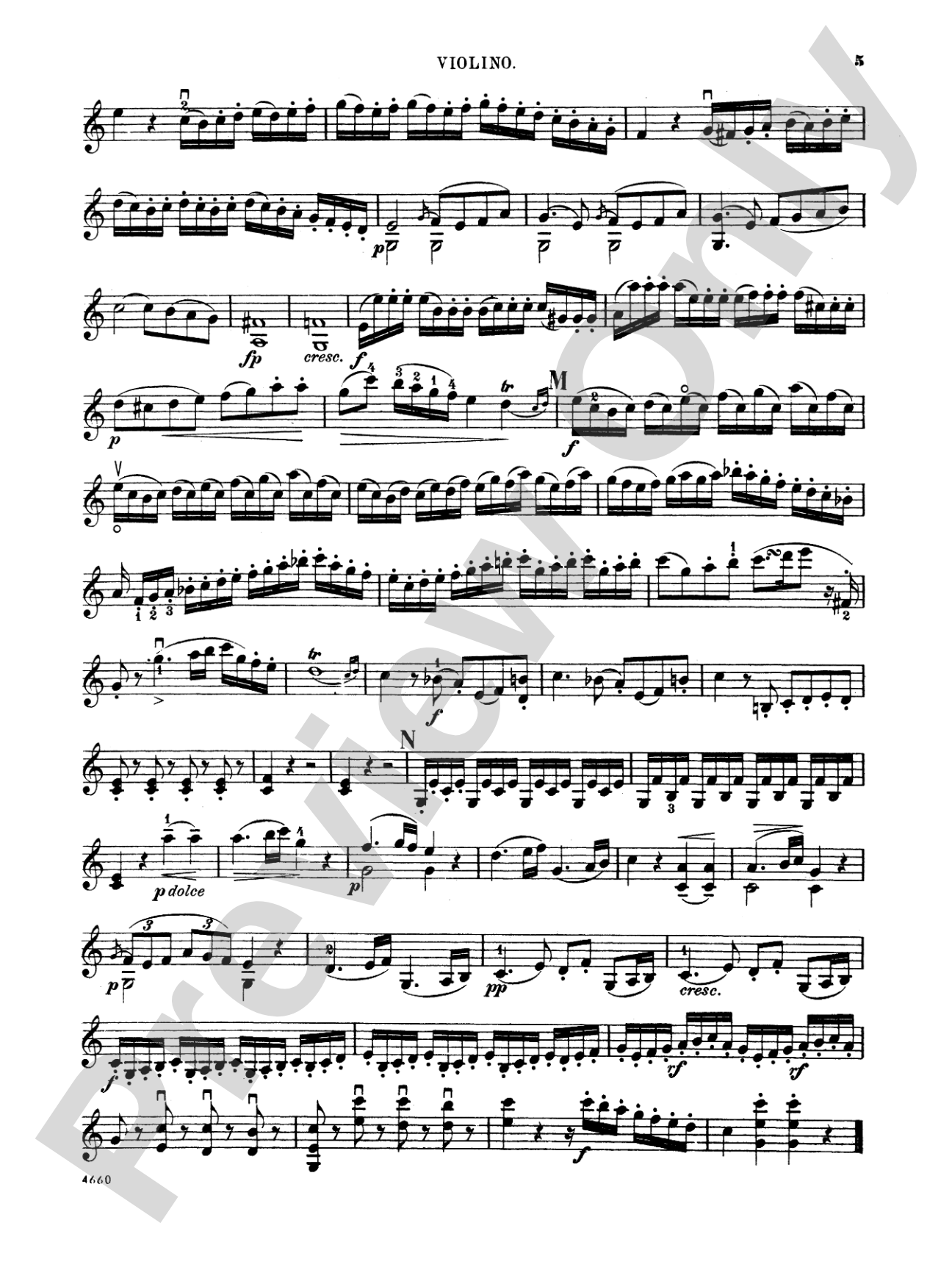
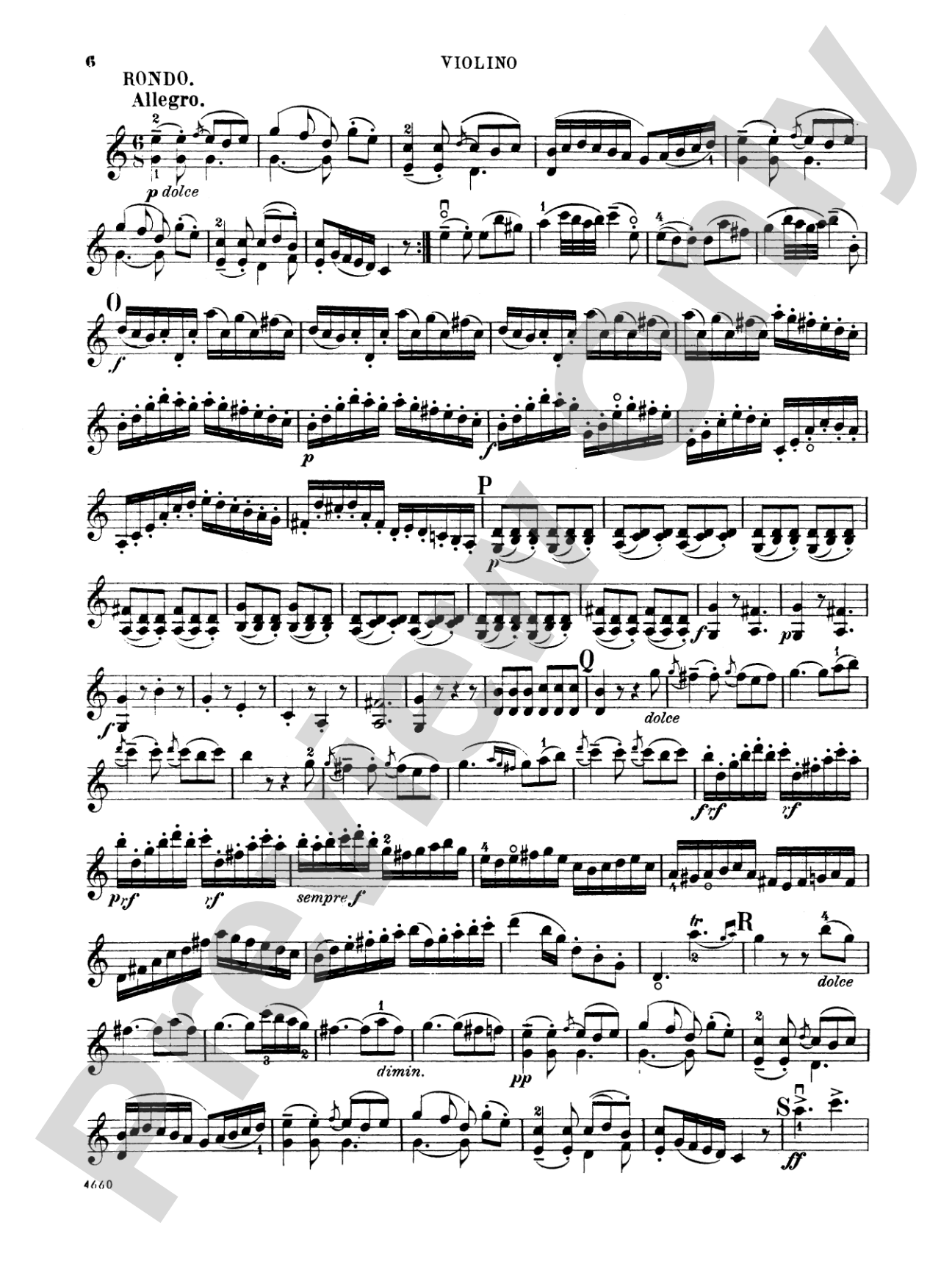
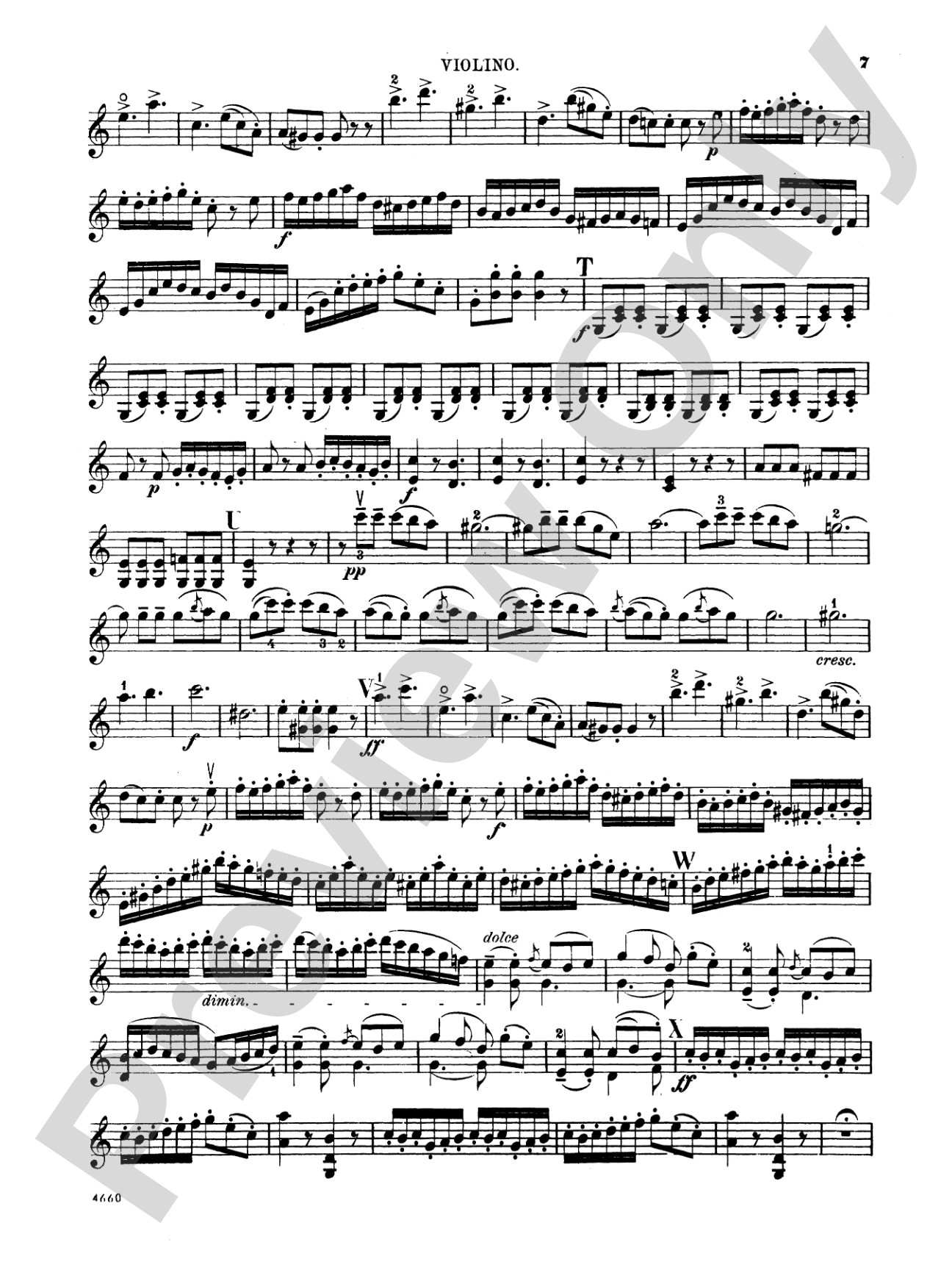
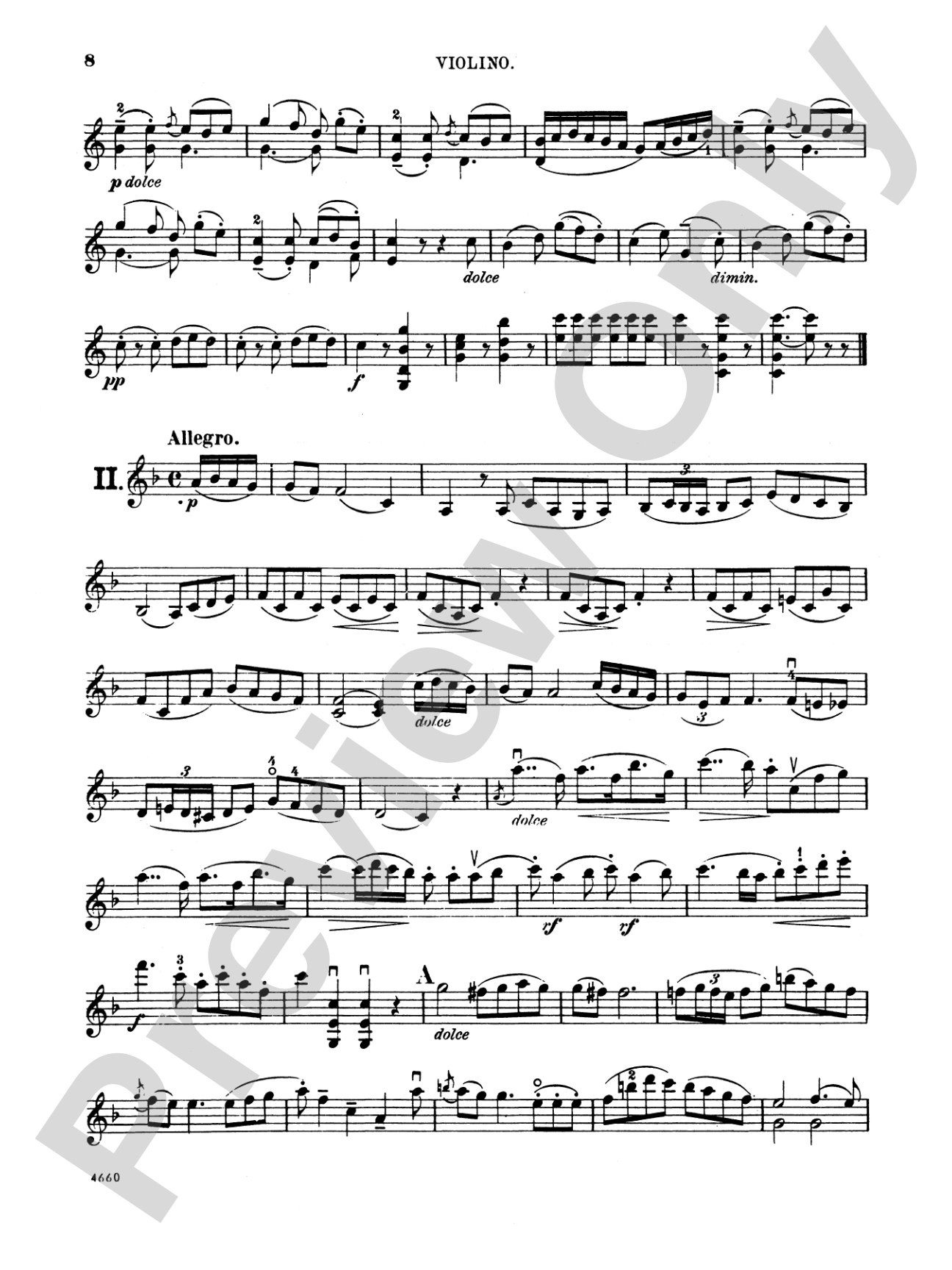

Pleyel: Three Grand Duets, Op. 69: String Duo Book
By Ignaz Pleyel
Item: 00-PK-0003587

$9.99
Pickup currently not available
Buy Extra Parts (Digital PDF Download)
| Product | Price | Quantity |
|---|---|---|
| Pleyel: Three Grand Duets, Op. 69 | $0.99 | |
| Pleyel: Three Grand Duets, Op. 69 | $0.99 | |
| Pleyel: Three Grand Duets, Op. 69 | $0.99 | |
| Pleyel: Three Grand Duets, Op. 69 | $0.99 | |
| Pleyel: Three Grand Duets, Op. 69 | $0.99 | |
| Pleyel: Three Grand Duets, Op. 69 | $0.99 |
Parts Added to Cart!
Related Items
Three Grand Duets, Opus 69: String Duo Book |
$9.95
|
View |
Description
A String Duet for Violin and Viola composed by Ignaz Pleyel.


Don't just read it, hear it, play along with it, and watch your students grow with it. In MakeMusic Cloud, Pleyel: Three Grand Duets, Op. 69: String Duo Book comes alive with professional accompaniment, adjustable tempo, and built-in practice tools that turn solo practice into real progress.
Open in the Player
Jump straight in and assign it today.
Start Your Free Trial
Open this title and explore the full library in minutes.
Sample Audio
No sample audio found.
Sample Video
No sample videos found.
Additional Details
Series:
Kalmus Edition
Publisher:
Alfred Music
Page Count:
44
SKU:
00-PK-0003587
More about this title
About the Composer: Ignaz Pleyel
Ignaz Pleyel (1757-1831) was an Austrian composer and instrument manufacturer whose prolific output shaped the Classical string repertoire. A student of Haydn and contemporary of Mozart, Pleyel wrote over 70 string quartets, numerous symphonies, and substantial chamber works that balanced accessibility with musical substance. His duets and smaller ensemble pieces were prized by amateur musicians and professionals alike, offering compositional craftsmanship without unnecessary technical demands.
Beyond composition, Pleyel founded one of Europe's most successful piano manufacturing firms, a business that outlasted his compositional legacy by decades. His practical approach to writing for strings reflected his deep engagement with both the concert hall and the music room; he understood what players needed to sound refined without extensive virtuosity.
Why we love this
These duets sit at the sweet spot where violinists and violists meet as equals. The writing avoids the typical hierarchy that leaves viola players accompanying; instead, Pleyel trades musical ideas fluidly between parts, making the music rewarding for both players and worth programming on recitals or chamber concerts where string duos rarely appear.
What to expect
The music flows with the elegance of the Classical era, combining melody-driven passages with moments of genuine contrapuntal interplay. There is intimacy in the writing without sentimentality, and technical display takes a backseat to musical substance and conversational clarity between the two voices.
Who it's for
Intermediate to advanced violinists and violists seeking substantial yet approachable chamber repertoire. These duets work equally well for student recitals, adult amateur ensembles, and young professionals preparing concert programming that features strings beyond the standard quartet format.
How to get the most out of it
- Balance the dialogue by listening carefully during the opening statement of each theme; allow the answering voice to enter with the same expressive weight as the first speaker.
- Work with your partner on matching vibrato speed and depth, especially in sustained passages where the two lines move together.
- Use the natural resonance of open strings when they align between parts; avoid unnecessary position shifts that interrupt the harmonic continuity.
- Take time with the transition passages between sections to establish clear phrasing points where both players breathe together.
How to use it
Program these duets on chamber recitals as a bridge between solo works and full ensemble pieces, or feature them on student performance days when mixed instrumentation brings variety to the concert. The three-work set allows for programming flexibility, whether performed as a complete cycle or separated across different events.
Skills your students will build
- Ensemble listening and balance between unequal instruments
- Trading thematic material and maintaining musical continuity across part exchanges
- Classical phrase structure and period construction
- Coordinating vibrato and tone production between two players
- Sight-reading in higher positions on viola