
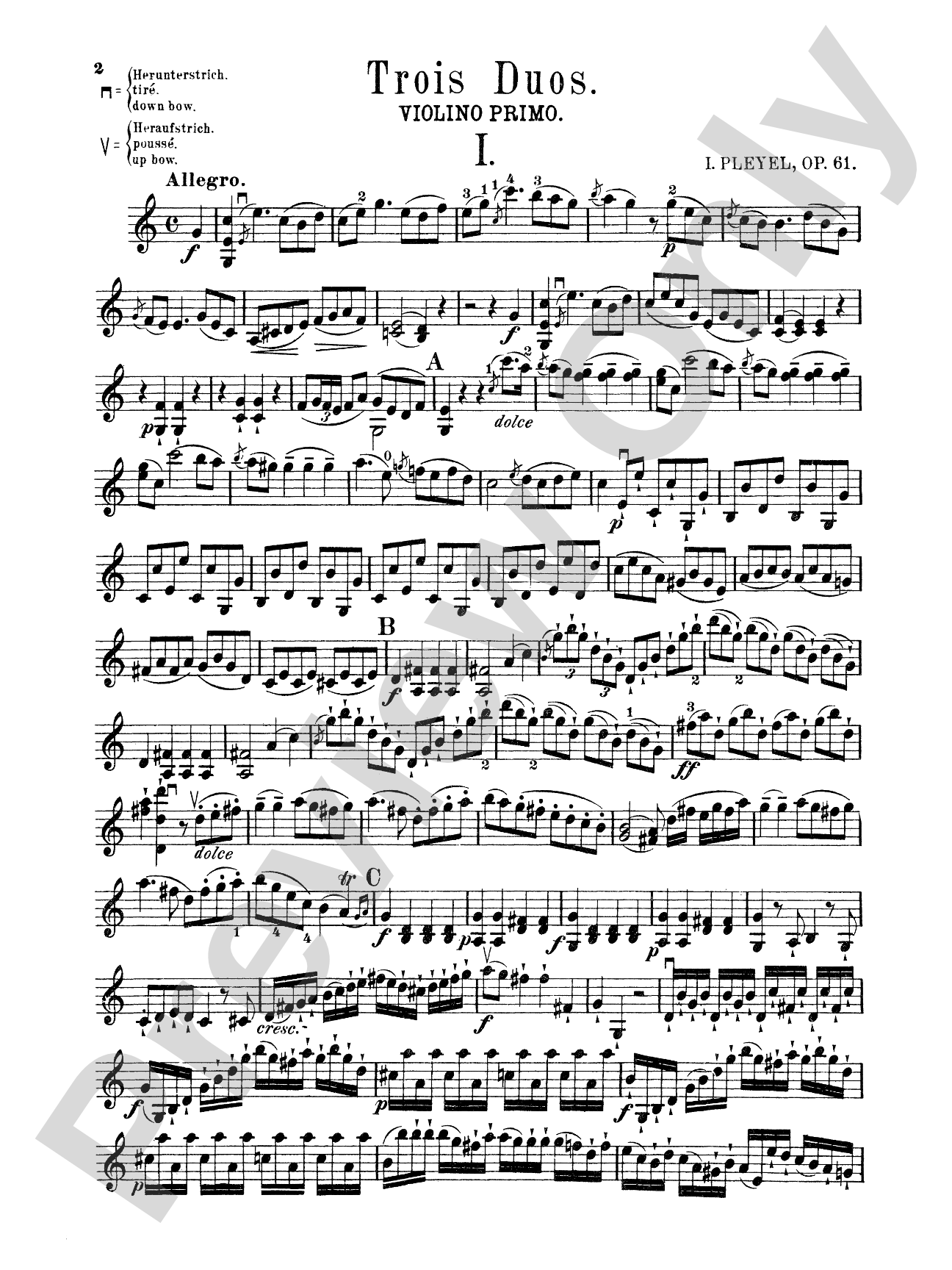
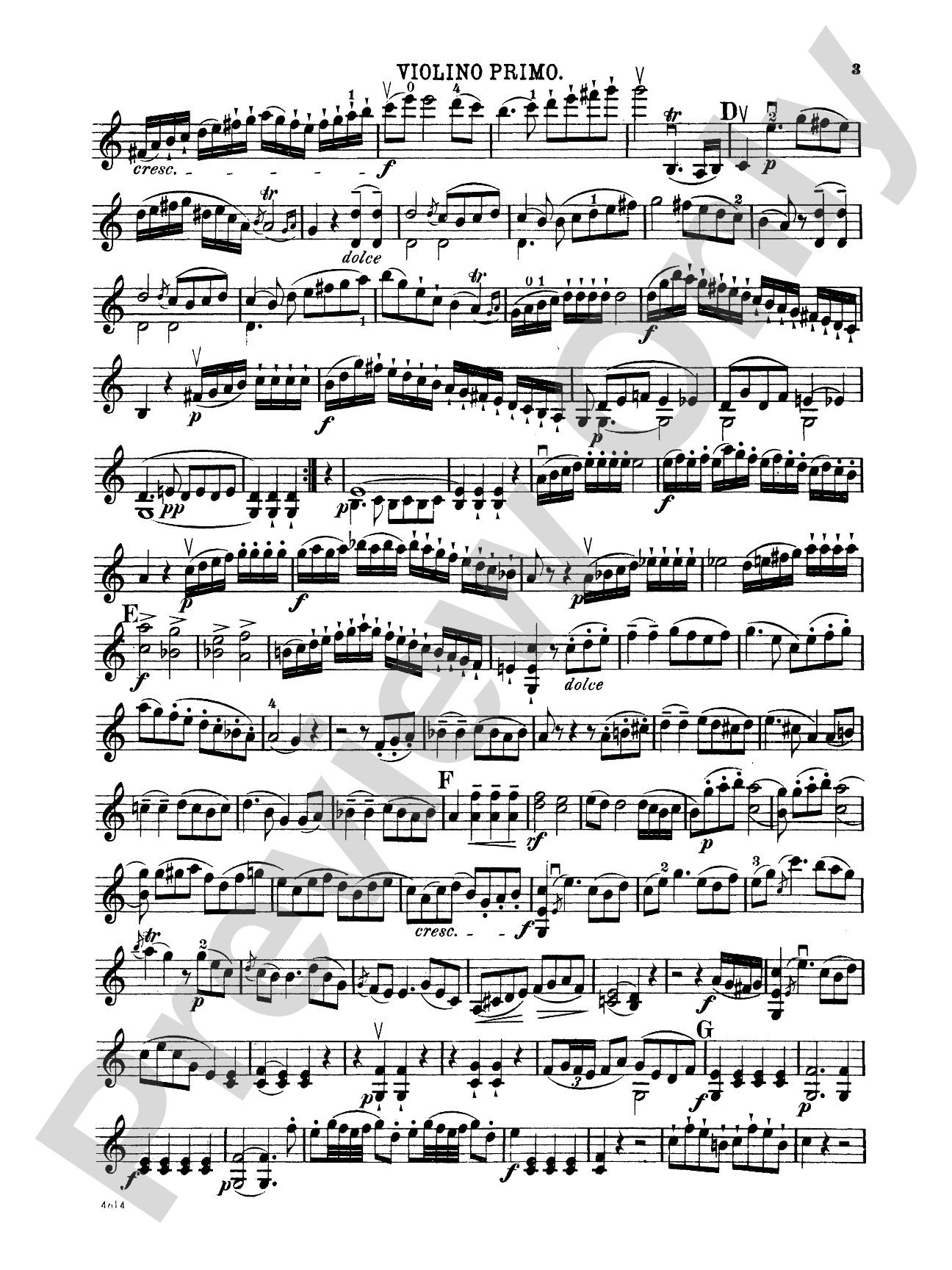
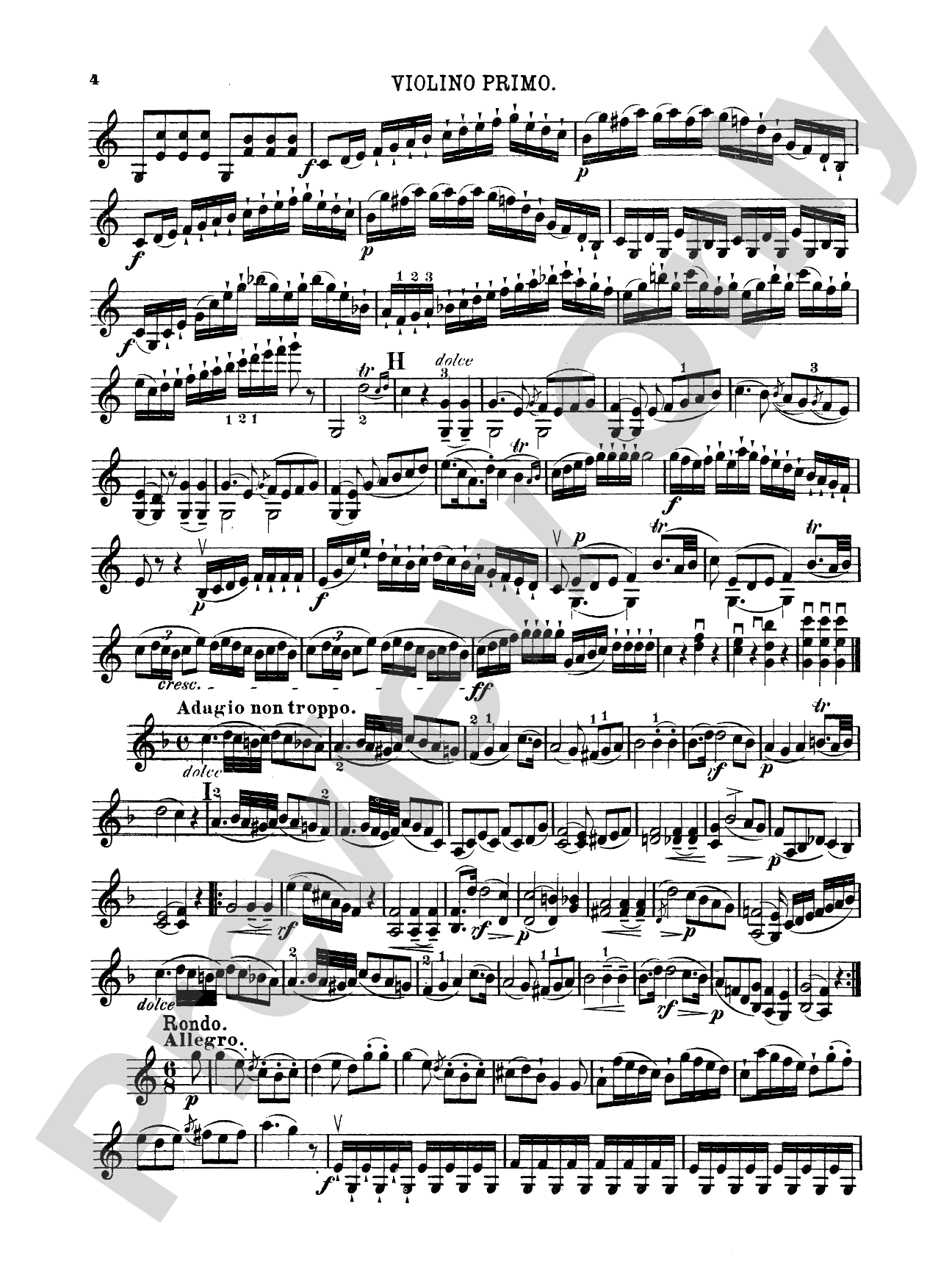
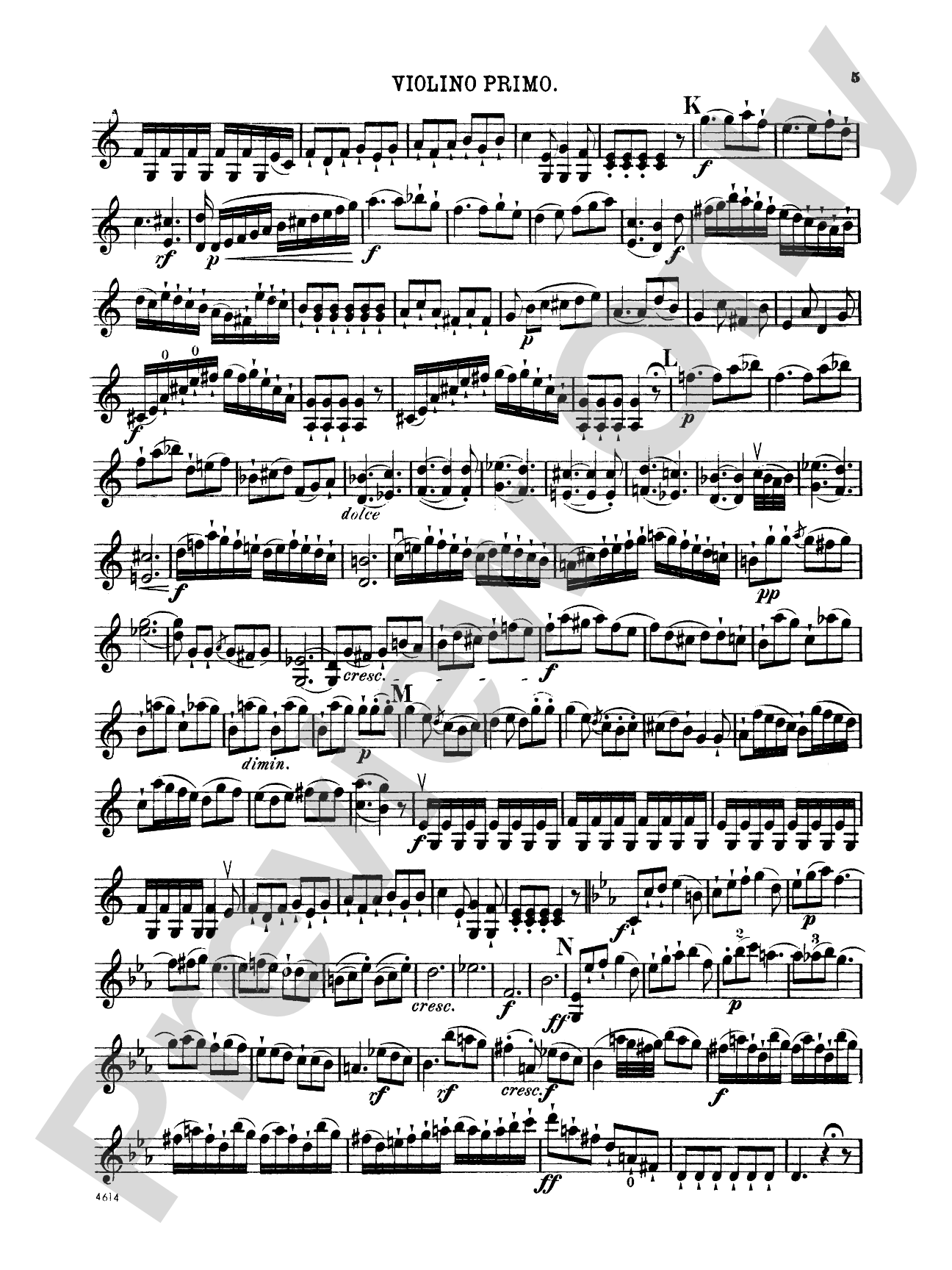
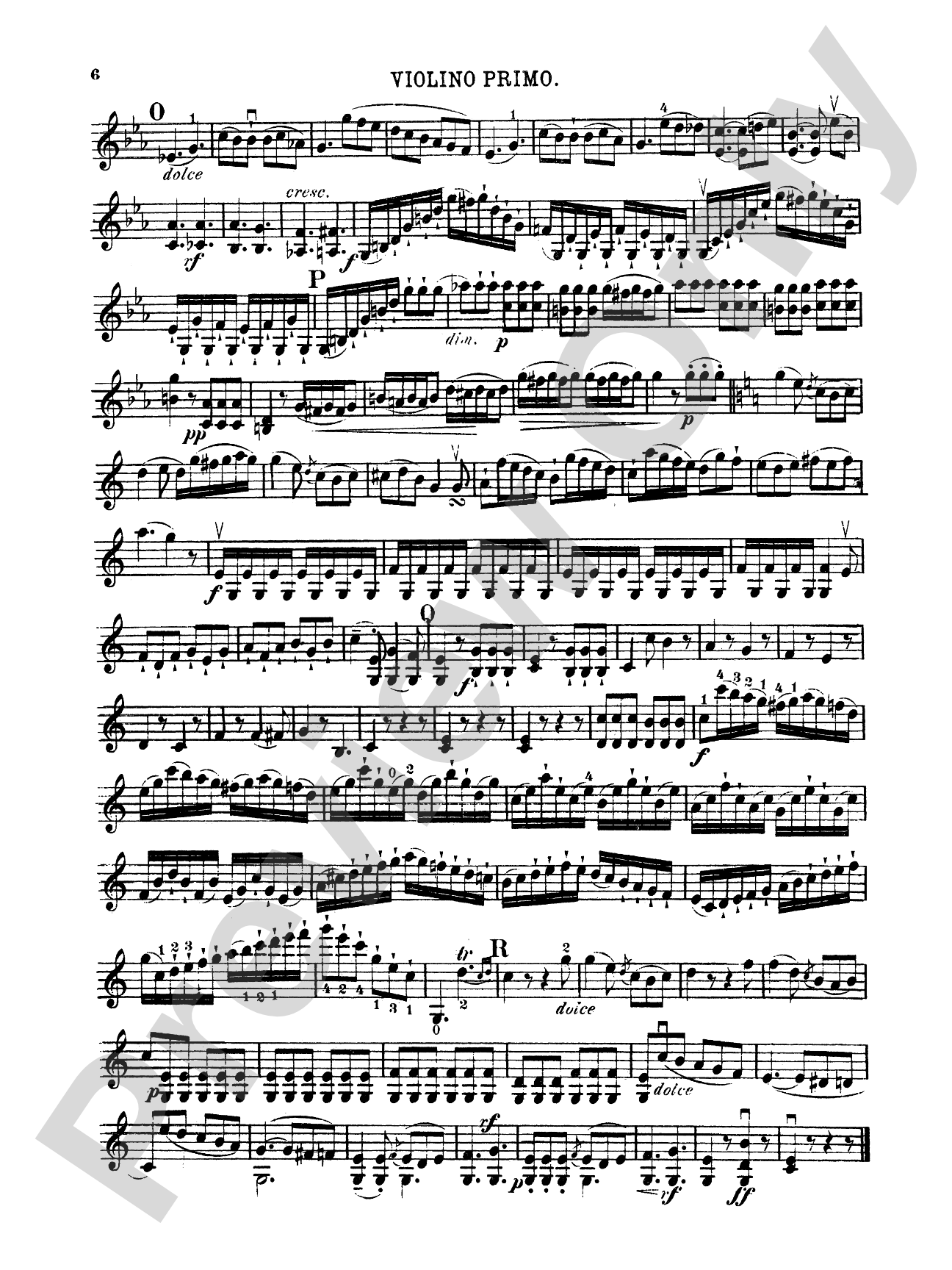

Pleyel: Three Duos, Op. 61: Violin Book
By Ignaz Pleyel
Item: 00-PK-0003572

$9.99
Pickup currently not available
Buy Extra Parts (Digital PDF Download)
| Product | Price | Quantity |
|---|---|---|
| Pleyel: Three Duos, Op. 61 | $0.99 | |
| Pleyel: Three Duos, Op. 61 | $0.99 | |
| Pleyel: Three Duos, Op. 61 | $0.99 | |
| Pleyel: Three Duos, Op. 61 | $0.99 | |
| Pleyel: Three Duos, Op. 61 | $0.99 | |
| Pleyel: Three Duos, Op. 61 | $0.99 |
Parts Added to Cart!
Related Items
Three Duos, Opus 61: Violin Book |
$9.99
|
View |
Description
A collection of string duets for 2 Violins, composed by Ignaz Pleyel.


Don't just read it, hear it, play along with it, and watch your students grow with it. In MakeMusic Cloud, Pleyel: Three Duos, Op. 61: Violin Book comes alive with professional accompaniment, adjustable tempo, and built-in practice tools that turn solo practice into real progress.
Open in the Player
Jump straight in and assign it today.
Start Your Free Trial
Open this title and explore the full library in minutes.
Sample Audio
No sample audio found.
Sample Video
No sample videos found.
Additional Details
Series:
Kalmus Edition
Publisher:
Alfred Music
Page Count:
40
SKU:
00-PK-0003572
More about this title
About the Composer: Ignaz Pleyel
Ignaz Pleyel (1757–1831) was an Austrian-Bohemian composer and violin virtuoso whose prolific output shaped the Classical chamber music repertoire. A student of Franz Joseph Haydn, Pleyel internalized the clarity and proportional logic of the Viennese Classical style while developing his own distinctive voice. He composed over 70 chamber works, including numerous violin duets that remain essential pedagogical and performance literature.
Beyond composition, Pleyel established himself as a concert violinist, touring extensively across Europe and building an international reputation. His duets were written for skilled amateurs and professional musicians alike, balancing technical brilliance with accessibility. The Op. 61 set exemplifies his gift for writing idiomatic violin writing that sounds grateful under the hands while maintaining genuine musical substance.
Why we love this
These duos occupy a sweet spot between Haydn and Spohr—elegant, well-proportioned, and genuinely rewarding to perform without requiring virtuosic fireworks. The writing gives both instruments active melodic roles, avoiding the tedium of accompaniment figures while staying within the reach of intermediate to advanced college-level or serious amateur players. Contest adjudicators recognize Pleyel's craftsmanship, and the collection is substantial enough to support a full programming opportunity.
What to expect
Graceful and urbane, with the refinement of Viennese salon music and the architectural clarity that defines the Classical era. The melodies unfold with natural inevitability, and the interplay between the two parts feels like a conversation between equals, never rushed or strained.
Who it's for
Advanced high school violinists, college string students, and community orchestra musicians seeking sophisticated duo repertoire for recitals, contests, or chamber program building. Teachers will value these pieces as stepping stones into the Romantic duo literature while reinforcing Classical style and two-part counterpoint.
How to get the most out of it
- Balance the dialogue between first and second violin carefully; Pleyel often exchanges thematic material, and clarity of line matters more than volume.
- Pay attention to the period articulation patterns. Light detachés and slurs typical of 1780s violin writing shape the character.
- Intonation in the upper positions becomes crucial in the faster passages; establish a steady slow-practice routine before tempo.
- Maintain conversational phrasing even in contrapuntal sections. These are duets, not unison passages.
How to use it
Feature one duo on a chamber recital alongside other Classical string works, or present all three across a season to showcase variety in key and character. These are also well-suited to student showcases, honors competitions, and regional violin festival programs where ensemble maturity is valued.
Skills your students will build
- Balanced two-part ensemble listening and intonation
- Classical phrase architecture and harmonic syntax
- Dialogue and exchange of thematic material between instrumental parts
- Period-appropriate articulation and bowing conventions
- Sustained upper-position playing with rhythmic security