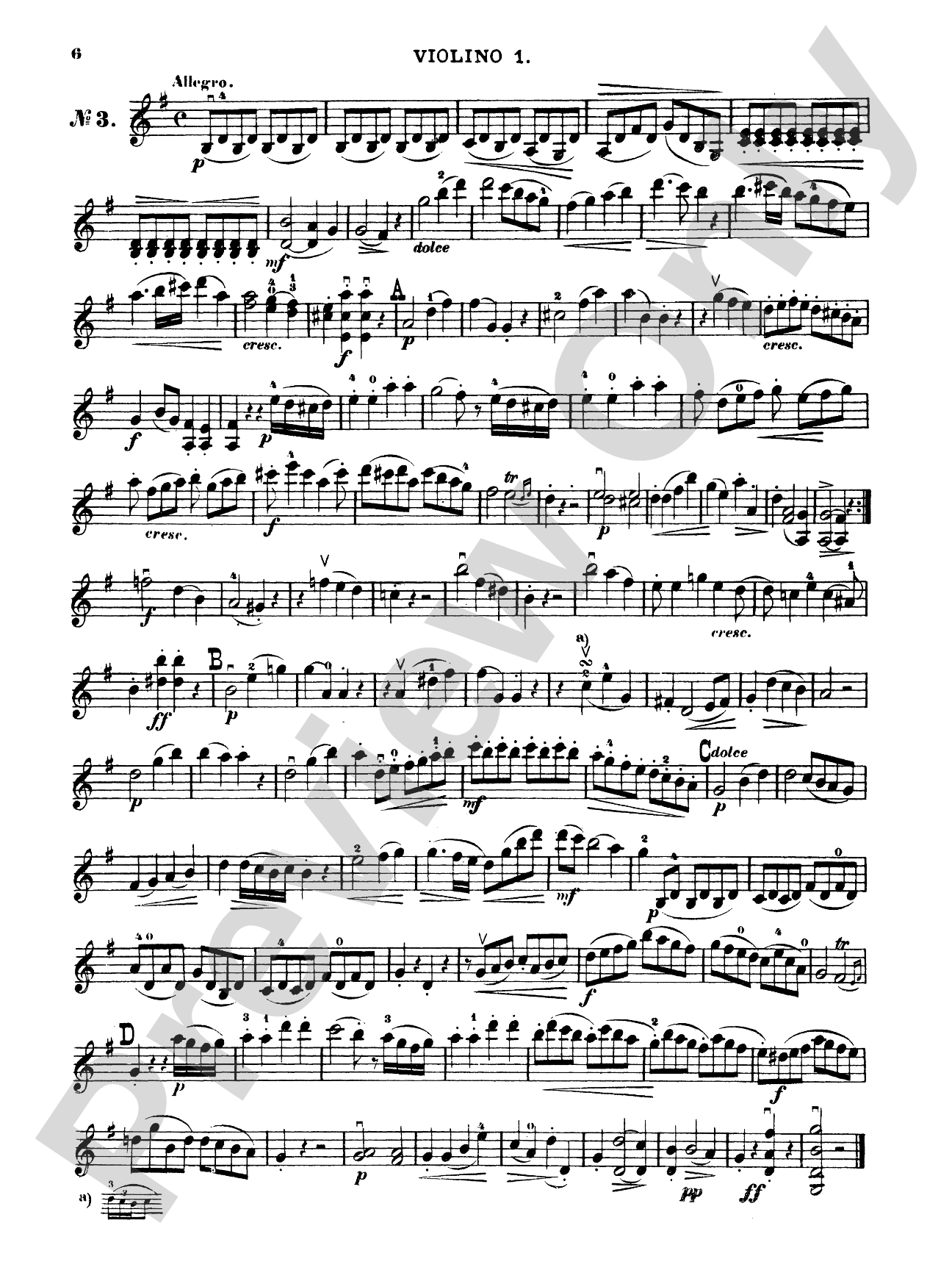
Pleyel: Six Little Duets, Op. 48 Sheet Music Preview

Pleyel: Six Little Duets, Op. 48

By Ignaz Pleyel

Item: 00-PC-0010848

Digital Download
$0.99
Description
Expertly arranged Violin Duets with Piano Accompaniment by Ignaz Pleyel from the Kalmus Edition series. This is from the Classical era.

Don't just read it, hear it, play along with it, and watch your students grow with it. In MakeMusic Cloud, Pleyel: Six Little Duets, Op. 48 comes alive with professional accompaniment, adjustable tempo, and built-in practice tools that turn solo practice into real progress.

Sample Audio
No sample audio found.
Sample Video
Additional Details
Series: Kalmus Edition
Publisher: Alfred Music
Page Count: 64
SKU: 00-PC-0010848

More about this title

About the Composer: Ignaz Pleyel

Ignaz Pleyel (1757-1831) was an Austrian-Bohemian composer and instrument maker whose prolific output shaped Classical chamber music for a generation of amateur musicians. A student of Haydn, Pleyel developed a gift for writing accessible yet sophisticated works that appealed to the growing middle-class music-making culture of late 18th-century Europe.

His duets and smaller ensemble works became staples of violin pedagogy and domestic music-making. Pleyel's clarity of form, straightforward harmonic language, and idiomatic writing for strings made his music ideal for serious students and teachers seeking repertoire that balanced musical substance with technical accessibility.

Why we love this

These six duets sit at that rare intersection where pedagogical purpose and genuine musical artistry overlap. Students encounter transparent textures and balanced part-writing that lets both violins share equally, while the piano accompaniment provides harmonic grounding and ensemble support without overshadowing the strings. The works are substantive enough for festival and contest play, yet manageable enough for young musicians still building their technical facility.

What to expect

Pleyel's duets radiate the elegance and transparency of the Classical style without the dramatic intensity of his contemporaries. The writing feels conversational, as if two musicians are trading melodic ideas and responding to one another's gestures. There is genuine warmth in the harmonic language and a quiet confidence in the form, creating music that feels both intimate and architecturally solid.

Who it's for

Young violinists preparing for festivals, youth orchestra auditions, or chamber music competitions will find these duets both rewarding and achievable. Teachers use them to develop ensemble awareness, intonation precision, and stylistic understanding in students who have moved beyond beginner materials but are not yet ready for more technically demanding Classical duet repertoire. Serious amateur duet players seeking quality chamber music that neither demands extreme virtuosity nor sacrifices musical integrity will appreciate Pleyel's balanced approach.

How to get the most out of it

  • Listen carefully to each other's phrasing and dynamic shape. The absence of large orchestration means every adjustment in volume or articulation registers clearly, so minor imbalances become obvious.
  • Treat the piano part as an ensemble member, not background. The accompaniment often carries thematic material and harmonic motion that guides the violins' interpretation of tempo and rubato.
  • Mark the key harmonic points (cadences, modulations, moments of imitation) during rehearsal so both violins understand the architecture beneath the melody line.
  • Use vibrato judiciously at phrase endings and on longer notes. Classical style favors clarity over continuous vibrato, and restraint actually heightens the impact of expressive moments.

How to use it

Feature these duets in a chamber music or strings concert segment, pairing them with other Classical duet literature to create a thematic program block. They also work well as warmup or opening material in a young strings festival where students can perform multiple pieces without fatigue. The lighter character and manageable length make them ideal for school assembly performances or informal recitals where you want to showcase developing ensemble skills.

Skills your students will build

  • Balanced duo playing and equal voice independence
  • Classical articulation and phrasing conventions
  • Intonation accuracy in two-part harmony
  • Listening and responding to an ensemble partner in real time
  • Reading and executing period-appropriate dynamics and tempo indications
  • Coordinating with a piano accompaniment while maintaining independence

You May Also Like