
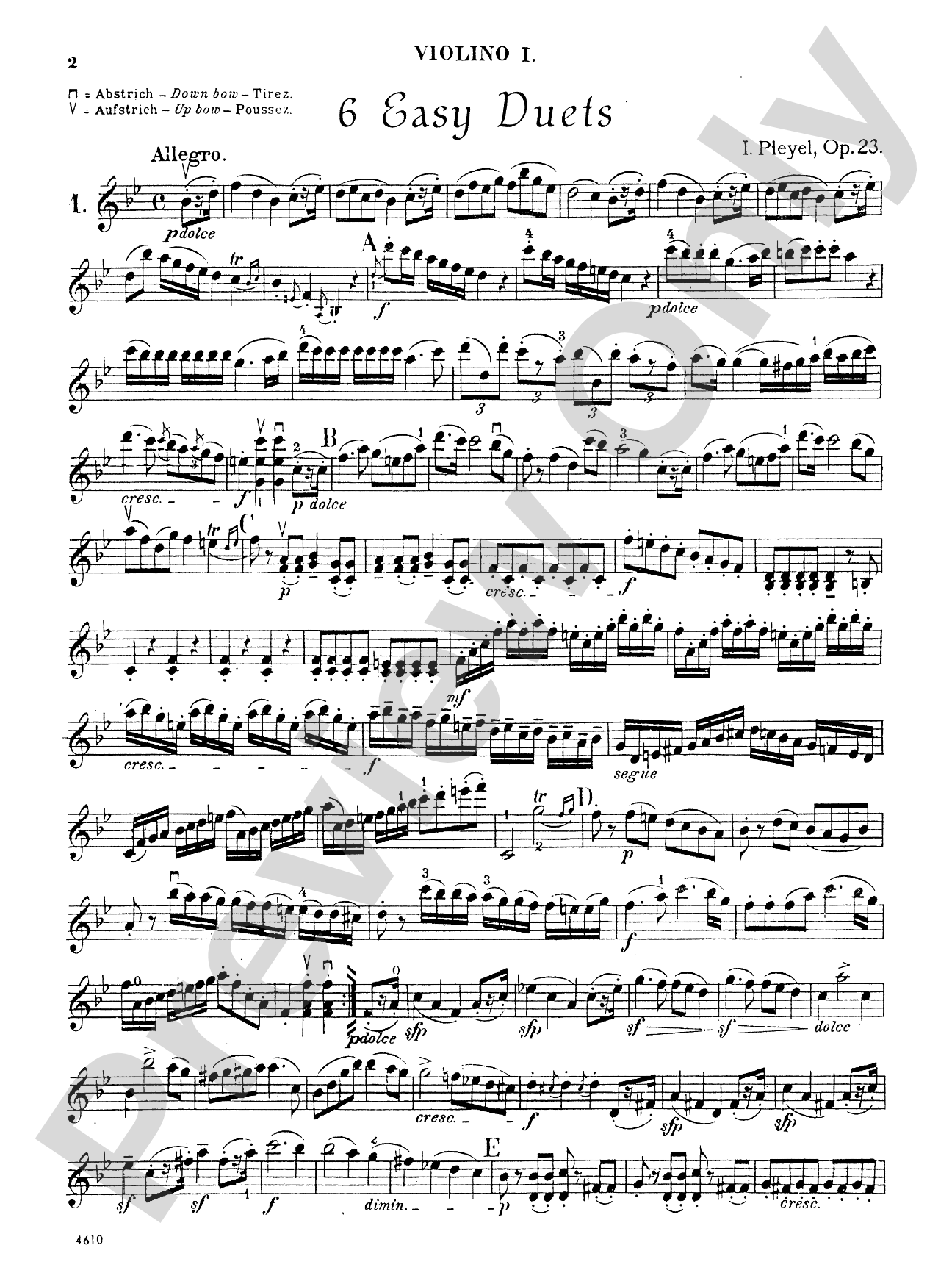
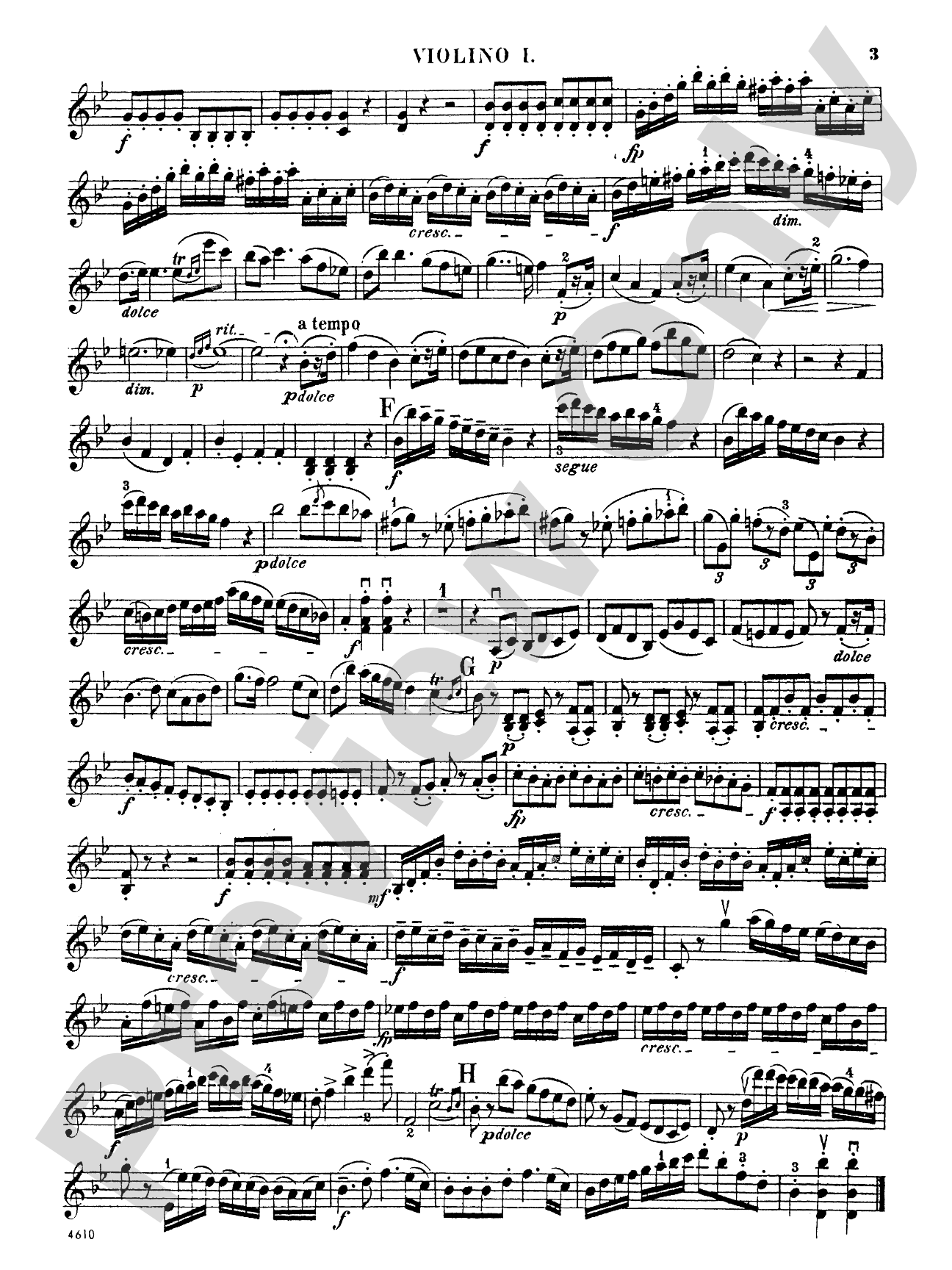
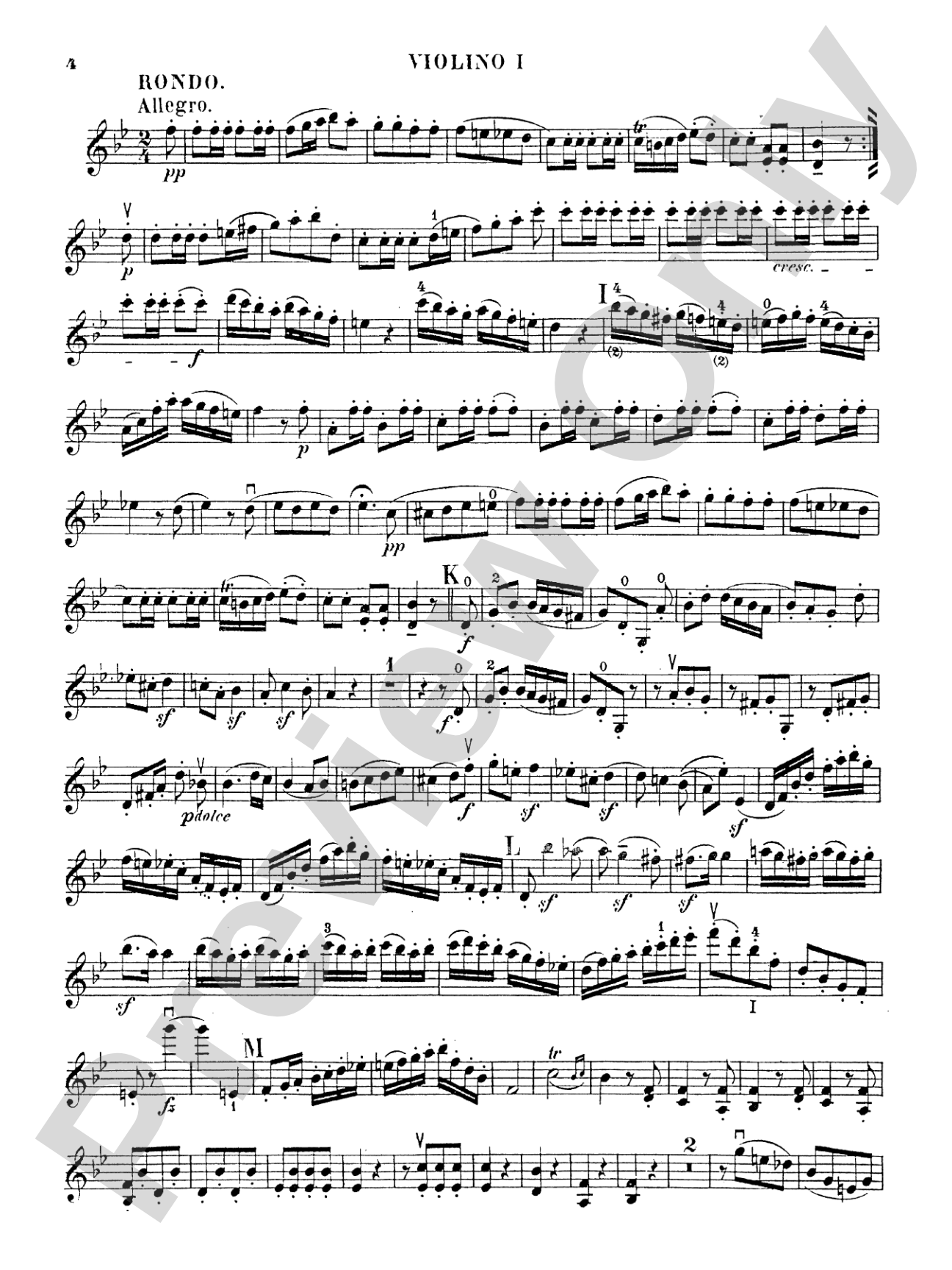
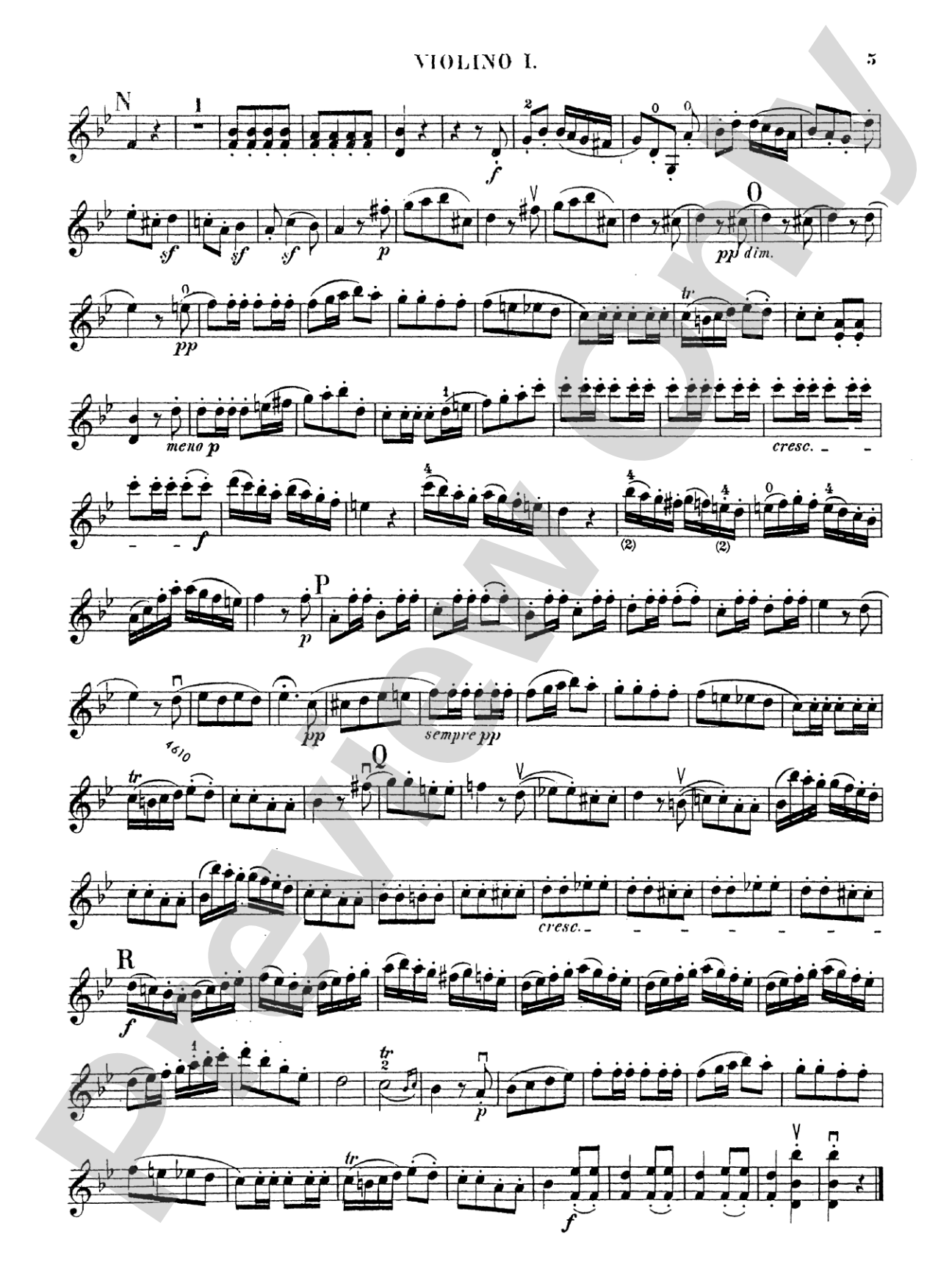

Pleyel: Six Easy Duets, Op. 23: Violin Book
By Ignaz Pleyel
Item: 00-PK-0003569

$11.99
Pickup currently not available
Buy Extra Parts (Digital PDF Download)
| Product | Price | Quantity |
|---|---|---|
| Pleyel: Six Easy Duets, Op. 23 | $0.99 | |
| Pleyel: Six Easy Duets, Op. 23 | $0.99 | |
| Pleyel: Six Easy Duets, Op. 23 | $0.99 | |
| Pleyel: Six Easy Duets, Op. 23 | $0.99 | |
| Pleyel: Six Easy Duets, Op. 23 | $0.99 | |
| Pleyel: Six Easy Duets, Op. 23 | $0.99 | |
| Pleyel: Six Easy Duets, Op. 23 | $0.99 | |
| Pleyel: Six Easy Duets, Op. 23 | $0.99 | |
| Pleyel: Six Easy Duets, Op. 23 | $0.99 | |
| Pleyel: Six Easy Duets, Op. 23 | $0.99 | |
| Pleyel: Six Easy Duets, Op. 23 | $0.99 | |
| Pleyel: Six Easy Duets, Op. 23 | $0.99 |
Parts Added to Cart!
Related Items
Six Easy Duets, Opus 23: Violin Book |
$11.95
|
View |
Description
A collection of string duets for 2 Violins, composed by Ignaz Pleyel.


Don't just read it, hear it, play along with it, and watch your students grow with it. In MakeMusic Cloud, Pleyel: Six Easy Duets, Op. 23: Violin Book comes alive with professional accompaniment, adjustable tempo, and built-in practice tools that turn solo practice into real progress.
Open in the Player
Jump straight in and assign it today.
Start Your Free Trial
Open this title and explore the full library in minutes.
Sample Audio
No sample audio found.
Sample Video
No sample videos found.
Additional Details
Series:
Kalmus Edition
Publisher:
Alfred Music
Page Count:
48
SKU:
00-PK-0003569
More about this title
About the Composer: Ignaz Pleyel
Ignaz Pleyel (1757-1831) was an Austrian-Bohemian composer and music publisher who shaped the Classical repertoire with his prolific output of symphonies, chamber music, and pedagogical works. A student of Haydn, Pleyel became known for his melodic gift and direct approach to composition, creating music that balanced technical interest with accessibility for amateur musicians.
Pleyel's duets occupy a special place in string pedagogy. Unlike flashy display pieces, they were written to guide developing violinists through the fundamentals of ensemble playing while maintaining genuine musical substance. His Six Easy Duets, Op. 23, remain standard fare in conservatories and private studios precisely because they accomplish what Pleyel intended: they teach without condescension.
Why we love this
These duets hit a rare sweet spot in Classical string literature. Pleyel constructs phrases that reward careful listening and balanced tone without demanding advanced technique, making them ideal for young violinists who are ready to think about ensemble sound but still building foundational skills. They are equally at home in a jury audition, a studio recital, or a collaborative chamber music setting.
What to expect
Pleyel's duets breathe with the clarity and proportional elegance of the high Classical period. The writing favors light textures, conversational melodic exchanges, and harmonic progressions that feel inevitable rather than surprising. There is a quiet confidence to these pieces; they do not demand virtuosity, but they do demand attention.
Who it's for
Intermediate to advanced beginning violinists (typically grades 2-3 or advanced grade 1) who are comfortable with position work and want to develop solid ensemble discipline. These duets are equally valuable for string teachers seeking repertoire that builds listening skills, and for advanced students preparing for competitions or recitals where a Classical duet is required.
How to get the most out of it
- Establish a steady pulse between the two players before rehearsing passages with rhythmic figures. Pleyel often sets up patterns that exploit the natural asymmetry of dialogue; lock the rhythm section first, then add melodic shape.
- Pay attention to the tessitura of each part. Since one violin typically carries the melody while the other provides accompaniment, balance requires the second violinist to bow with slightly more weight to ensure the harmonic support remains audible without overwhelming the line.
- Use the repeat signs strategically. Many movements benefit from a small tempo adjustment on the repeat, or slight adjustments to articulation, so the form feels fresh rather than mechanical.
- Approach the cadences with a shared sense of harmonic direction. Pleyel's endings are often understated; they require agreement between players about where the phrase actually lands.
How to use it
Program one duet as a palate cleanser between more demanding solo works or as a bridge between a contemporary piece and a Romantic-era selection. Duets also work well in studio recitals where you want to showcase a student's emerging musicality and collaborative skills. For festival or competition contexts, a Pleyel duet demonstrates solid technique without gimmickry.
Skills your students will build
- Ensemble intonation and balance between two independent melodic lines
- Awareness of harmonic function and phrase direction in Classical forms
- Rhythmic coordination and shared pulse in dialogue passages
- Bow control across different dynamic levels and accompaniment textures
- Sight-reading fluency in moderate Classical vocabulary (key signatures through four sharps/flats, standard articulations)
- Musical interpretation of repeated sections through subtle variations in tone and tempo