

Playing Jazz Piano: Piano
By Bob Mintzer
Item: 00-PB-0001817
$10.95
Pickup currently not available
Related Items
Playing Jazz Piano: Keyboard/Piano Book |
$10.95
|
View |
Description
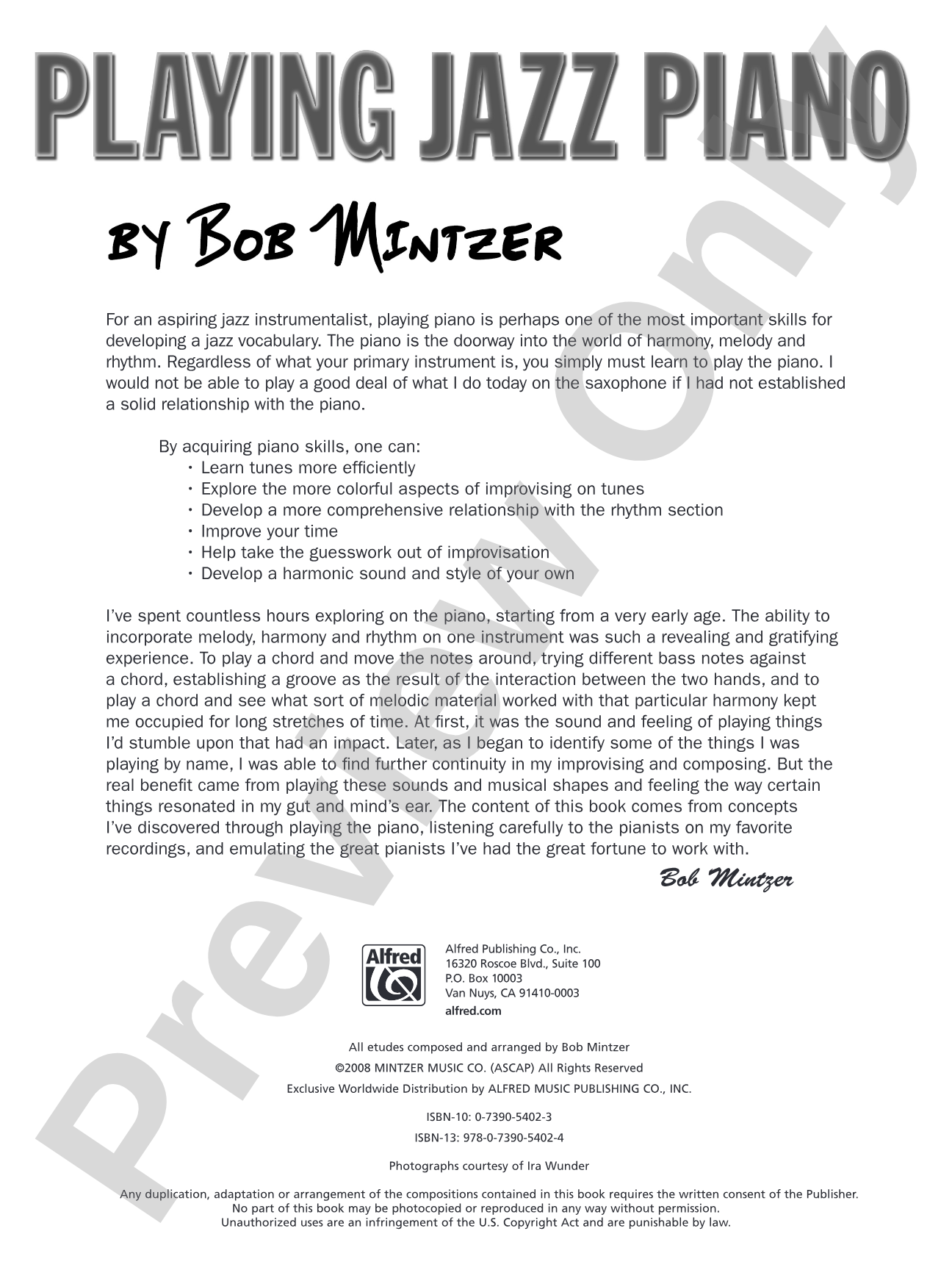
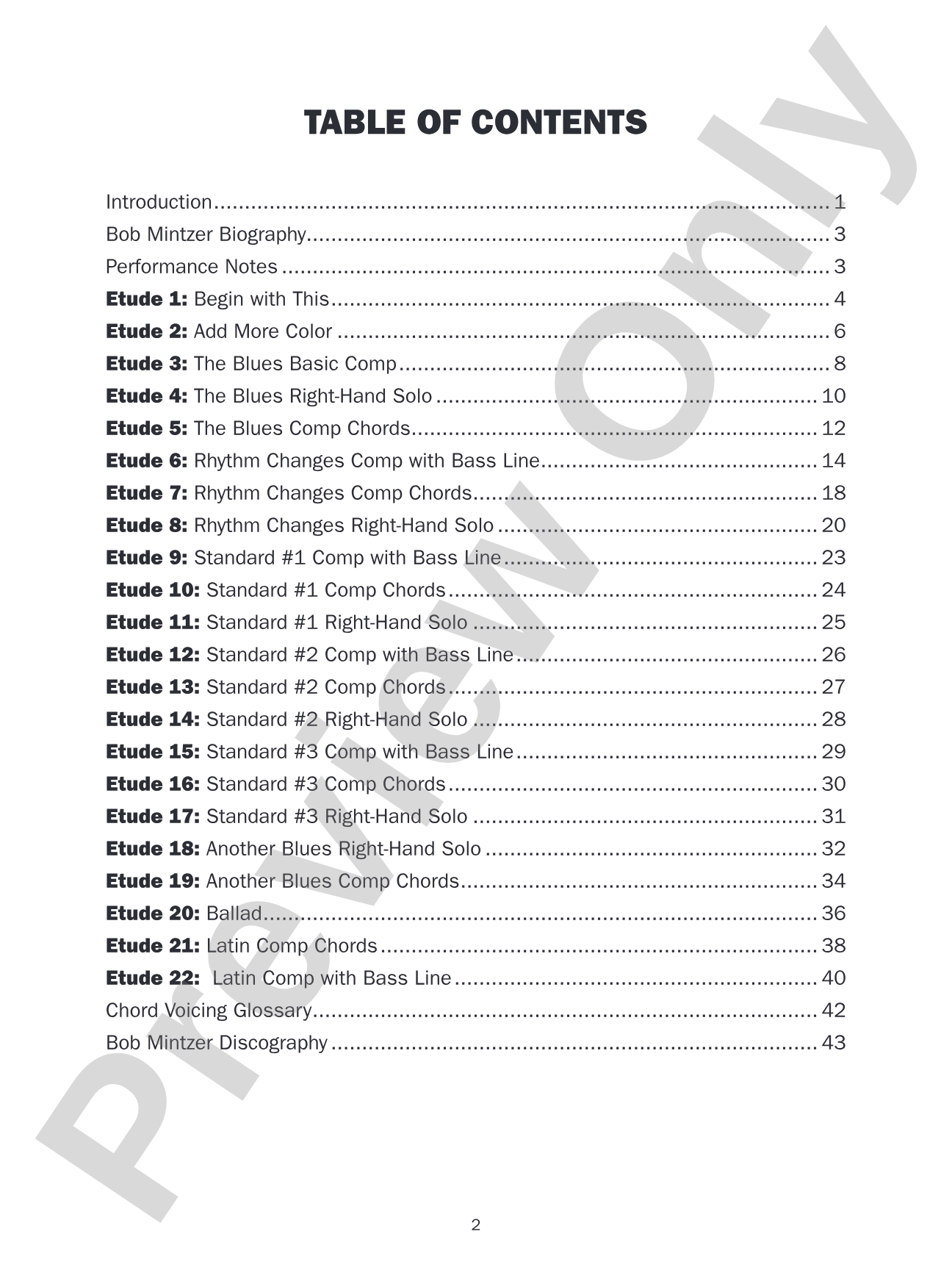
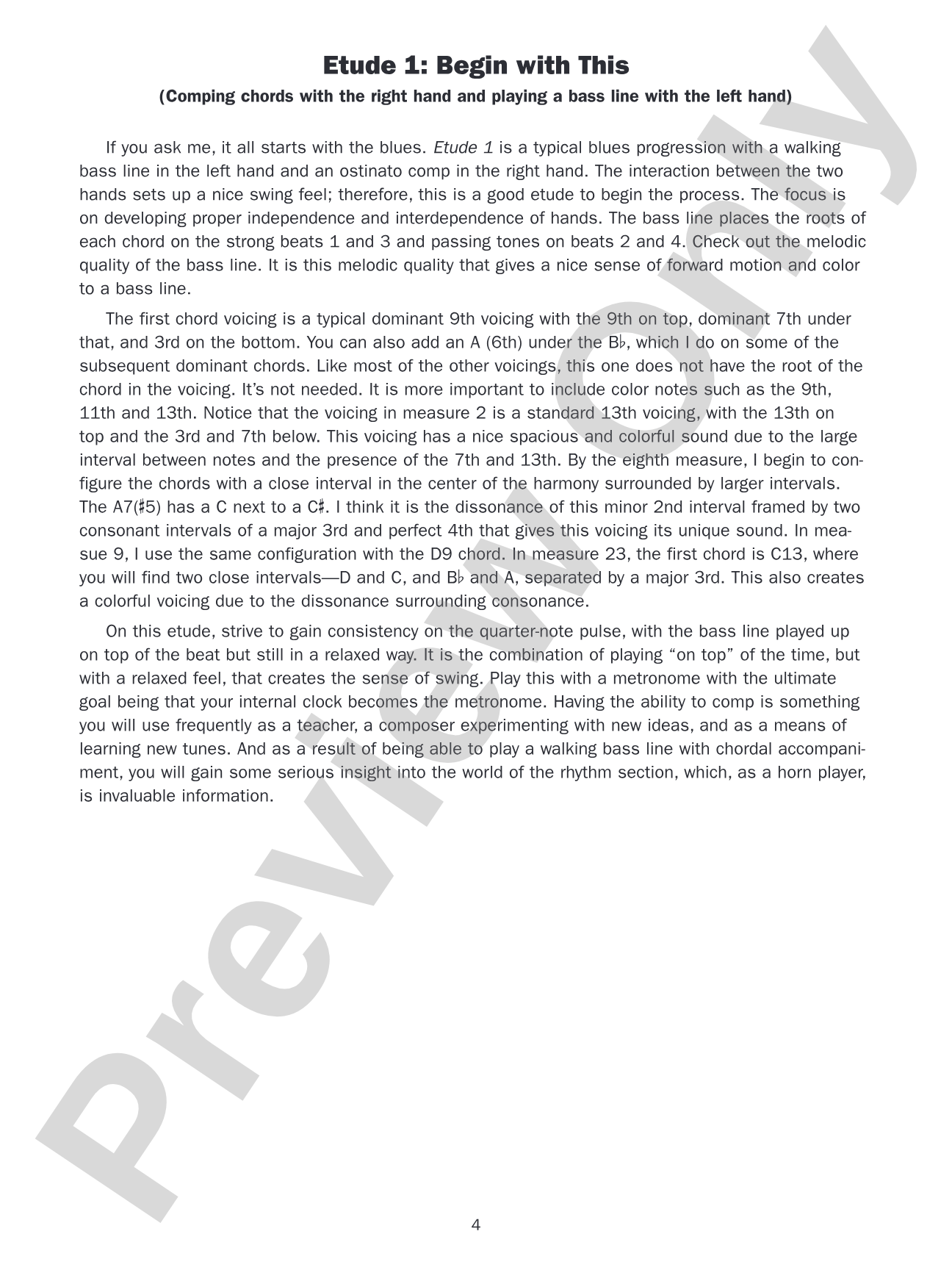
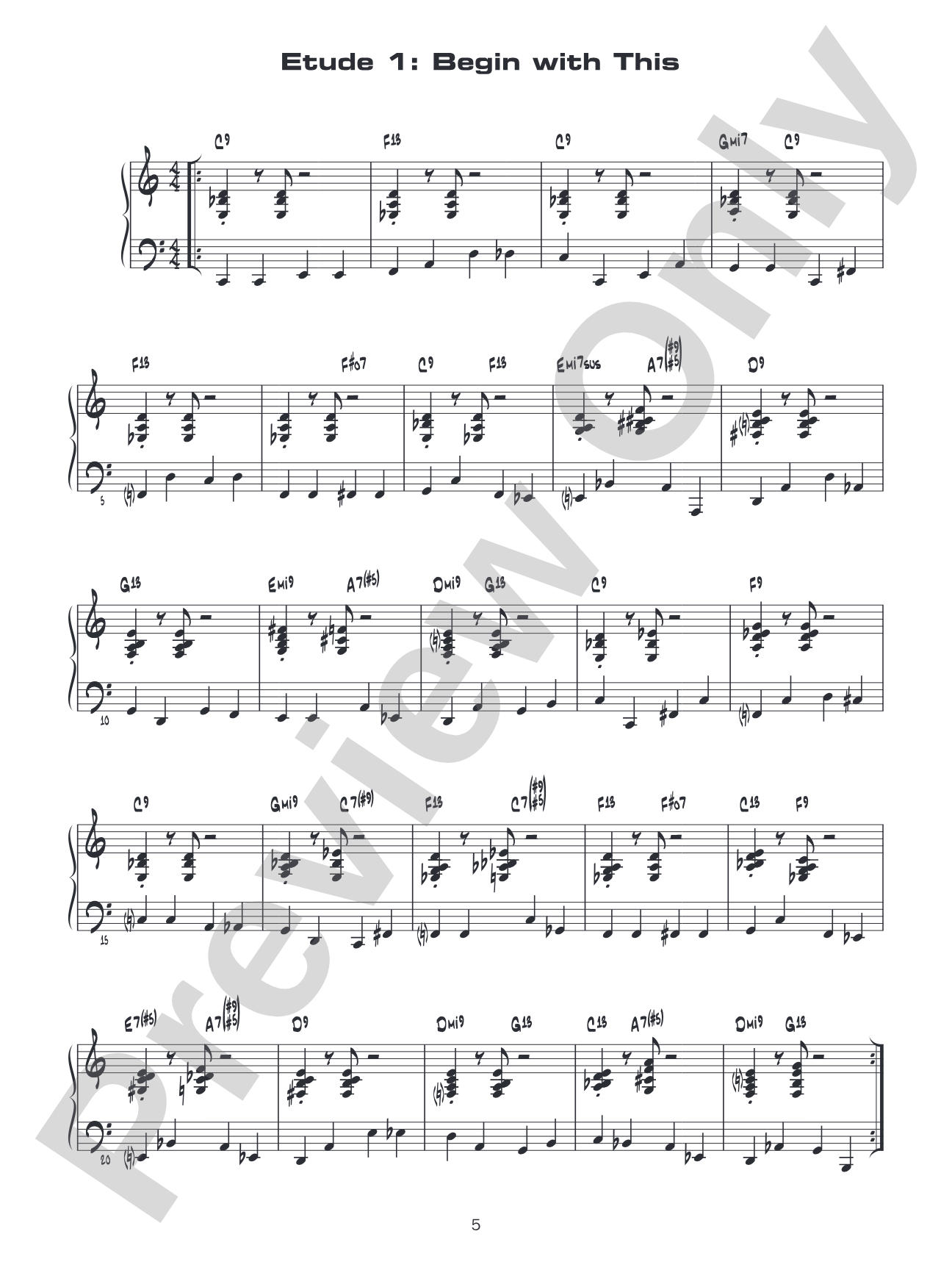
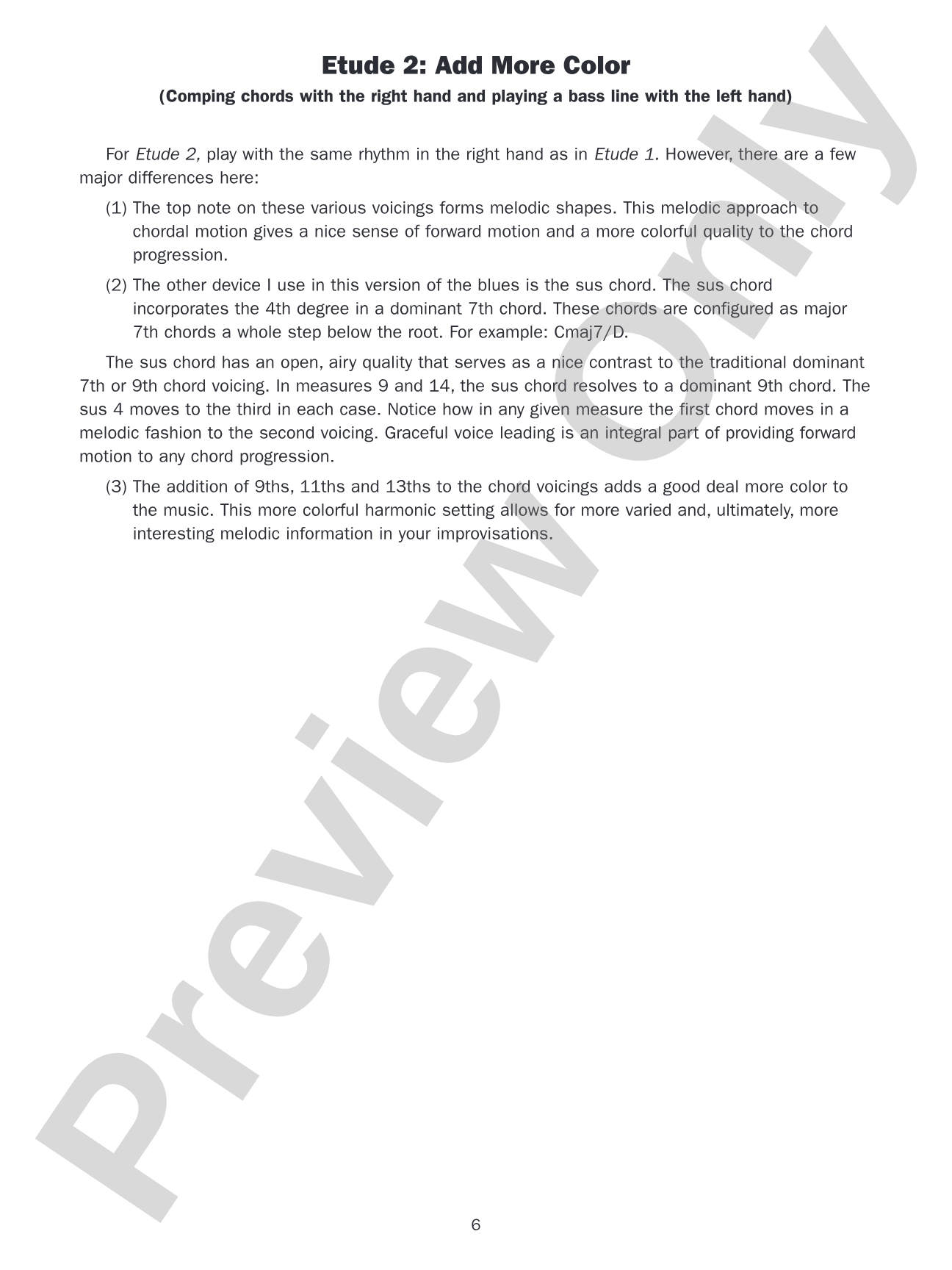
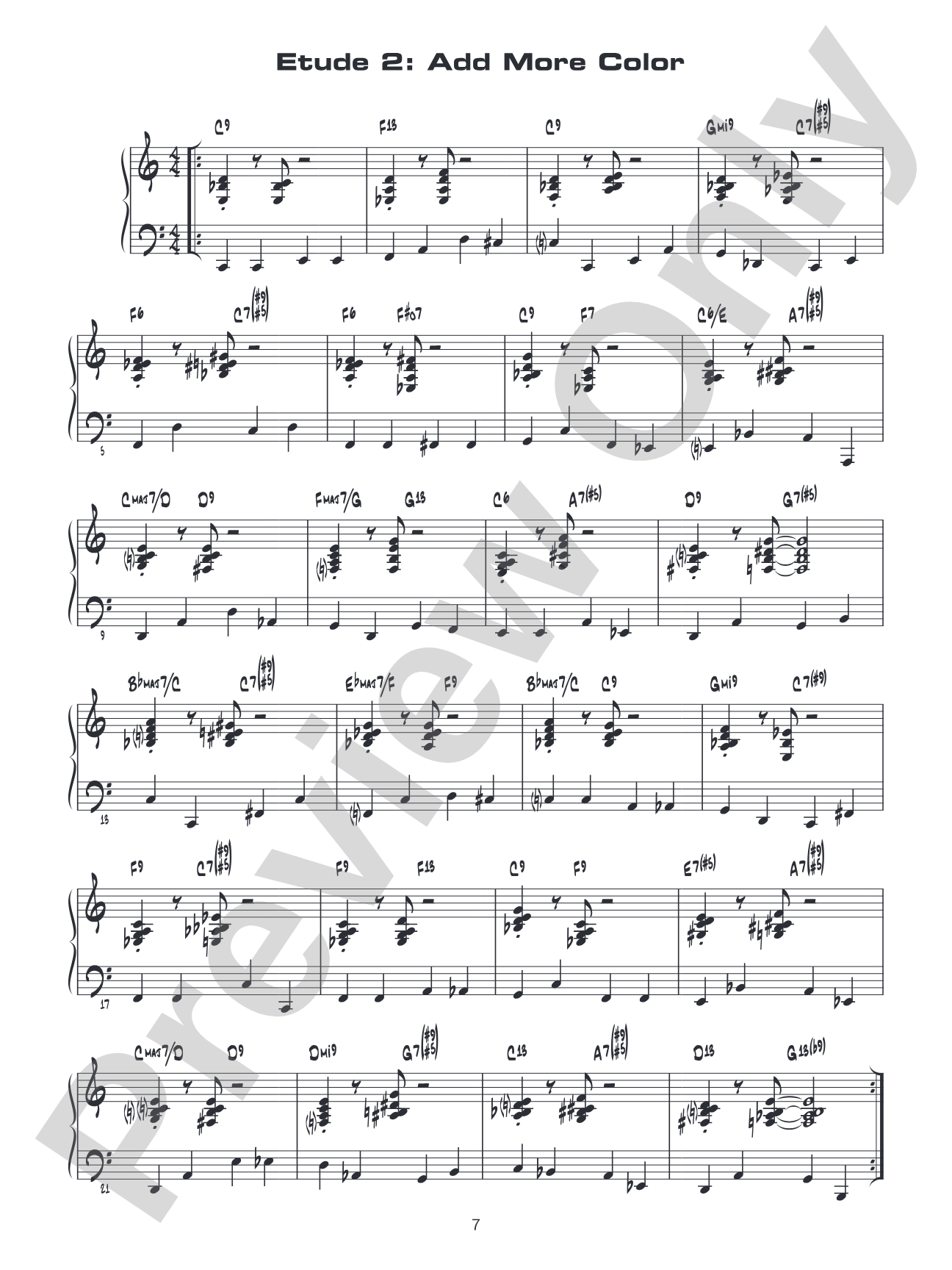
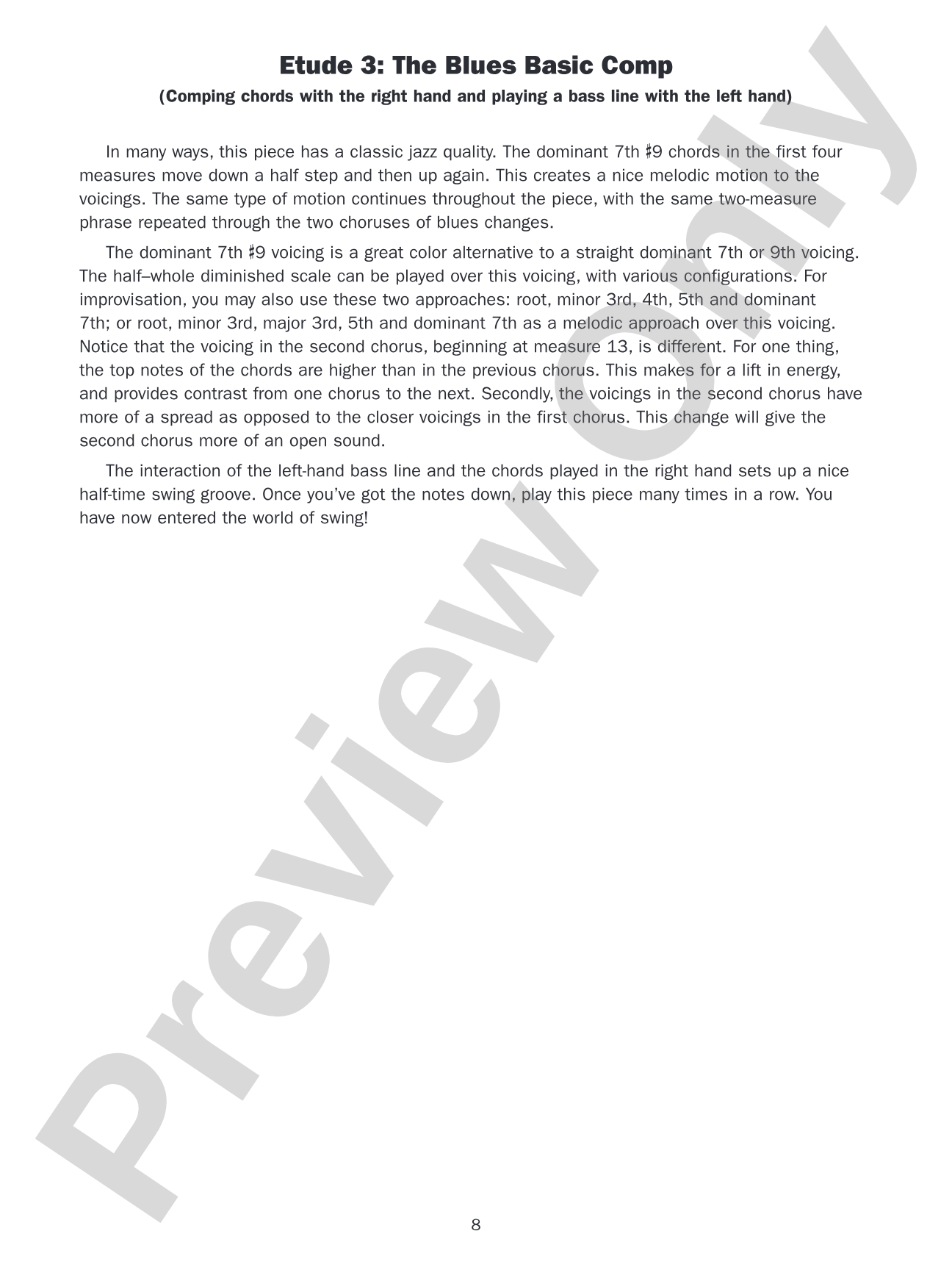
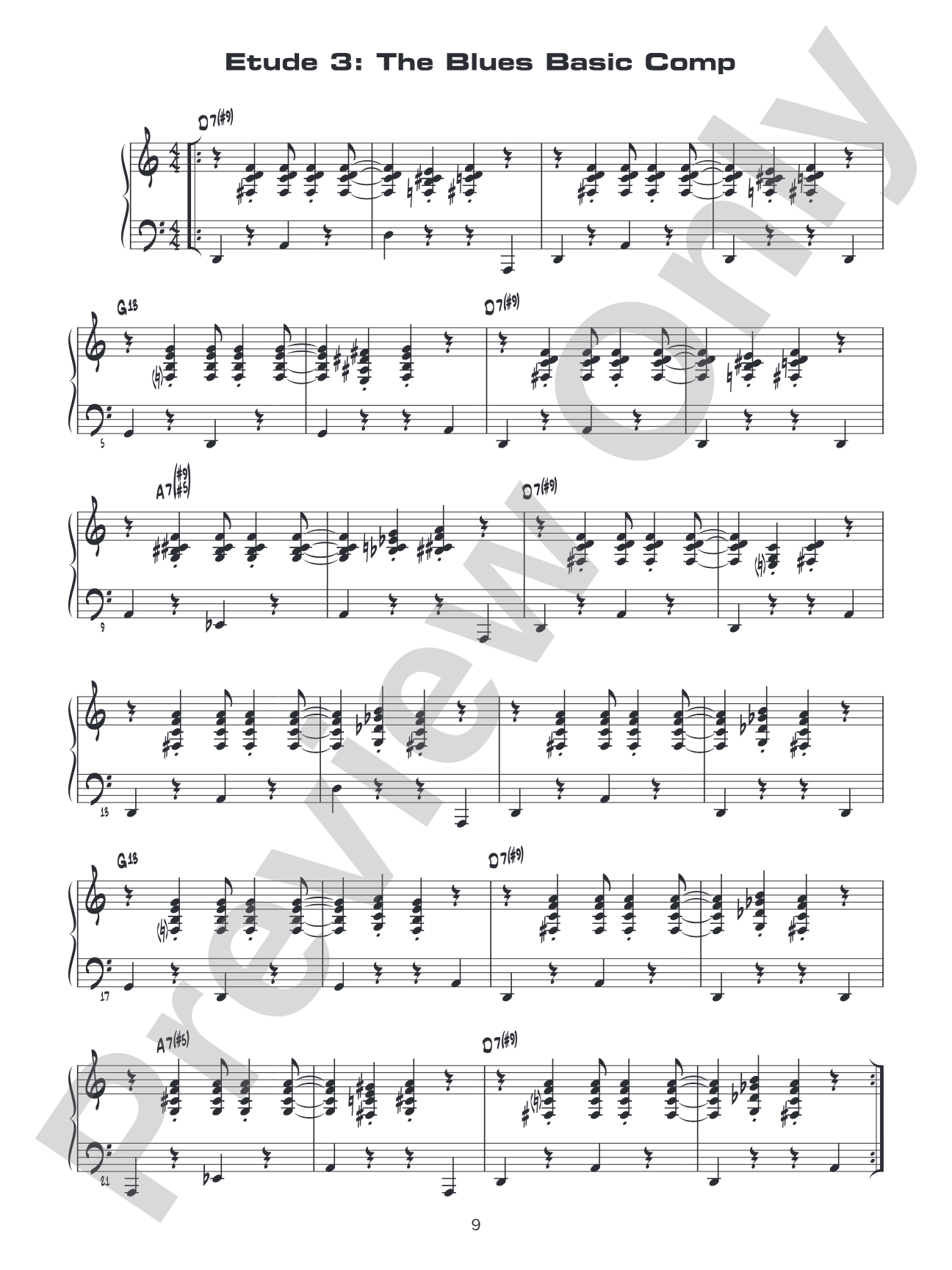
For an aspiring jazz instrumentalist, playing piano is one of the most important skills for developing a jazz vocabulary. Bob Mintzer is a renowned jazz composer, arranger, saxophonist, pianist, bandleader, educator and member of the group, the Yellowjackets. His piano book is designed for the instrumentalist who is not an accomplished piano player but wants to acquire basic jazz piano skills and jazz vocabulary. The book includes etudes that make players aware of the sound, texture, cause, effect and function of jazz chords and harmony. The 22 piano etudes feature a variety of styles, tempos, chord progressions and a the book also includes a chord voicing glossary. Mintzer offers a practical guide with a realistic approach.


Playing Jazz Piano: Piano isn't in MakeMusic Cloud just yet...but it could be. Let us know you'd like to see it, and you'll help shape what comes next. In the meantime, start a free trial and dive into thousands of interactive titles your students can play along with today.
Request This Title
Tell us you want it.
Start Your Free Trial
Explore everything that's ready to play right now.
Sample Audio
No sample audio found.
Sample Video
No sample videos found.
Additional Details
Publisher:
Alfred Music
Page Count:
44
SKU:
00-PB-0001817
More about this title
About the Composer: Bob Mintzer
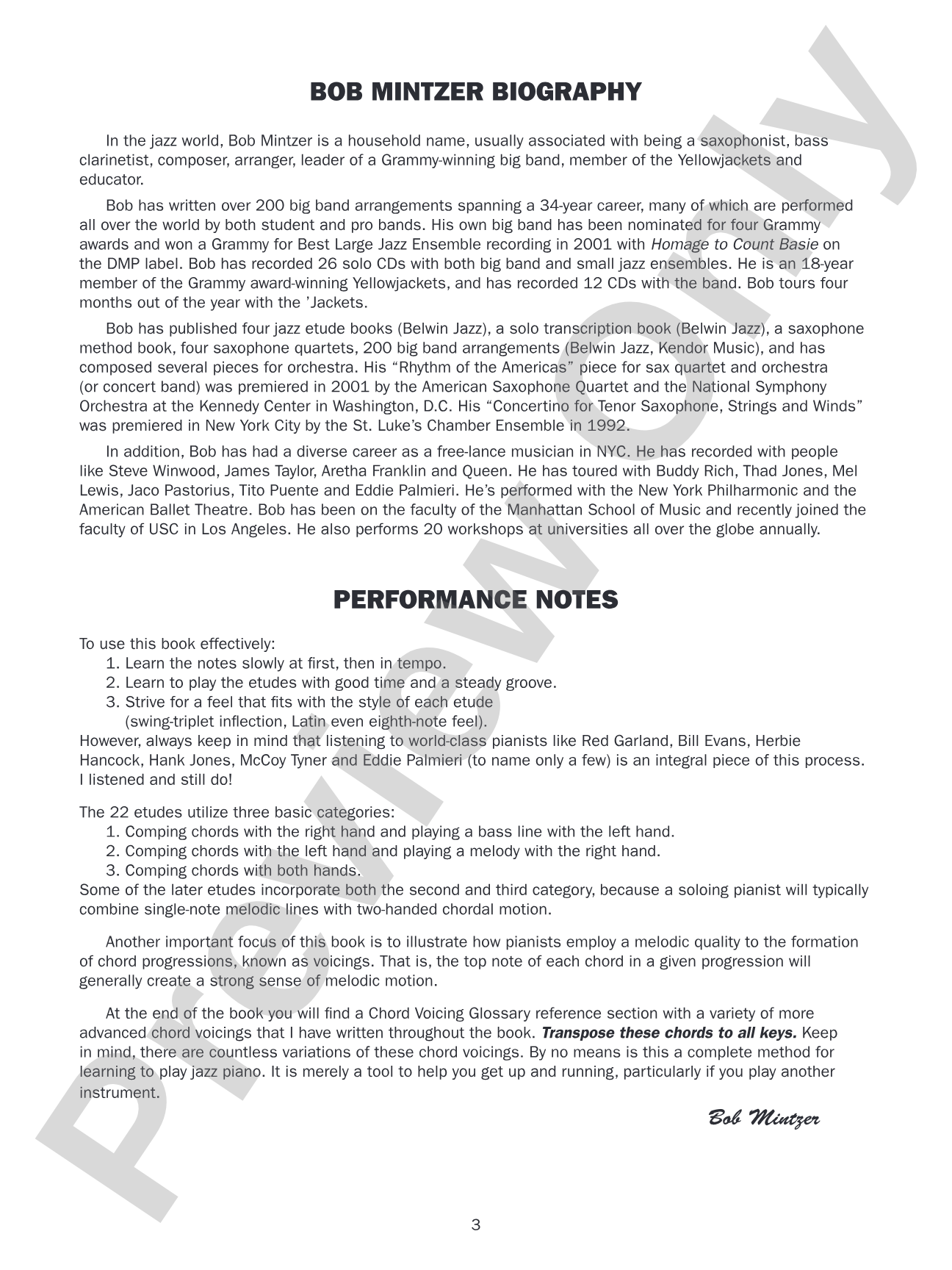
Bob Mintzer stands as one of contemporary jazz's most prolific voices. A saxophonist, pianist, composer, and arranger of international stature, he has shaped the sound of the Yellowjackets for decades while maintaining a parallel career as an educator and clinician. His work spans small group jazz, big band charts, and pedagogical materials that reflect his deep commitment to helping musicians build genuine fluency in jazz.
Mintzer's teaching philosophy centers on demystifying jazz harmony and making the idiom accessible to players without classical piano training. Rather than abstract theory, he grounds his instruction in listening, imitation, and deliberate practice with etudes designed to build both technical facility and musical intuition. His materials reflect what he knows works in the real world of jazz education.
Why we love this
This collection respects the reality that many jazz instrumentalists come to piano without formal training in the instrument. Mintzer sidesteps the trap of oversimplification by using 22 carefully sequenced etudes that isolate specific harmonic and textural concepts, allowing students to hear exactly what a rootless voicing does or how a chord substitution functions. The paired chord voicing glossary transforms these etudes from mere exercises into a reference tool that stays useful long after the initial study.
What to expect
Methodical and purposeful. Each etude zeroes in on a particular harmonic color or rhythmic gesture, stripped of extra complication so the core concept registers clearly. The variety of styles and tempos keeps the work from feeling rote, while the underlying architecture creates a genuine sense of progression from simpler concepts to more complex harmonic terrain.
Who it's for
Non-keyboardists who play saxophone, trumpet, trombone, or other jazz instruments and want to deepen their harmonic understanding at the piano. Also valuable for pianists working to solidify their jazz foundation, particularly those whose training leaned heavily toward classical technique. Anyone seeking a practical, unglamorous approach to building real jazz vocabulary will find this book directional.
How to get the most out of it
- Spend time with the chord voicing glossary before diving into the etudes. Seeing how each voicing sits on the keyboard builds spatial awareness that listening alone cannot provide.
- Record yourself playing through a single etude multiple times across several days. The repetition cements both the physical pathway and your ear's memory of the sound.
- Work through the progressions at a slow tempo first, focusing on smooth voice leading rather than speed. Only increase tempo once the changes feel natural under your hands.
- Listen to recordings of the styles represented in the book (blues, bebop, modal jazz, etc.) while reviewing the corresponding etudes. The connection between sound and page accelerates internalization.
How to use it
Assign these etudes to ensemble members who need to strengthen their jazz literacy for a big band or jazz combo. They work equally well as individualized development tools over an academic year, with students working through the glossary and corresponding etudes on their own schedule. Consider pairing the book with live jazz listening sessions or small group coachings where you can hear how students are absorbing the harmonic concepts.
Skills your students will build
- rootless voicing and chord extensions
- voice leading and smooth harmonic transitions
- recognition of chord function and substitution in jazz contexts
- jazz texture and sonority at the keyboard
- left hand independence in comping patterns
- transcription of jazz harmony by ear